アントネロ・ダ・メッシーナ
1479 · シチリア王国 · 初期ルネサンス
ストーリー
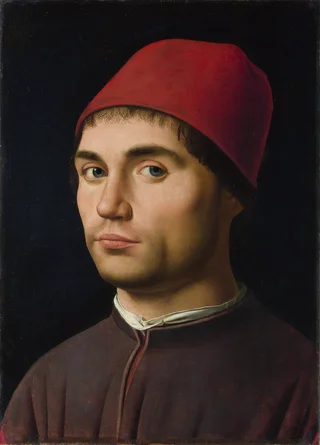
アントネッロ・ダ・メッシーナは、15世紀にはめったに交わらなかった世界のあいだを行き来して画業を送った。シチリア、ナポリ、そしてついにはヴェネツィアへ、当時のイタリアの画家の多くがまだ持たなかった絵画技法を携えて。彼は純粋な油彩画を、おそらくナポリに届いていたネーデルラントの絵を通じて学んだ。数十年前にヤン・ファン・エイクがブルッヘで完成させた技法で、薄く透明な油絵具の層が、どんなイタリアの卵テンペラの画家にも及ばない、つやのあるハイライトと柔らかな影を積み上げることを可能にした。
1475年、彼はヴェネツィアへ旅し、1年半ほど滞在した。それで十分だった。若い画家ジョヴァンニ・ベリーニを含むヴェネツィアの画家たちは、彼の油絵具の扱いと、光の柔らかな階調で顔を立体づけるやり方を吸収し、その変化が次の世代のヴェネツィア絵画を形づくった。この時期のアントネッロの肖像、無地の暗い背景に対する近接した四分の三正面の像は、ふつうのモデルにこうした静かで個人的な存在感を与えた、イタリア美術で最初期のものである。
彼はシチリアのメッシーナへ戻り、1479年初めにその地で亡くなった。実際に絵を描いた都市の外では、なお知られることの少ない名だった。
他の記事
作品
21点の作品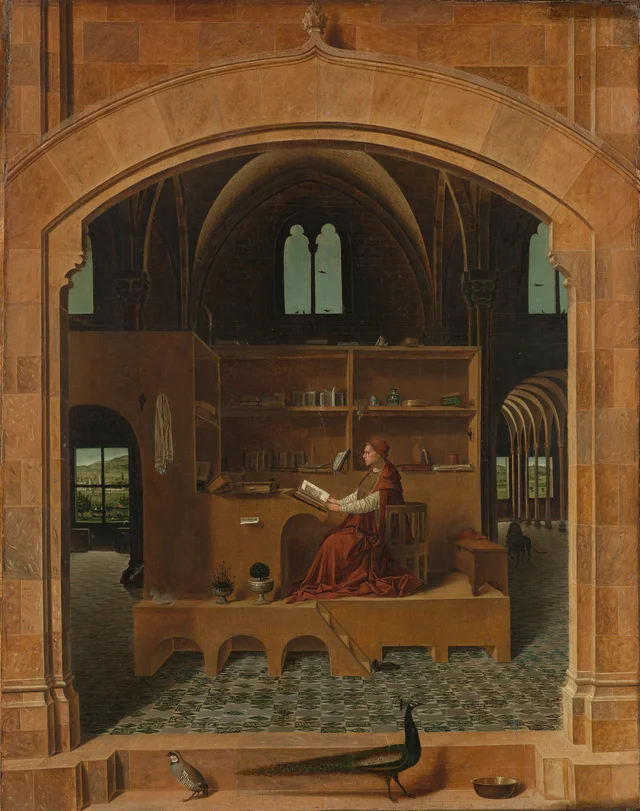 書斎の聖ヒエロニムスアントネロ・ダ・メッシーナ, 1474
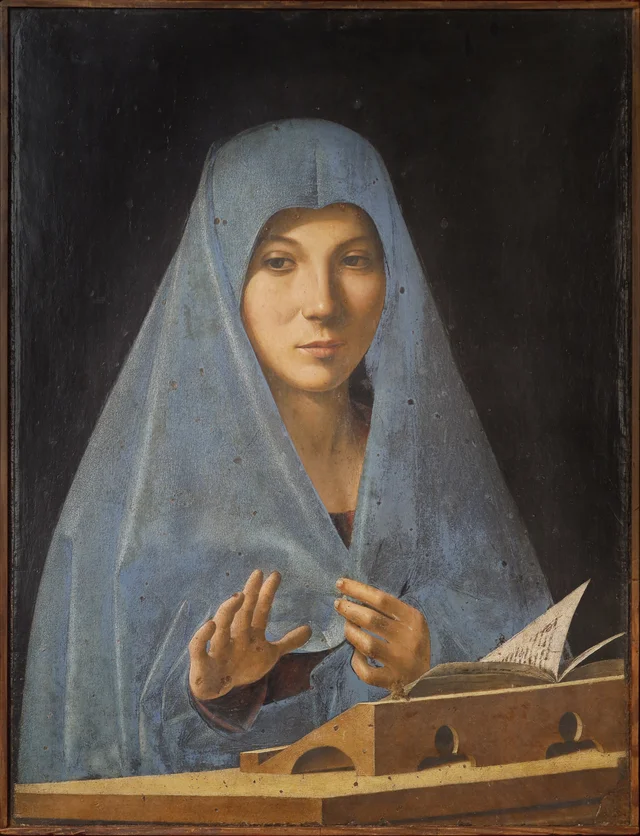 受胎告知の聖母アントネロ・ダ・メッシーナ, 1476
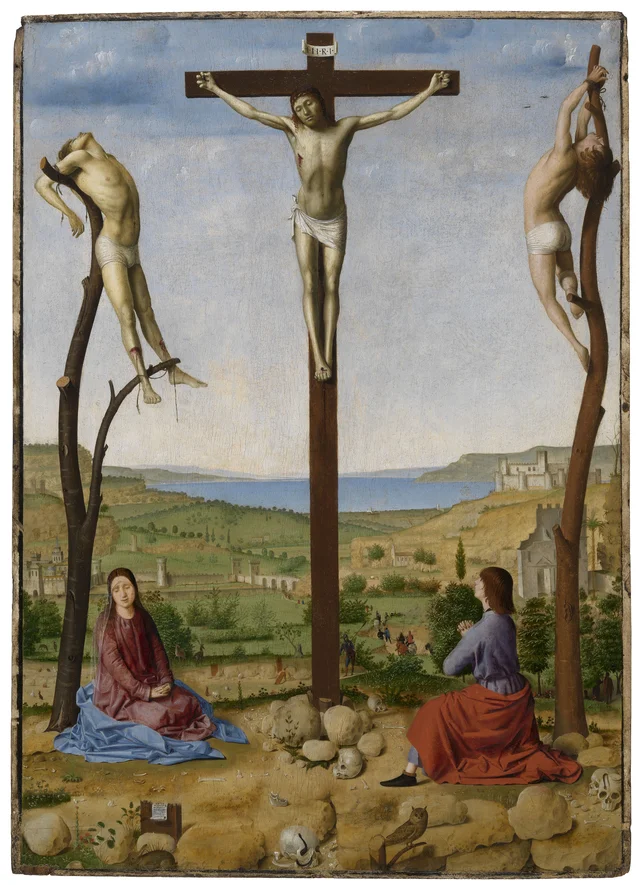 カルヴァリオアントネロ・ダ・メッシーナ, 1475
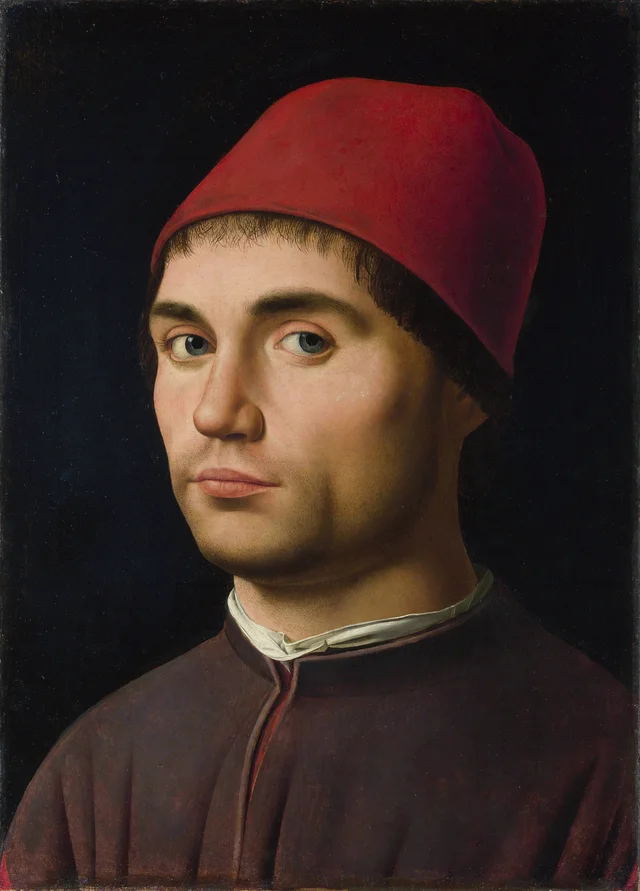 男の肖像アントネロ・ダ・メッシーナ, 1475
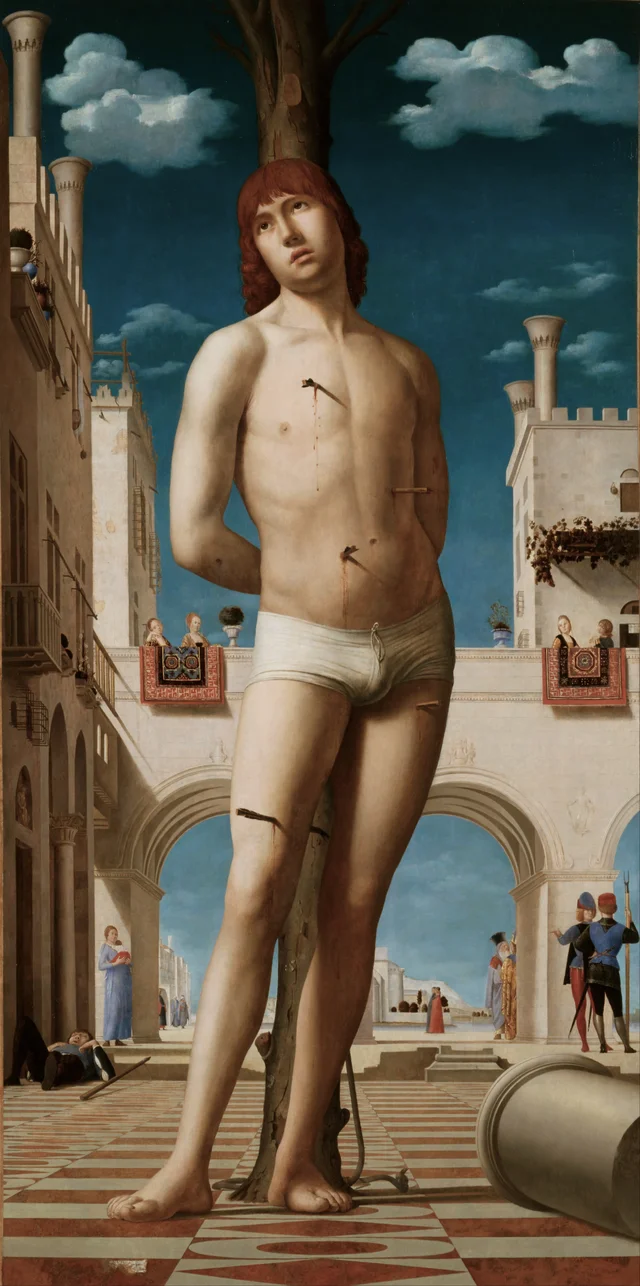 聖セバスティアヌスアントネロ・ダ・メッシーナ, 1478
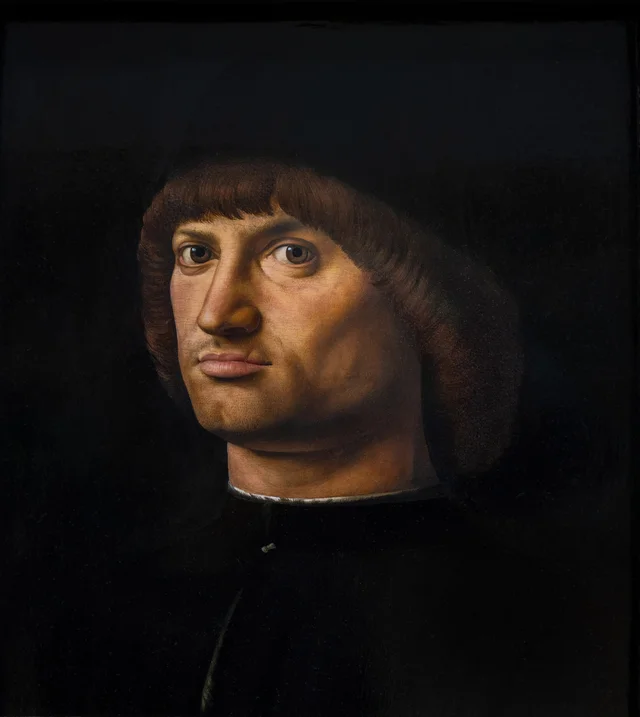 男の肖像(コンドッティエーレ)アントネロ・ダ・メッシーナ, 1475
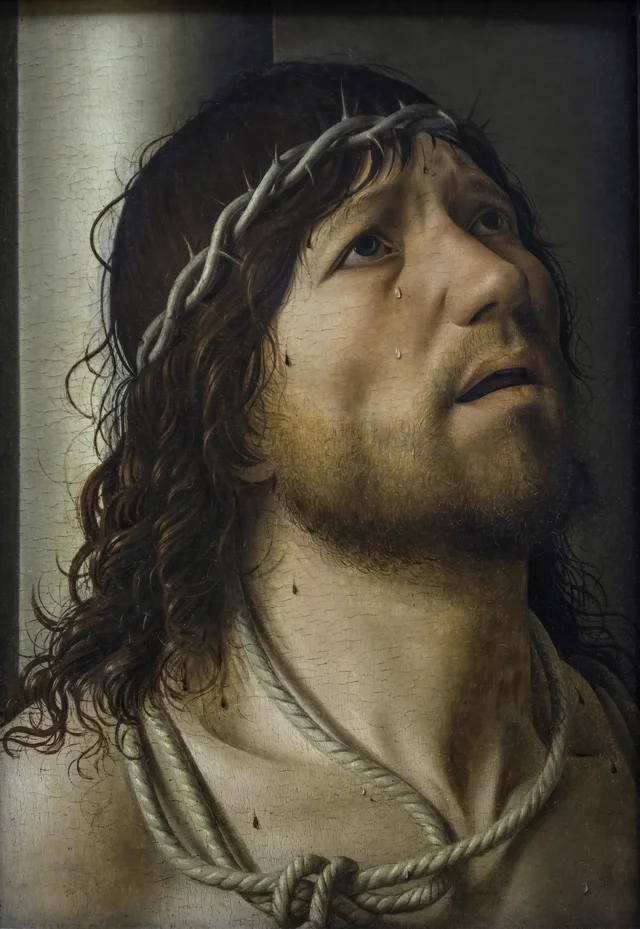 柱のキリストアントネロ・ダ・メッシーナ, 1477
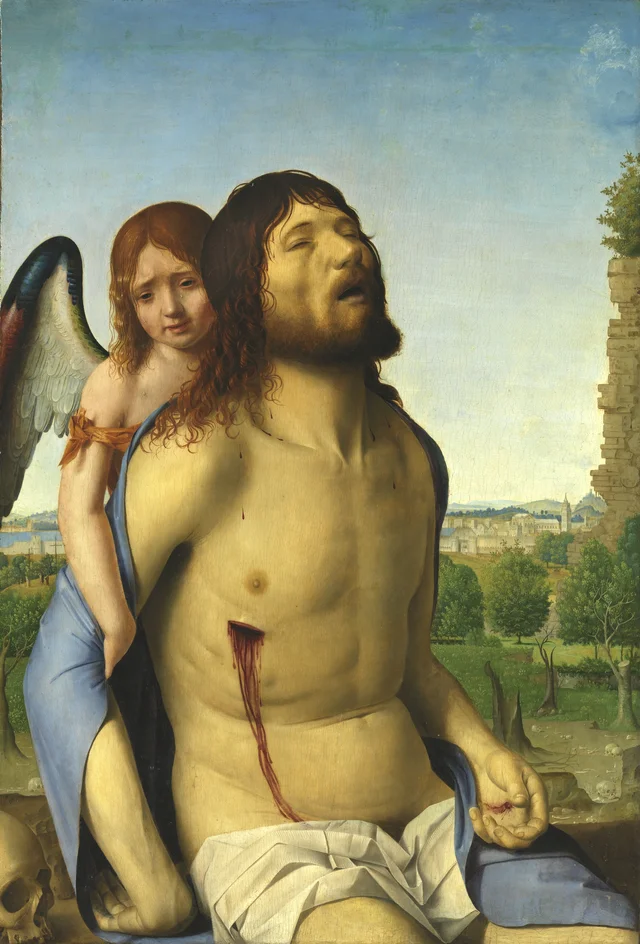 天使に支えられる死せるキリストアントネロ・ダ・メッシーナ, 1475
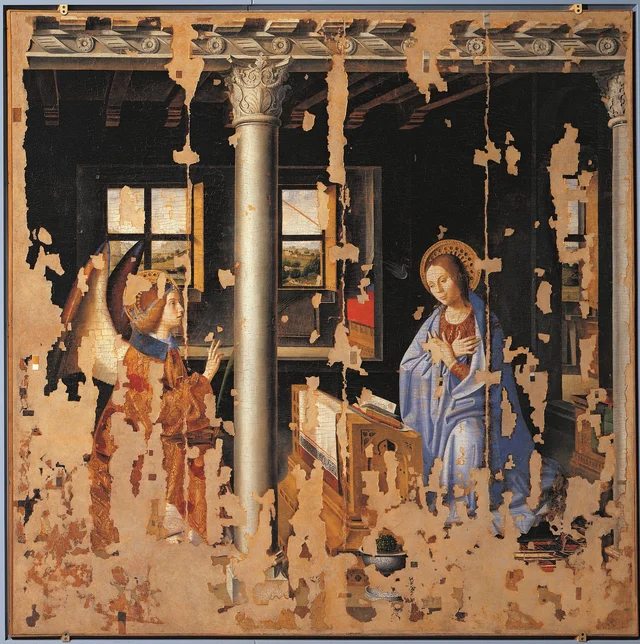 受胎告知アントネロ・ダ・メッシーナ, 1474
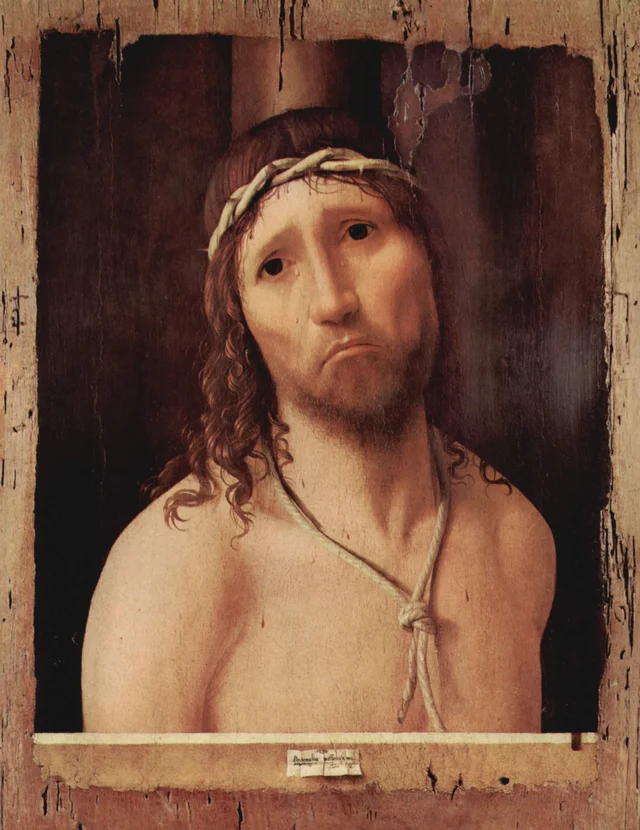 エッケ・ホモアントネロ・ダ・メッシーナ, 1473
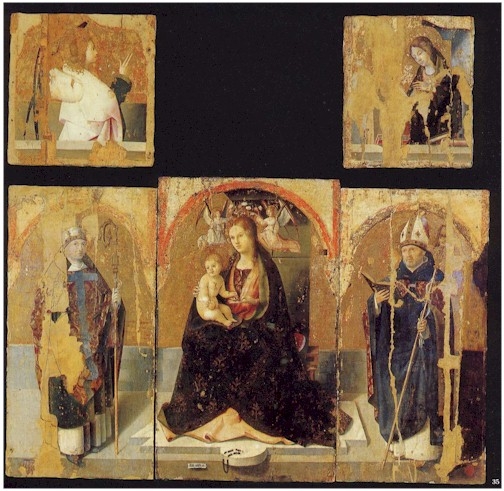 サン・グレゴリオ多翼祭壇画アントネロ・ダ・メッシーナ, 1473
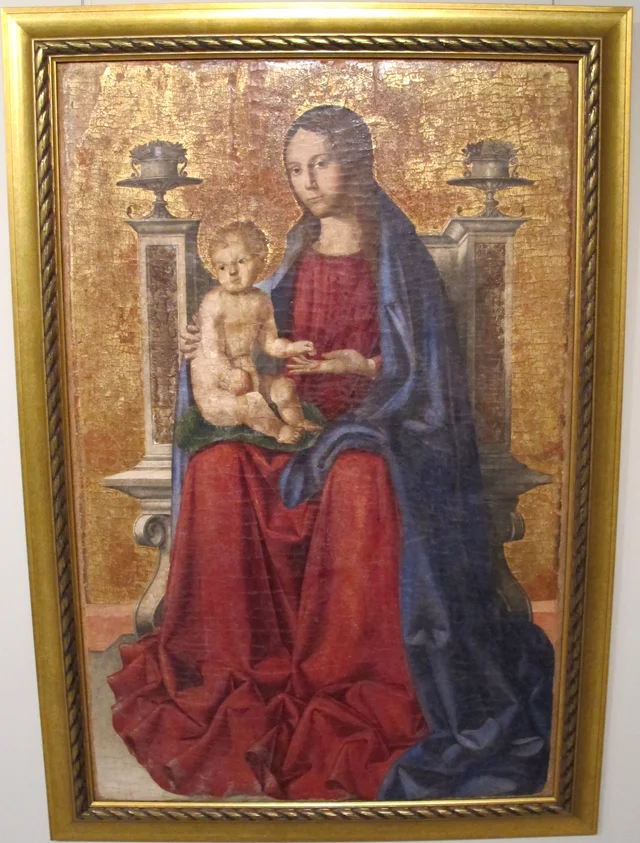 聖母子アントネロ・ダ・メッシーナ
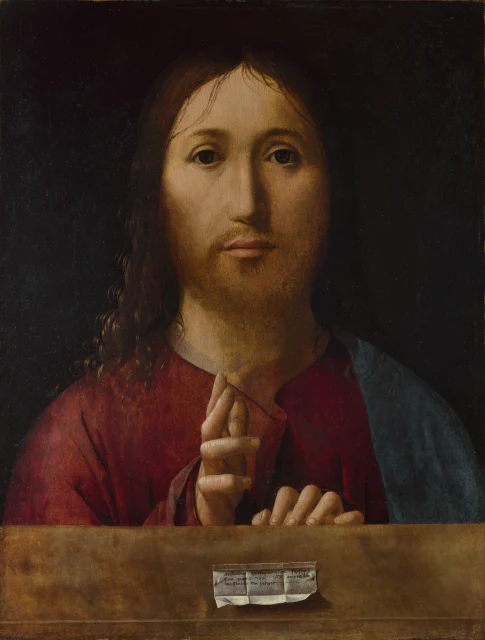 祝福するキリストアントネロ・ダ・メッシーナ, 1465
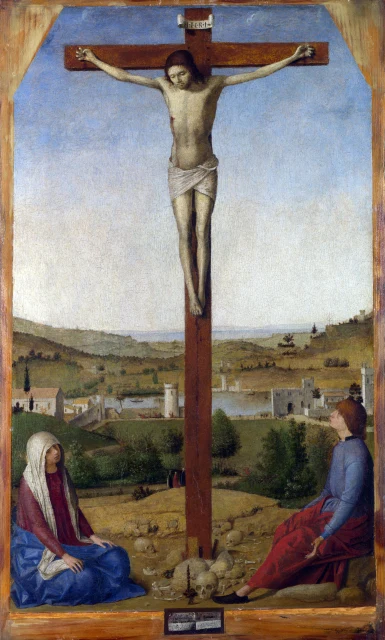 磔刑のキリストアントネロ・ダ・メッシーナ, 1475
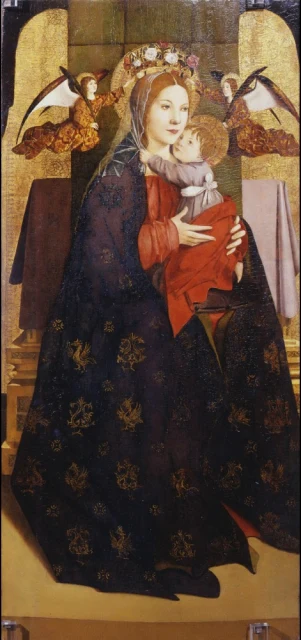 ウフィツィの聖母アントネロ・ダ・メッシーナ, 1470
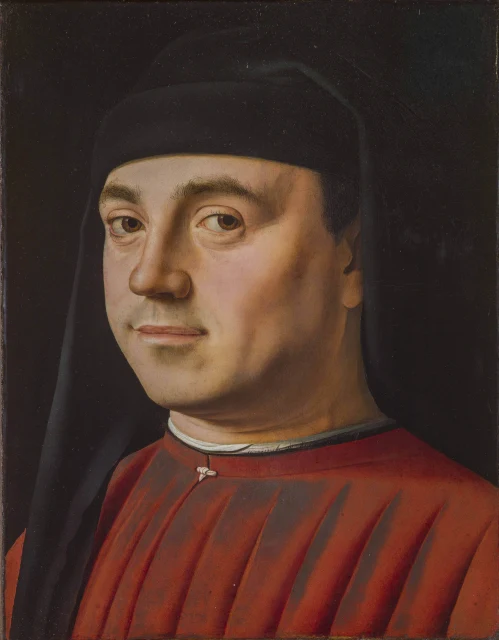 男性の肖像アントネロ・ダ・メッシーナ, 1476
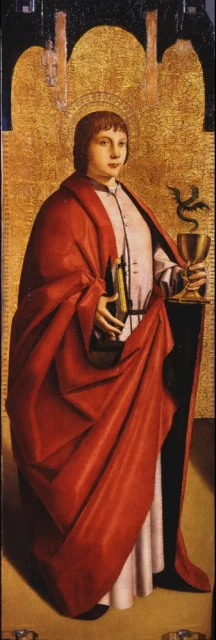 福音書記者聖ヨハネアントネロ・ダ・メッシーナ, 1470
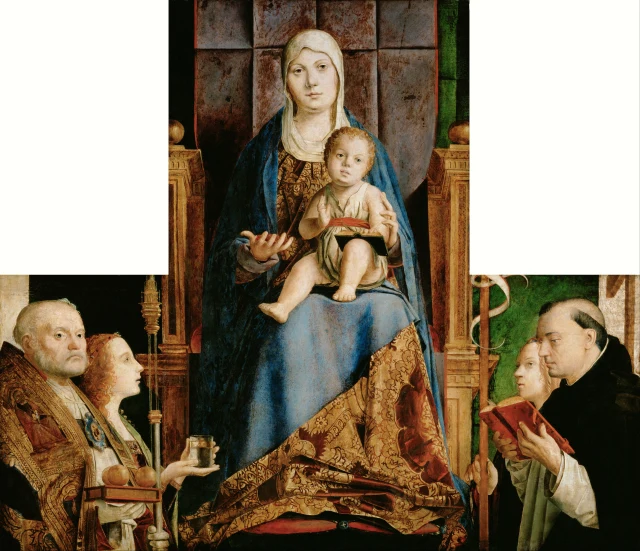 サン・カッシアーノ祭壇画アントネロ・ダ・メッシーナ, 1475
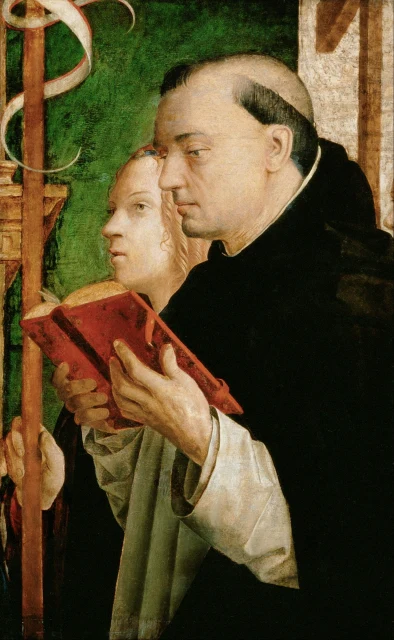 サン・カッシアーノ祭壇画:聖ドミニクス(右断片)アントネロ・ダ・メッシーナ, 1475
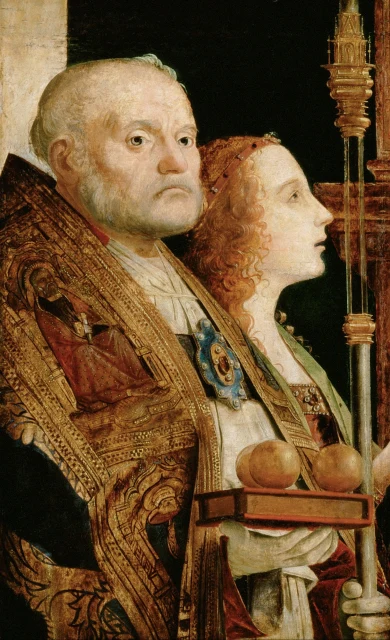 サン・カッシアーノ祭壇画:バーリの聖ニコラウス(左断片)アントネロ・ダ・メッシーナ, 1475
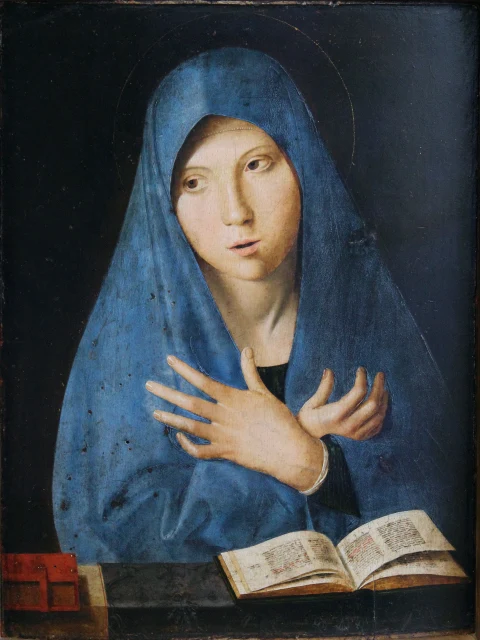 受胎告知の聖母アントネロ・ダ・メッシーナ, 1473