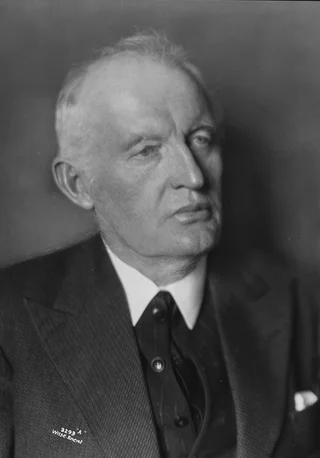
エドヴァルド・ムンク
1863–1944 · ノルウェー · 象徴主義, 表現主義
音声ガイド
ストーリー
1890年代初めのある晩、ムンクは当時オスロが「クリスチャニア」と呼ばれていた頃、そのフィヨルドを見下ろす道を二人の友人と歩いていた。すると水面の上の空が血のような赤に染まった。彼は日記に、自分は震えながら立ち止まり、自然を貫いていく果てしない叫びを感じたと記している。この散歩から生まれたのが、1893年に描かれた「叫び」である。この赤い空は実在した現象であり、1883年のクラカタウ火山噴火の余燼が、その後何か月も世界中の夕焼けを染めていたためではないかと、後に天文学者たちは論じている。
ありふれた夕焼けの中に恐怖を見出すだけの理由が、彼にはあった。母と姉ソフィエは、彼がまだ少年の頃、そろって結核で世を去っており、その後何十年にもわたって病と精神の破綻が彼につきまとった。1908年には体調を崩し、コペンハーゲンの療養施設に自ら入院している。彼はこうしたすべてを、嫉妬、病、不安を描いた絵の連作へと昇華させ、「生命のフリーズ」という総題のもとにまとめた。
1930年代までに、その名声はナチス政府がドイツの美術館から彼の作品82点を「退廃芸術」として没収するほどに広く知られていた。彼は占領下のノルウェーの首都を離れ、自らの所有する数千点の絵画と版画を守りながら、エーケリーの邸宅で晩年を過ごした。1944年1月、80歳でその地で世を去り、私的なコレクションのほぼすべてをオスロ市に遺贈した。
作品
316点の作品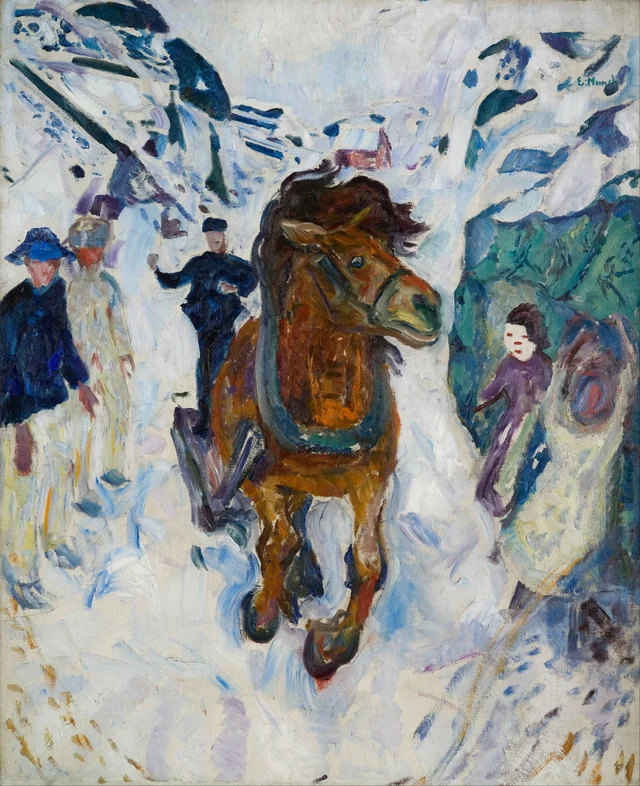 疾走する馬エドヴァルド・ムンク, 1912
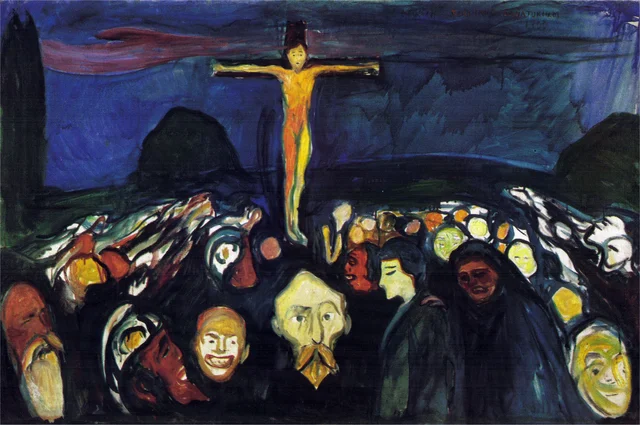 ゴルゴタエドヴァルド・ムンク, 1900
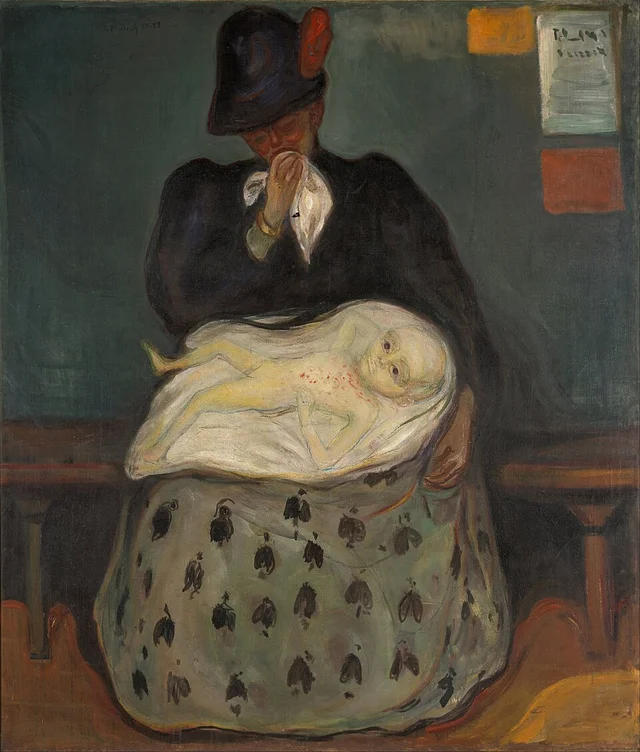 遺伝エドヴァルド・ムンク, 1897
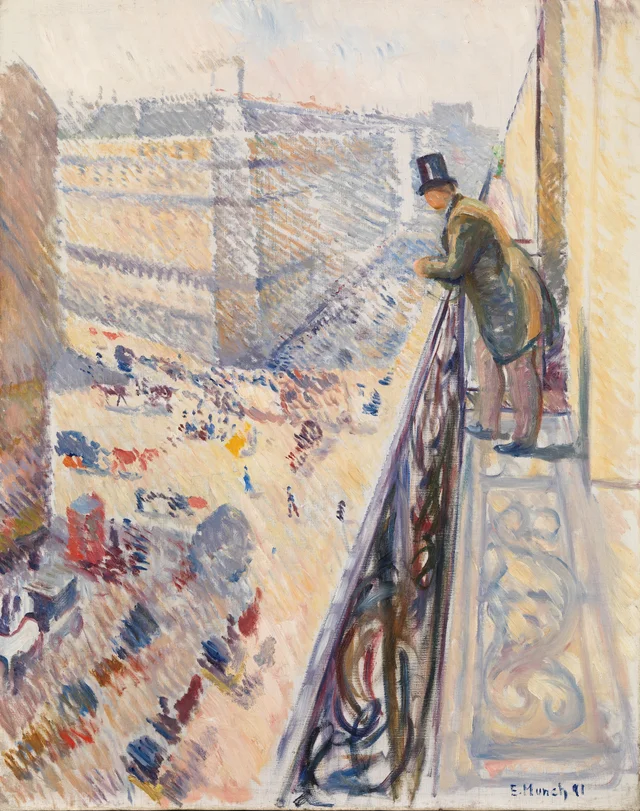 ラファイエット通りエドヴァルド・ムンク, 1891
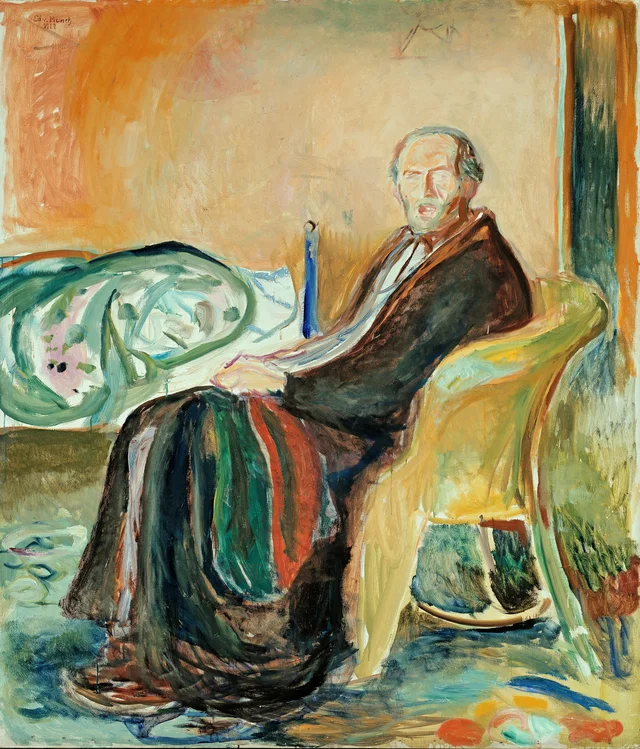 スペイン風邪の自画像エドヴァルド・ムンク, 1919
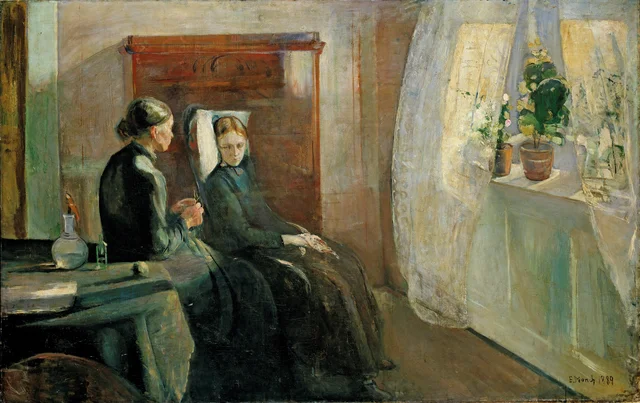 春エドヴァルド・ムンク, 1889
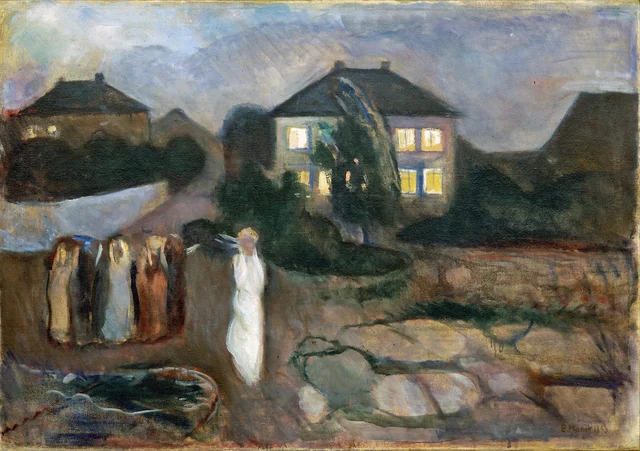 嵐エドヴァルド・ムンク, 1893
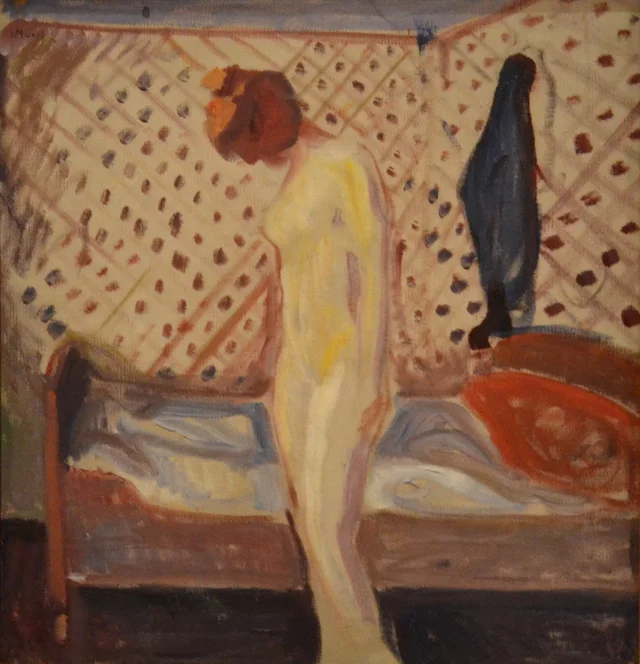 泣く女エドヴァルド・ムンク, 1907
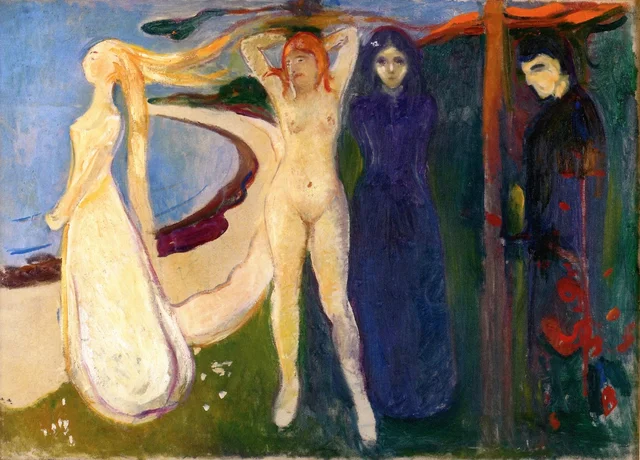 女性。スフィンクスエドヴァルド・ムンク, 1894
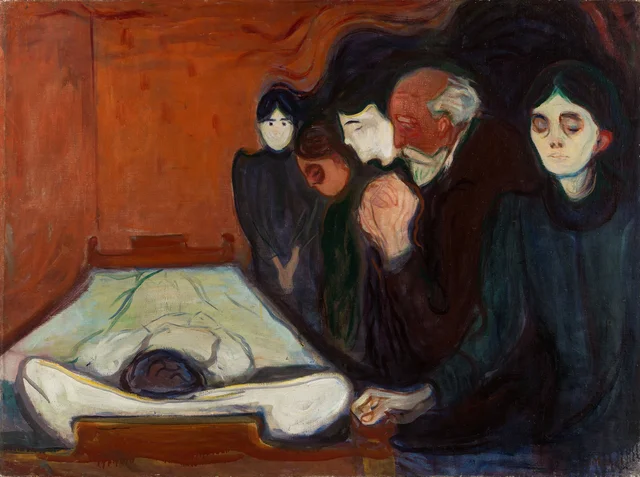 死の床にてエドヴァルド・ムンク, 1895
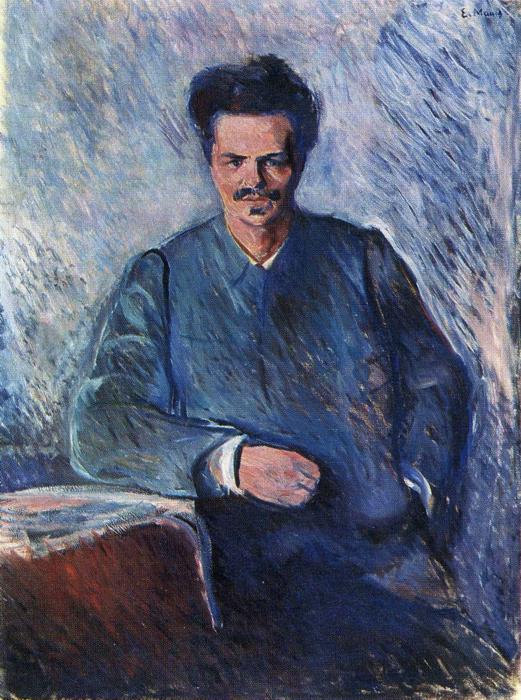 アウグスト・ストリンドベリエドヴァルド・ムンク, 1892
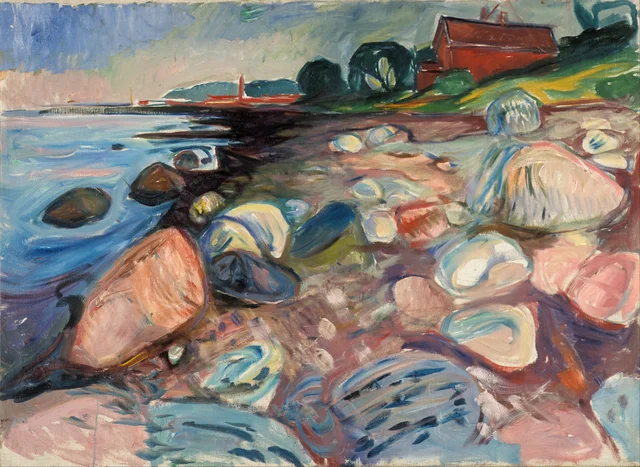 浜辺エドヴァルド・ムンク, 1904
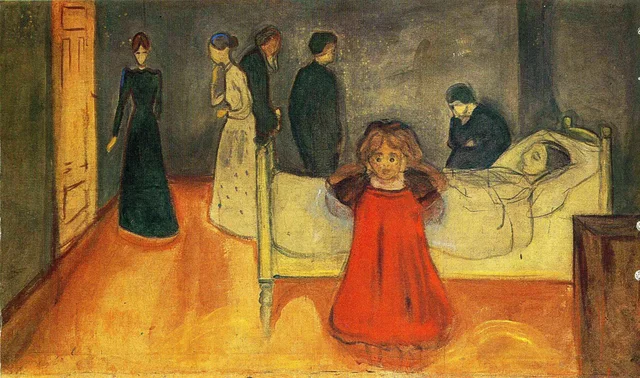 死と子供エドヴァルド・ムンク, 1899
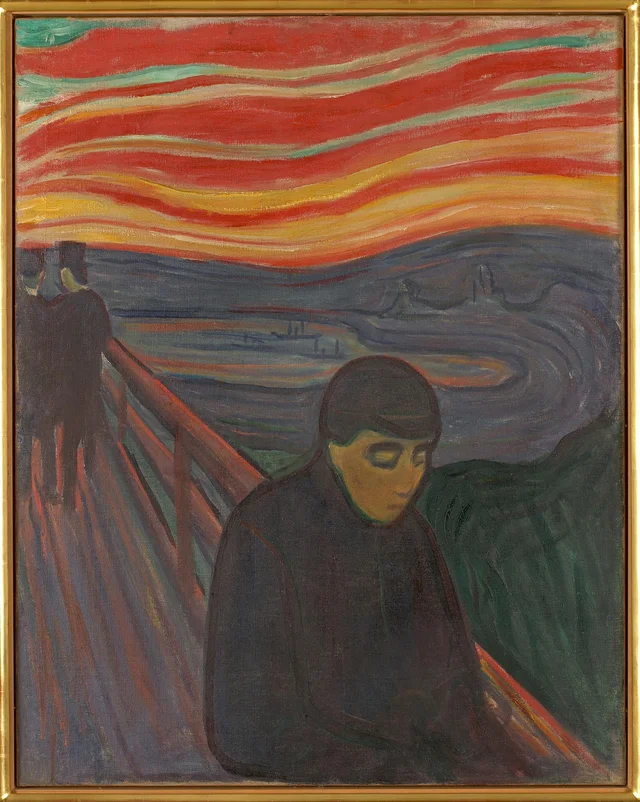 絶望エドヴァルド・ムンク, 1894
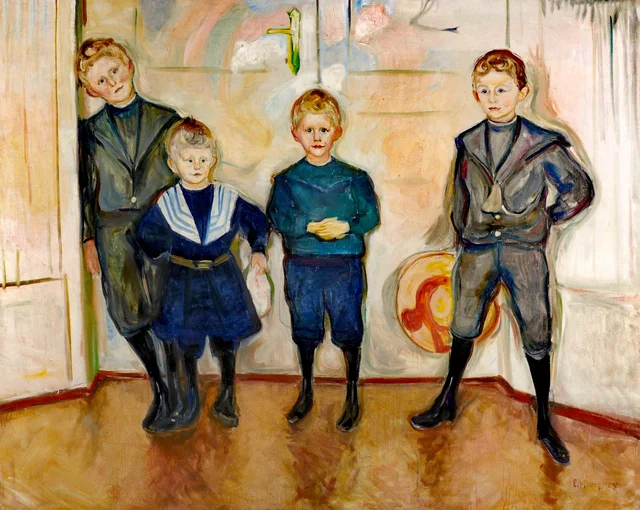 リンデ博士の息子たちエドヴァルド・ムンク, 1903
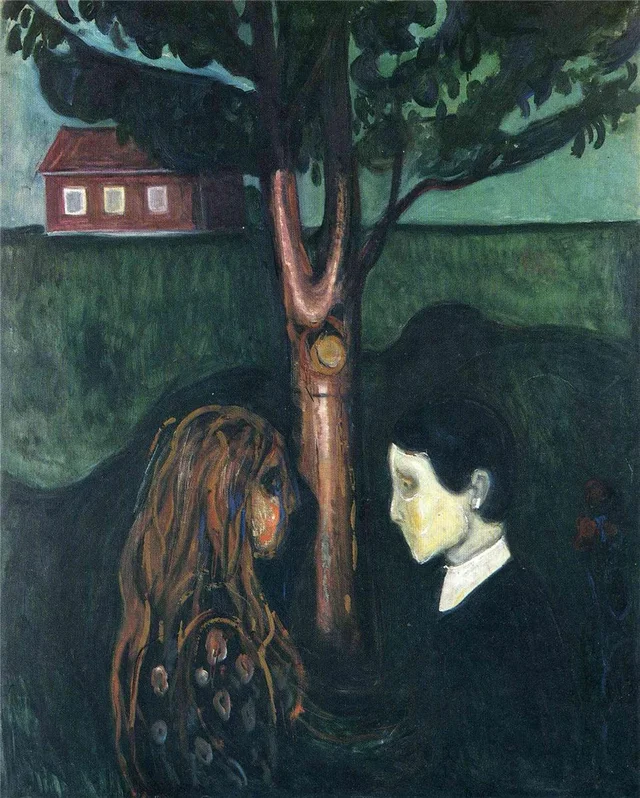 目と目エドヴァルド・ムンク, 1899
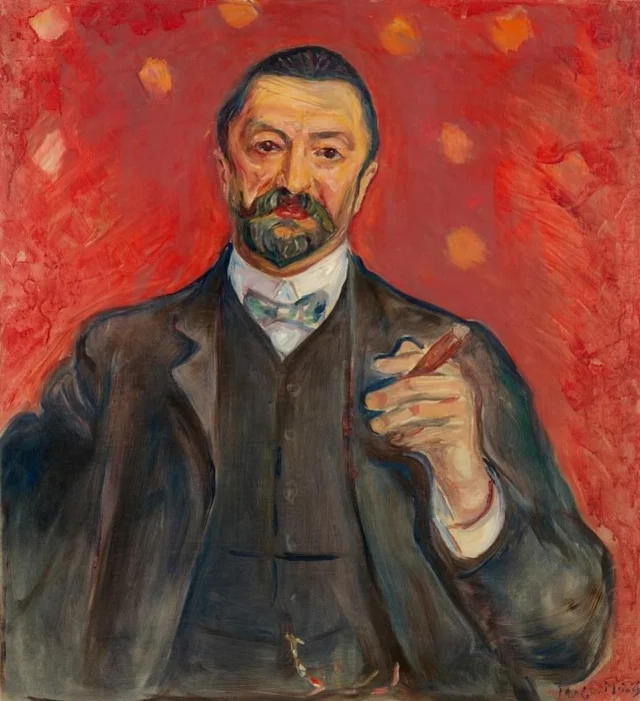 フェリックス・アウエルバッハエドヴァルド・ムンク, 1906
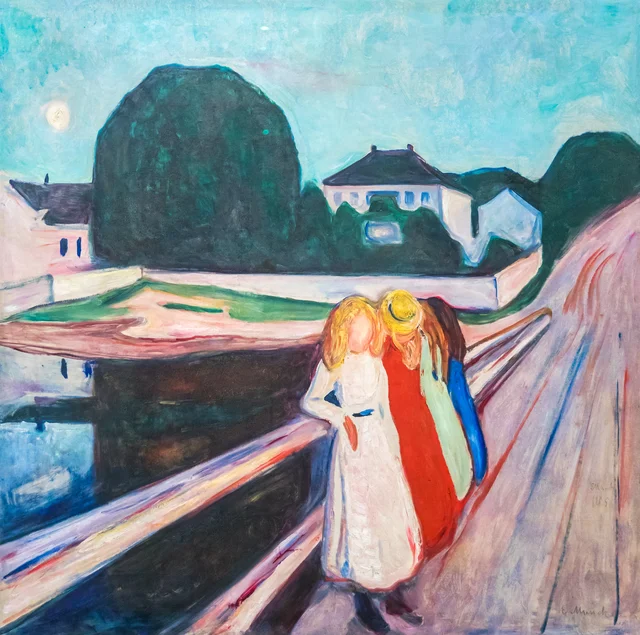 橋の上の4人の少女エドヴァルド・ムンク, 1905
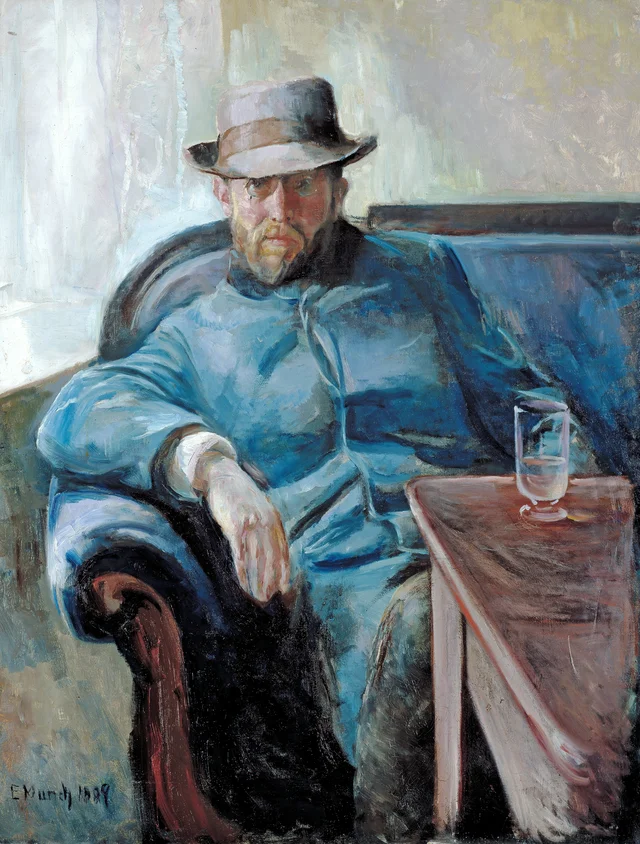 ハンス・イェーゲルエドヴァルド・ムンク, 1889
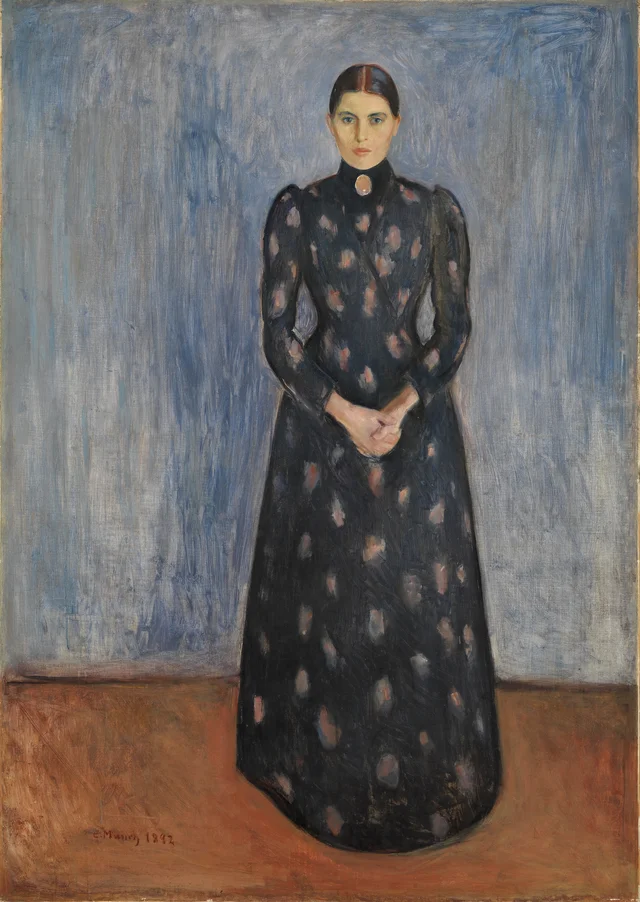 黒と紫のインゲルエドヴァルド・ムンク, 1892
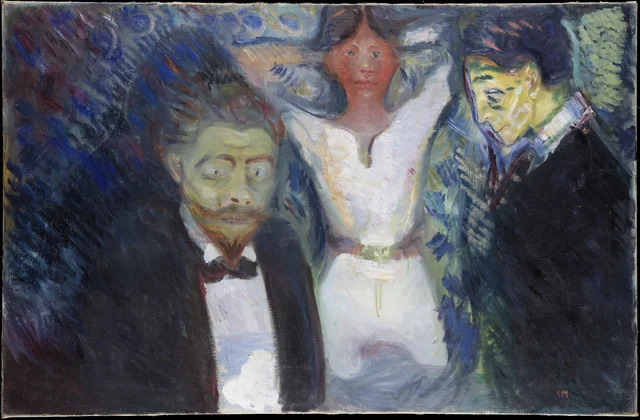 嫉妬エドヴァルド・ムンク, 1913
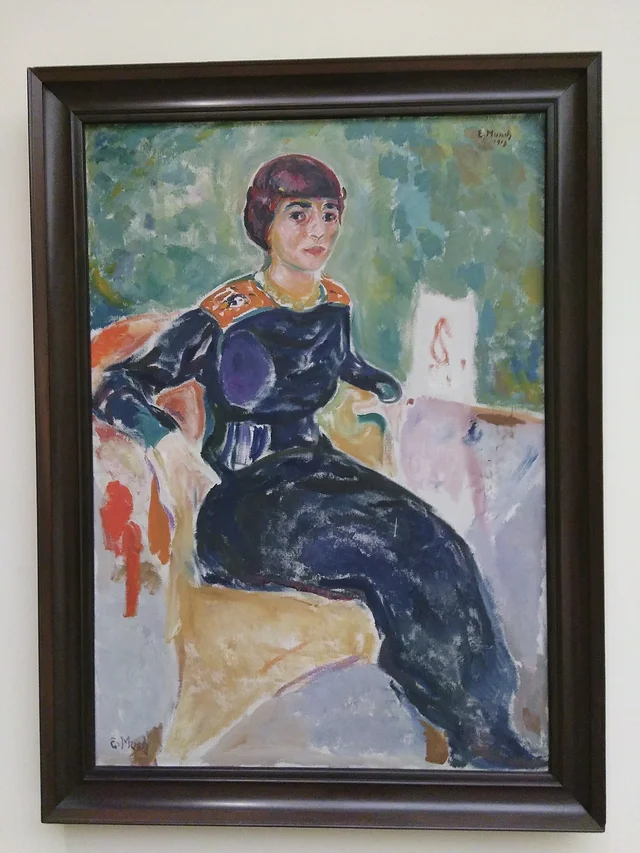 エルザ・グレーザーの肖像エドヴァルド・ムンク, 1913
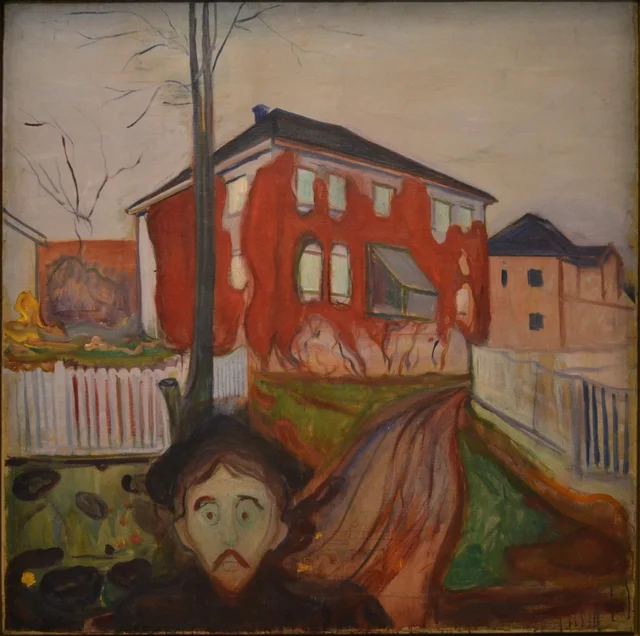 赤いツタエドヴァルド・ムンク, 1898
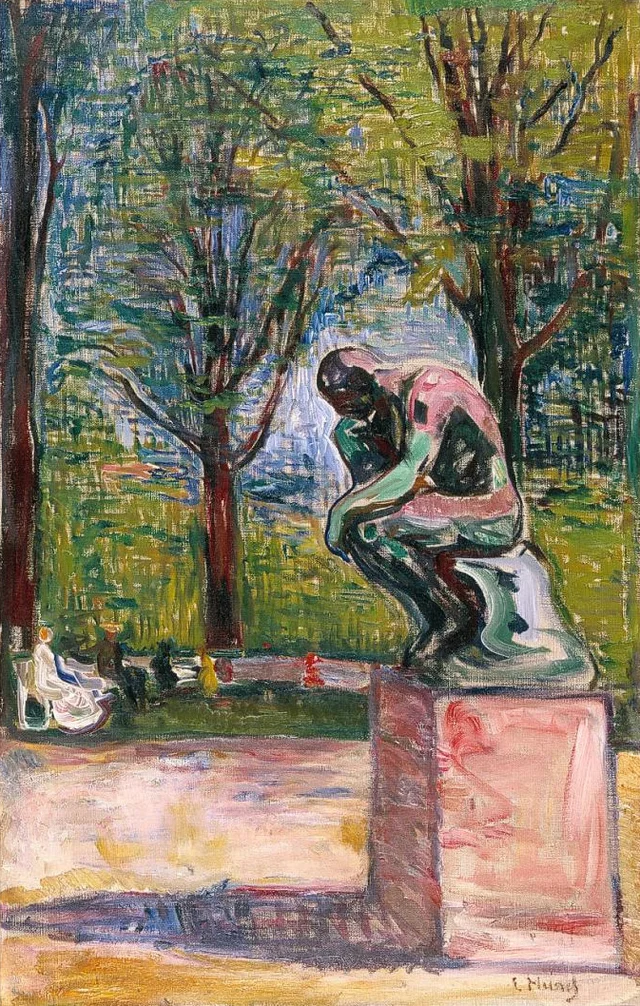 リンデ博士の庭のロダンの「考える人」エドヴァルド・ムンク, 1907
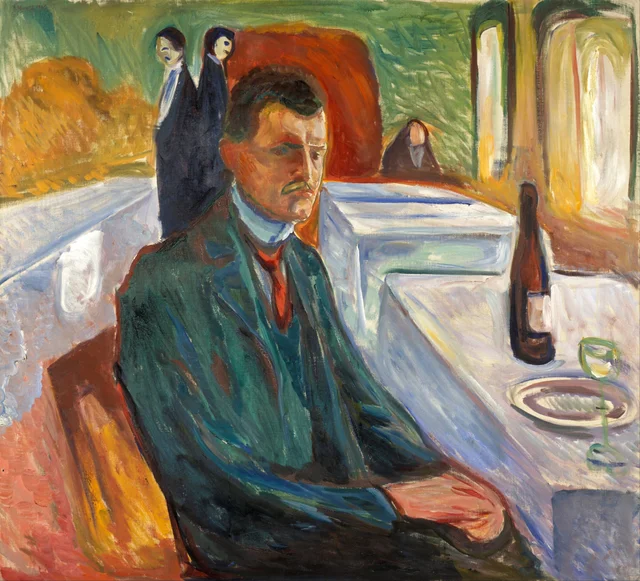 ワインボトルのある自画像エドヴァルド・ムンク, 1906