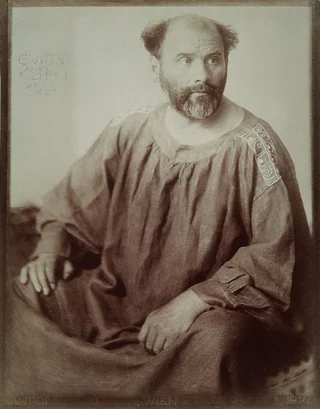
グスタフ・クリムト
1862–1918 · オーストリア帝国 · 象徴主義, アール・ヌーヴォー
音声ガイド
ストーリー
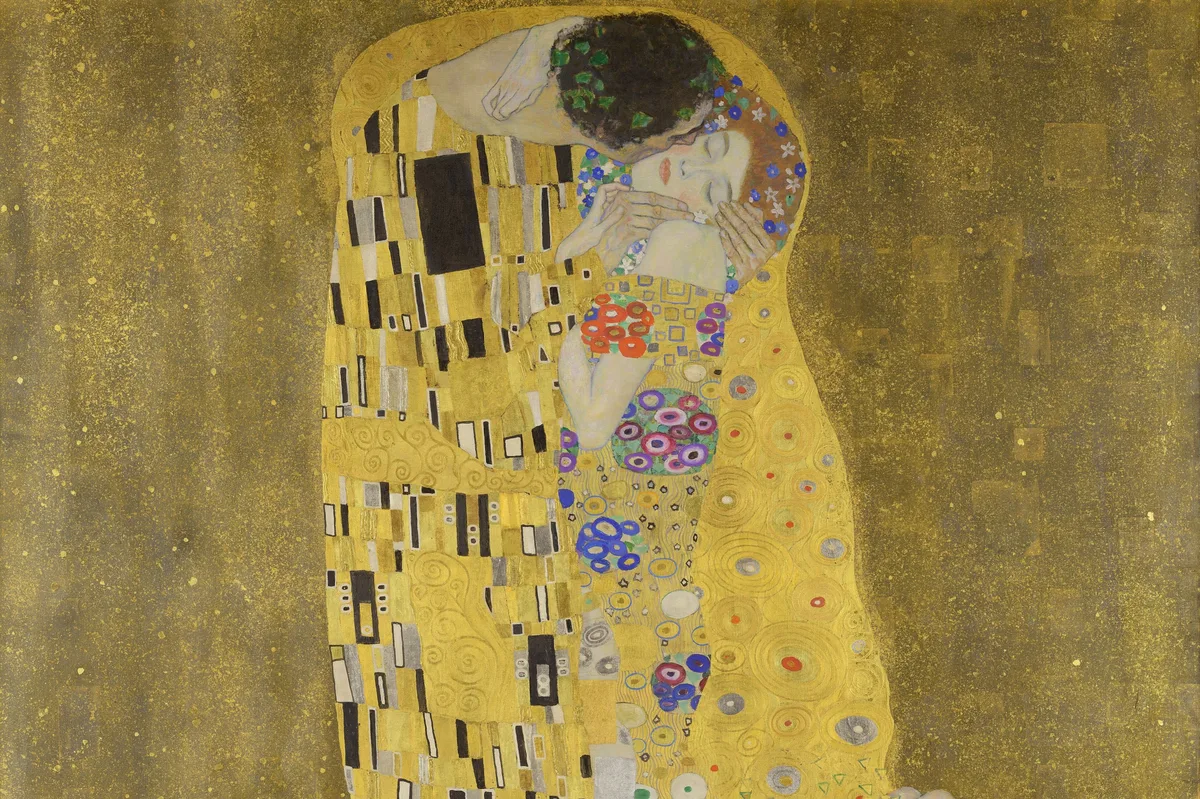
グスタフ・クリムトの父はウィーンの彫金師であり、その手仕事は息子から離れることがなかった。1908年前後、いわゆる「黄金時代」にあったクリムトは、中世のイコン画家のように本物の金箔を薄く延ばして絵の中に押し込み、《接吻》のような作品は光が動くたびに輝きを放つ。二人の恋人がひとつの金色のマントに包まれてひざまずき、男のローブは硬い矩形の文様、女のそれは柔らかな円の文様で覆われ、全体は花咲く崖のふちで危うい均衡を保っている。
その頃までにクリムトは、ウィーンで最も名高く、最も議論を呼ぶ芸術家になっていた。1897年、彼は若い芸術家たちの一団とともに保守的なウィーンの美術界を離脱し、独自の会館と「各時代にはその時代の芸術を」という標語を掲げる分離派協会(ゼツェッシオン)を創設し、その初代会長となった。ウィーン大学の天井画を依頼された際、彼が納めた生々しく性的で厭世的なイメージに教授陣は動揺し、掲示を拒否した。クリムトは作品を描き直すのではなく、買い戻す道を選んだ。
彼は1862年、しばしば金に困る家庭に生まれた七人きょうだいの次男だった。自作について語ることはほとんどなく、インタビューにもめったに応じず、おびただしい数のエロティックな素描を残した。1918年初め、脳卒中によりウィーンで世を去り、イーゼルにはいくつもの未完成のキャンバスが残されていた。
他の記事
作品
120点の作品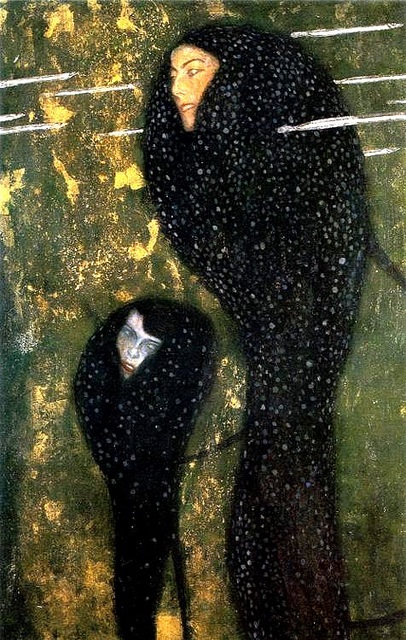 ニクセン、銀の魚(セイレーン)グスタフ・クリムト, 1899
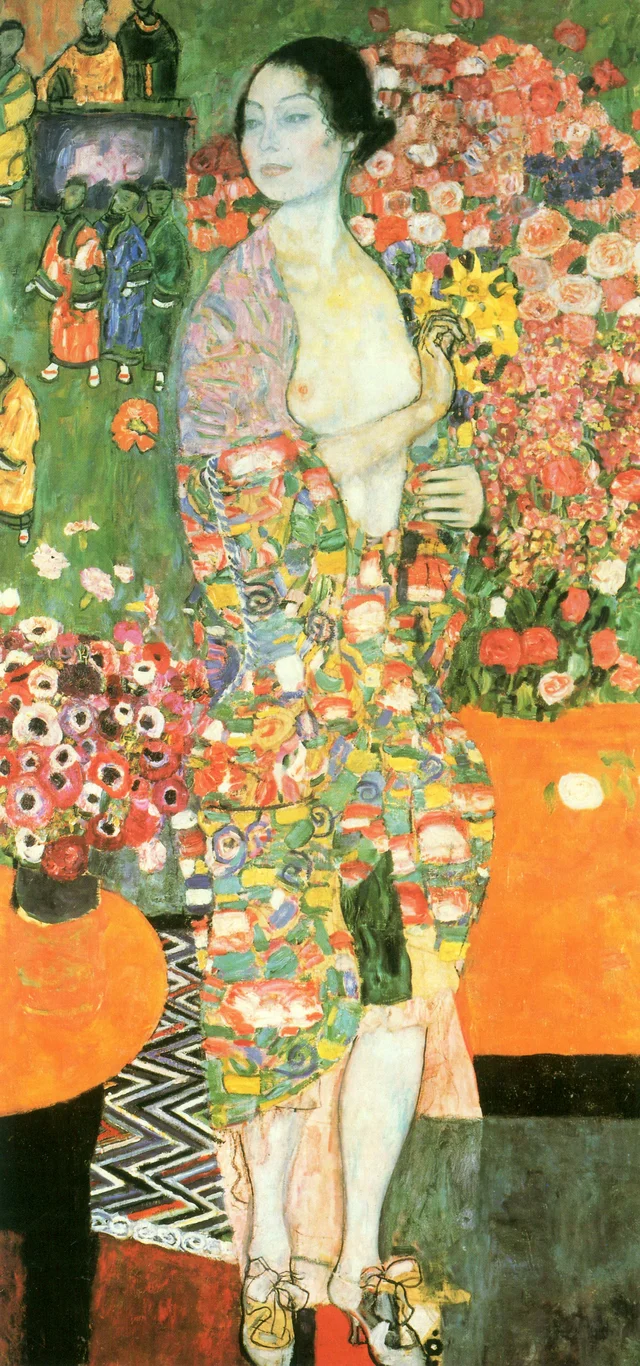 踊り子グスタフ・クリムト, 1916
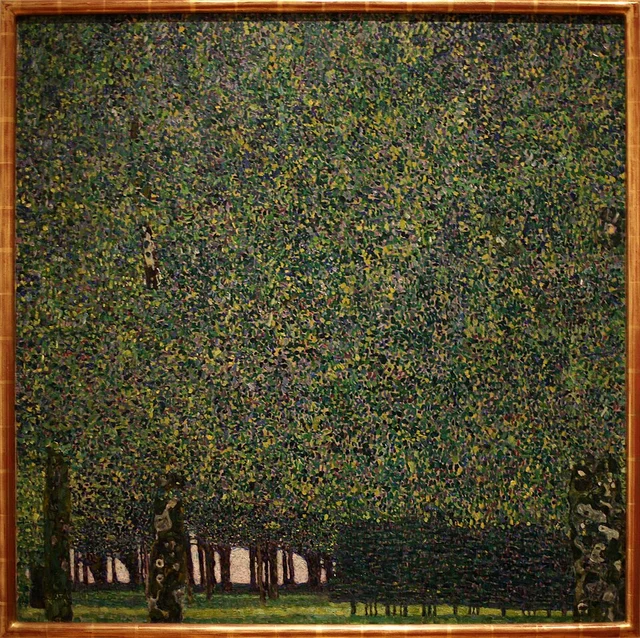 公園グスタフ・クリムト, 1909
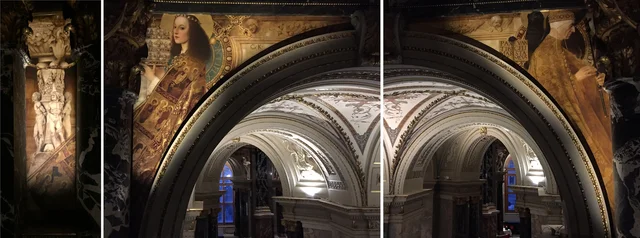 ローマとヴェネツィアのクワトロチェントグスタフ・クリムト, 1891
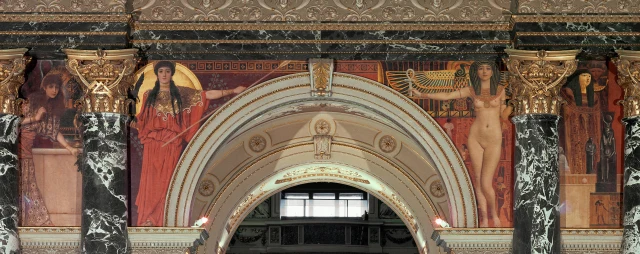 古代ギリシャと古代エジプトグスタフ・クリムト, 1891
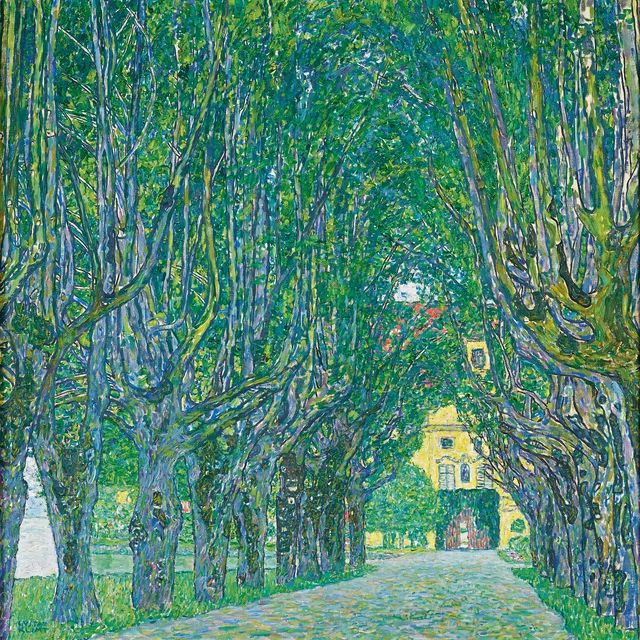 カンマー城公園の並木道グスタフ・クリムト, 1912
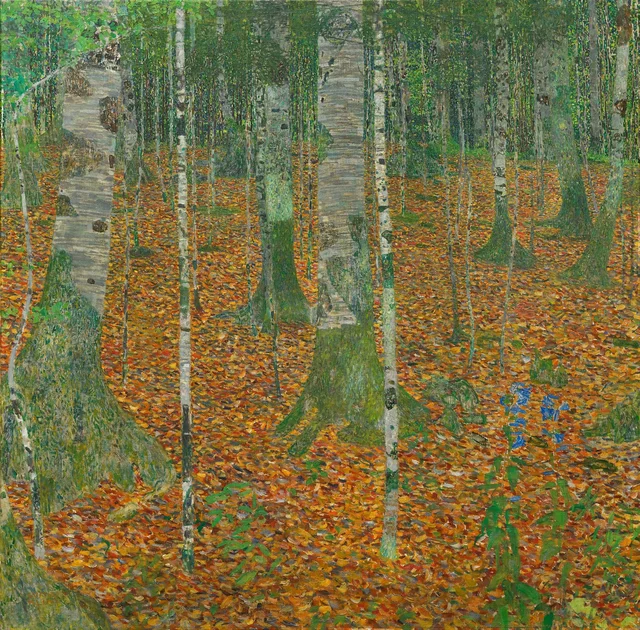 白樺の森グスタフ・クリムト, 1903
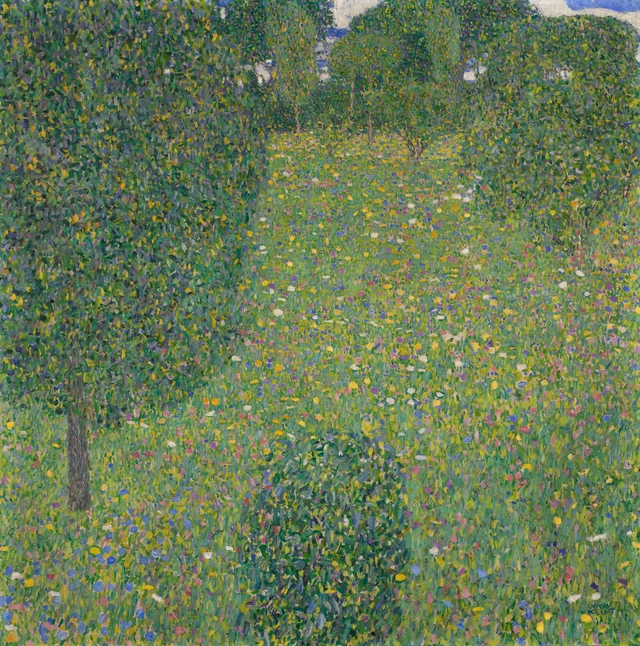 花咲く草原グスタフ・クリムト, 1908
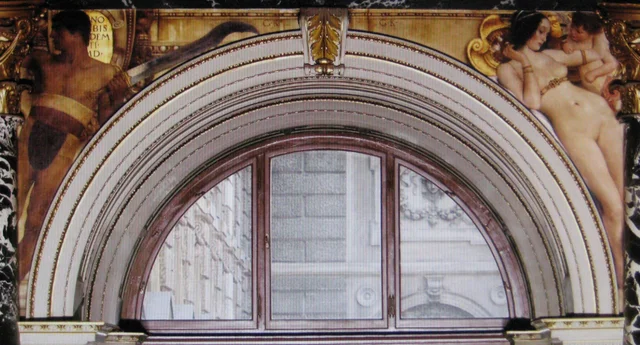 クインチェチェントとクワトロチェントのフィレンツェグスタフ・クリムト, 1891
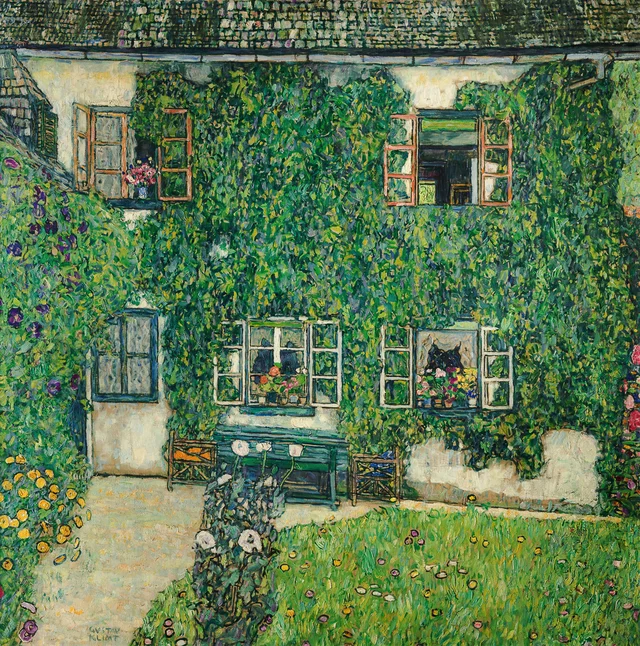 ヴァイセンバッハの森番小屋 II(庭)グスタフ・クリムト, 1914
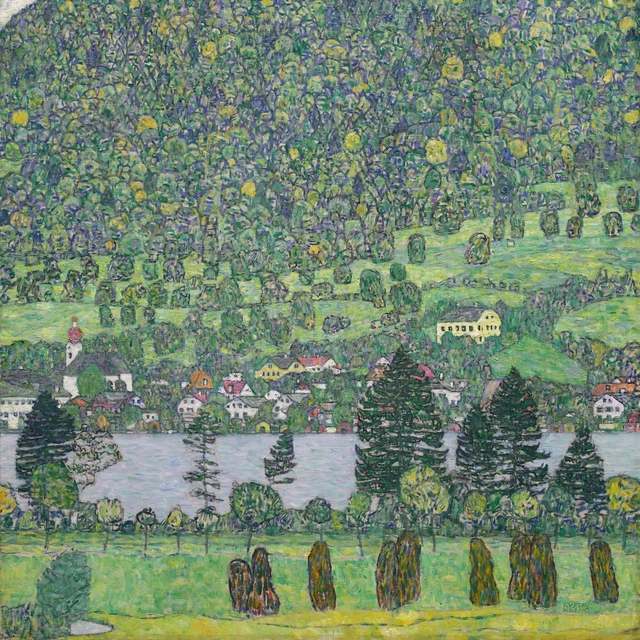 アッター湖畔ウンターアッハの森の斜面グスタフ・クリムト, 1916
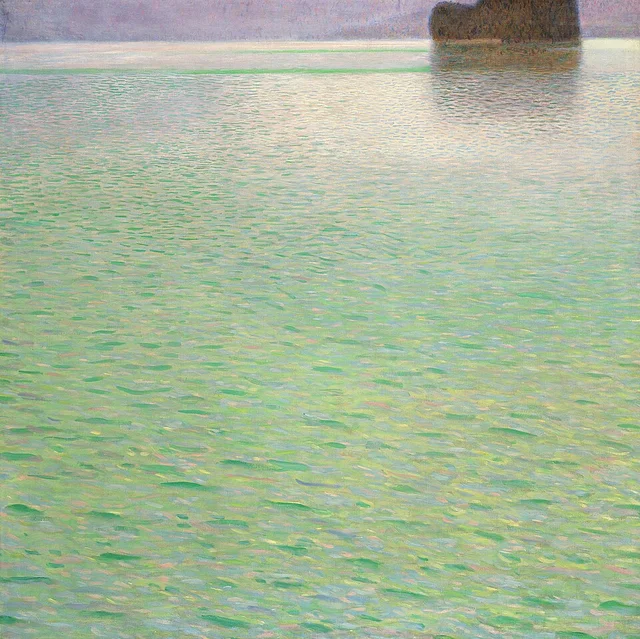 アッター湖の島グスタフ・クリムト, 1901
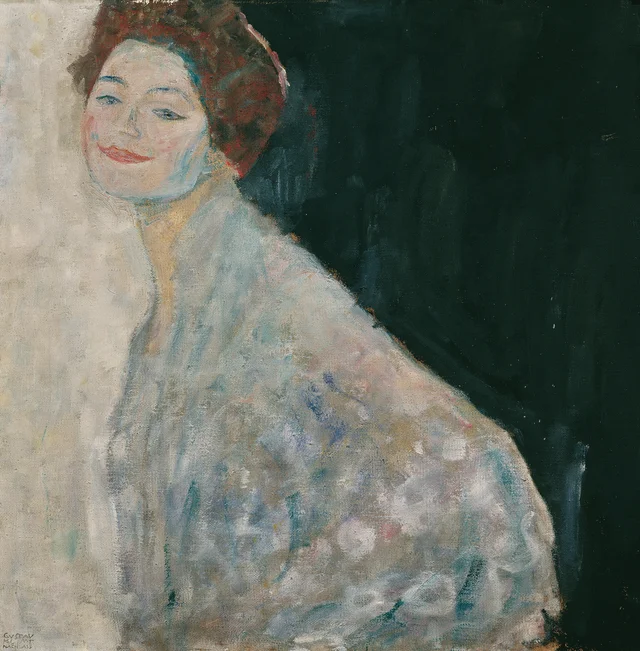 白衣の婦人グスタフ・クリムト, 1917
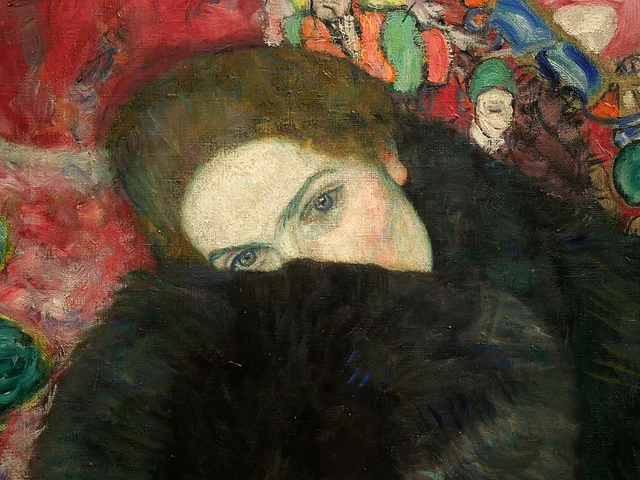 マフを持つ女性グスタフ・クリムト, 1916
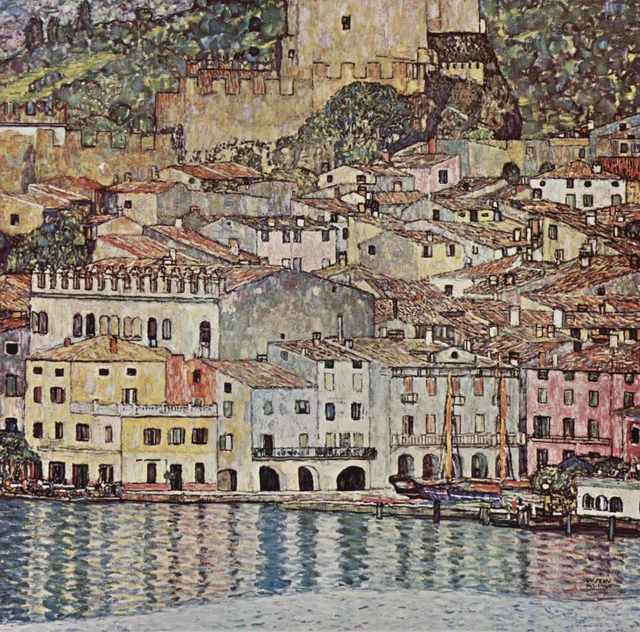 ガルダ湖畔のマルチェジーネグスタフ・クリムト, 1913
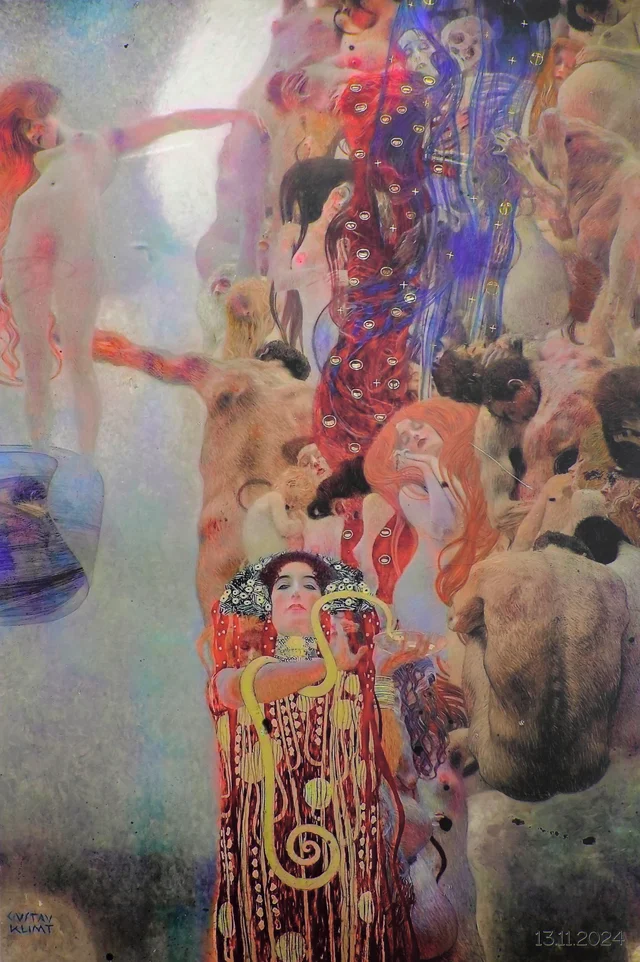 医学グスタフ・クリムト, 1907
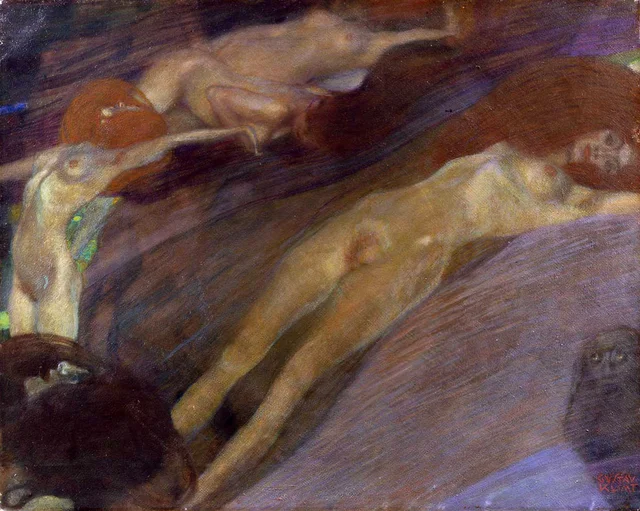 動く水グスタフ・クリムト, 1898
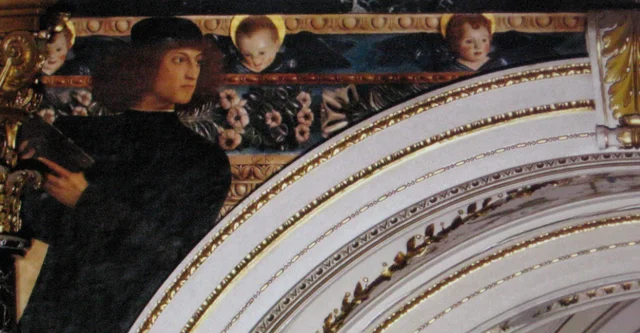 古いイタリア美術グスタフ・クリムト, 1891
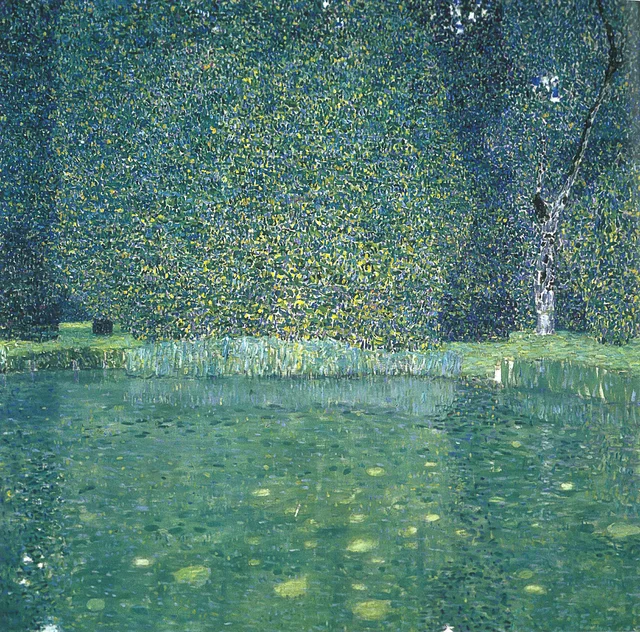 カンマー城の公園グスタフ・クリムト, 1909
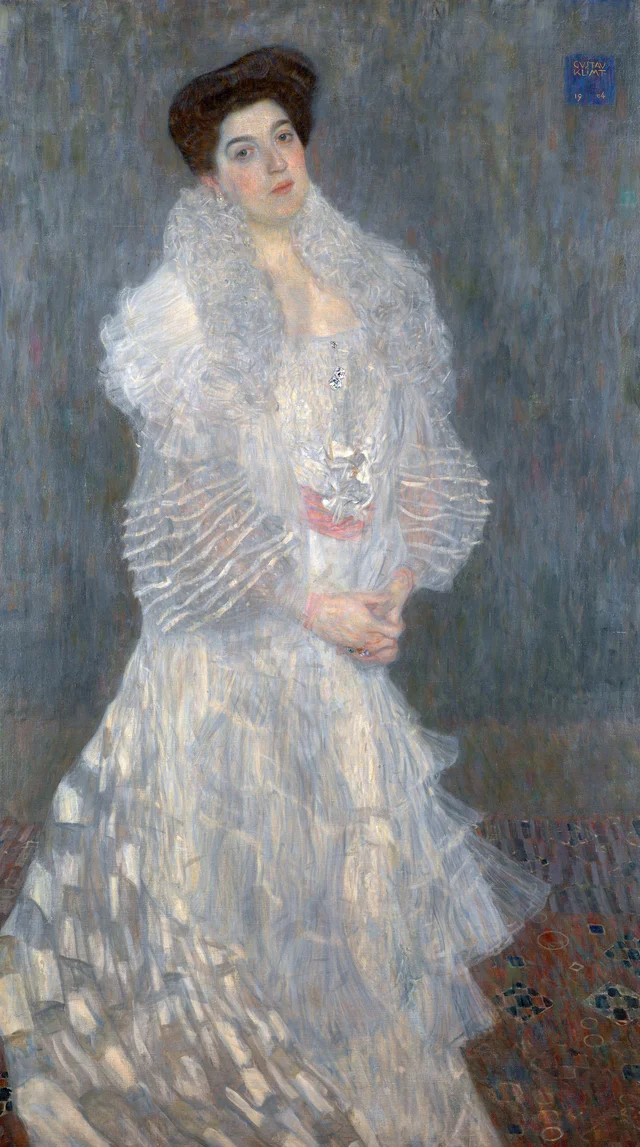 ヘルミーネ・ガリアの肖像グスタフ・クリムト, 1904
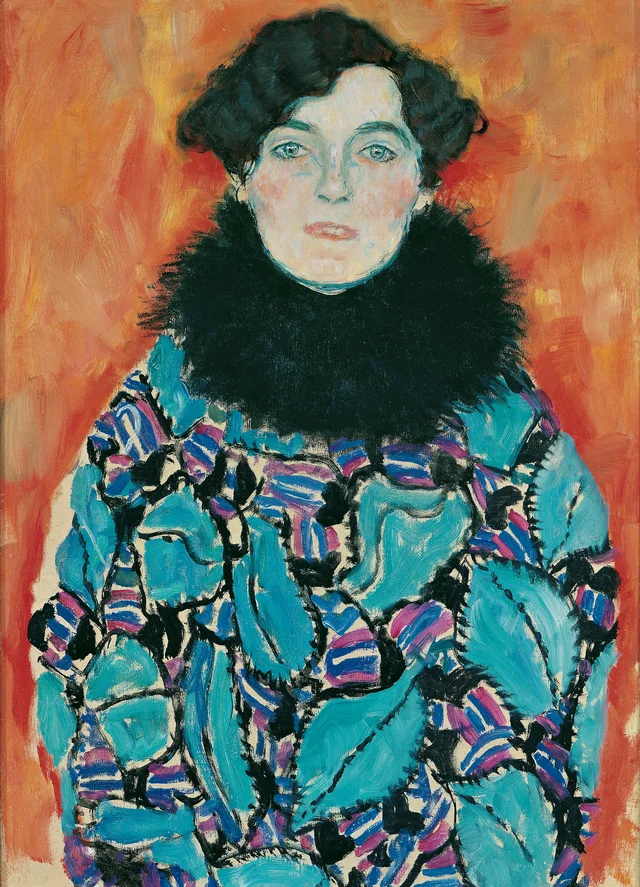 ヨハンナ・シュタウデの肖像グスタフ・クリムト, 1917
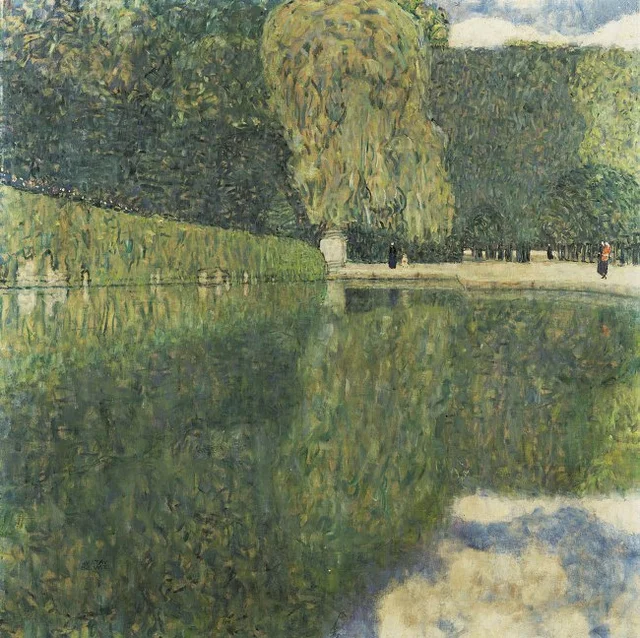 シェーンブルンの風景グスタフ・クリムト, 1916
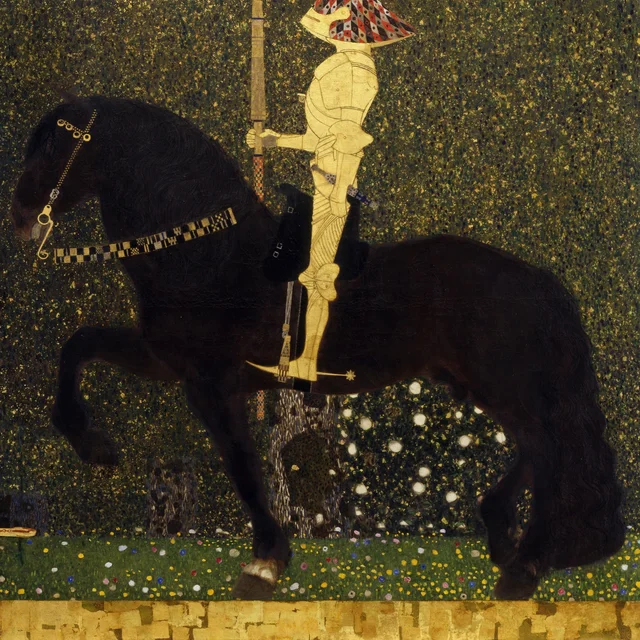 黄金の騎士グスタフ・クリムト, 1903
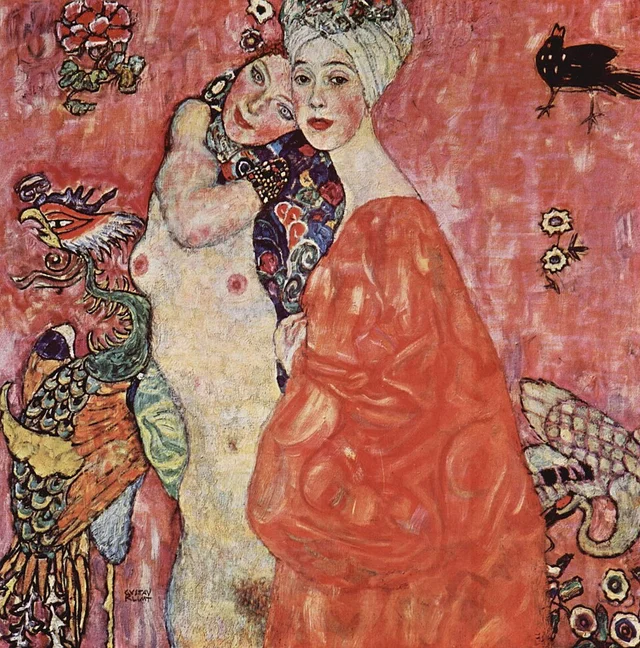 女友達グスタフ・クリムト, 1916
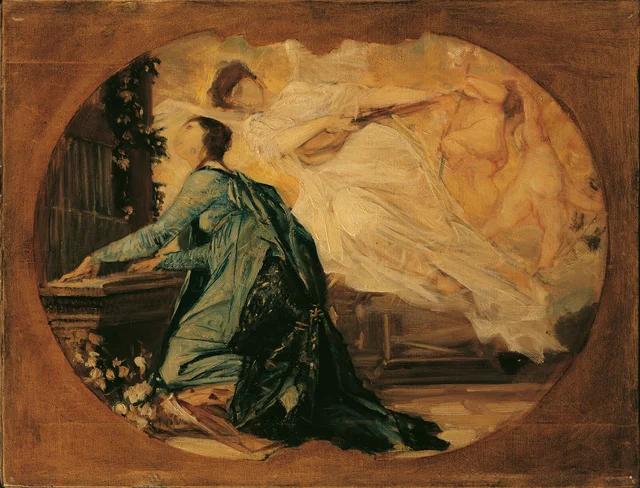 聖なる音楽の寓意グスタフ・クリムト, 1885