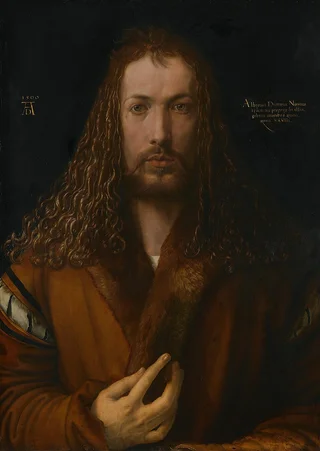
알브레히트 뒤러
1471–1528 · 신성 로마 제국 · 독일 르네상스
이야기
1515년, 살아있는 코뿔소 한 마리가 리스본에 도착했다. 인도의 한 술탄이 포르투갈 왕에게 보낸 선물로, 로마 시대 원형경기장 이후 천 년 넘게 유럽인 누구도 본 적 없는 동물이었다. 독일 뉘른베르크에 있던 알브레히트 뒤러는 그 짐승을 직접 본 적이 없었다. 그에게 전해진 것은 상인들의 연락망을 통해 건너온 편지 한 통과 대강의 스케치뿐이었다. 그 간접적인 묘사만으로 그는 그 짐승을 목판화로 새겼는데, 그 결과물은 근사할 만큼 확신에 차 있으면서도 완전히 틀린 것이었다. 피부는 볼트로 고정한 갑옷 판처럼 표현되었고, 어깨에서는 작은 여분의 뿔이 하나 더 돋아나 있으며, 다리는 도마뱀처럼 비늘로 덮여 있다. 그는 심지어 이 그림이 정확하다고 보증하는 문구까지 상단에 새겨 넣었다. 실제 코뿔소는 그 직후 이탈리아 앞바다에서 난파선과 함께 물에 빠져 죽었고, 그래서 그를 바로잡을 수 있는 사람은 거의 아무도 없었다.
뒤러의 이 갑옷 입은 코뿔소는 이후 250년 동안 유럽인의 상상 속 코뿔소가 되어 교과서와 백과사전에 그대로 옮겨졌다. 바로 이 점이 뒤러라는 인물의 핵심이다. 그는 인쇄된 이미지가 새로운 종류의 권력이 될 수 있다는 것을 이해하고 있었다. 회화는 방 하나에 걸리지만, 목판화나 동판화는 수백 장씩 찍어 대륙 곳곳에 팔 수 있었고, 그는 당대 누구보다 이 매체를 멀리까지 밀고 나갔다. A자 안에 D자를 품은 모노그램으로 모든 낱장에 서명을 남겼는데, 이는 오늘날의 상표처럼 기능했다.
그는 뉘른베르크 금세공인의 아들로 태어나 비례와 원근법을 수학자처럼 사고하는 법을 스스로 익혔고, 종교개혁이 독일을 뒤흔들던 바로 그 시기를 살았다. 그는 마르틴 루터를 존경했고, 루터가 붙잡혔다는 잘못된 소문에 일기에서 슬픔을 토로하기도 했다. 흔히 그의 정점으로 꼽히는 동판화 《멜랑콜리아 I》(1514)은 지금도 여전히 논쟁거리로 남아있다. 기하학의 도구들에 둘러싸인 채 아무것도 하지 않고 생각에 잠긴, 날개 달린 우울한 인물을 그린 그림이다.
다른 아티클
작품
작품 92점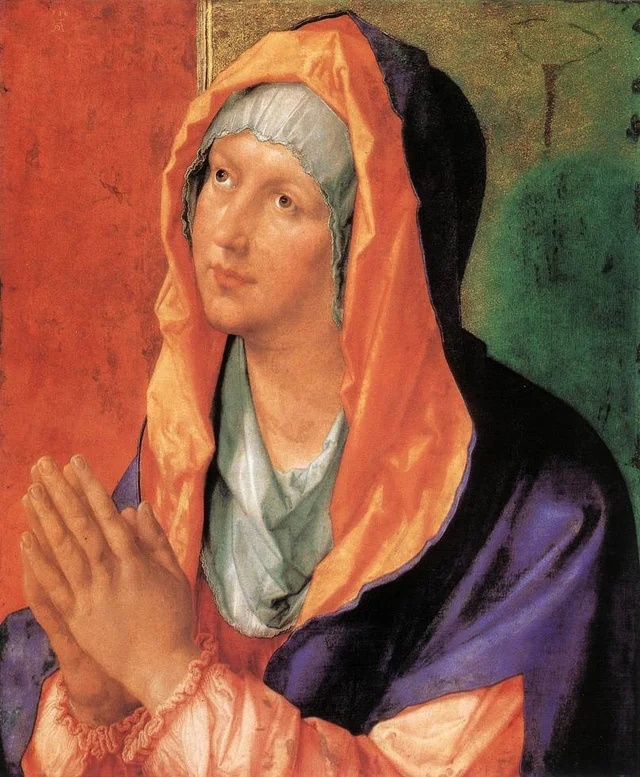 기도하는 성모 마리아알브레히트 뒤러, 1518
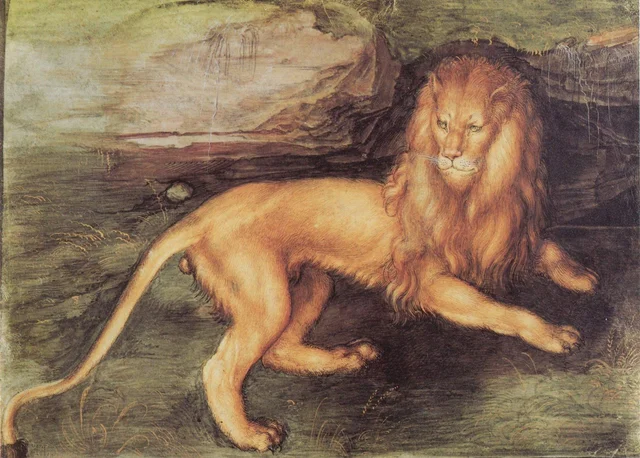 사자알브레히트 뒤러, 1494
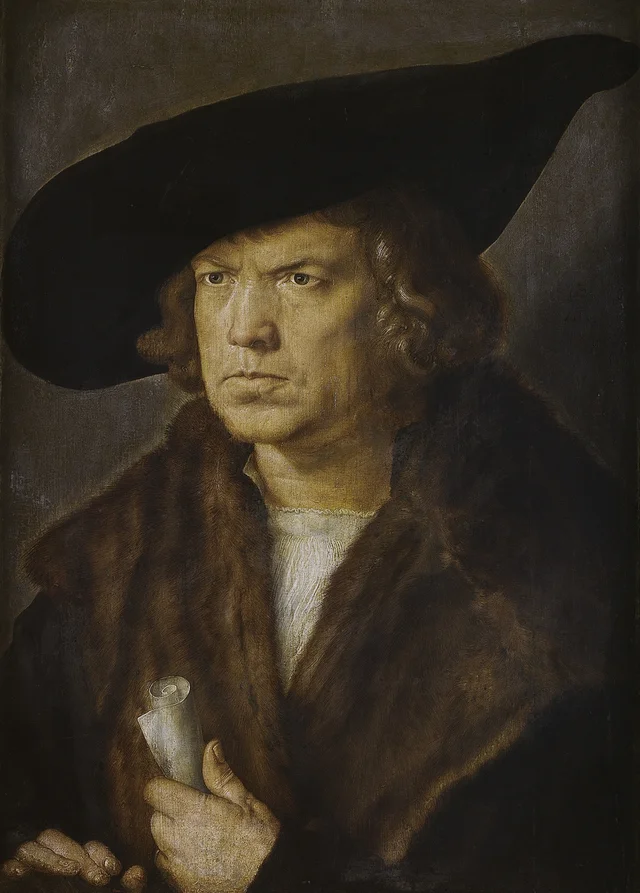 남자의 초상알브레히트 뒤러, 1524
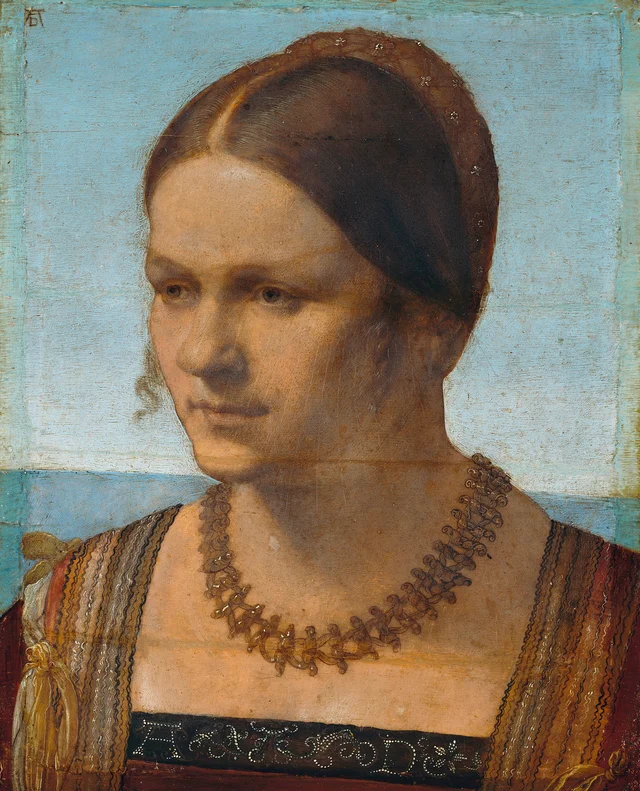 젊은 베네치아 여인의 초상알브레히트 뒤러, 1506
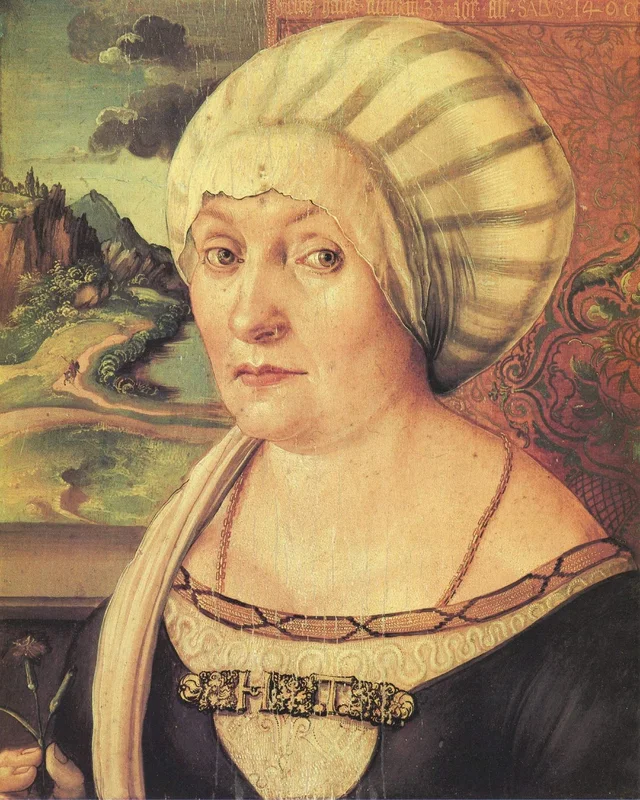 펠리치타스 투허의 초상알브레히트 뒤러, 1499
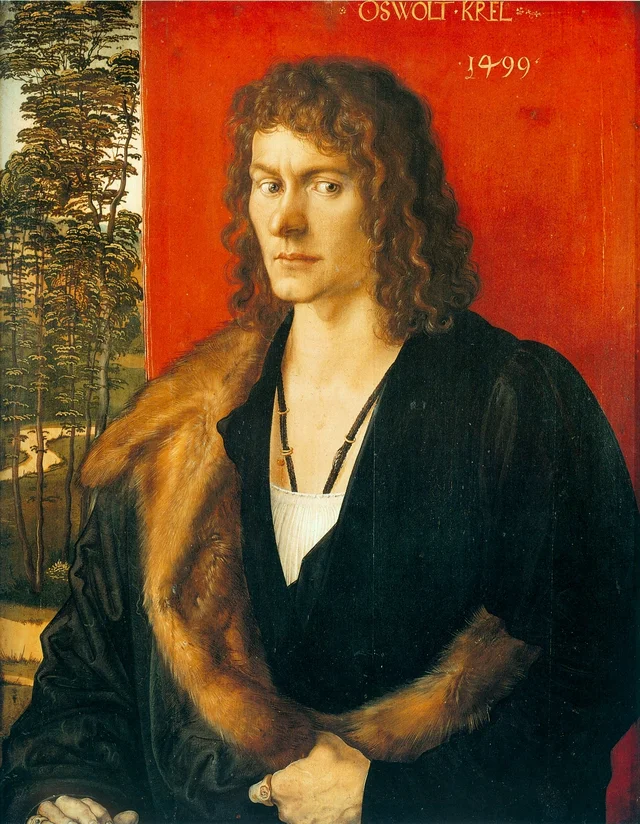 오스볼트 크렐의 초상알브레히트 뒤러, 1499
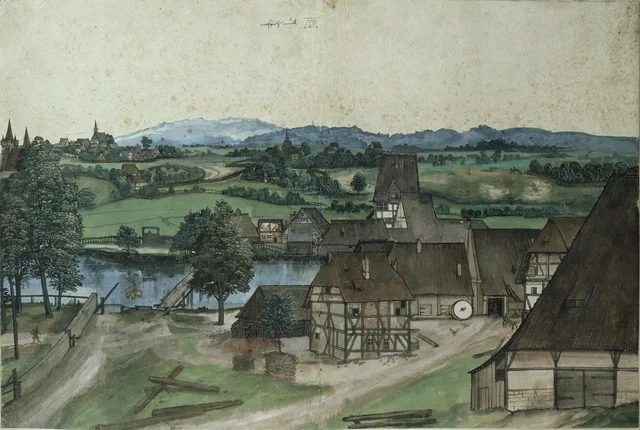 뉘른베르크 근교의 철사 제조소알브레히트 뒤러, 1494
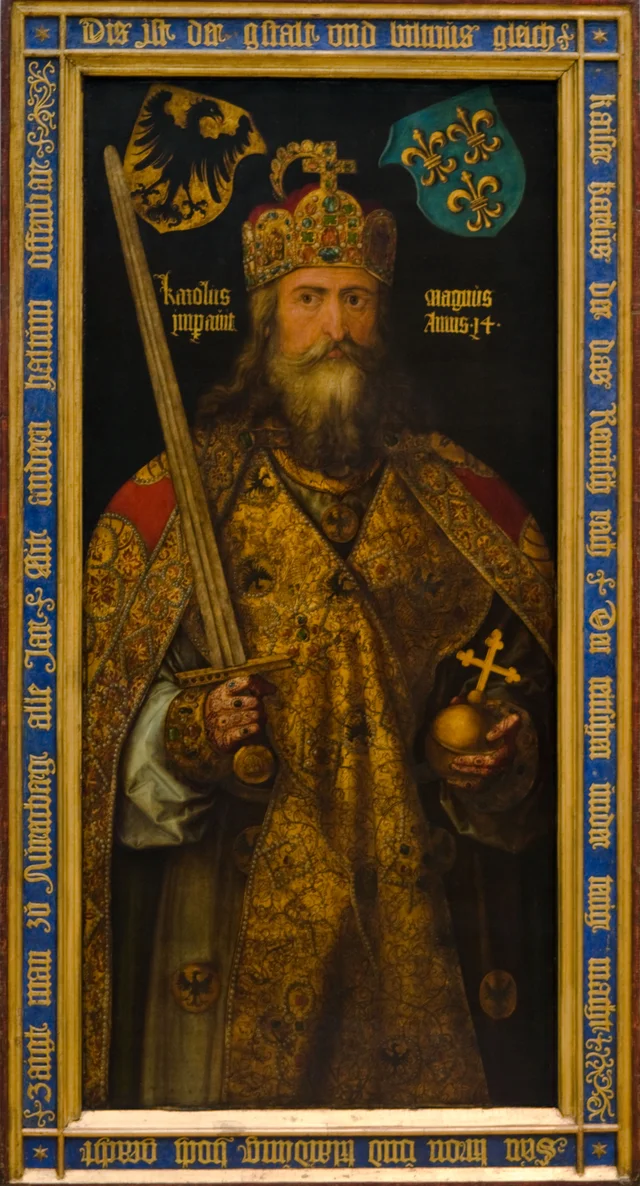 카를 대제알브레히트 뒤러, 1511
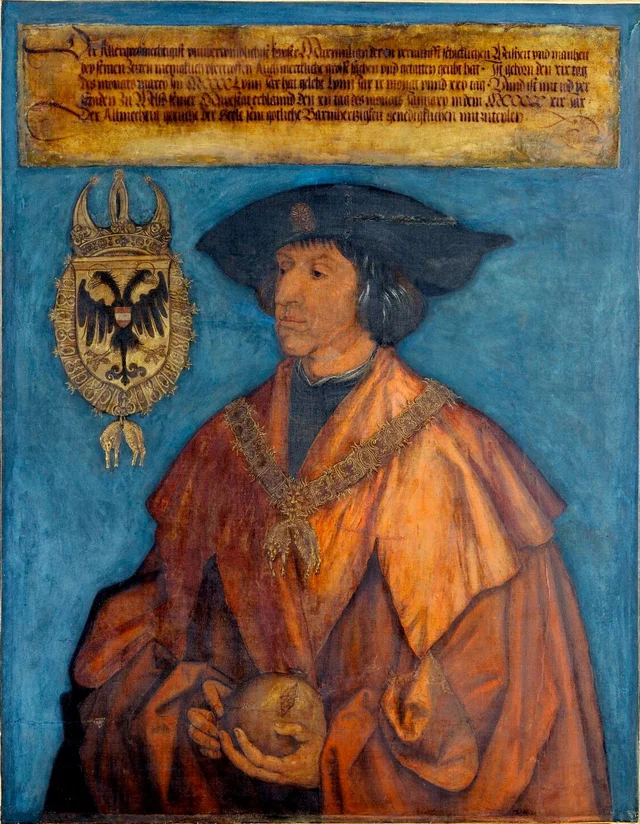 막시밀리안 1세 황제알브레히트 뒤러, 1519
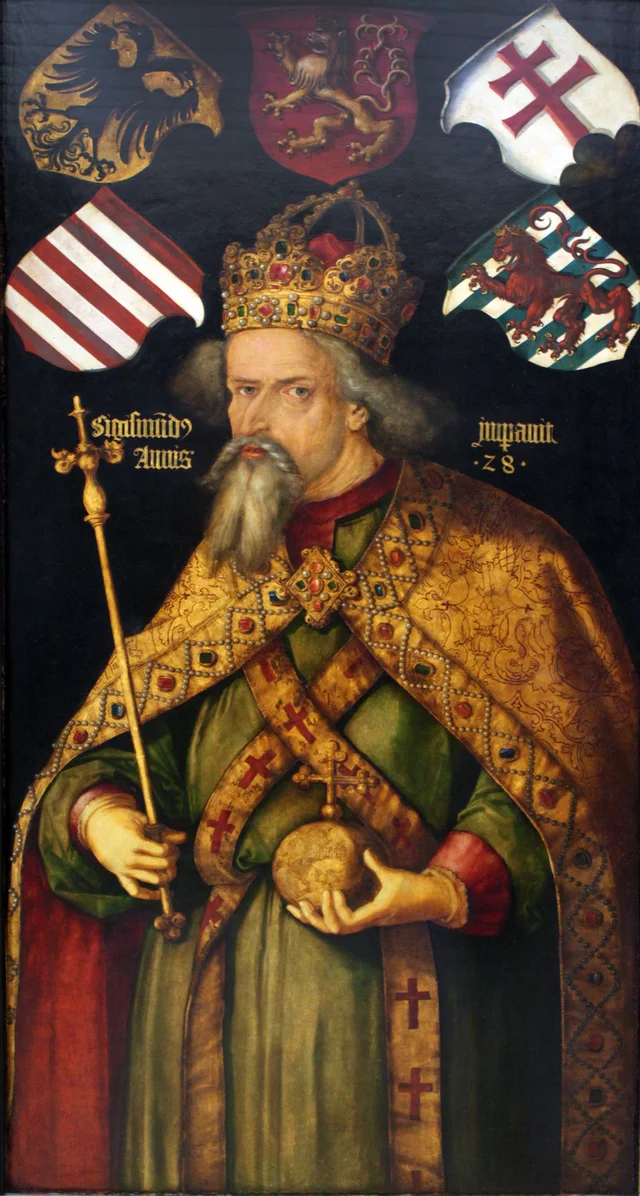 지기스문트 황제알브레히트 뒤러, 1512
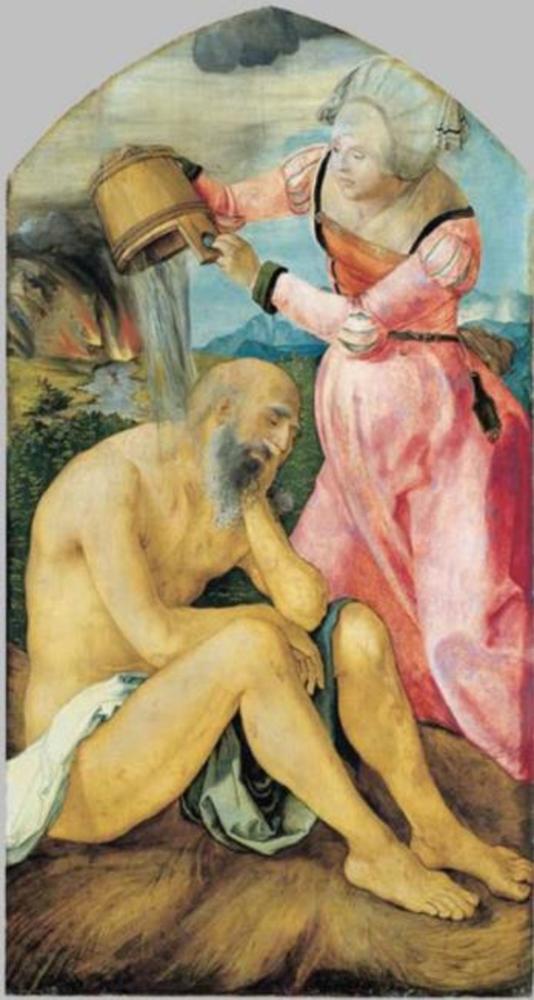 야바흐 제단화: 거름더미 위의 욥알브레히트 뒤러, 1505
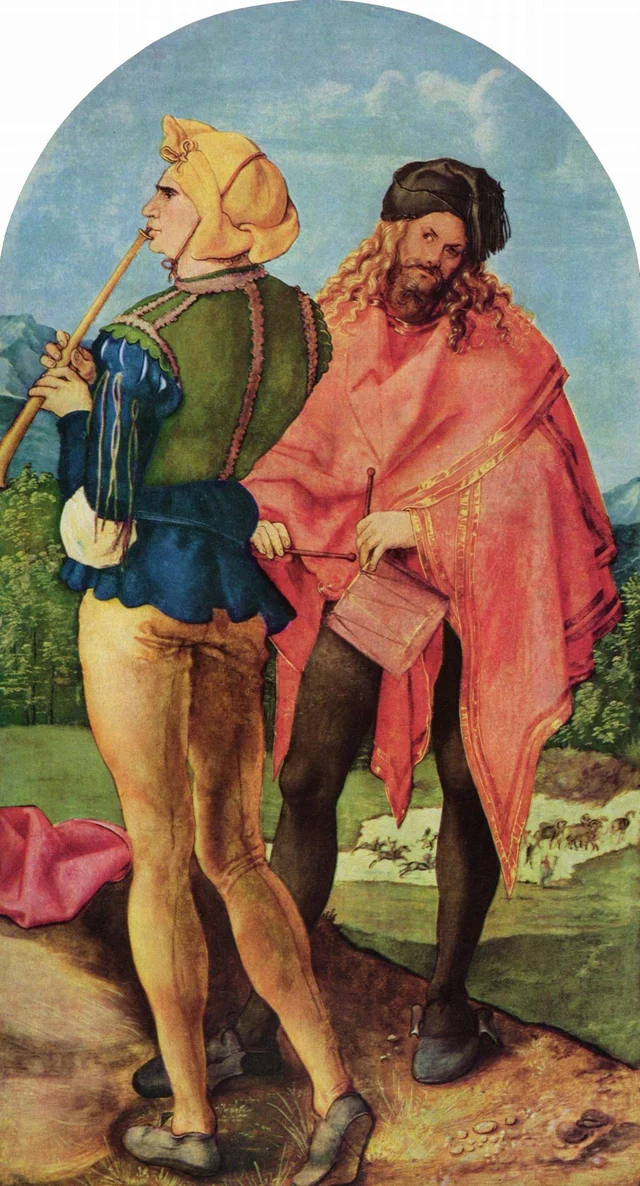 야바흐 제단화: 피리 부는 사람과 북 치는 사람알브레히트 뒤러, 1504
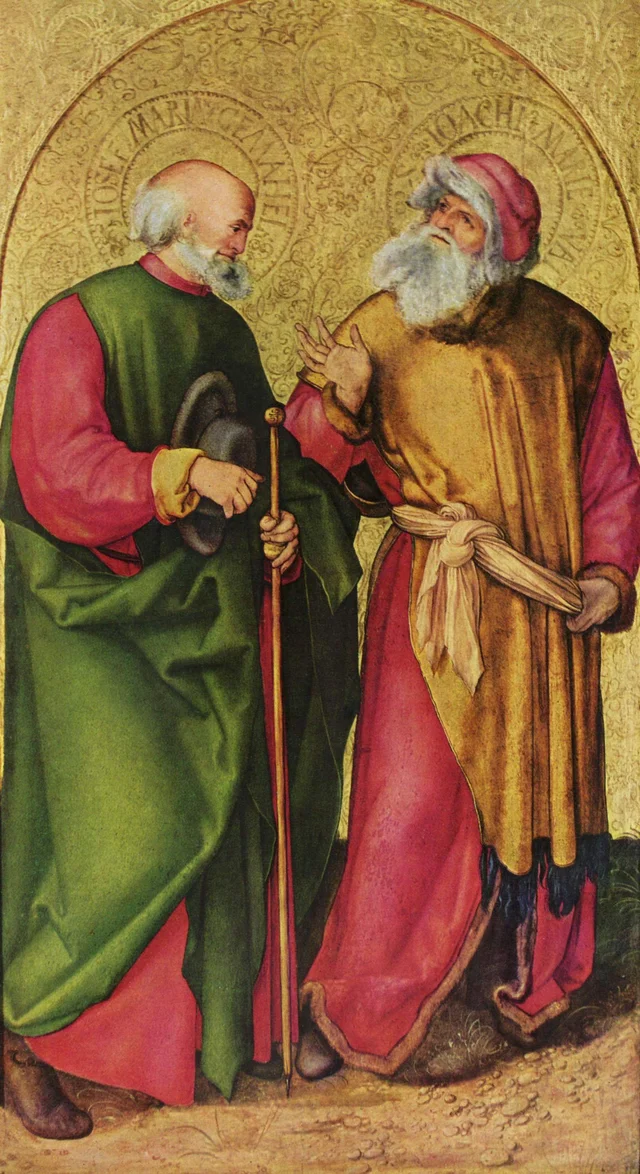 야바흐 제단화: 성 요셉과 성 요아킴알브레히트 뒤러, 1504
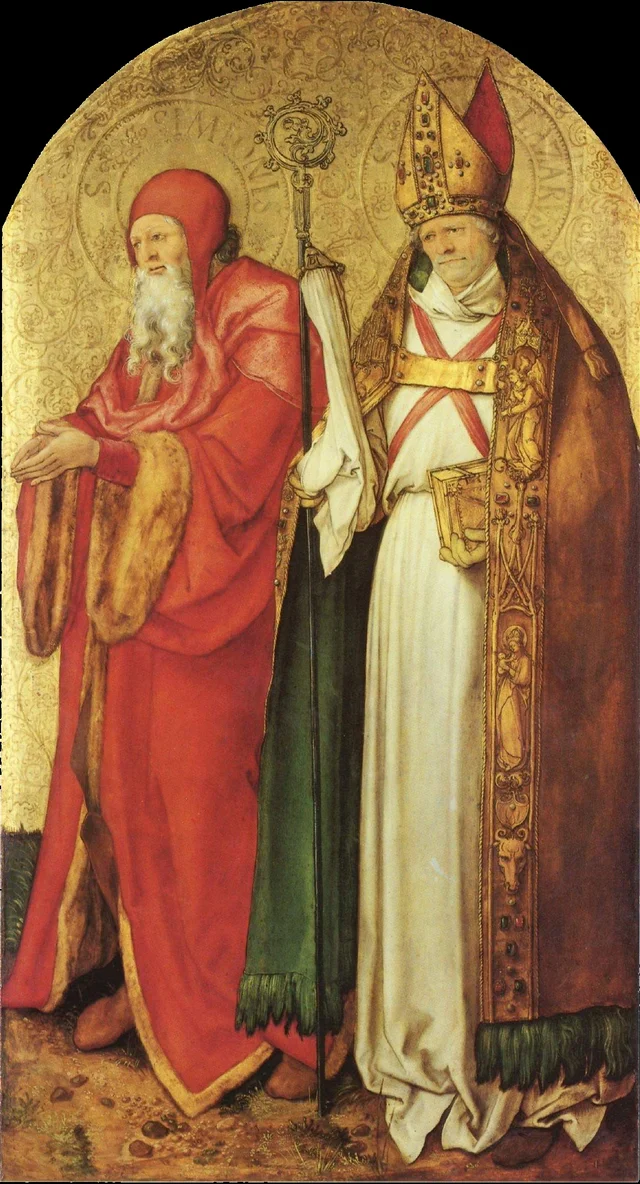 야바흐 제단화: 성 시메온과 성 라자로알브레히트 뒤러, 1500
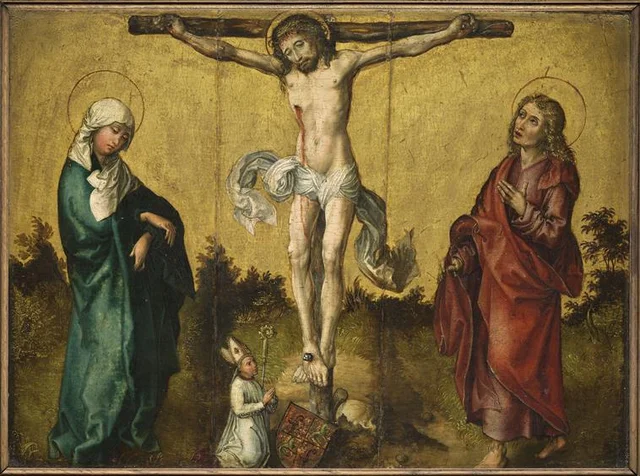 성모와 성 요한, 기증자가 있는 십자가 처형알브레히트 뒤러, 1492
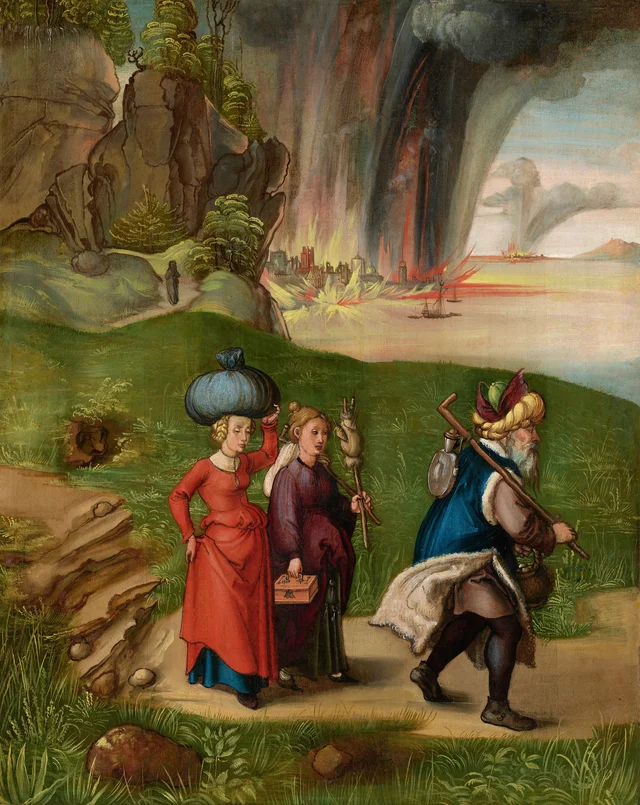 롯과 그의 딸들알브레히트 뒤러, 1496
![롯과 그의 딸들 [뒷면]](https://artgabmlhtb6ca6sy.blob.core.windows.net/artwork-images/Q20174732/640w.webp) 롯과 그의 딸들 [뒷면]알브레히트 뒤러, 1497
롯과 그의 딸들 [뒷면]알브레히트 뒤러, 1497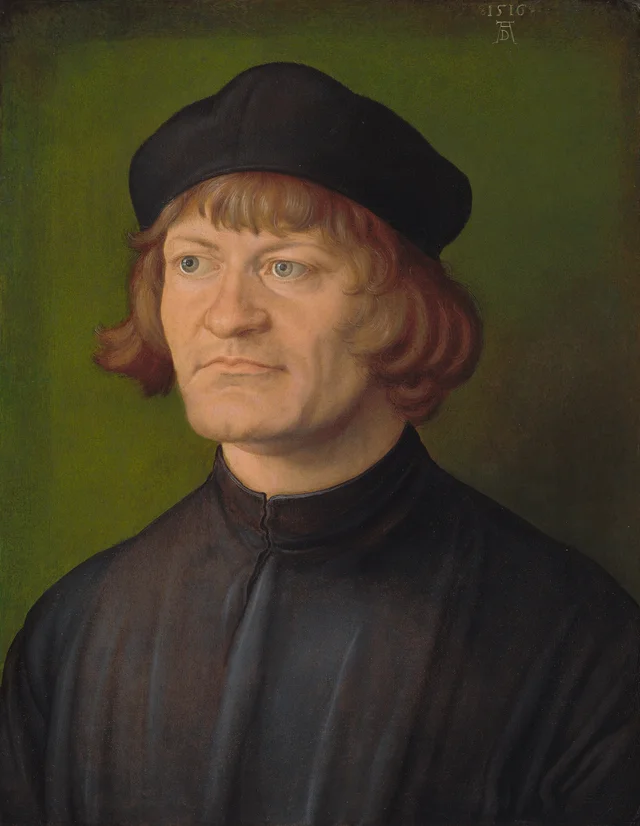 성직자의 초상 (요한 도르슈?)알브레히트 뒤러, 1516
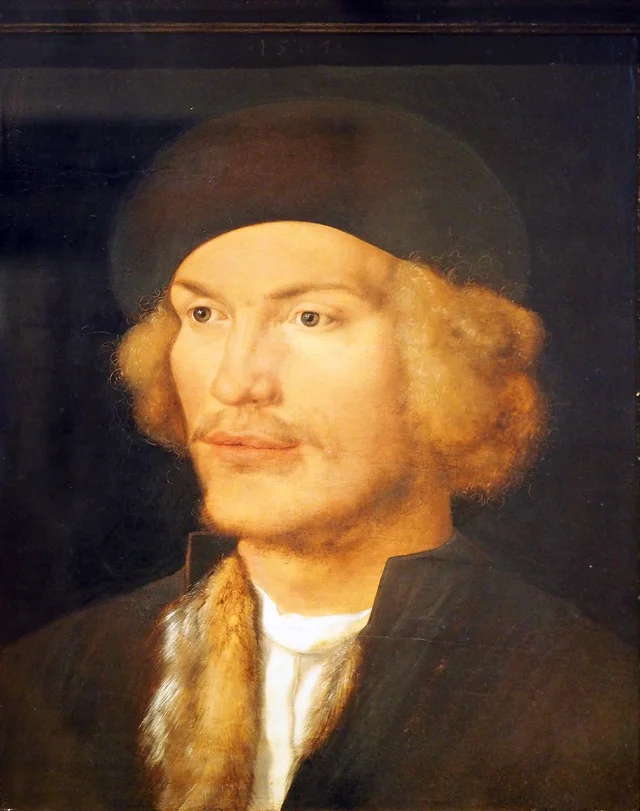 젊은 남자의 초상알브레히트 뒤러, 1507
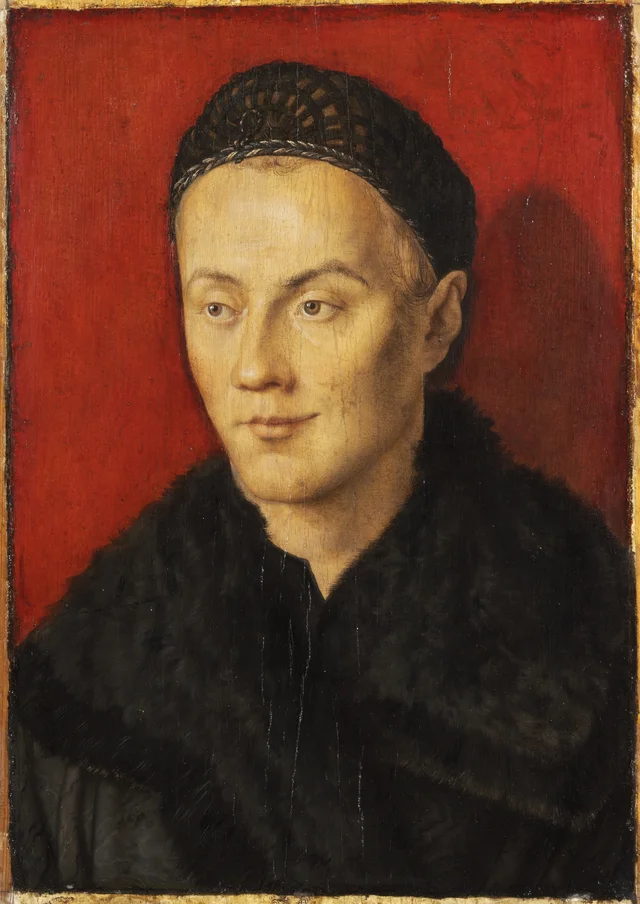 젊은 남자의 초상알브레히트 뒤러, 1500
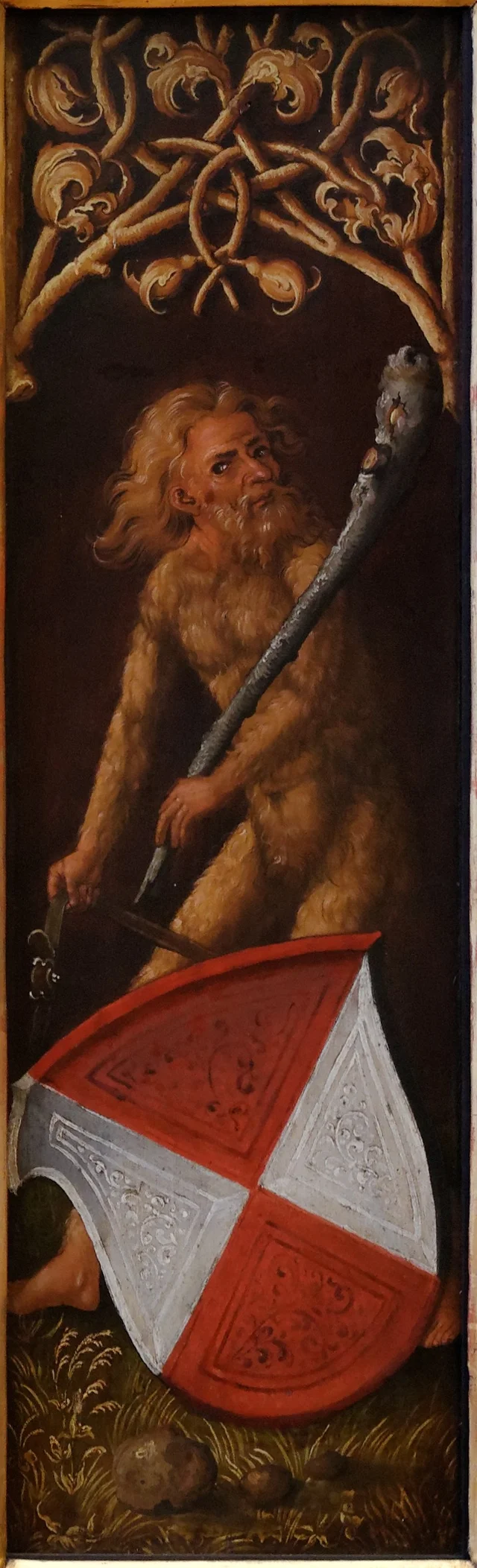 오스볼트 크렐의 초상: 아가테 폰 에센도르프의 문장 방패를 든 "숲의 야인들"알브레히트 뒤러, 1499
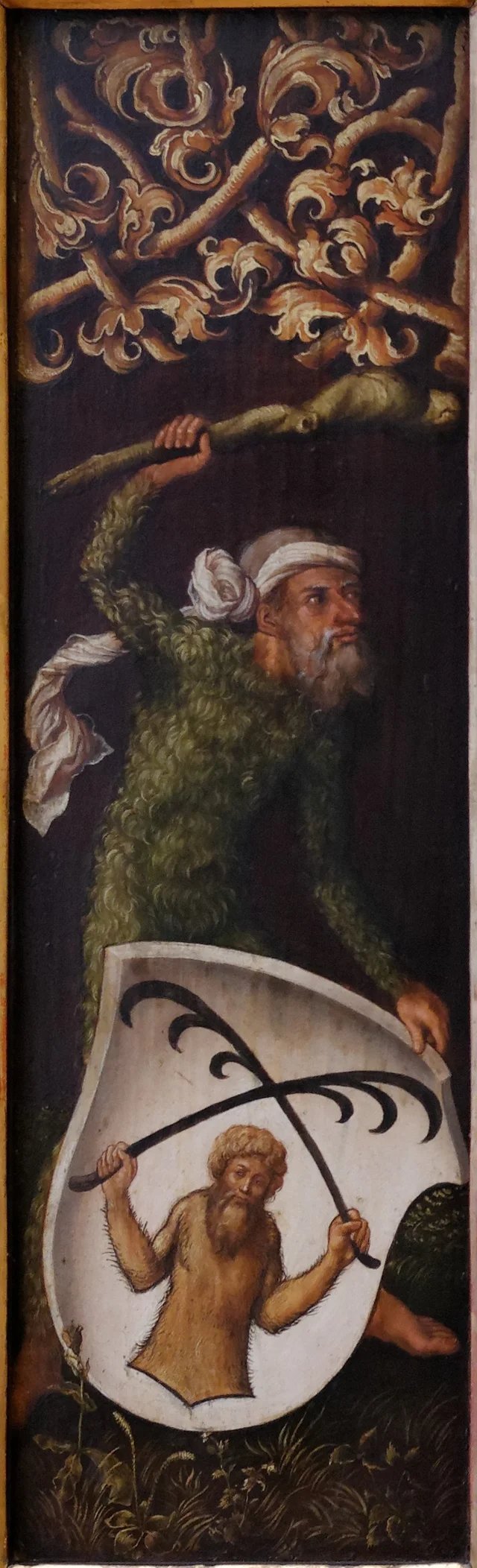 오스볼트 크렐의 초상: 오스볼트 크렐의 문장 방패를 든 '숲의 야인'알브레히트 뒤러, 1499
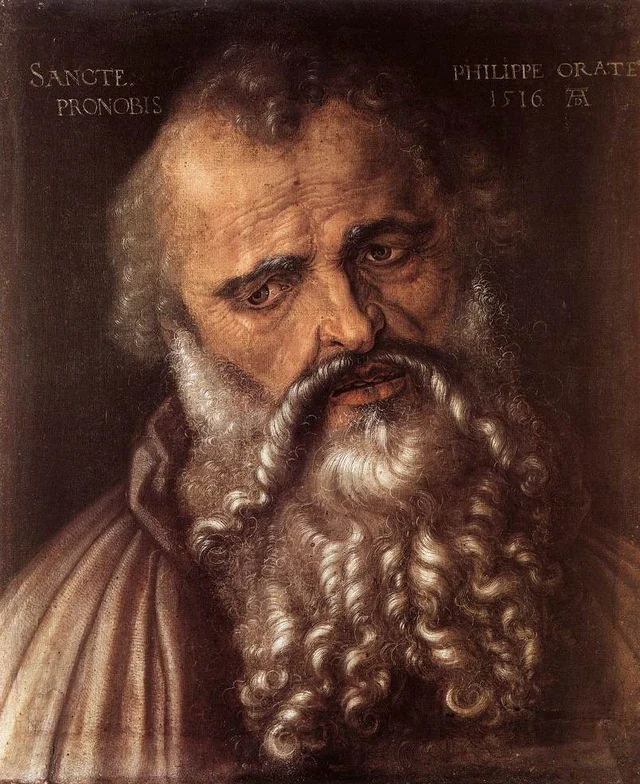 성 필립보알브레히트 뒤러, 1516
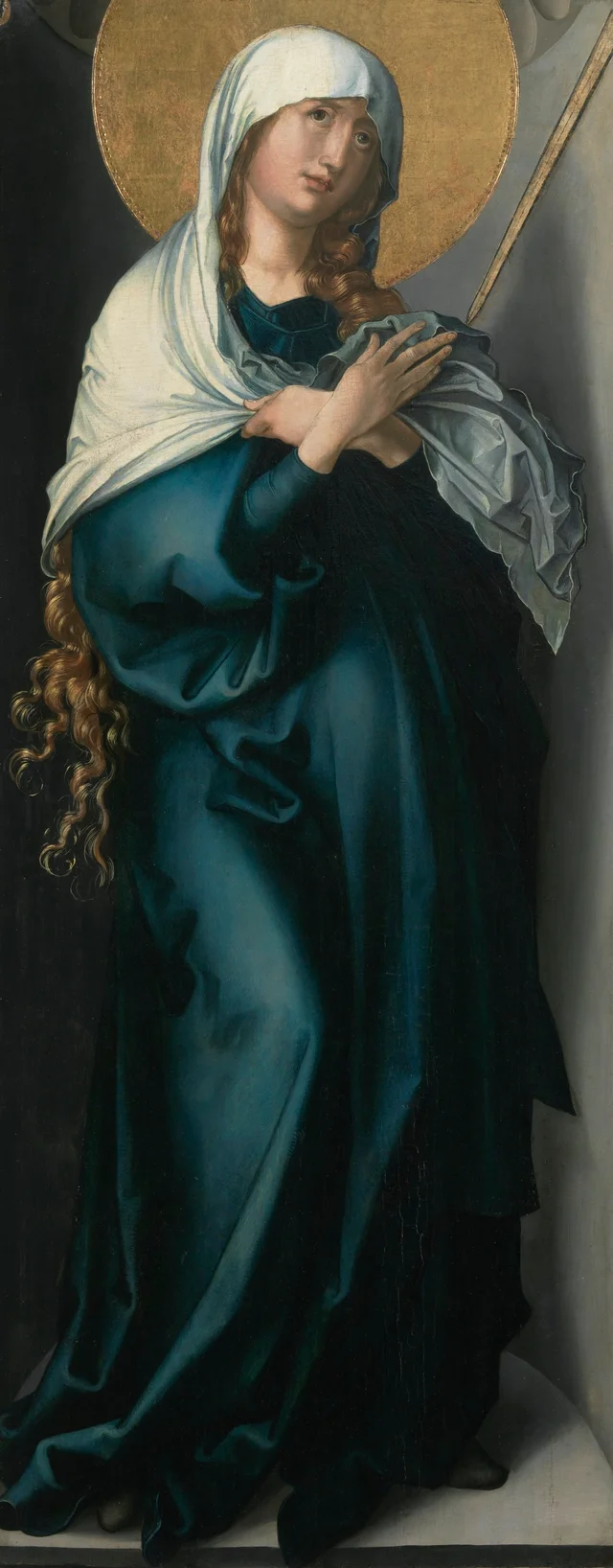 일곱 슬픔의 다폭 제단화: 슬퍼하는 성모알브레히트 뒤러, 1496
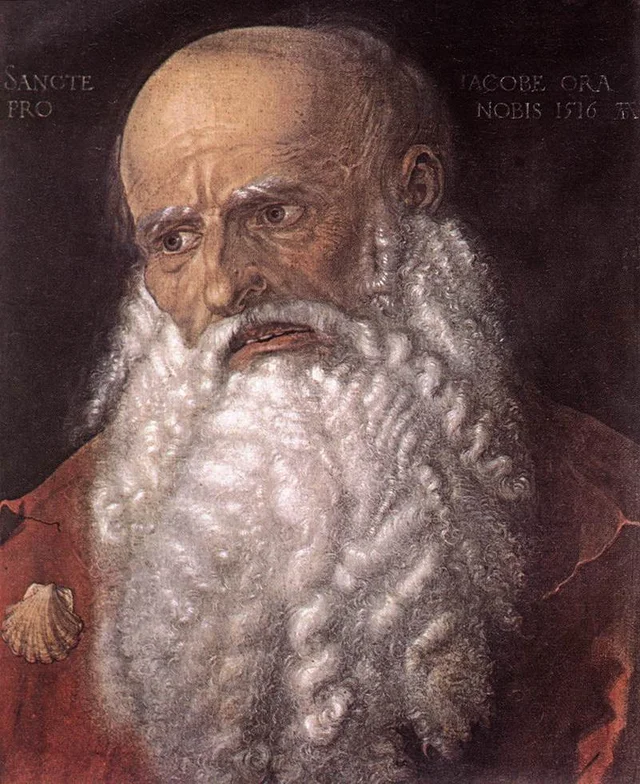 사도 대(大) 야고보알브레히트 뒤러, 1516