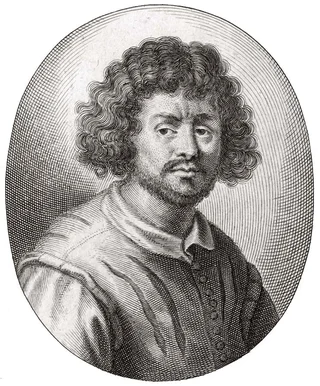
클로드 로랭
1600–1682 · 로렌 공국 · 고전주의
이야기
1600년대 중반 로마에서, 로렌 공국 출신의 한 화가가 어찌나 인기가 높았던지 다른 이들이 그의 그림을 위조해 한몫 챙기려 들 정도였다. 그저 클로드 로랭이라 불린 클로드 젤레는 부드럽게 떠오르거나 지는 해에 잠긴 환한 항구와 목가적 풍경을 그렸고, 유럽의 추기경과 귀족들은 이를 위해 큰돈을 치렀다.
위조꾼에 대한 그의 답은 한 권의 책이었다. 1635년경부터 그는 「진실의 책」이라는 뜻의 '리베르 베리타티스'를 꾸렸는데, 완성한 그림이 작업실을 떠날 때마다 정성껏 베낀 사본을 그려 넣고 사는 이의 이름과 날짜까지 적어 둔 장정된 화첩이었다. 200점가량의 소묘에 이른 이 책은 진짜 클로드와 가짜를 가려낼 수 있게 해 주었다.
그는 사실 장소보다 빛의 화가였다. 그림 속 신화나 성서의 인물들은 흔히 작게 한구석에 자리하고, 눈길은 지평선의 어스름한 해를 향해 뒤로 물러간다. 이 효과는 이상적 풍경에 대한 유럽인의 관념을 근 2세기 동안 붙들어 두었고, 100여 년 뒤 영국 화가 터너는 자기 그림 두 점을 런던에서 클로드의 작품 곁에 걸어 달라고 유언으로 청했다.
작품
작품 34점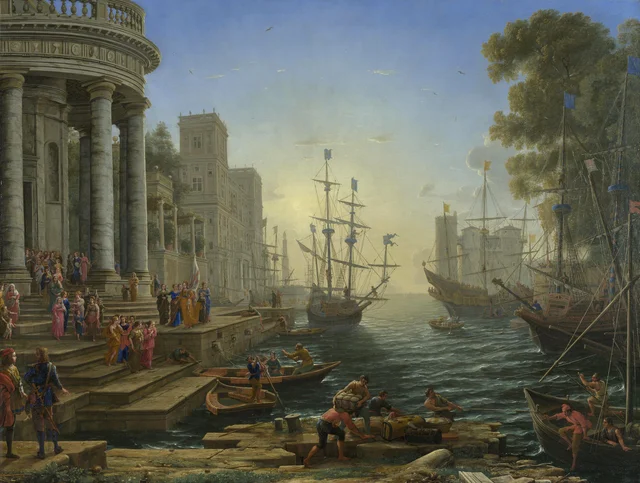 성 우르술라의 승선이 있는 항구클로드 로랭, 1641
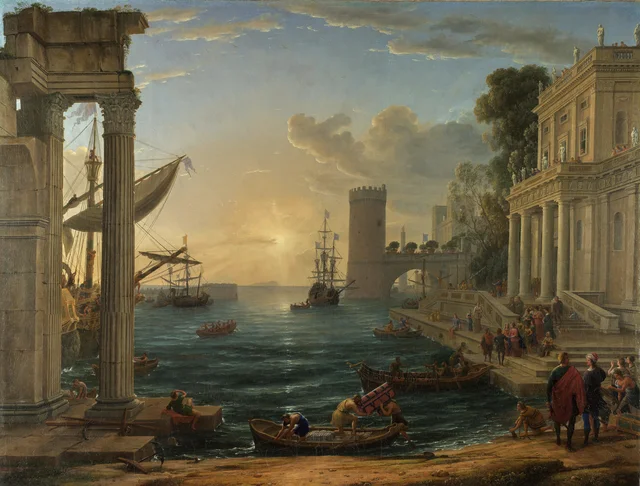 시바 여왕의 승선클로드 로랭, 1648
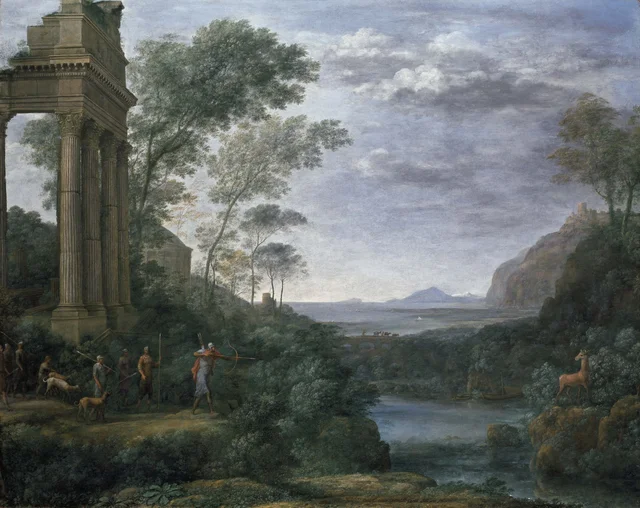 실비아의 수사슴을 쏘는 아스카니우스클로드 로랭, 1682
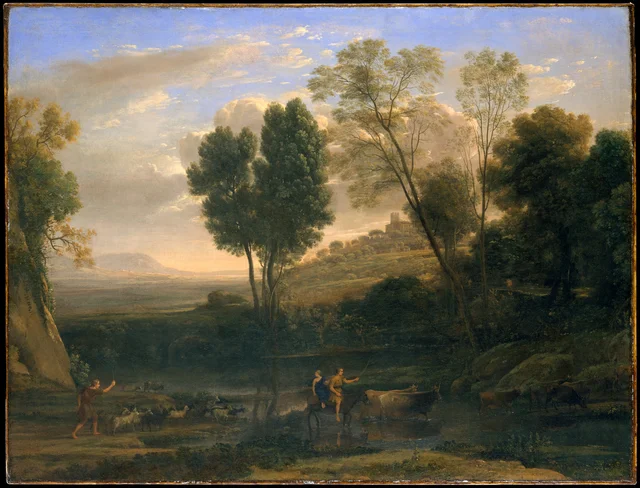 일출클로드 로랭, 1646
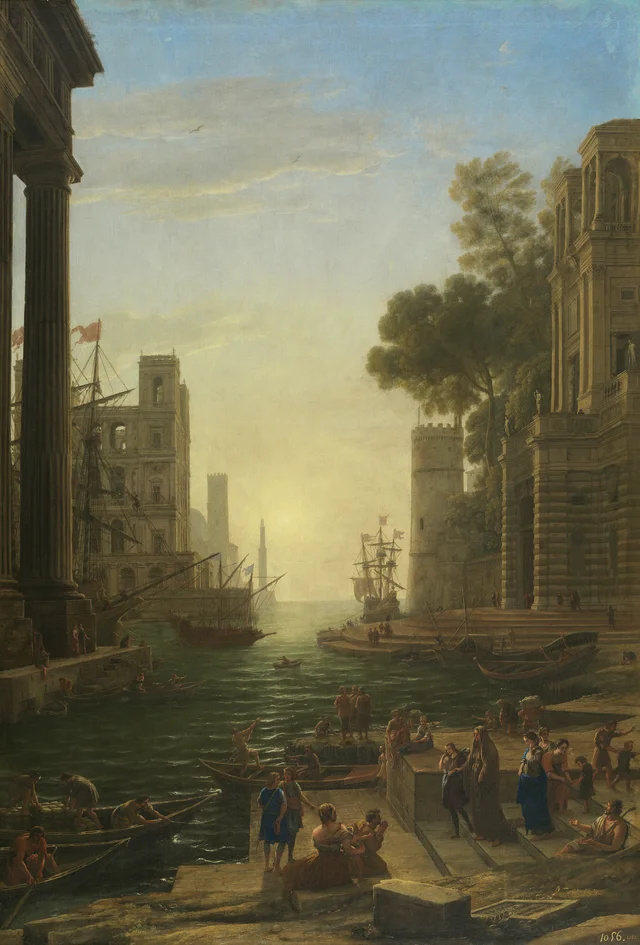 오스티아에서 승선하는 성 파울라 로마나가 있는 풍경클로드 로랭, 1639
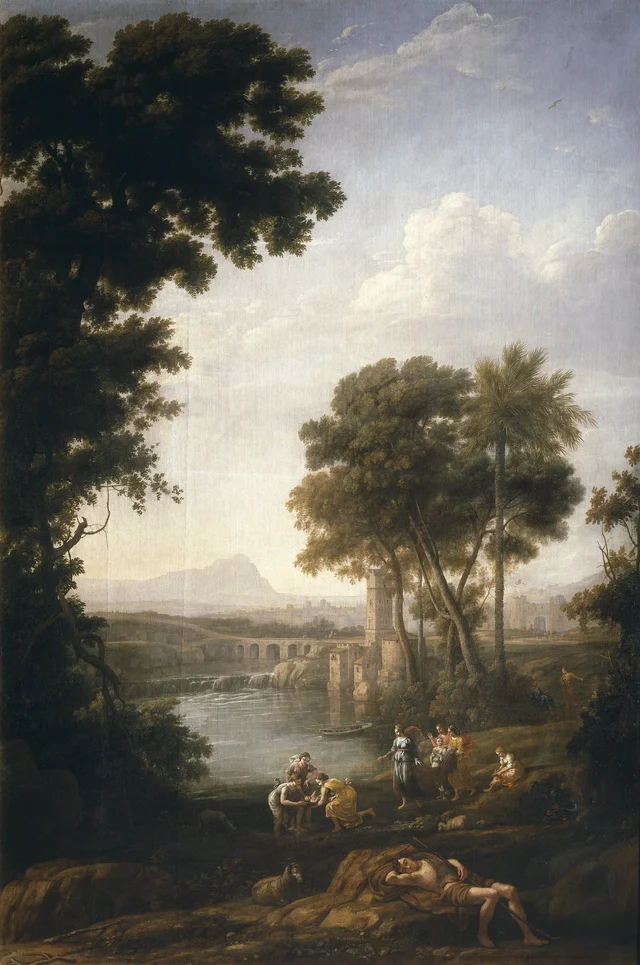 모세의 발견이 있는 풍경클로드 로랭, 1639
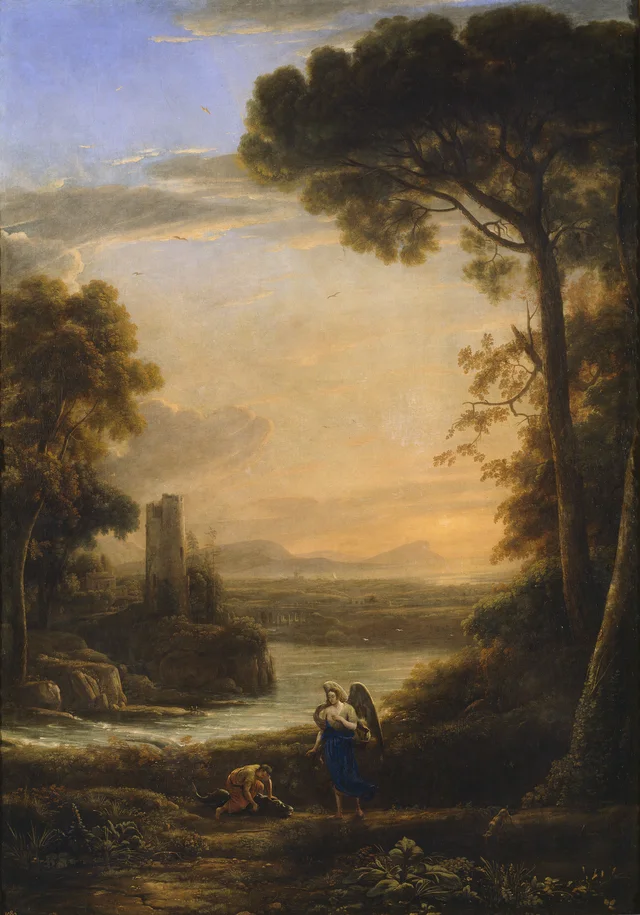 토비아와 천사가 있는 풍경클로드 로랭, 1639
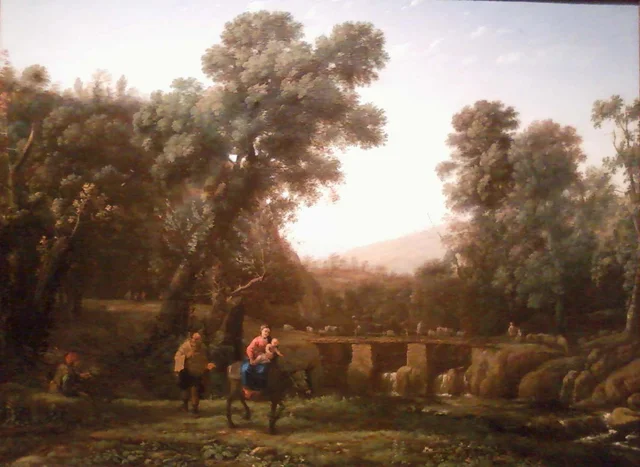 이집트로의 피신클로드 로랭, 1635
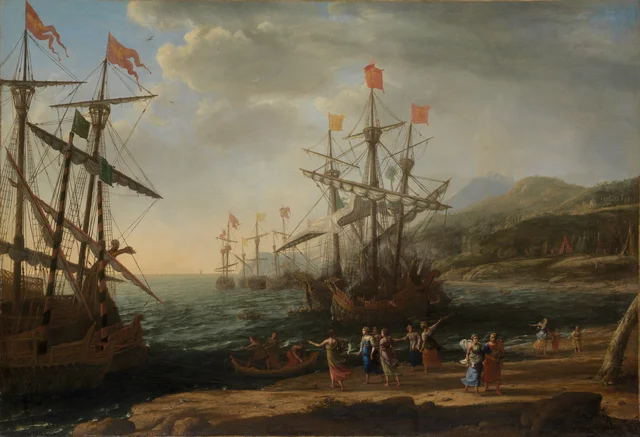 함대에 불을 지르는 트로이 여인들클로드 로랭, 1643
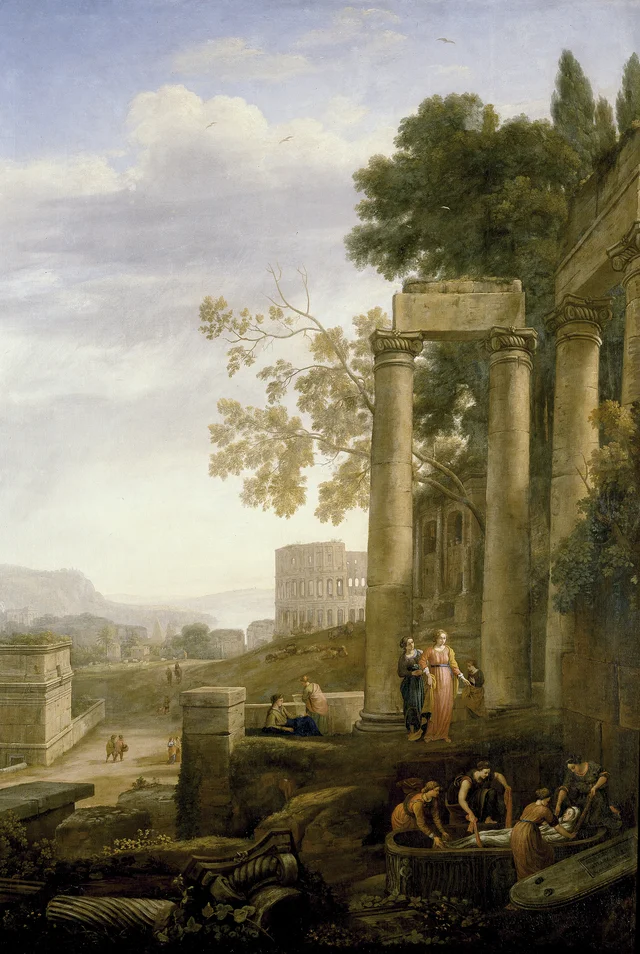 성 세라피아의 매장이 있는 풍경클로드 로랭, 1639
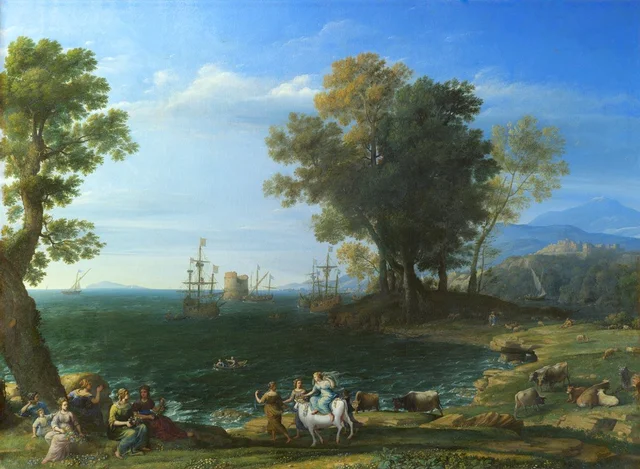 에우로페의 납치클로드 로랭, 1655
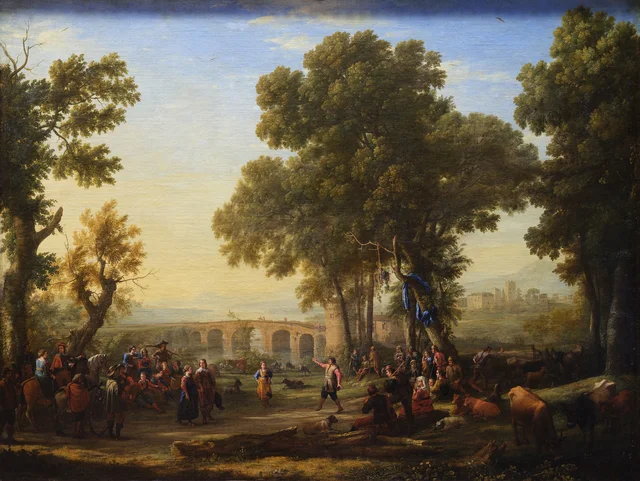 마을 축제클로드 로랭, 1639
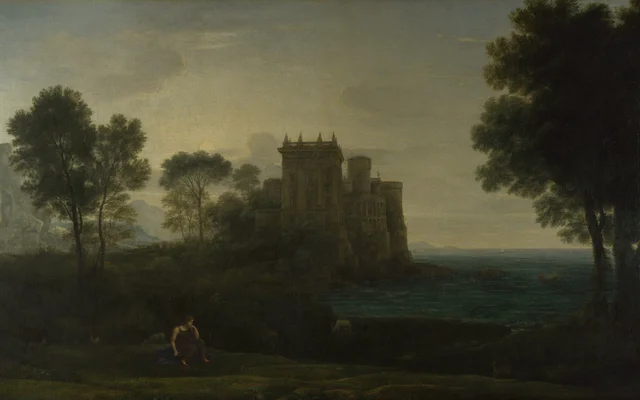 큐피드의 궁전 앞의 프시케가 있는 풍경클로드 로랭, 1664
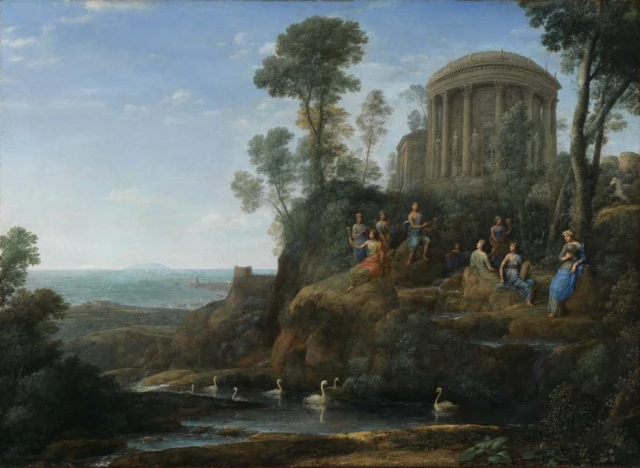 헬리콘산의 아폴론과 무사이클로드 로랭, 1680
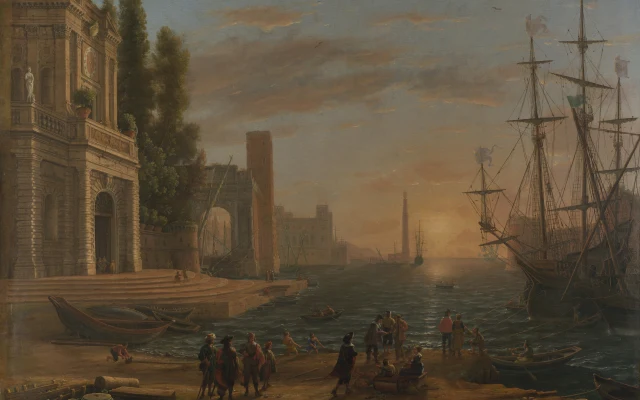 항구클로드 로랭, 1644
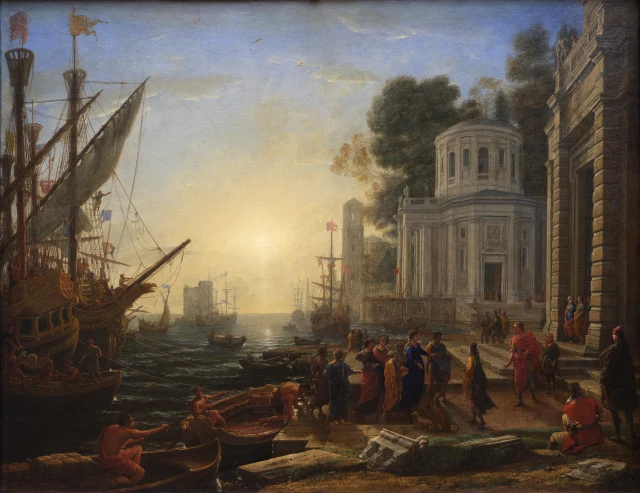 타르수스에 상륙하는 클레오파트라클로드 로랭, 1642
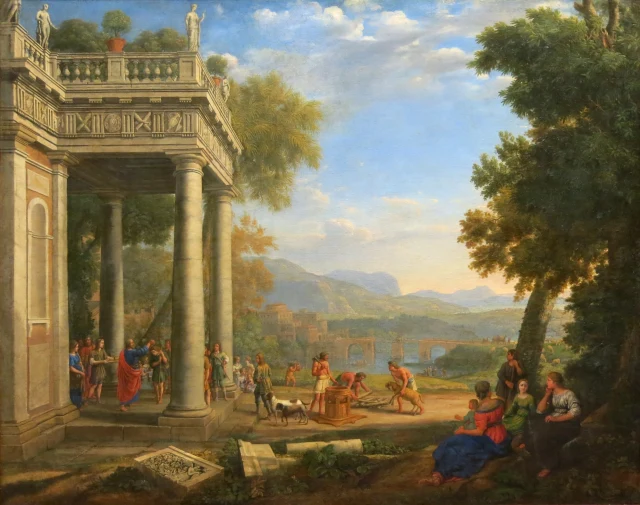 사무엘에게 왕으로 기름 부음을 받는 다윗클로드 로랭, 1647
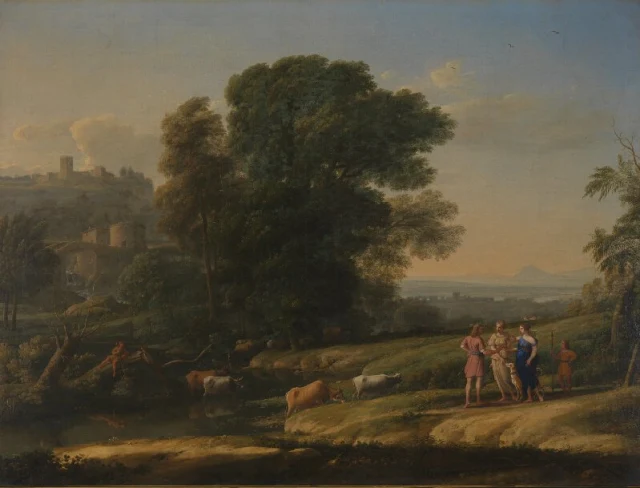 디아나에 의해 재회한 케팔로스와 프로크리스가 있는 풍경클로드 로랭, 1645
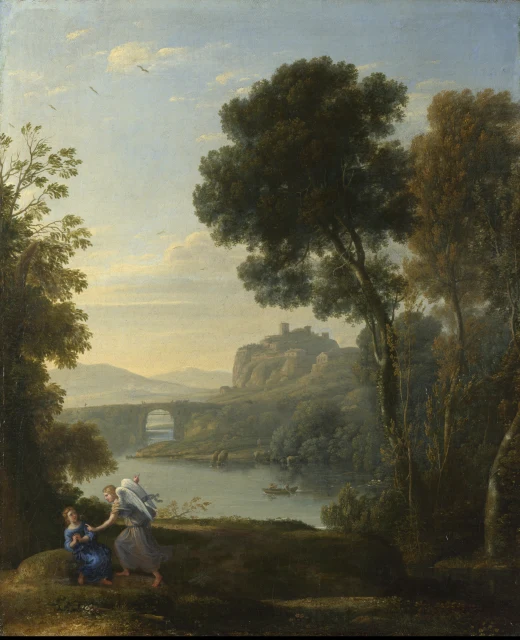 하갈과 천사가 있는 풍경클로드 로랭, 1646
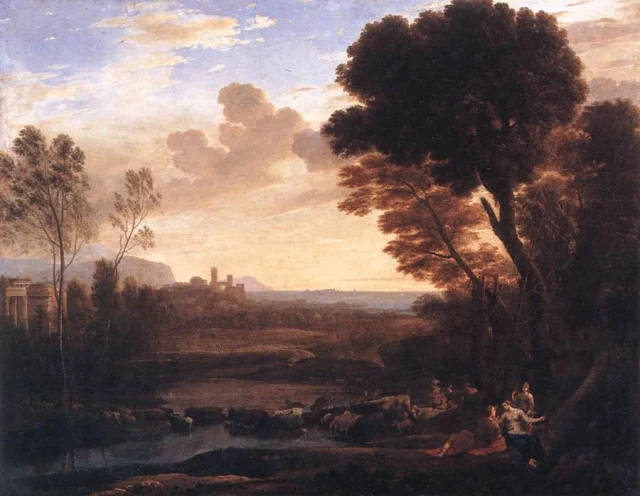 파리스와 오이노네가 있는 풍경(「여울」)클로드 로랭, 1648
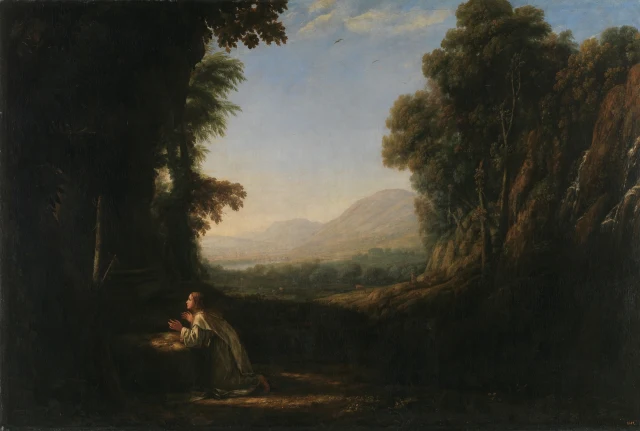 성 마리아 데 세르베요가 있는 풍경클로드 로랭, 1637
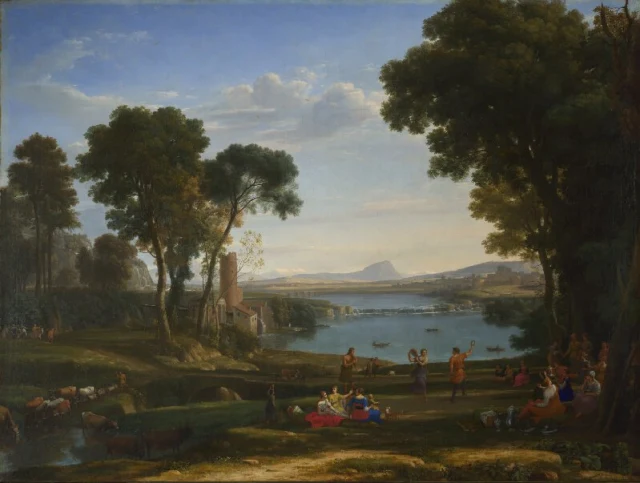 이삭과 리브가의 결혼이 있는 풍경(〈방앗간〉)클로드 로랭, 1648
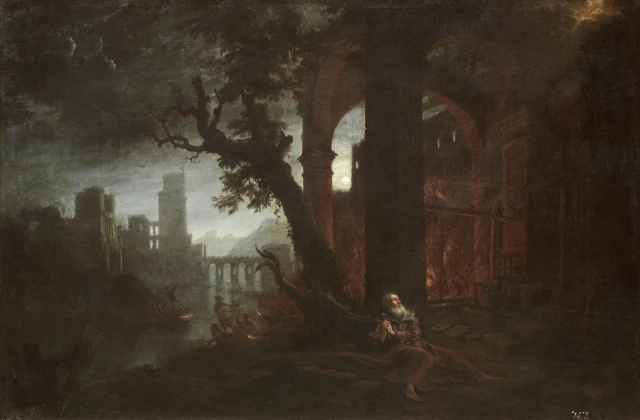 성 안토니우스의 유혹이 있는 풍경클로드 로랭, 1638
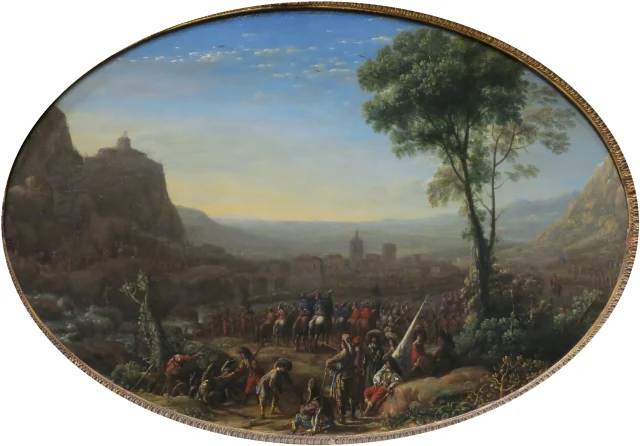 수사 고개를 돌파하는 루이 13세클로드 로랭, 1632