오디오 가이드
이야기
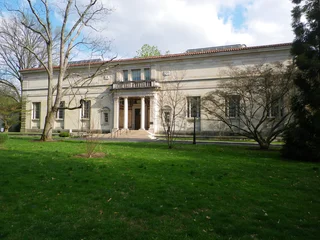
반스에 들어서면 벽이 어딘가 이상해 보인다. 르누아르와 세잔의 그림이 연철 문 경첩, 아프리카 가면, 펜실베이니아 더치 가구와 나란히 맞붙어 걸려 있고, 화가나 연대가 아니라 크기와 색, 형태에 따라 빽빽하고 좌우 대칭을 이룬 무리로 배열되어 있다. 이런 배열을 앙상블이라 부르며, 하나하나가 그림을 사들인 사람인 앨버트 반스에 의해 그 자리에 못 박히듯 정해졌다.
반스는 필라델피아의 의사로, 1900년 무렵 전 세계에 팔린 은 성분의 소독제 아지롤로 큰돈을 벌었다. 그는 그 돈을 미국의 어느 미술관도 거의 원하지 않던 시절의 프랑스 근대 회화에 썼고, 아주 깊이 사들였다. 르누아르 약 180점과 세잔 69점으로 두 화가 모두 어디에도 없는 최대 규모였으며, 여기에 마티스와 피카소, 쇠라의 주요 작품이 더해졌다. 그는 심지어 마티스에게 자기 전시실 창 위 벽을 위해 거대한 벽화 춤을 주문하기도 했다.
그는 또한 이 모든 것을 영원히 얼려 두려는 신탁을 작성했다. 그림들은 메리언 교외의 자기 건물에 머물러야 하고, 앙상블은 결코 다시 배열되어서는 안 되며, 어떤 것도 대여되어서는 안 되었다. 1951년 그가 죽은 뒤 재단은 자금이 바닥났고, 컬렉션을 옮길 수 있는지를 두고 긴 법정 다툼이 이어졌다. 2012년 컬렉션은 결국 필라델피아 도심 벤저민 프랭클린 파크웨이의 새 건물로 옮겨 갔는데, 그곳의 전시실은 옛 방들을 거의 한 치까지 그대로 재현하도록 지어졌다. 한 세기 전 그가 정해 둔 앙상블은 그가 남긴 그대로 걸려 있다.
소장품
작품 71점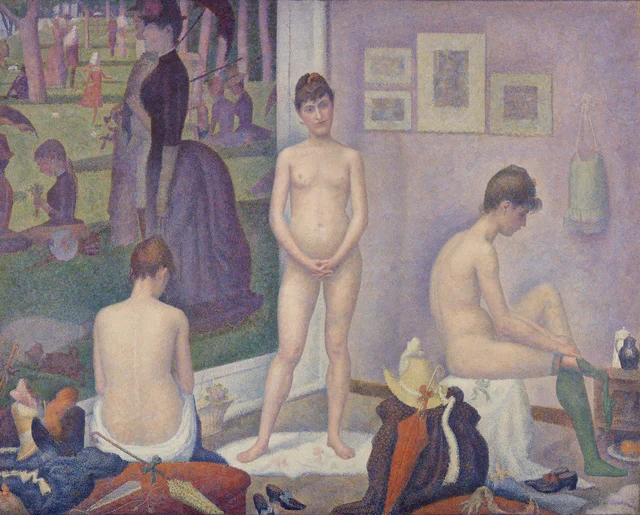 모델들조르주 쇠라, 1886
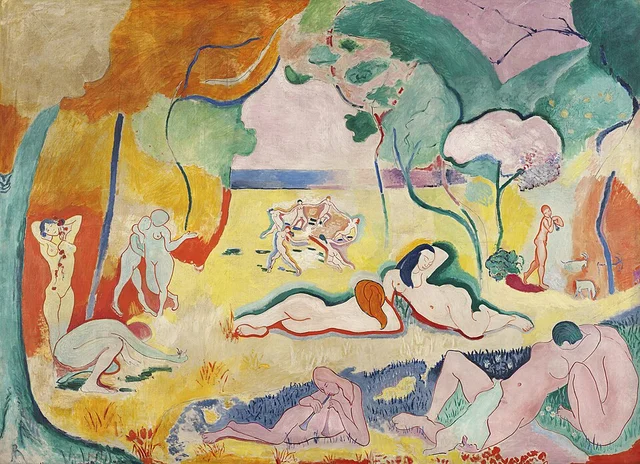 삶의 기쁨앙리 마티스, 1906
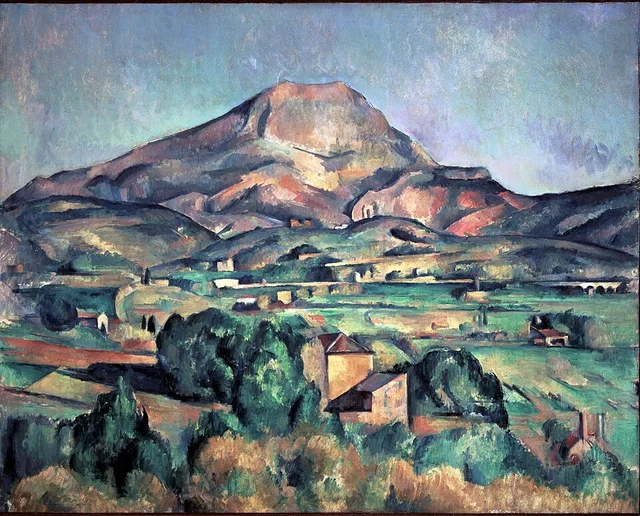 벨뷔에서 바라본 생트빅투아르산폴 세잔, 1892
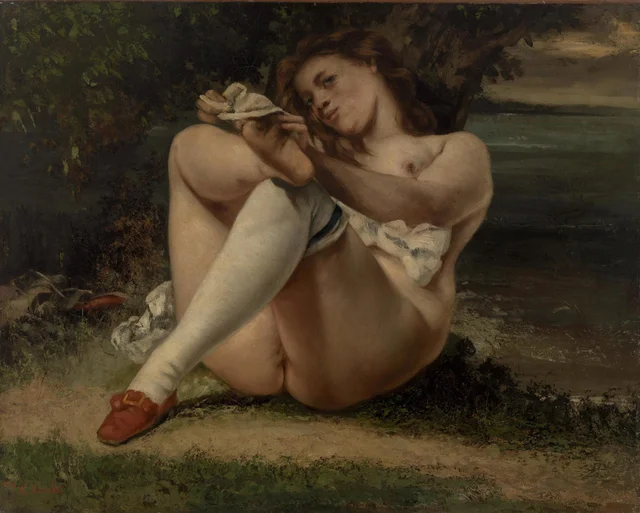 흰 스타킹의 여인귀스타브 쿠르베, 1864
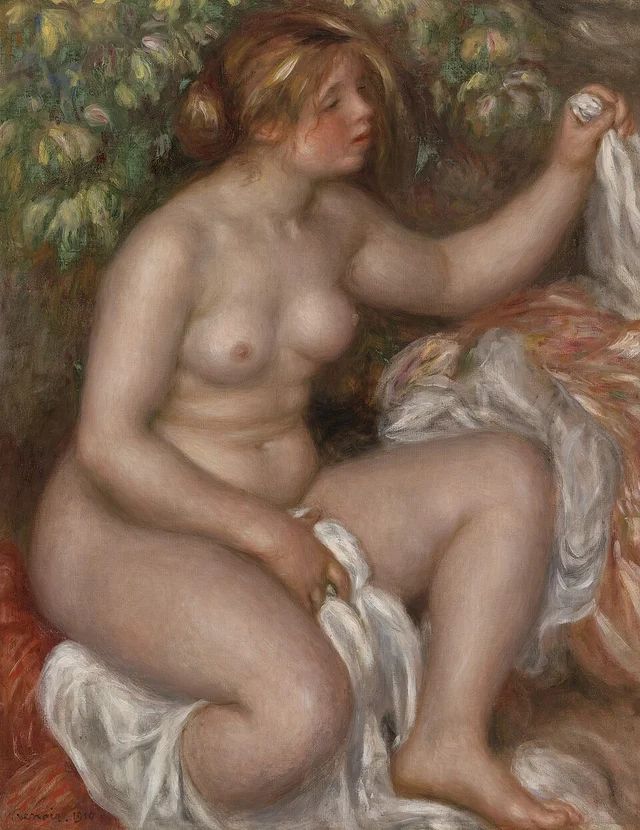 목욕 후피에르오귀스트 르누아르, 1910
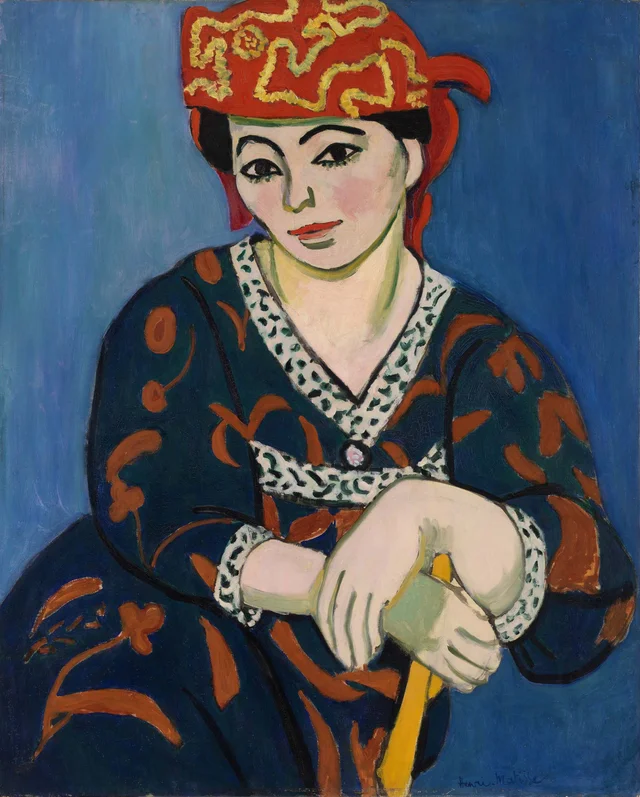 붉은 마드라스앙리 마티스, 1907
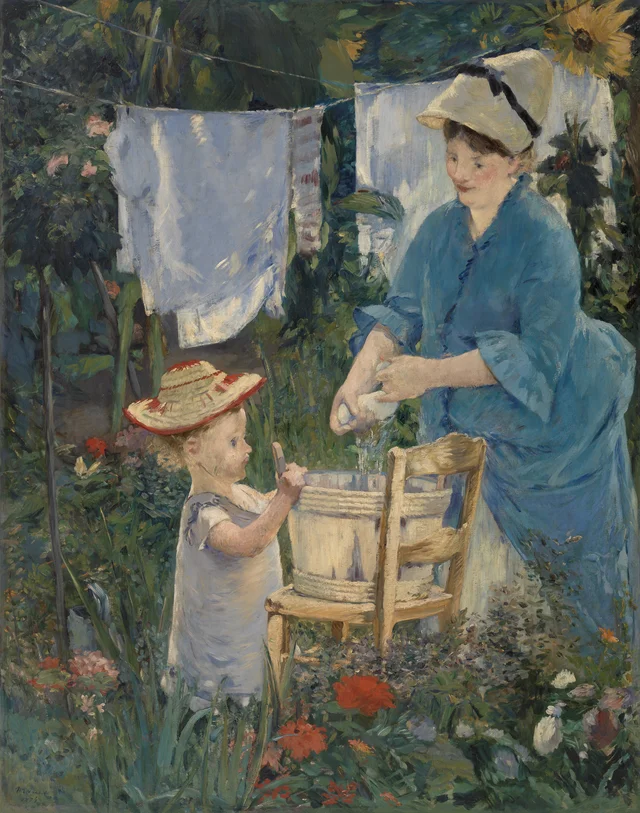 빨래에두아르 마네, 1875
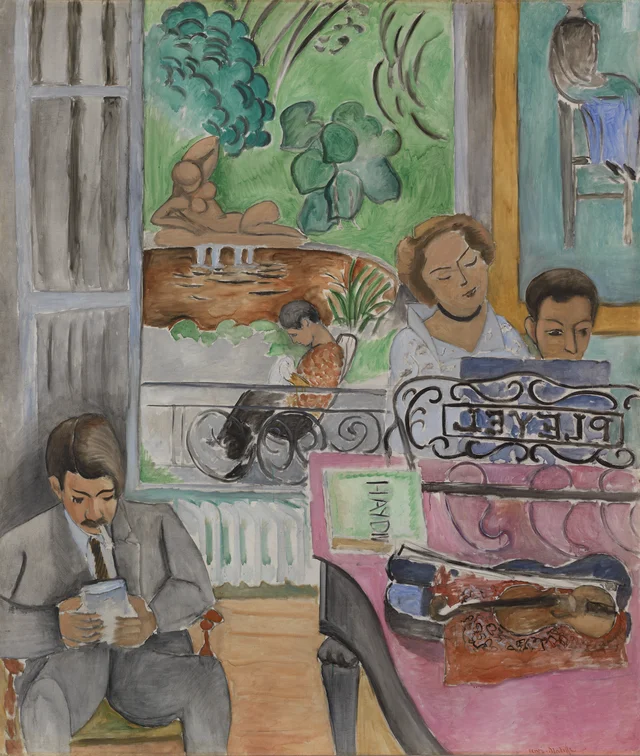 음악 수업앙리 마티스, 1917
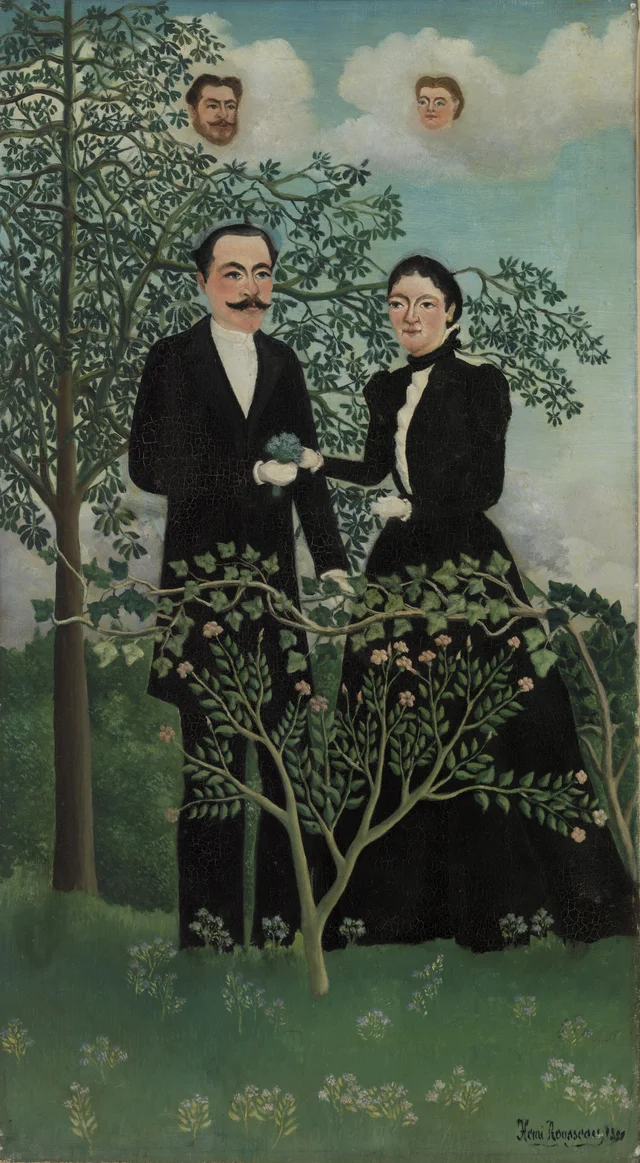 과거와 현재앙리 루소, 1899
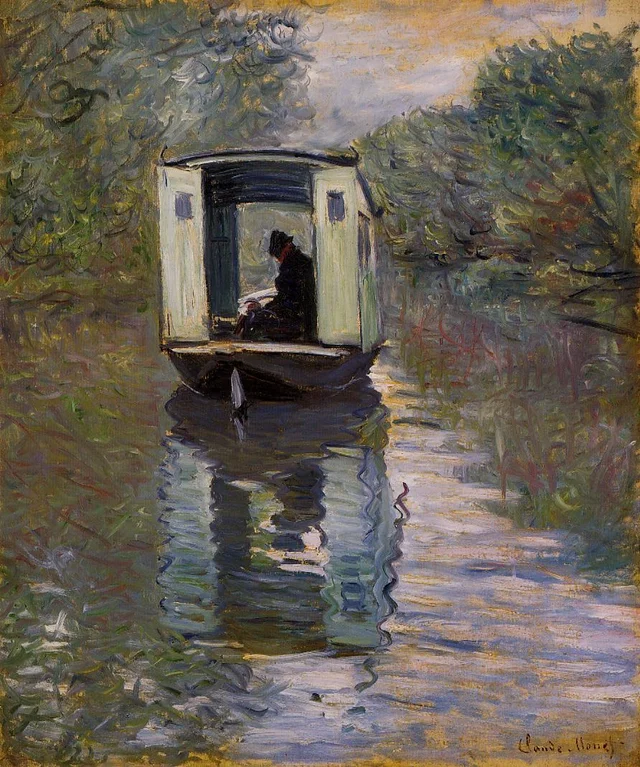 작업실 배클로드 모네, 1876
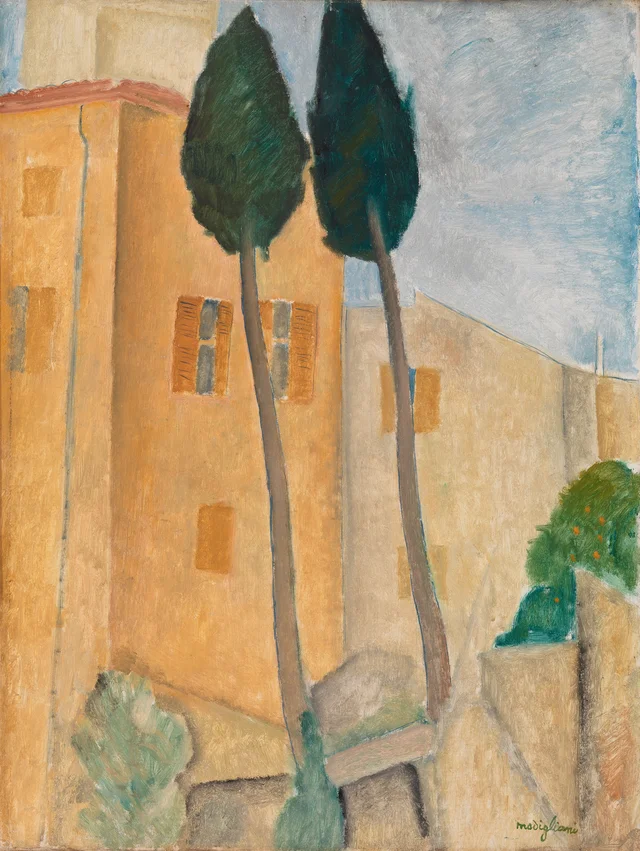 카뉴의 사이프러스와 집들아메데오 모딜리아니, 1919
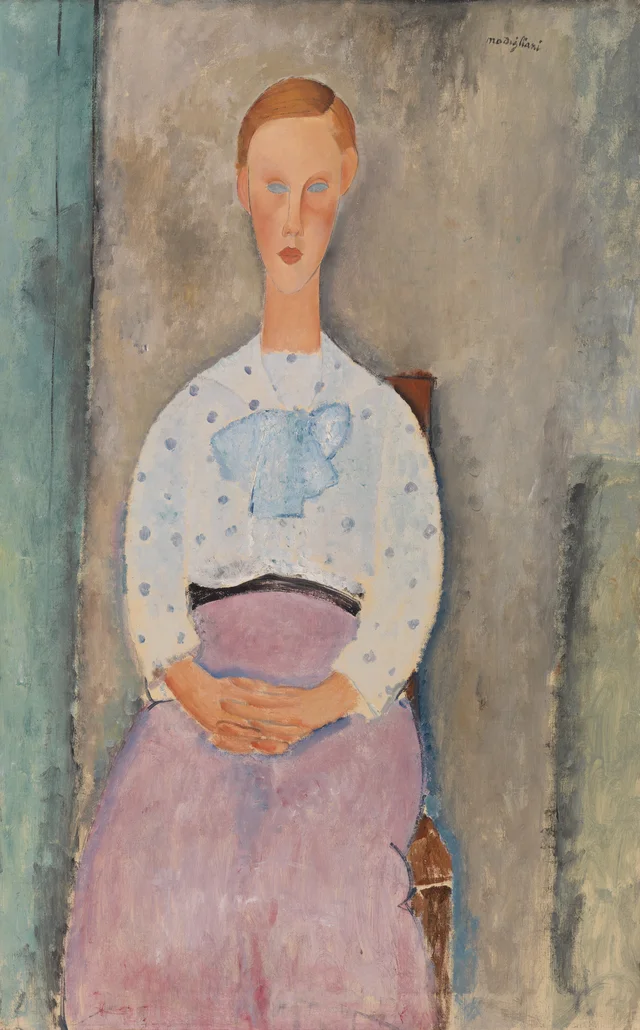 물방울무늬 블라우스를 입은 소녀아메데오 모딜리아니, 1919
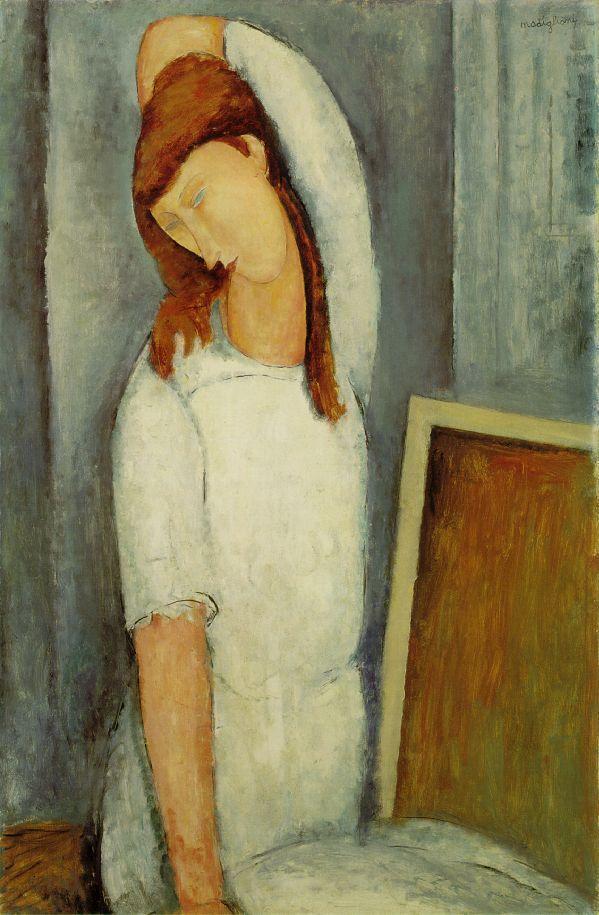 잔 에뷔테른아메데오 모딜리아니, 1919
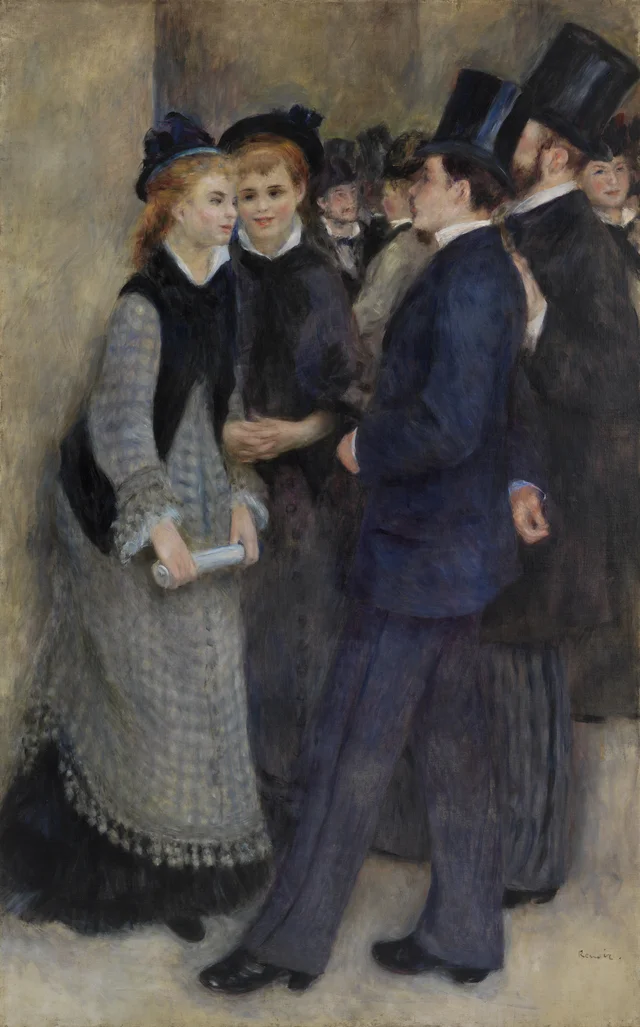 음악원을 나서며 (La Sortie du conservatoire)피에르오귀스트 르누아르, 1877
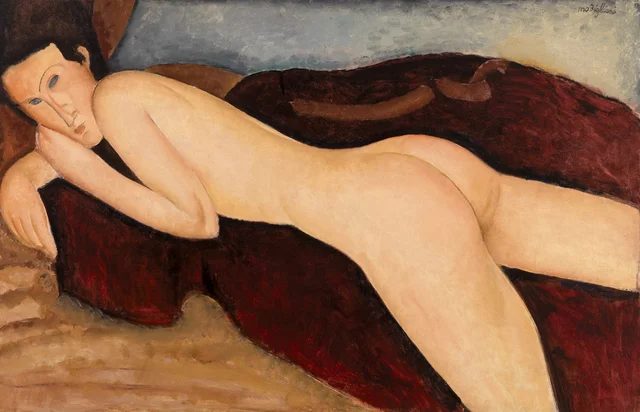 뒤에서 본 누운 누드아메데오 모딜리아니, 1917
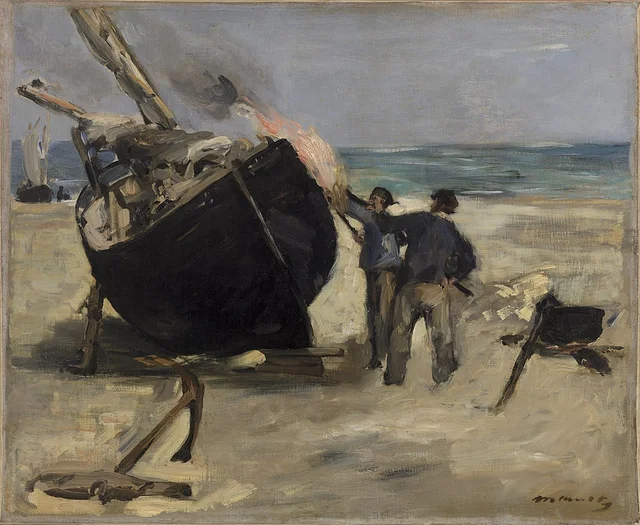 타르 칠하는 배에두아르 마네, 1873
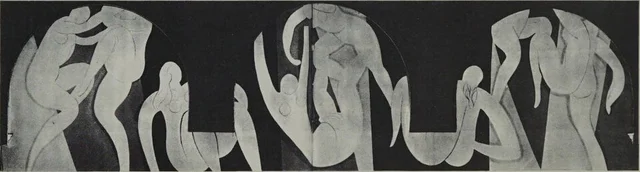 춤앙리 마티스, 1932
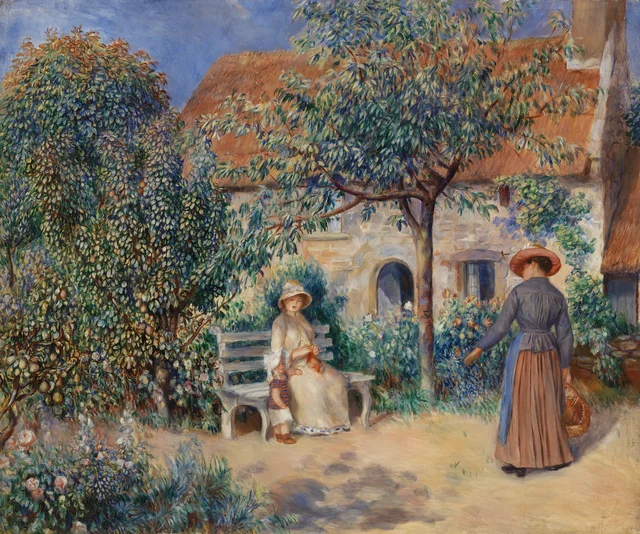 브르타뉴에서피에르오귀스트 르누아르, 1886
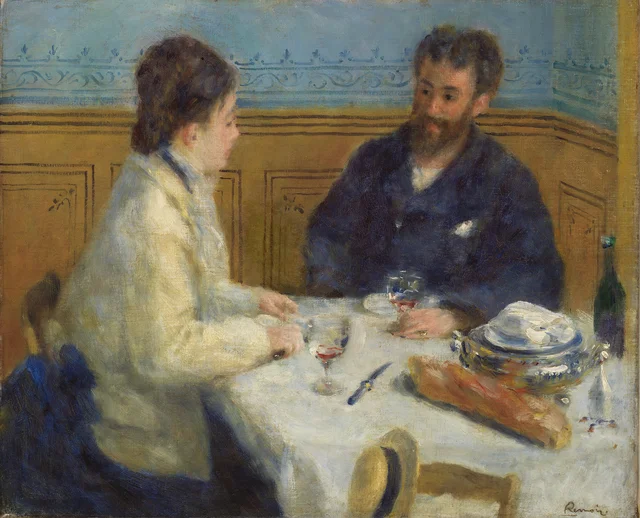 오찬 (Le Déjeuner)피에르오귀스트 르누아르, 1875
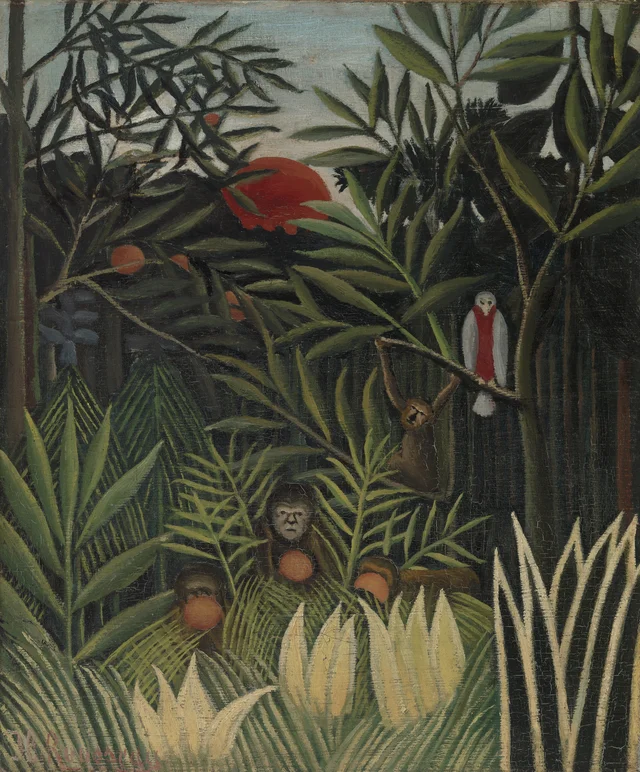 원시림 속의 원숭이와 앵무새앙리 루소, 1905
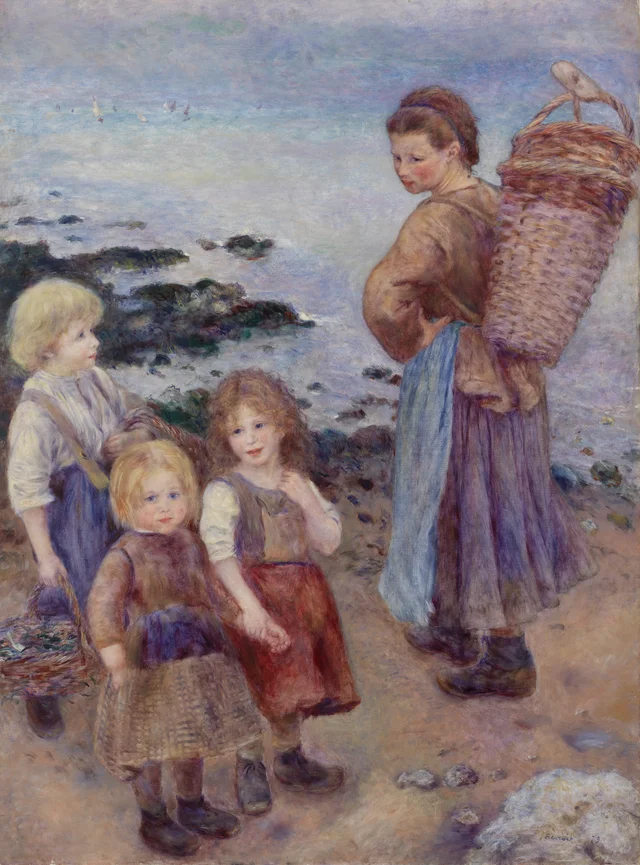 베르느발의 홍합 채취하는 여인들피에르오귀스트 르누아르, 1879
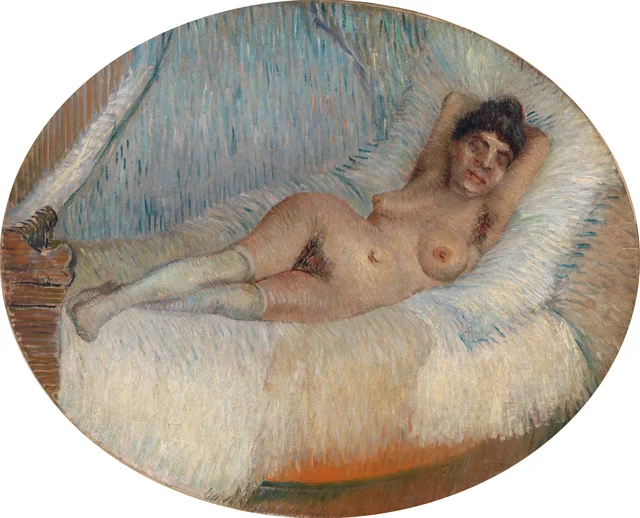 침대 위의 나체 여인빈센트 반 고흐, 1887
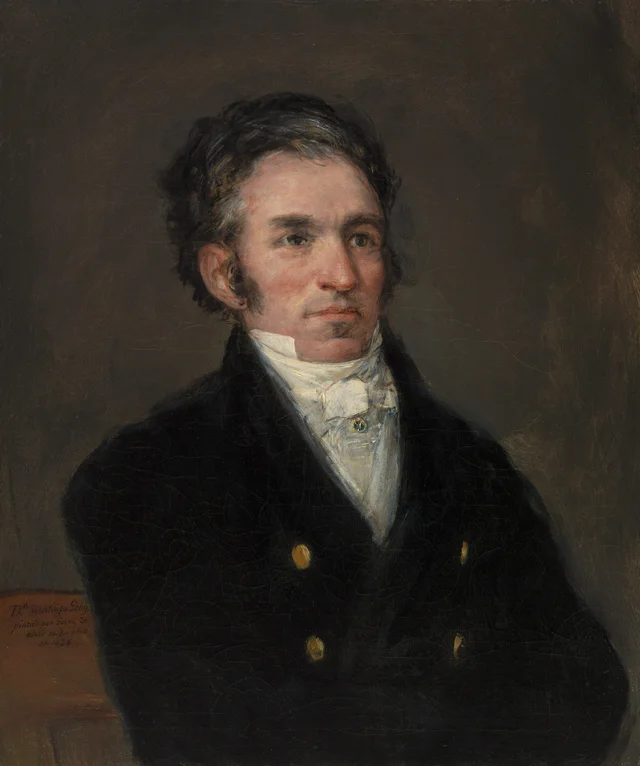 자크 갈로스의 초상프란시스코 고야, 1826
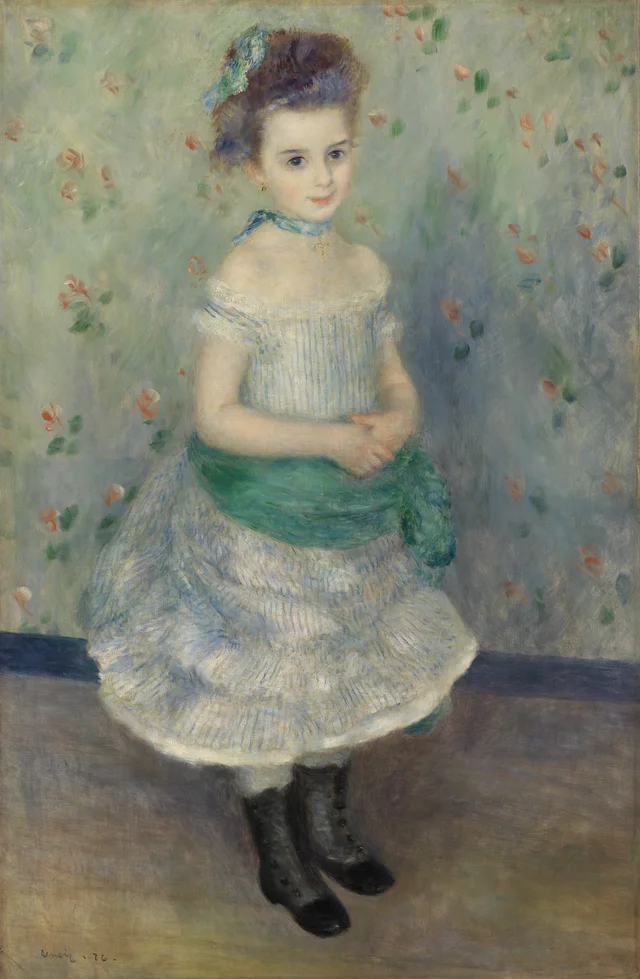 잔 뒤랑-뤼엘의 초상(J양의 초상)피에르오귀스트 르누아르, 1876
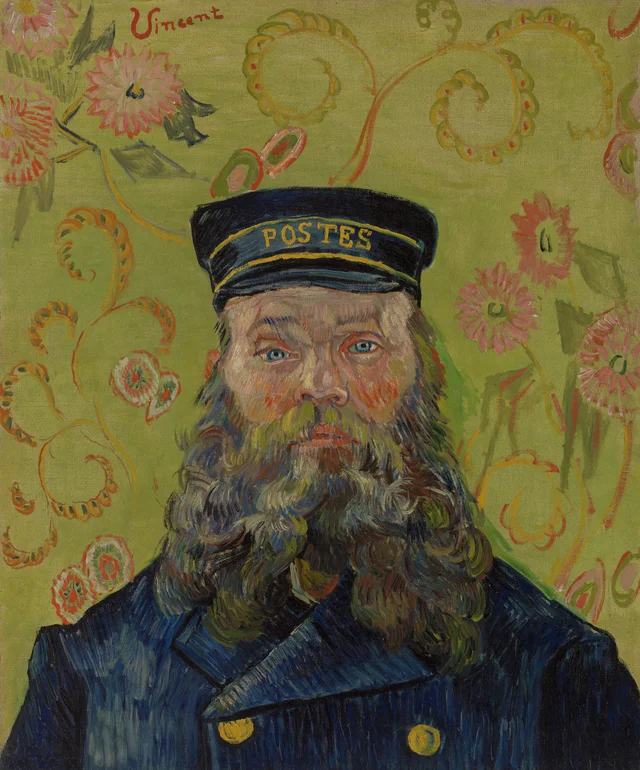 조제프 룰랭의 초상빈센트 반 고흐, 1888