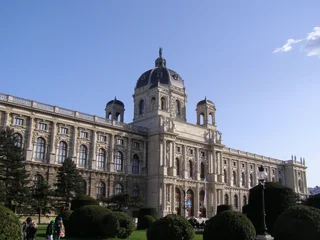
이야기
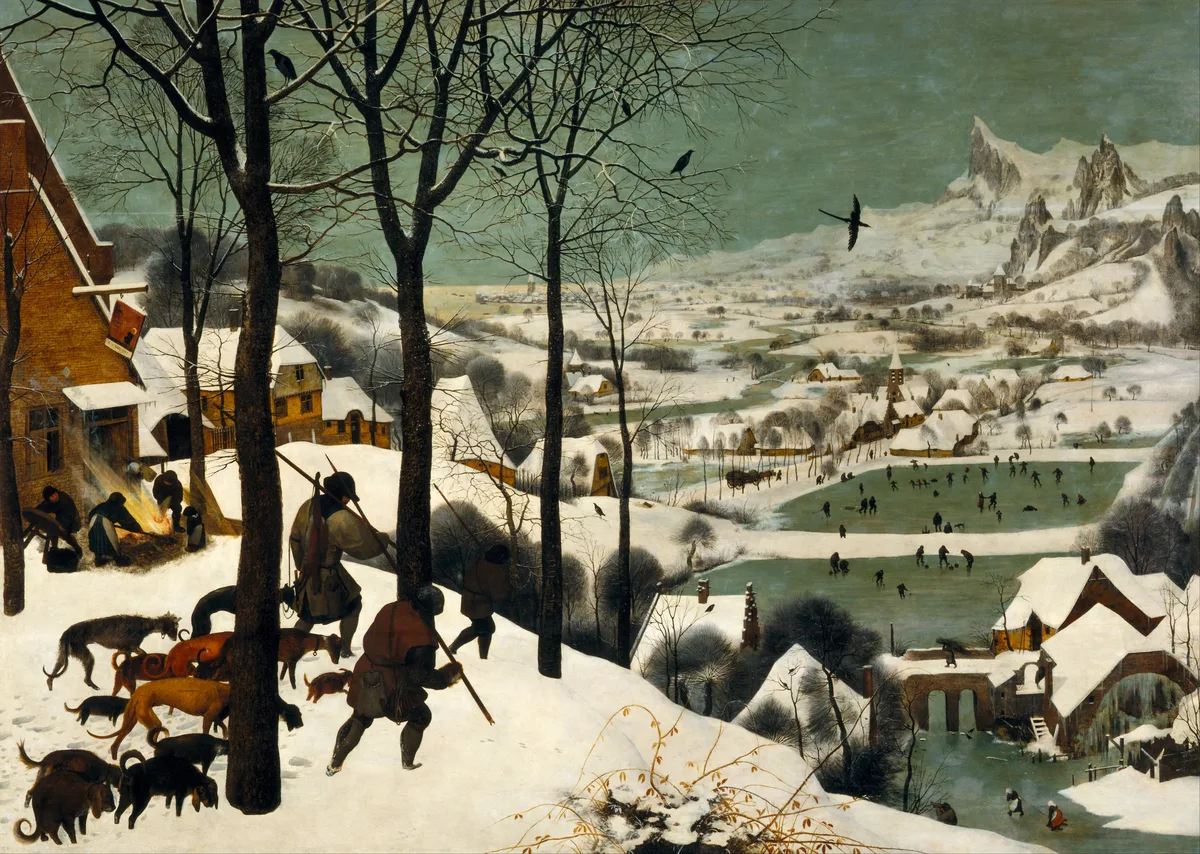
위층 한 방에는 지상 어느 곳보다 많은 대(大) 피터르 브뤼헐의 그림이 걸려 있다. 열두 점 남짓으로, 1565년에 그린 눈 속의 사냥꾼도 그 안에 있는데, 지친 사냥꾼들과 개들이 얼어붙은 골짜기 위 언덕을 터벅터벅 넘어가는 그림이다. 빈이 이 그림들을 소장하게 된 것은 결국 합스부르크 가문 덕분이니, 여러 세기 동안 유럽의 많은 곳을 다스리며 그 권력의 상당 부분을 미술품을 사는 데 쓴 왕조다.
미술관은 바로 그것을 자랑삼아 보이기 위해 세워졌다. 프란츠 요제프 황제가 1891년 링슈트라세에 문을 열었는데, 빈의 옛 성벽이 서 있던 자리에 낸 이 웅장한 대로변의 미술관은 고트프리트 젬퍼와 카를 폰 하제나우어가 지은 궁전 같은 건물이며, 그 계단은 젊은 구스타프 클림트가 장식했으니 그가 황금과 스캔들의 클림트가 되기 전의 일이다. 뿔뿔이 흩어진 제국의 컬렉션을 한 지붕 아래 모아 대중에게 공개하려는 것이 그 취지였다.
그리하여 그 벽들은 합스부르크가 뻗친 영향의 목록처럼 읽힌다. 화가가 이젤 앞에 등을 보이고 앉은 페르메이르의 회화 예술은 이 가문이 보물의 하나로 간직해 온 그림이다. 티치아노와 루벤스, 벨라스케스의 방들도 있는데, 작고 근엄한 왕녀들을 그린 벨라스케스의 스페인 궁정 초상들은 가문의 두 갈래를 이어 준 혼인을 통해 빈으로 왔다. 그리고 회화관 아래층에는 쿤스트카머가 자리하는데, 아름다운 것 못지않게 기이하고 정교한 것을 탐한 황제들이 모은 새긴 상아와 태엽 자동인형, 보석 술잔이 미로처럼 들어찬 곳이다. 그중 가장 유명한 물건은 벤베누토 첼리니가 프랑스 왕을 위해 만든 황금 소금 그릇이다.
다른 아티클
소장품
작품 381점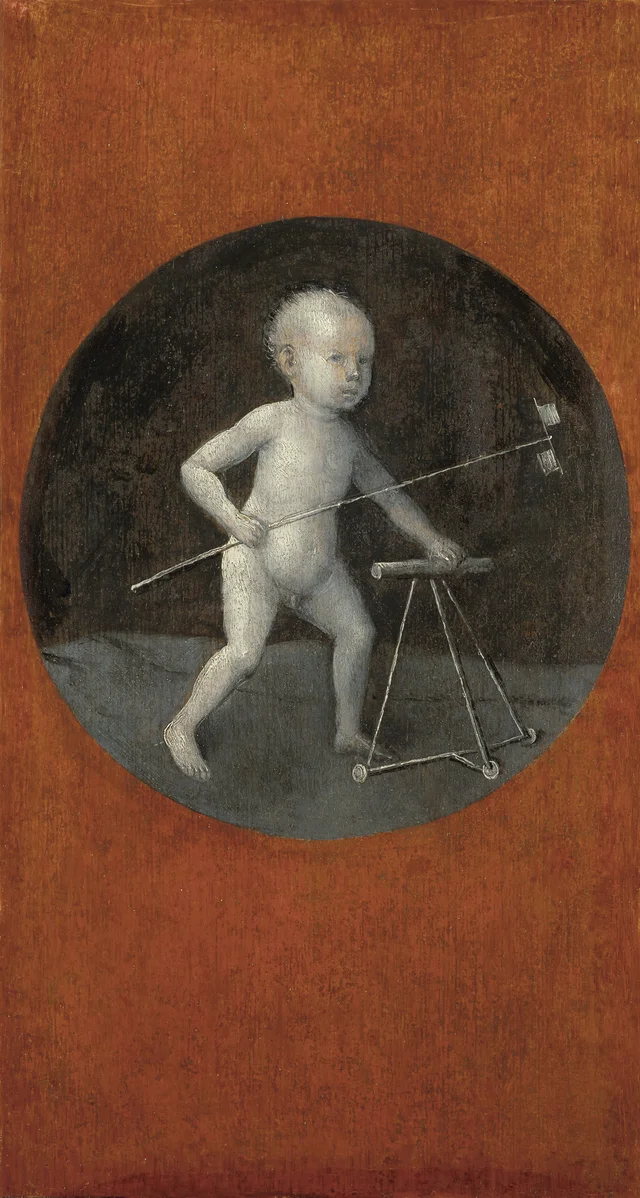 보행기를 탄 아기 예수히에로니무스 보스, 1500
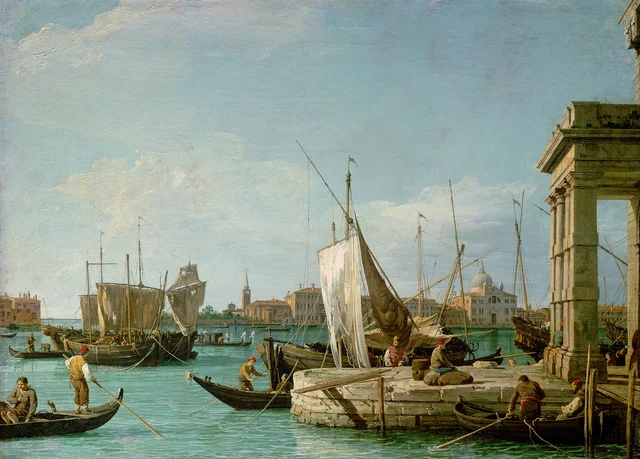 푼타 델라 도가나카날레토, 1726
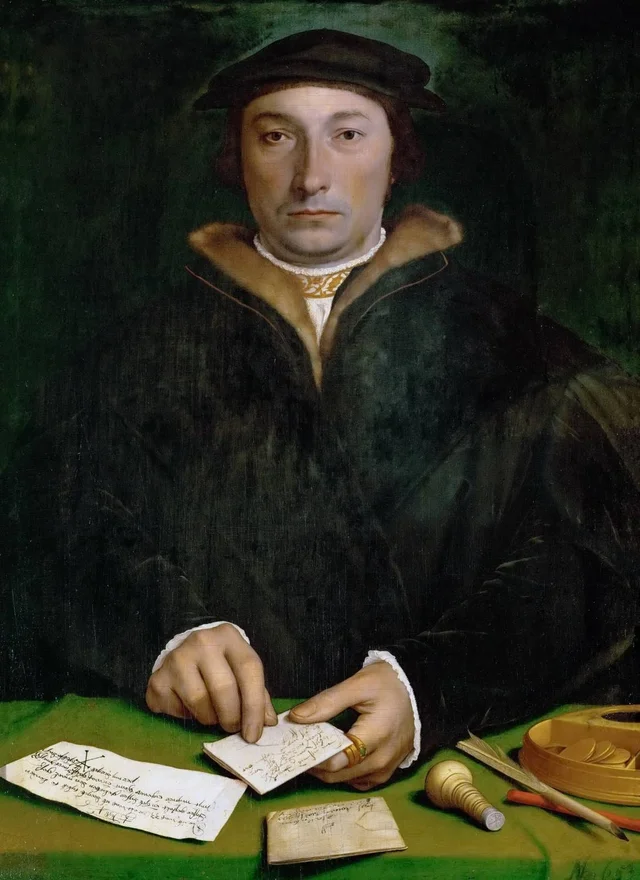 뒤스부르크 상인 디르크 티비스소 한스 홀바인, 1533
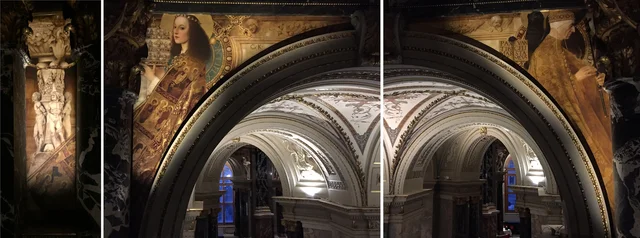 로마와 베네치아의 콰트로첸토구스타프 클림트, 1891
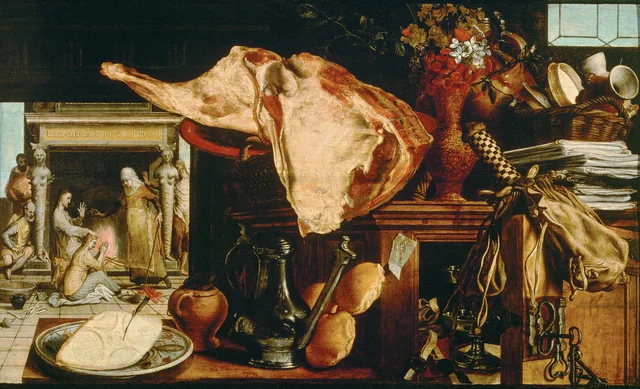 바니타스 정물: 마르타와 마리아의 집에 온 그리스도피터르 아르천, 1552
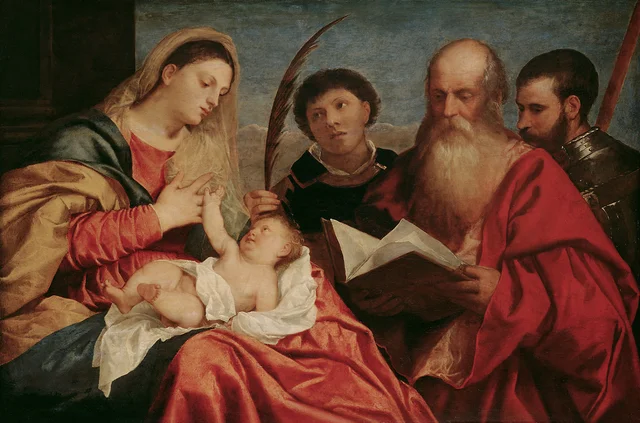 성모자와 성 스테파노, 성 예로니모, 성 마우리시오티치아노, 1520
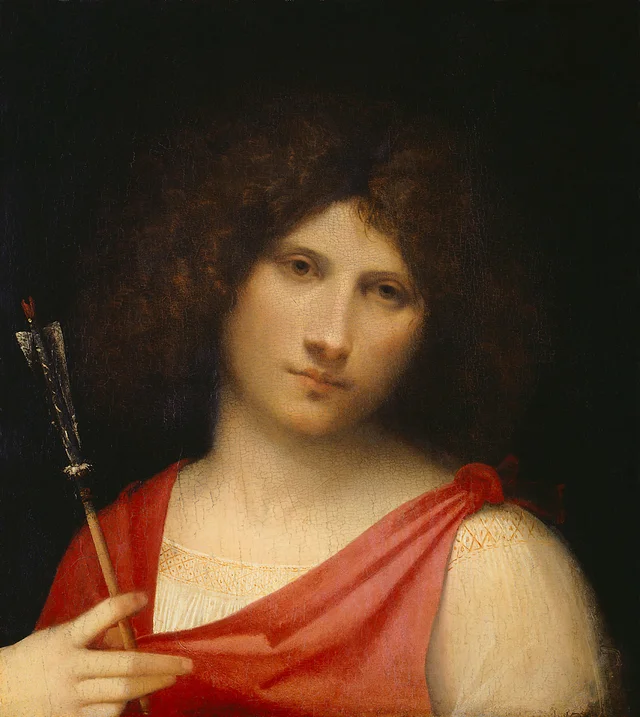 화살을 든 젊은이조르조네, 1505
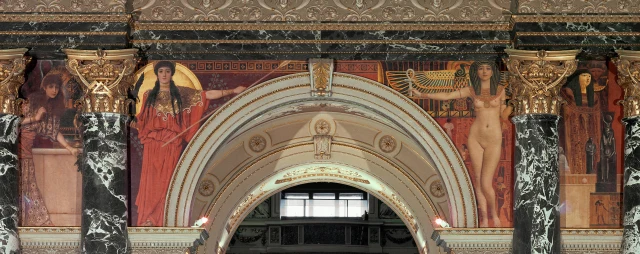 고대 그리스와 고대 이집트구스타프 클림트, 1891
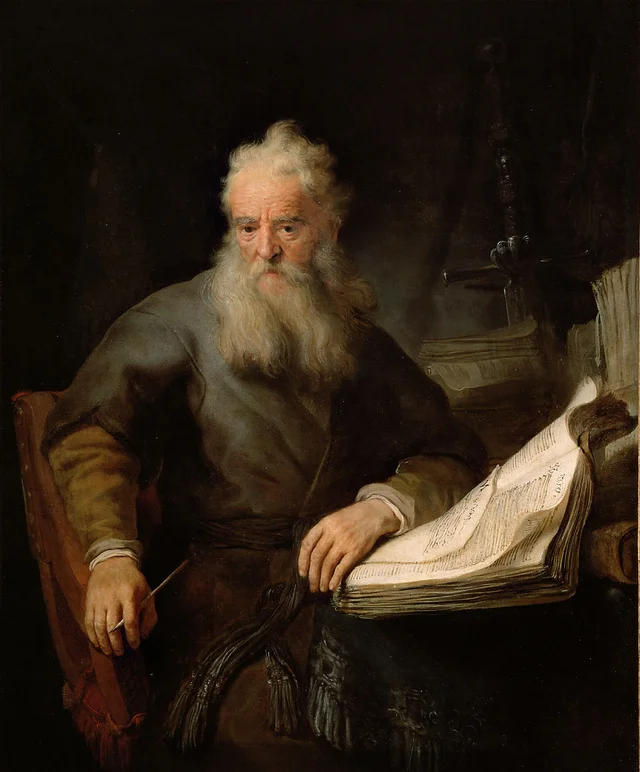 사도 바울렘브란트 귀속, 1633
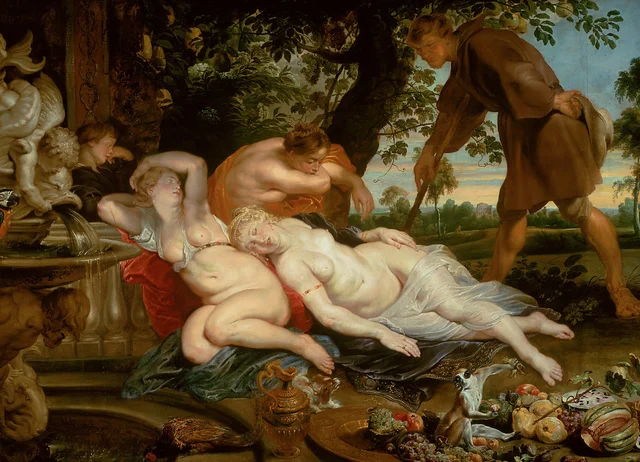 시몬과 이피게네이아페테르 파울 루벤스, 1617
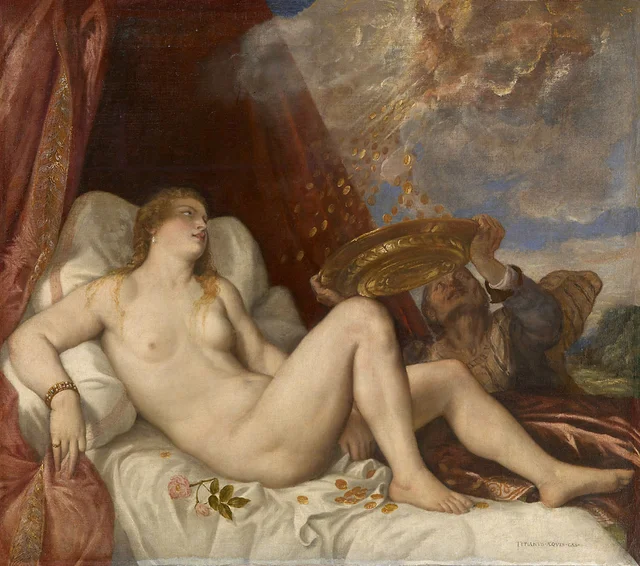 다나에티치아노, 1550
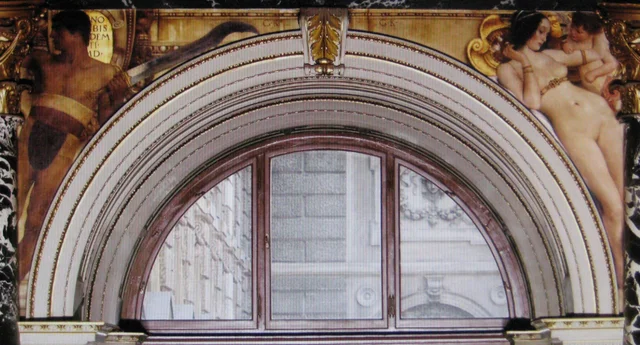 친퀘첸토와 콰트로첸토의 피렌체구스타프 클림트, 1891
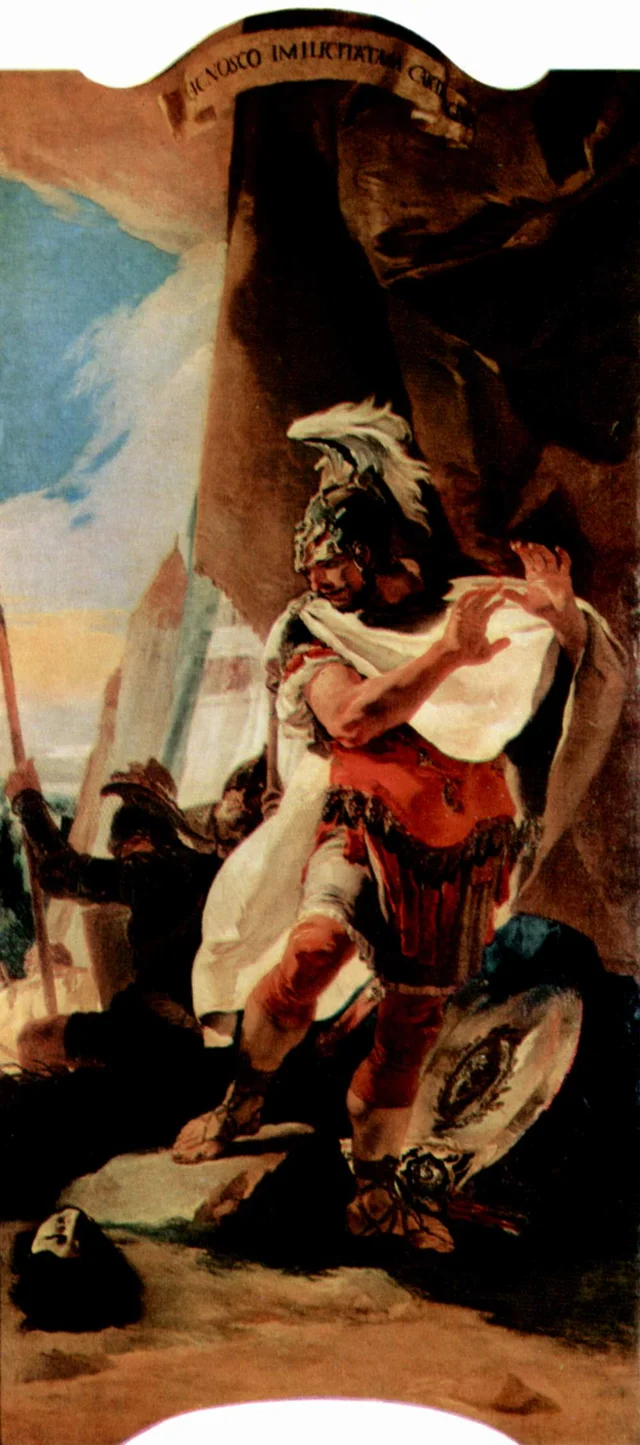 동생 하스드루발의 머리를 알아보는 한니발조반니 바티스타 티에폴로, 1729
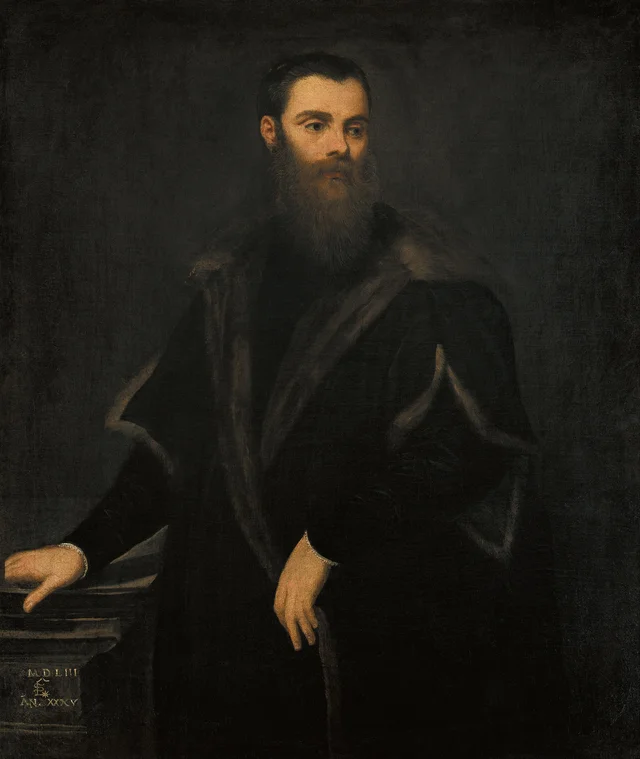 로렌초 소란초야코포 틴토레토, 1553
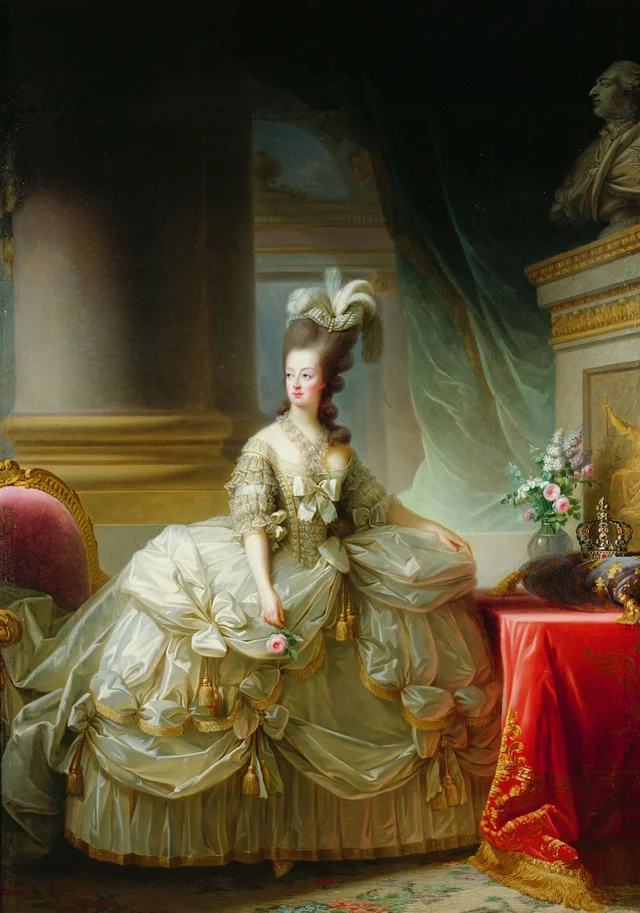 궁정 예복을 입은 마리 앙투아네트엘리자베트 비제 르브룅, 1778
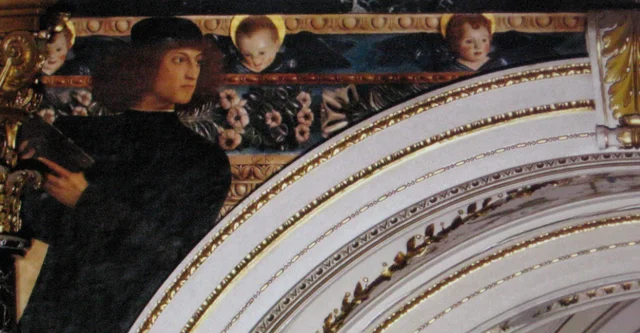 오래된 이탈리아 미술구스타프 클림트, 1891
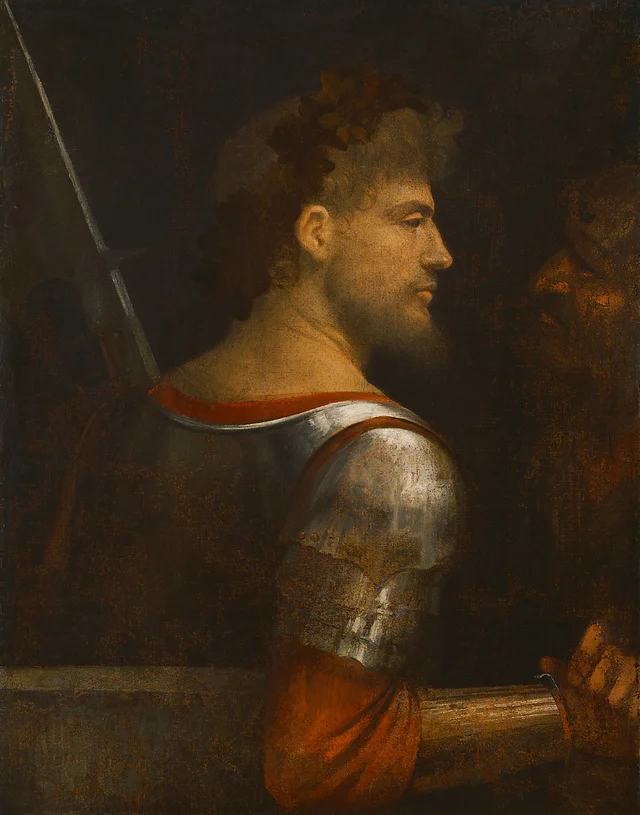 전사의 초상조르조네, 1500
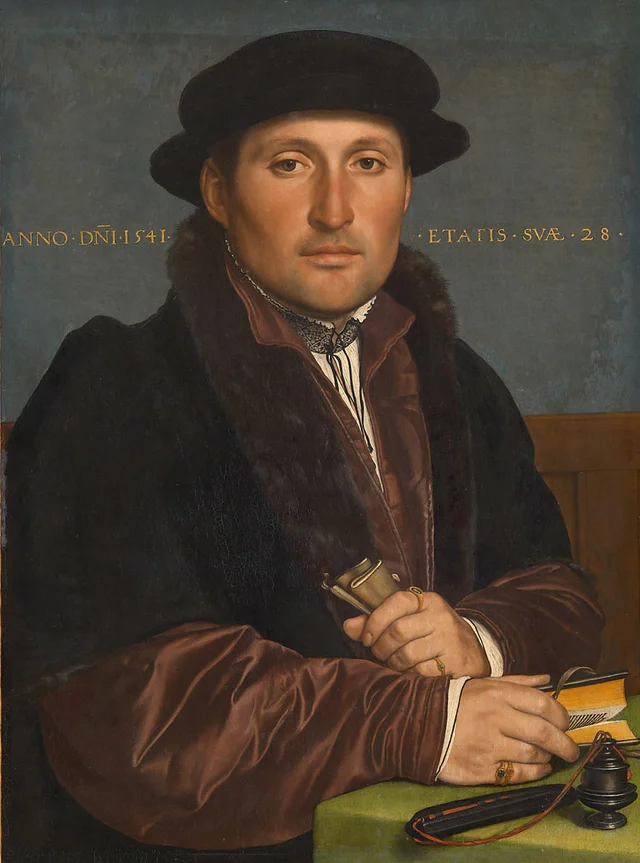 젊은 상인의 초상소 한스 홀바인, 1541
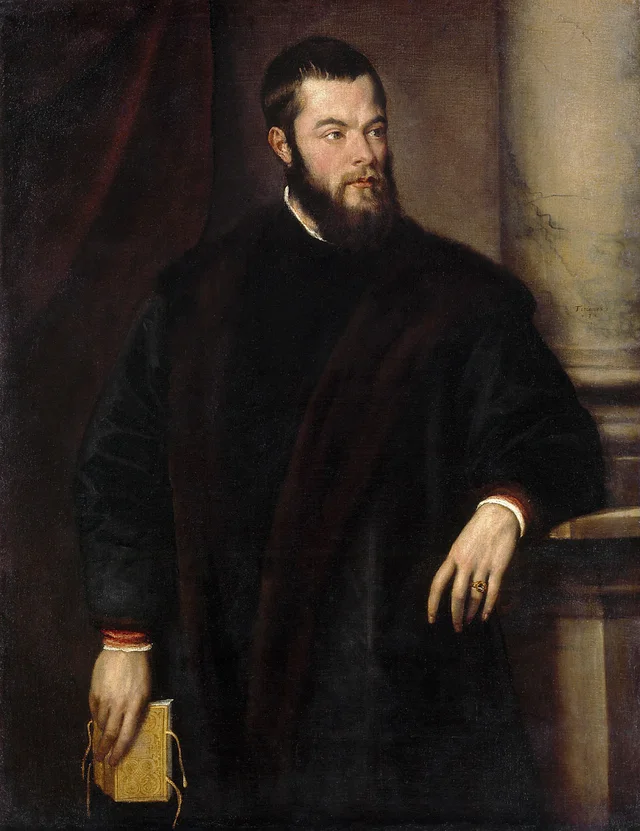 베네데토 바르키의 초상티치아노, 1540
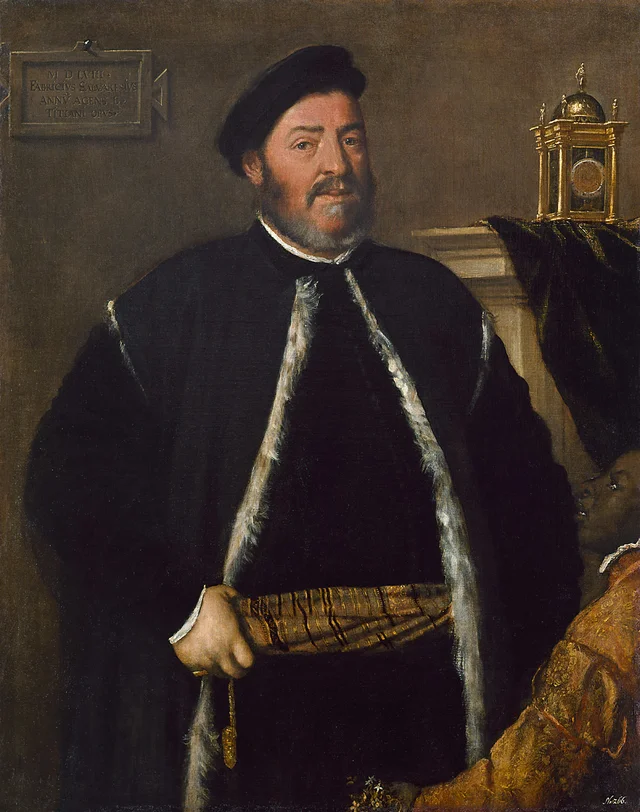 파브리치오 살바레시오의 초상티치아노, 1558
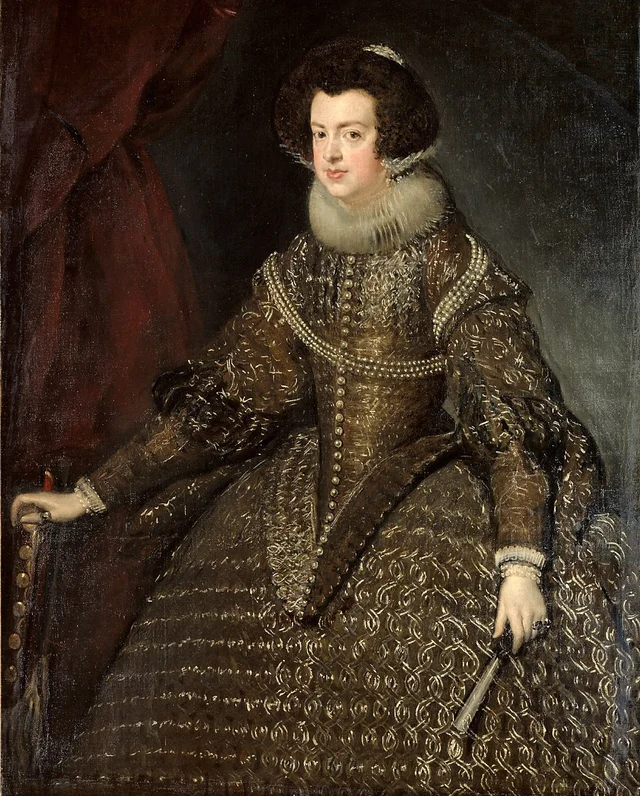 스페인 왕비 이사벨(1602-1644)디에고 벨라스케스와 공방, 1632
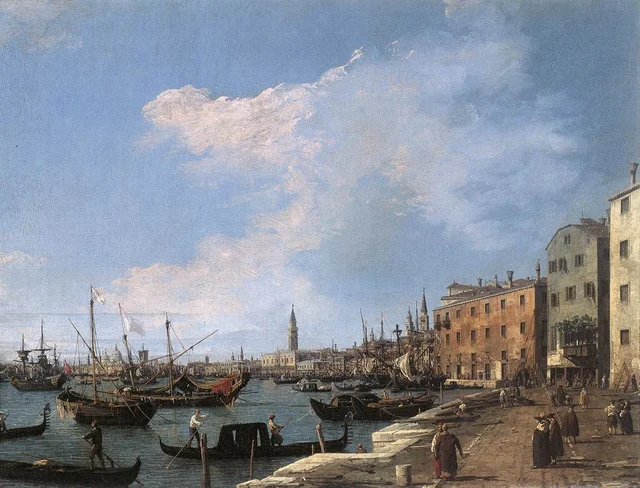 리바 델리 스키아보니카날레토, 1730
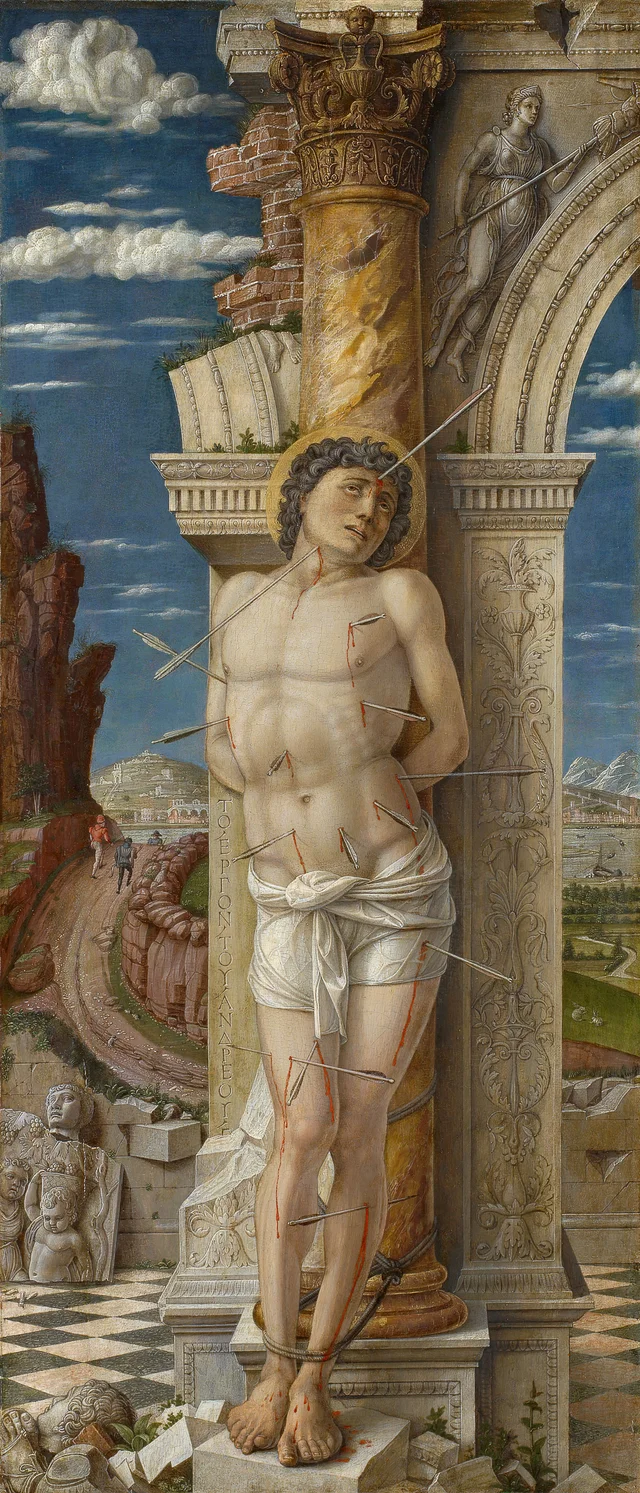 성 세바스티아누스안드레아 만테냐, 1458
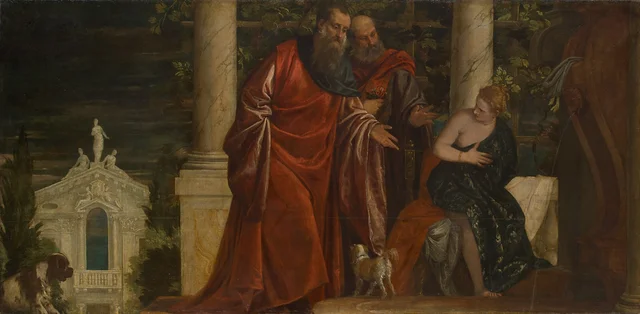 수산나와 장로들파올로 베로네세와 공방, 1585
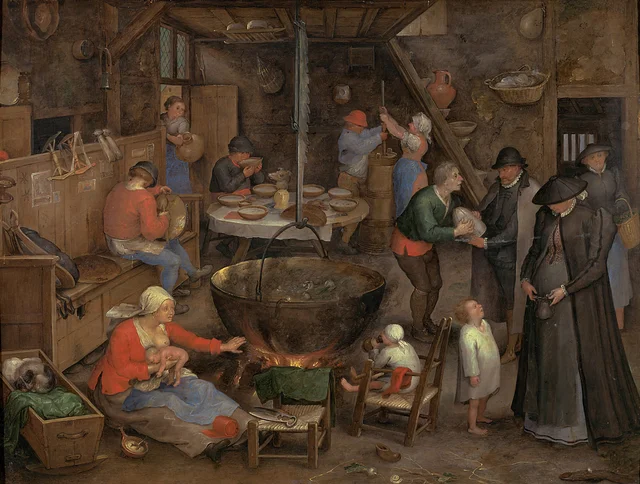 농장 방문대 얀 브뤼헐, 1597