오디오 가이드
이야기
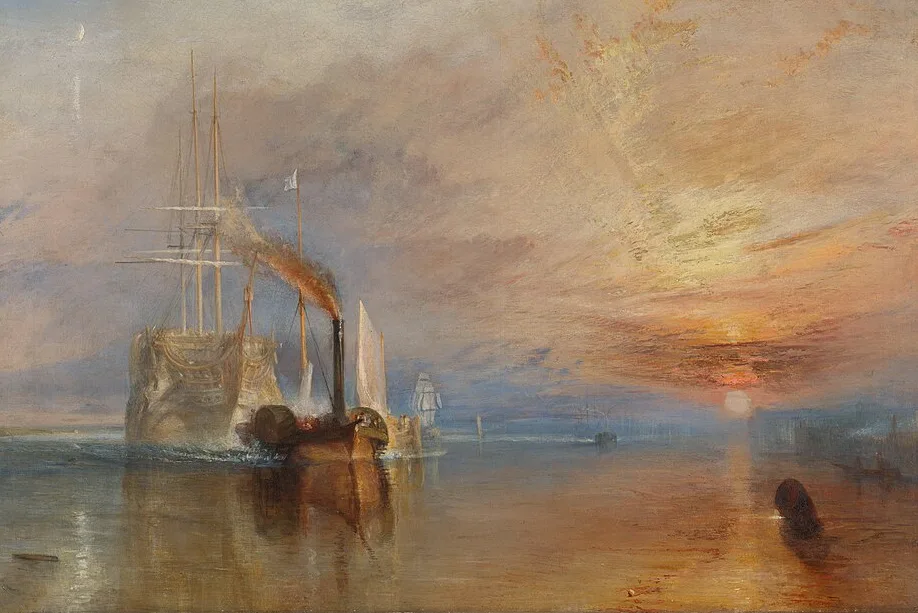
전쟁이 터지고 1940년 침공이 예상되자, 내셔널 갤러리의 그림들은 런던 밖으로 옮겨졌다. 1941년 여름에 이르러 그림들은 북웨일스 산악 지대의 슬레이트 광산에 숨겨졌다. 누군가 그림들을 캐나다로 보내자고 제안했으나, 처칠은 동굴과 지하실에 숨기되 단 한 점도 이 섬을 떠나서는 안 된다고 답했다. 마노드 채석장 깊숙한 곳, 습도와 온도를 일정하게 유지하도록 지은 벽돌 방 안에서 반 에이크의 아르놀피니 부부의 초상과 터너의 전함 테메레르호는 대공습이 지나가기를 기다렸고, 그동안 런던에서는 피아니스트 마이라 헤스가 텅 빈 전시실에서 점심시간 연주회를 열었다.
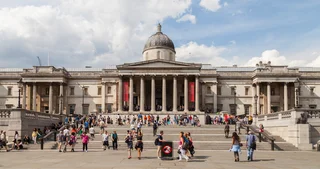
이 미술관은 처음부터 궁전이 아니라 대중에게 속한 곳이었다. 1824년 의회가 은행가 존 줄리어스 앵거스타인에게서 그림 38점을 사들이며 시작되었고, 사무원이나 짐마차꾼도 귀족만큼 쉽게 찾을 수 있도록 런던 한복판 트래펄가 광장에 일부러 자리를 잡았다. 상설 컬렉션은 지금도 무료로 입장할 수 있다.
전쟁 내내 직원들은 웨일스에서 걸작을 한 번에 한 점씩 계속 가져와, 폭격을 견디는 도시를 위해 텅 빈 건물에 이달의 그림으로 걸었다. 오늘날 같은 전시실에는 윌턴 두 폭 제단화, 반 고흐의 해바라기, 컨스터블의 건초 마차가 걸려 있으며, 광장에서 계단을 올라오는 누구에게나 열려 있다.
다른 아티클
소장품
작품 648점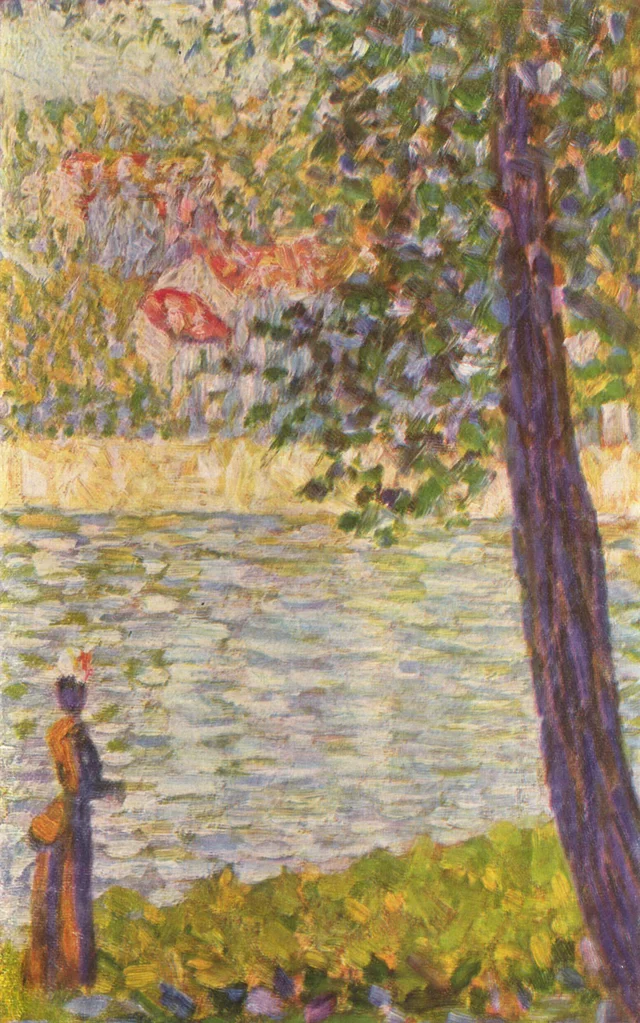 아침 산책조르주 쇠라, 1884
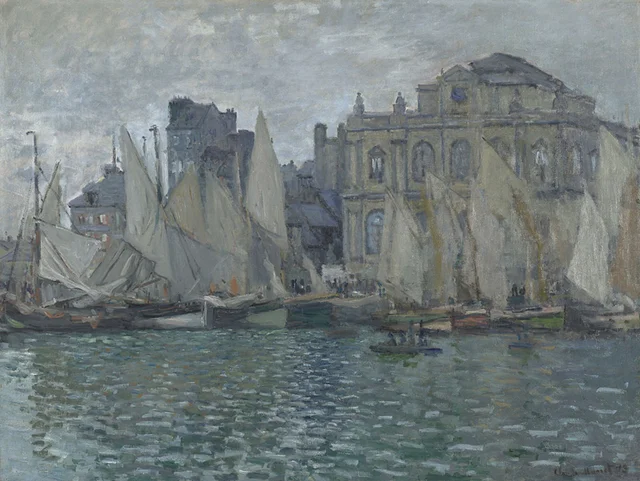 르아브르의 미술관클로드 모네, 1873
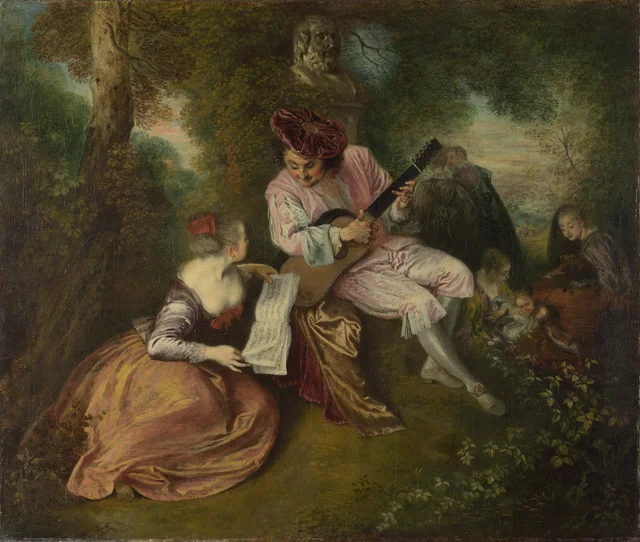 사랑의 음계장앙투안 와토, 1717
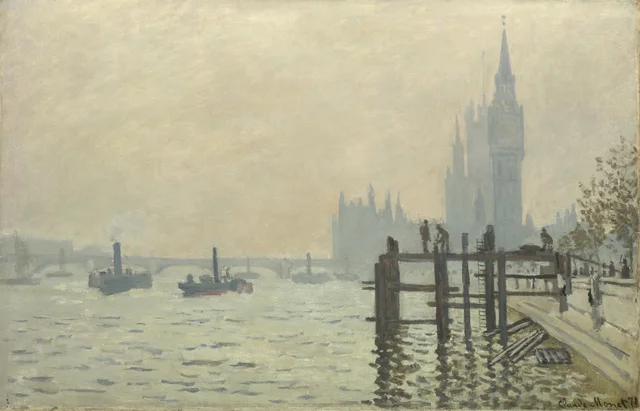 웨스트민스터 하류의 템스강클로드 모네, 1871
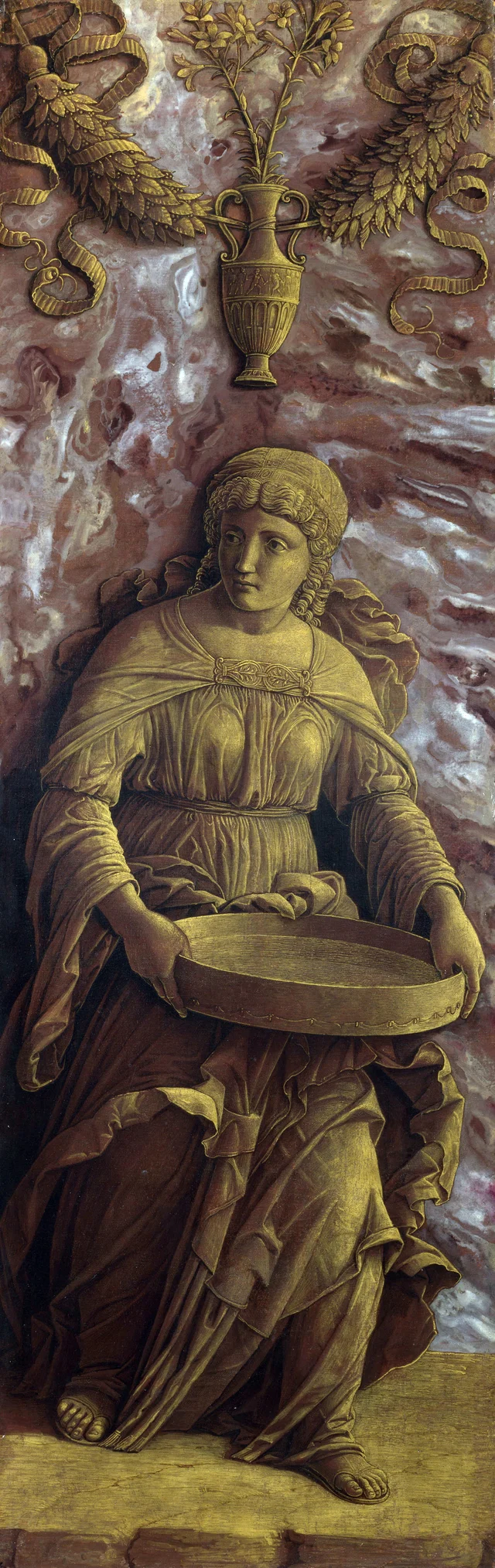 체를 든 베스타 여사제 투키아안드레아 만테냐, 1495
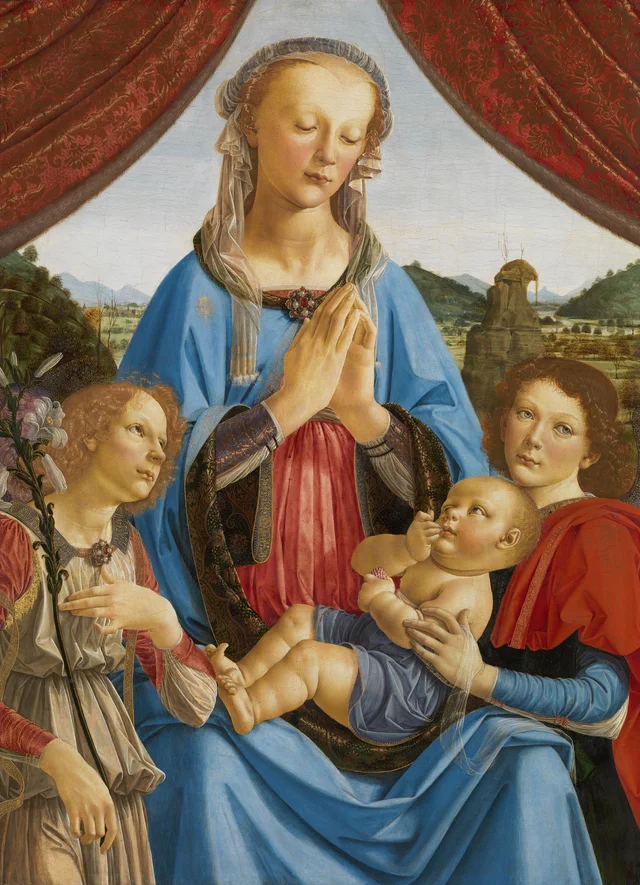 두 천사와 함께한 성모자안드레아 델 베로키오, 1476
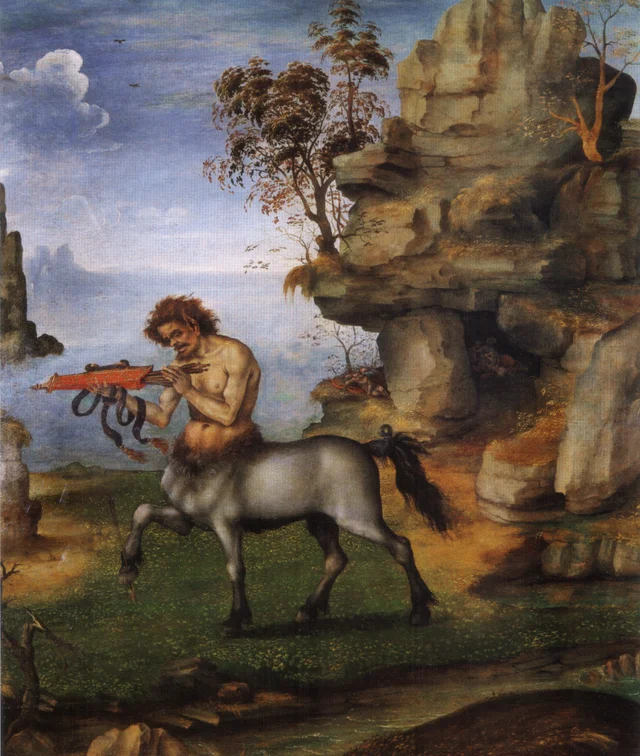 부상당한 켄타우로스 (뒷면: '비너스의 탄생'?)필리피노 리피, 1495
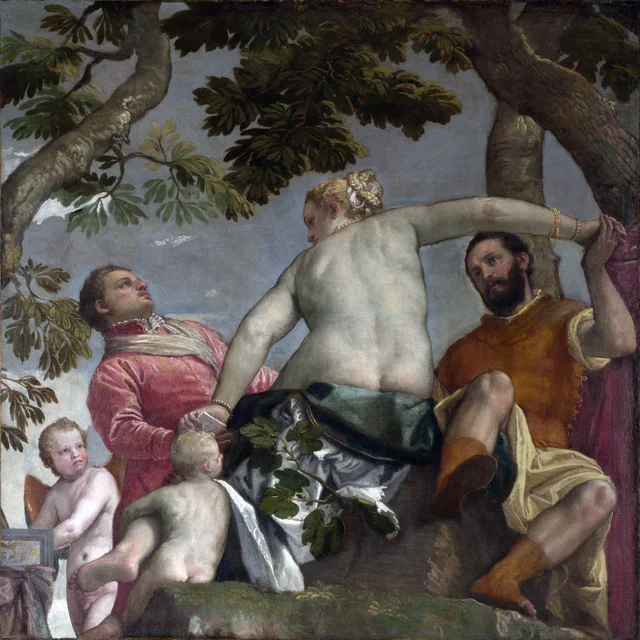 불성실파올로 베로네세, 1575
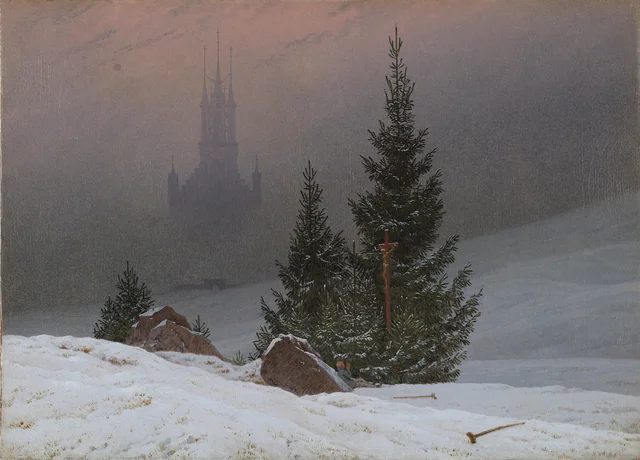 겨울 풍경카스파르 다비트 프리드리히, 1811
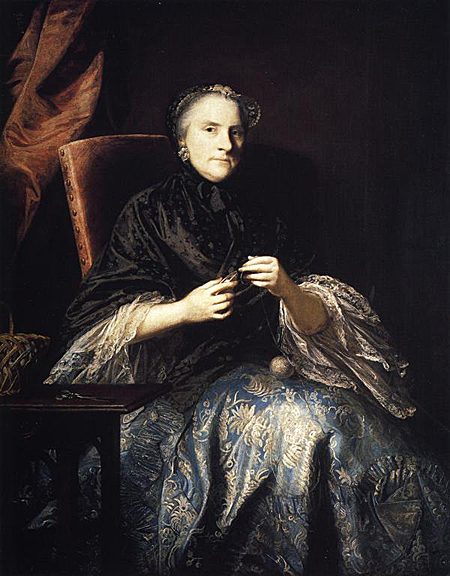 앤, 제2대 알베마를 백작부인조슈아 레이놀즈, 1760
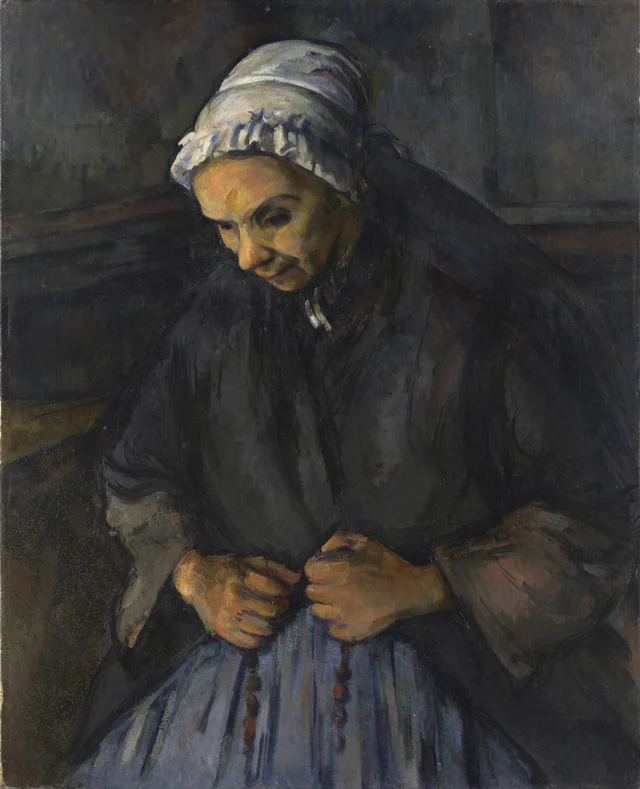 묵주를 든 노파폴 세잔, 1895
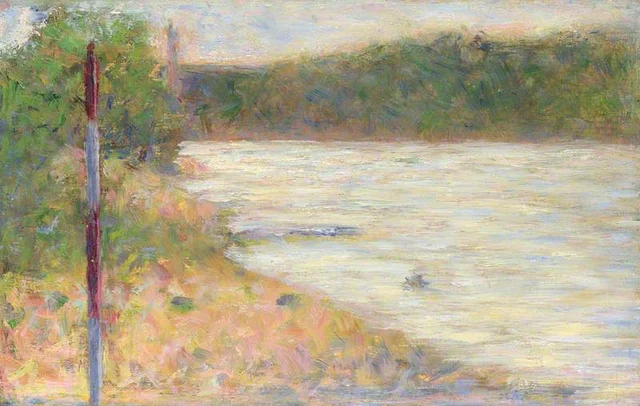 강둑(아니에르의 센 강)조르주 쇠라, 1883
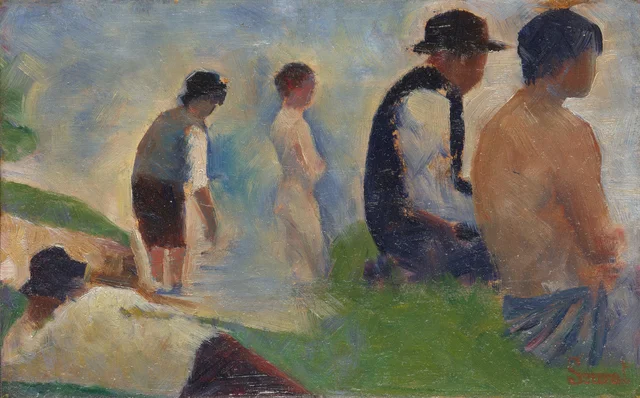 아니에르의 물놀이 (습작 2)조르주 쇠라, 1883
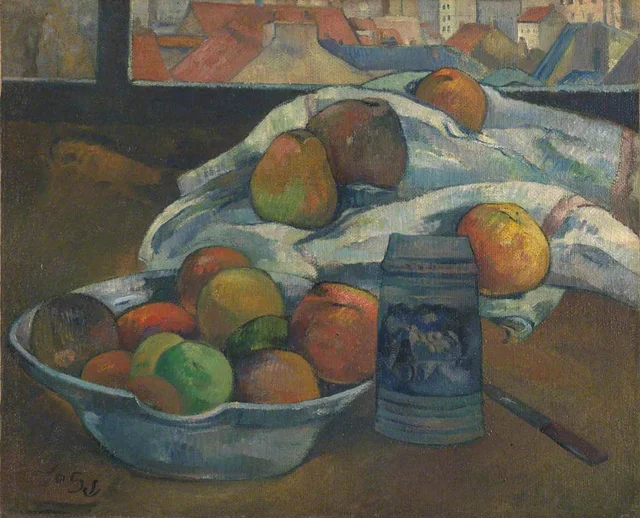 창가의 과일 그릇과 맥주잔폴 고갱, 1890
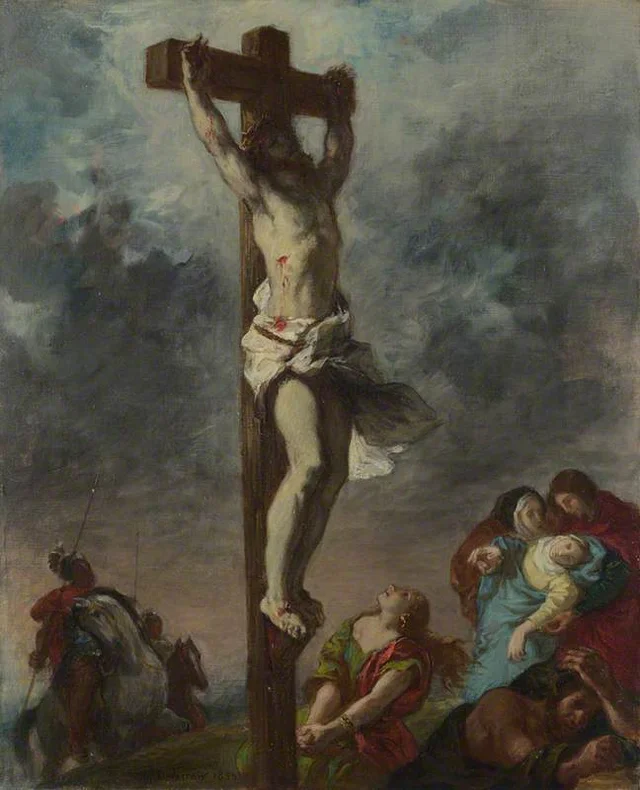 십자가 위의 그리스도외젠 들라크루아, 1853
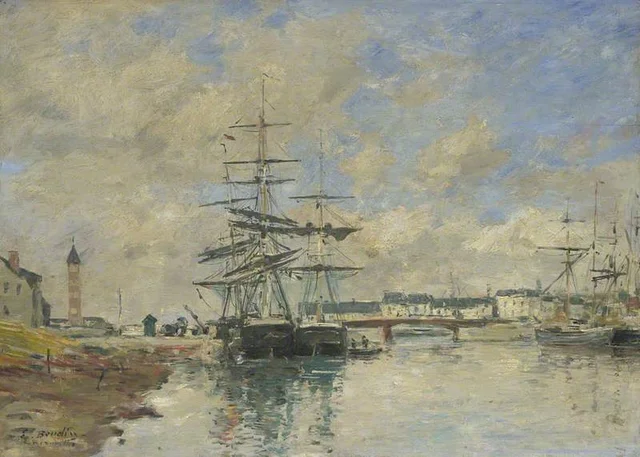 도빌 항구외젠 부댕, 1889
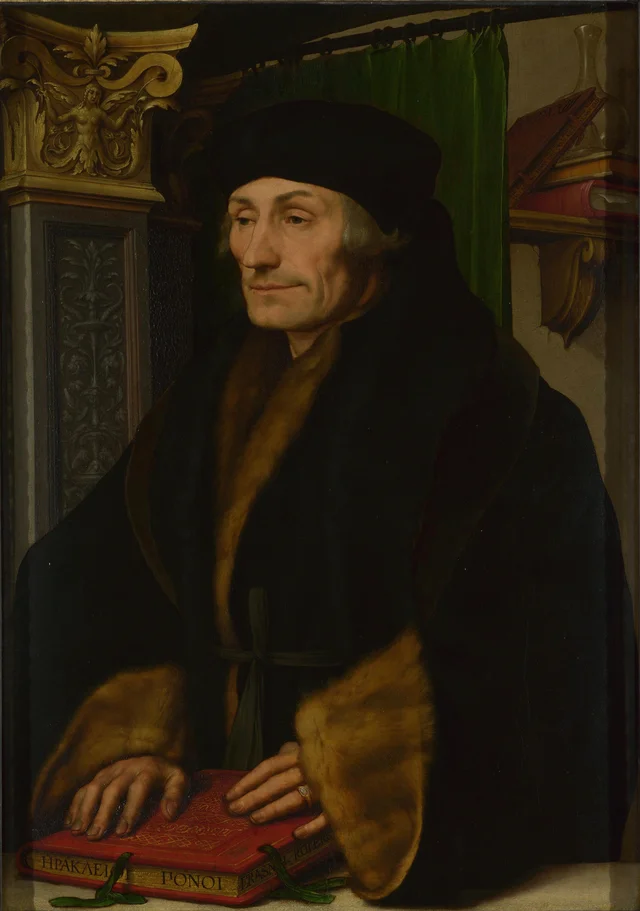 에라스뮈스소 한스 홀바인, 1523
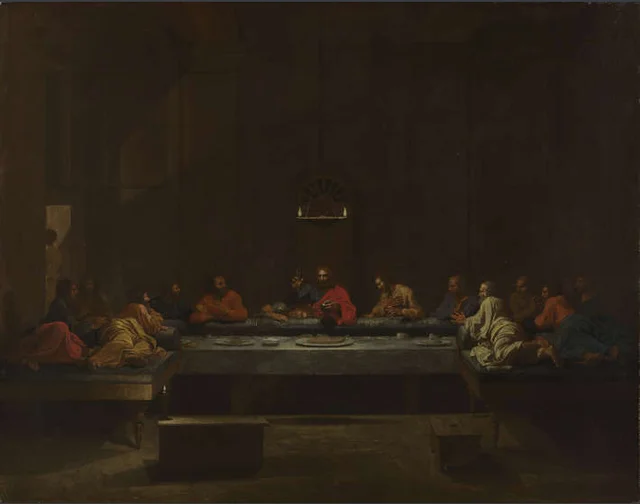 성체성사니콜라 푸생, 1638
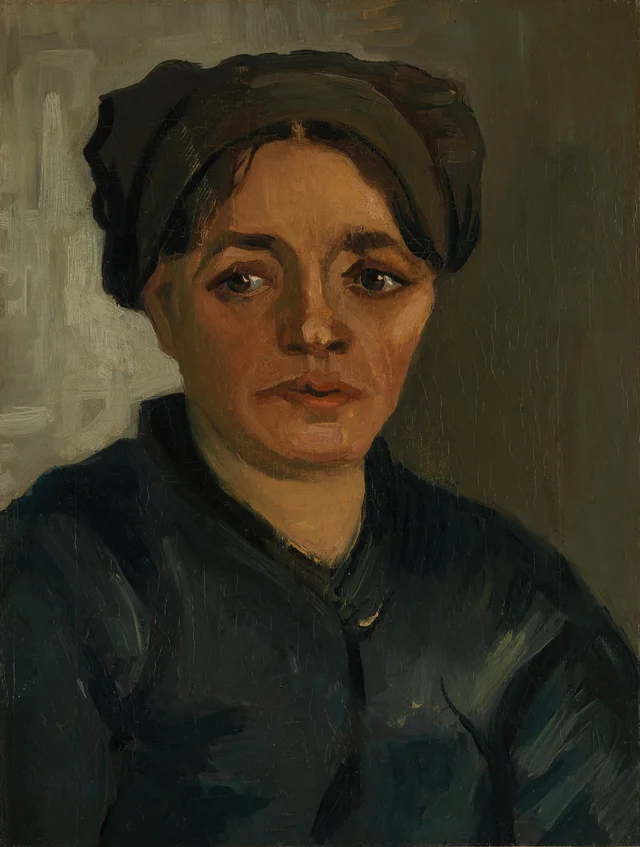 농부 여인의 머리빈센트 반 고흐, 1885
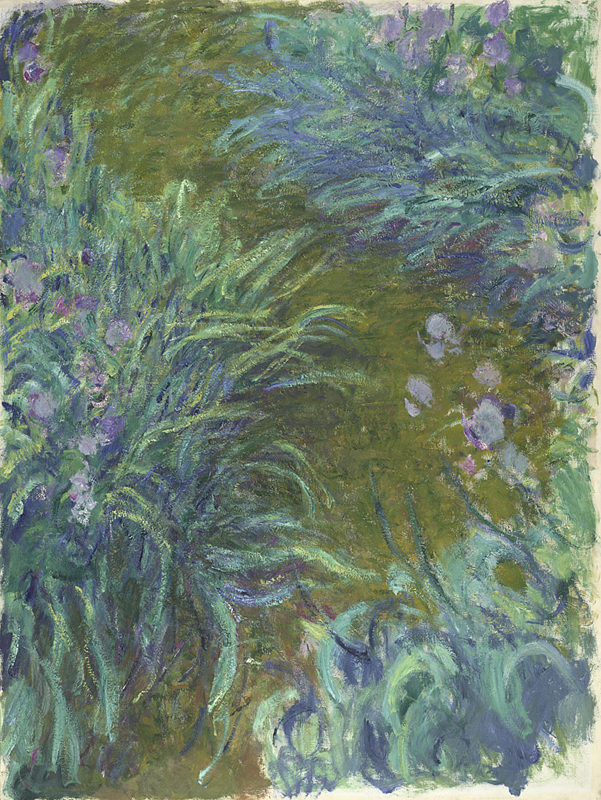 붓꽃클로드 모네, 1915
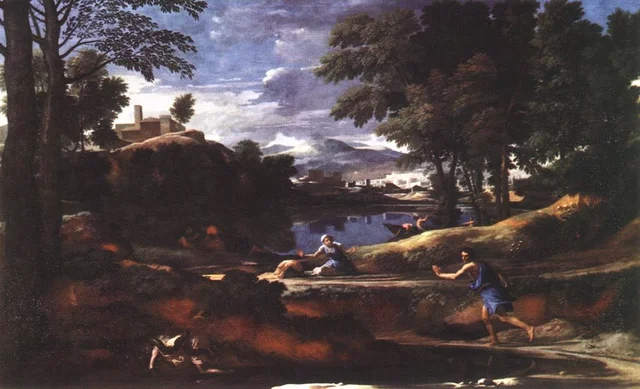 뱀에게 물려 죽은 남자가 있는 풍경니콜라 푸생, 1648
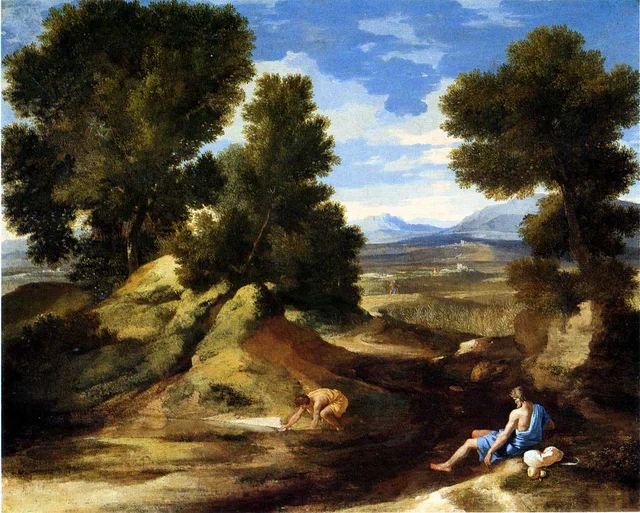 개울에서 물을 뜨는 남자가 있는 풍경니콜라 푸생, 1637
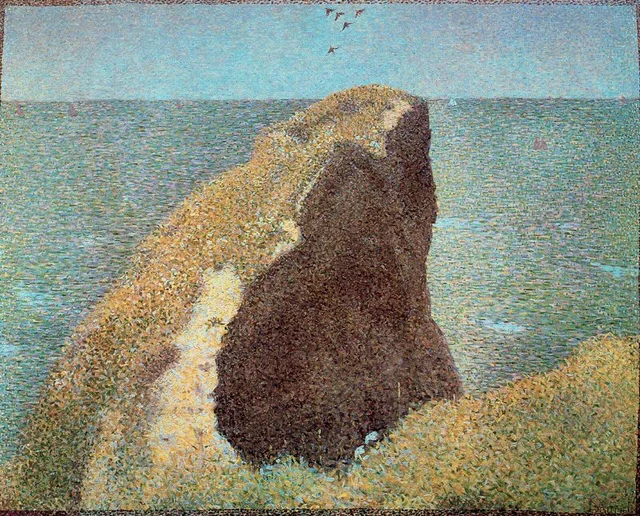 르 베크 뒤 오크, 그랑캉조르주 쇠라, 1885
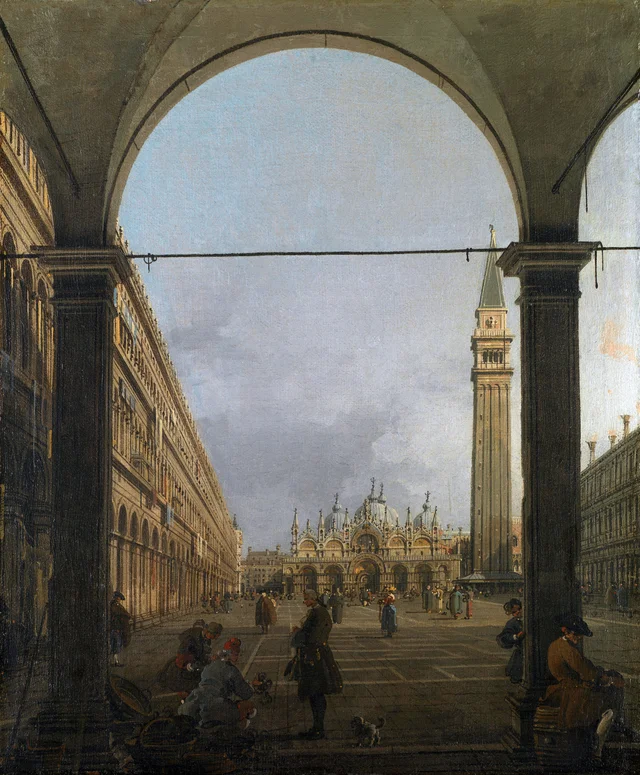 북서쪽 모퉁이에서 동쪽을 바라본 산마르코 광장카날레토, 1758
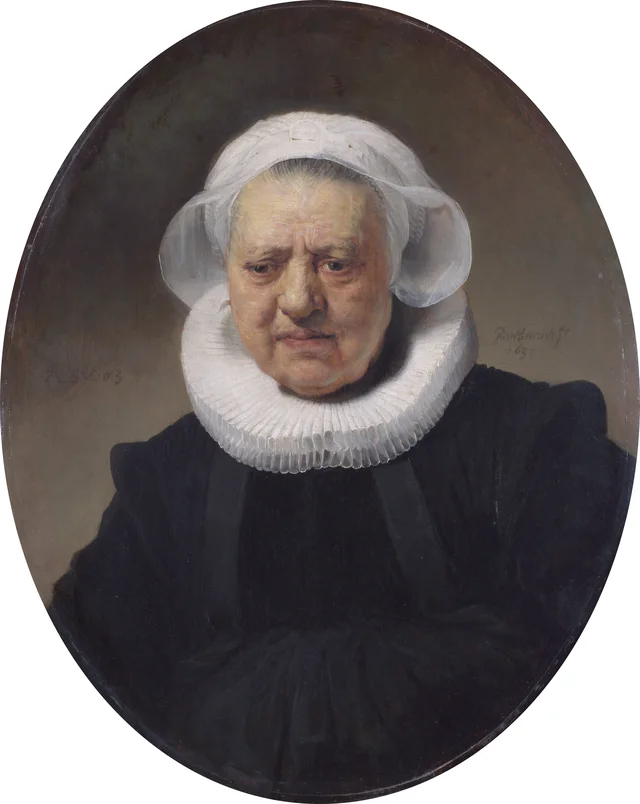 아히에 클라스도흐터르의 초상렘브란트, 1634