오디오 가이드
이야기
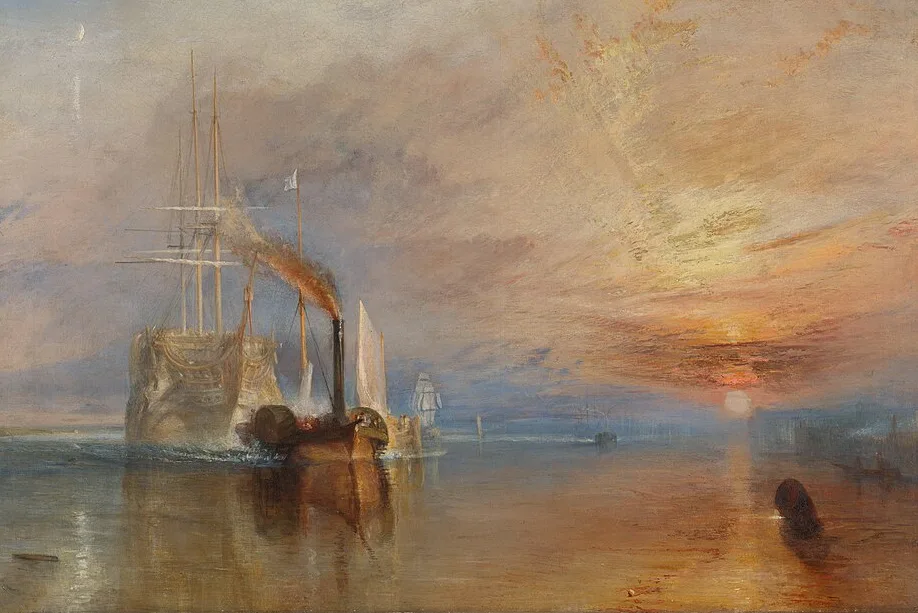
전쟁이 터지고 1940년 침공이 예상되자, 내셔널 갤러리의 그림들은 런던 밖으로 옮겨졌다. 1941년 여름에 이르러 그림들은 북웨일스 산악 지대의 슬레이트 광산에 숨겨졌다. 누군가 그림들을 캐나다로 보내자고 제안했으나, 처칠은 동굴과 지하실에 숨기되 단 한 점도 이 섬을 떠나서는 안 된다고 답했다. 마노드 채석장 깊숙한 곳, 습도와 온도를 일정하게 유지하도록 지은 벽돌 방 안에서 반 에이크의 아르놀피니 부부의 초상과 터너의 전함 테메레르호는 대공습이 지나가기를 기다렸고, 그동안 런던에서는 피아니스트 마이라 헤스가 텅 빈 전시실에서 점심시간 연주회를 열었다.
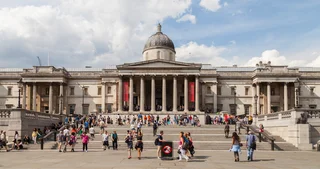
이 미술관은 처음부터 궁전이 아니라 대중에게 속한 곳이었다. 1824년 의회가 은행가 존 줄리어스 앵거스타인에게서 그림 38점을 사들이며 시작되었고, 사무원이나 짐마차꾼도 귀족만큼 쉽게 찾을 수 있도록 런던 한복판 트래펄가 광장에 일부러 자리를 잡았다. 상설 컬렉션은 지금도 무료로 입장할 수 있다.
전쟁 내내 직원들은 웨일스에서 걸작을 한 번에 한 점씩 계속 가져와, 폭격을 견디는 도시를 위해 텅 빈 건물에 이달의 그림으로 걸었다. 오늘날 같은 전시실에는 윌턴 두 폭 제단화, 반 고흐의 해바라기, 컨스터블의 건초 마차가 걸려 있으며, 광장에서 계단을 올라오는 누구에게나 열려 있다.
다른 아티클
소장품
작품 648점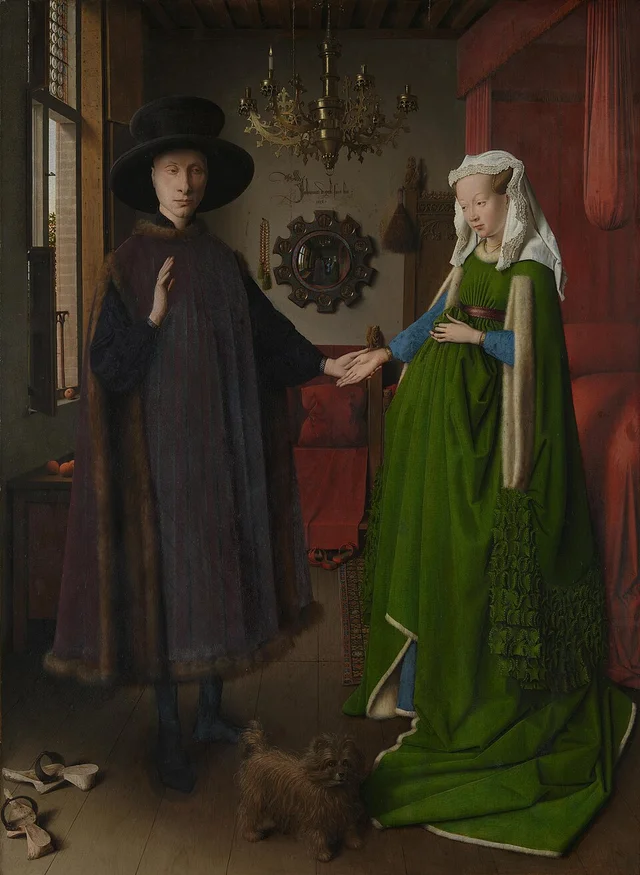 아르놀피니 부부의 초상얀 반 에이크, 1434
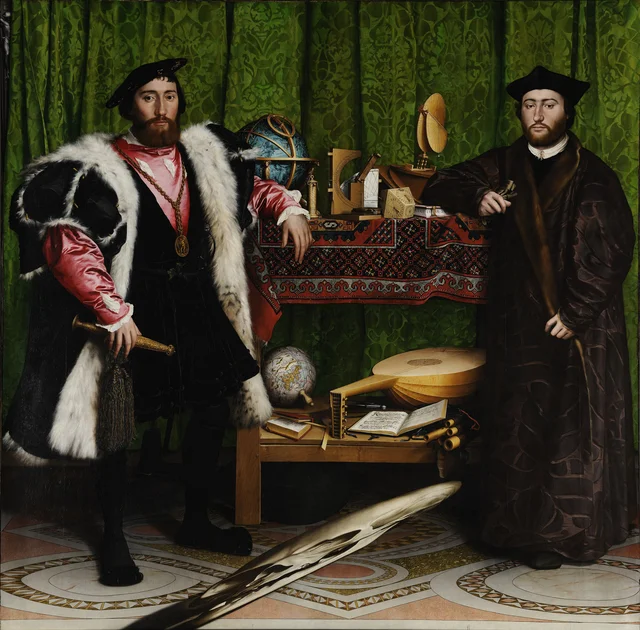 대사들소 한스 홀바인, 1533
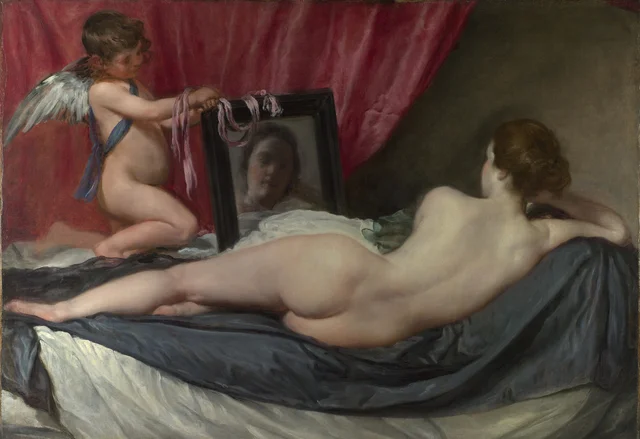 거울을 보는 비너스디에고 벨라스케스, 1647
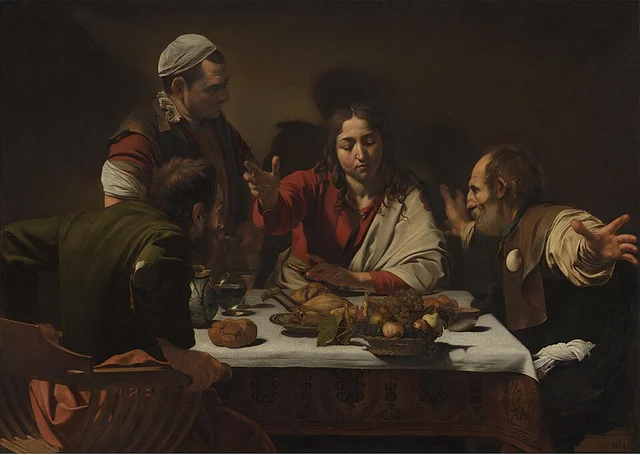 엠마오의 저녁 식사카라바조, 1601
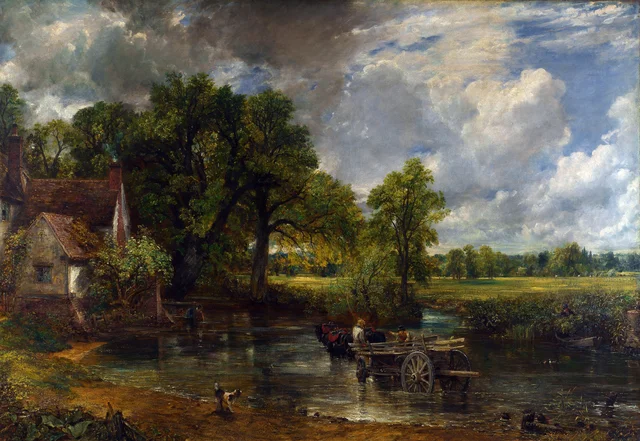 건초 마차존 컨스터블, 1821
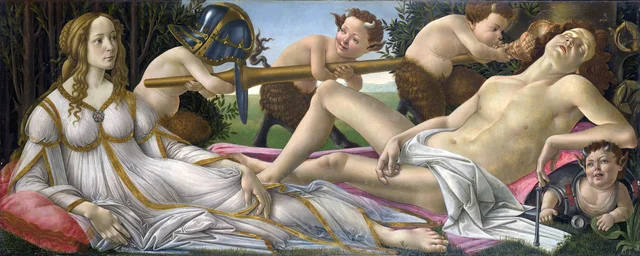 비너스와 마르스산드로 보티첼리, 1485
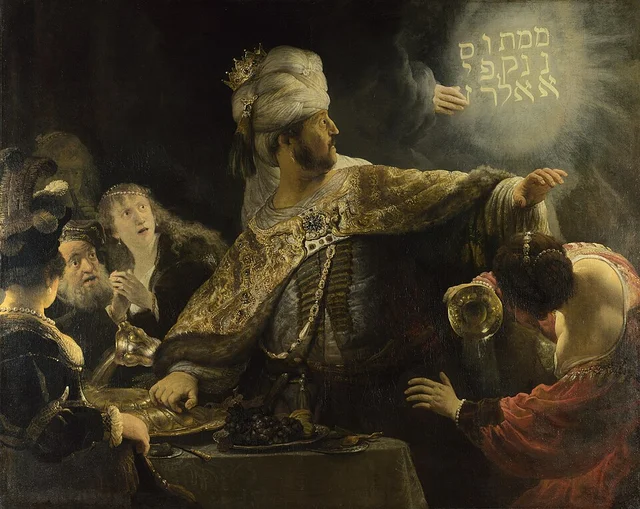 벨사살의 잔치렘브란트, 1636
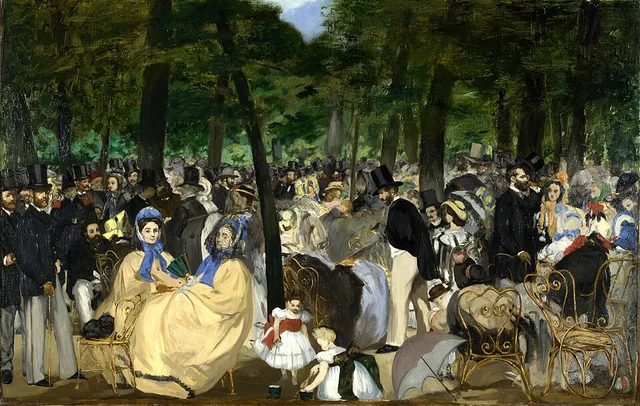 튈르리 공원의 음악회에두아르 마네, 1862
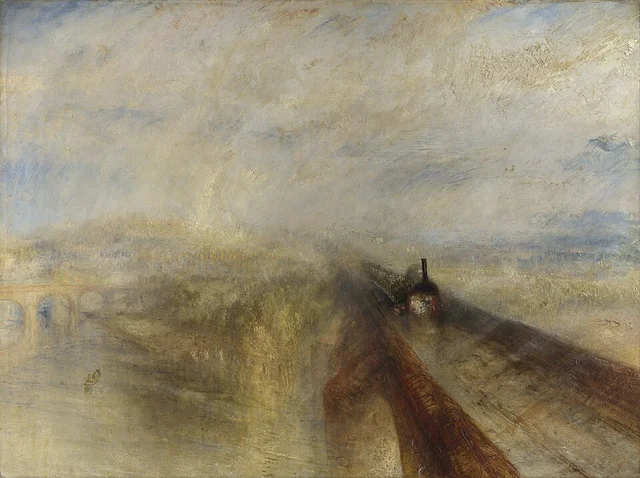 비, 증기, 속도 – 그레이트 웨스턴 철도J. M. W. 터너, 1843
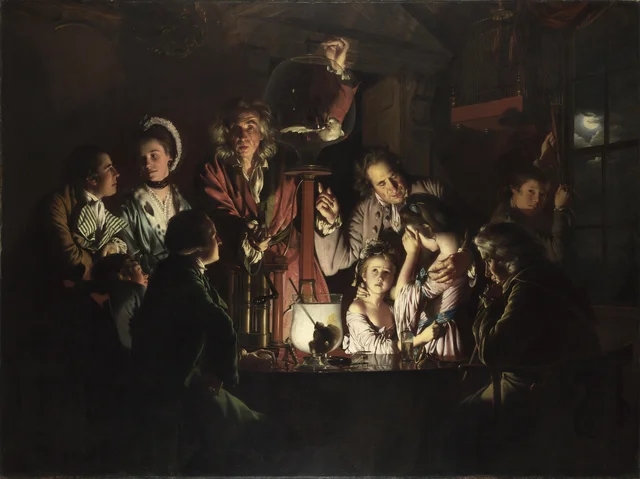 공기 펌프 속의 새 실험조지프 라이트 오브 더비, 1768
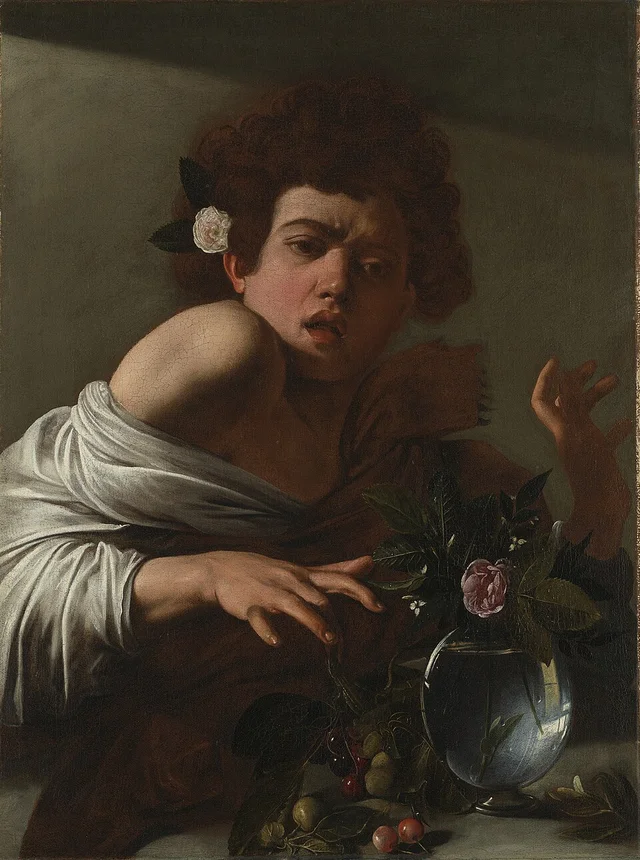 도마뱀에 물린 소년카라바조, 1594
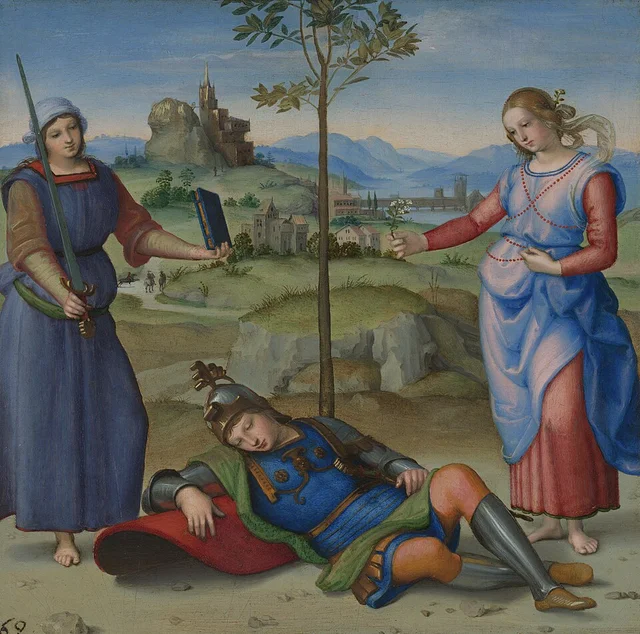 기사의 꿈라파엘로, 1504
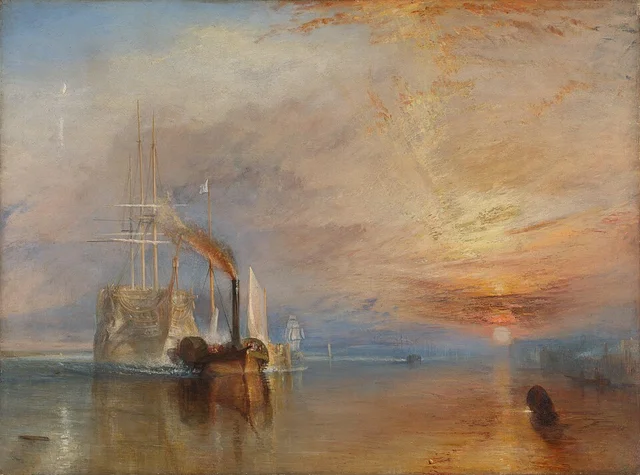 전함 테메레르J. M. W. 터너, 1839
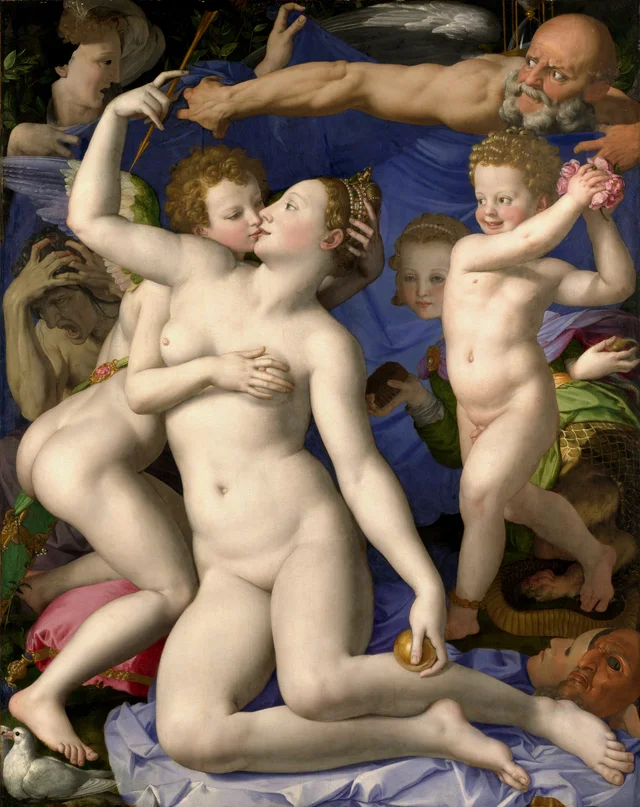 비너스, 큐피드, 우매함과 시간브론치노, 1545
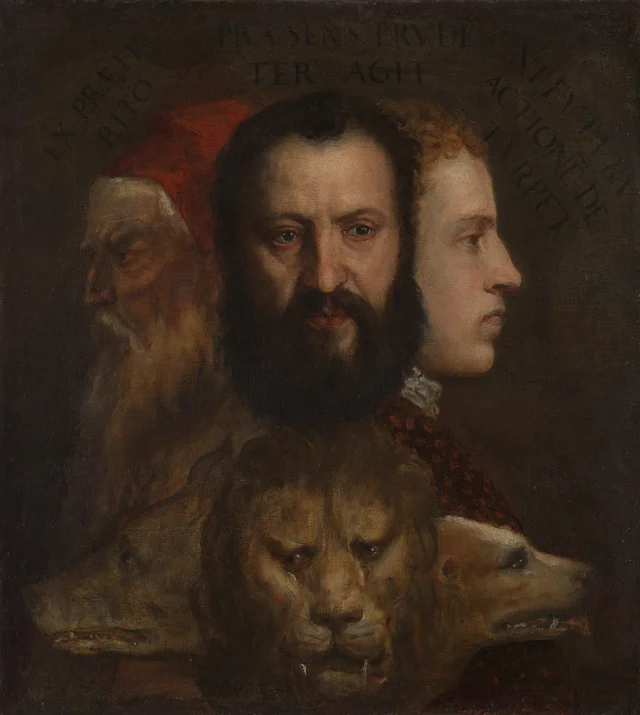 신중함의 알레고리티치아노, 1550
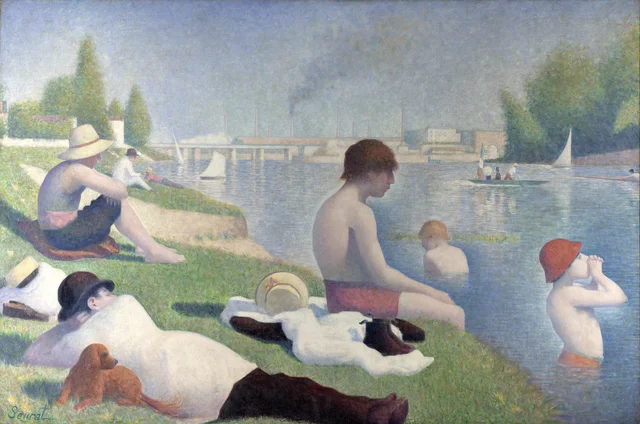 아니에르의 물놀이하는 사람들조르주 쇠라, 1884
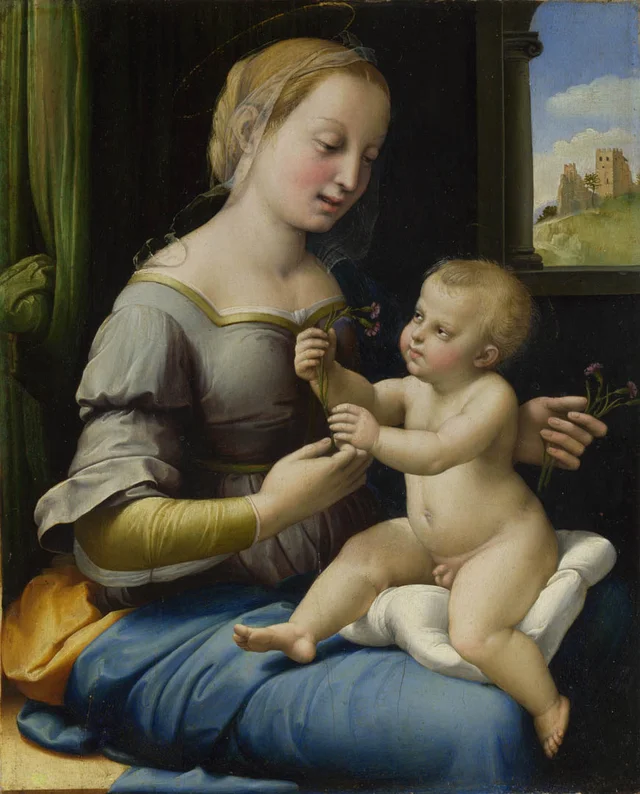 카네이션의 성모라파엘로, 1506
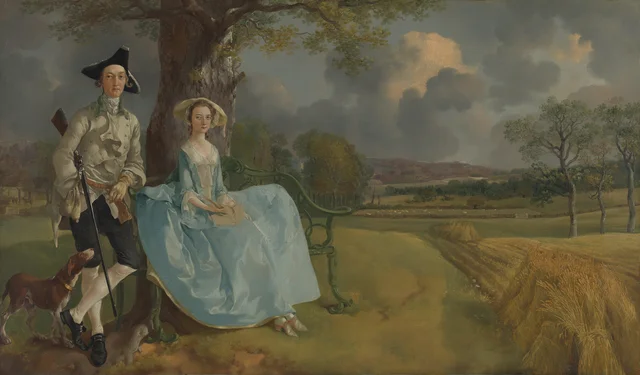 앤드루스 부부토머스 게인즈버러, 1748
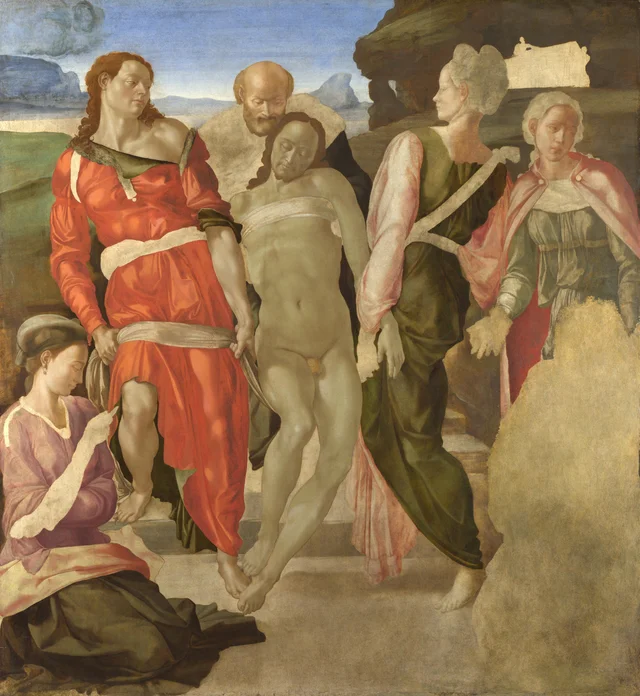 그리스도의 매장미켈란젤로, 1500
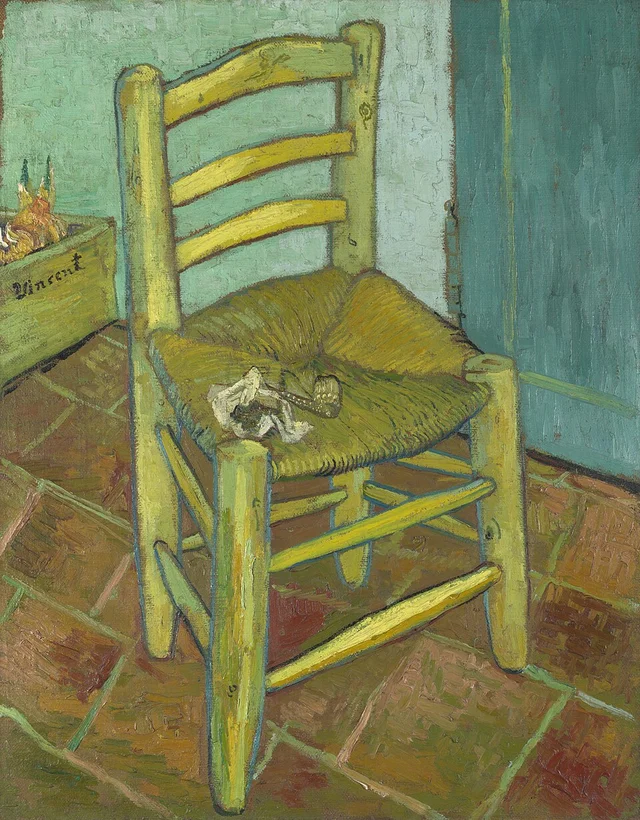 반 고흐의 의자빈센트 반 고흐, 1889
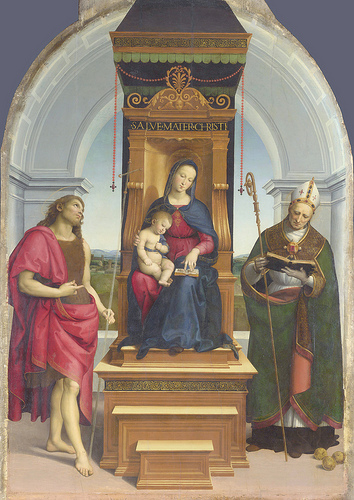 안시데이의 성모라파엘로, 1505
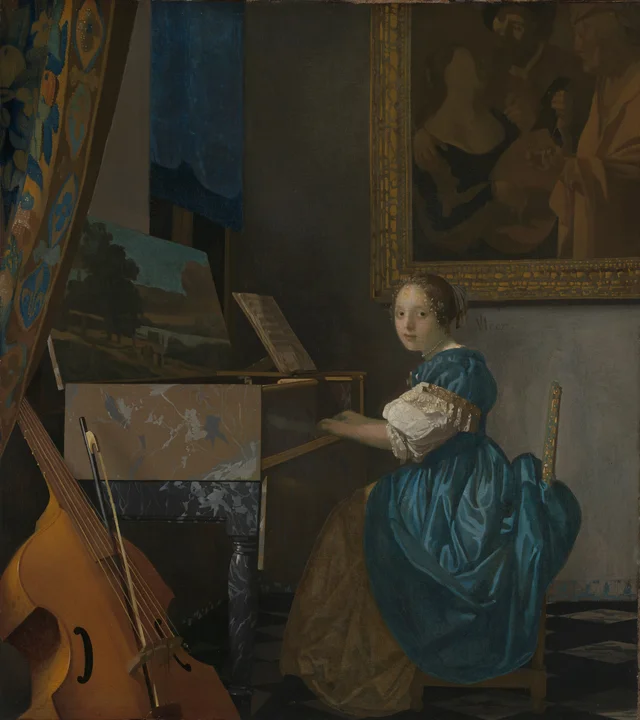 버지널 앞에 앉은 젊은 여인요하네스 페르메이르, 1670
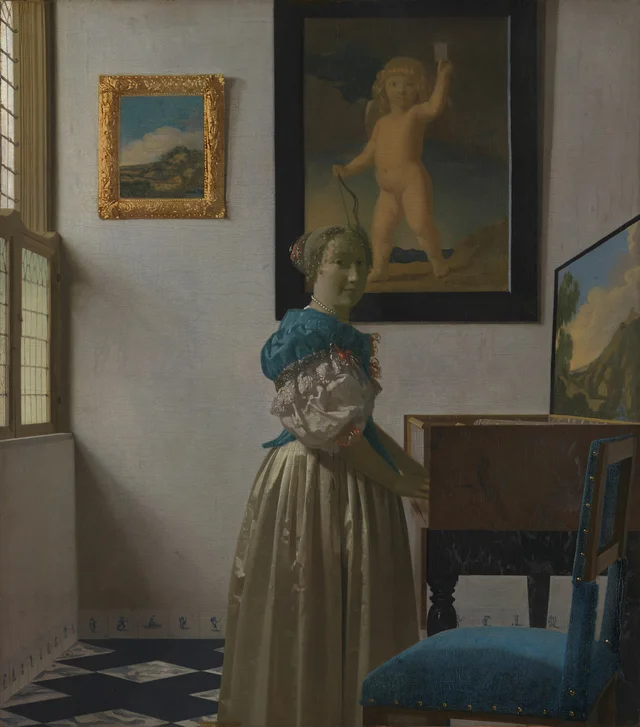 버지널 앞에 서 있는 젊은 여인요하네스 페르메이르, 1670
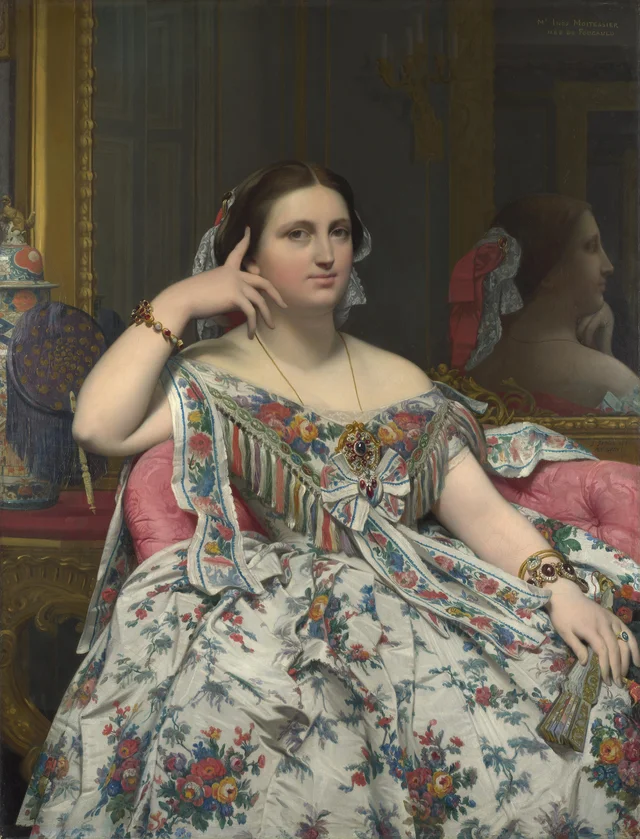 무아테시에 부인장오귀스트도미니크 앵그르, 1856
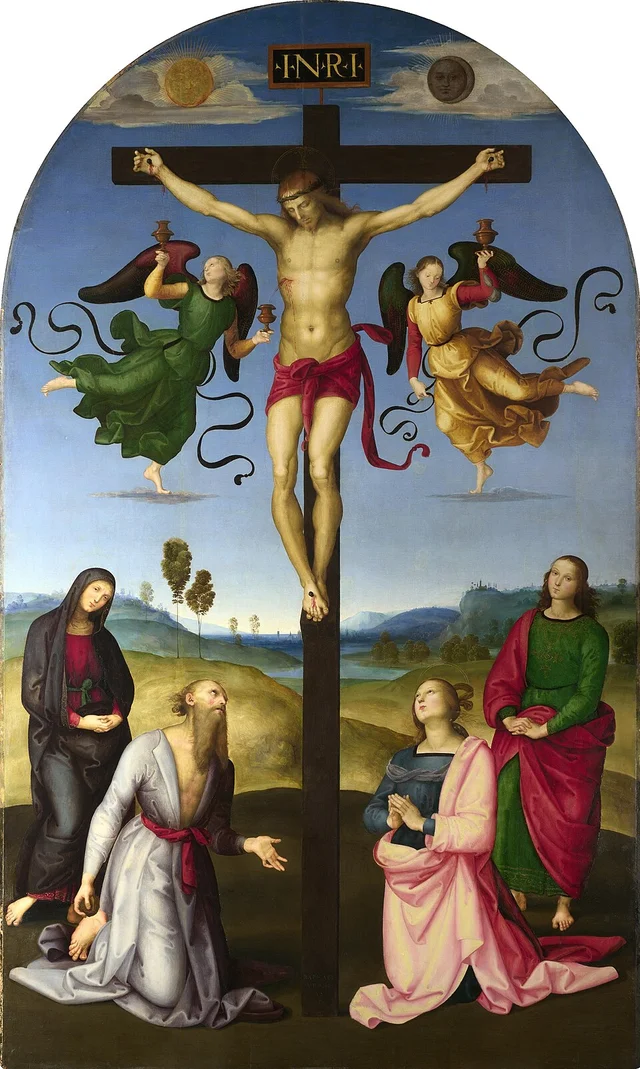 몬드의 십자가 처형라파엘로, 1502