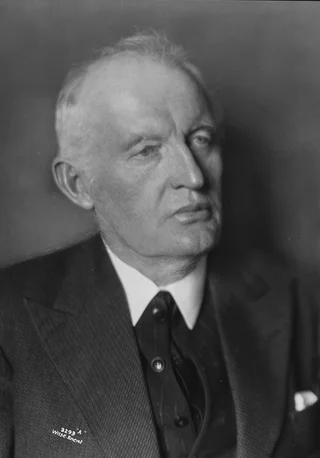
Edvard Munch
1863–1944 · Noruega · Simbolismo, Expressionismo
A história
Numa noite do início da década de 1890, Munch caminhava por uma estrada acima do fiorde de Kristiania, antigo nome de Oslo, com dois amigos, quando o céu sobre a água ficou vermelho-sangue. Ele escreveu em seu diário que parou, trêmulo, e sentiu um grito infinito atravessar a natureza. Dessa caminhada nasceu O Grito, pintado em 1893. Astrônomos já argumentaram que o céu vermelho era real, um resplendor tardio da erupção do vulcão Krakatoa, em 1883, que tingiu os pores do sol ao redor do mundo por meses.
Ele tinha motivos para enxergar pavor num pôr do sol comum. Sua mãe e sua irmã mais velha, Sophie, morreram ambas de tuberculose ainda na infância dele, e a doença e o colapso o acompanharam por décadas. Em 1908, internou-se numa clínica em Copenhague após um esgotamento. Transformou tudo isso em quadros de ciúme, doença e ansiedade, que reuniu sob o título O Friso da Vida.
Na década de 1930, sua fama já era ampla o bastante para que o governo nazista retirasse 82 de suas obras de museus alemães como arte degenerada. Passou seus últimos anos fora da capital da Noruega ocupada, em sua propriedade em Ekely, guardando os milhares de pinturas e gravuras que havia mantido para si. Morreu ali em janeiro de 1944, aos 80 anos, deixando quase toda a sua coleção particular para a cidade de Oslo.
Obras
316 obras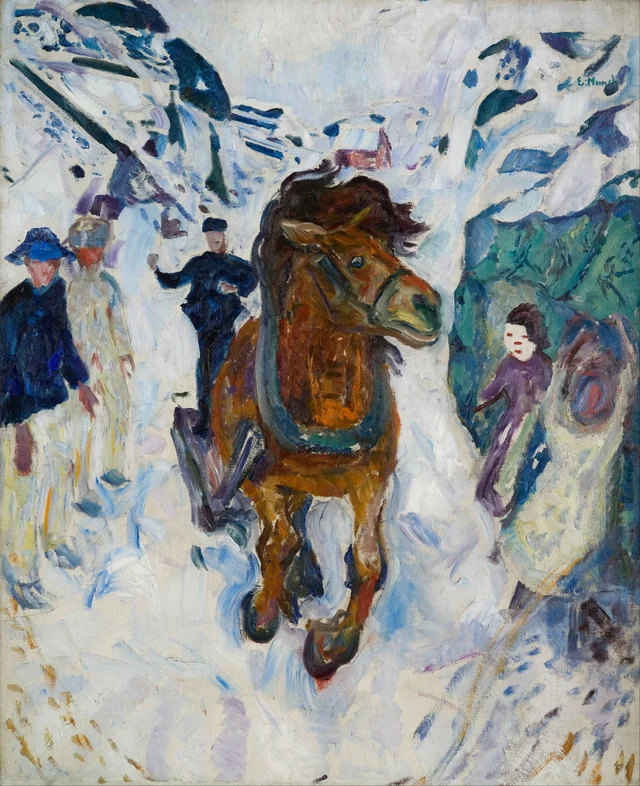 Cavalo a galopeEdvard Munch, 1912
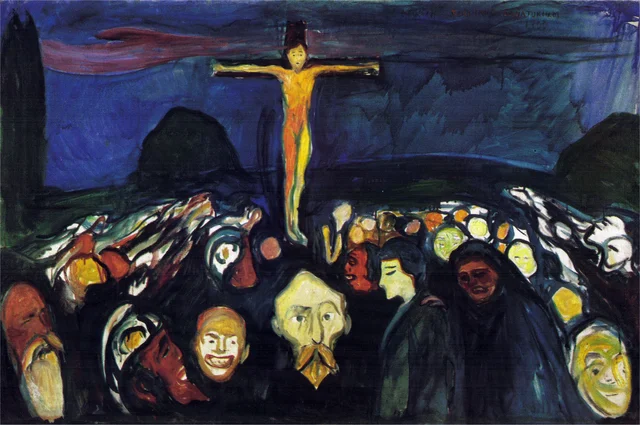 GólgotaEdvard Munch, 1900
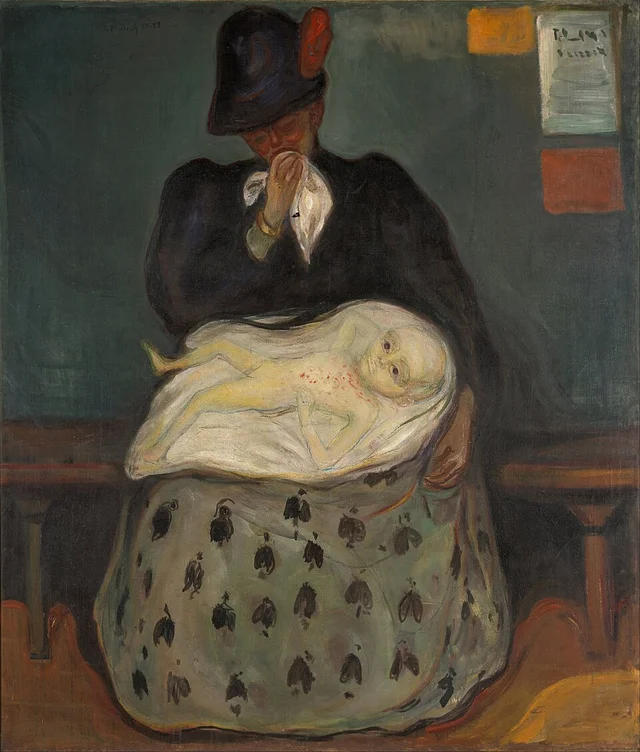 HerançaEdvard Munch, 1897
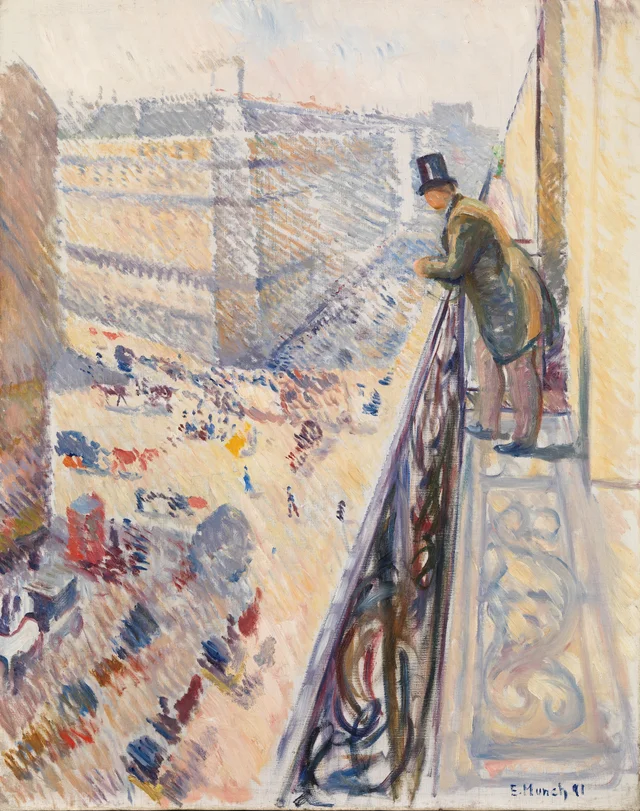 Rue LafayetteEdvard Munch, 1891
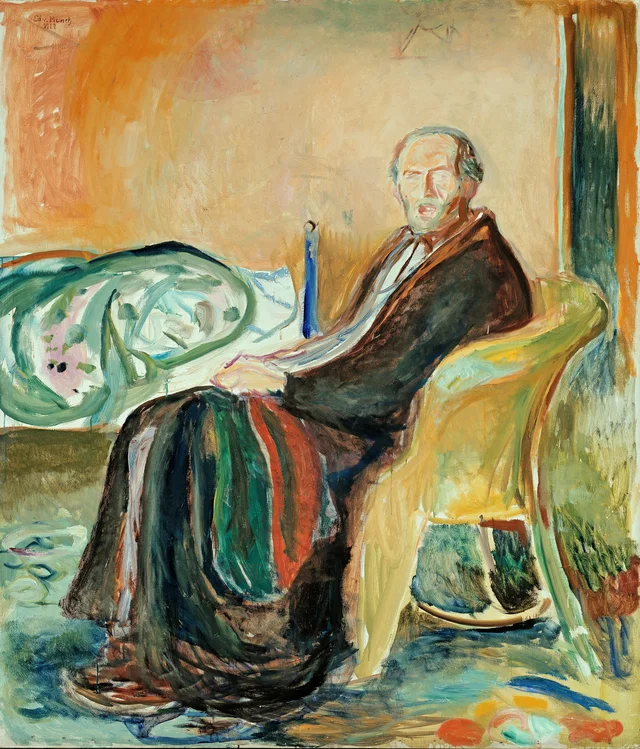 Autorretrato com a gripe espanholaEdvard Munch, 1919
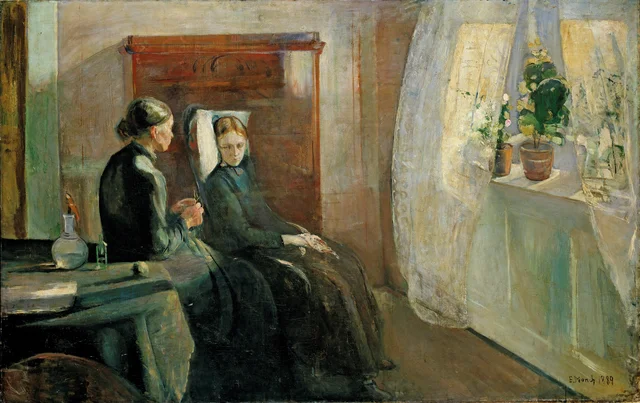 PrimaveraEdvard Munch, 1889
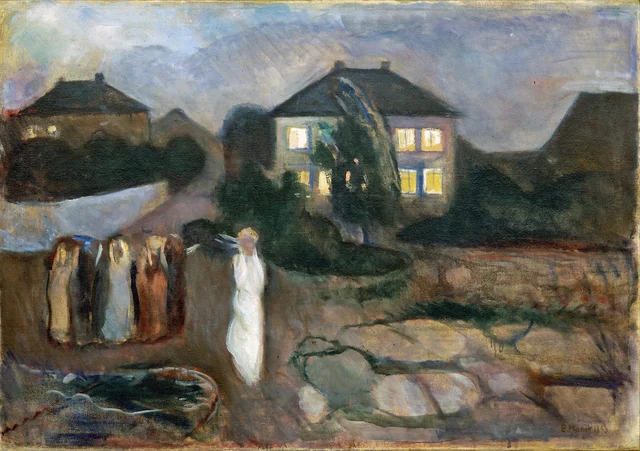 A tempestadeEdvard Munch, 1893
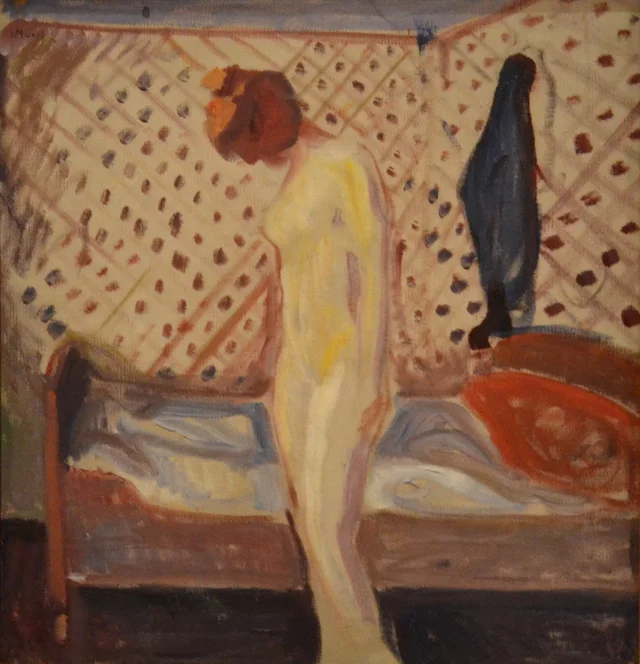 Mulher ChorandoEdvard Munch, 1907
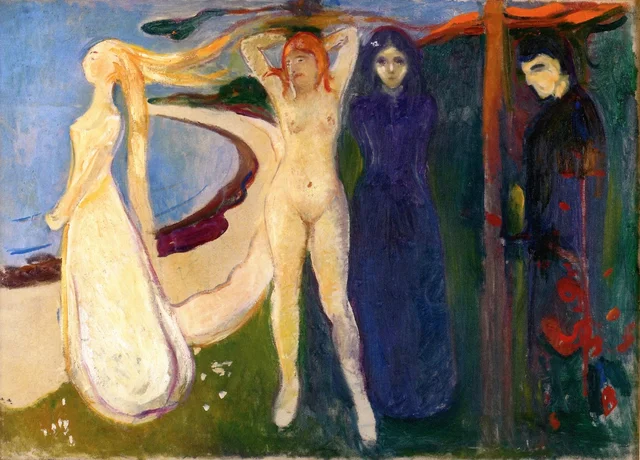 Mulher. EsfingeEdvard Munch, 1894
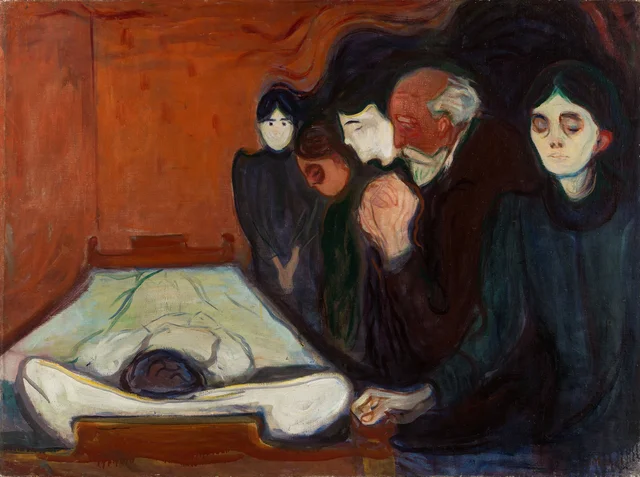 À beira do leito de morteEdvard Munch, 1895
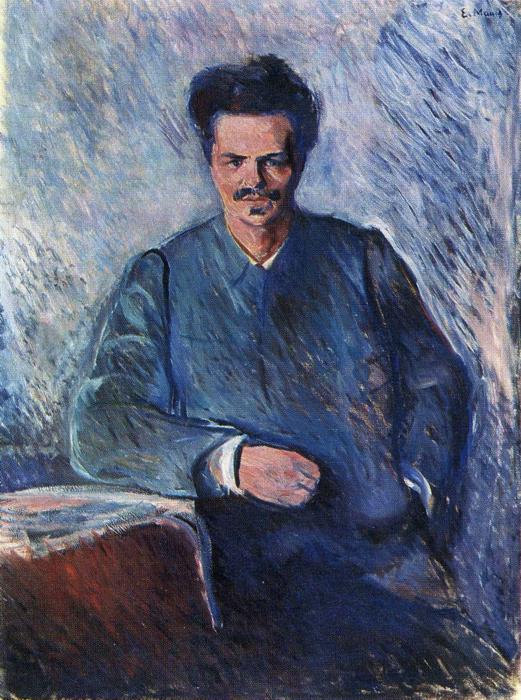 August StrindbergEdvard Munch, 1892
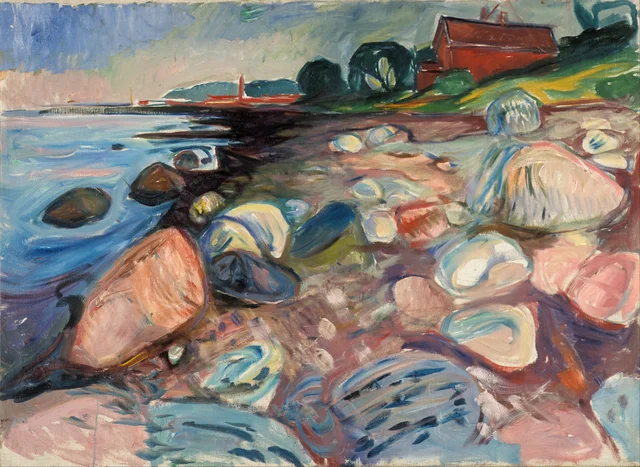 PraiaEdvard Munch, 1904
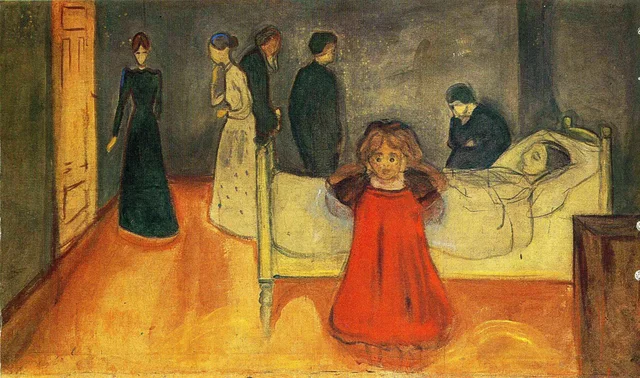 A morte e a criançaEdvard Munch, 1899
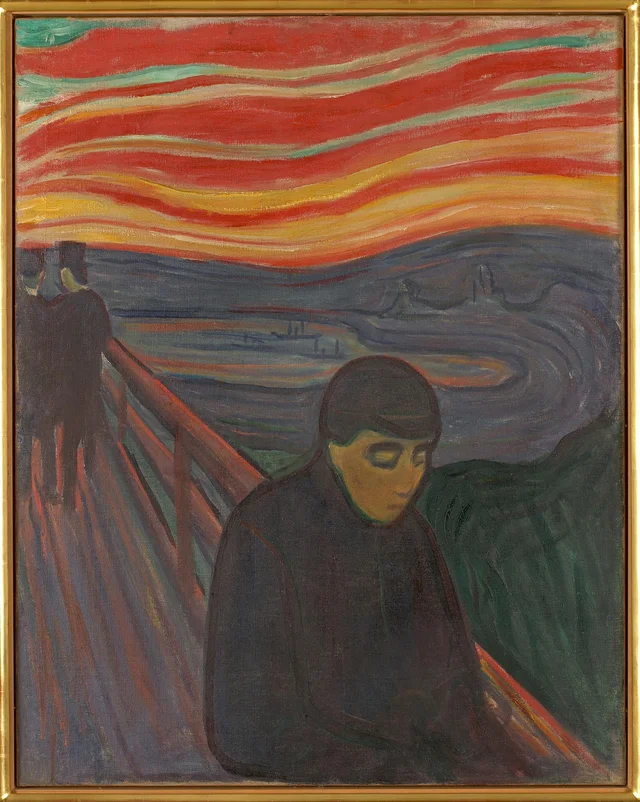 DesesperoEdvard Munch, 1894
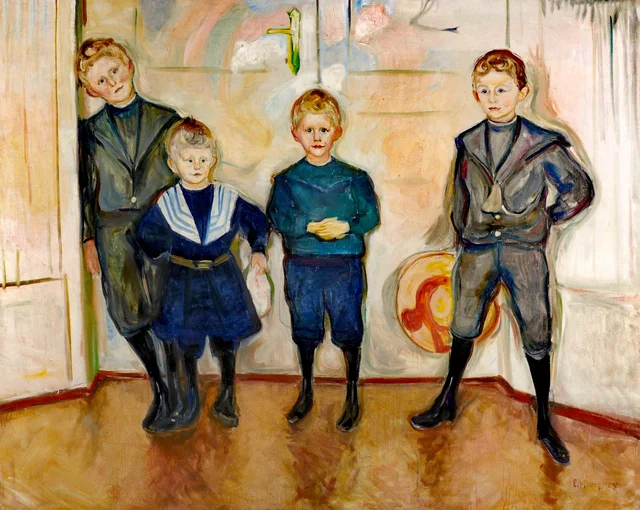 Os Filhos do Dr. LindeEdvard Munch, 1903
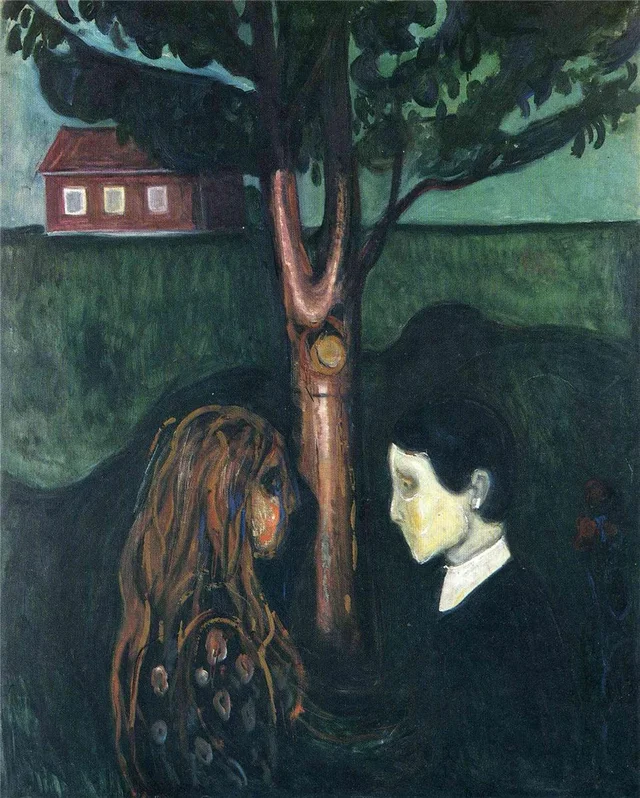 Olho no olhoEdvard Munch, 1899
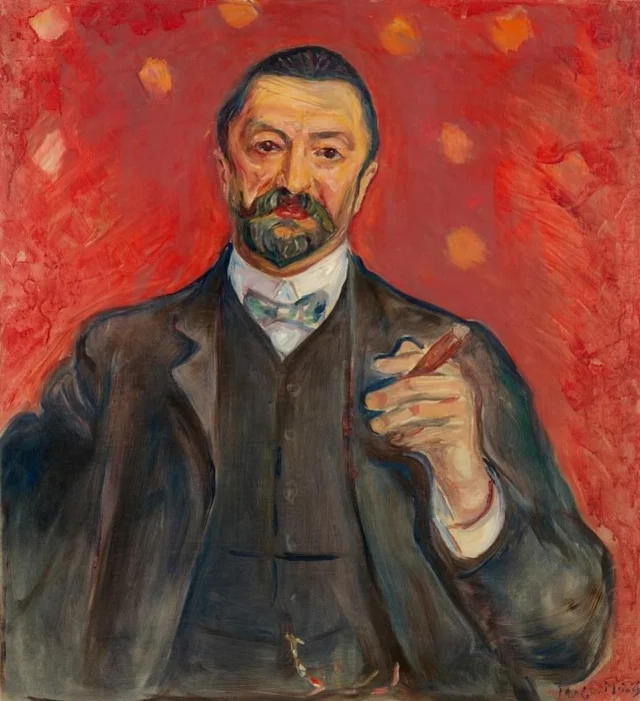 Felix AuerbachEdvard Munch, 1906
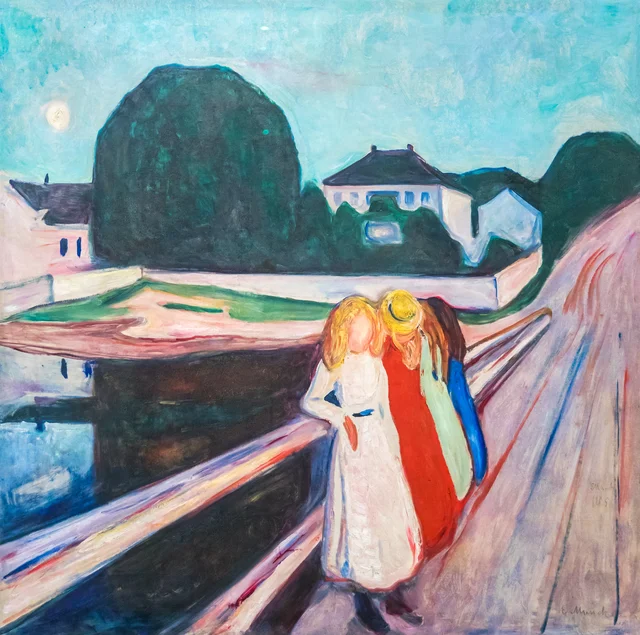 Quatro Moças na PonteEdvard Munch, 1905
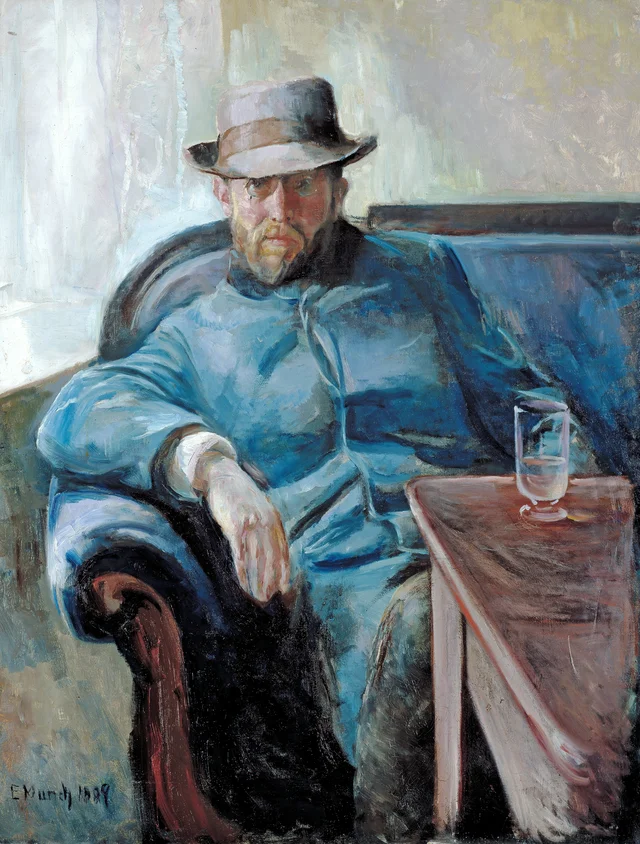 Hans JægerEdvard Munch, 1889
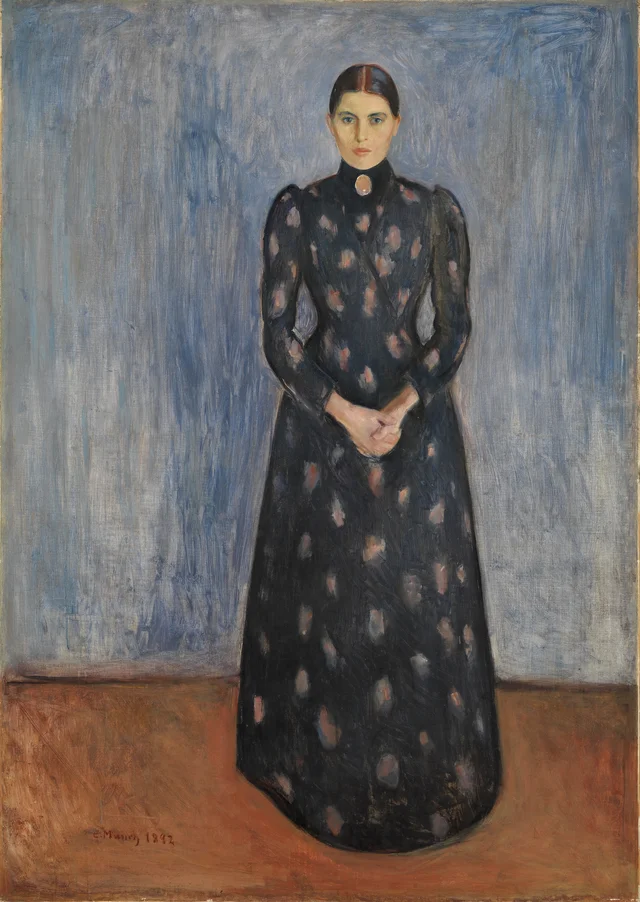 Inger em preto e violetaEdvard Munch, 1892
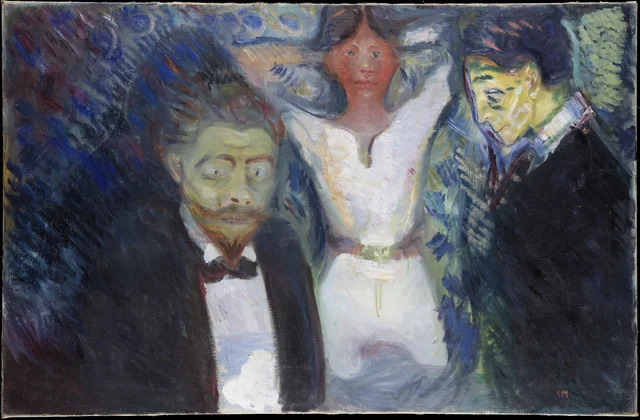 CiúmeEdvard Munch, 1913
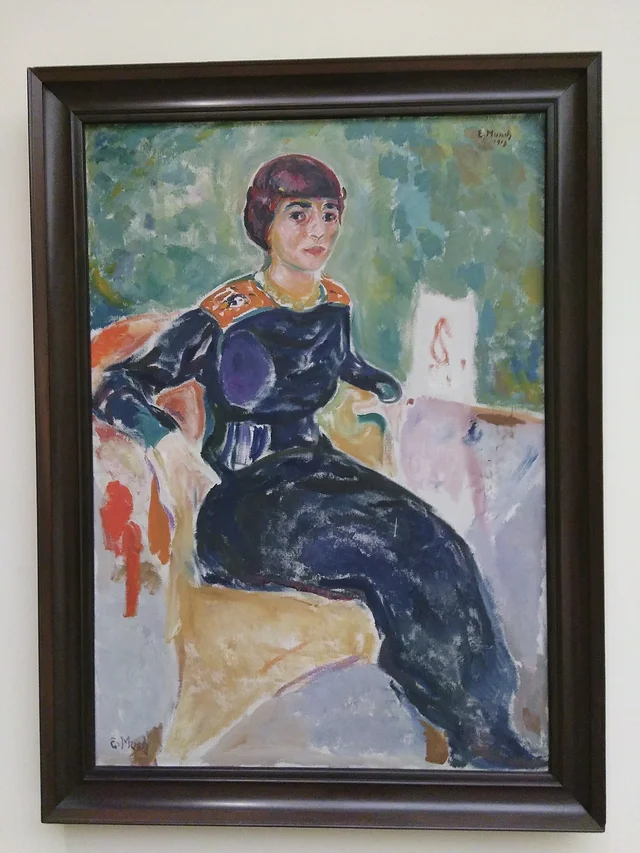 Retrato de Elsa GlaserEdvard Munch, 1913
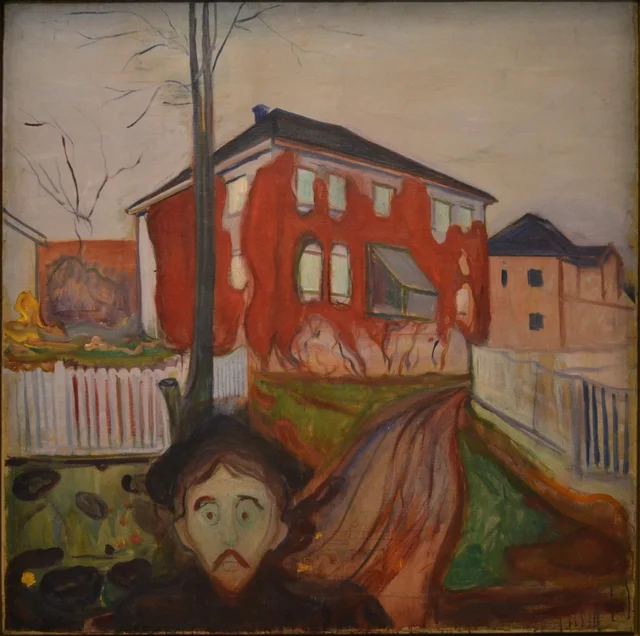 Videira-Virgem VermelhaEdvard Munch, 1898
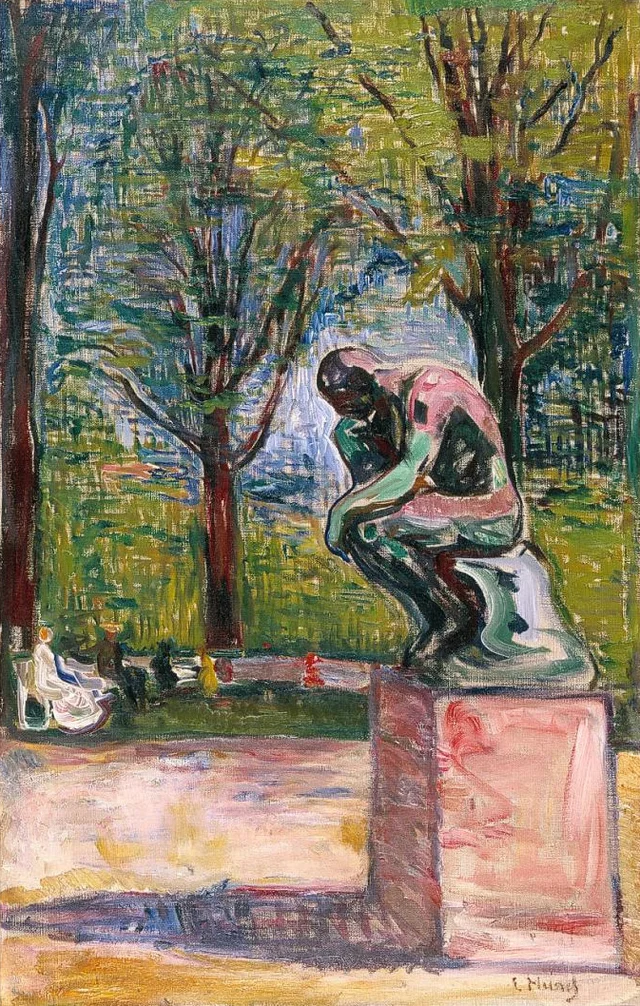 O "Pensador" de Rodin no Jardim do Dr. LindeEdvard Munch, 1907
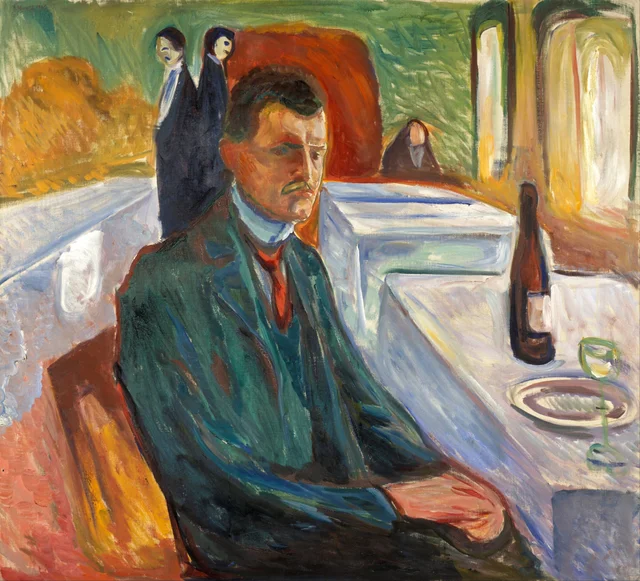 Autorretrato com uma Garrafa de VinhoEdvard Munch, 1906