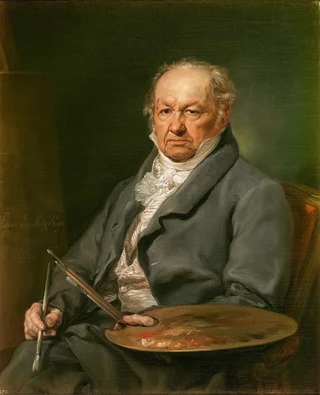
Francisco Goya
1746–1828 · Espanha · Romantismo
A história
Francisco Goya subiu praticamente o mais alto que um pintor podia subir na Espanha do século 18. De uma cidade provinciana de Aragão, foi ascendendo até se tornar primeiro pintor de câmara do rei em Madrid, produzindo desenhos de tapeçaria vistosos e retratos reais lisonjeiros. Depois, no inverno de 1792, foi derrubado por uma doença que ninguém jamais identificou com certeza, meses de febre, tontura e zumbido na cabeça, e quando passou ele estava completamente surdo, e permaneceu assim pelos 35 anos restantes de vida. Manteve o cargo na corte, mas algo em seu trabalho se voltou para dentro e escureceu.
Fechado na própria surdez, fez uma série de gravuras, os Caprichos, cheias de bruxas, burros e monstros, uma delas com a legenda de que o sono da razão produz monstros. Depois a história alcançou a escuridão privada. Em 1808 os exércitos de Napoleão invadiram a Espanha, colocaram o irmão do imperador no trono, e a multidão de Madrid se levantou contra eles; os franceses fuzilaram os rebeldes em levas ao longo da noite. Anos depois Goya pintou aquela noite, um homem de camisa branca lançando os braços diante de um pelotão de fuzilamento sem rosto, uma única lanterna no chão entre eles. É muitas vezes chamado o primeiro grande quadro moderno da guerra, sem glória nenhuma em lugar algum.
No fim ele foi ainda mais longe. Velho, surdo, adoecido pelo que tinha vivido, cobriu as paredes de sua própria casa de campo perto de Madrid com quadros que não eram feitos para ninguém comprar, coisas negras, íntimas, de pesadelo, entre elas um deus gigante devorando um dos próprios filhos. Nunca os intitulou; hoje as chamamos de Pinturas Negras. Nem sequer as levou consigo quando, perto dos 80 anos e sem simpatia pela coroa espanhola, deixou o país rumo a Bordéus, na França, onde morreu. Os murais foram descolados das paredes décadas depois e hoje ficam expostos em Madrid.
Mais artigos
Obras
374 obras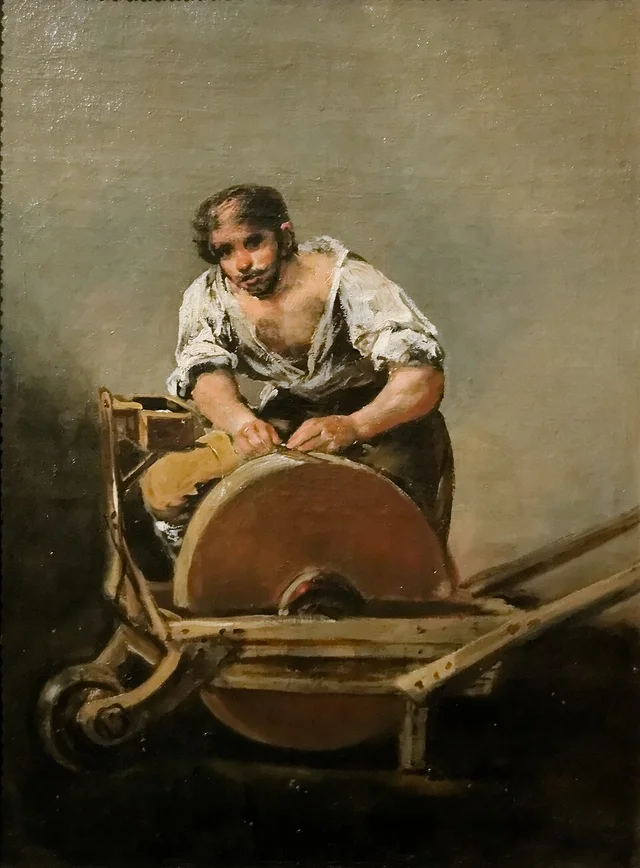 O amoladorFrancisco Goya, 1808
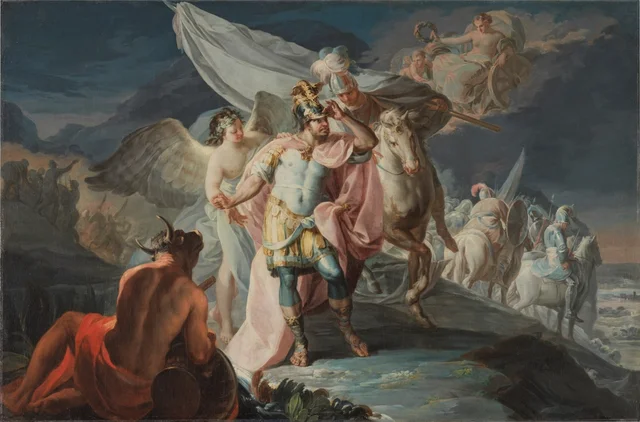 Aníbal Vitorioso Contempla pela Primeira Vez a Itália dos AlpesFrancisco Goya, 1770
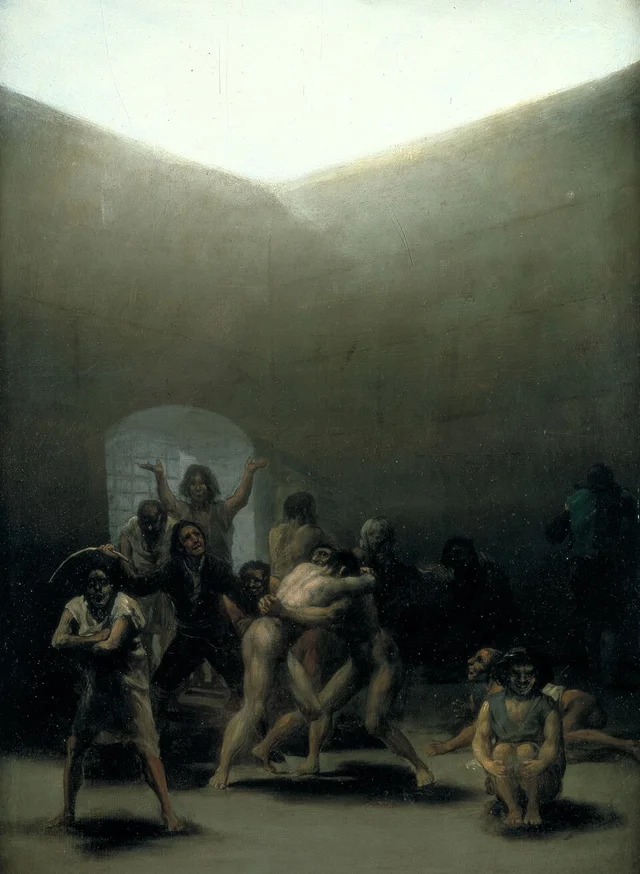 Pátio de loucosFrancisco Goya, 1794
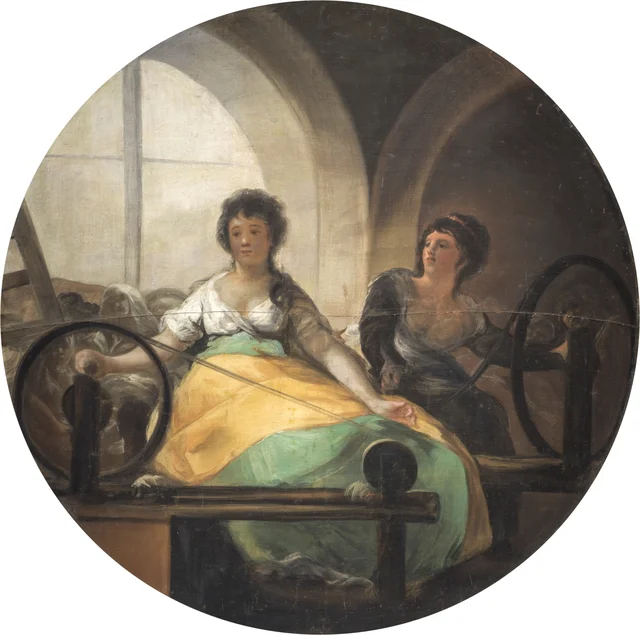 Alegoria da IndústriaFrancisco Goya, 1804
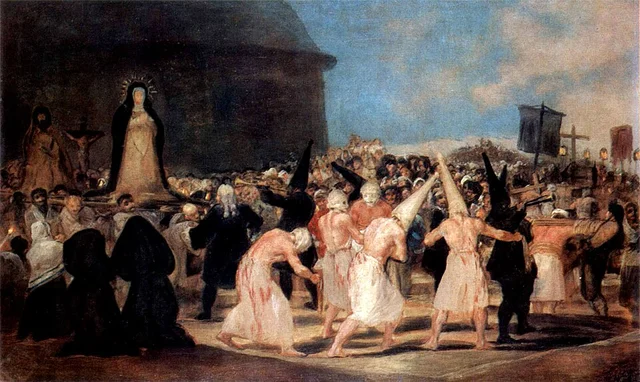 Procissão de flagelantesFrancisco Goya, 1815
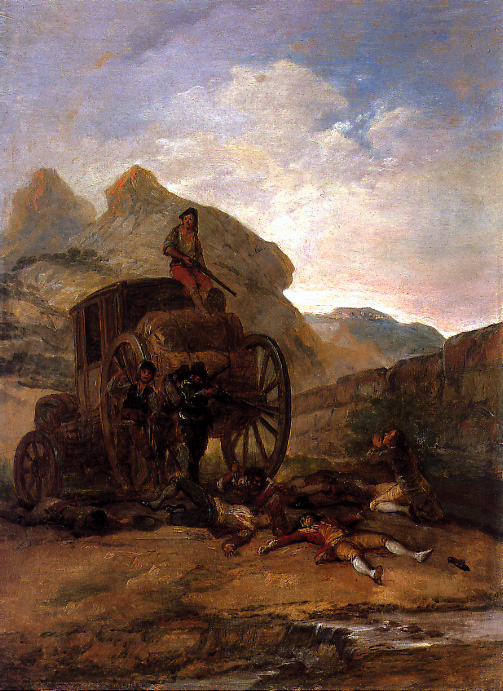 Assalto de ladrõesFrancisco Goya, 1793
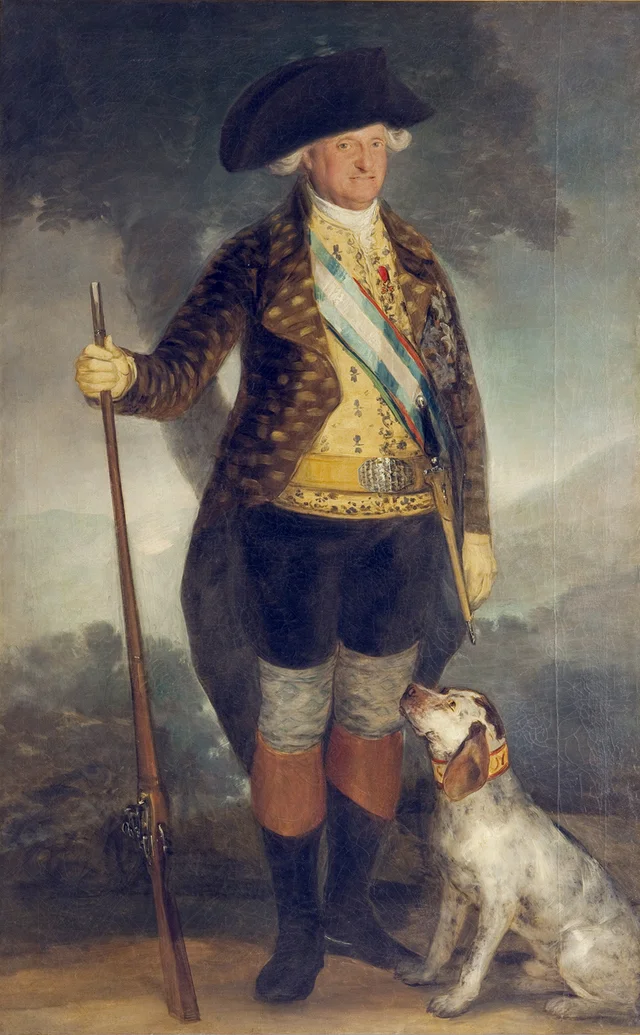 Carlos IV com traje de caçaFrancisco Goya, 1799
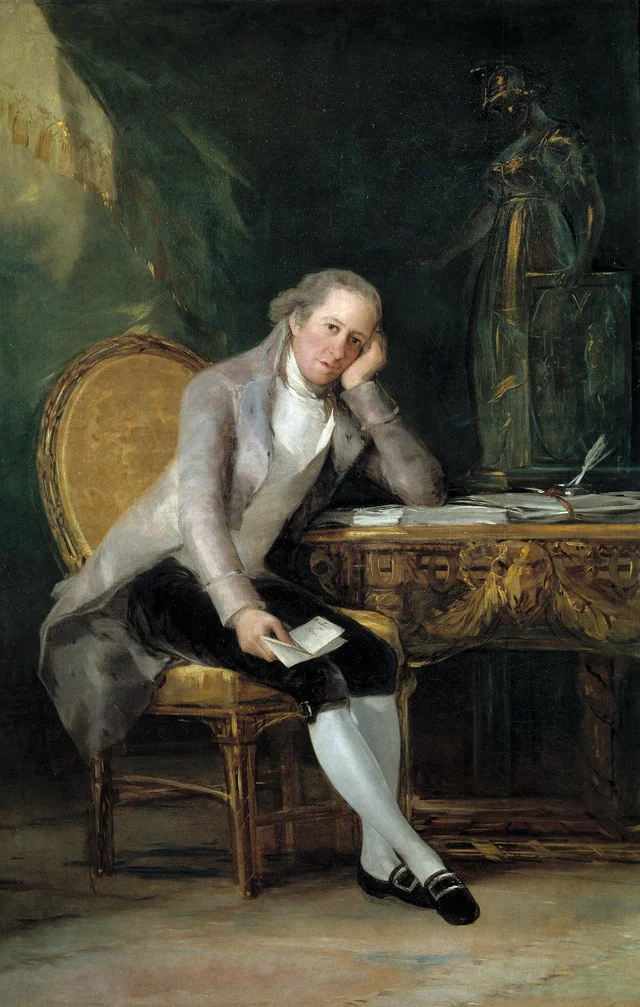 Retrato de Gaspar Melchor de JovellanosFrancisco Goya, 1798
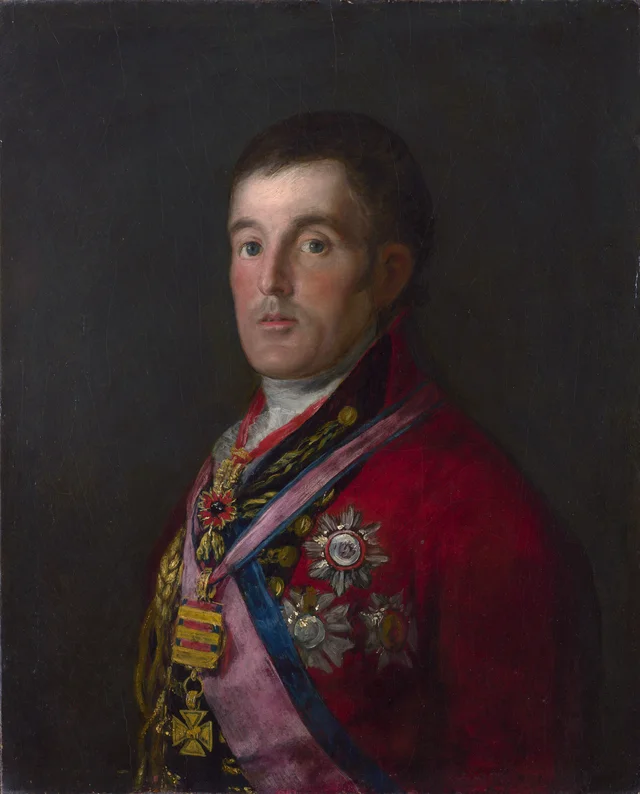 Retrato do duque de WellingtonFrancisco Goya, 1813
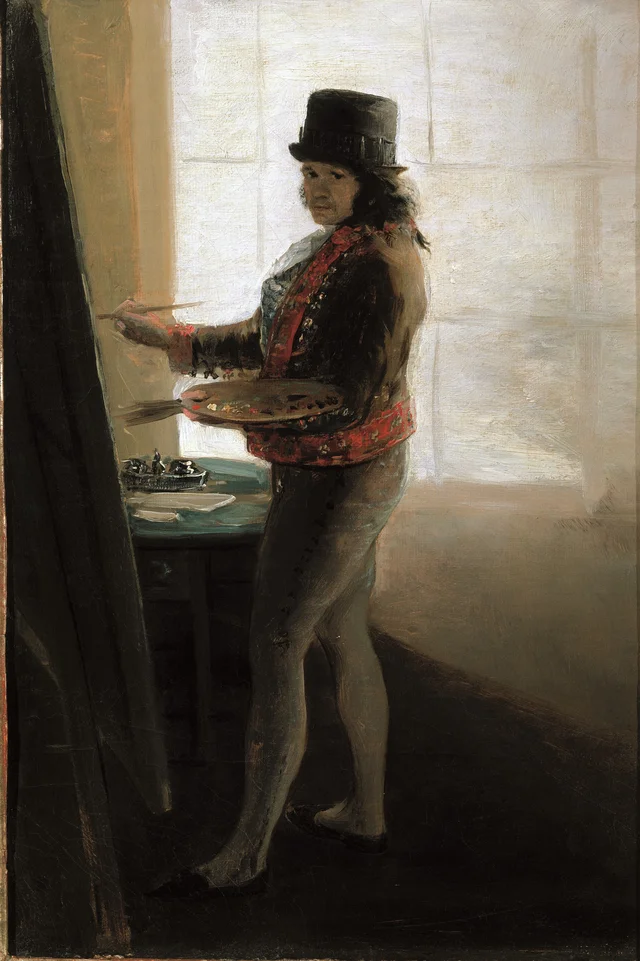 Autorretrato no ateliêFrancisco Goya, 1790
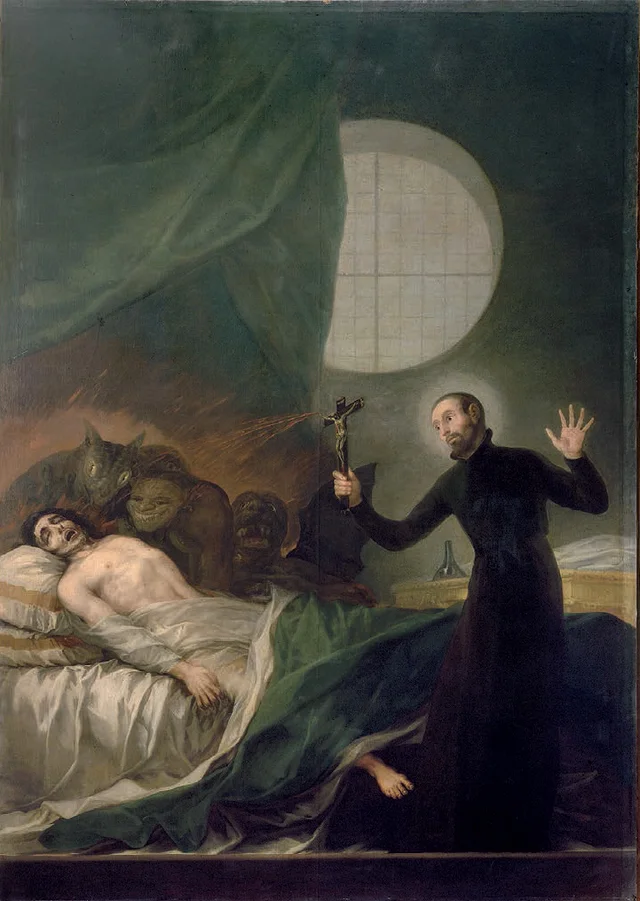 São Francisco de Borja Assistindo um Moribundo ImpenitenteFrancisco Goya, 1788
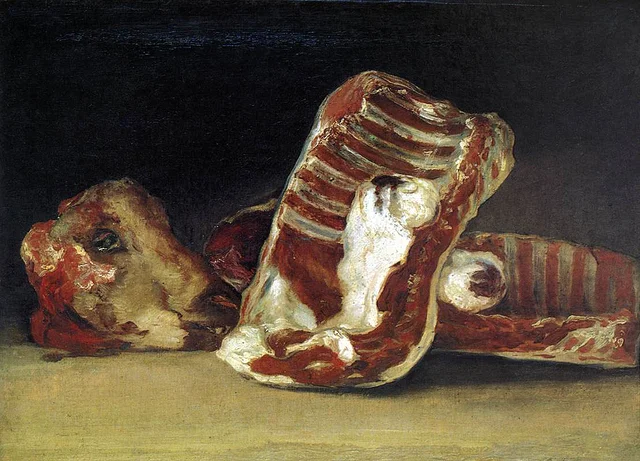 Natureza-morta: balcão de açougueFrancisco Goya, 1808
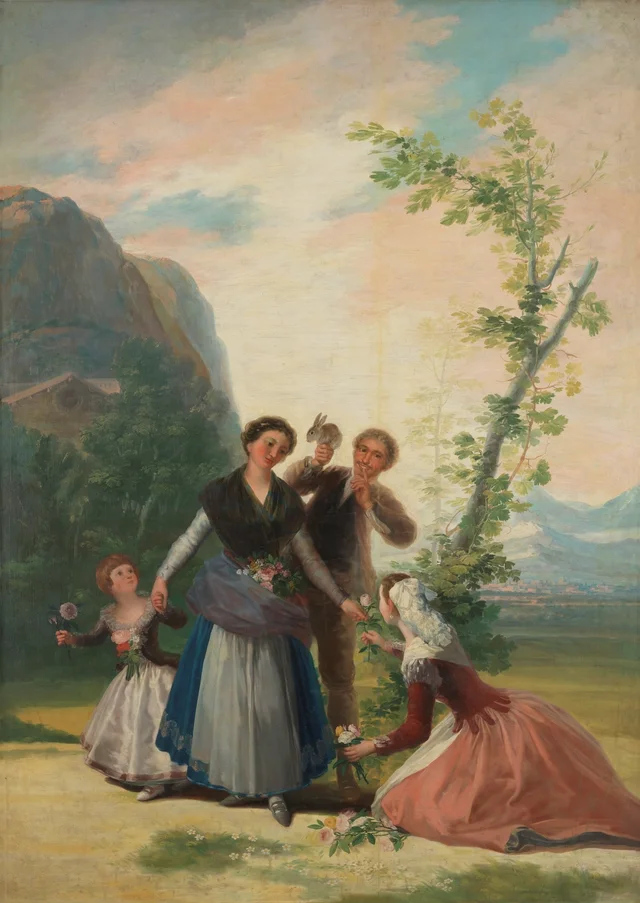 As floristas ou A primaveraFrancisco Goya, 1786
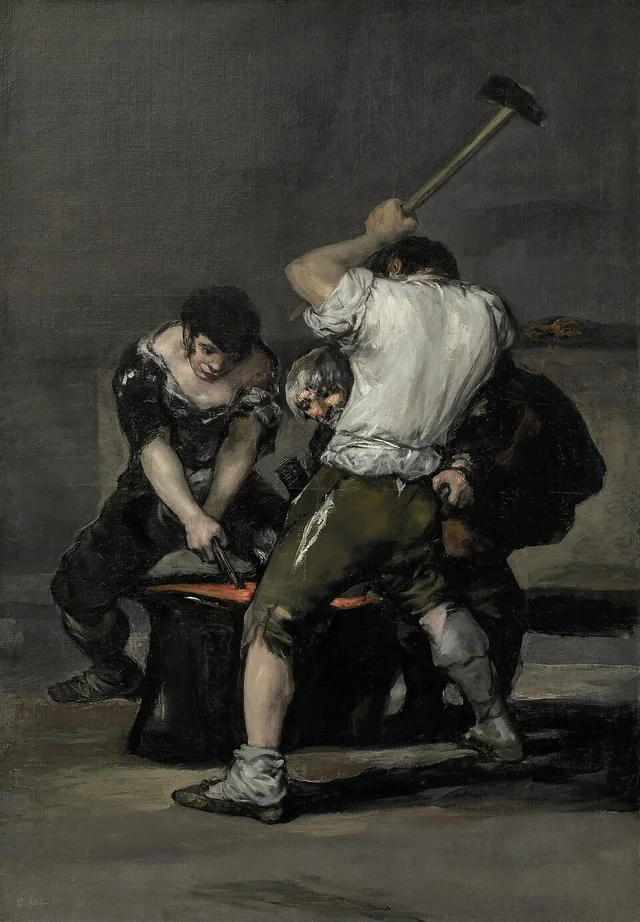 A forjaFrancisco Goya, 1819
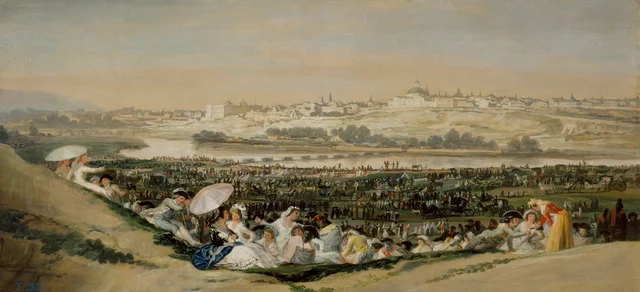 O prado de San IsidroFrancisco Goya, 1788
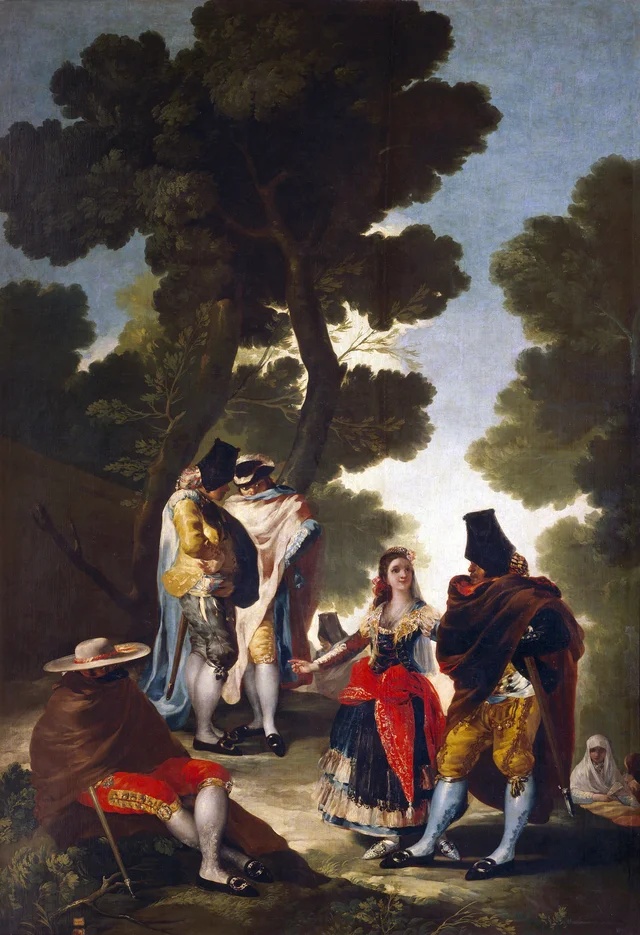 A bela e os homens mascarados (O caminho da Andaluzia)Francisco Goya, 1777
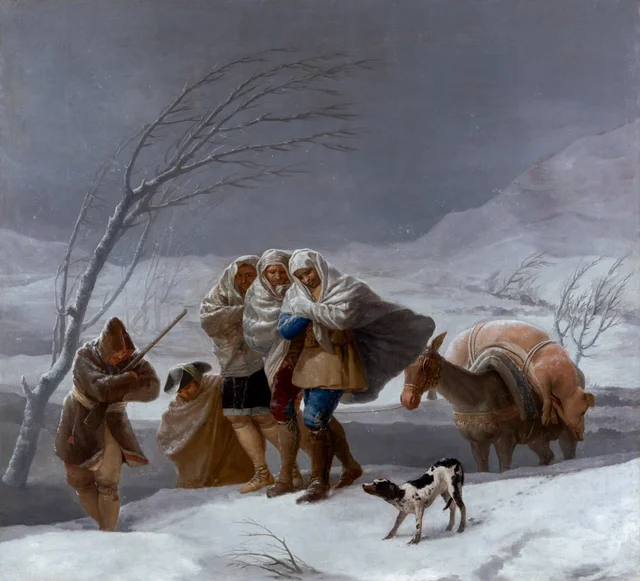 A nevasca (O inverno)Francisco Goya, 1787
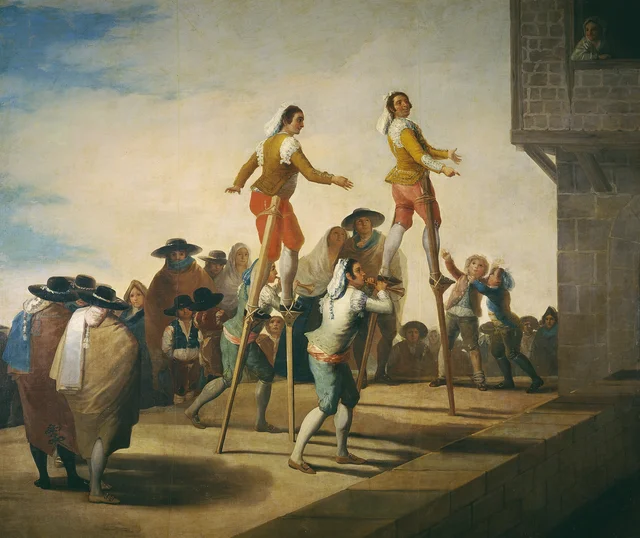 As pernas de pauFrancisco Goya, 1791
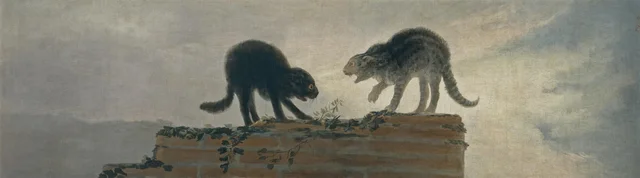 Briga de gatosFrancisco Goya, 1786
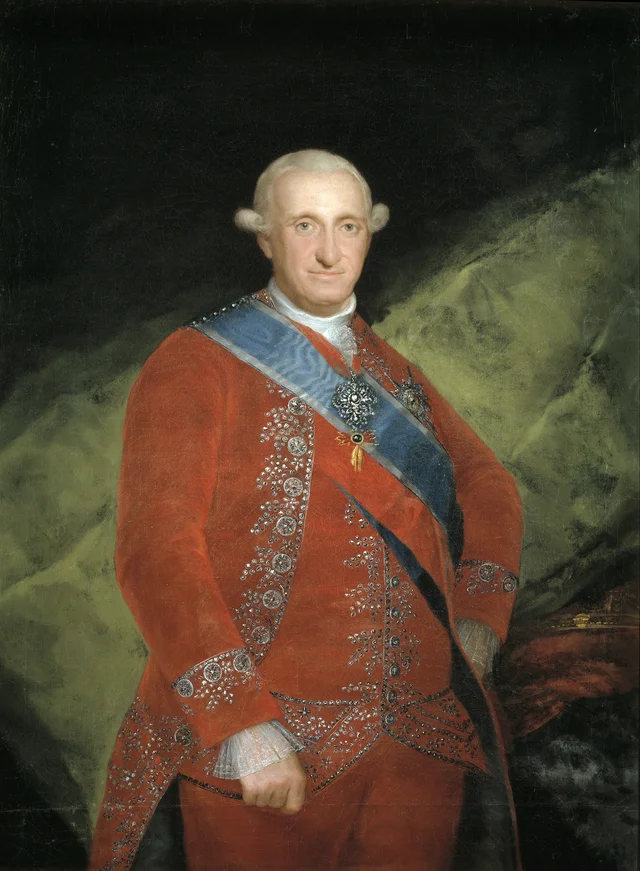 Carlos IV de vermelhoFrancisco Goya, 1789
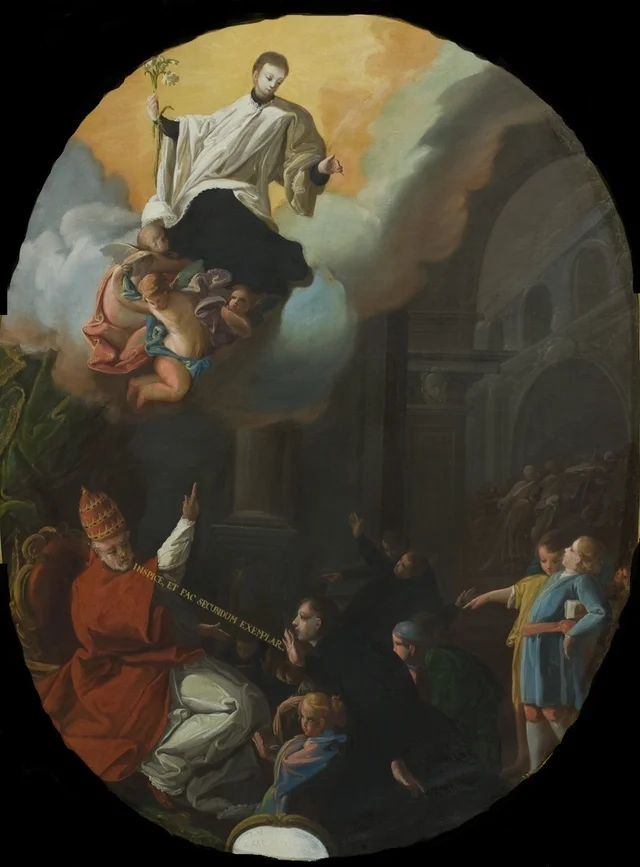 Consagração de São Luís Gonzaga como padroeiro da juventudeFrancisco Goya, 1763
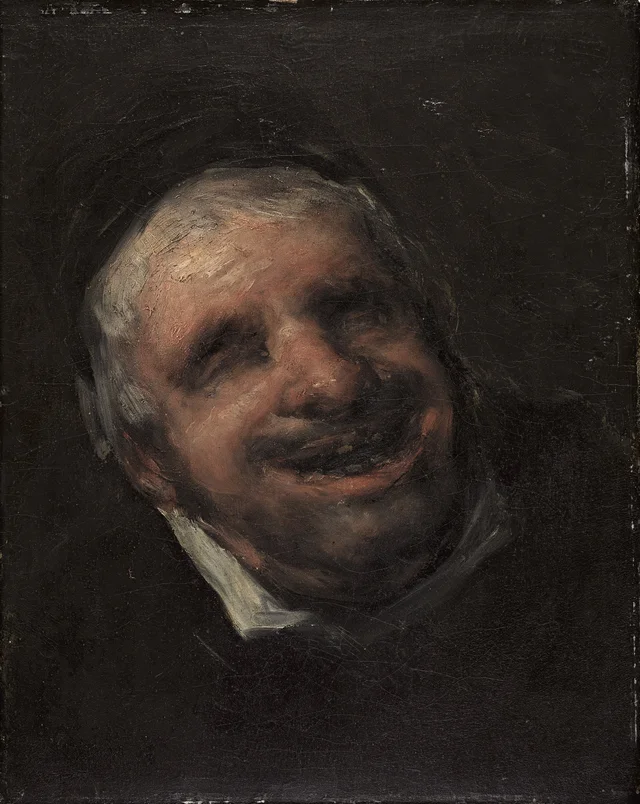 O Tio PaqueteFrancisco Goya, 1820
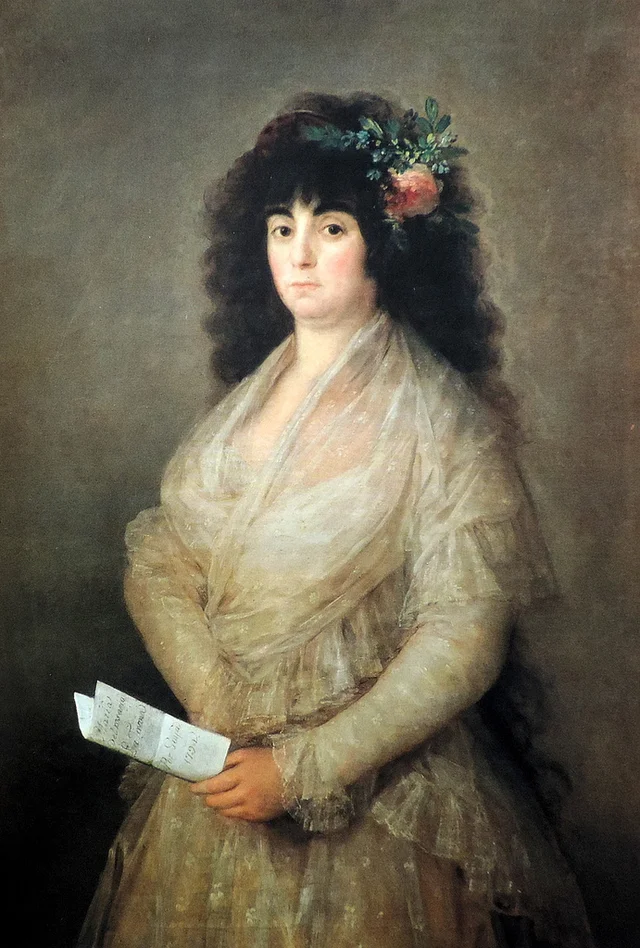 La TiranaFrancisco Goya, 1794
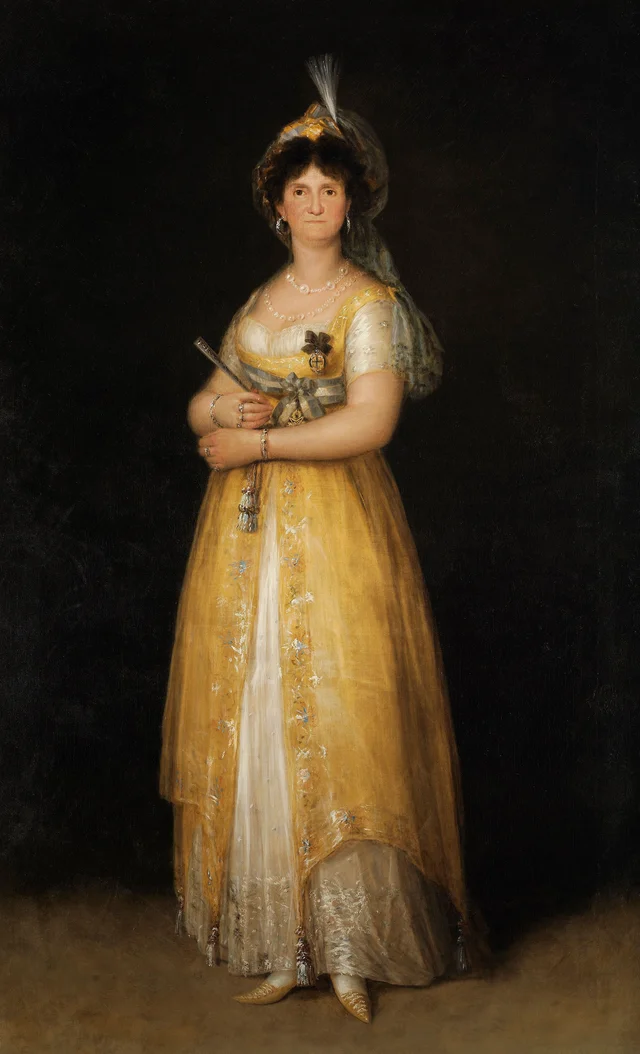 Retrato de Maria Luísa de ParmaFrancisco Goya, 1799
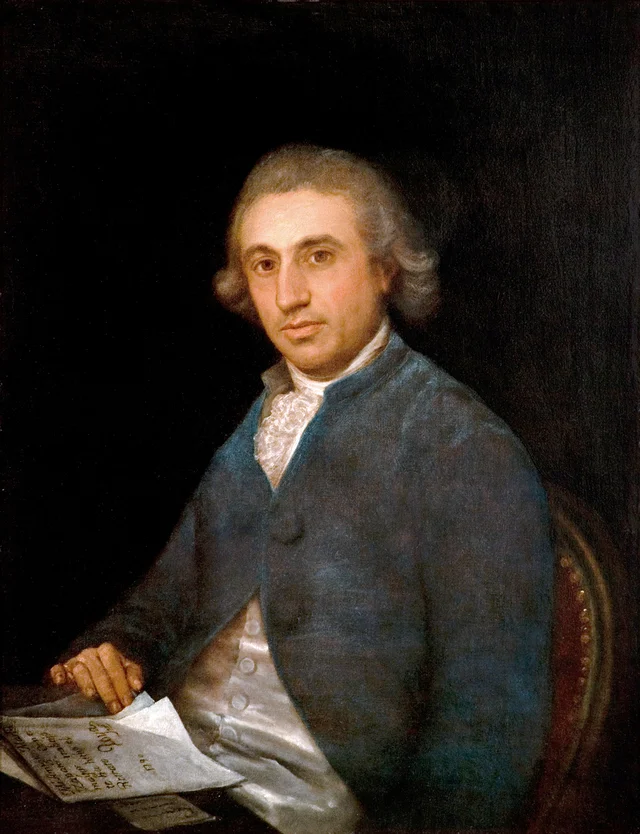 Retrato de Martín ZapaterFrancisco Goya, 1790