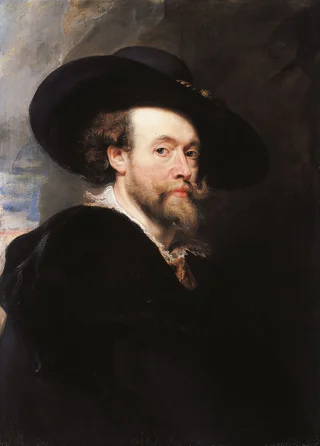
Pedro Paulo Rubens
1577–1640 · Países Baixos Espanhóis · Pintura barroca flamenga
A história
A maioria dos grandes pintores ficava no ateliê. Rubens passou boa parte da carreira como diplomata em atividade, e os dois ofícios se alimentavam um do outro. Falava várias línguas com fluência, circulava com desenvoltura entre príncipes e comandava o ateliê de pintura mais movimentado da Europa, em Antuérpia, então nos Países Baixos espanhóis. Reis confiavam a ele mais do que retratos.
O exemplo mais claro veio em 1629. Espanha e Inglaterra estavam em guerra havia anos, e Filipe IV da Espanha enviou Rubens a Londres sob o disfarce de artista em visita, uma fachada que lhe permitia ser recebido na corte sem alarde enquanto discretamente defendia a causa espanhola. Ao longo de uns nove meses trabalhou sobre Carlos I da Inglaterra, colecionador de arte apaixonado, defendendo o caso pela paz entre as duas coroas e pintando para ele ao mesmo tempo. Um dos quadros que fez ali, uma alegoria da Paz e da Guerra, era ele próprio parte do argumento, mostrando os bens que a paz traz e a ruína que a guerra carrega consigo.
Funcionou. Um tratado entre Inglaterra e Espanha foi assinado em 1630, e antes de Rubens partir, Carlos o armou cavaleiro. Filipe IV faria o mesmo mais tarde, de modo que ele acabou cavaleiro dos dois reinos que ajudara a reconciliar. Continuou pintando num ritmo enorme até o fim, boa parte com assistentes esboçando suas composições, e na última década comprou uma casa de campo ao sul de Antuérpia, o Château de Steen, cujos campos e céus úmidos preenchem as paisagens que fez só para si mesmo.
Mais artigos
 Artigo · 44 min de leituraO Mauritshuis de Haia: 20 quadros e como chegaram ao museu
 Artigo · 41 min de leituraO que ver no Louvre: 25 obras principais
 Artigo · 19 min de leituraMuseu do Prado: as pinturas que sobreviveram aos seus mundos
 Artigo · 41 min de leituraMuseu Thyssen-Bornemisza: 20 quadros comprados por pai e filho
 Artigo · 36 min de leituraPinacoteca de Brera: dos confiscos de Napoleão à Grande Brera
 Artigo · 43 min de leituraGemäldegalerie de Berlim: 20 pinturas que Berlim comprou, perdeu e dividiu
Obras
486 obras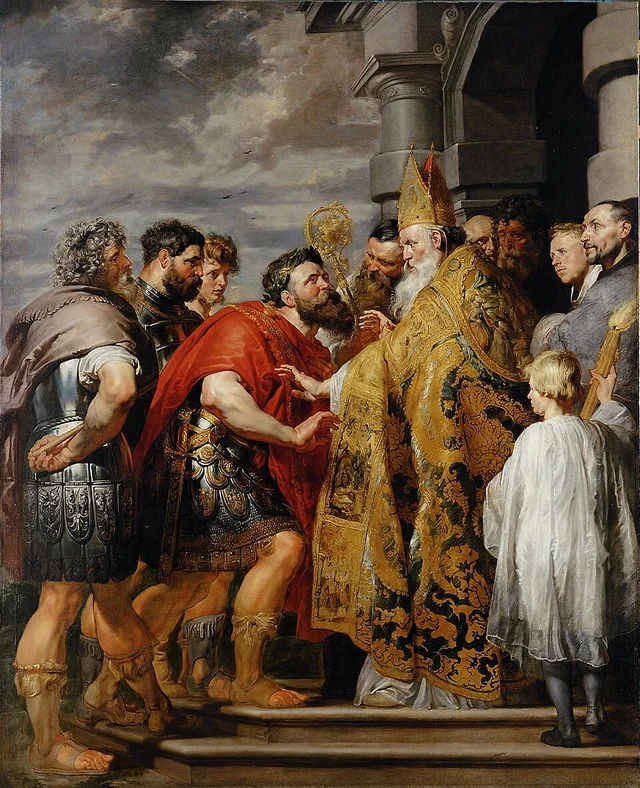 Teodósio e Santo AmbrósioPedro Paulo Rubens, 1617
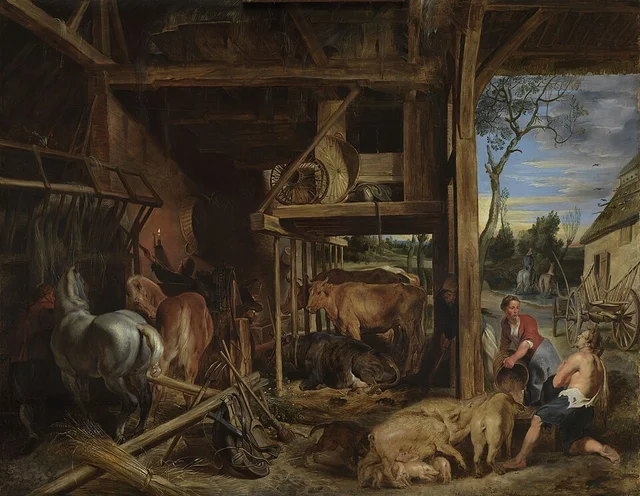 O filho pródigoPedro Paulo Rubens, 1618
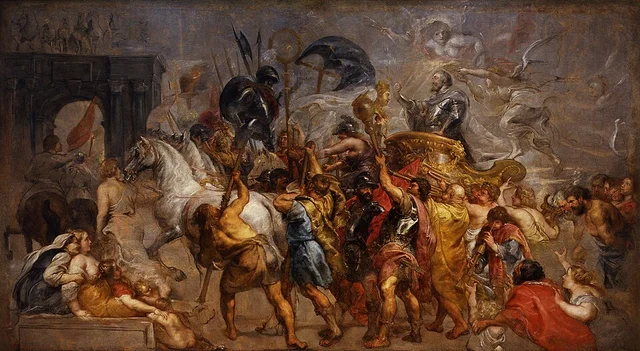 A Entrada Triunfal de Henrique IV em ParisPedro Paulo Rubens, 1627
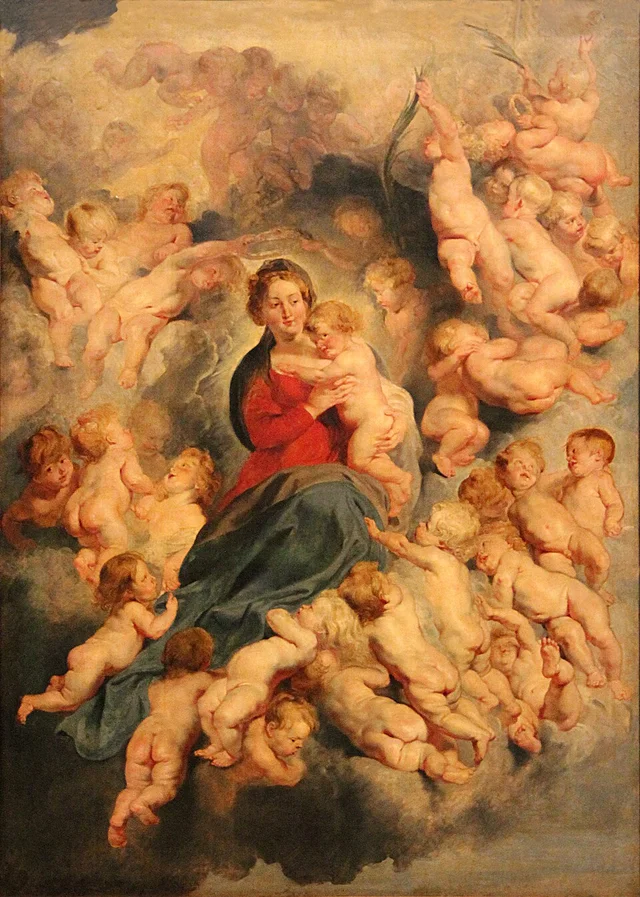 A Virgem com o Menino cercada pelos Santos InocentesPedro Paulo Rubens, 1618
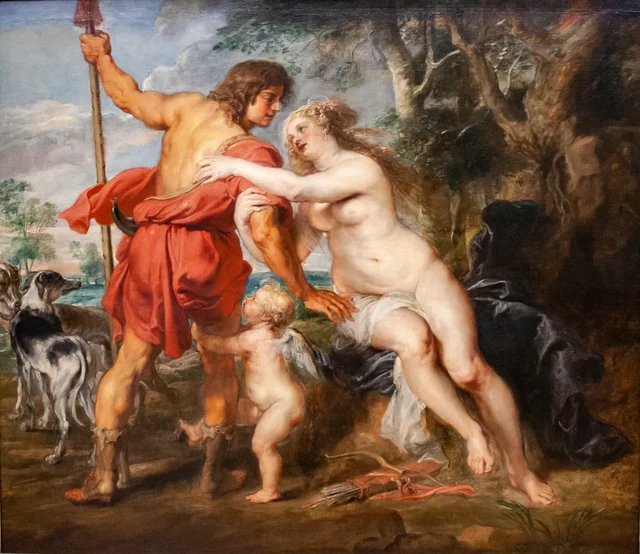 Vênus e AdônisPedro Paulo Rubens, 1638
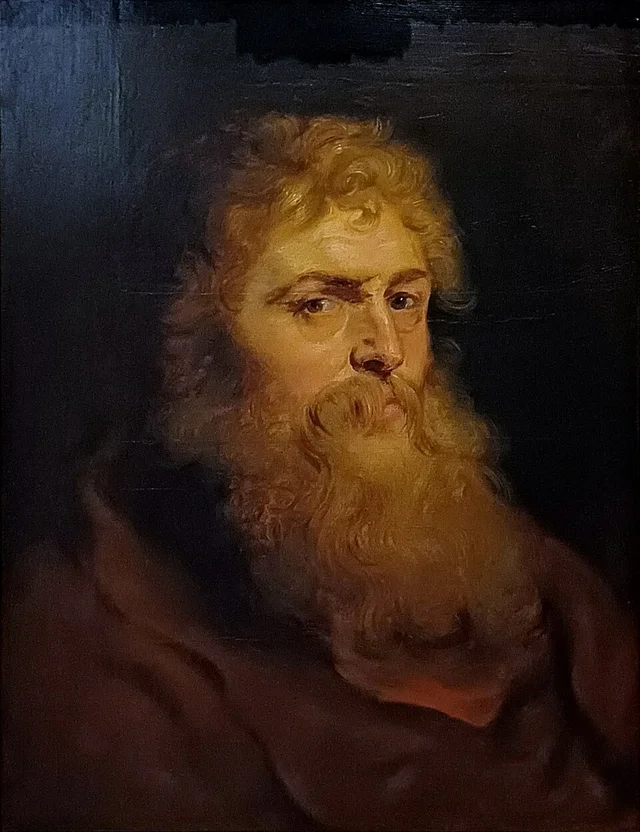 Um homem barbudoPedro Paulo Rubens, 1618
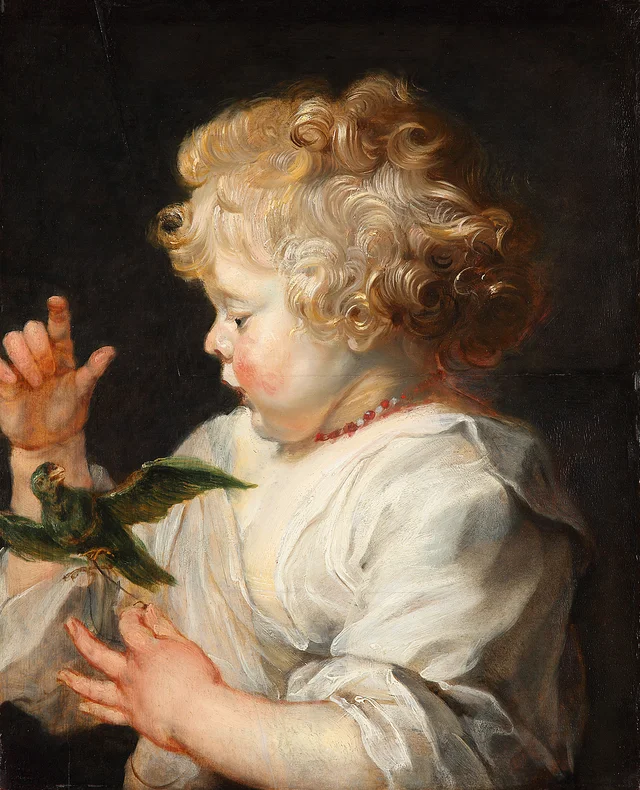 Criança com pássaroPedro Paulo Rubens, 1625
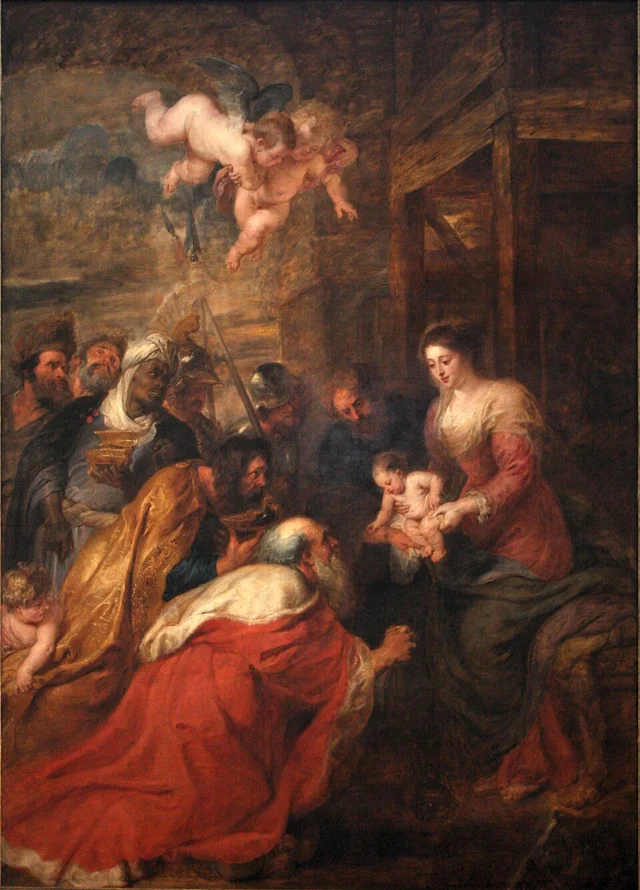 Adoração dos Reis MagosPedro Paulo Rubens, 1634
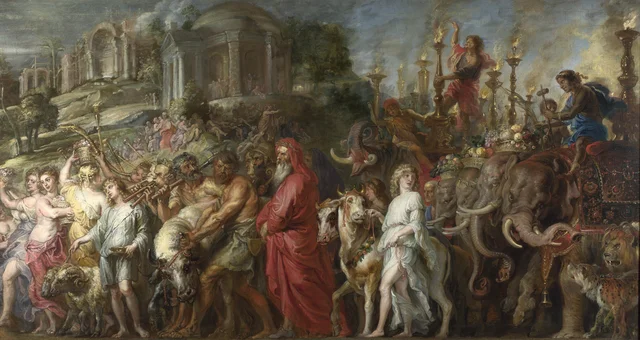 Um Triunfo RomanoPedro Paulo Rubens, 1630
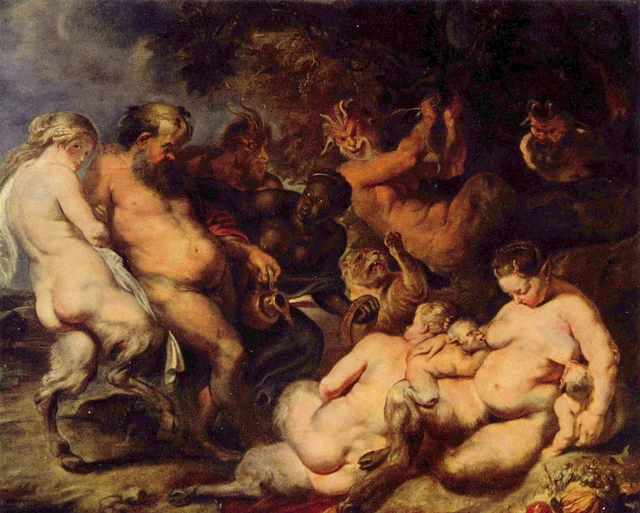 BacanalPedro Paulo Rubens, 1615
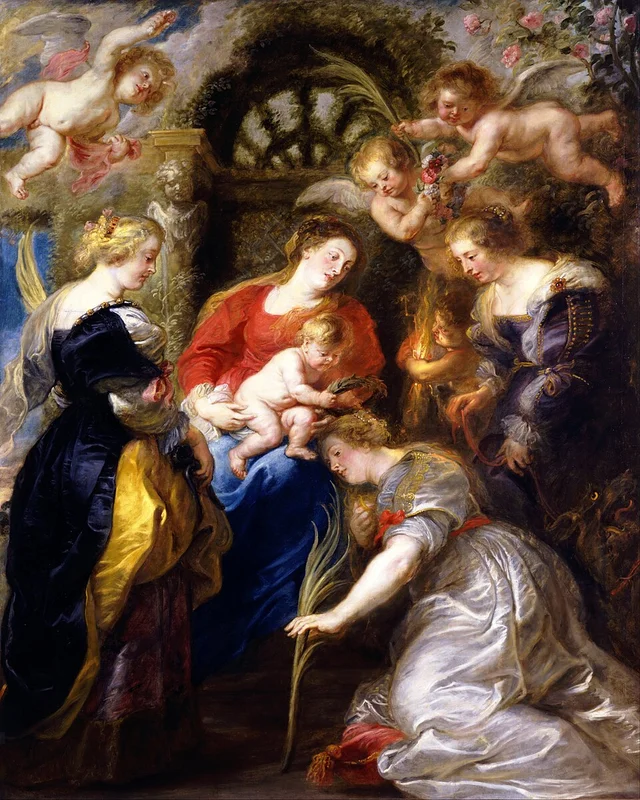 A Coroação de Santa CatarinaPedro Paulo Rubens, 1631
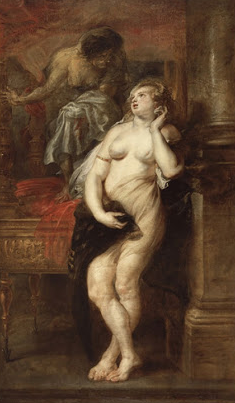 Dejanira ouvindo a FamaPedro Paulo Rubens, 1638
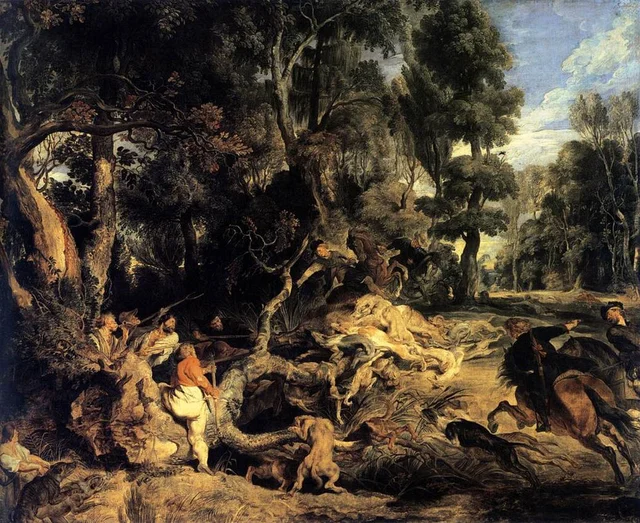 Paisagem com caçada ao javaliPedro Paulo Rubens, 1616
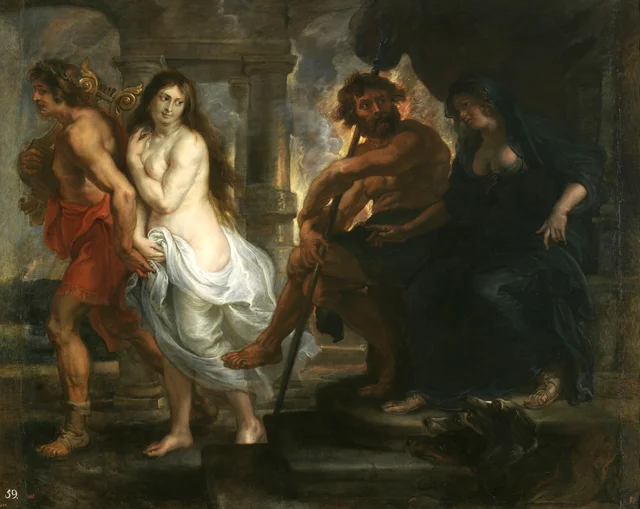 Orfeu e EurídicePedro Paulo Rubens, 1636
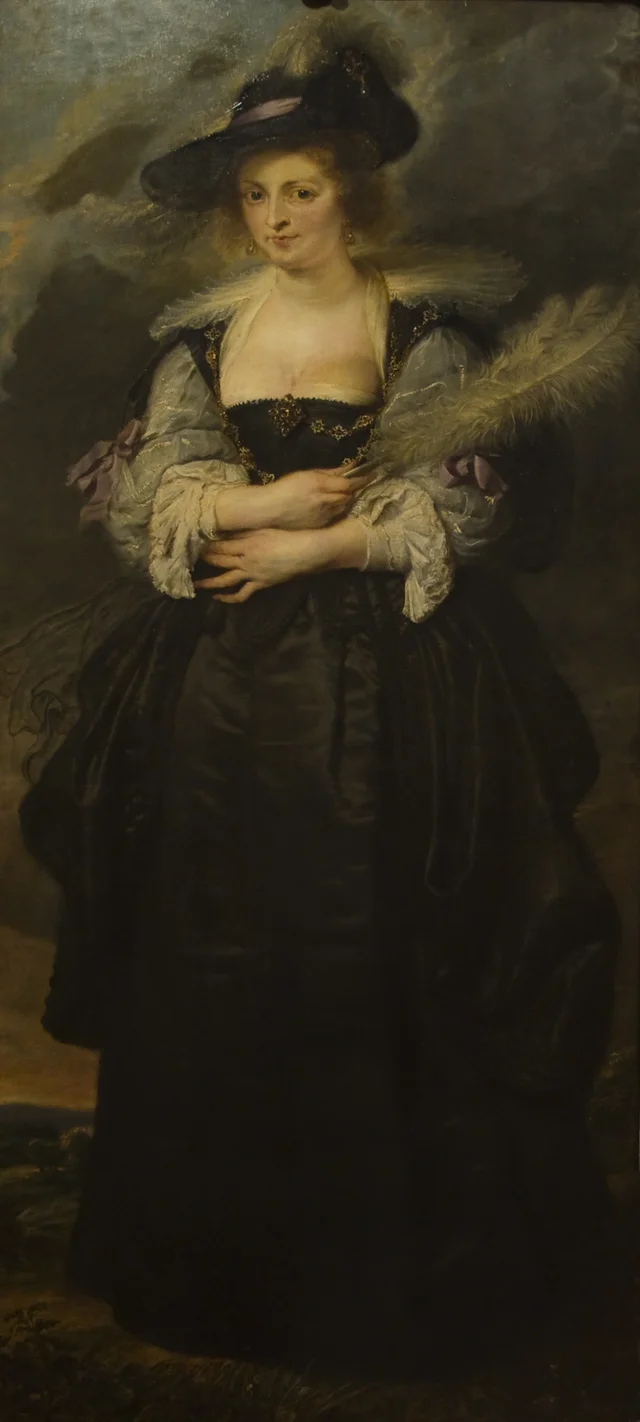 Retrato de Helena FourmentPedro Paulo Rubens, 1630
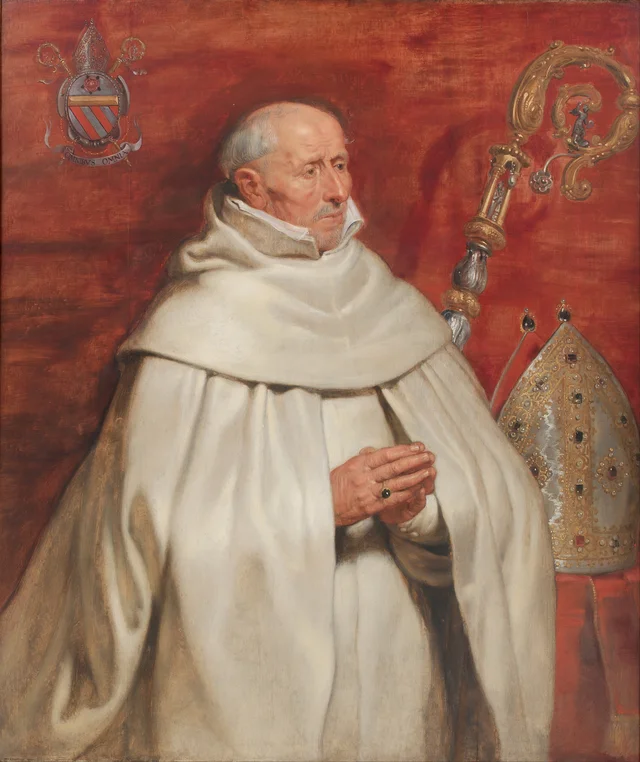 Retrato de Matthaeus Yrsselius, abade da abadia de São Miguel em AntuérpiaPedro Paulo Rubens, 1624
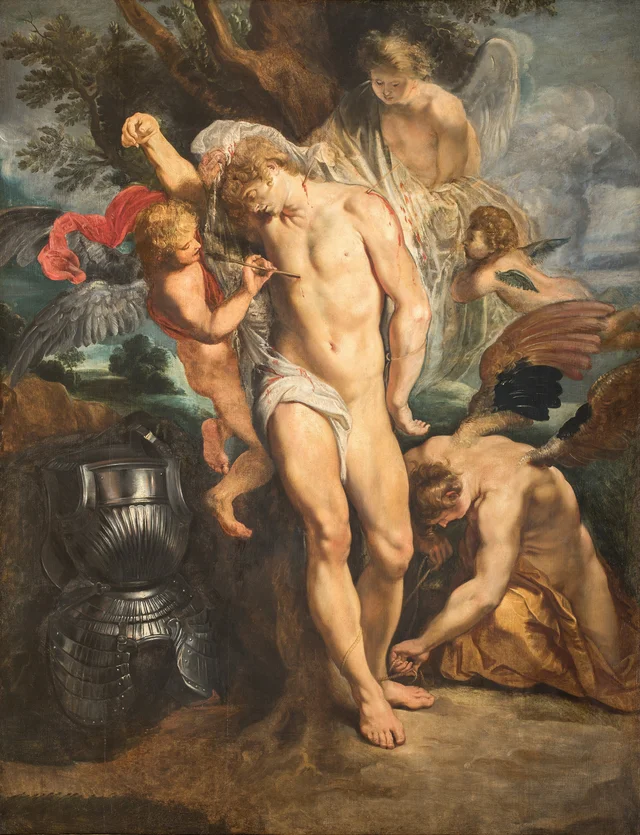 São Sebastião curado pelos anjosPedro Paulo Rubens, 1602
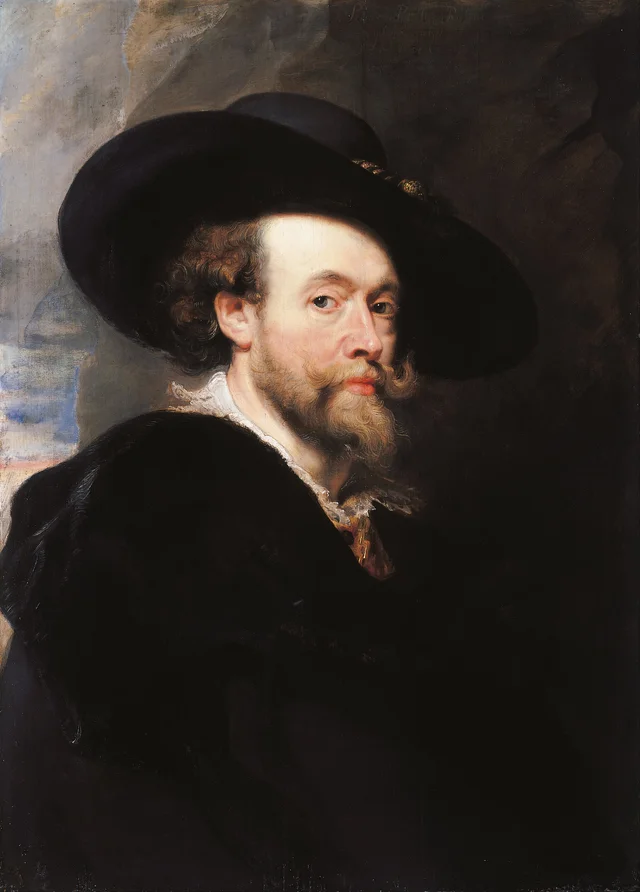 AutorretratoPedro Paulo Rubens, 1623
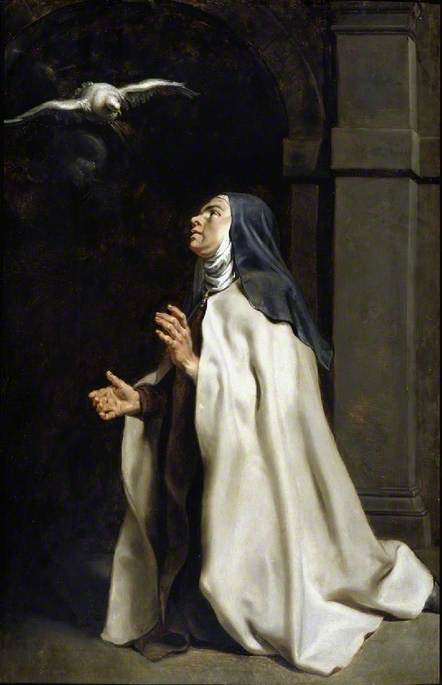 A Visão de Santa Teresa de Ávila e a pombaPedro Paulo Rubens, 1614
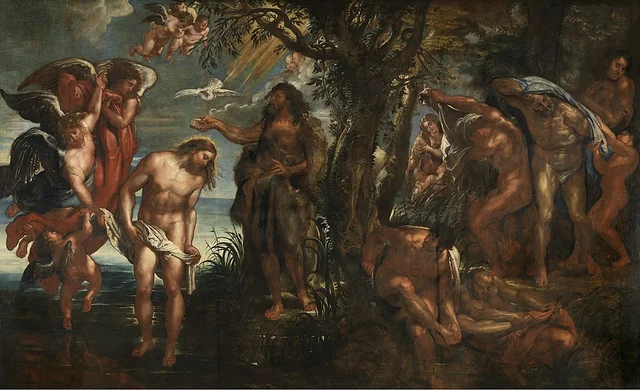 O batismo de CristoPedro Paulo Rubens, 1604
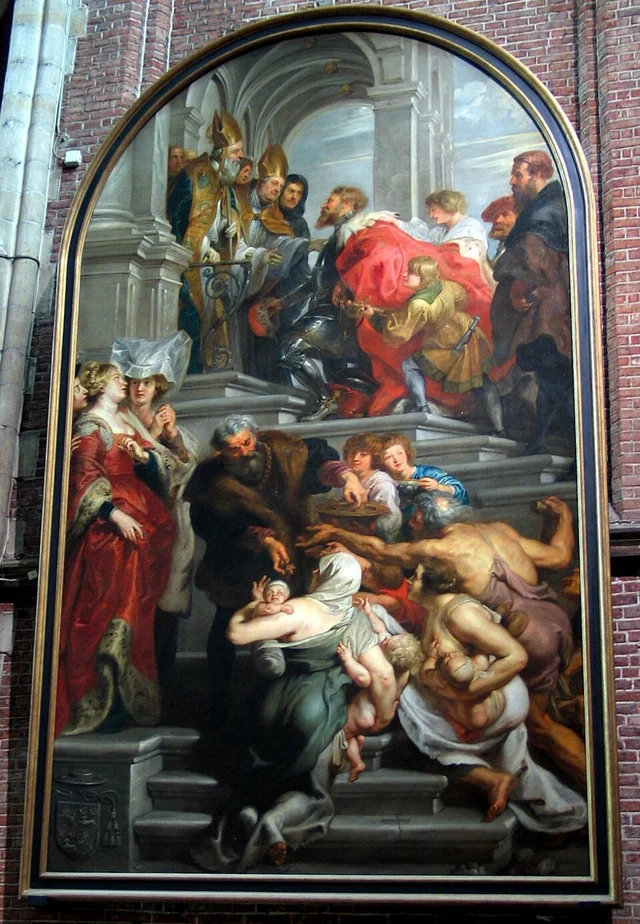 A Conversão de São BavãoPedro Paulo Rubens, 1624
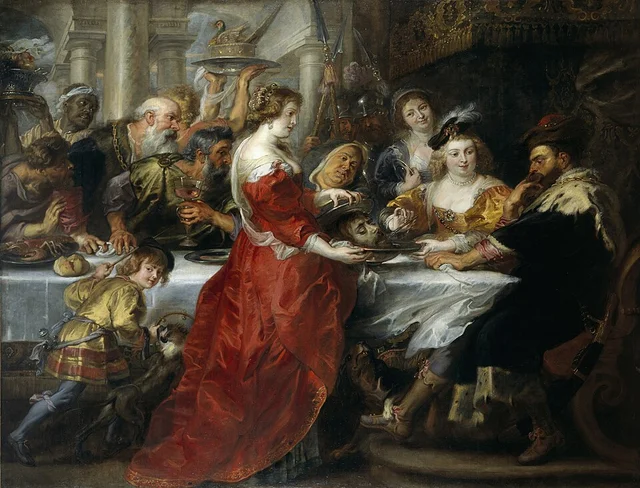 O Banquete de HerodesPedro Paulo Rubens, 1636
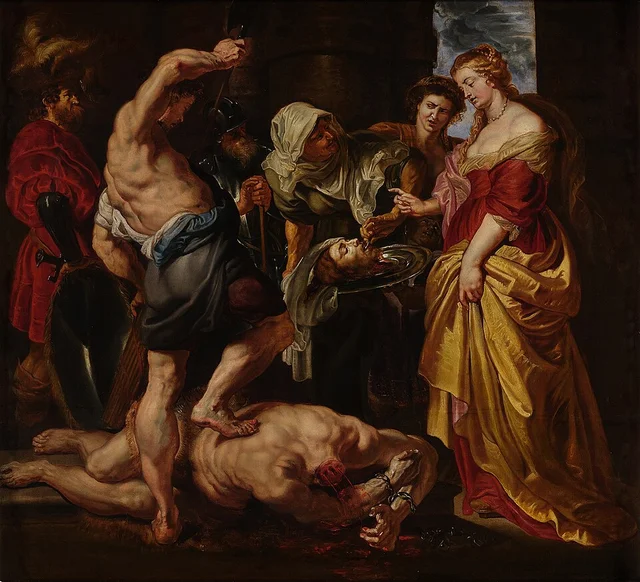 A cabeça de São João Batista apresentada a SaloméPedro Paulo Rubens, 1609
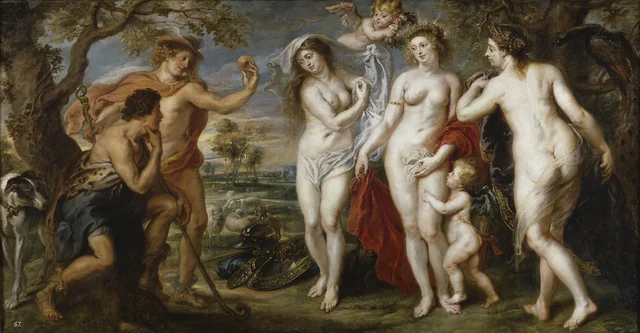 O Julgamento de ParisPedro Paulo Rubens, 1638
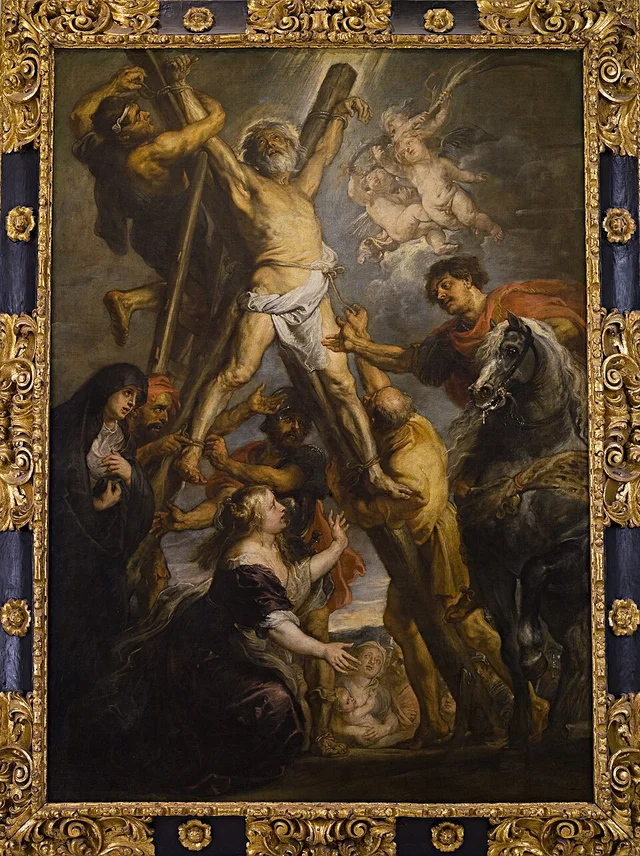 O Martírio de Santo AndréPedro Paulo Rubens, 1639