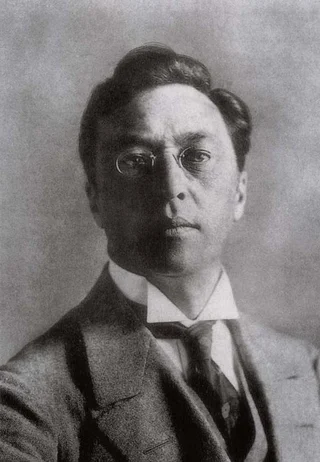
Wassily Kandinsky
1866–1944 · Império Russo · Expressionismo
A história
Wassily Kandinsky chegou à pintura tarde e por opção própria. Nasceu em Moscou em 1866, formou-se em direito, teve um desempenho bom o bastante para lhe oferecerem uma cátedra universitária em direito romano e, então, aos 30 anos, recusou tudo para se mudar para Munique e aprender a pintar. Mais tarde, apontou dois choques que o impulsionaram: um quadro de Monet com pilhas de feno que mal conseguia reconhecer como tal, e uma ópera de Wagner que lhe encheu a cabeça de cores enquanto ouvia.
Essa última parte não era mera figura de linguagem. Kandinsky parece ter realmente vivenciado o som como cor e a cor como som, e passou a acreditar que uma pintura poderia agir sobre quem a observa da mesma forma que a música, sem precisar mostrar nenhum objeto reconhecível. Por volta de 1910, começou a fazer algumas das primeiras pinturas puramente abstratas da arte europeia, telas de manchas e linhas flutuantes com títulos tomados de empréstimo da música, como Composição e Improvisação.
Em 1911, junto com o pintor Franz Marc, fundou em Munique um grupo chamado O Cavaleiro Azul, unido de forma livre pela ideia de que a arte deveria buscar o espiritual. A Primeira Guerra Mundial dispersou o grupo e mandou Kandinsky de volta à Rússia. Ele retornou à Alemanha na década de 1920 para lecionar na Bauhaus, a famosa escola de design, onde suas formas se tornaram mais rígidas e geométricas, cheias de círculos e ângulos duros. Quando os nazistas fecharam a Bauhaus e classificaram sua obra como degenerada, ele partiu para Paris. Morreu ali perto, em Neuilly, em 1944.
Mais artigos
Obras
312 obras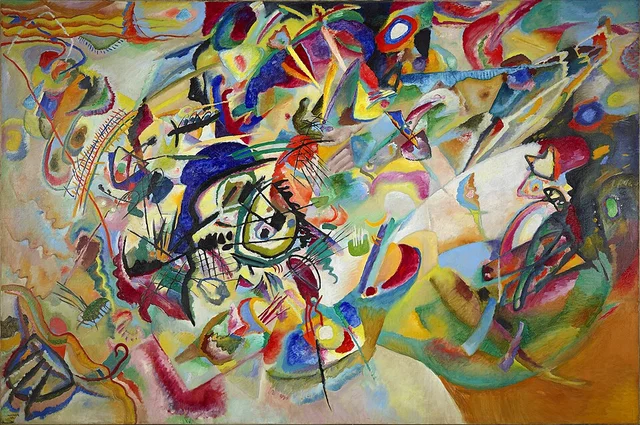 Composição VIIWassily Kandinsky, 1913
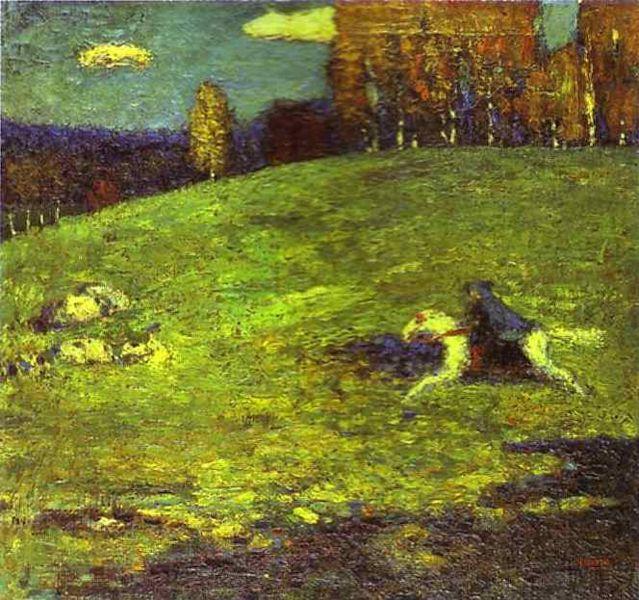 O Cavaleiro AzulWassily Kandinsky, 1903
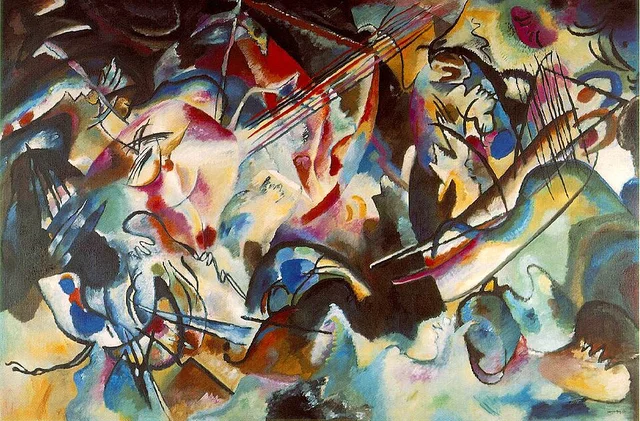 Composição VIWassily Kandinsky, 1913
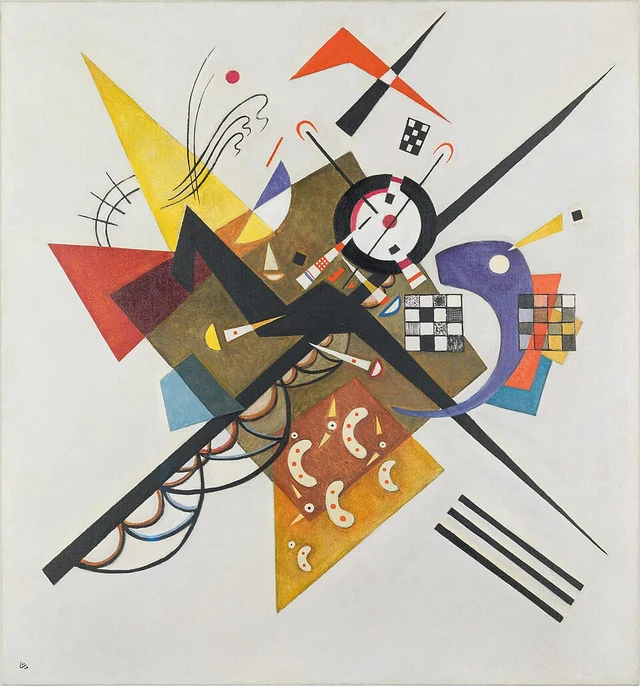 Sobre Branco IIWassily Kandinsky, 1923
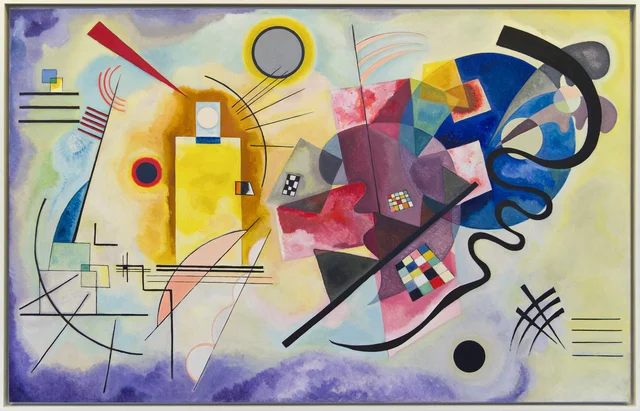 Amarelo-Vermelho-AzulWassily Kandinsky, 1925
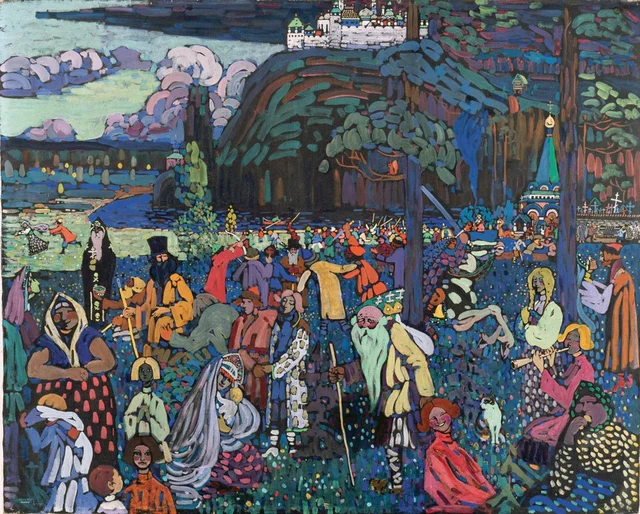 A vida coloridaWassily Kandinsky, 1907
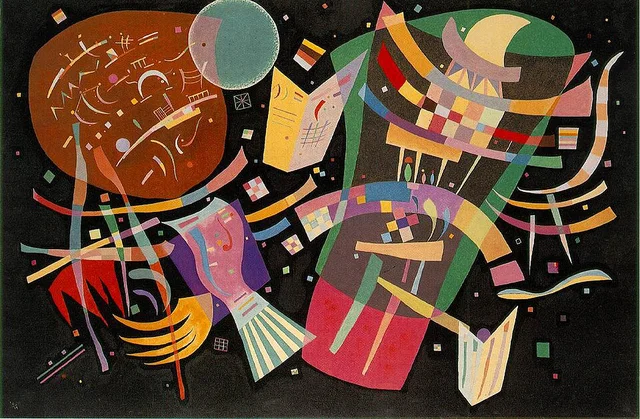 Composição XWassily Kandinsky, 1939
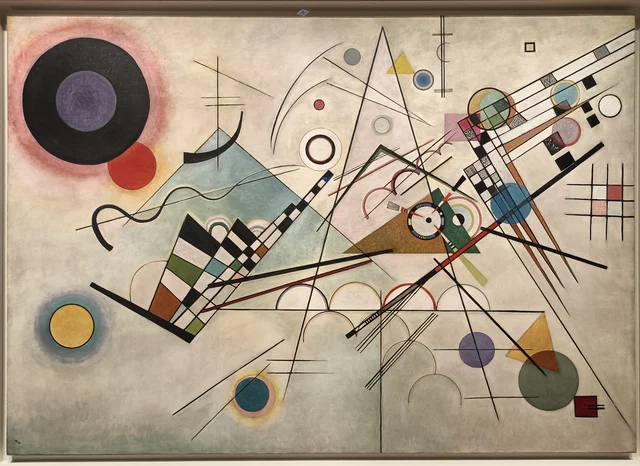 Composição VIIIWassily Kandinsky, 1923
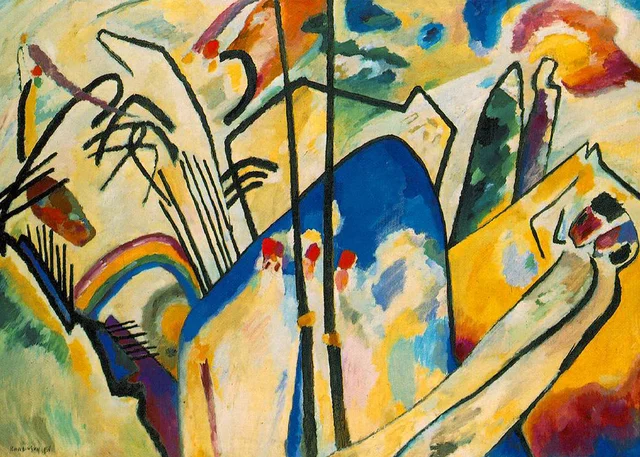 Composição IVWassily Kandinsky, 1911
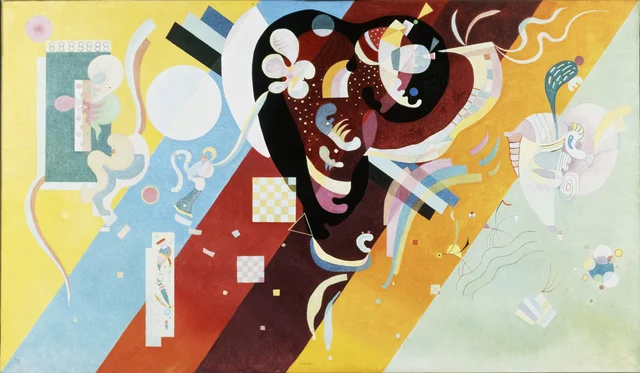 Composição IXWassily Kandinsky, 1936
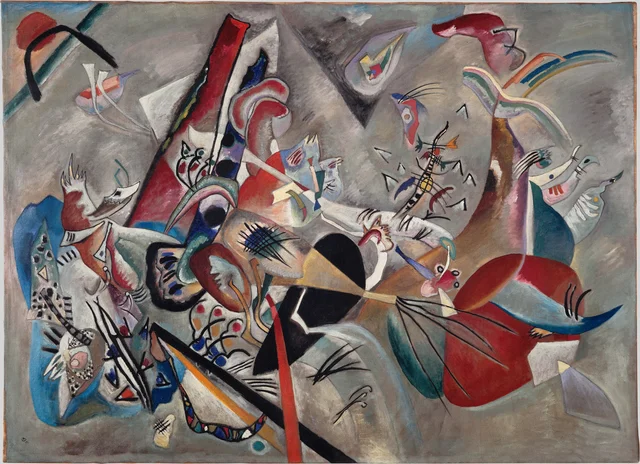 Em cinzaWassily Kandinsky, 1919
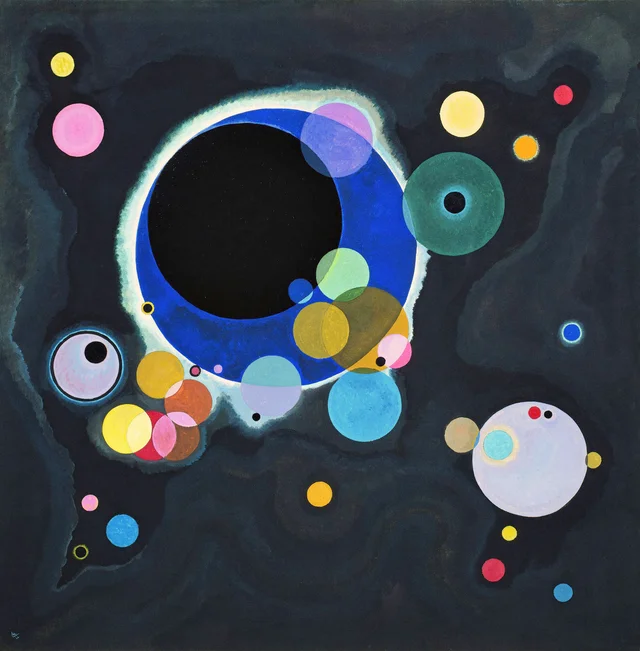 Vários círculosWassily Kandinsky, 1926
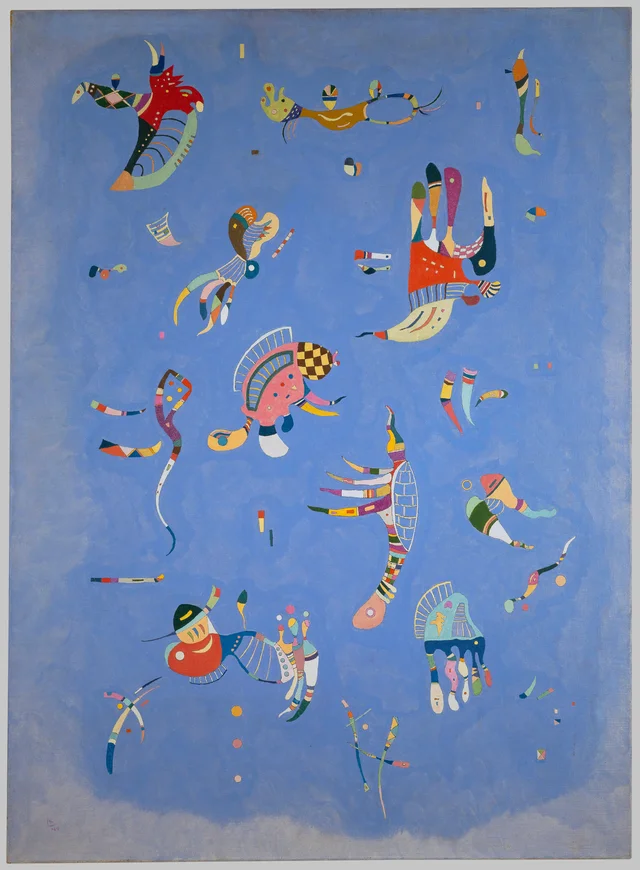 Azul-céuWassily Kandinsky, 1940
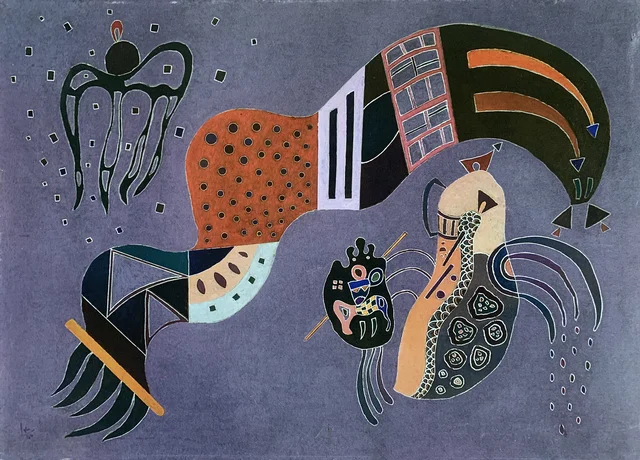 Ímpeto temperadoWassily Kandinsky, 1944
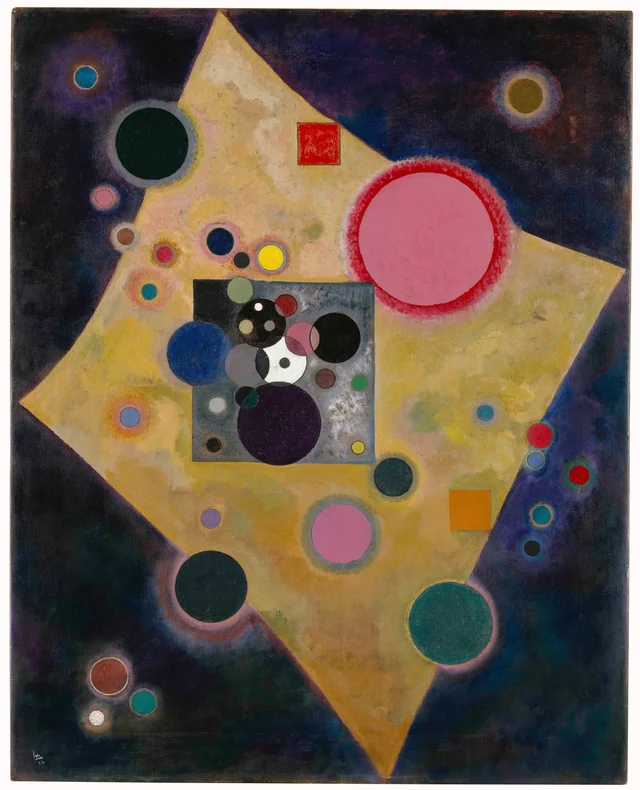 Acento em RosaWassily Kandinsky, 1926
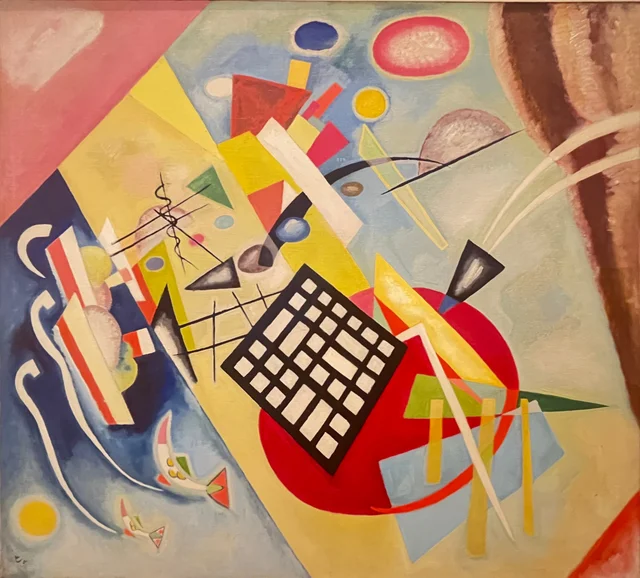 Grade pretaWassily Kandinsky, 1922
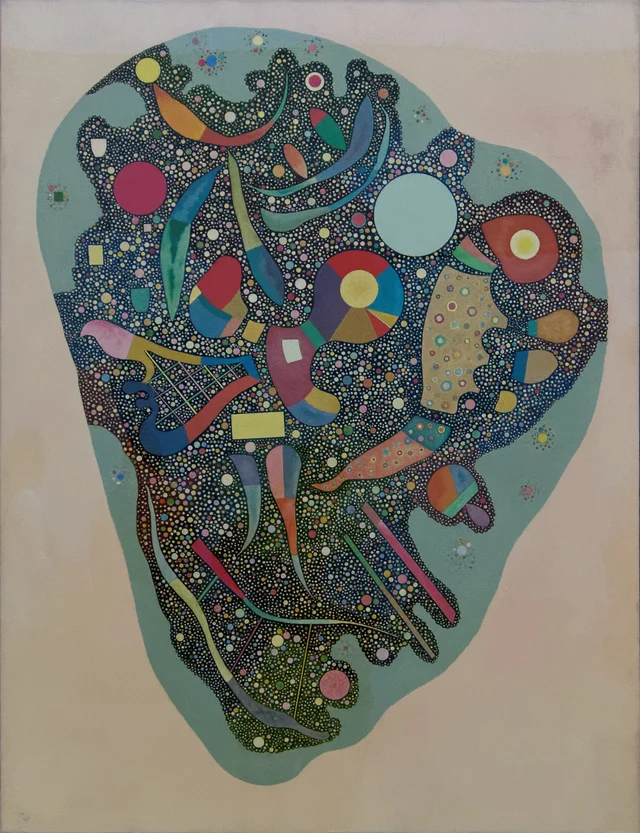 Conjunto ColoridoWassily Kandinsky, 1938
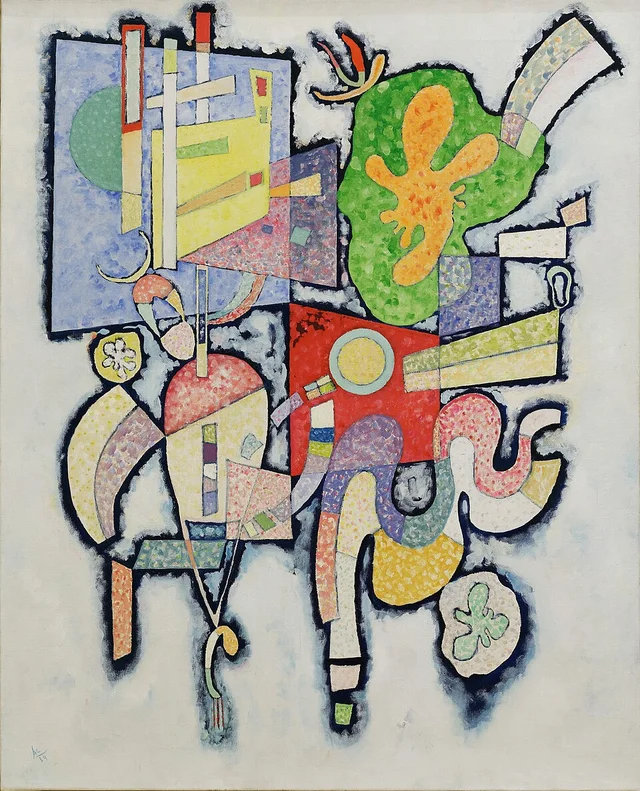 Complexo-SimplesWassily Kandinsky, 1939
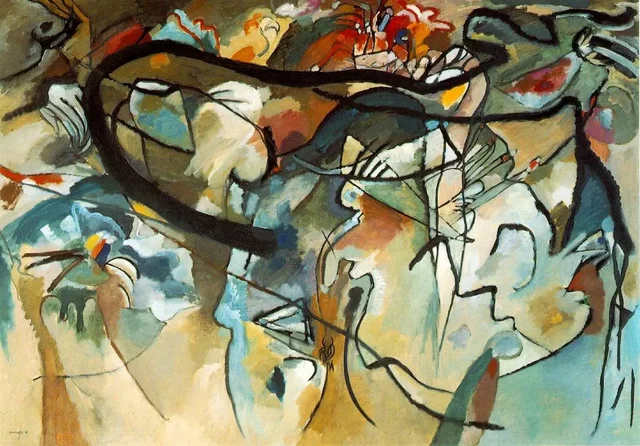 Composição VWassily Kandinsky, 1911
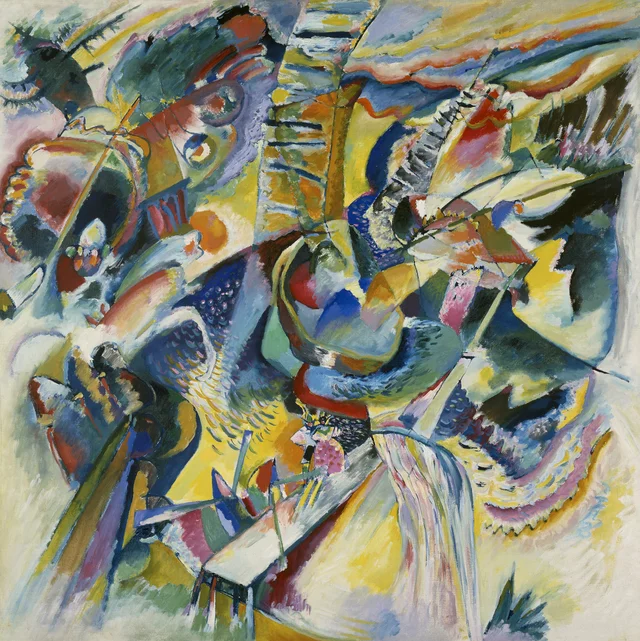 DesfiladeiroWassily Kandinsky, 1914
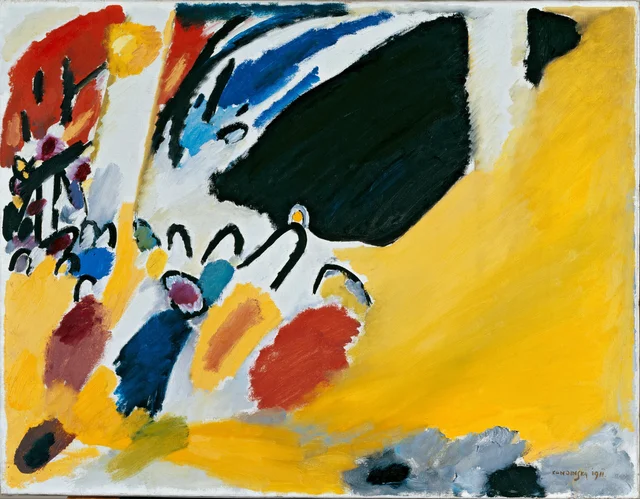 Impressão III (Concerto)Wassily Kandinsky, 1911
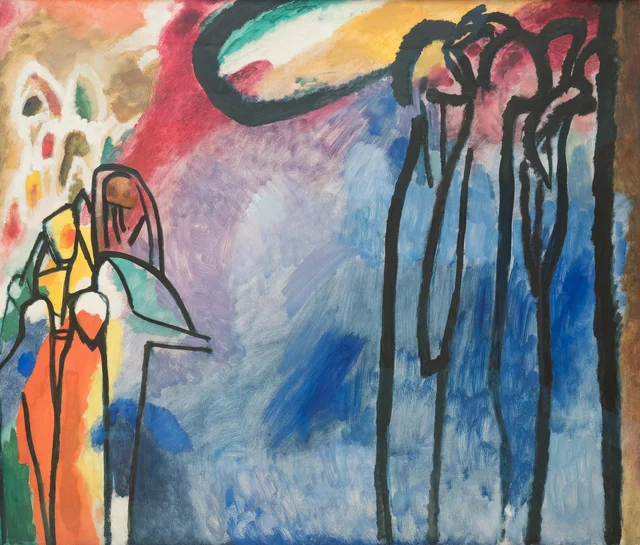 Improvisação 19Wassily Kandinsky, 1911
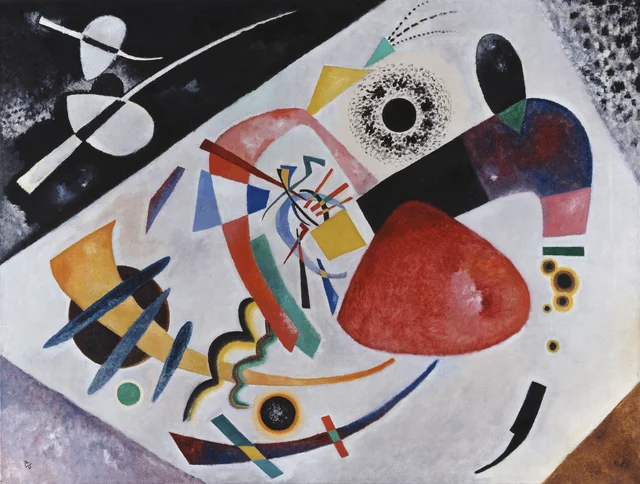 Mancha Vermelha IIWassily Kandinsky, 1921
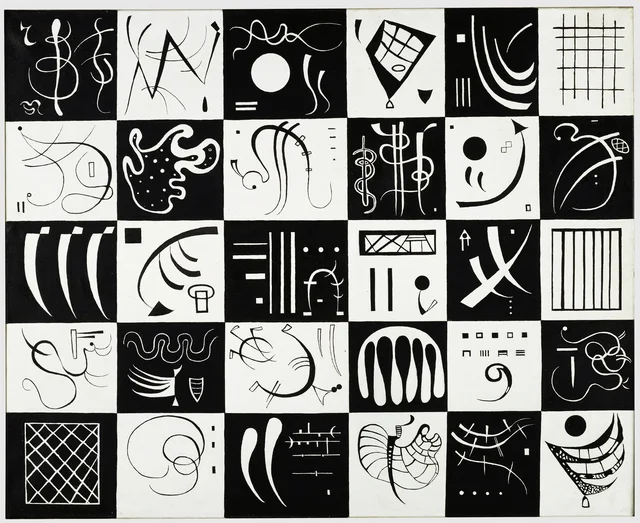 TrintaWassily Kandinsky, 1937
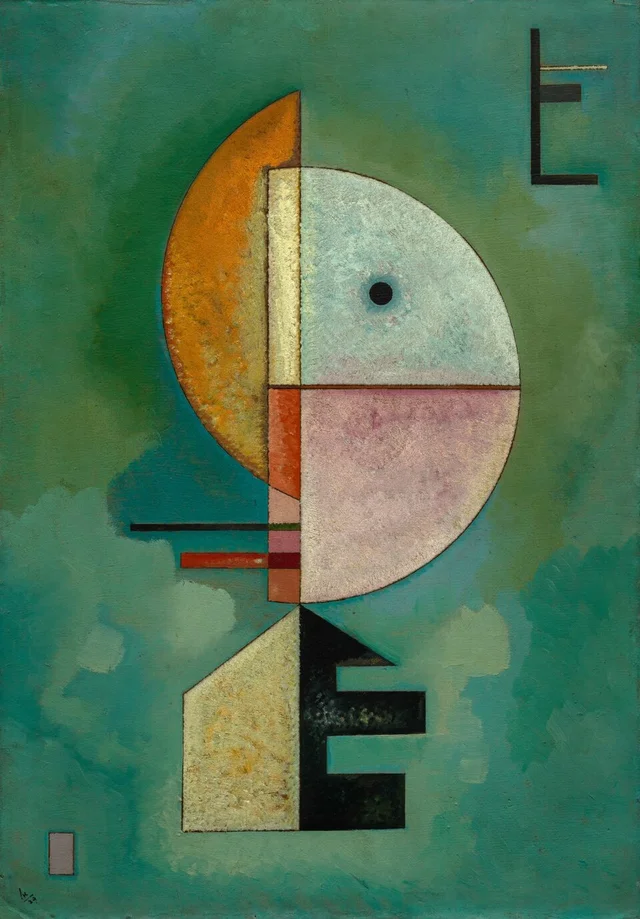 Para CimaWassily Kandinsky, 1929