A história
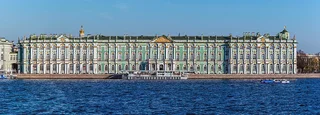
A maior parte do Hermitage ocupa o Palácio de Inverno, a residência barroca verde e branca dos czares russos à margem do Neva, em São Petersburgo. A coleção começou ali como um prazer privado. Em 1764 a imperatriz Catarina, a Grande, adquiriu 225 pinturas holandesas e flamengas que um comerciante de Berlim, Johann Gotzkowsky, reunira para o rei da Prússia, o qual, arruinado após uma longa guerra, nunca as pagou. Catarina pagou, e as pendurou em salas tão reservadas que as chamou de seu eremitério, um refúgio onde quase ninguém tinha permissão de entrar.
Dois séculos e meio de aquisições depois, é uma das maiores coleções de arte do mundo. Sobe-se a Escadaria de Jordão sob ouro e espelhos rumo às pinturas que atraem o público: O Retorno do Filho Pródigo de Rembrandt, as mãos do velho pai pousadas nas costas do filho esfarrapado, e duas pequenas Madonas de Leonardo da Vinci, a Benois e a Litta, pintadas em sua juventude. Numa das salas, um Relógio do Pavão em tamanho natural, um autômato inglês do século 18, ainda abre sua cauda dourada quando lhe dão corda.
O edifício passou por muita coisa. Um incêndio devastou o palácio em 1837, a revolução de 1917 varreu o último czar dessas salas, e quando as forças alemãs sitiaram Leningrado em 1941 a equipe engradou mais de um milhão de objetos e os enviou para leste, aos Urais, deixando as molduras vazias penduradas nas paredes. Os guias faziam visitas guiadas a essas molduras vazias durante todo o cerco. As obras voltaram quando ele terminou, e os gatos mantidos nos porões para caçar ratos, tradição que remonta aos tempos de Catarina, ainda constam da folha de pagamento.
Acervo
248 obras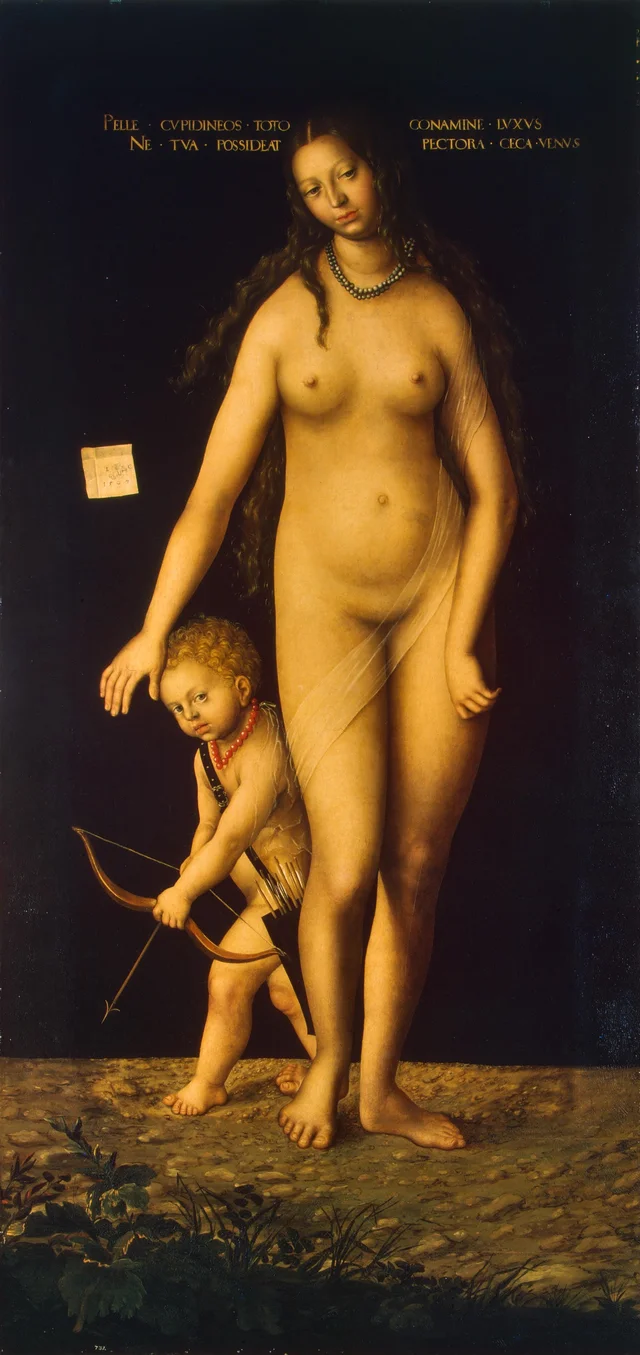 Vênus e CupidoLucas Cranach, o Velho, 1509
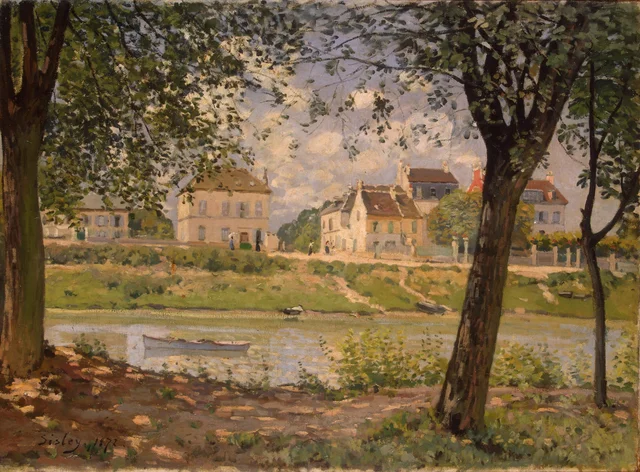 Aldeia às Margens do SenaAlfred Sisley, 1872
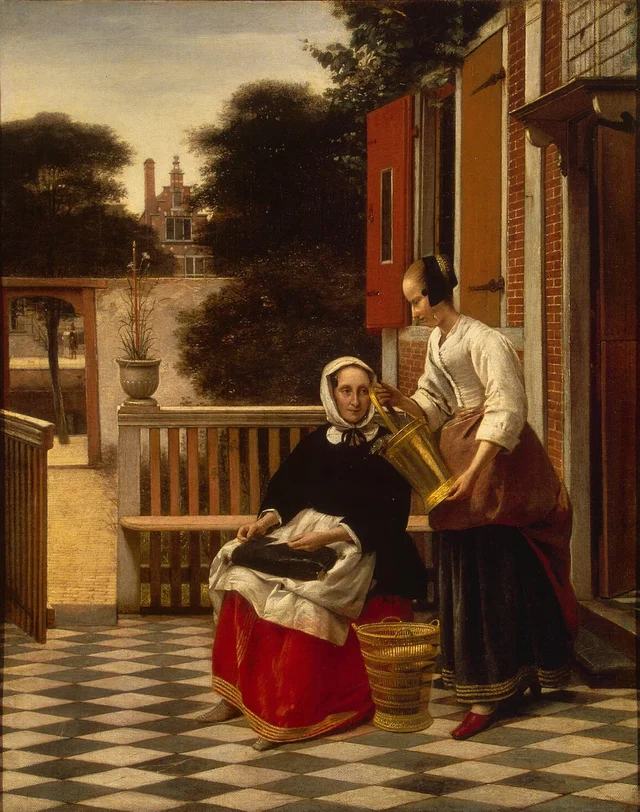 Mulher e criada com um balde de peixe num pátioPieter de Hooch, 1660
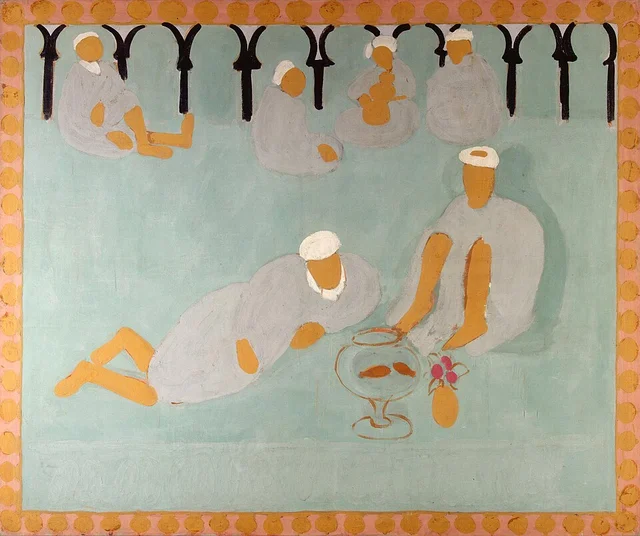 Café ÁrabeHenri Matisse, 1913
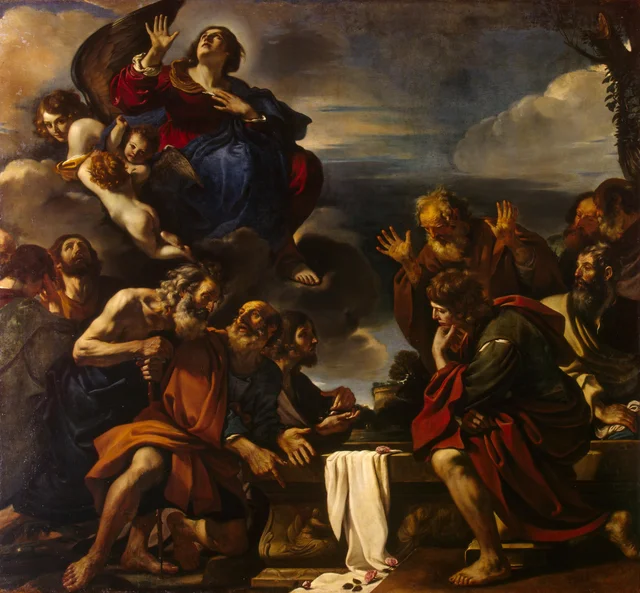 A Assunção da Virgem MariaGuercino, 1623
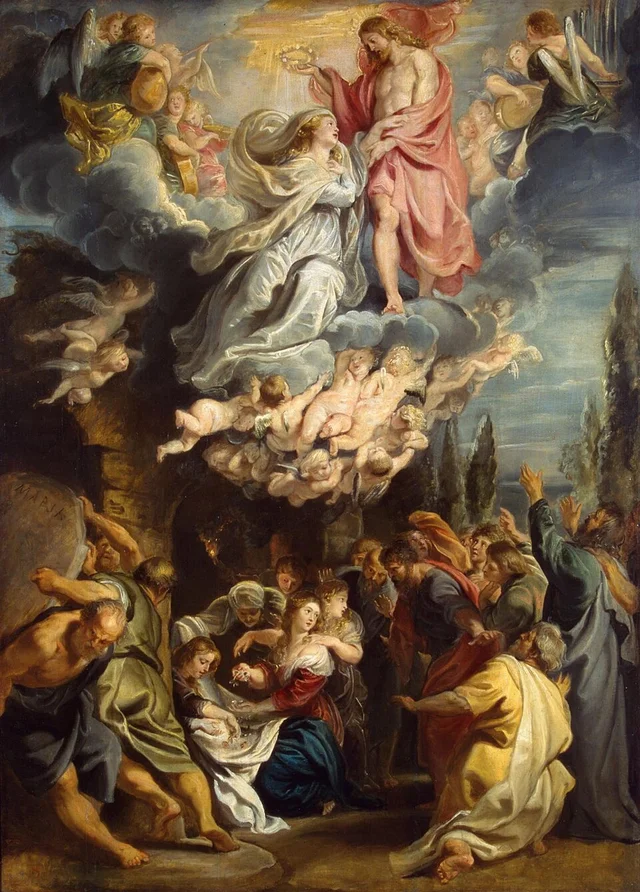 Coroação e Assunção da VirgemPedro Paulo Rubens, 1611
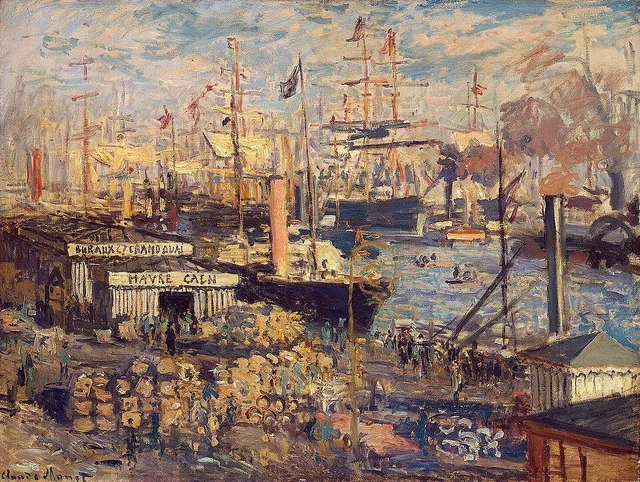 O cais de Le HavreClaude Monet, 1874
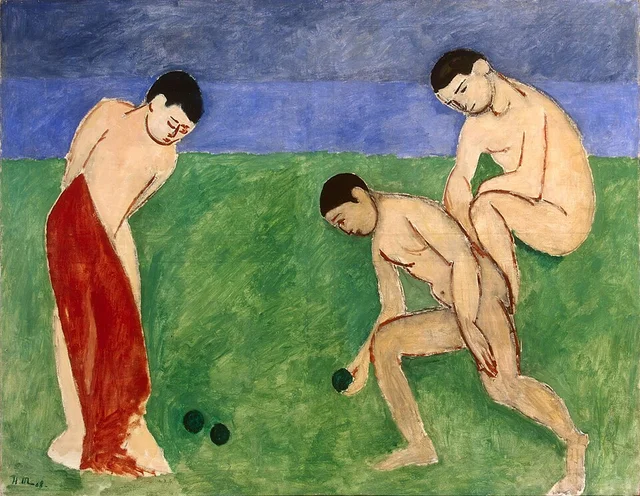 Jogo de bochaHenri Matisse, 1908
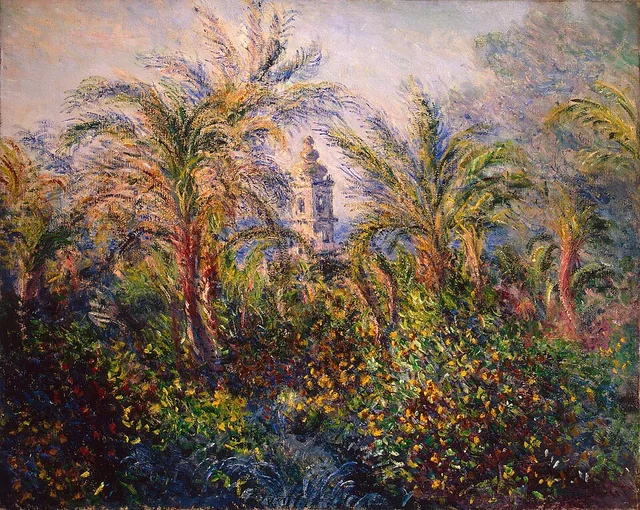 Jardim em Bordighera, impressão da manhãClaude Monet, 1884
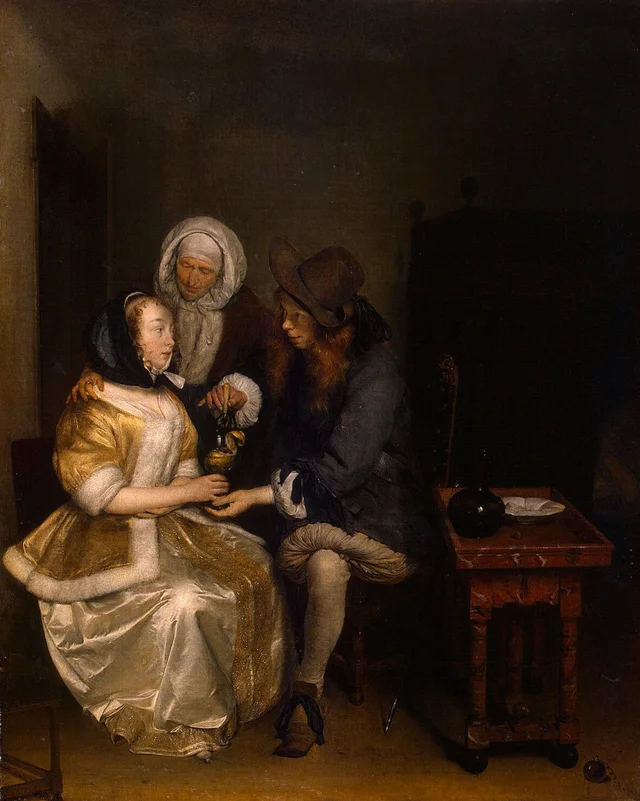 O copo de limonadaGerard ter Borch, 1663
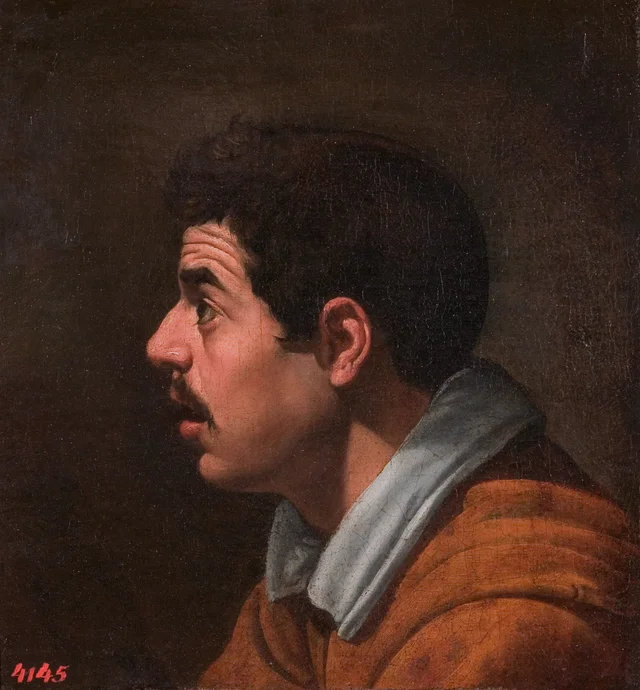 Cabeça de Homem de PerfilDiego Velázquez, 1618
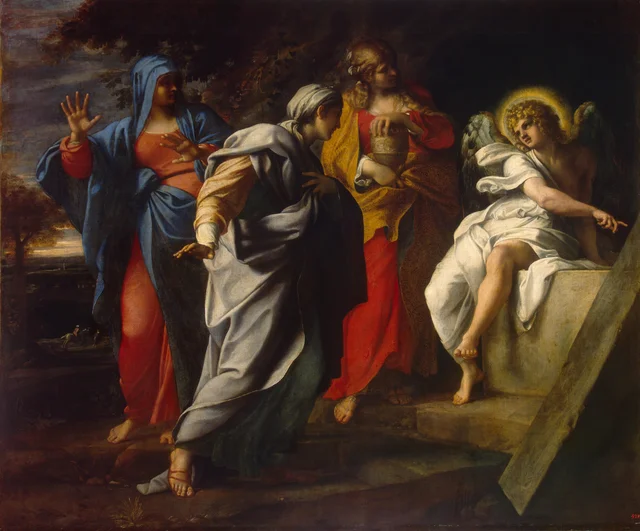 As Santas Mulheres no Túmulo de CristoAnnibale Carracci, 1590
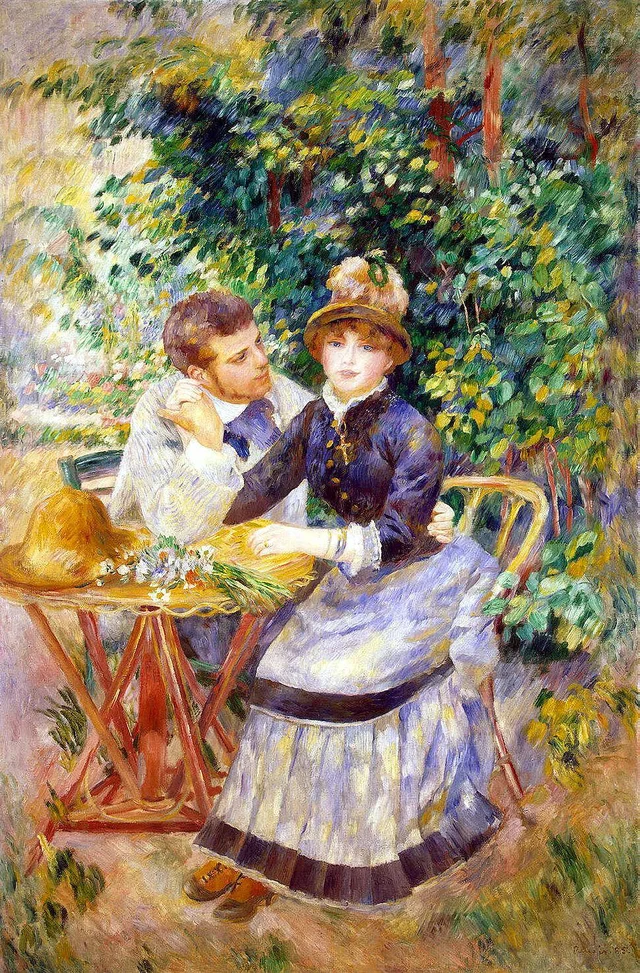 No JardimPierre-Auguste Renoir, 1885
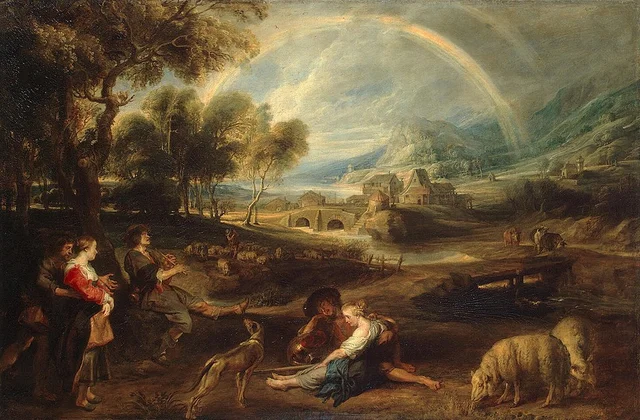 Paisagem com Arco-ÍrisPedro Paulo Rubens, 1632
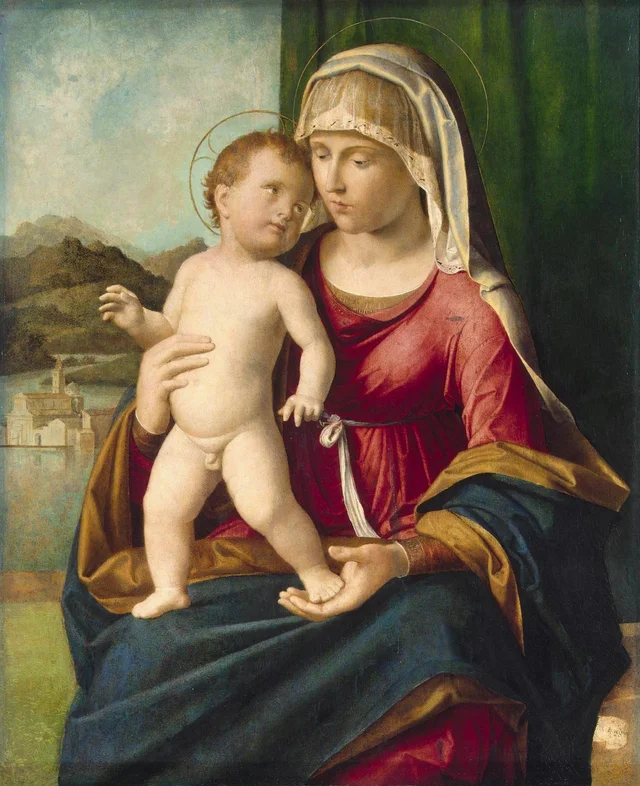 Virgem com o MeninoGiovanni Battista Cima da Conegliano, 1496
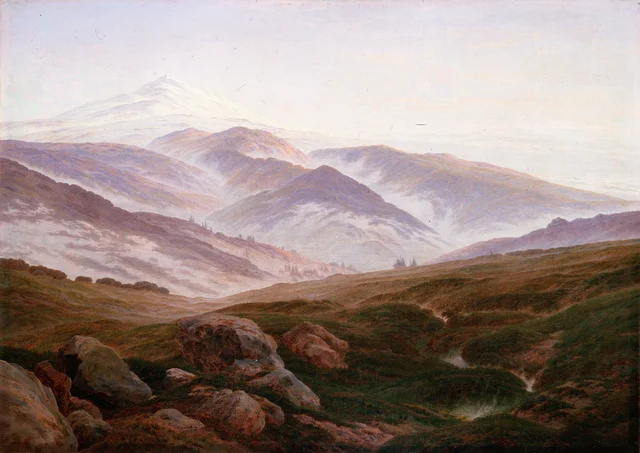 Recordação das Montanhas dos GigantesCaspar David Friedrich, 1835
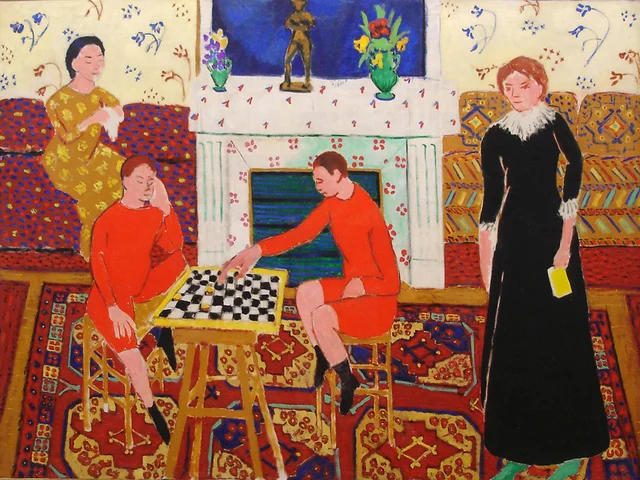 A Família do PintorHenri Matisse, 1911
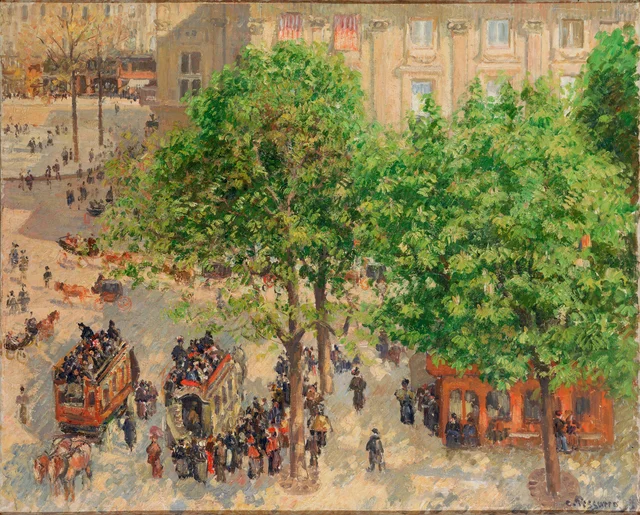 Praça do Théâtre-Français na primaveraCamille Pissarro, 1898
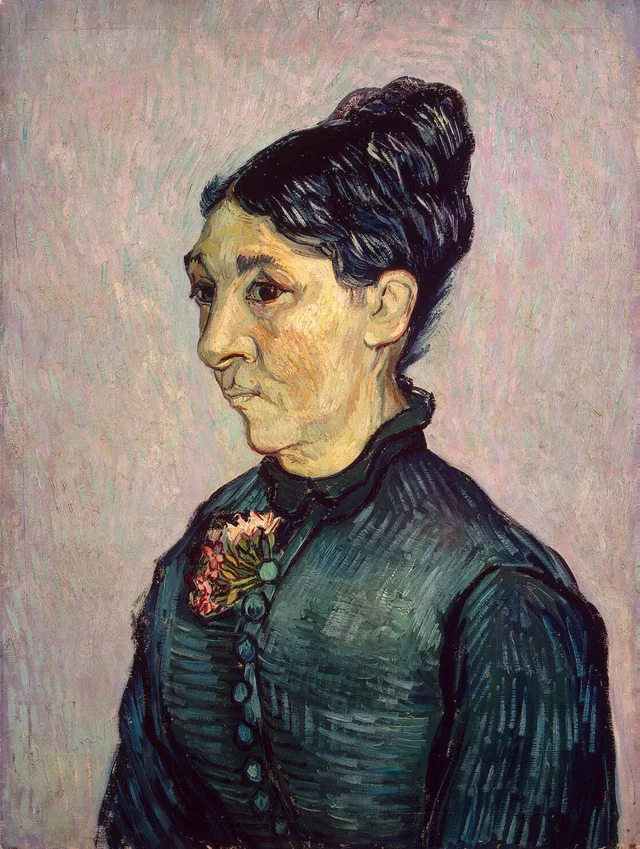 Retrato de Madame TrabucVincent van Gogh, 1889
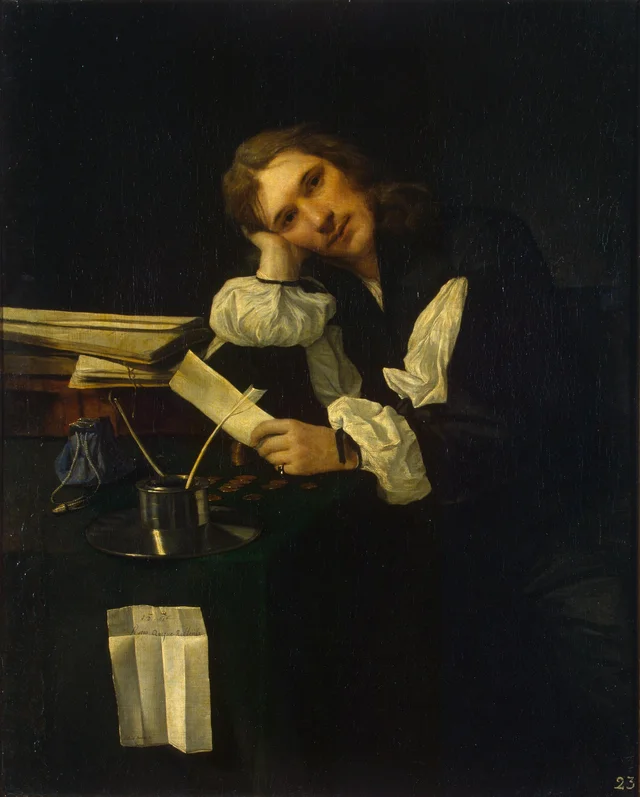 Retrato de um jovemMichiel Sweerts, 1656
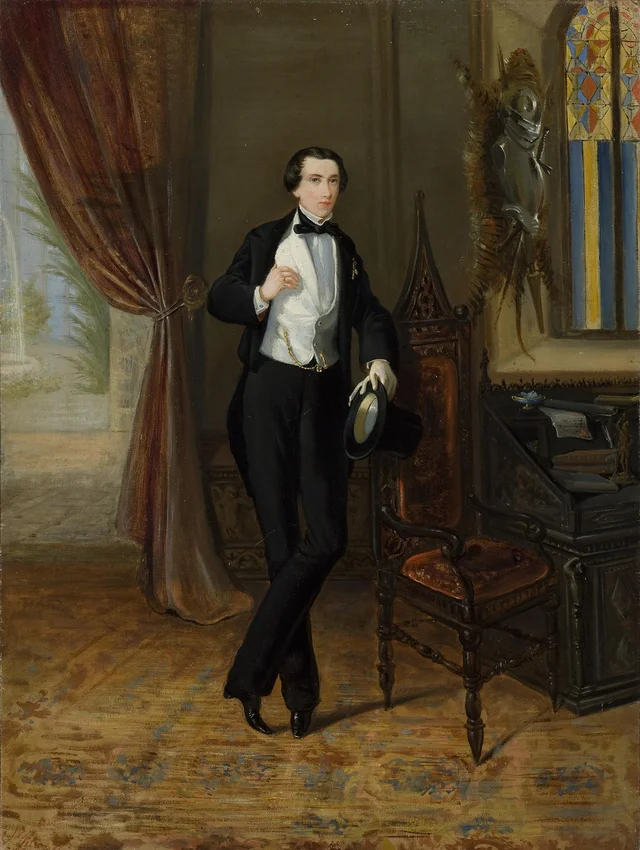 Retrato do Jovem Príncipe N. B. YusupovVincenzo Petrocelli, 1851
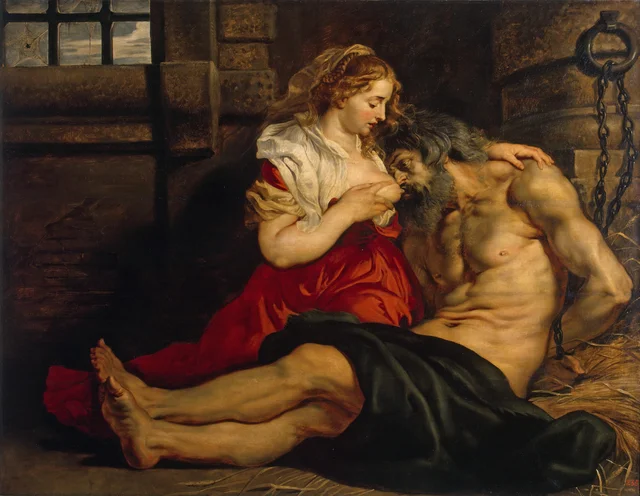 Caridade romanaPedro Paulo Rubens, 1612
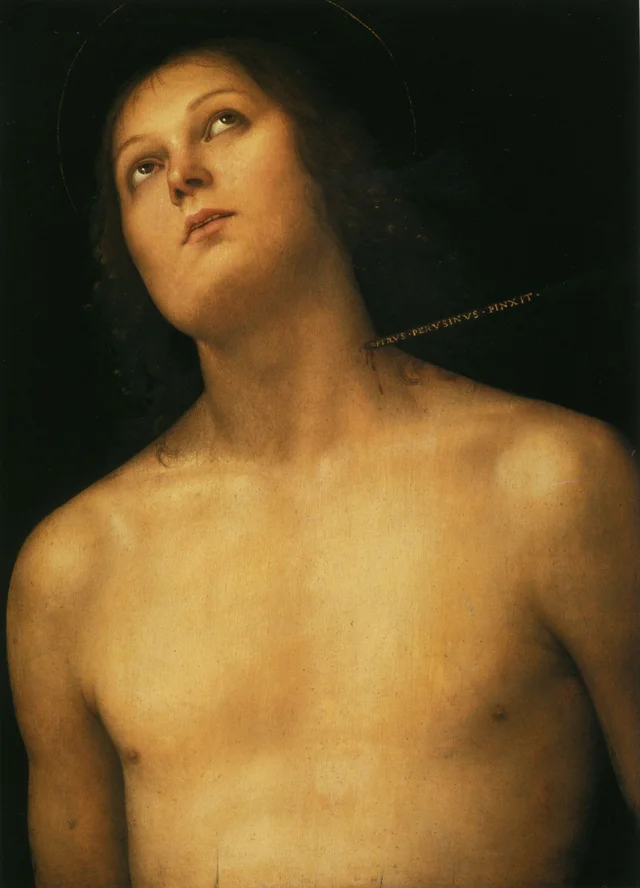 São SebastiãoPietro Perugino, 1493
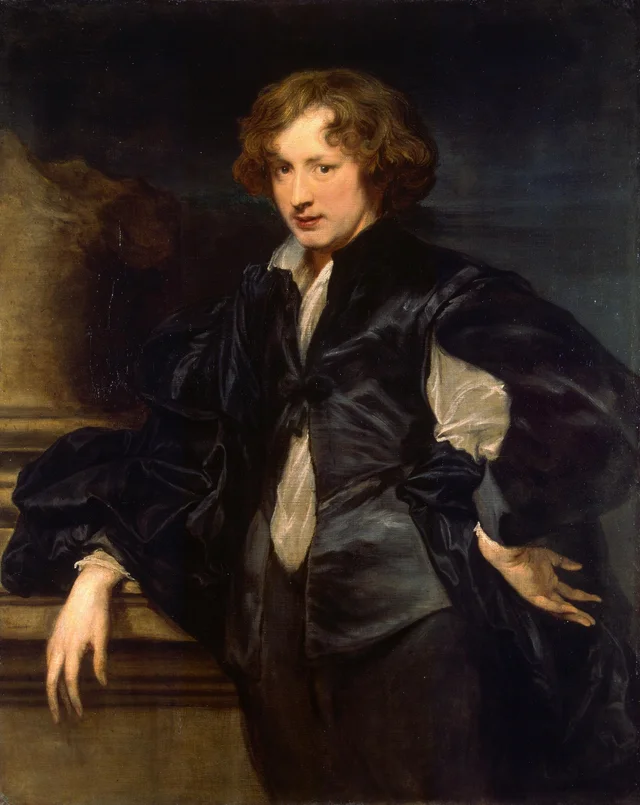 AutorretratoAnton van Dyck, 1622
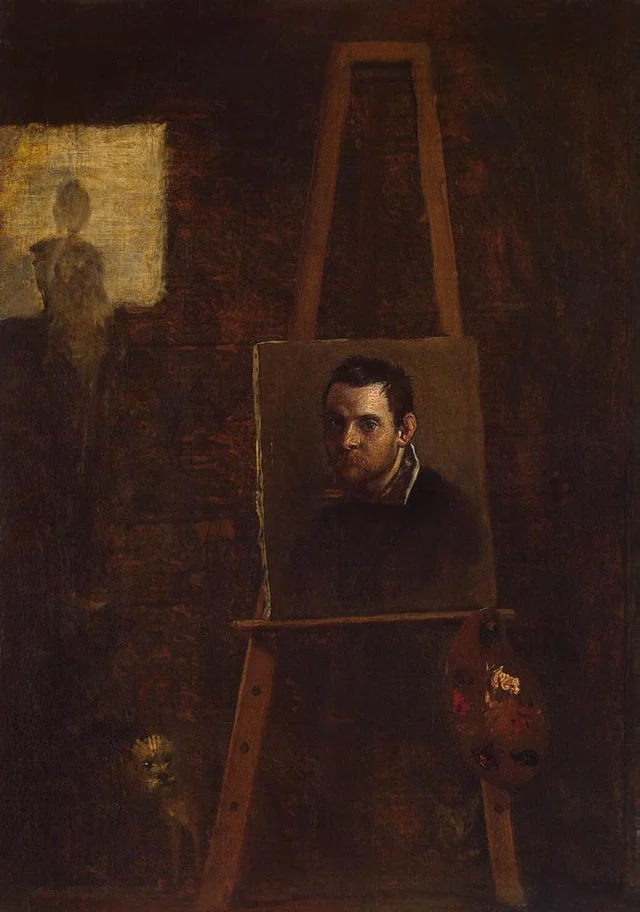 Autorretrato no cavaleteAnnibale Carracci, 1604