A história
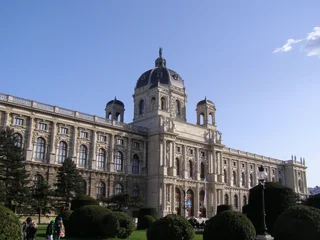
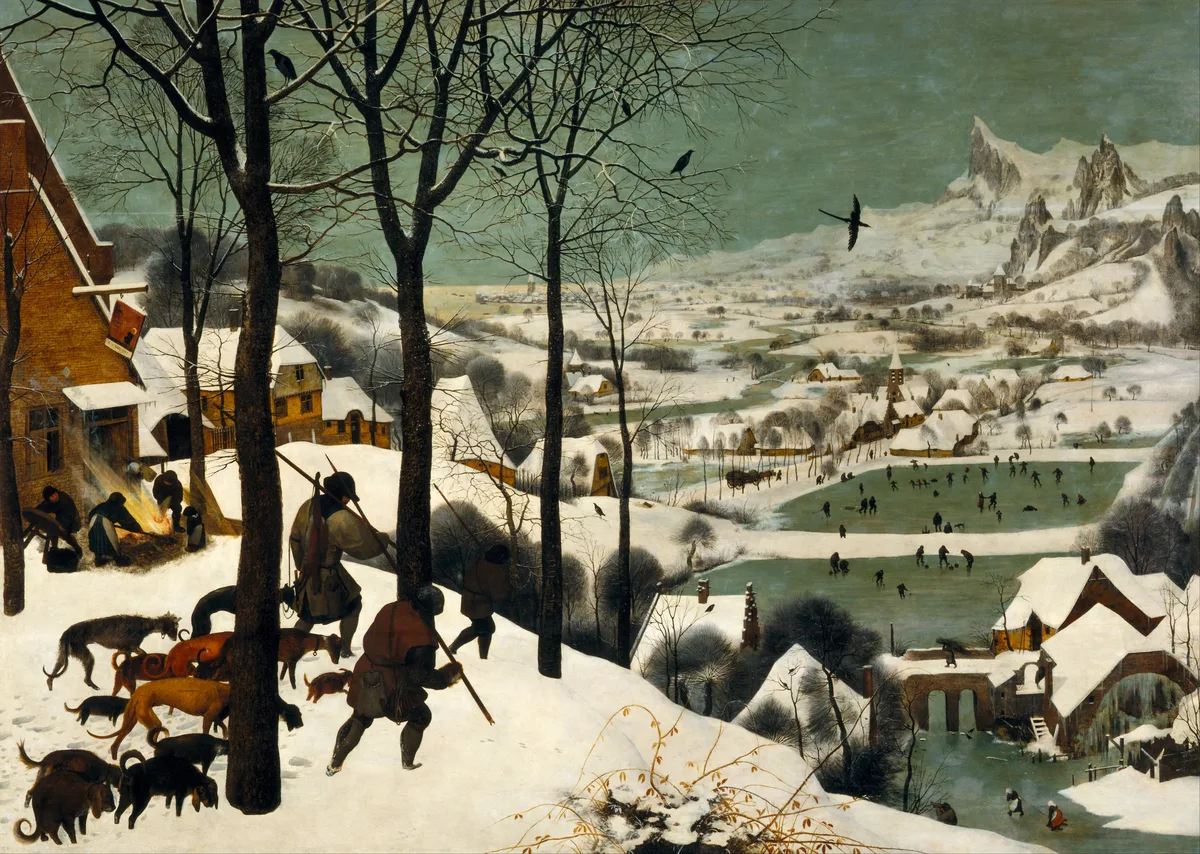
Uma sala no primeiro andar reúne mais pinturas de Pieter Bruegel, o Velho, do que qualquer outro lugar na Terra, cerca de uma dúzia, entre elas os Caçadores na Neve, a fila de caçadores cansados e seus cães arrastando-se por uma colina acima de um vale gelado, pintada em 1565. Que Viena os possua se deve aos Habsburgo, a dinastia que governou boa parte da Europa por séculos e gastou parte considerável desse poder comprando arte.
O museu foi construído para exibir exatamente isso. O imperador Franz Joseph o inaugurou em 1891 na Ringstraße, a grande avenida traçada onde ficavam as antigas muralhas de Viena, num edifício palaciano de Gottfried Semper e Karl von Hasenauer, cuja escadaria foi decorada pelo jovem Gustav Klimt antes de ele virar o Klimt do ouro e do escândalo. A ideia era reunir as coleções imperiais dispersas sob um só teto e deixar o público entrar.
Por isso as paredes se leem como um inventário do alcance dos Habsburgo. A Arte da Pintura de Vermeer, o artista visto de costas diante do cavalete, que a família guardou como um de seus tesouros. Salas de Ticiano, Rubens e Velázquez, cujos retratos de corte espanhóis de pequenas e solenes princesas chegaram a Viena pelos casamentos que uniram os dois ramos da família. E abaixo das galerias de pintura fica a Kunstkammer, um labirinto de marfim entalhado, autômatos de relojoaria e taças de pedras preciosas reunido por imperadores que queriam o estranho e o engenhoso tanto quanto o belo. Seu objeto mais famoso é um saleiro de ouro feito por Benvenuto Cellini para o rei da França.
Mais artigos
Acervo
381 obras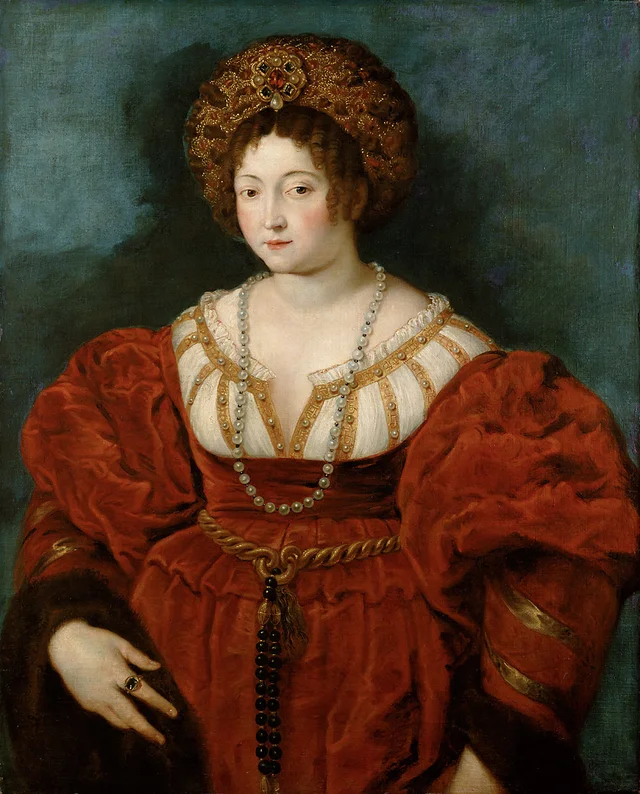 Isabela d'EstePedro Paulo Rubens, 1605
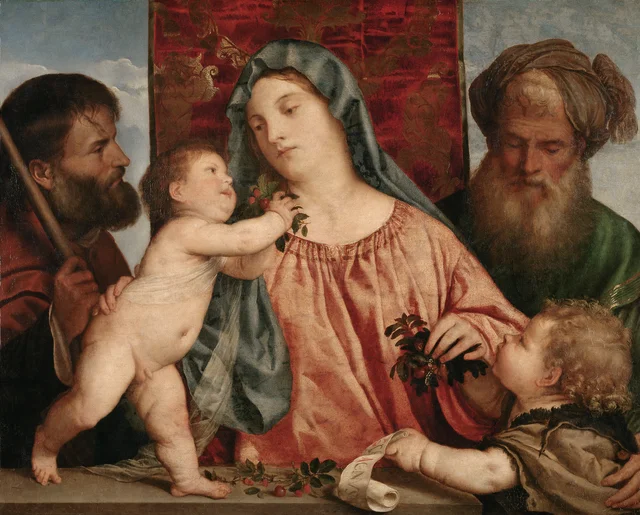 A Madona das CerejasTiciano, 1517
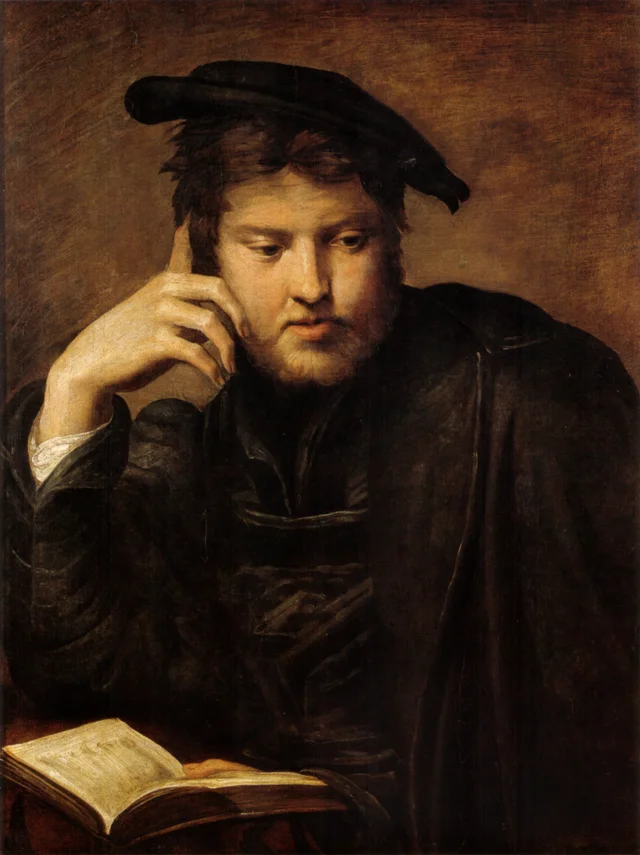 Homem segurando um livroParmigianino, 1529
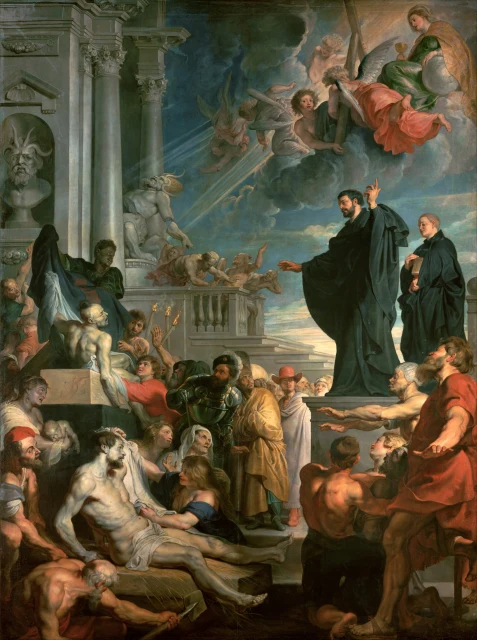 Milagres de São Francisco XavierPedro Paulo Rubens, 1617
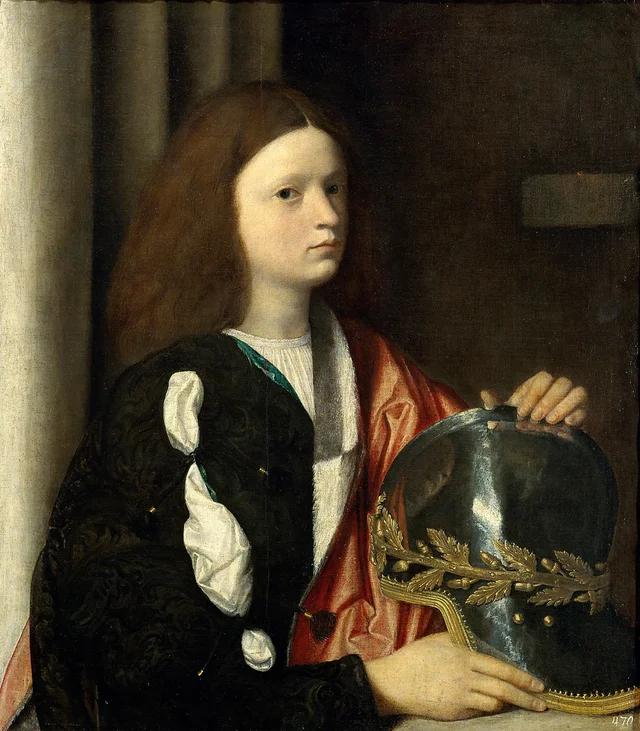 Retrato de Francesco Maria della RovereGiorgione, 1502
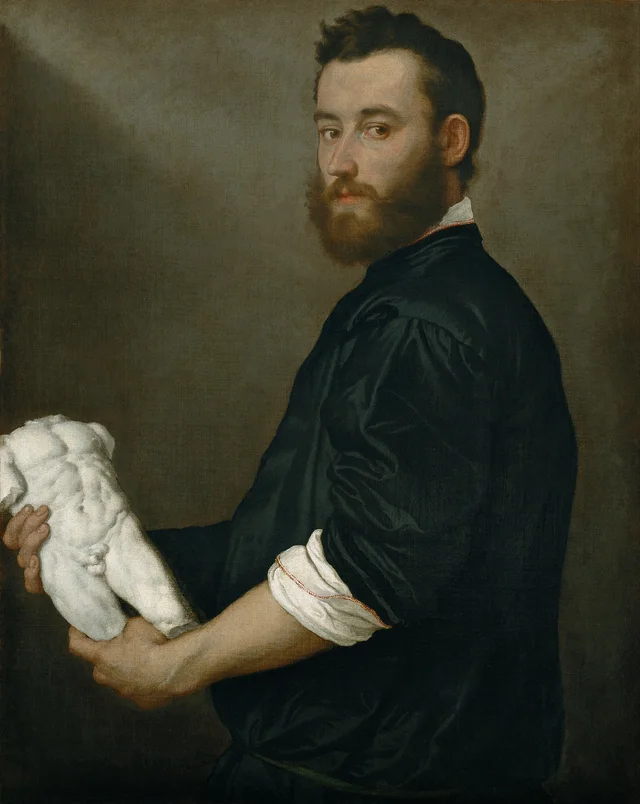 Retrato do Escultor Alessandro VittoriaGiovanni Battista Moroni, 1552
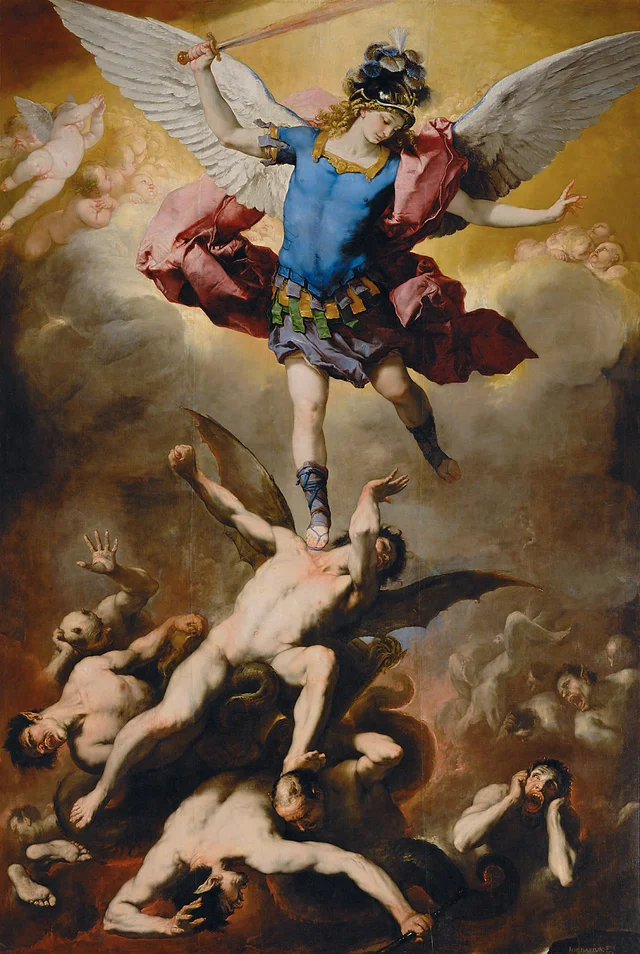 A Queda dos Anjos RebeldesLuca Giordano, 1666
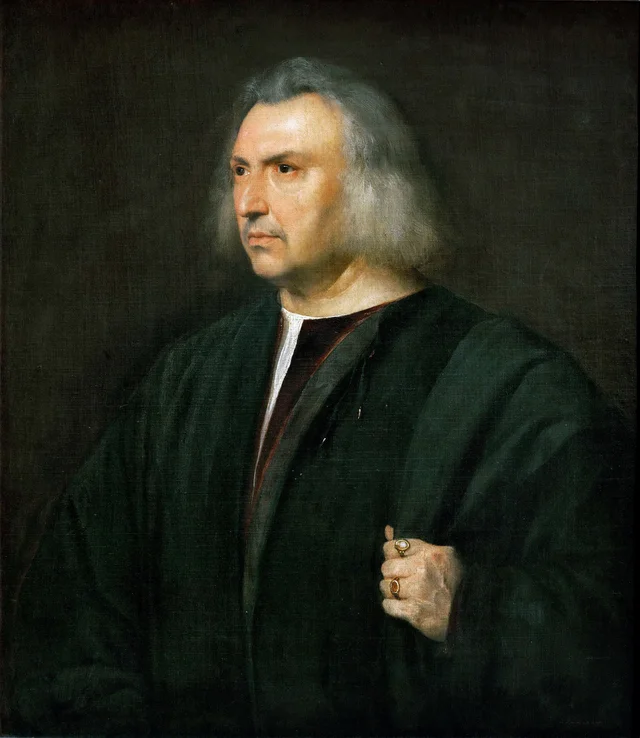 O médico Gian Giacomo Bartolotti da ParmaTiciano, 1516
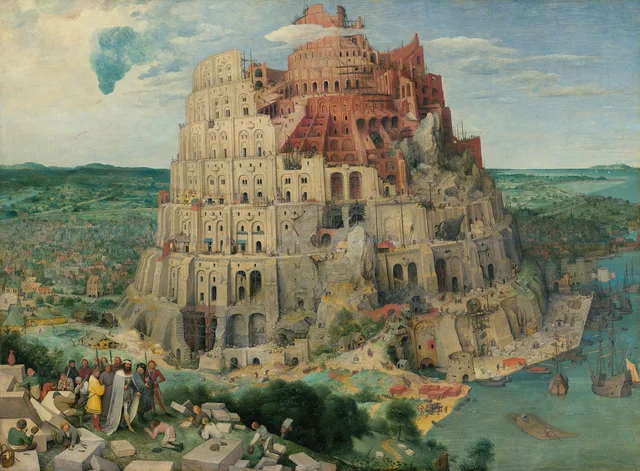 A Torre de BabelPieter Brueghel, o Velho, 1563
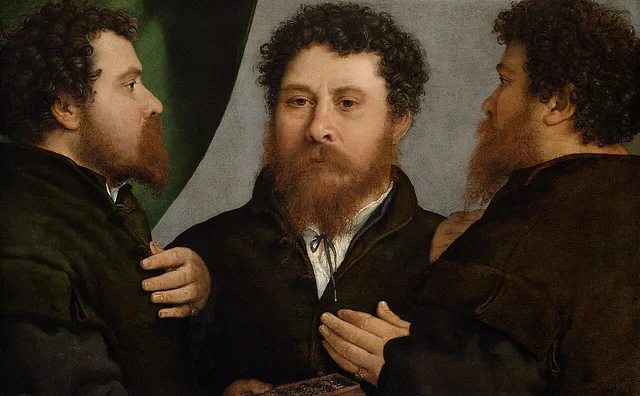 Retrato Triplo de um Ourives (Bartolomeo Carpan?)Lorenzo Lotto, 1530
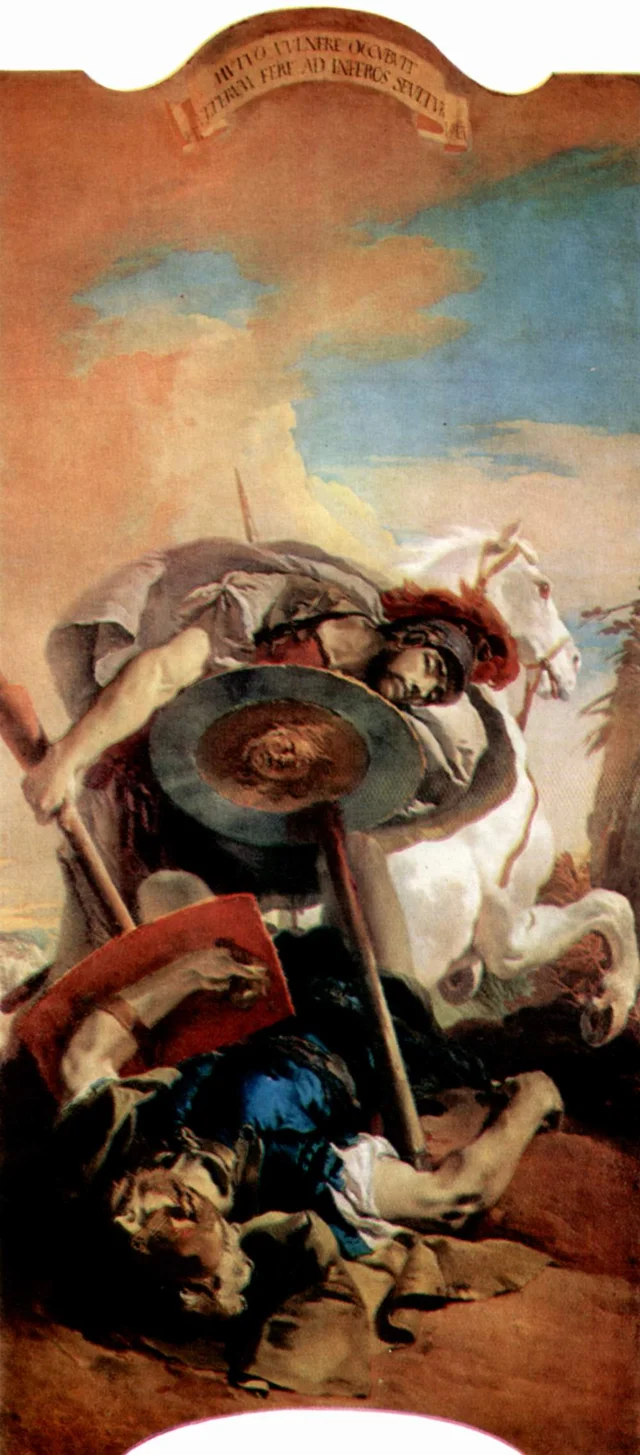 Morte do Cônsul Lúcio Júnio Bruto em Duelo com ArunsGiovanni Battista Tiepolo, 1727
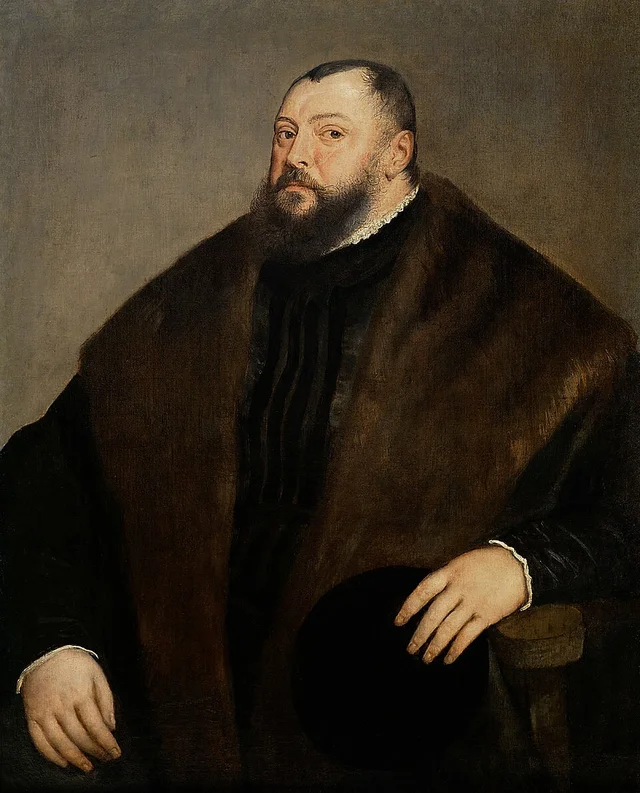 João Frederico, Eleitor da SaxôniaTiciano, 1550
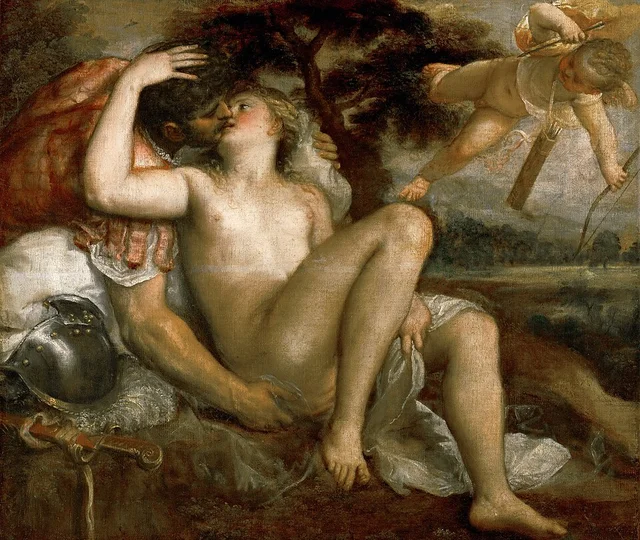 Marte, Vênus e AmorTiciano, 1550
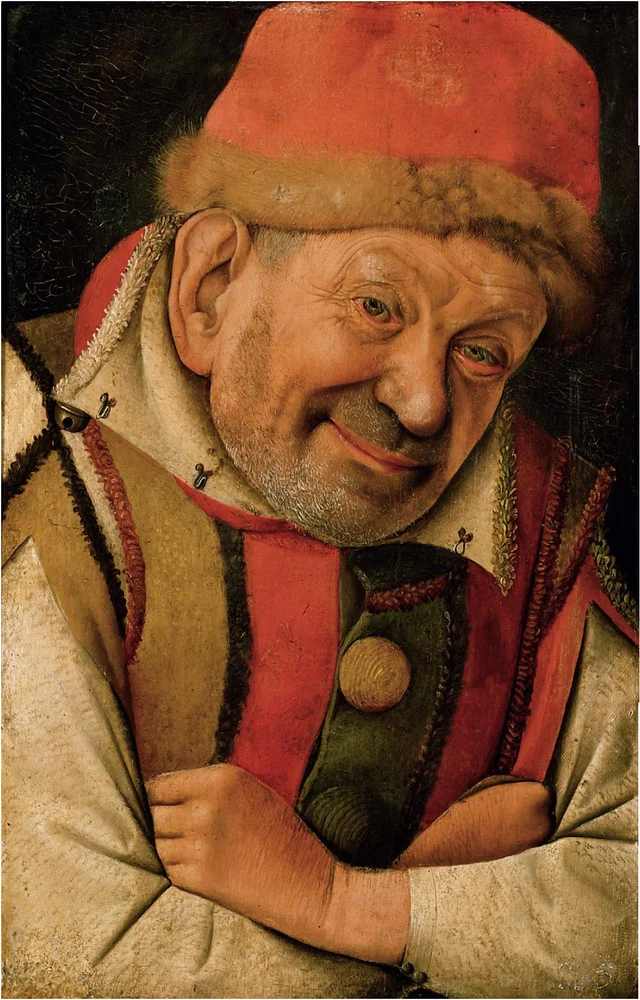 Retrato do bobo da corte GonellaJean Fouquet, 1447
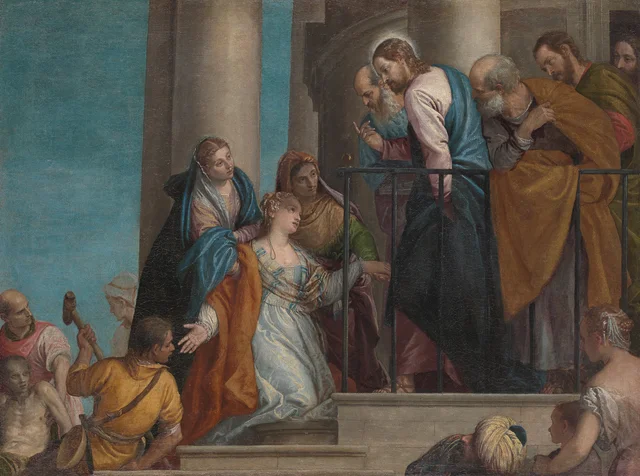 A Ressurreição do Jovem de NaimPaolo Veronese, 1560
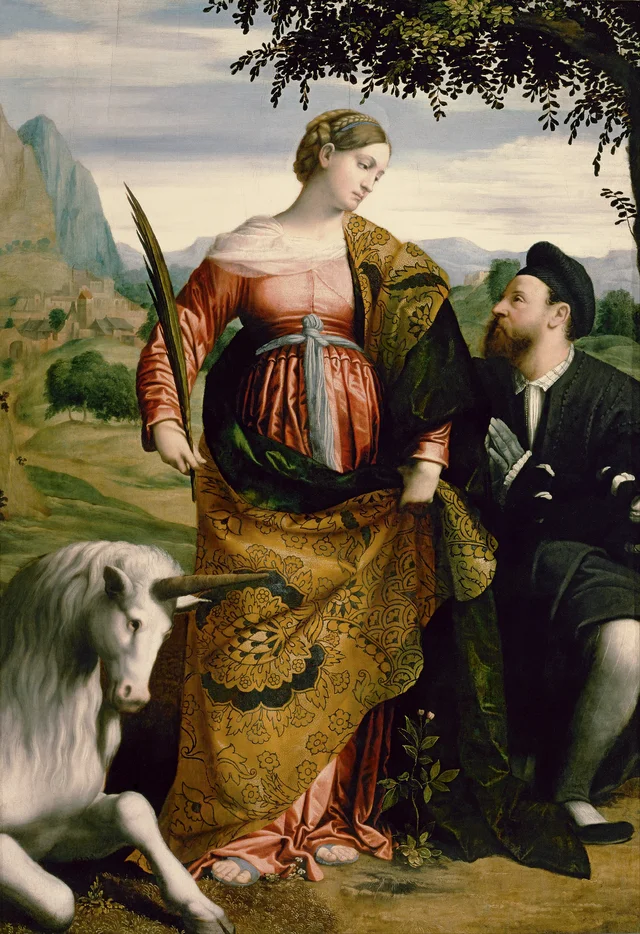 Santa Justina com o unicórnio, venerada por um doadorMoretto da Brescia, 1530
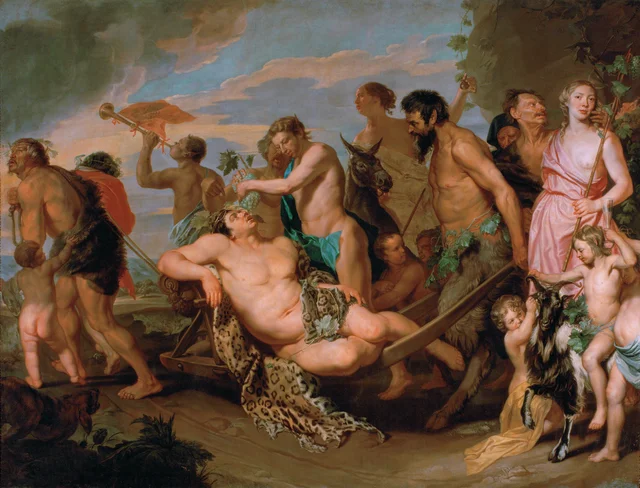 O Triunfo de BacoMichaelina Wautier, 1655
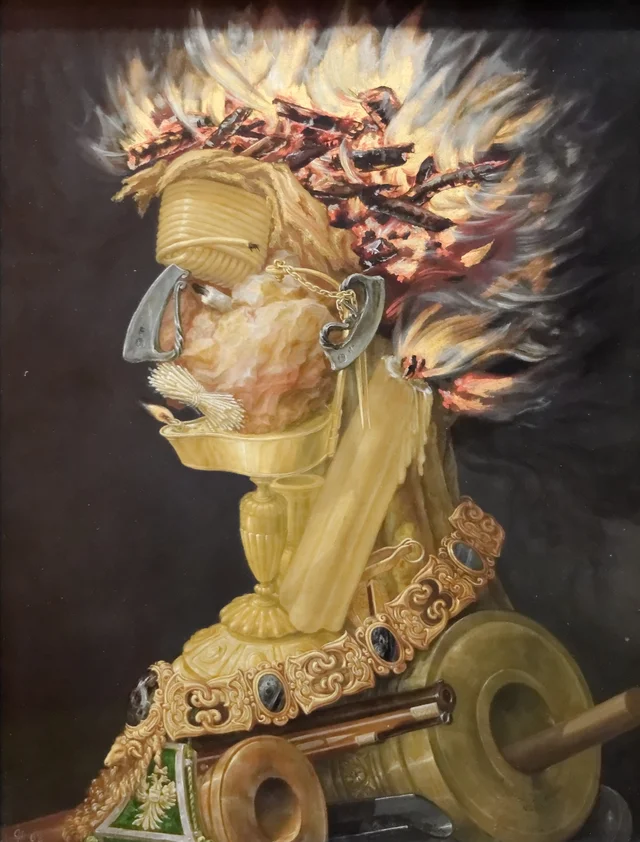 FogoGiuseppe Arcimboldo, 1566
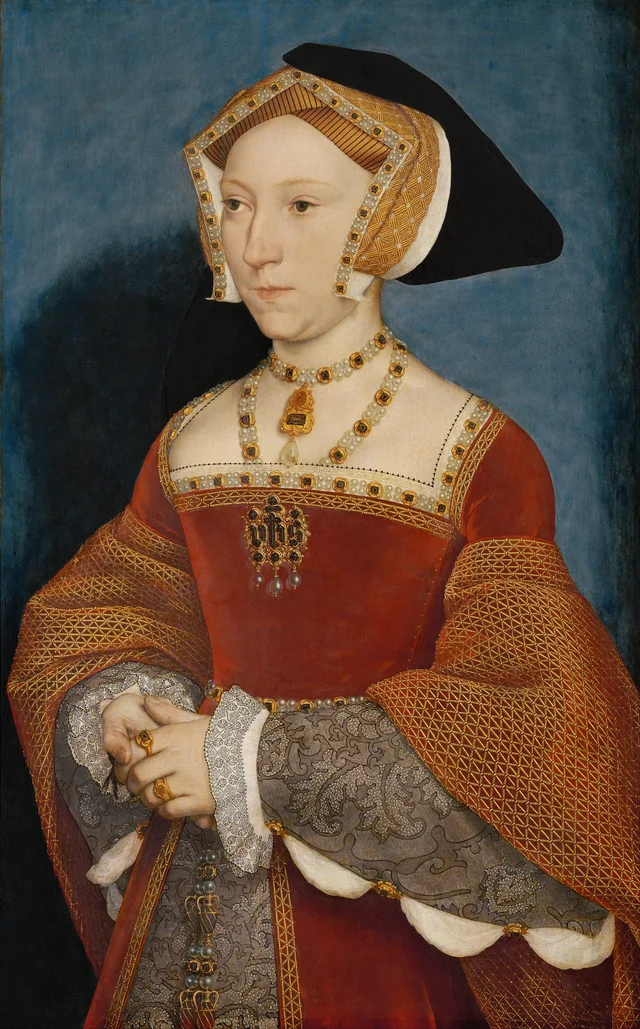 Jane SeymourHans Holbein, o Jovem, 1536
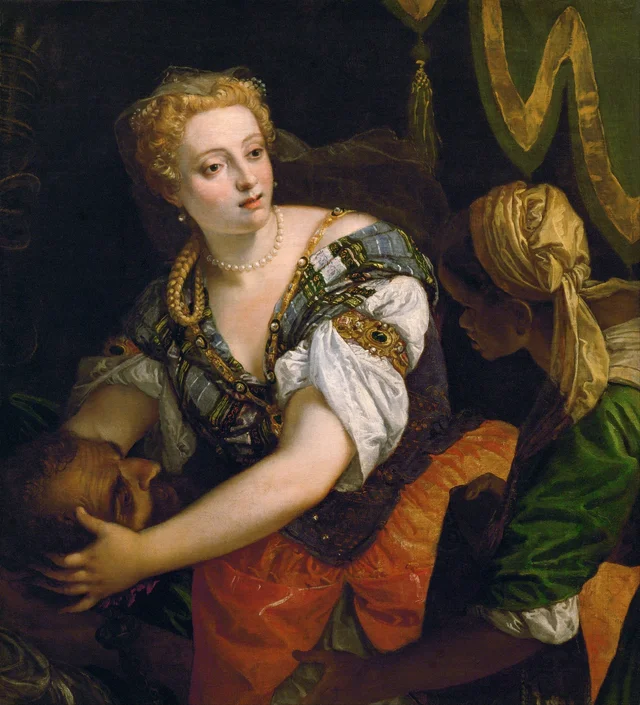 Judite com a cabeça de HolofernesPaolo Veronese, 1582
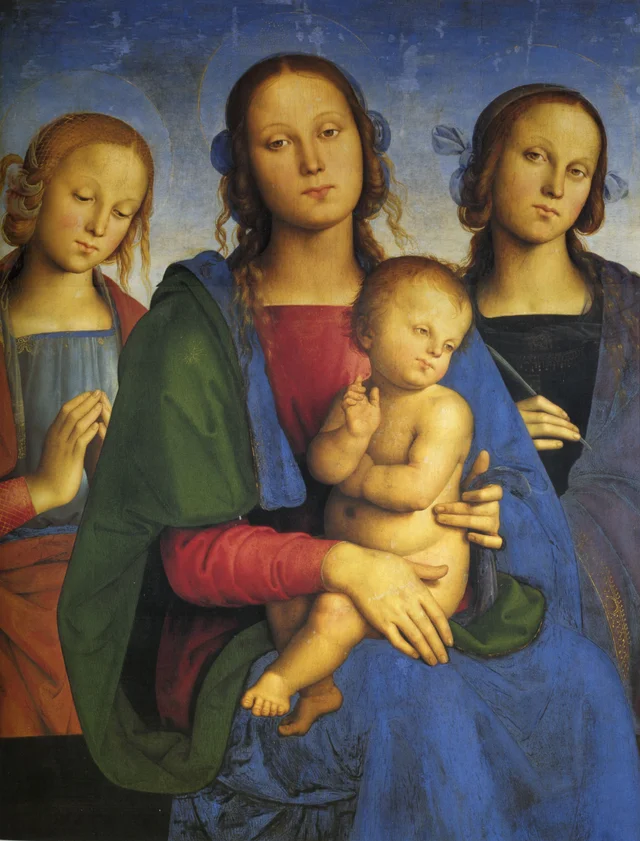 Virgem com o Menino e Duas SantasPietro Perugino, 1493
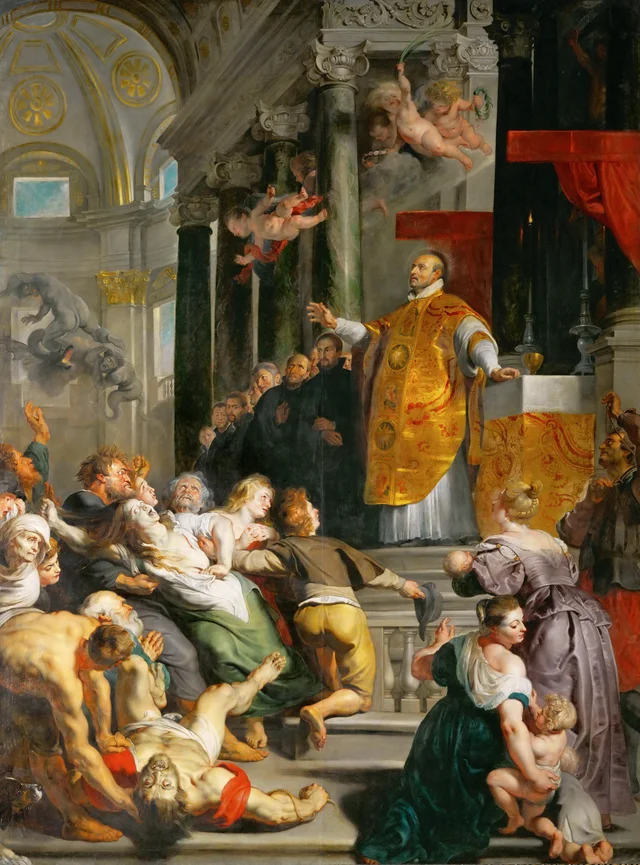 O milagre de Santo Inácio de LoyolaPedro Paulo Rubens, 1618
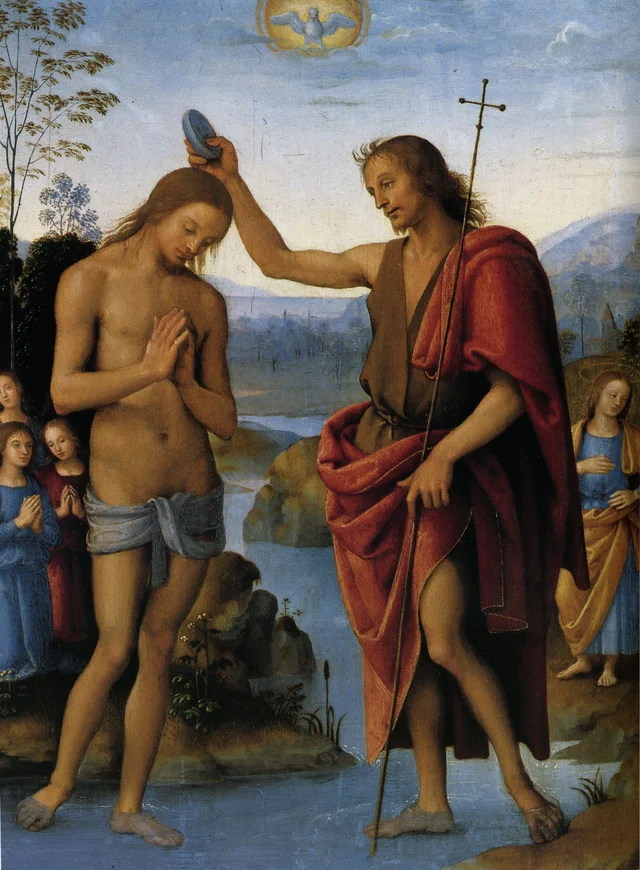 O batismo de CristoPietro Perugino, 1499
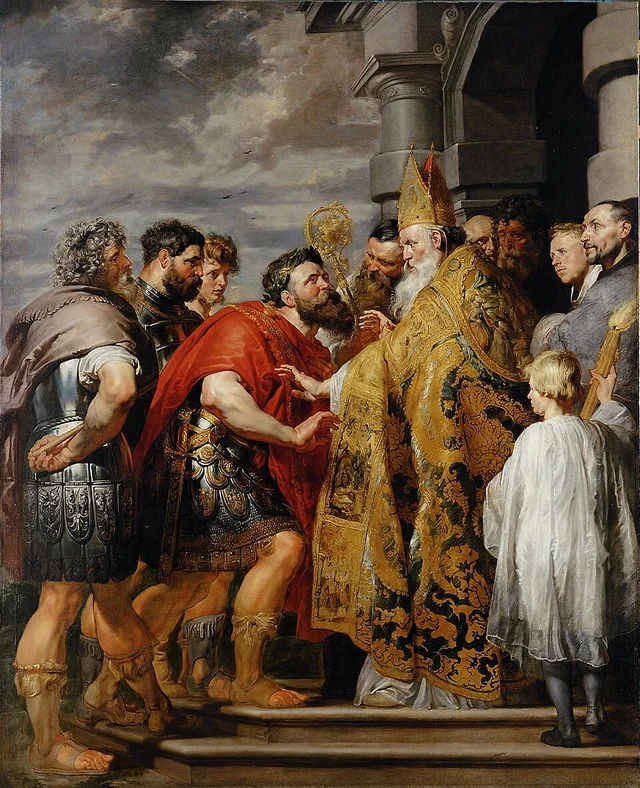 Teodósio e Santo AmbrósioPedro Paulo Rubens, 1617
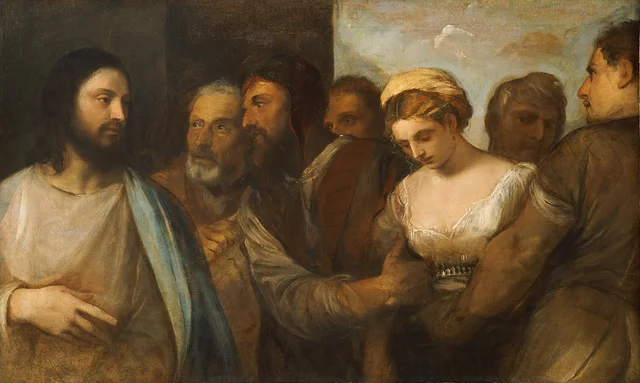 Cristo e a Mulher AdúlteraTiciano, 1513