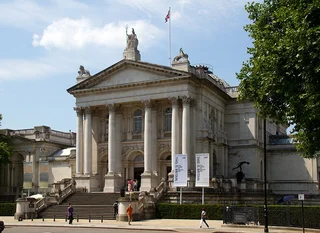
A história
A Tate são na verdade quatro galerias, e a mais visitada delas já produziu eletricidade. A Tate Modern ocupa a antiga usina de Bankside, na margem sul do Tâmisa, em Londres, um casarão de tijolos com uma única e alta chaminé, projetado por Giles Gilbert Scott, o mesmo da cabine telefônica vermelha. Depois de fechada, o salão das turbinas que abrigava os geradores ficou como uma vasta sala vazia de cinco andares de altura, e desde 2000 vem recebendo obras encomendadas de enormes proporções, uma fenda percorrendo todo o comprimento do piso, um gigantesco sol de bruma e luz montado dentro do prédio.
A instituição começou com o açúcar. Henry Tate fez fortuna com o cubo de açúcar e, em 1897, custeou a construção de uma galeria de arte britânica em Millbank, rio acima, no lugar de uma prisão demolida. Esse edifício é hoje a Tate Britain, e guarda o Legado Turner, os milhares de óleos e aquarelas que J.M.W. Turner deixou à nação ao morrer, em 1851.
Entre elas, as duas sedes londrinas dividem a coleção por época, com a Tate Britain cobrindo a arte britânica até o século 16 e a Tate Modern tomando a arte moderna e contemporânea internacional. Mais duas galerias levam o nome fora da capital, a Tate Liverpool e a Tate St Ives, na costa da Cornualha, esta última erguida acima de uma praia onde alguns dos pintores que expõe um dia trabalharam.
Acervo
118 obras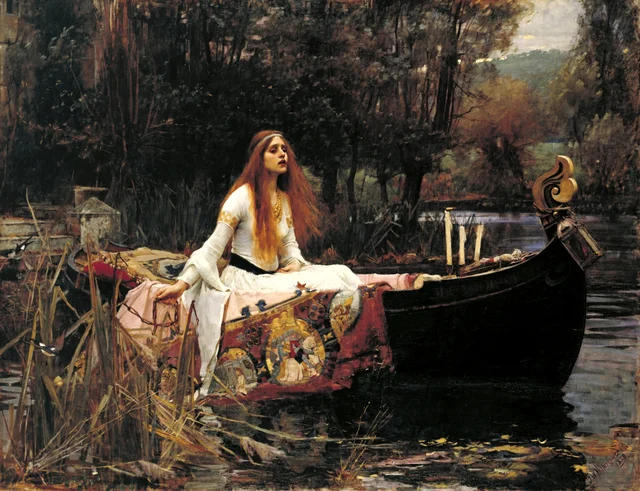 A Dama de ShalottJohn William Waterhouse, 1888
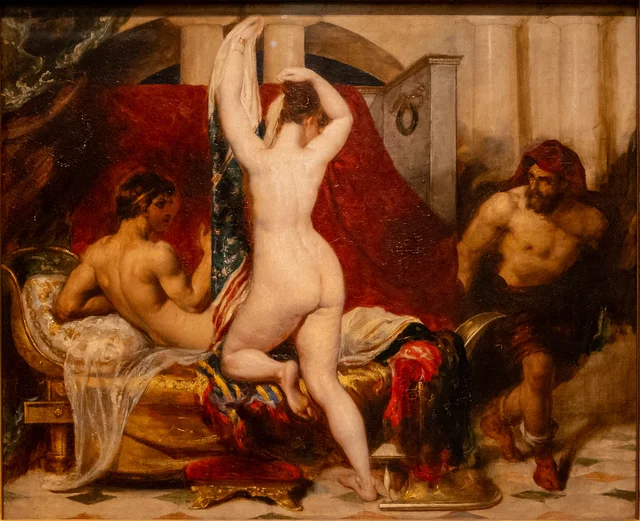 Candaules, Rei da Lídia, Mostra Furtivamente sua Esposa a Giges, um de seus Ministros, enquanto ela se DeitaWilliam Etty, 1830
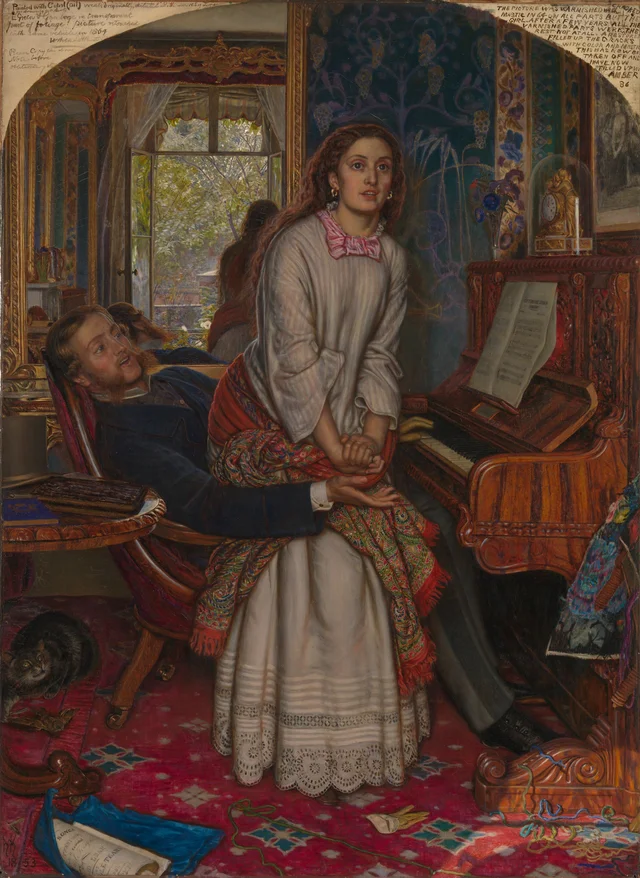 A Consciência DespertaWilliam Holman Hunt, 1853
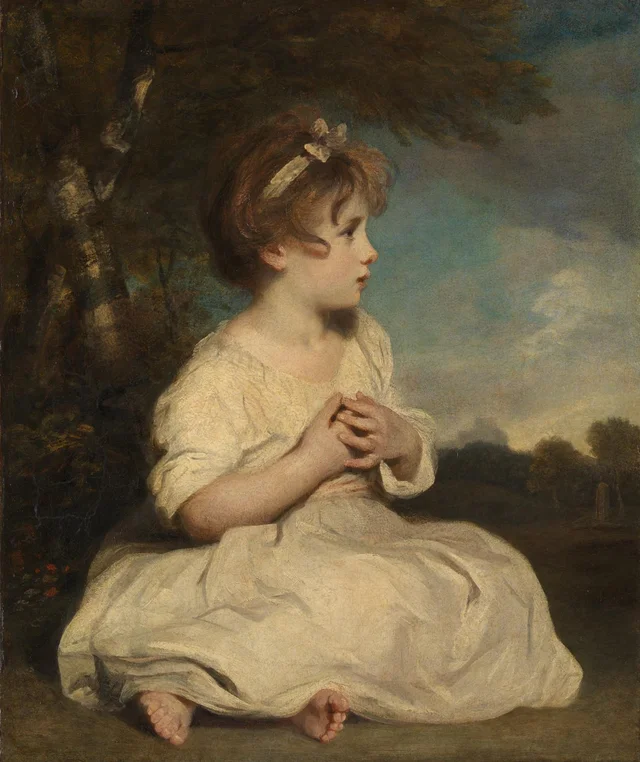 A Idade da InocênciaJoshua Reynolds, 1788
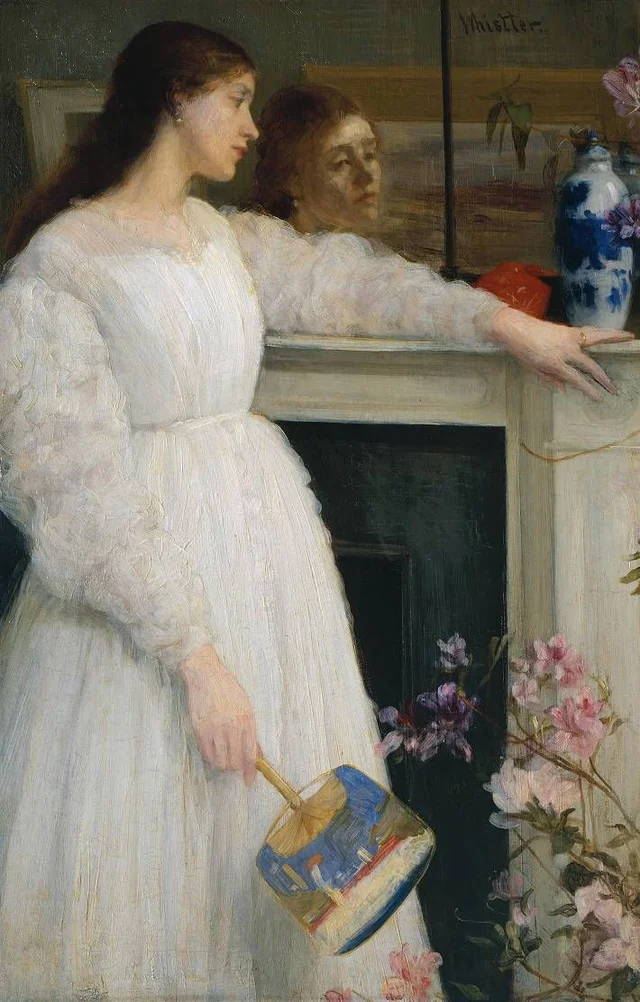 Sinfonia em Branco, n.º 2: A Pequena Menina BrancaJames McNeill Whistler, 1864
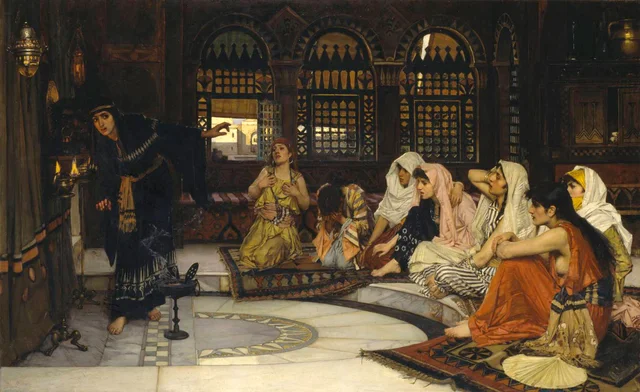 Consultando o oráculoJohn William Waterhouse, 1884
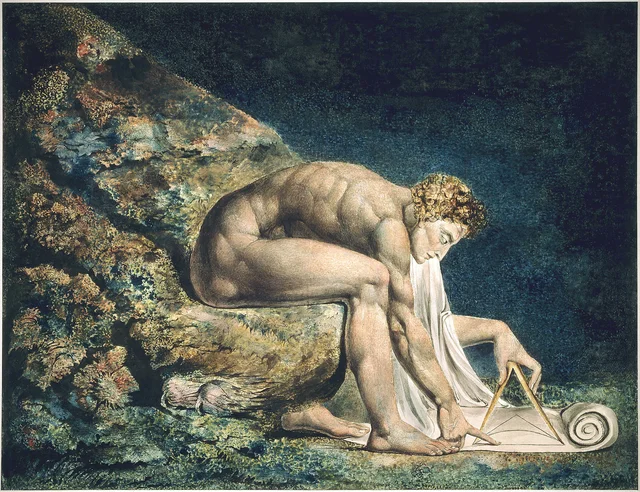 NewtonWilliam Blake, 1795
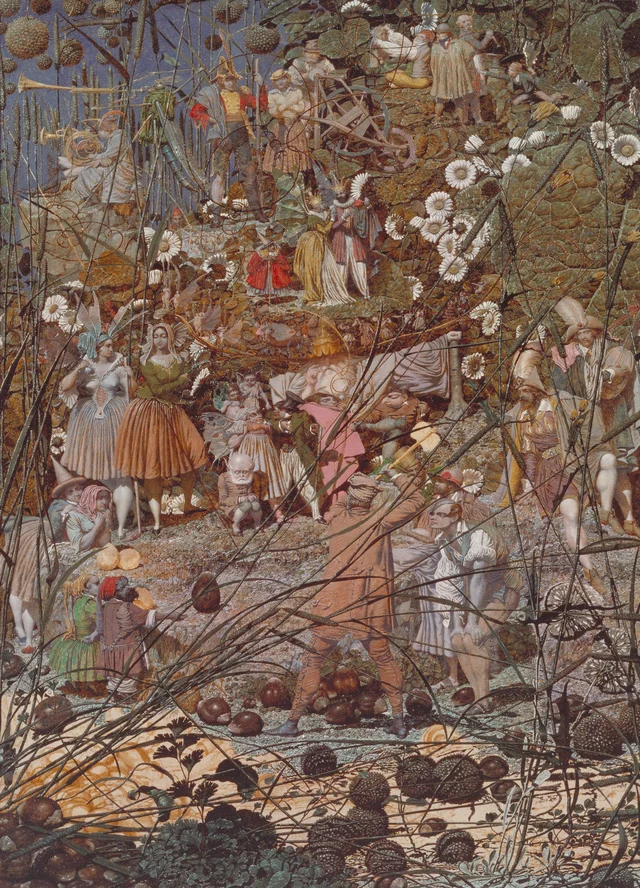 O Golpe de Mestre do Lenhador FadaRichard Dadd, 1855
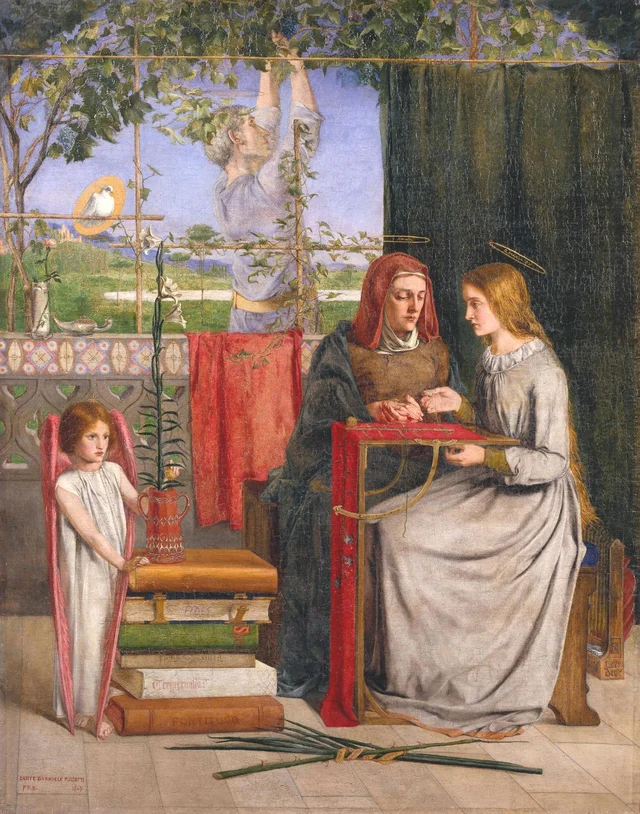 A Infância da Virgem MariaDante Gabriel Rossetti, 1849
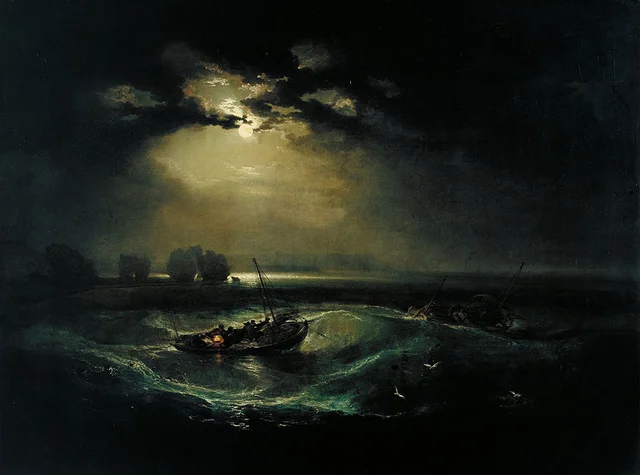 Pescadores no marJ. M. W. Turner, 1796
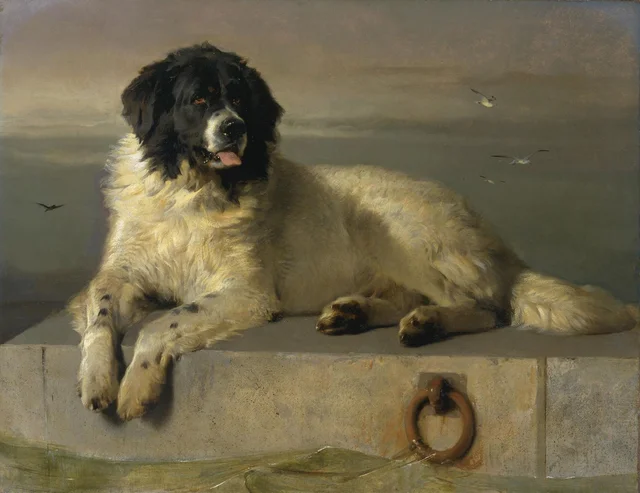 Um Membro Distinto da Sociedade HumanitáriaEdwin Landseer, 1831
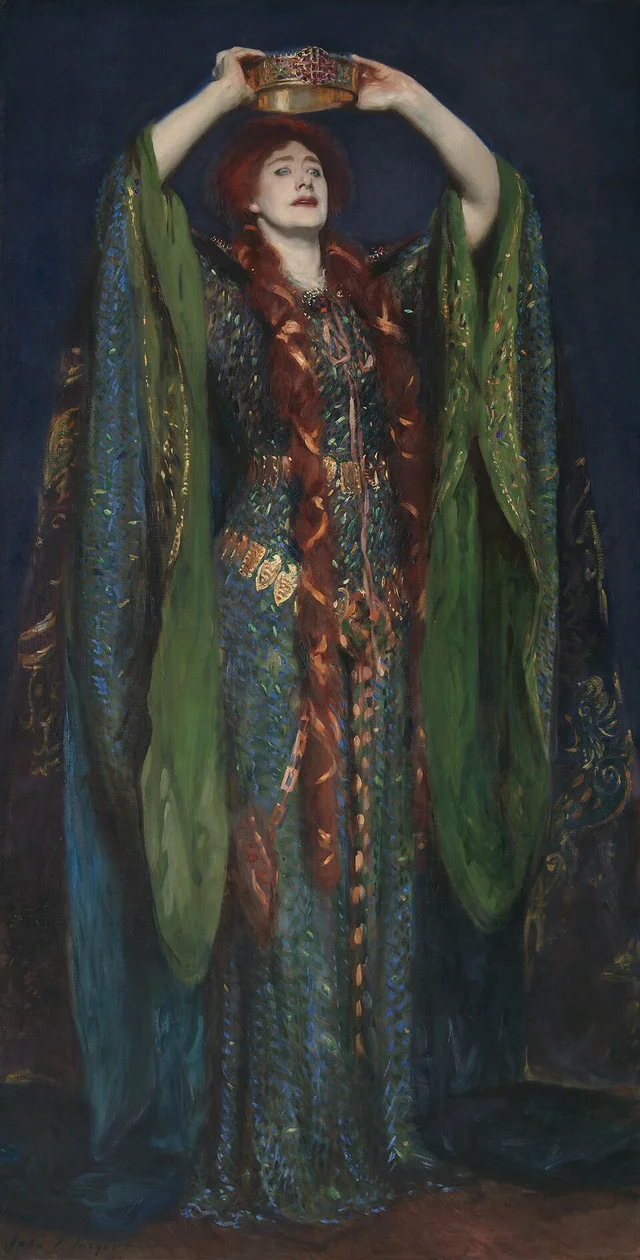 Ellen Terry como Lady MacbethJohn Singer Sargent, 1889
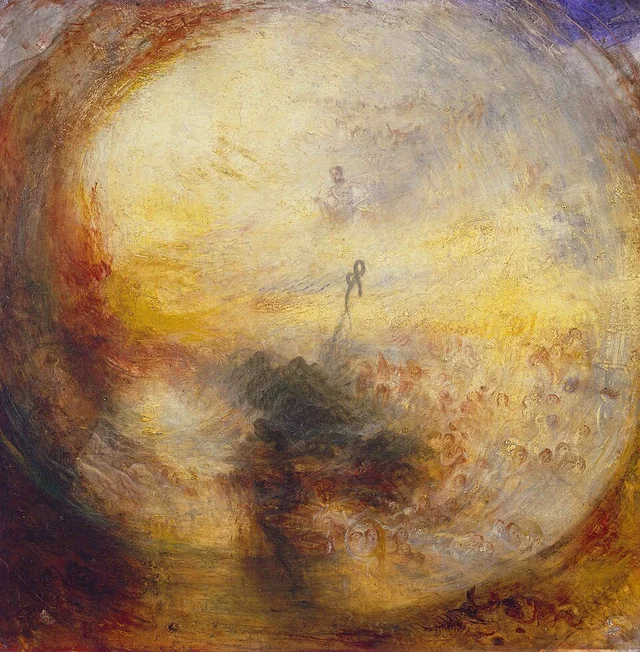 Luz e cor (a teoria de Goethe) – A manhã após o Dilúvio – Moisés escrevendo o GênesisJ. M. W. Turner, 1843
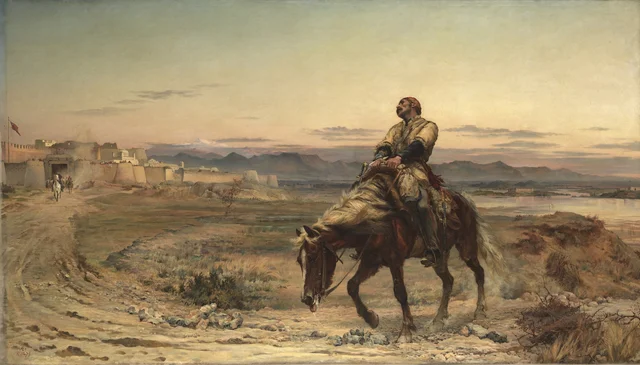 Restos de um exércitoElizabeth Thompson, 1879
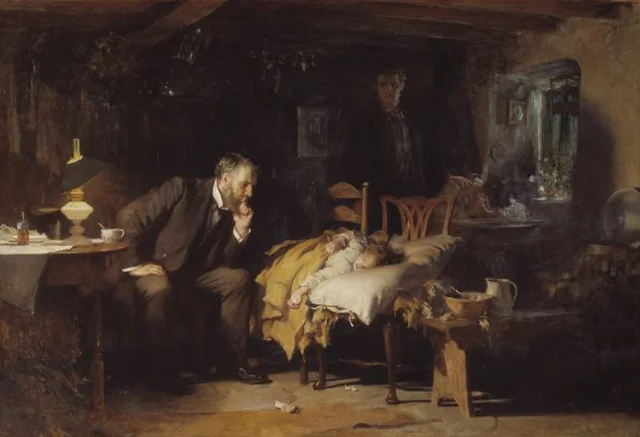 O médicoLuke Fildes, 1891
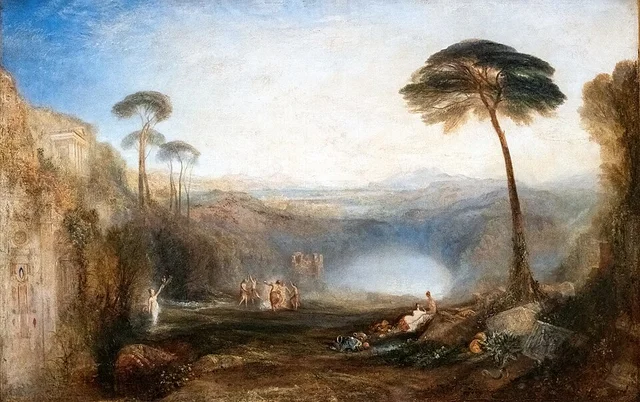 O ramo douradoJ. M. W. Turner, 1834
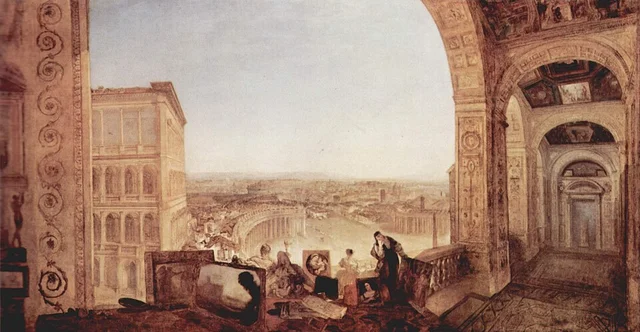 Roma, vista do Vaticano. Rafael, acompanhado pela Fornarina, preparando seus quadros para a decoração das LoggiasJ. M. W. Turner, 1820
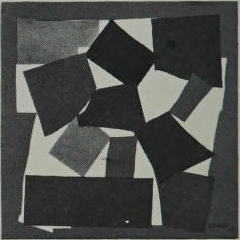 O CaracolHenri Matisse, 1953
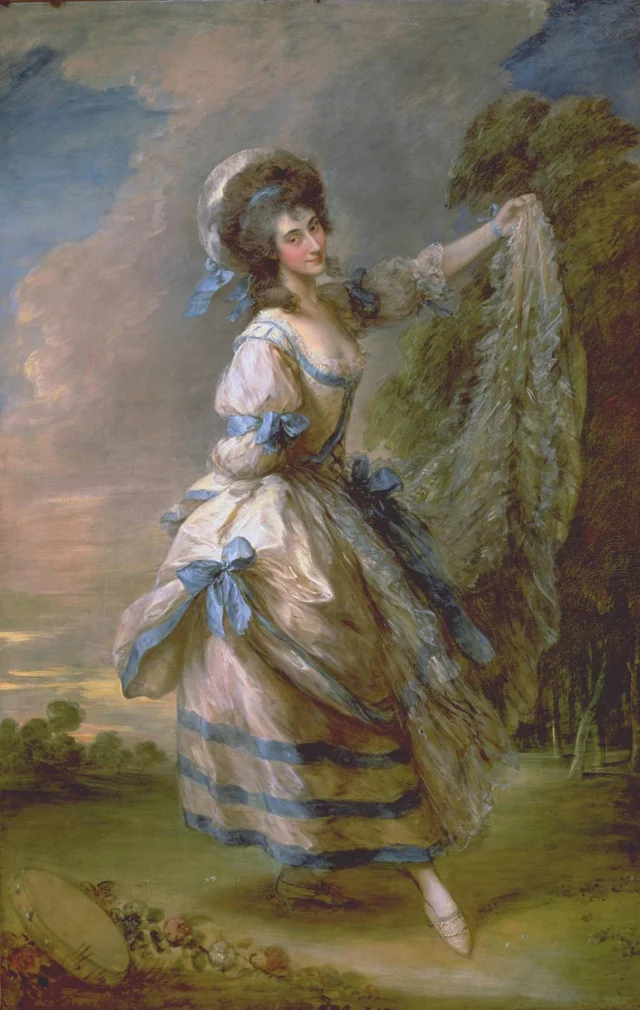 Giovanna BaccelliThomas Gainsborough, 1782
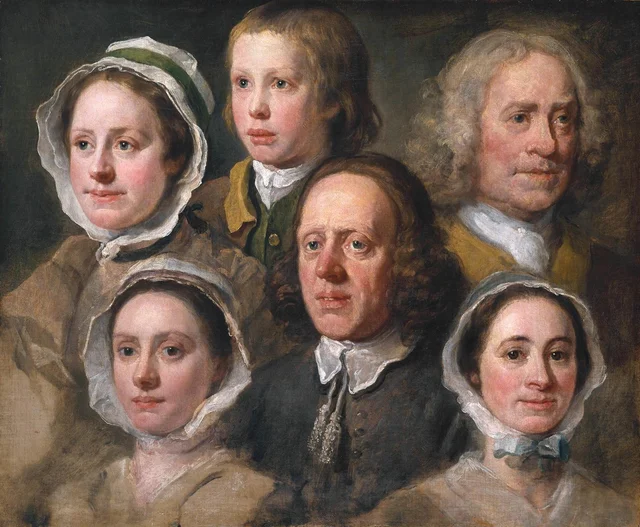 Os Criados de HogarthWilliam Hogarth, 1752
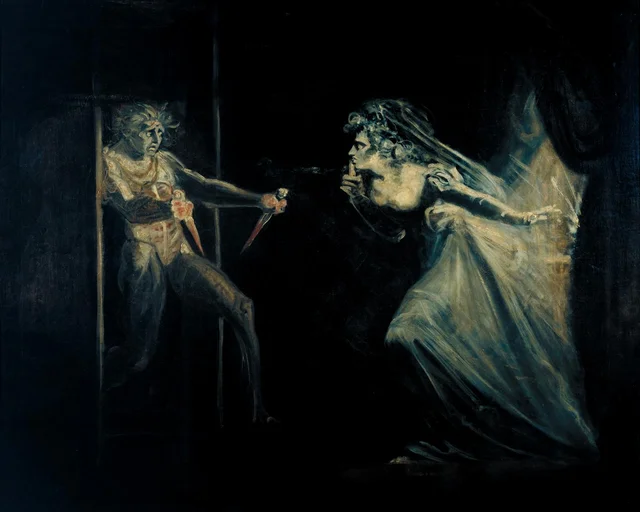 Lady Macbeth Agarrando os PunhaisHenry Fuseli, 1812
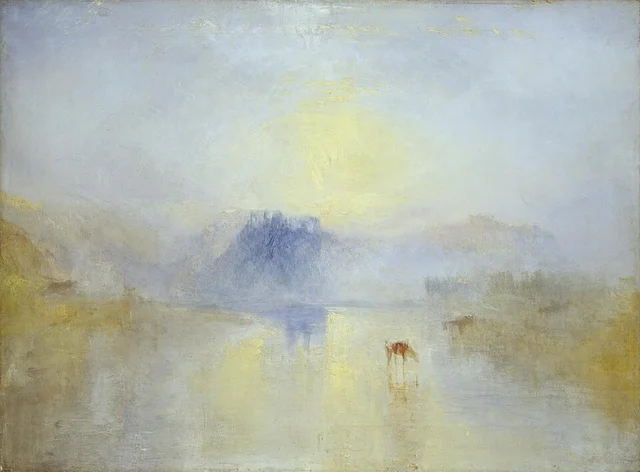 Castelo de Norham ao AmanhecerJ. M. W. Turner, 1845
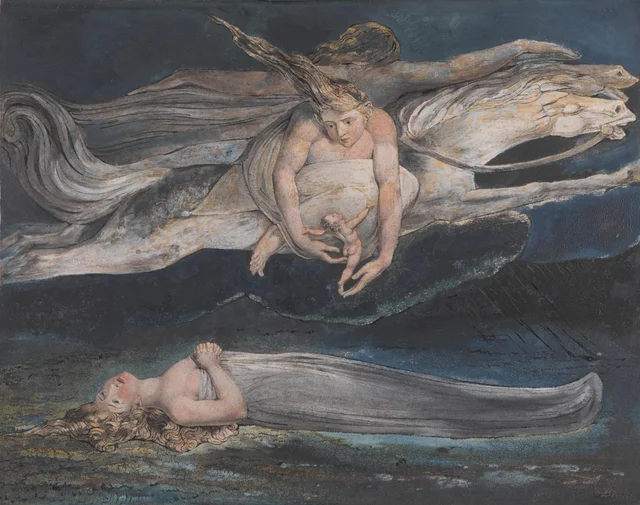 PiedadeWilliam Blake, 1795
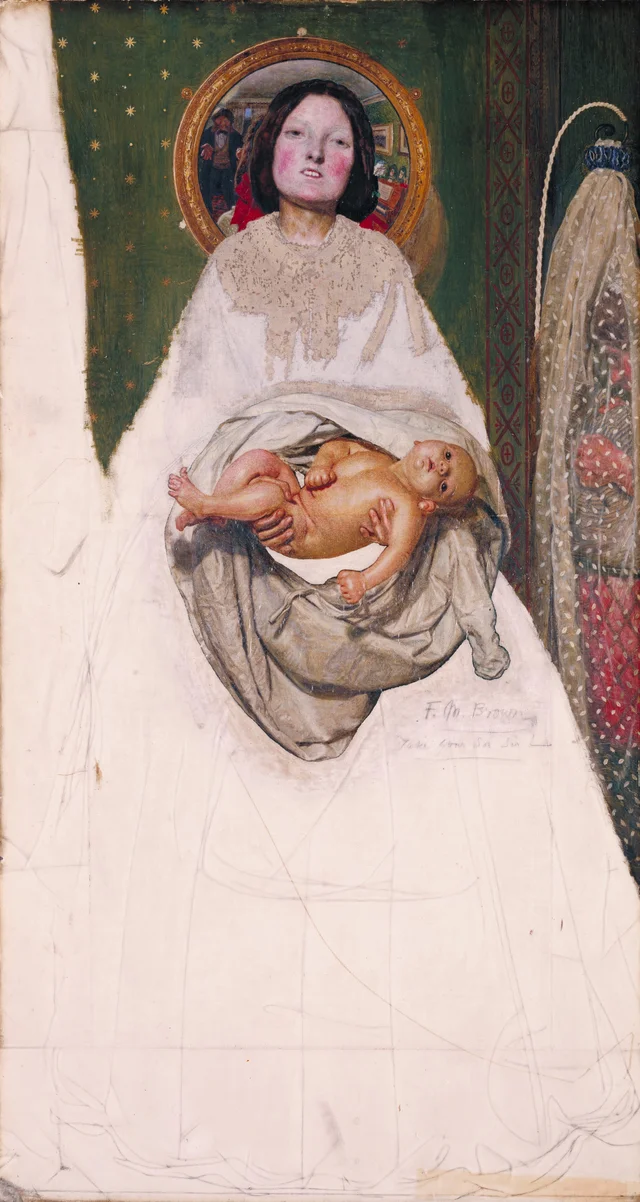 Pegue Seu Filho, Senhor!Ford Madox Brown, 1851
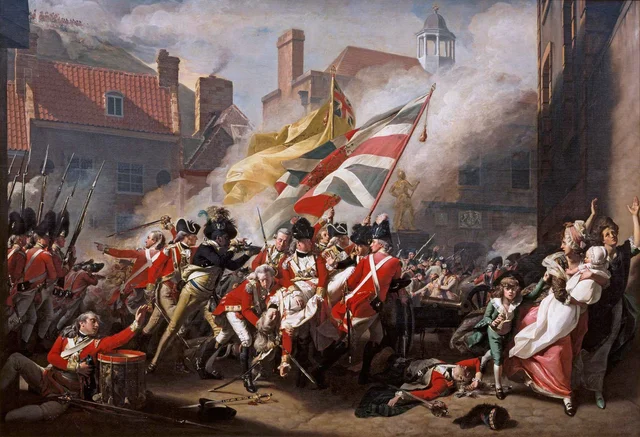 A Morte do Major Peirson, 6 de janeiro de 1781John Singleton Copley, 1783