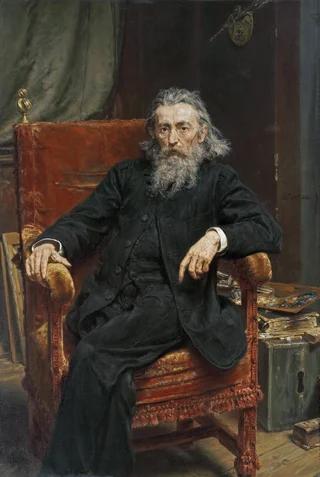
Ян Матейко
1838–1893 · Вольный город Краков · Историческая живопись, Романтизм, Реализм XIX века
История
Ян Матейко родился в 1838 году в Кракове, в Польше, которой не было на карте. Шестью десятилетиями раньше страну натрое поделили Россия, Пруссия и Австрия, и к тому времени, как Матейко взялся за кисть, большинство его соотечественников никогда не жили при польском правительстве. На это стирание он ответил размахом. Его картины из польской истории огромны: «Грюнвальдская битва» 1878 года тянется почти на 10 метров, полная поимённых королей, рыцарей и знамён победы 1410 года над Тевтонским орденом, которой поляки могли гордиться и без собственного государства.
Матейко сжимал десятилетия в один холст, придумывал встречи, которых не бывало, и одевал фигуры скорее ради драматизма, чем ради документальной точности, за что его корили позднейшие историки. И всё же картины без конца тиражировали оттисками и открытками, вешали в домах по всем разделённым польским землям, и они делали то, чего не могли тогда ни национальный музей, ни национальное правительство.
Последние два десятилетия жизни он преподавал в краковской Школе изящных искусств, обучая следующее поколение польских живописцев, и умер в 1893 году, похороненный в том же городе, где огромный грюнвальдский холст пятнадцатью годами раньше собирал толпы.
Работы
56 работ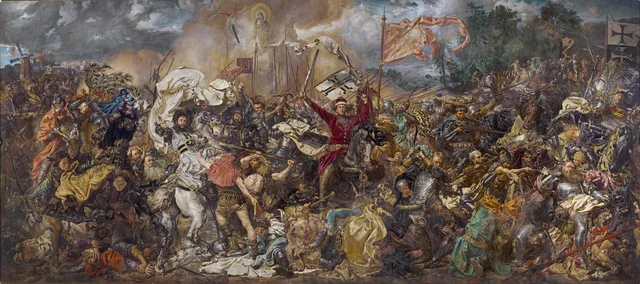 Грюнвальдская битваЯн Матейко, 1878
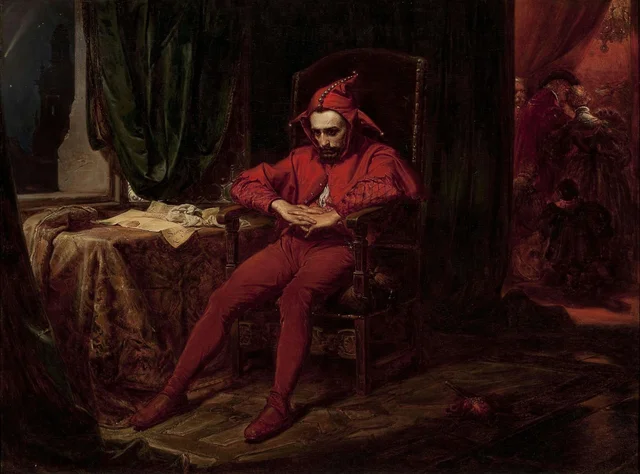 СтаньчикЯн Матейко, 1862
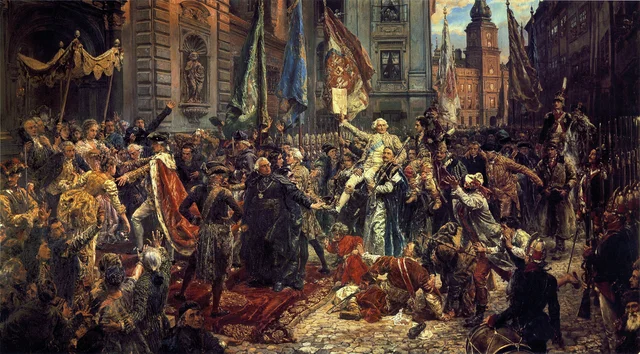 Конституция 3 мая 1791 годаЯн Матейко, 1891
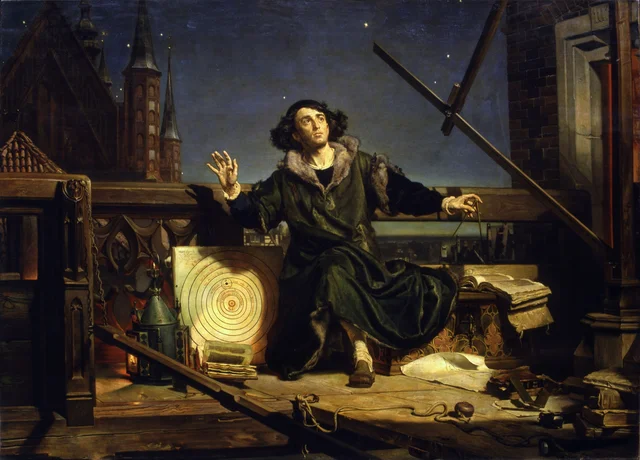 Астроном Коперник, или Разговор с БогомЯн Матейко, 1873
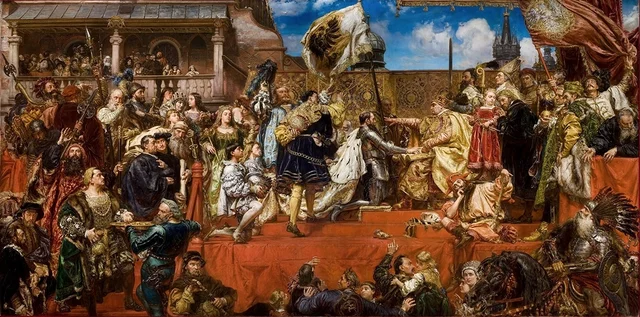 Прусская даньЯн Матейко, 1879
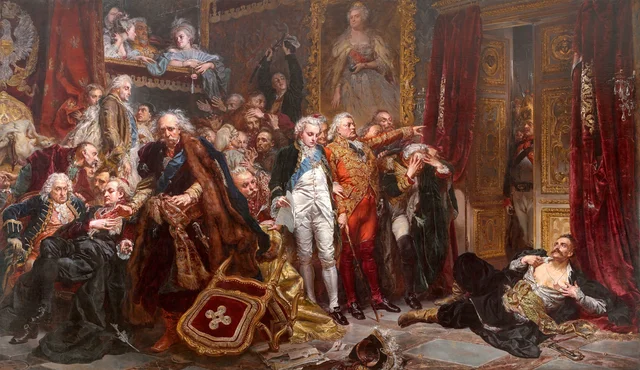 РейтанЯн Матейко, 1866
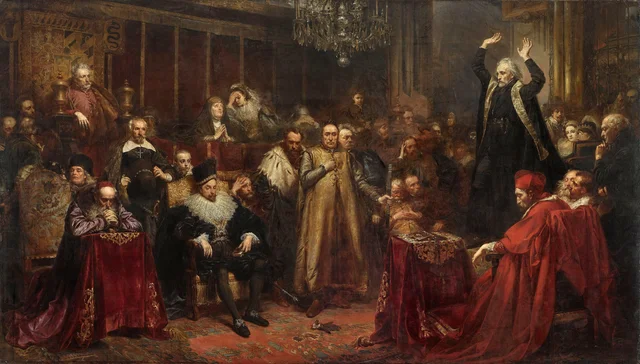 Проповедь СкаргиЯн Матейко, 1864
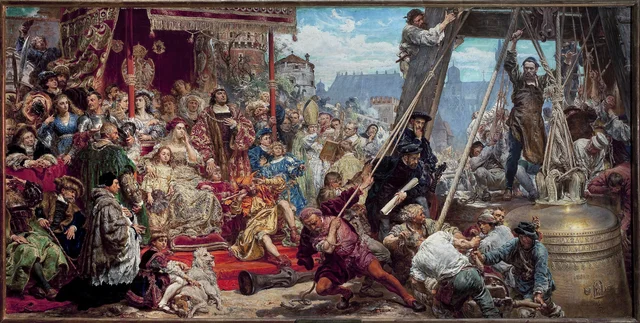 Подъём колокола Сигизмунда на башню кафедрального собора в Кракове в 1521 годуЯн Матейко, 1874
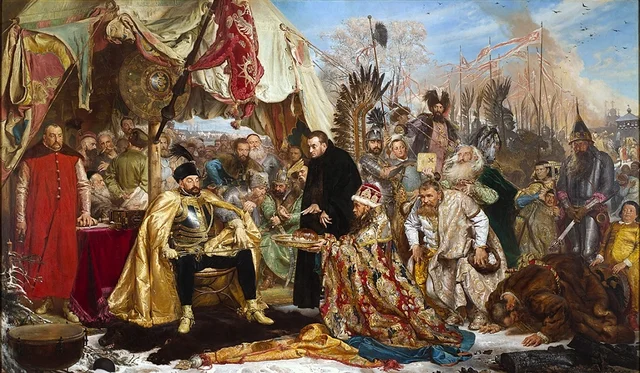 Стефан Баторий под ПсковомЯн Матейко, 1872
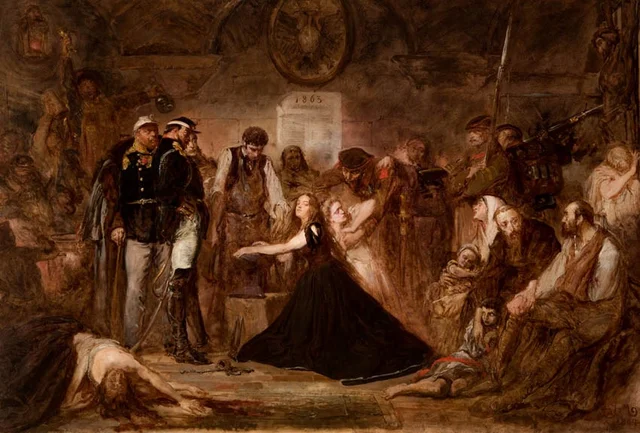 Полония. 1863 годЯн Матейко, 1864
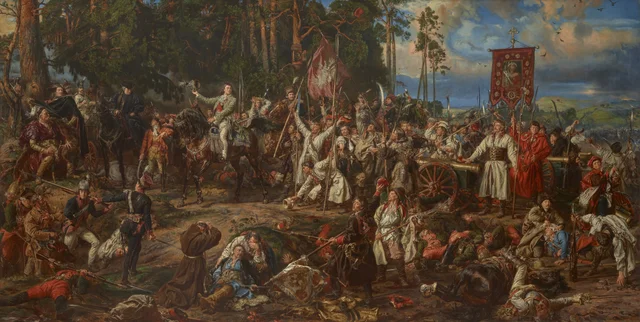 Битва под РацлавицамиЯн Матейко, 1888
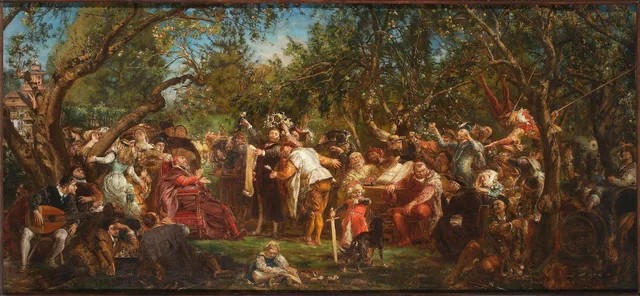 Бабинская Речь ПосполитаяЯн Матейко, 1881
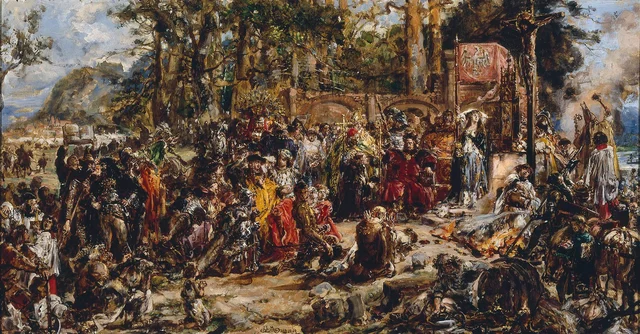 Крещение ЛитвыЯн Матейко, 1888
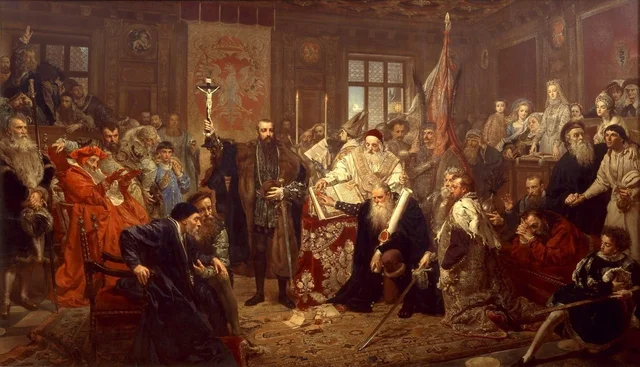 Люблинская унияЯн Матейко, 1869
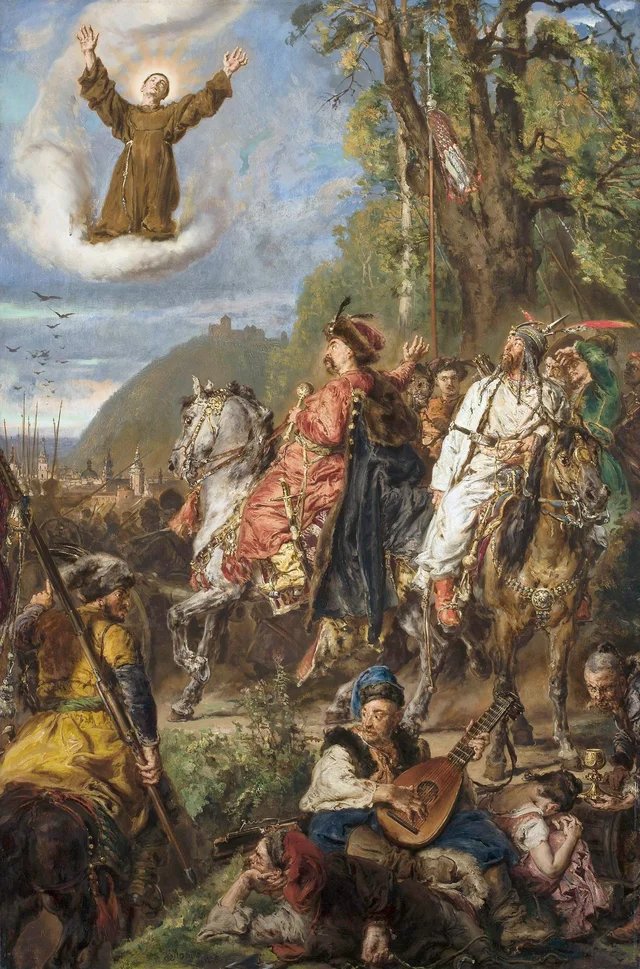 Богдан Хмельницкий с Тугай-беем под ЛьвовомЯн Матейко, 1885
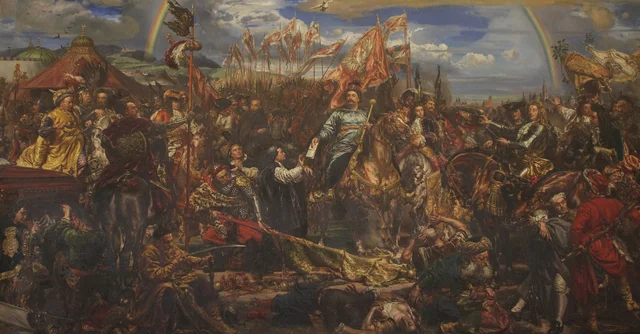 Ян Собеский под ВенойЯн Матейко, 1883
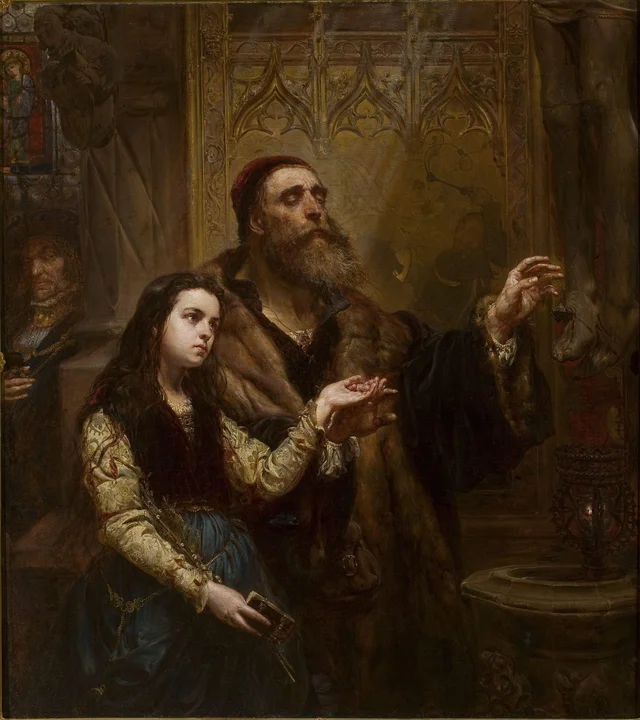 Слепой Фейт Штос с внучкойЯн Матейко, 1865
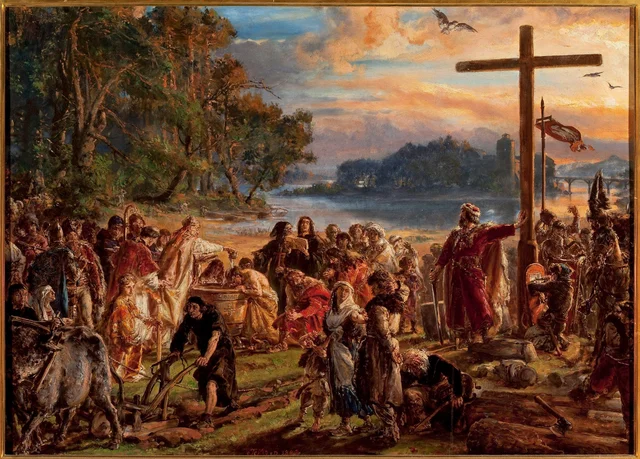 Введение христианства в ПольшеЯн Матейко, 1889
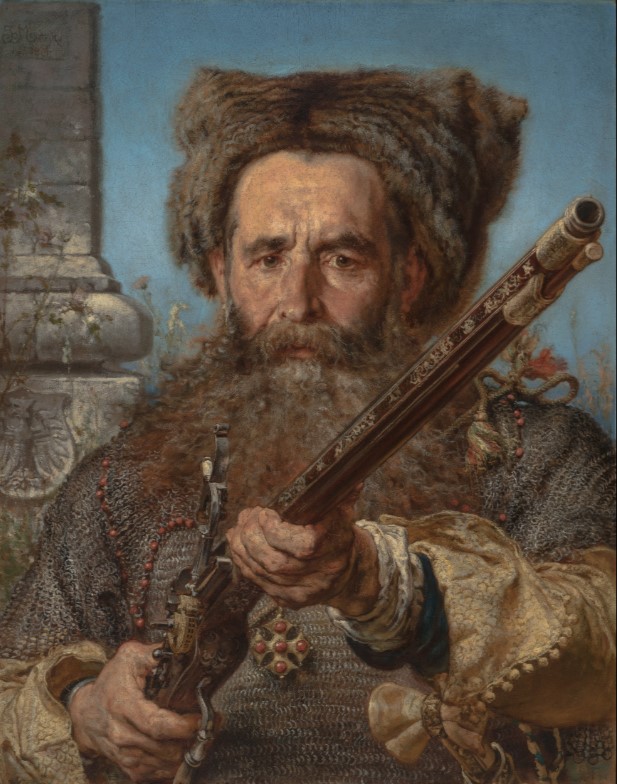 Остафий Дашкевич.Ян Матейко, 1874
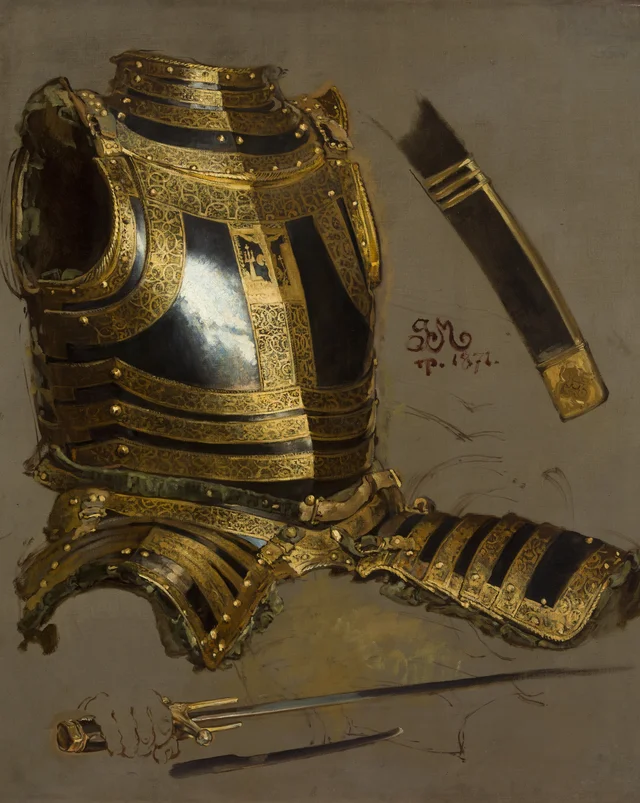 Доспехи Стефана БаторияЯн Матейко, 1871
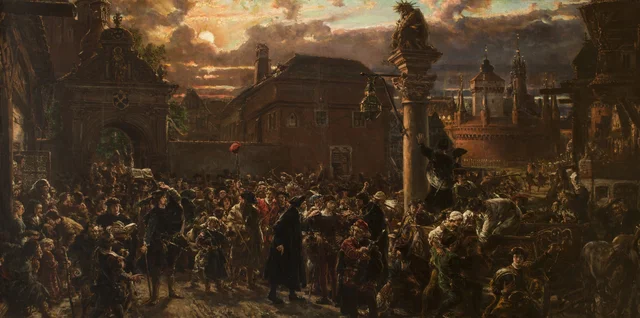 Студенты, покидающие Краков в 1549 годуЯн Матейко, 1892
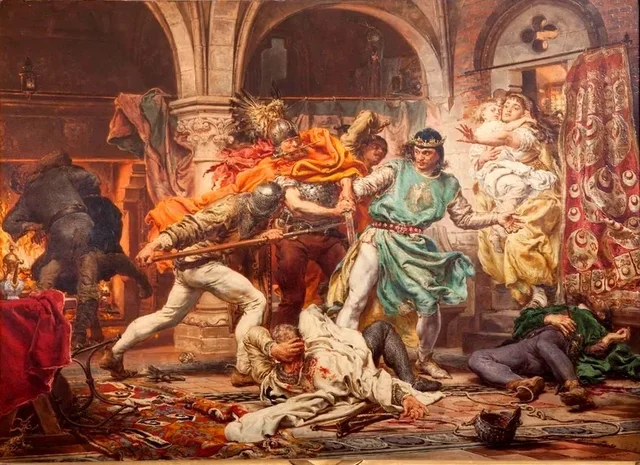 Смерть Пшемысла IIЯн Матейко, 1875
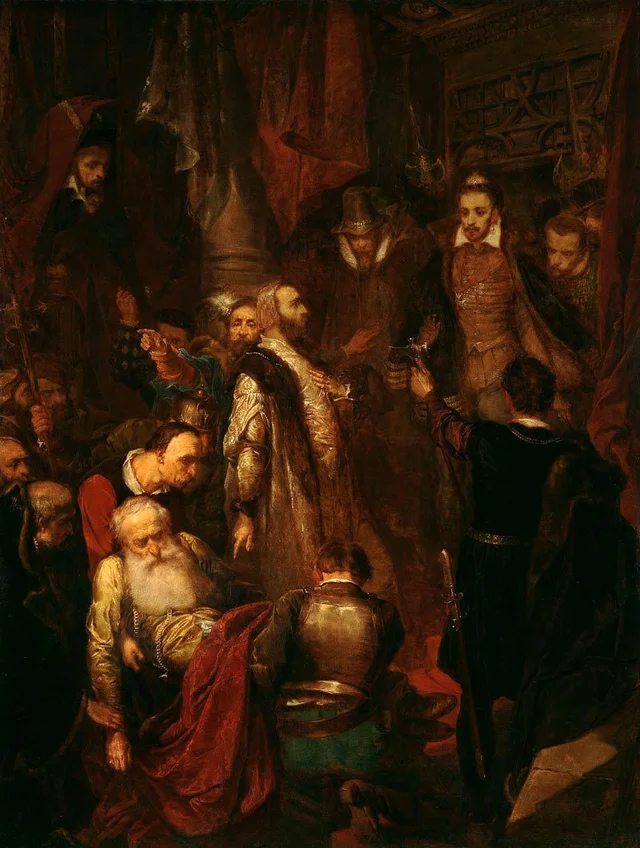 Убийство Ваповского во время коронации Генриха ВалуаЯн Матейко, 1861
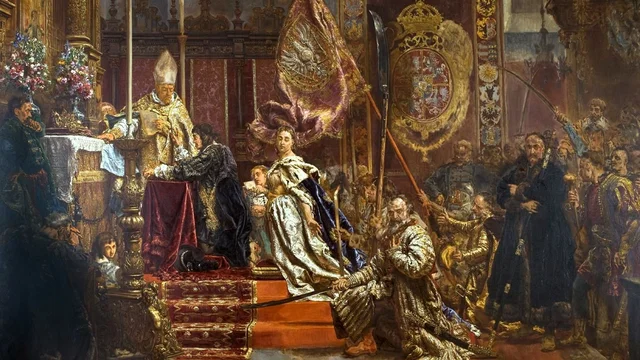 Львовская присяга короля Яна II КазимираЯн Матейко, 1893
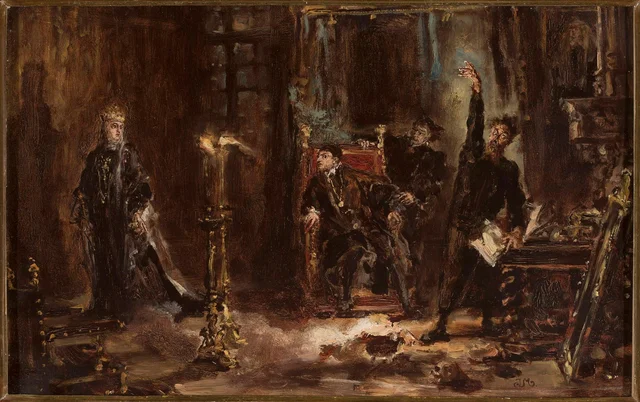 Твардовский, вызывающий дух Барбары для Сигизмунда Августа, эскизЯн Матейко, 1884