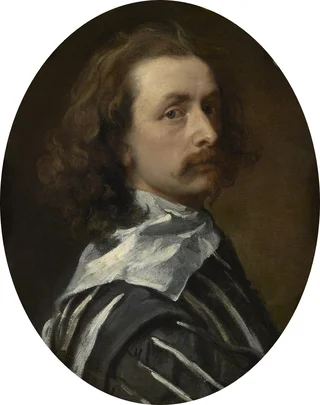
安东尼·凡·戴克
1599–1641 · 西属尼德兰 · 巴洛克绘画
故事
1632年,一心追求自己在议会中并不牢固的权威表象的英格兰国王查理一世,把安特卫普画家安东尼·凡·戴克请到伦敦,封他为爵士,在黑衣修士区为他安排住所,还配备了一艘小船送他沿泰晤士河前往王宫。凡·戴克早年曾在南尼德兰首席画家彼得·保罗·鲁本斯的画室学艺,二十多岁时又在意大利度过大量时光,在热那亚研究提香的肖像画。他带回英格兰的,是一种画贵族的方式——让正式的肖像画看起来轻松自然,甚至亲切,却丝毫不减其庄严气度。
此后整整十年间,凡·戴克几乎只为国王、王后和他们身边的圈子作画,一幅接一幅地记录下这个王朝希望被人们记住的样子。查理此后几乎不再请别的画家为他画像。这些肖像至今仍是大多数人心目中斯图亚特王朝宫廷的模样:修长的手指,丝绸的质感,从容不迫,一位看起来完全稳坐王位的国王。
凡·戴克于1641年12月在伦敦去世,一年后查理与议会之间便爆发了内战。1649年,查理在白厅自己的宴会厅外被处决,据说他特意穿了两件衬衫抵御一月的寒冷,为的是不让自己因发抖而显得害怕。
更多文章
作品
240 件作品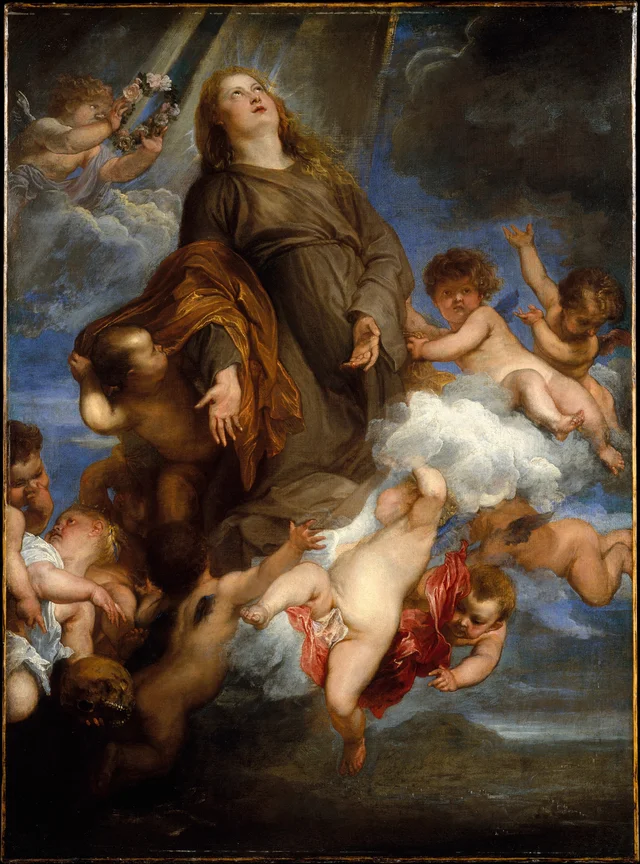 圣罗萨莉亚为巴勒莫瘟疫患者代祷安东尼·凡·戴克, 1624
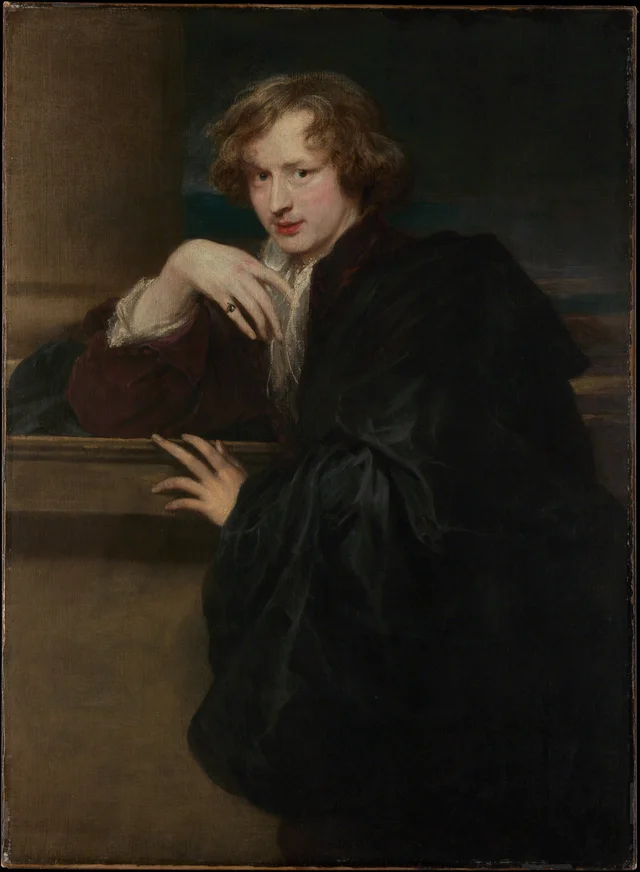 自画像安东尼·凡·戴克, 1620
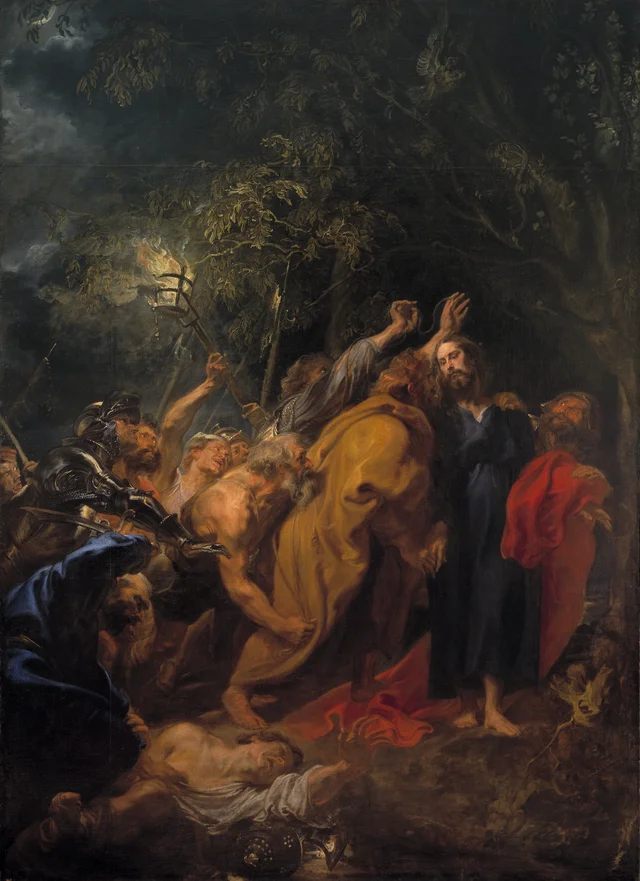 基督被捕安东尼·凡·戴克, 1618
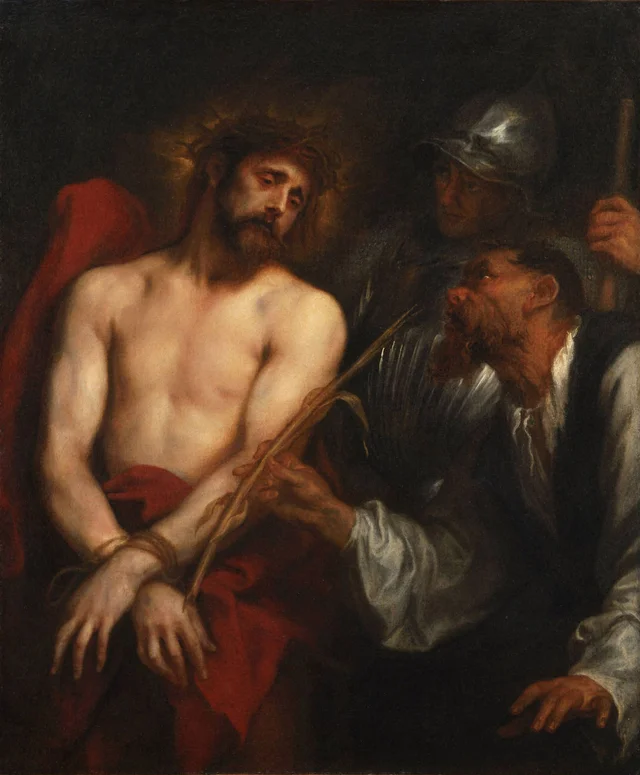 戏弄基督安东尼·凡·戴克, 1628
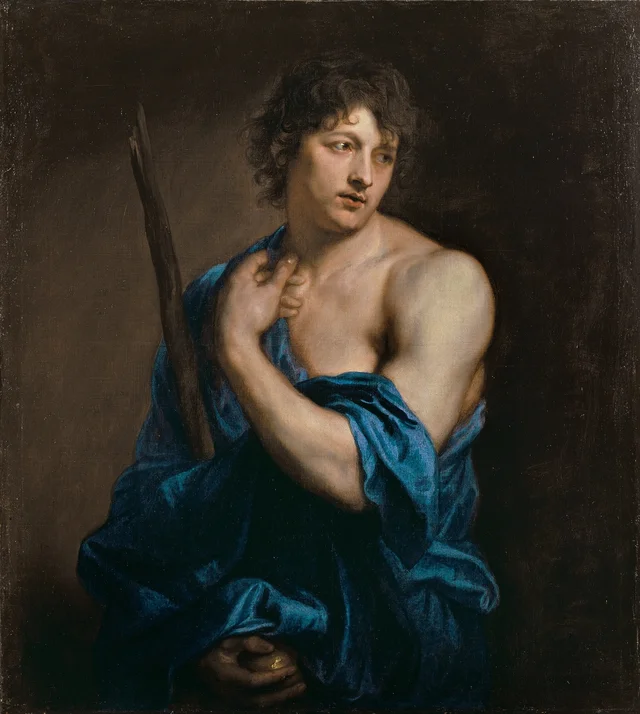 作为艺术判断化身的牧人帕里斯安东尼·凡·戴克, 1628
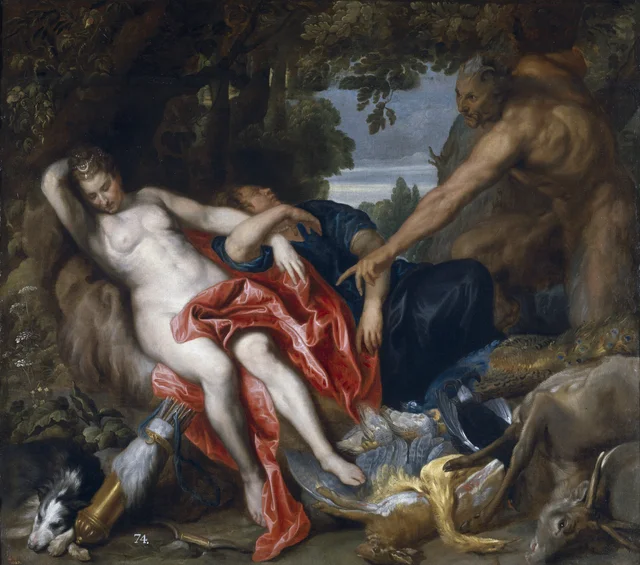 被萨提尔惊扰的狄安娜与宁芙安东尼·凡·戴克, 1622
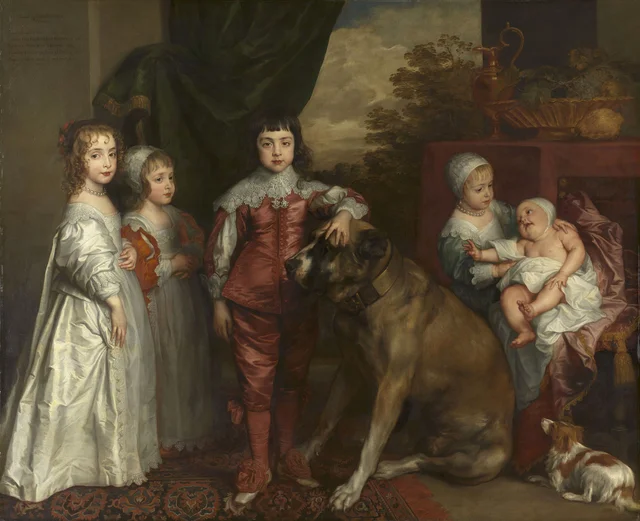 查理一世的五个年长子女安东尼·凡·戴克, 1637
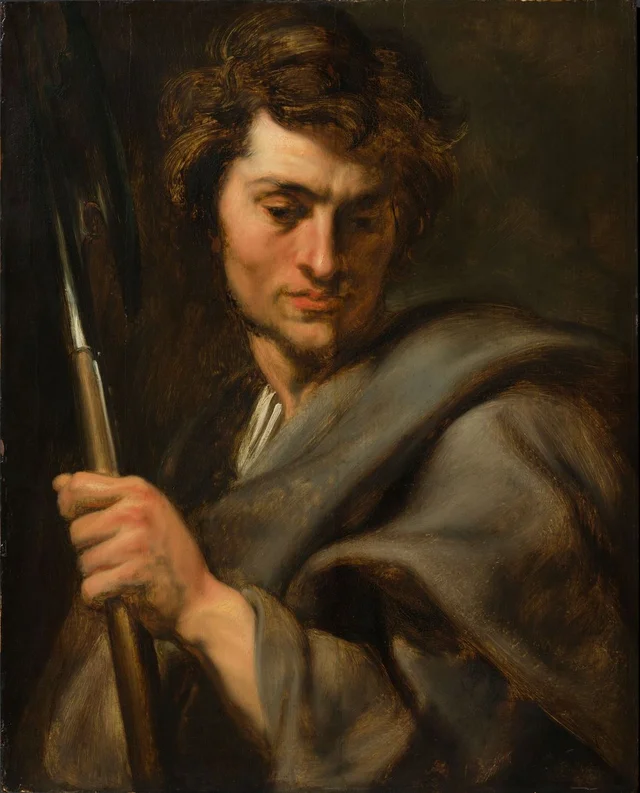 使徒马太安东尼·凡·戴克, 1619
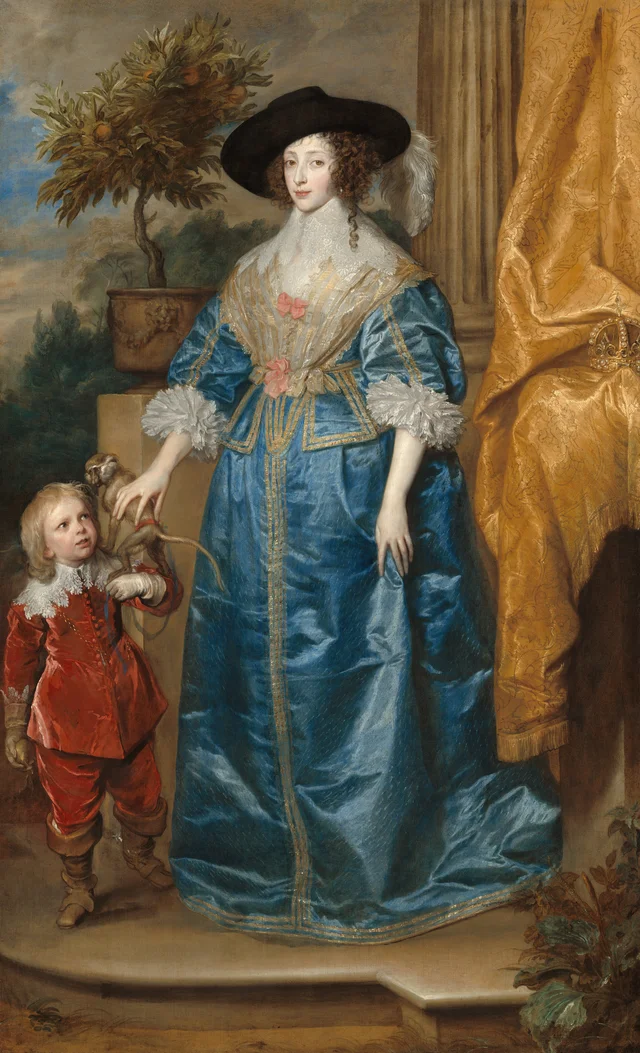 亨利埃塔·玛丽亚王后与杰弗里·哈德森爵士安东尼·凡·戴克, 1633
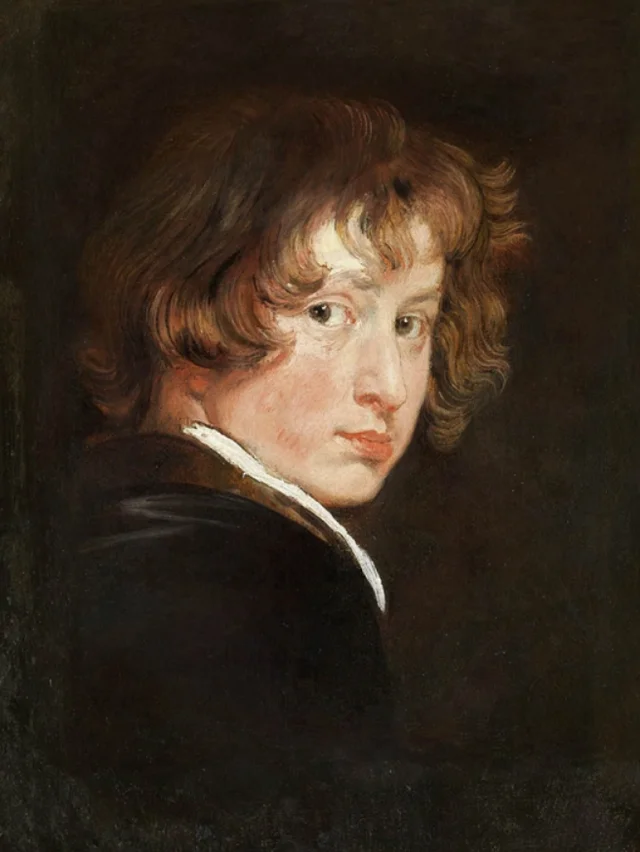 自画像安东尼·凡·戴克, 1613
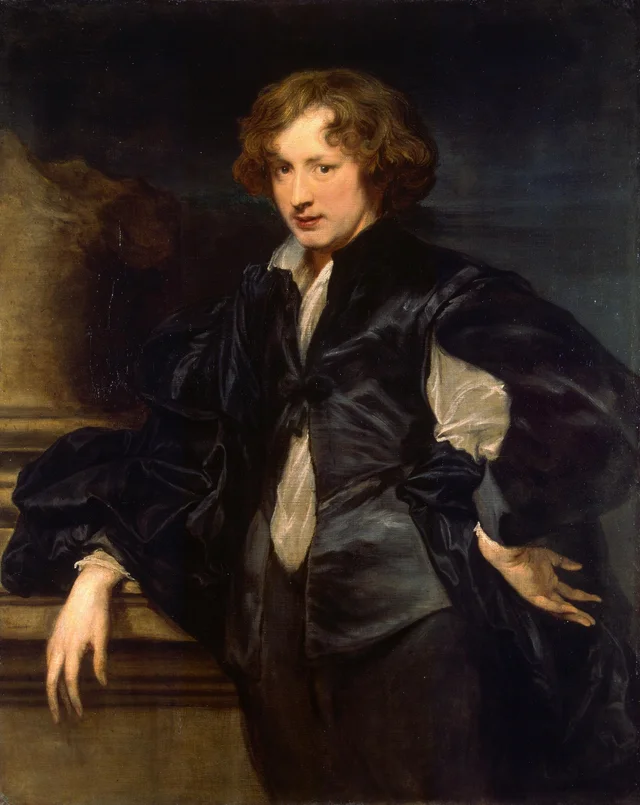 自画像安东尼·凡·戴克, 1622
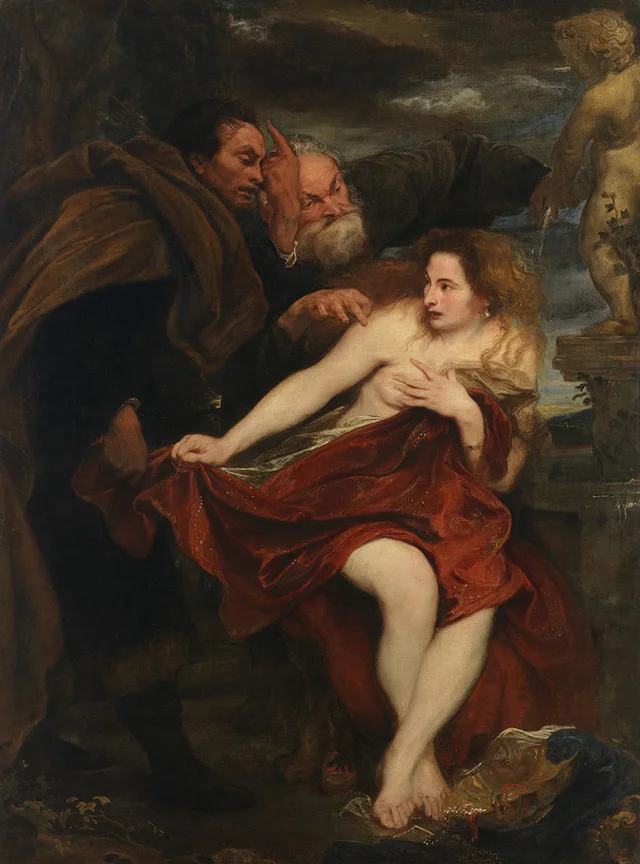 苏珊娜与长老安东尼·凡·戴克, 1622
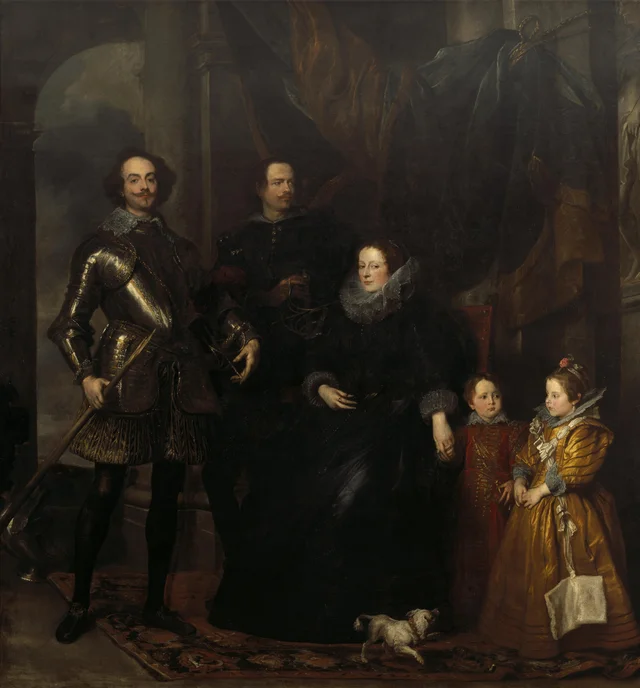 洛梅利尼家族安东尼·凡·戴克, 1623
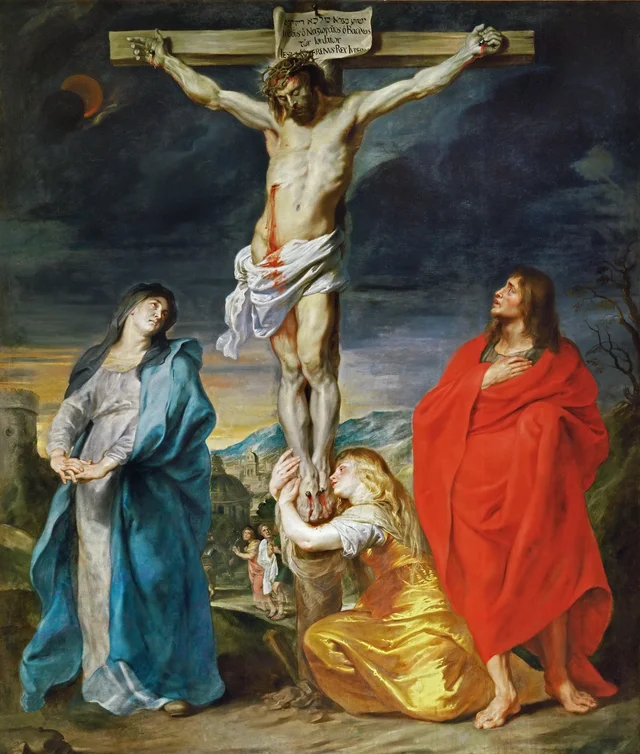 圣母玛利亚、圣约翰和圣玛利亚·抹大拉在场的钉刑图安东尼·凡·戴克, 1618
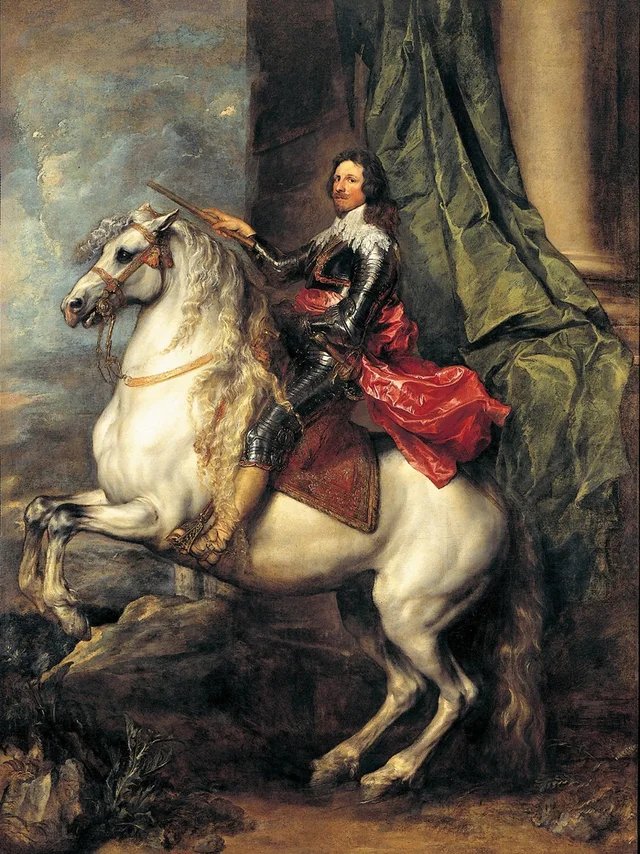 萨伏依-卡里尼昂的托马索亲王骑马像安东尼·凡·戴克, 1634
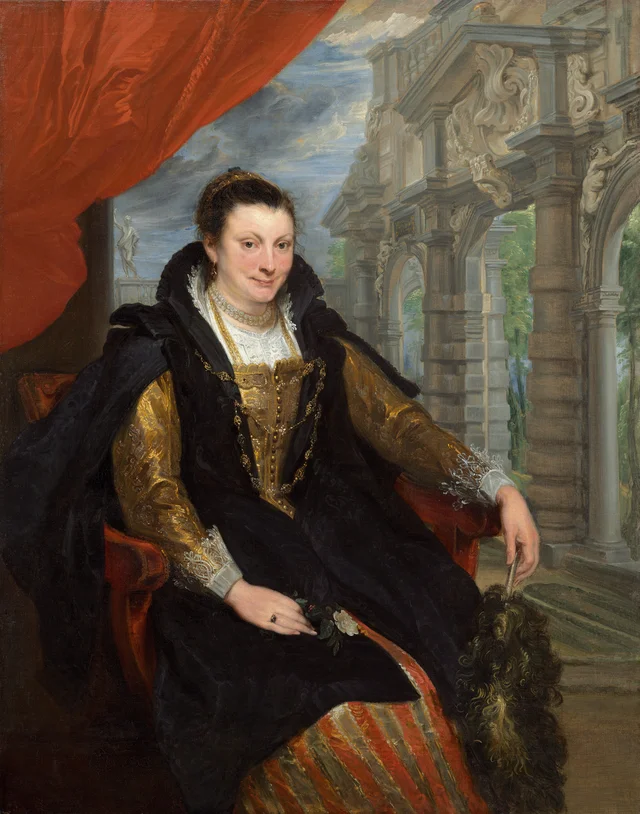 伊莎贝拉·布兰特安东尼·凡·戴克, 1621
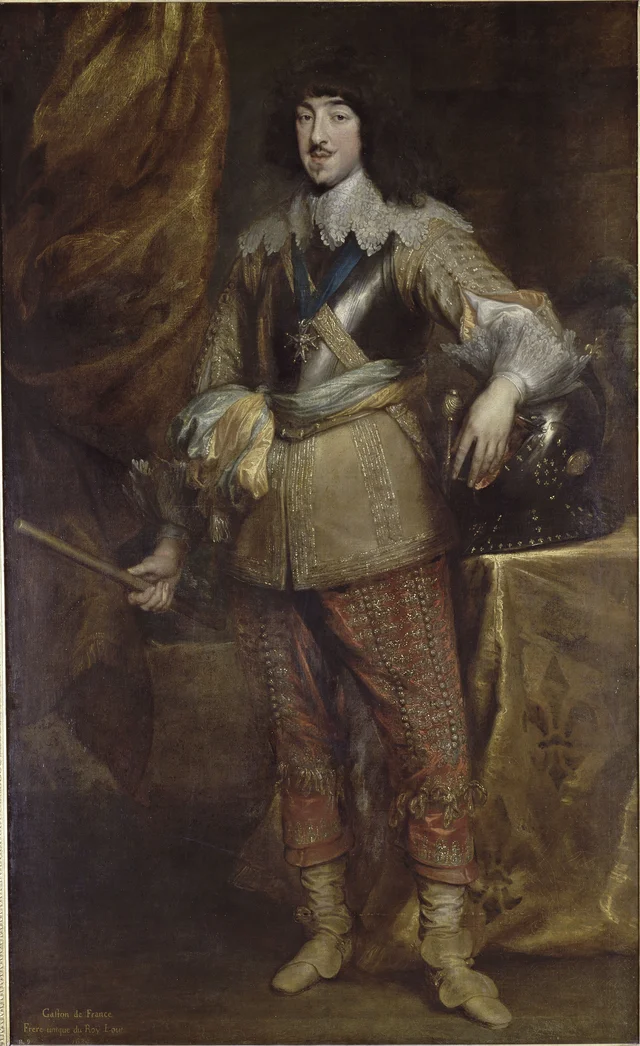 加斯东·德·法兰西肖像安东尼·凡·戴克, 1632
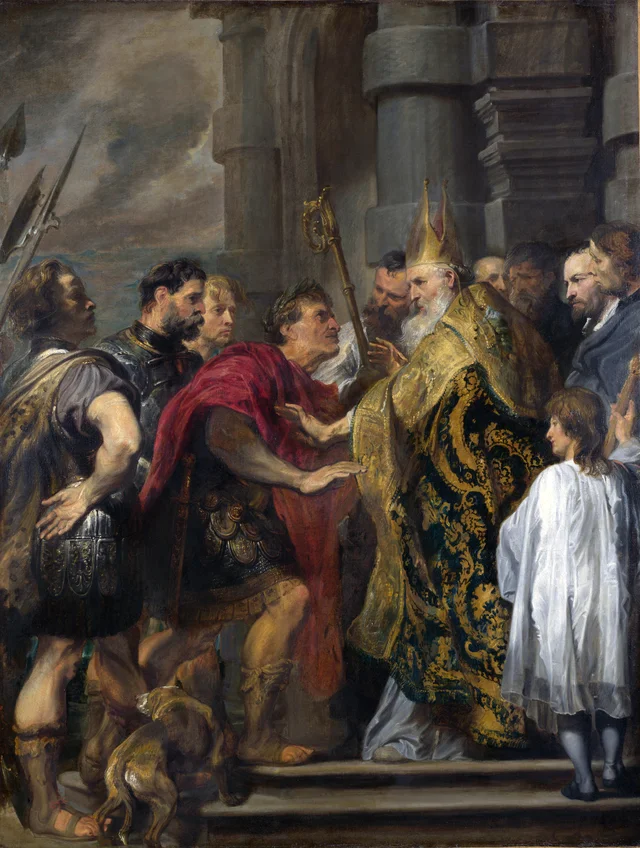 圣安波罗修阻止狄奥多西进入米兰大教堂安东尼·凡·戴克, 1619
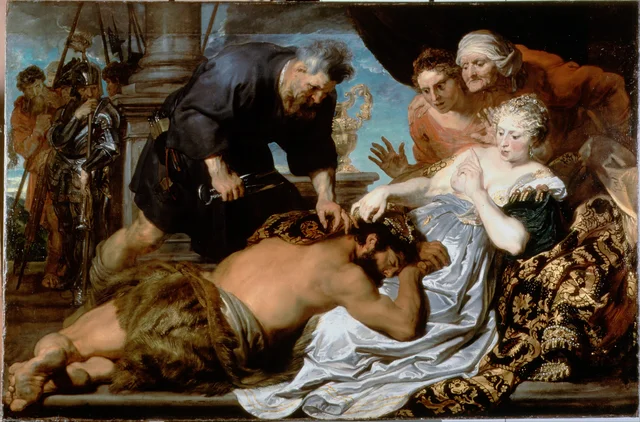 参孙与达利拉安东尼·凡·戴克, 1620
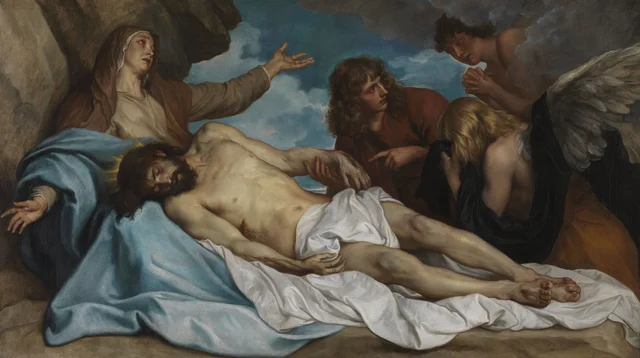 哀悼基督安东尼·凡·戴克, 1635
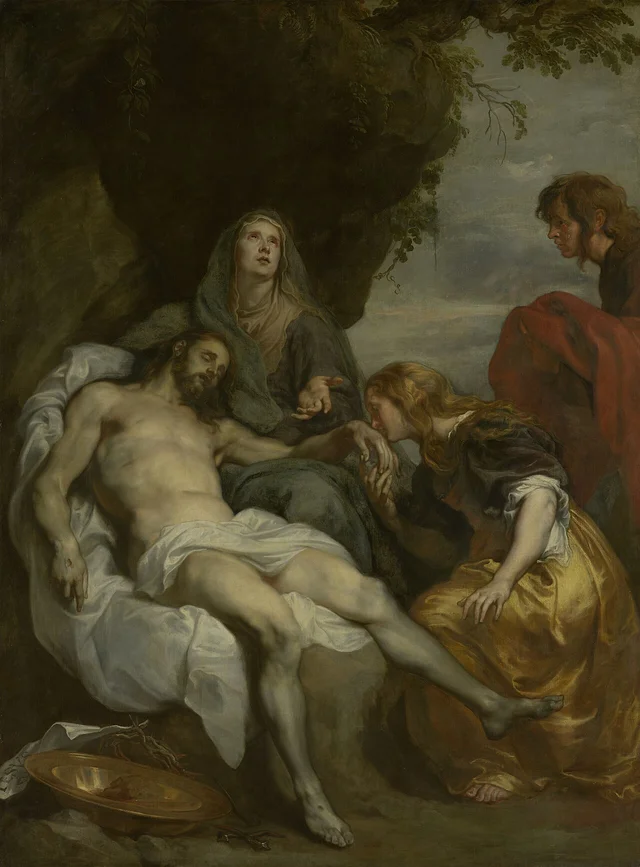 哀悼基督安东尼·凡·戴克, 1629
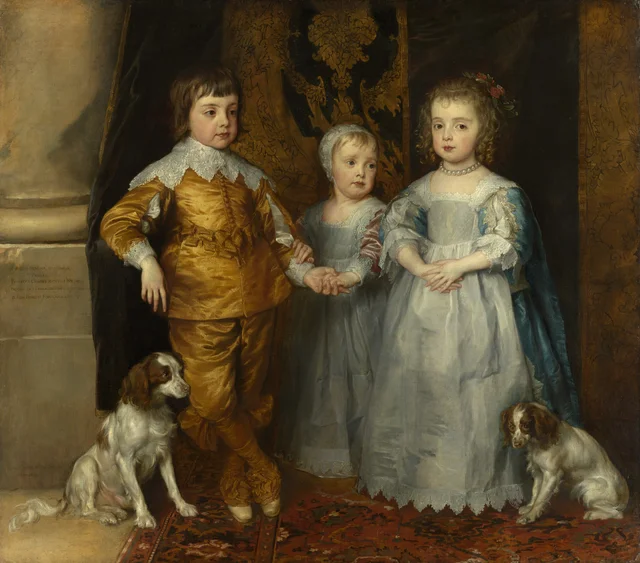 查理一世的三个年长子女安东尼·凡·戴克, 1635
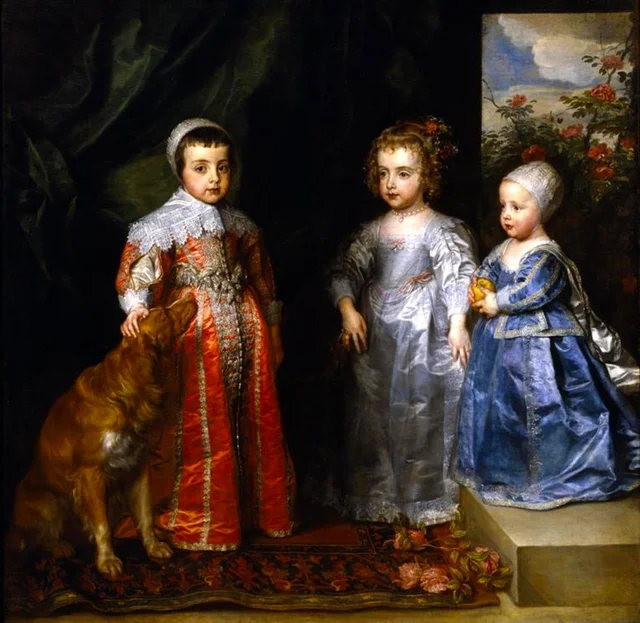 查理一世·斯图亚特(1600-1649)与亨利埃塔·玛丽亚·波旬(1609-1669)的三个年长子女:查理(1630-1685)、玛丽(1631-1666)和詹姆斯(1633-1685)安东尼·凡·戴克, 1635
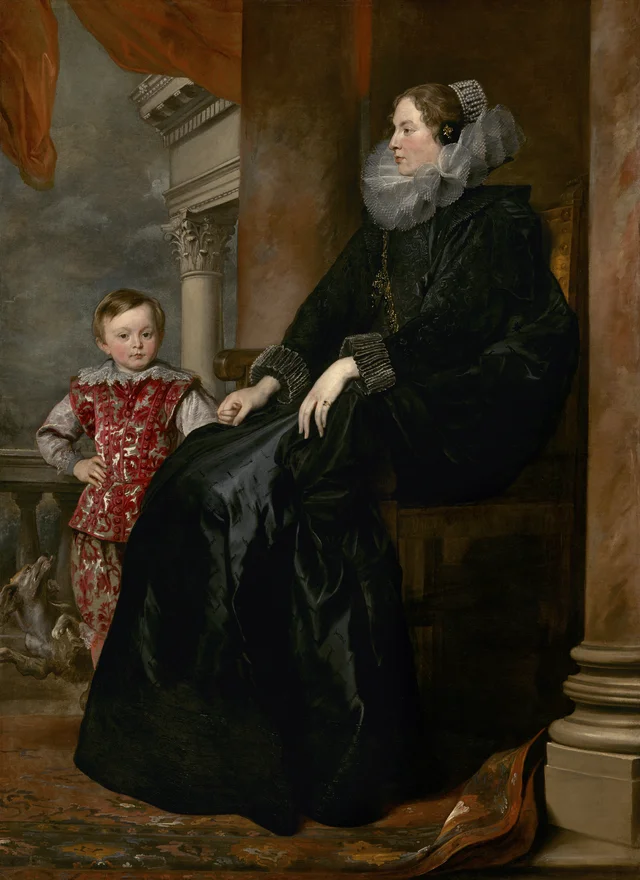 热那亚贵妇与她的儿子安东尼·凡·戴克, 1626
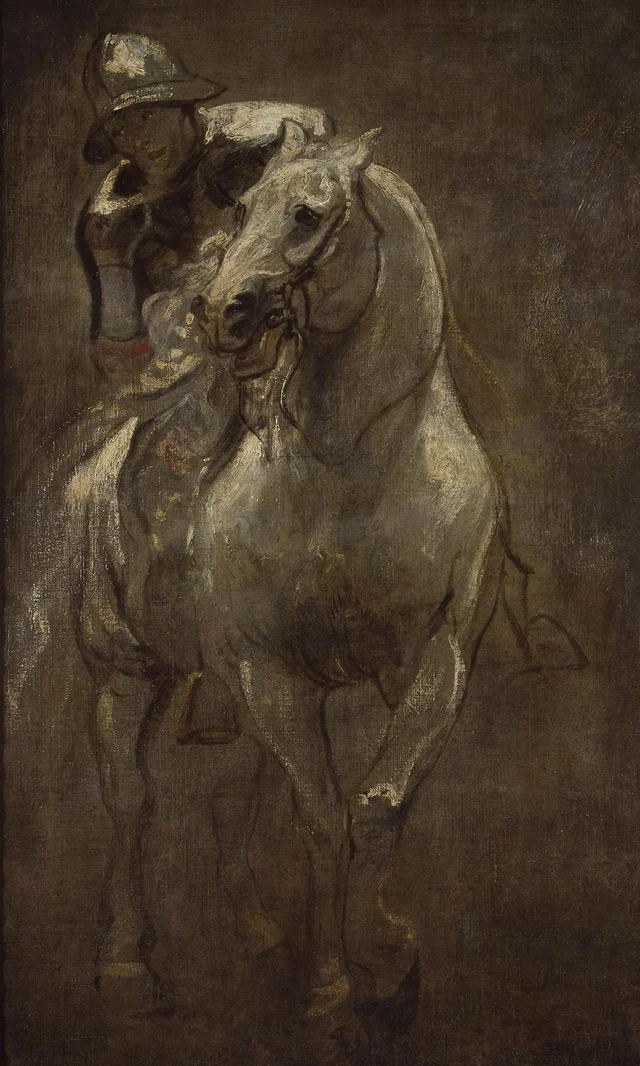 骑马的士兵安东尼·凡·戴克, 1616