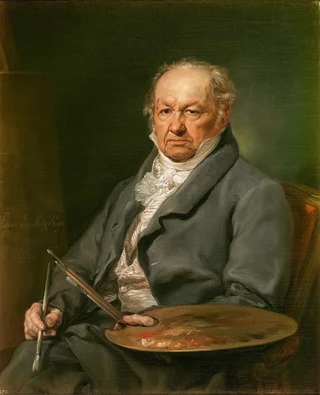
弗朗西斯科·戈雅
1746–1828 · 西班牙 · 浪漫主义
语音导览
故事
弗朗西斯科·戈雅几乎爬到了18世纪西班牙画家所能企及的最高位置。他出身阿拉贡一座外省小城,一路做到马德里的首席宫廷画师,绘制明快的挂毯图样,也画讨好君王的肖像。然而,1792年冬天,他突然被一种至今没人能确诊的疾病击倒——数月的高烧、眩晕与耳鸣,病愈后他彻底失聪,此后余生35年一直如此。他保住了宫廷职位,但作品的内核却转向内心,变得阴暗起来。
被困在自己的寂静之中,他创作了一系列版画《狂想曲》,画满了女巫、驴子与怪物,其中一幅题为“理性沉睡,心魔生焉”。此后,历史追上了这份私人的阴暗。1808年,拿破仑的军队涌入西班牙,把皇帝的弟弟扶上王位,马德里民众揭竿而起;法军在整夜之间成批枪决起义者。多年后,戈雅把那一夜画了下来:一个穿白衬衫的男人在一队面目模糊的行刑队前张开双臂,两者之间的地上放着一盏孤灯。这幅画常被称为第一幅伟大的现代战争题材画作,画中没有丝毫荣耀可言。
到了晚年,他走得更远。年迈、失聪,被自己所经历的一切摧残,他在马德里郊外自家农舍的墙上画满了没打算卖给任何人的作品——阴暗、私密、如梦魇一般,其中一幅画着一位巨神吞食自己的孩子。他从未给这些画命名,人们后来称之为“黑色绘画”。他甚至没有把它们带在身边——将近80岁时,他因与西班牙王室政见不合,离开祖国前往法国波尔多,并在那里去世。这些壁画几十年后才被剥离下来,如今挂在马德里。
更多文章
作品
374 件作品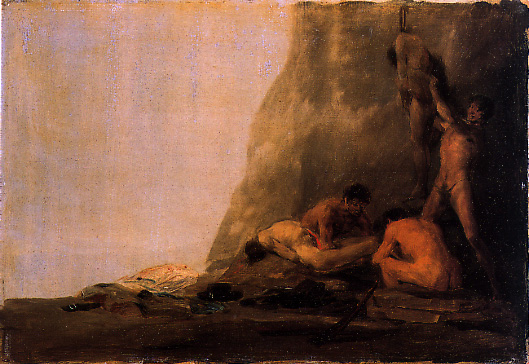 食人族肢解受害者弗朗西斯科·戈雅, 1800
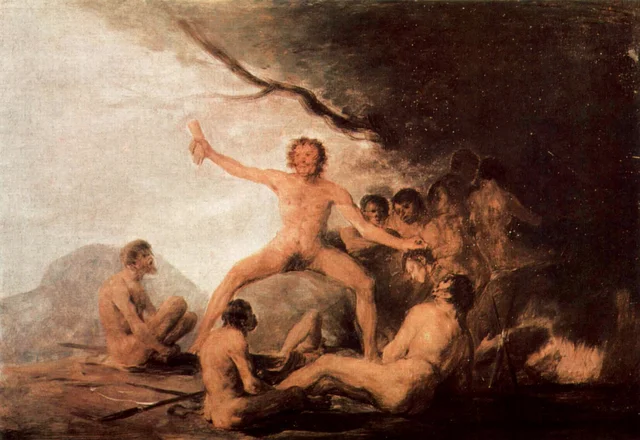 凝视人类遗骸的食人族弗朗西斯科·戈雅, 1800
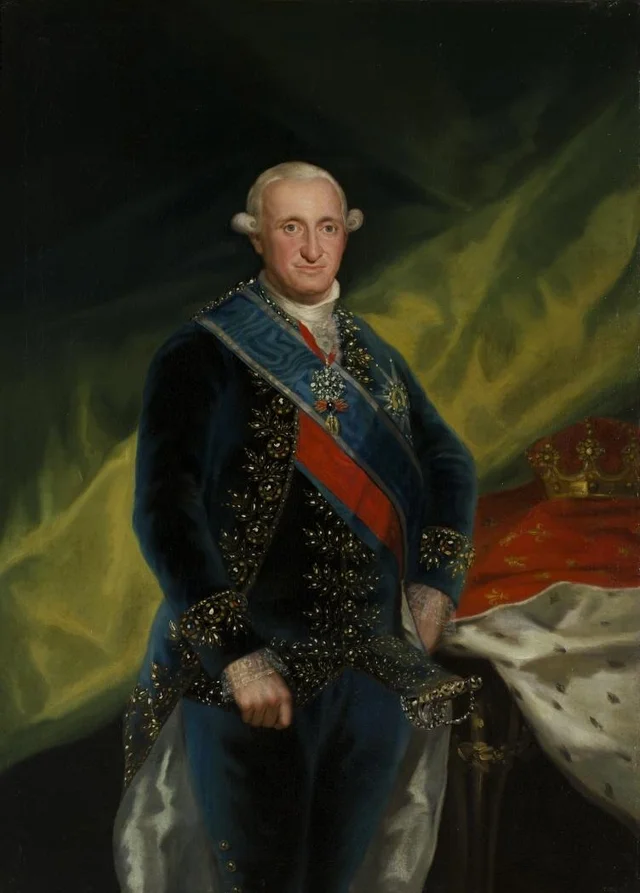 西班牙国王卡洛斯四世弗朗西斯科·戈雅, 1789
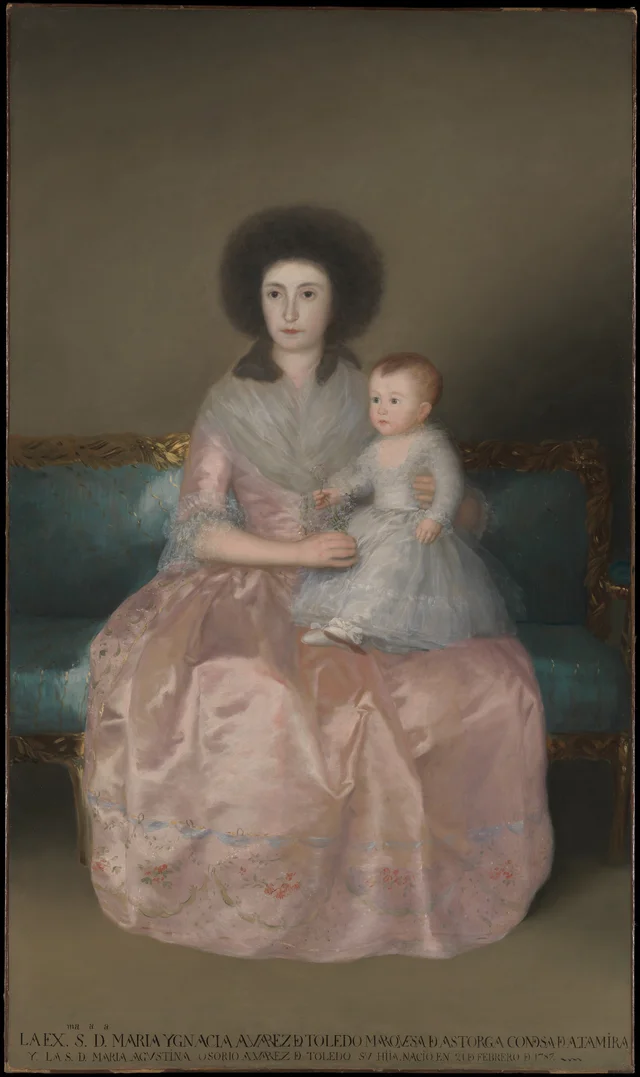 阿尔塔米拉伯爵夫人和她的女儿玛丽亚·奥古斯蒂娜弗朗西斯科·戈雅, 1787
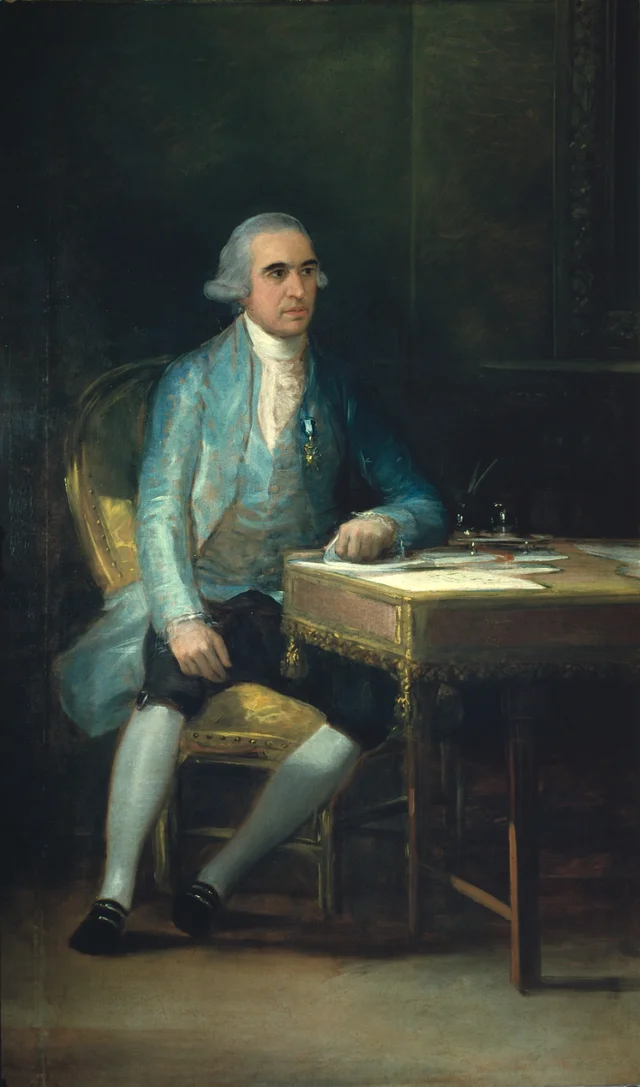 弗朗西斯科·德·萨阿维德拉先生弗朗西斯科·戈雅, 1798
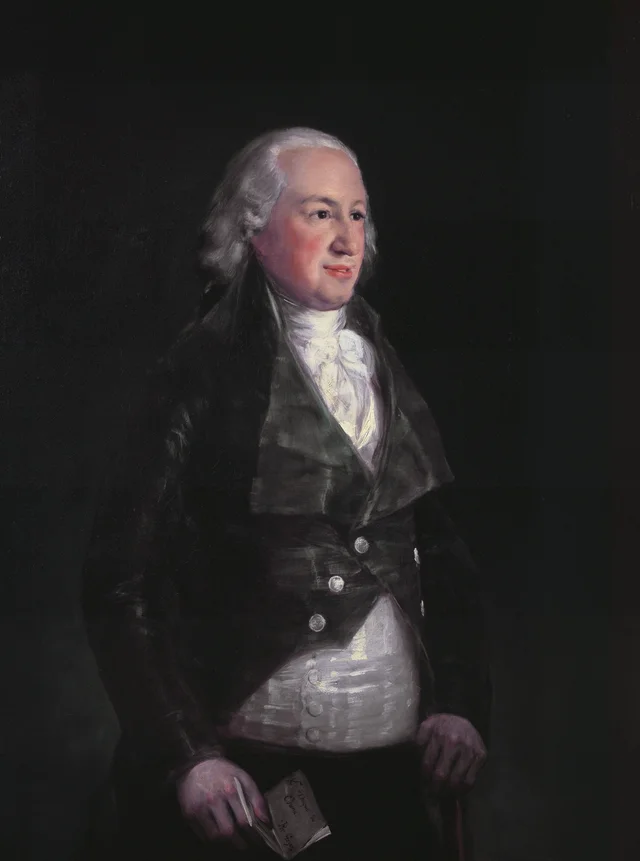 奥苏纳公爵佩德罗弗朗西斯科·戈雅, 1795
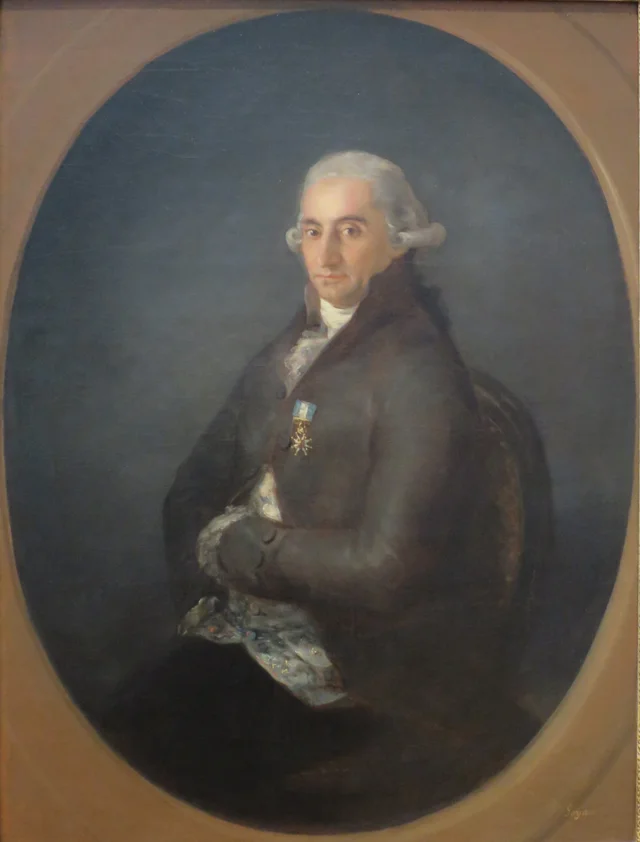 堂·拉蒙·德·波萨达-伊-索托弗朗西斯科·戈雅, 1801
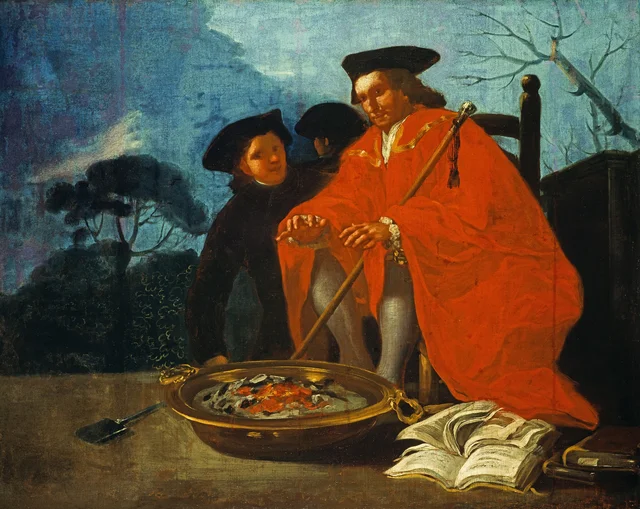 医生弗朗西斯科·戈雅, 1780
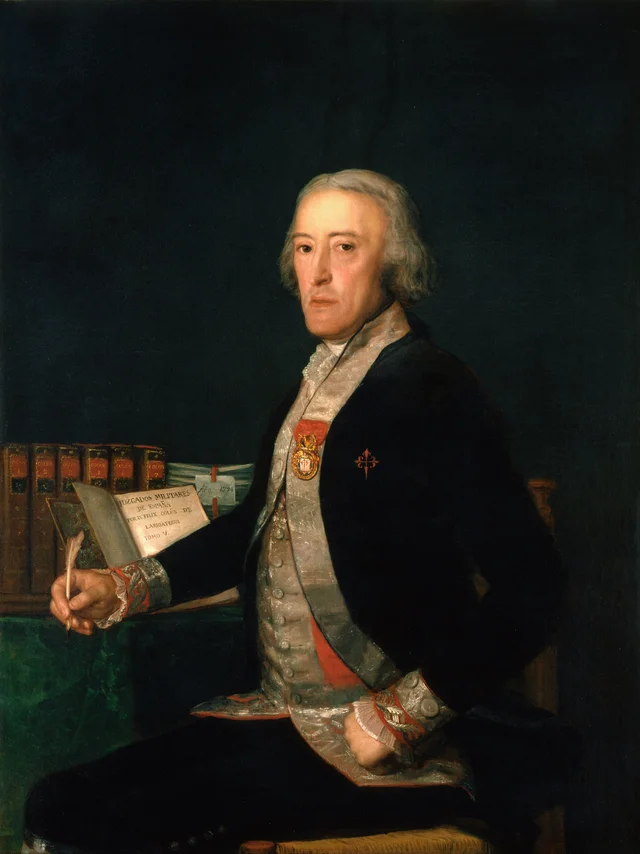 费利克斯·科隆·德·拉里亚特吉弗朗西斯科·戈雅, 1794
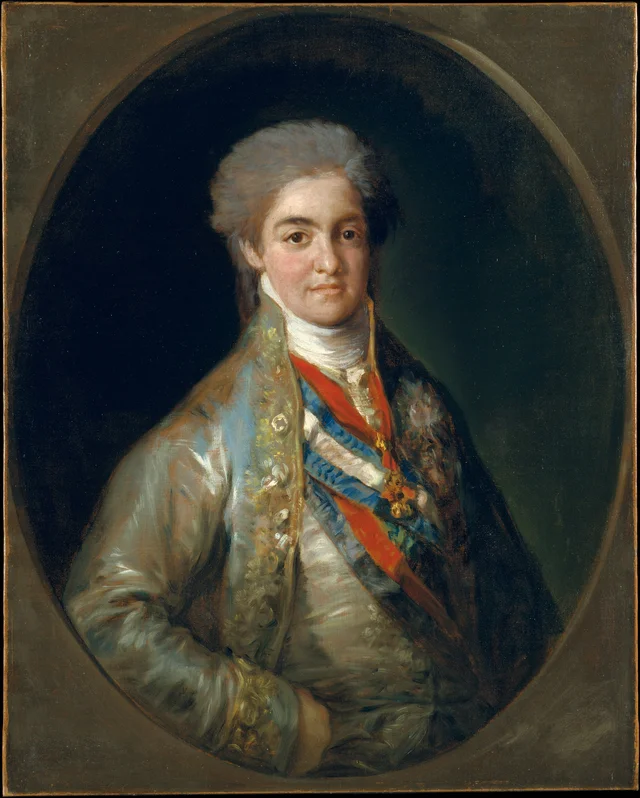 费尔南多七世(1784–1833),阿斯图里亚斯亲王弗朗西斯科·戈雅, 1800
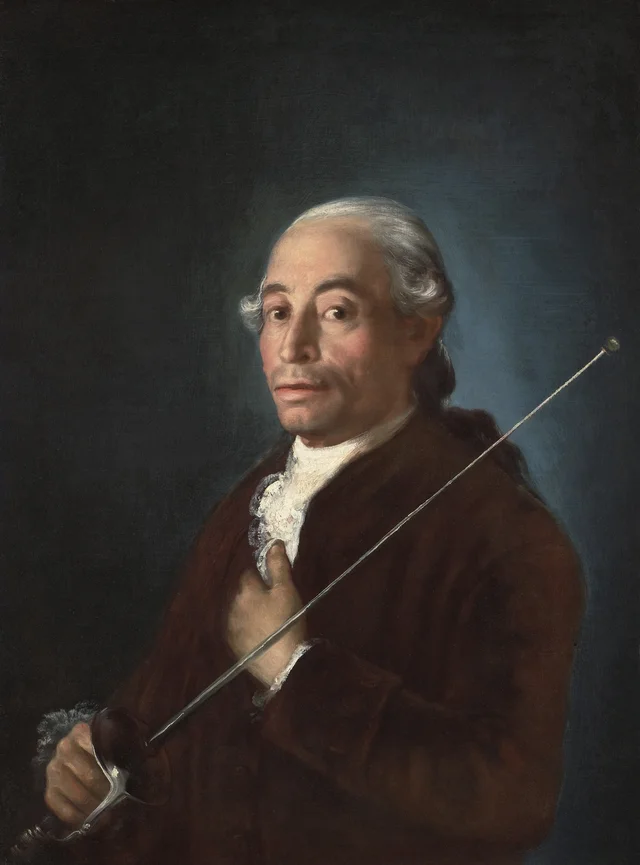 弗朗切斯科·萨巴蒂尼弗朗西斯科·戈雅, 1775
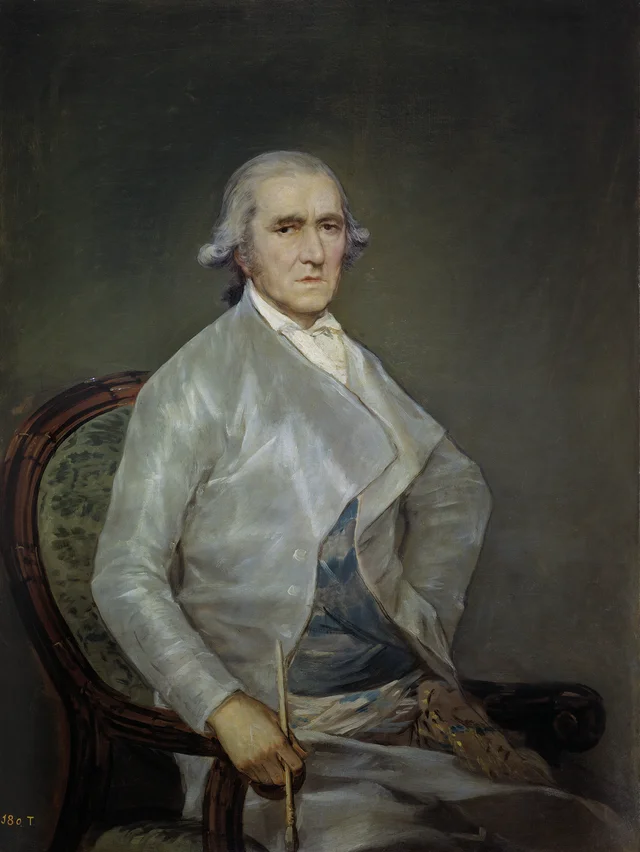 弗朗西斯科·拜乌弗朗西斯科·戈雅, 1795
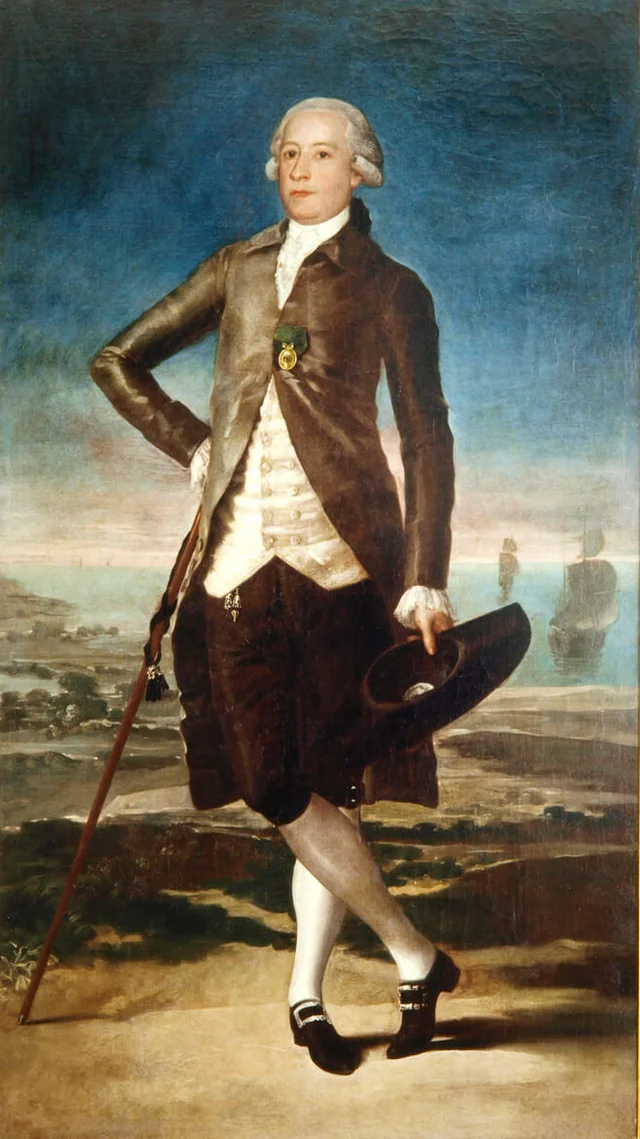 加斯帕尔·梅尔乔尔·德·霍维利亚诺斯弗朗西斯科·戈雅, 1782
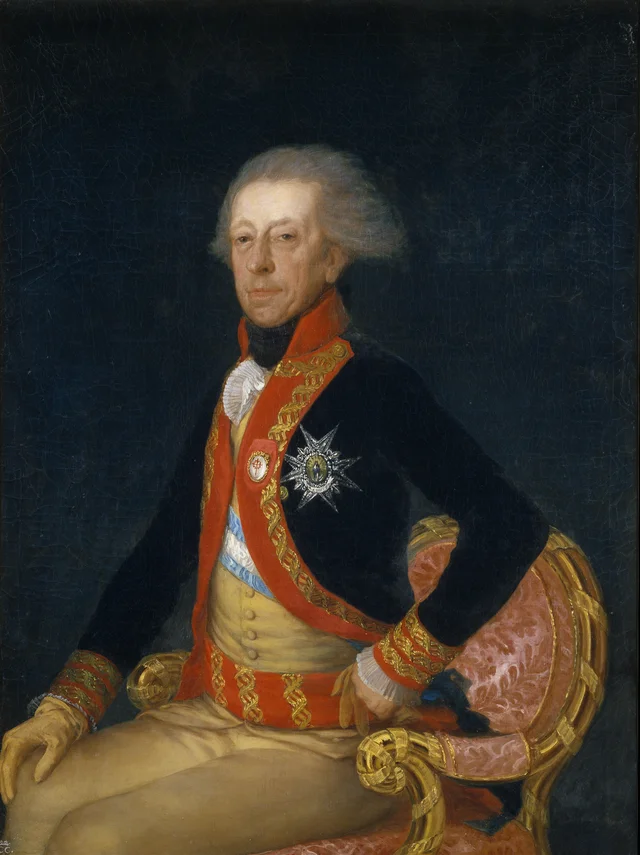 安东尼奥·里卡多斯将军弗朗西斯科·戈雅, 1793
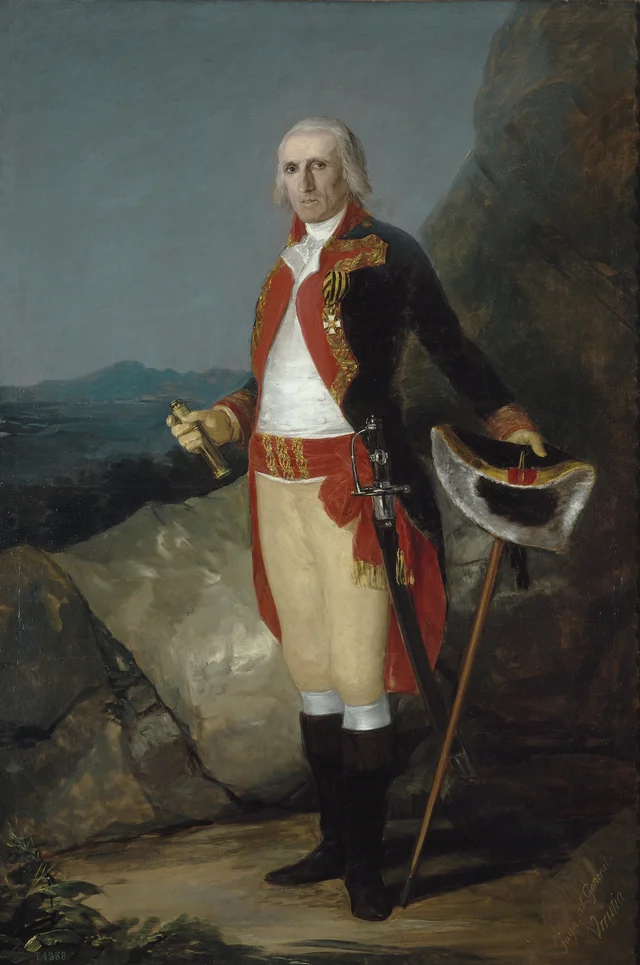 何塞·德·乌鲁蒂亚将军弗朗西斯科·戈雅, 1798
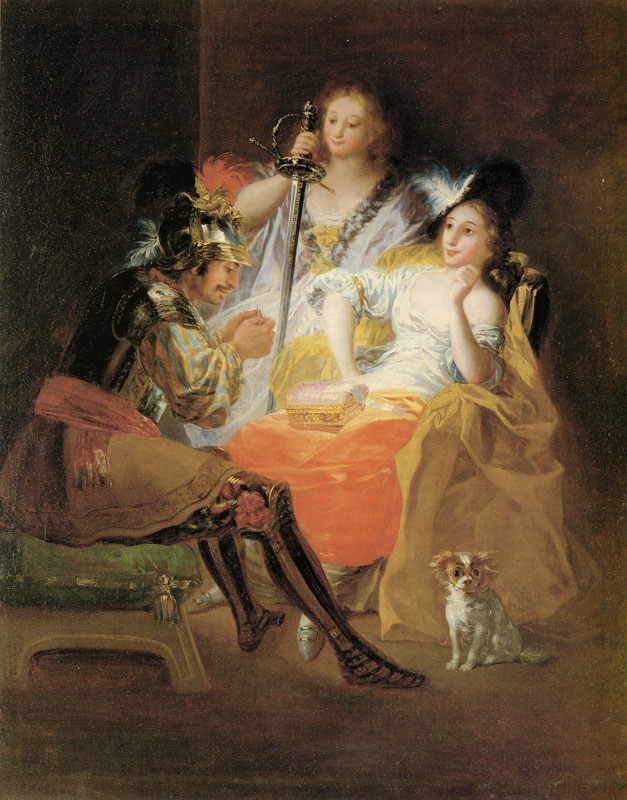 海格力斯与翁法勒弗朗西斯科·戈雅, 1784
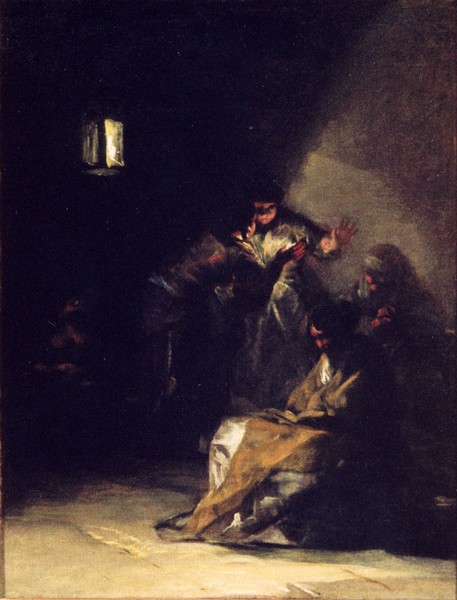 监狱内部弗朗西斯科·戈雅, 1810
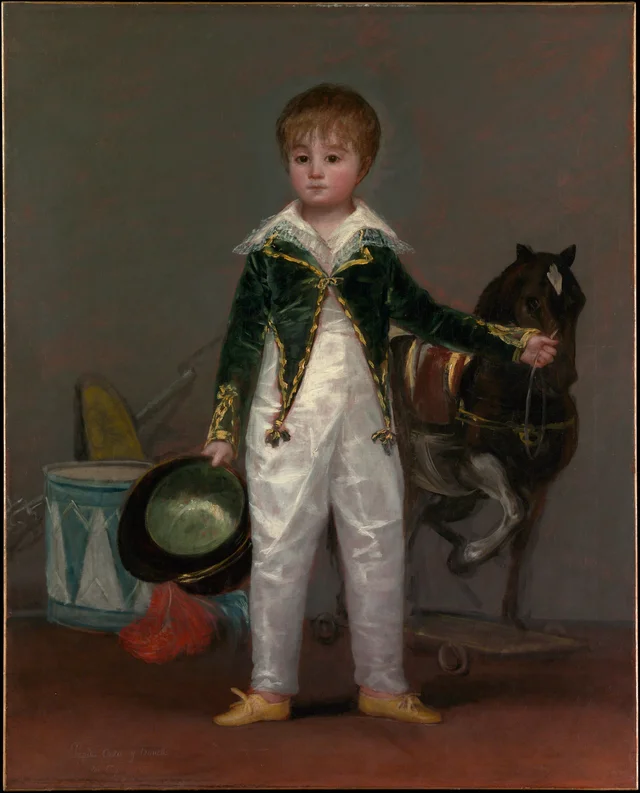 何塞·科斯塔-伊-博内利斯,绰号佩皮托弗朗西斯科·戈雅, 1810
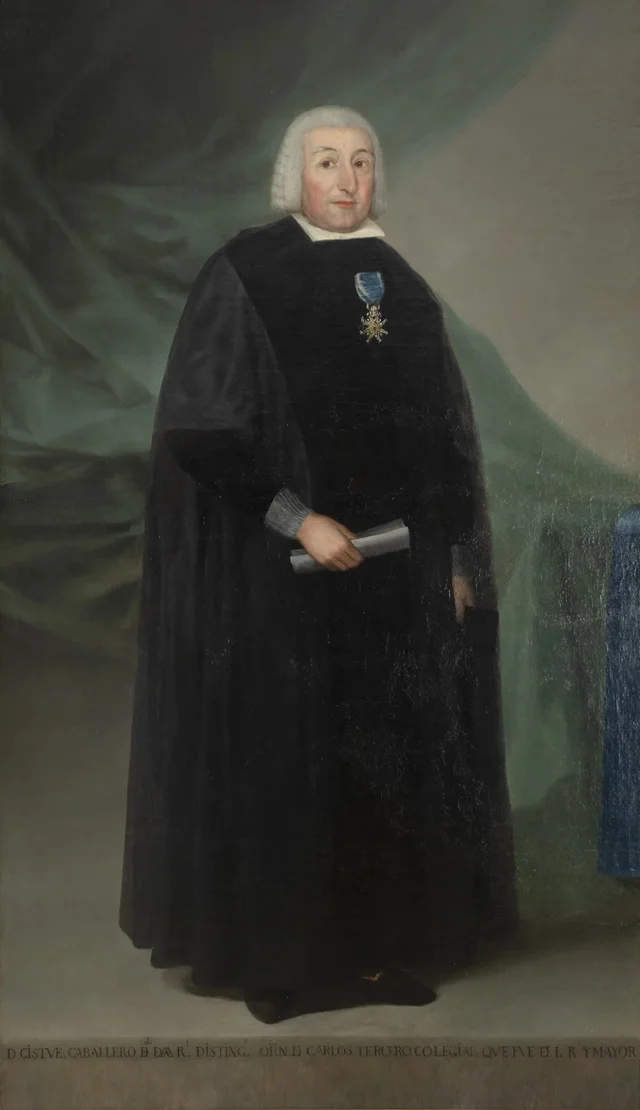 José de Cistué y Coll弗朗西斯科·戈雅, 1788
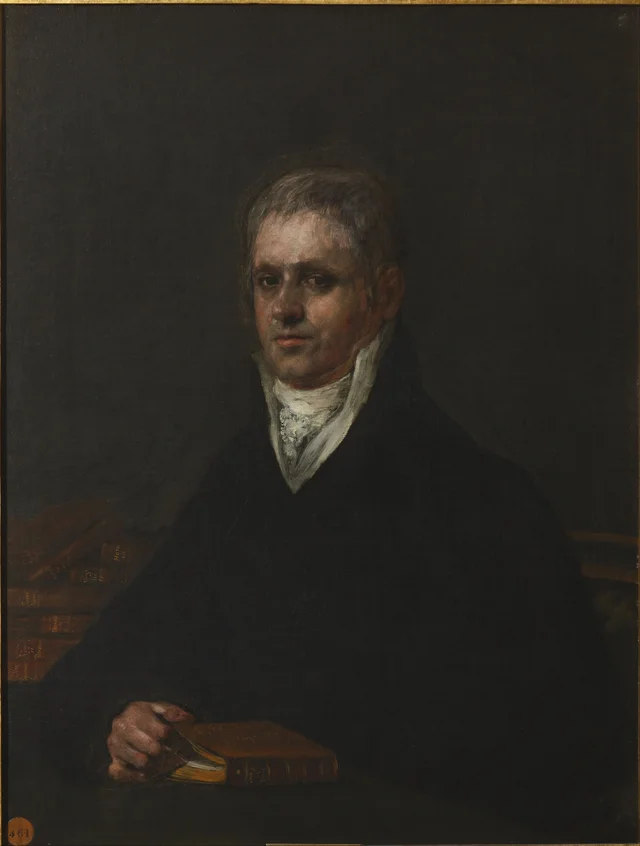 何塞·路易斯·穆纳里斯弗朗西斯科·戈雅, 1815
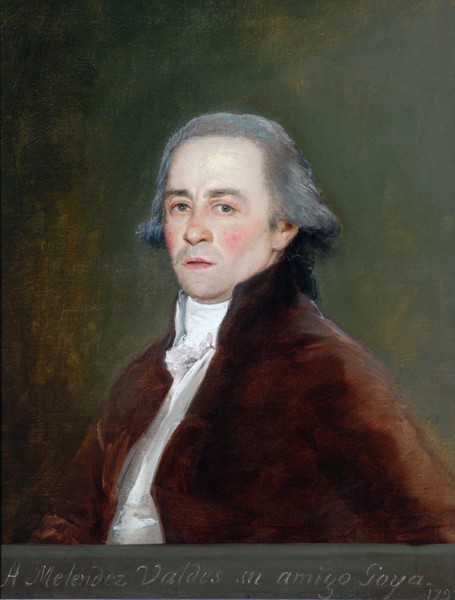 胡安·安东尼奥·梅伦德斯·巴尔德斯弗朗西斯科·戈雅, 1797
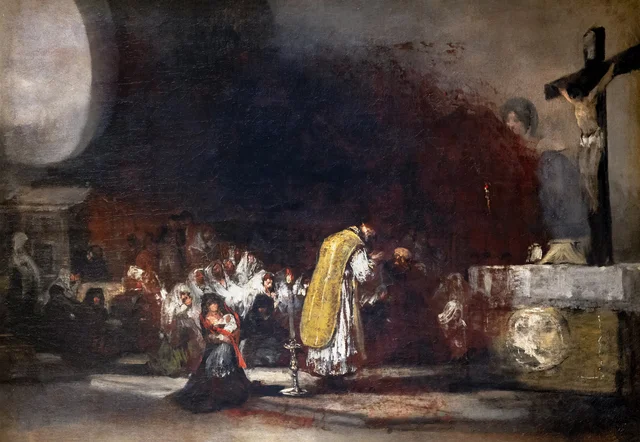 产妇净礼弥撒弗朗西斯科·戈雅, 1810
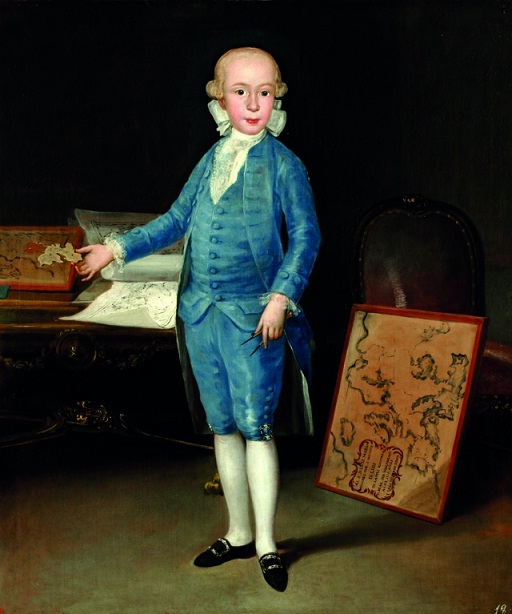 路易斯·玛丽亚·德·波旁-巴拉布里加弗朗西斯科·戈雅, 1783
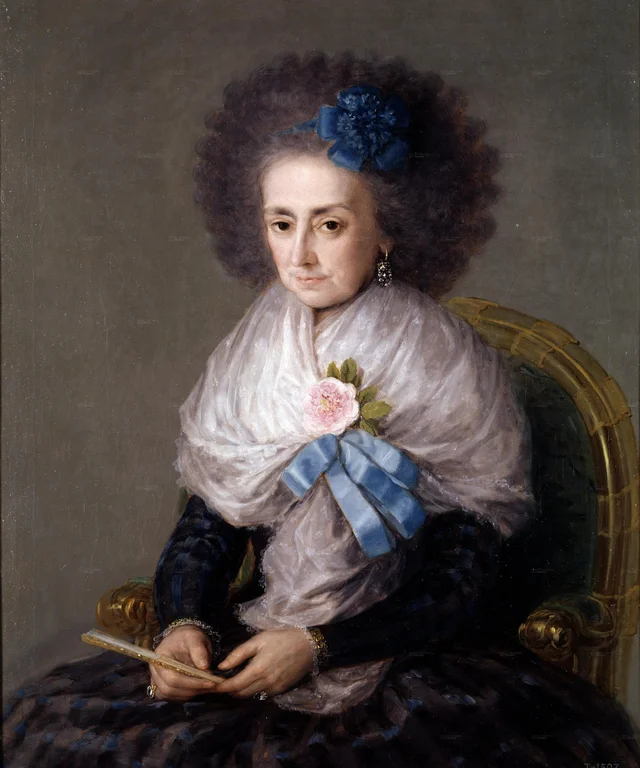 玛丽亚·安东尼娅·冈萨加,维拉弗兰卡遗孀侯爵夫人弗朗西斯科·戈雅, 1795
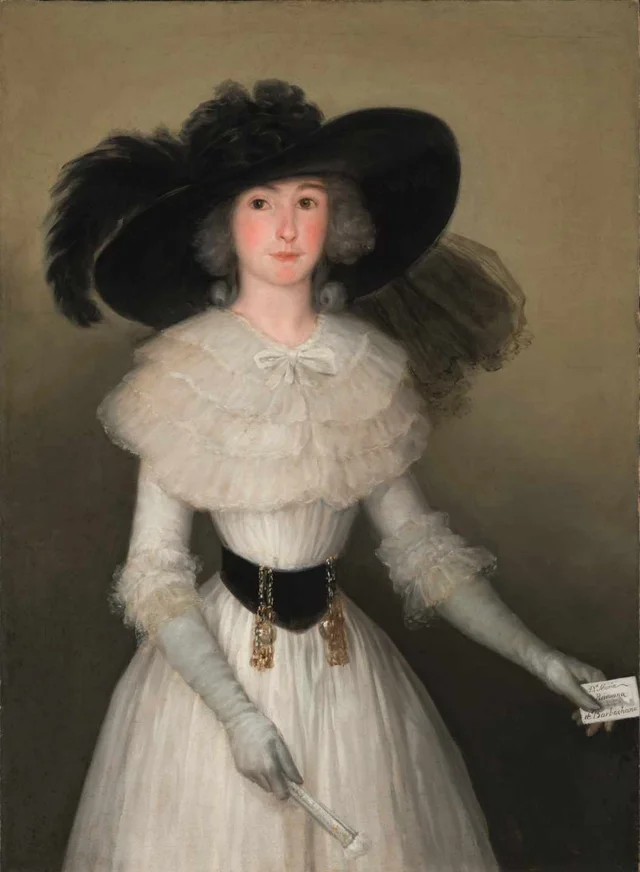 玛丽亚·拉蒙娜·德·巴尔巴查诺弗朗西斯科·戈雅, 1787