语音导览
故事
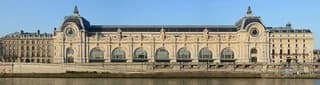
奥赛博物馆最初是一座火车站。它1900年5月在塞纳河畔开门,为当年夏天挤满巴黎的世界博览会赶工建成。建筑师维克多·拉卢把铁结构的月台大棚藏在一整面石砌正立面之后,又在站台上方设了一家旅馆,它作为世界上第一座电气化的城市终点站运营,列车在玻璃顶棚下无烟无汽地进出。
那份优雅也是它的败因。站台太短,容不下后来投入使用的更长的列车,到1939年主要干线已迁往别的车站。此后几十年里,奥赛车站半空着,面临拆除的威胁,奥逊·威尔斯1962年拍摄卡夫卡《审判》的电影时,大部分场景就取自它废弃的厅堂。1978年,法国把这座建筑列为保护建筑,并决定把它改成一座博物馆。
它1986年重新开放,专门陈列1848到1914年间的法国艺术,也就是涵盖印象派的那段时期。在巨大的玻璃拱顶下,如今你能看到马奈的《奥林匹亚》、梵高的自画像、德加的舞女和莫奈的大教堂,这是世界上最出色的印象派与后印象派收藏之一。在展厅尽头的高墙上,车站原来的那座大钟仍然面朝大厅,为参观者报时。
馆藏
291 件作品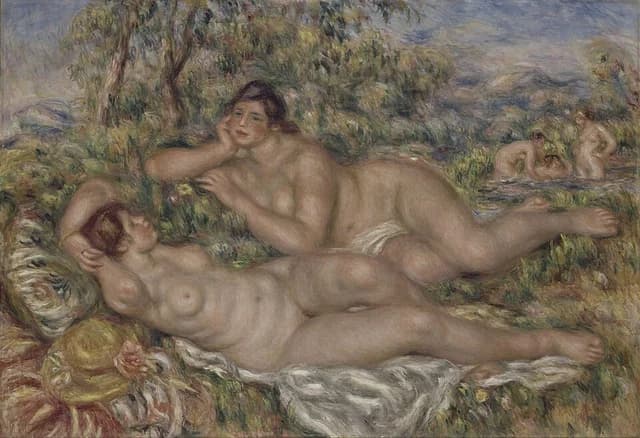 浴女皮埃尔-奥古斯特·雷诺阿, 1918
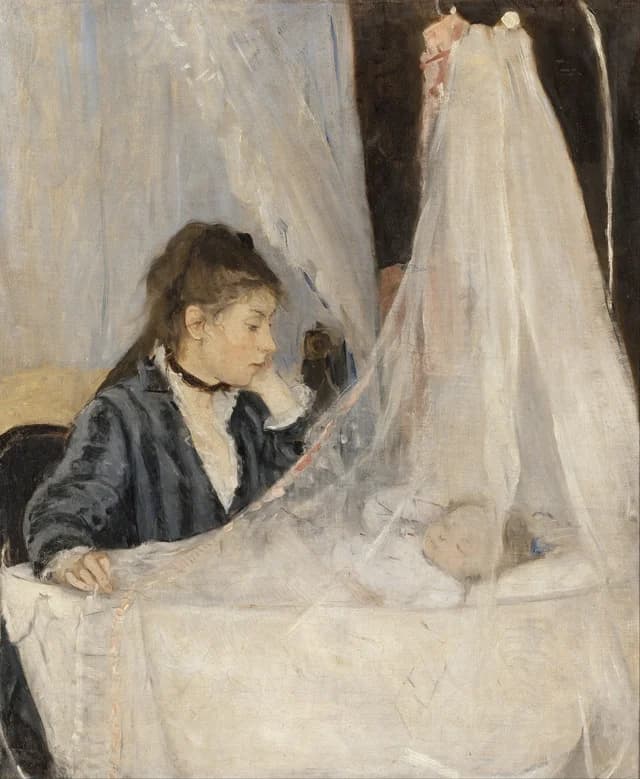 摇篮贝尔特·莫里索, 1872
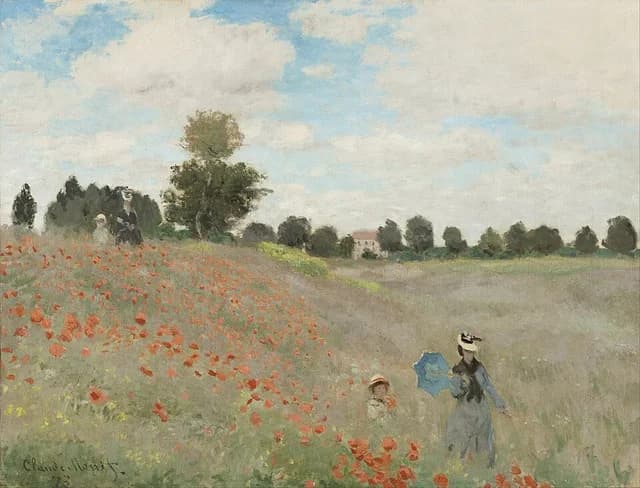 阿让特伊附近的罂粟花田克劳德·莫奈, 1873
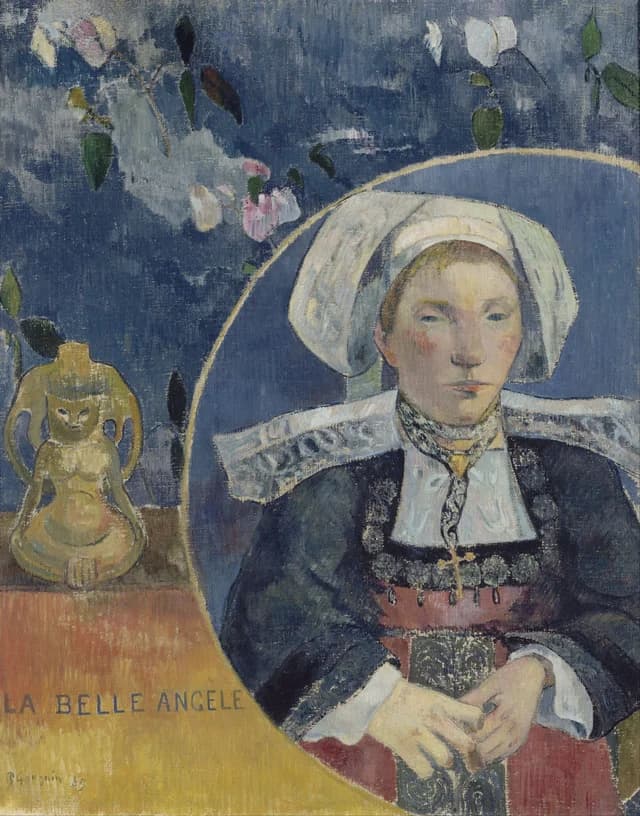 美丽的安热尔保罗·高更, 1889
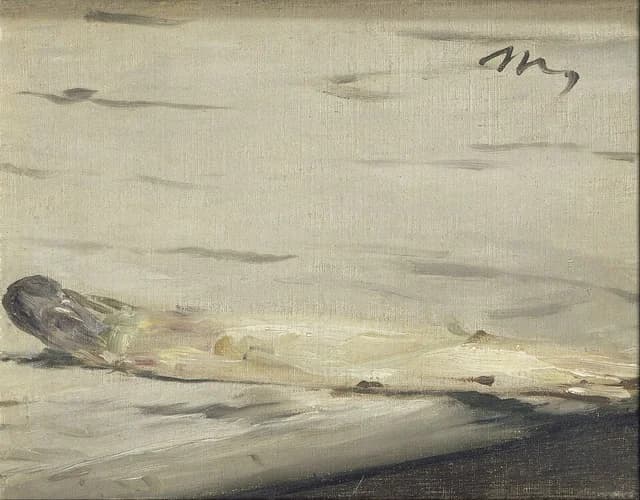 芦笋爱德华·马奈, 1880
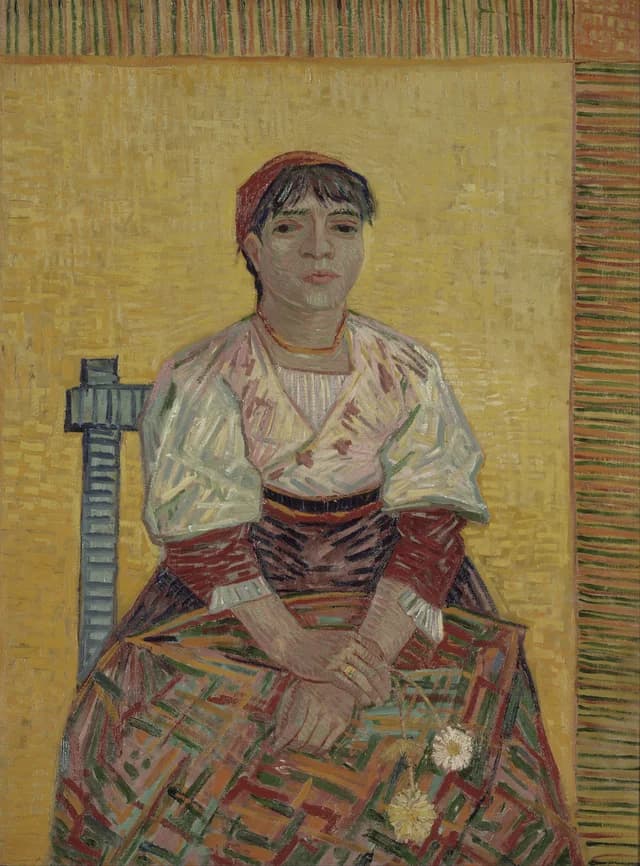 意大利女子文森特·梵高, 1887
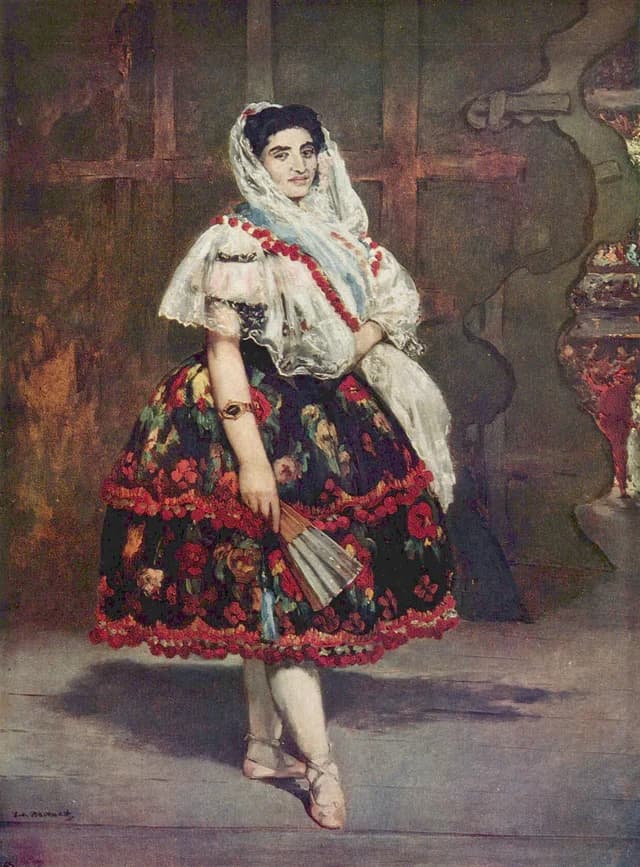 瓦伦西亚的洛拉爱德华·马奈, 1862
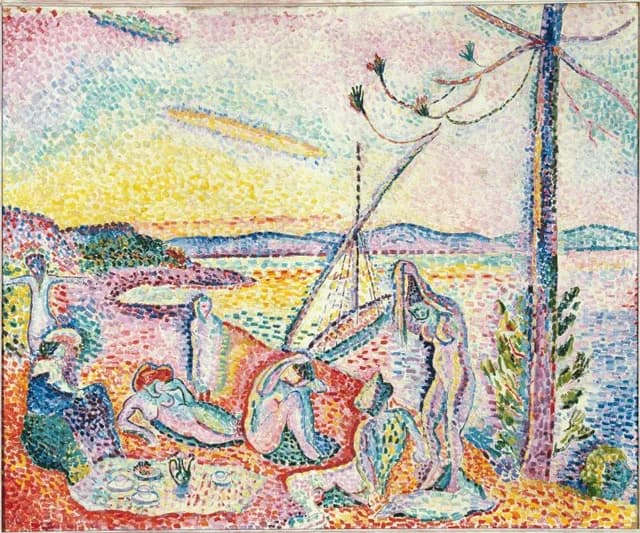 奢华、宁静与享乐亨利·马蒂斯, 1904
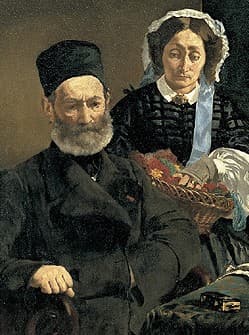 奥古斯特·马奈夫妇肖像爱德华·马奈, 1860
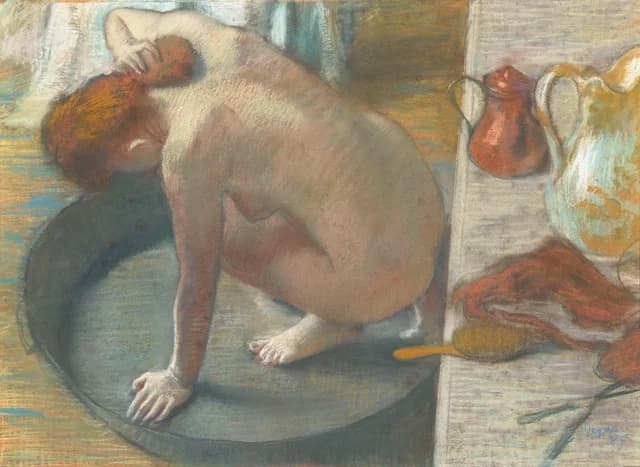 浴盆埃德加·德加, 1886
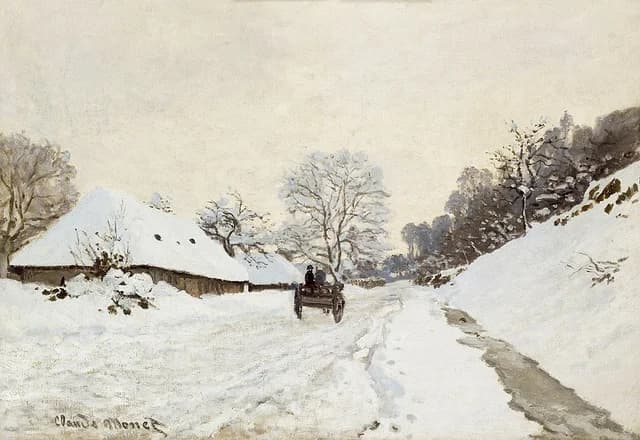 翁弗勒尔雪道上的马车克劳德·莫奈, 1867
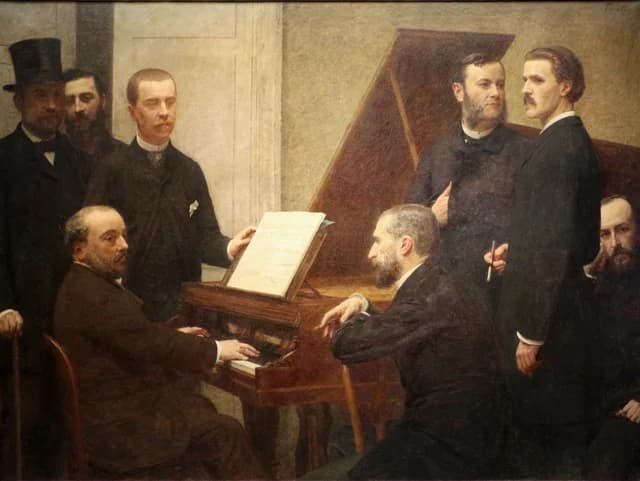 钢琴旁亨利·方丹-拉图尔, 1885
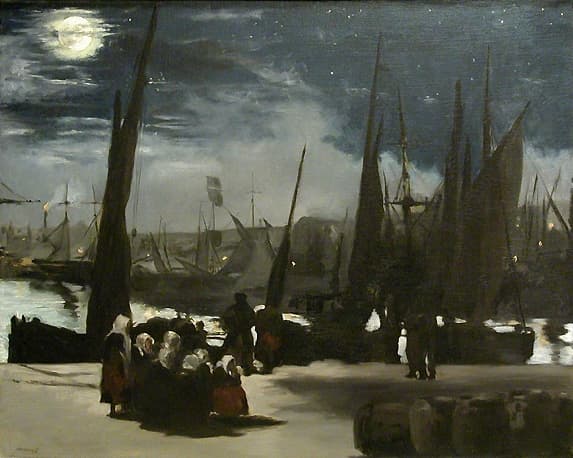 布洛涅港的月光爱德华·马奈, 1869
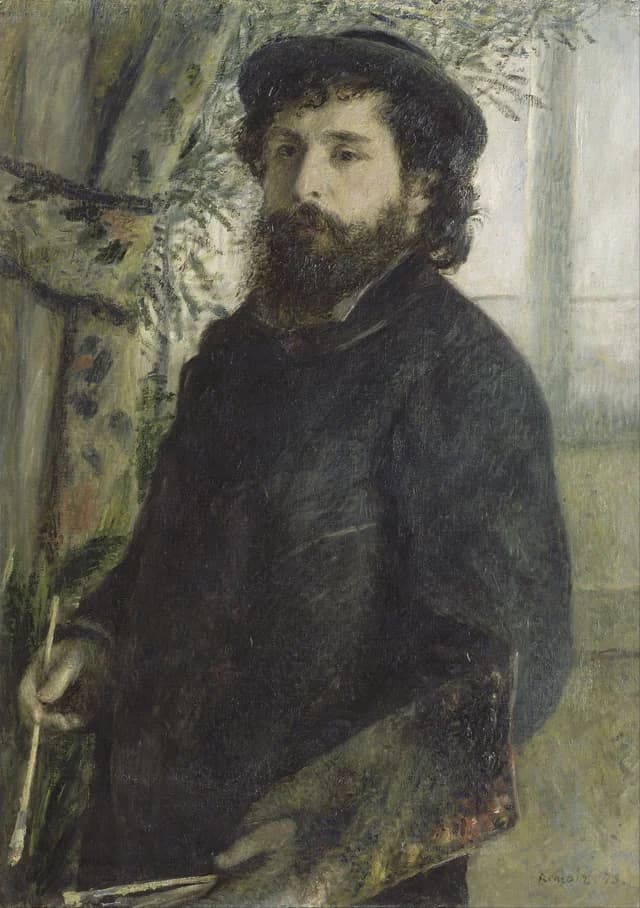 克劳德·莫奈皮埃尔-奥古斯特·雷诺阿, 1875
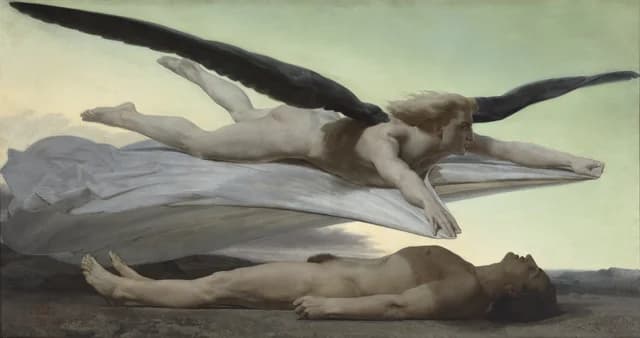 死亡面前人人平等威廉·阿道夫·布格罗, 1848
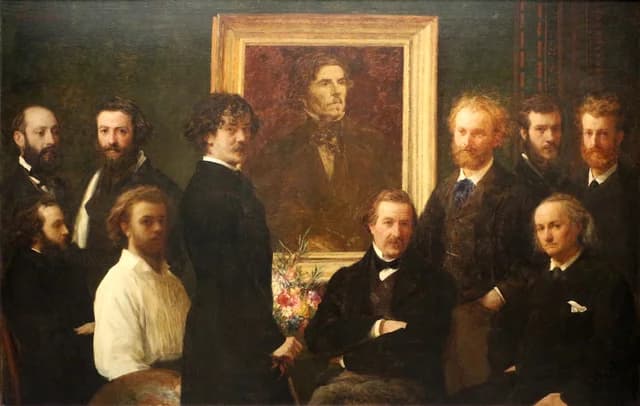 向德拉克罗瓦致敬亨利·方丹-拉图尔, 1864
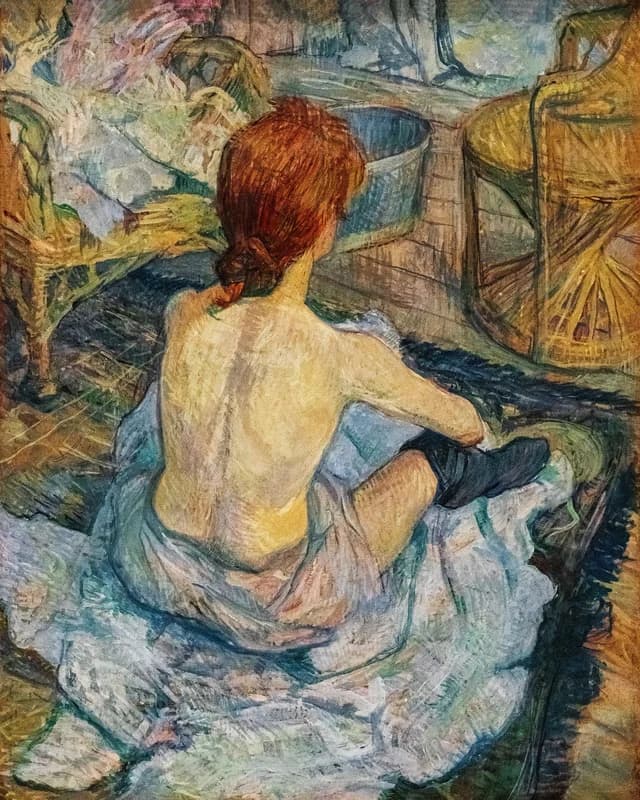 梳妆亨利·德·图卢兹-劳特累克, 1896
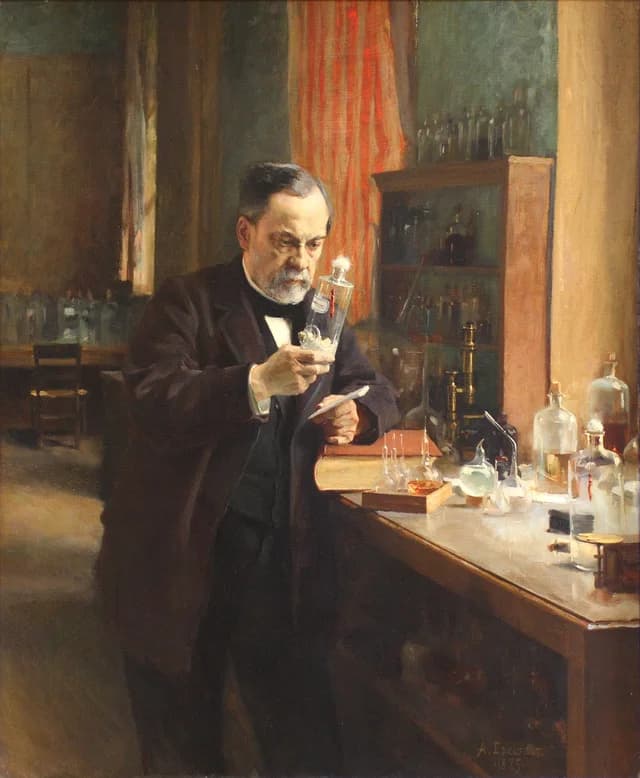 路易·巴斯德肖像阿尔贝特·埃德尔费尔特, 1885
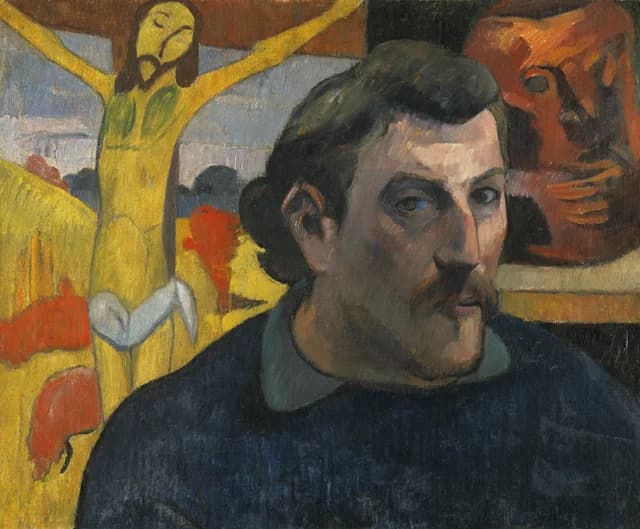 艺术家与黄色基督的自画像保罗·高更, 1890
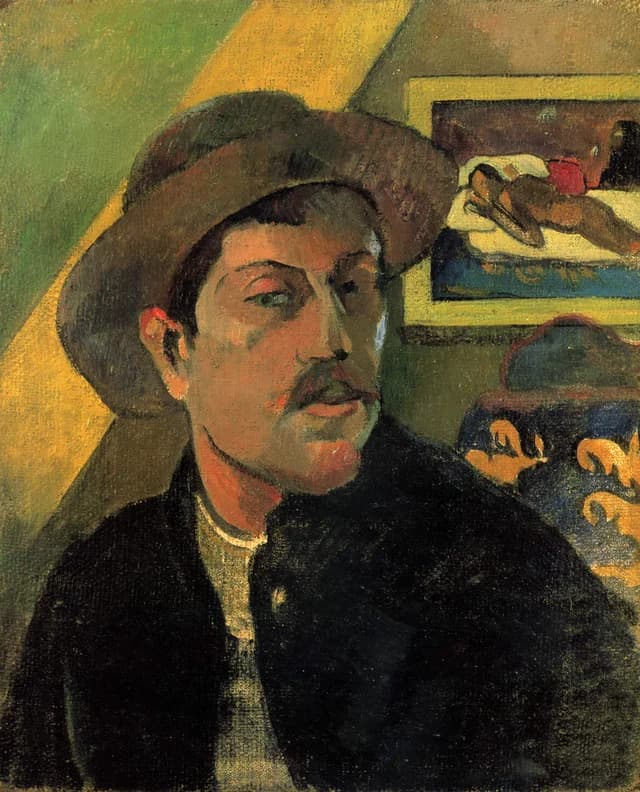 戴帽子的自画像保罗·高更, 1893
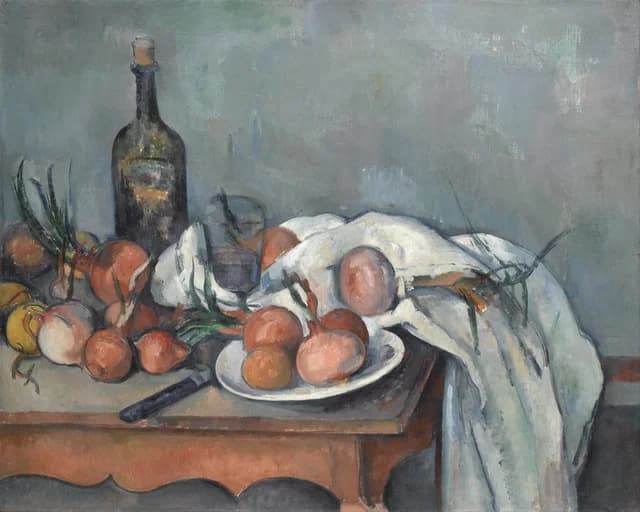 洋葱静物保罗·塞尚, 1898
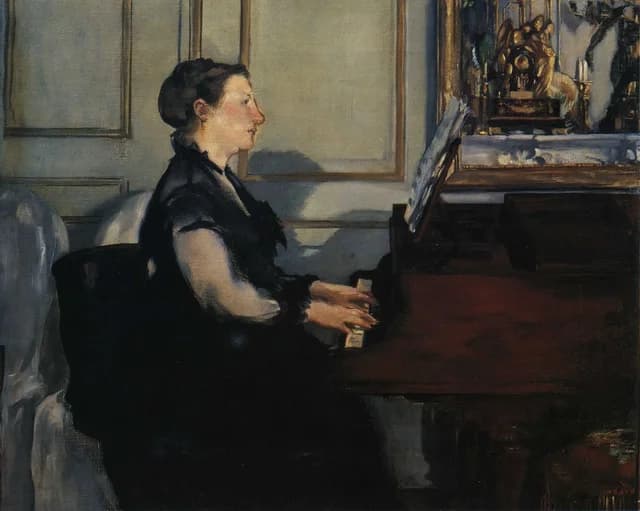 弹钢琴的苏珊·马奈爱德华·马奈, 1867
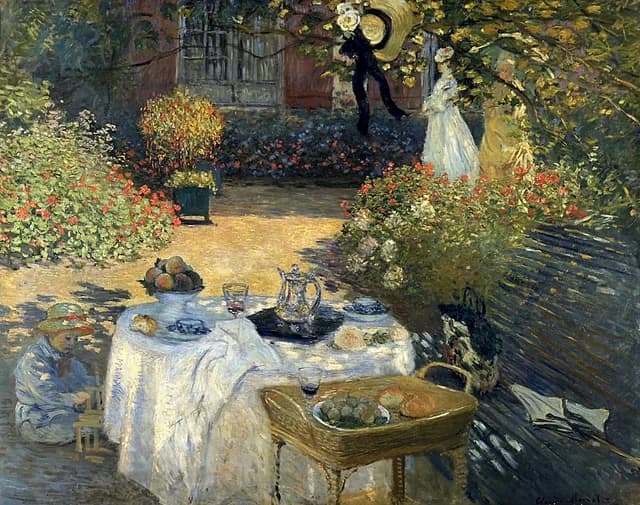 午餐克劳德·莫奈, 1873
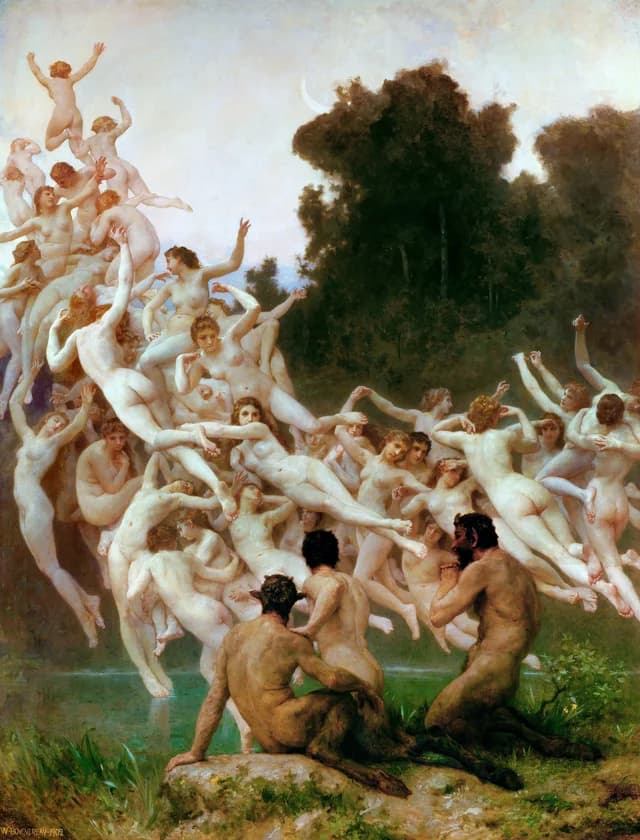 山林仙女威廉·阿道夫·布格罗, 1902
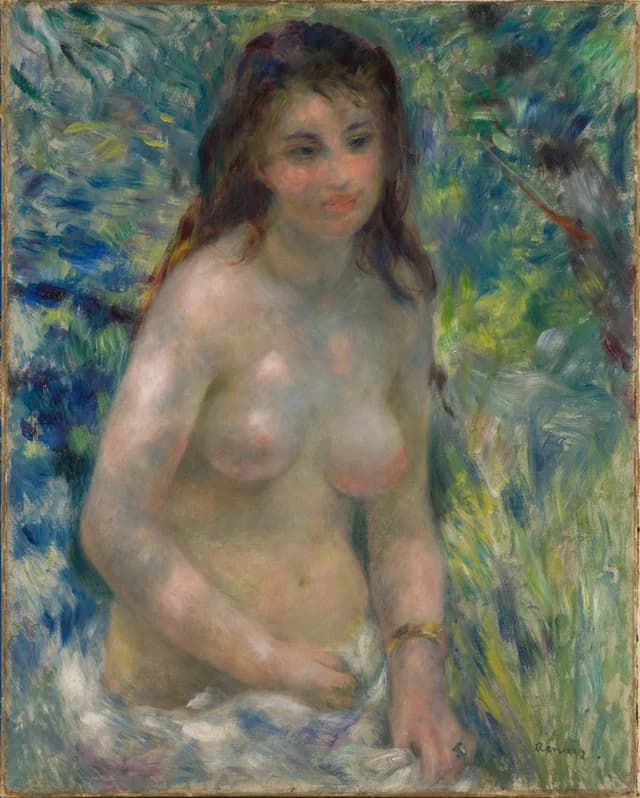 躯干,阳光效果皮埃尔-奥古斯特·雷诺阿, 1875