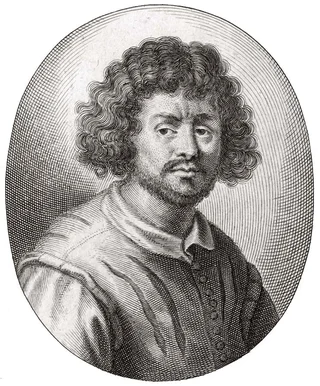
Claude Lorrain
1600–1682 · Herzogtum Lothringen · Klassizismus
Die Geschichte
Im Rom der Mitte des 17. Jahrhunderts war ein Maler aus dem Herzogtum Lothringen so begehrt geworden, dass andere Männer seine Werke fälschten, um daran zu verdienen. Claude Gellée, schlicht Claude Lorrain genannt, malte lichtdurchflutete Häfen und pastorale Landschaften, gebadet in einer sanft auf- oder untergehenden Sonne, und Europas Kardinäle und Aristokraten zahlten schwer dafür.
Seine Antwort auf die Fälscher war ein Buch. Von etwa 1635 an führte er den Liber Veritatis, das Buch der Wahrheit, ein gebundenes Album, in das er von nahezu jedem fertigen Gemälde eine sorgfältige Kopie zeichnete, sobald es sein Atelier verließ, oft mit Namen des Käufers und Datum. Es umfasste an die 200 Zeichnungen und ließ einen echten Claude von einer Fälschung unterscheiden.
Er war eigentlich mehr ein Maler des Lichts als der Orte. Die mythologischen oder biblischen Gestalten in seinen Szenen sind oft klein, in eine Ecke geschmiegt, während das Auge zurück zu einer dunstigen Sonne am Horizont wandert. Diese Wirkung prägte fast zwei Jahrhunderte lang die europäische Vorstellung von der idealen Landschaft, und der englische Maler Turner bat mehr als hundert Jahre später in seinem Testament darum, zwei eigene Leinwände in London neben die Claudes zu hängen.
Werke
34 Werke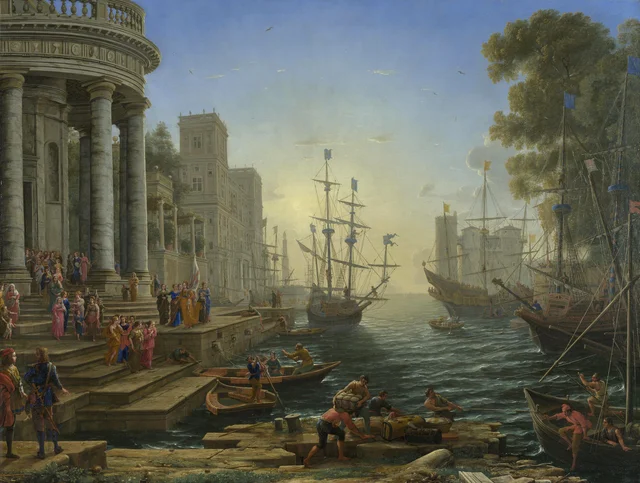 Seehafen mit der Einschiffung der heiligen UrsulaClaude Lorrain, 1641
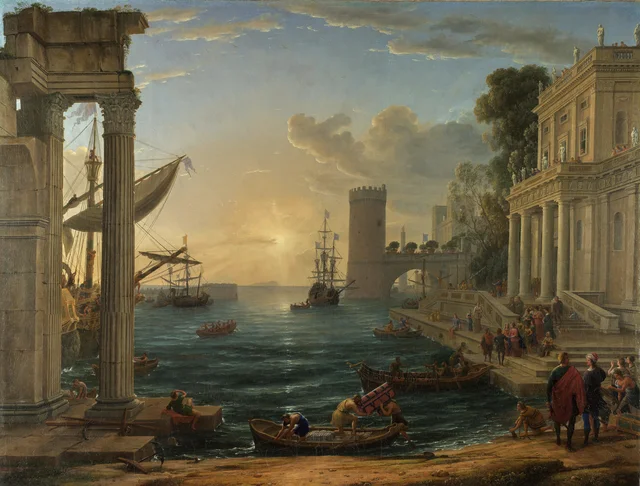 Die Einschiffung der Königin von SabaClaude Lorrain, 1648
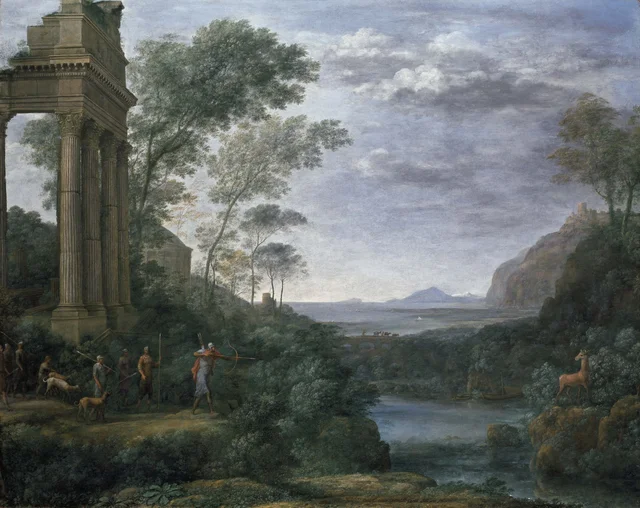 Ascanius erlegt den Hirsch der SilviaClaude Lorrain, 1682
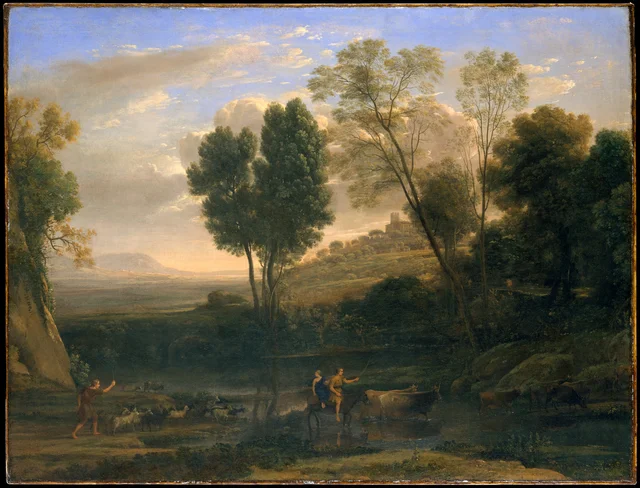 SonnenaufgangClaude Lorrain, 1646
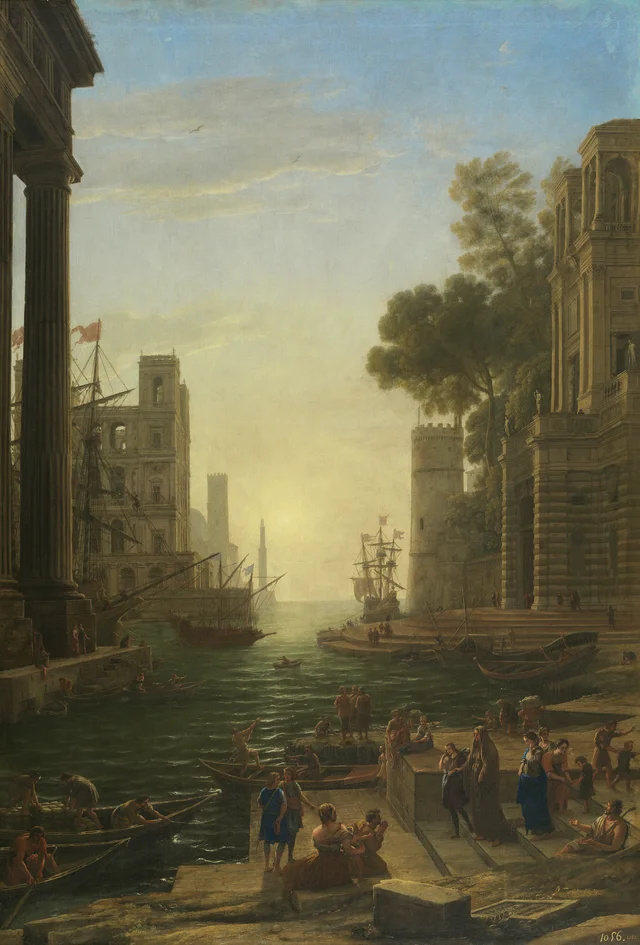 Landschaft mit der Einschiffung der heiligen Paula Romana in OstiaClaude Lorrain, 1639
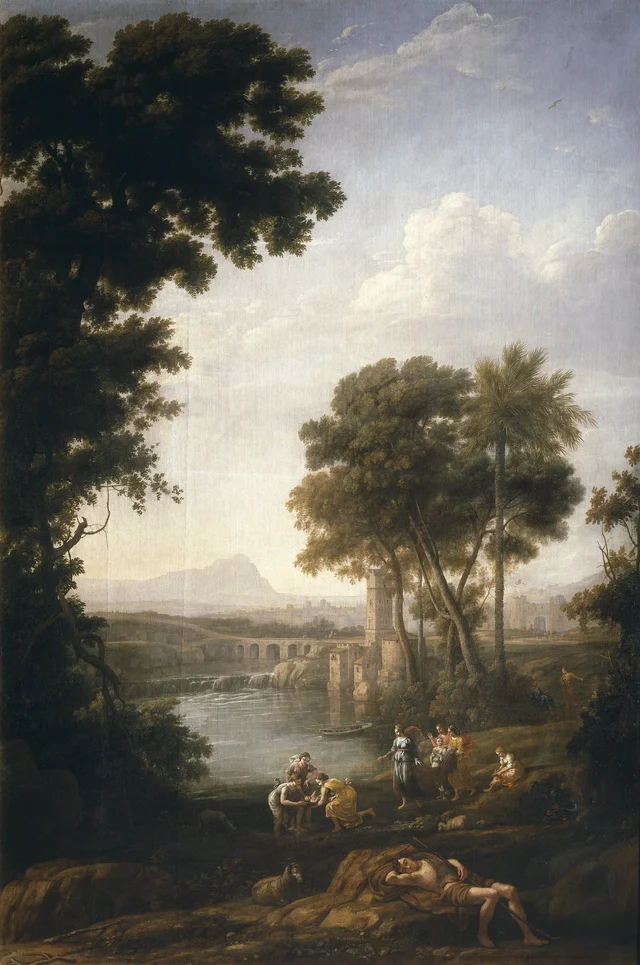 Landschaft mit der Auffindung des MosesClaude Lorrain, 1639
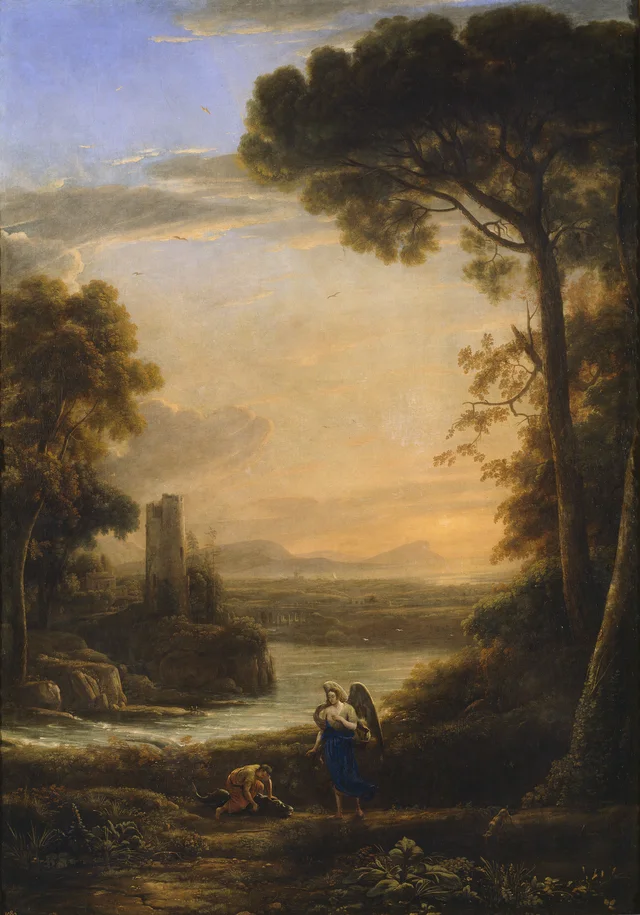 Landschaft mit Tobias und dem EngelClaude Lorrain, 1639
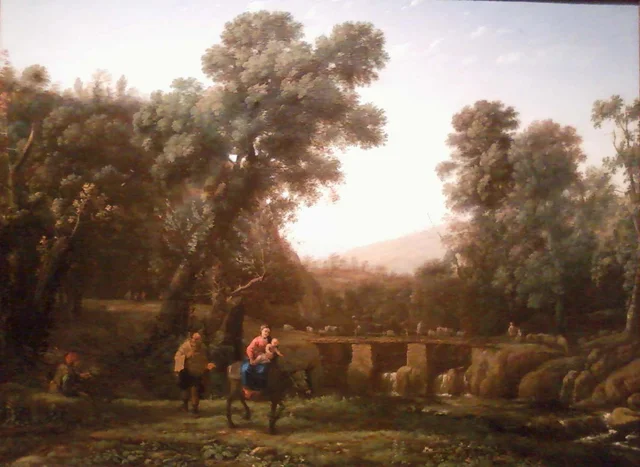 Die Flucht nach ÄgyptenClaude Lorrain, 1635
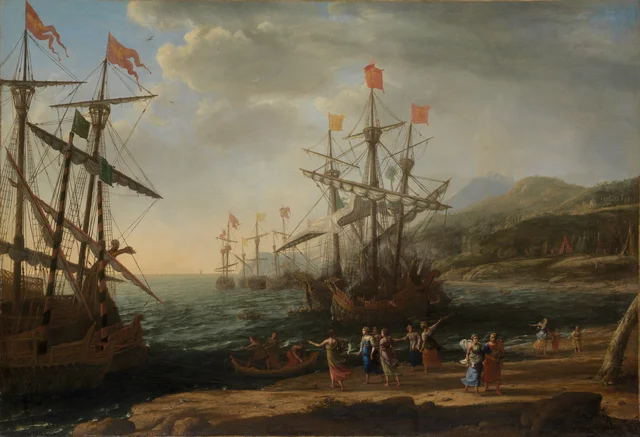 Die Trojanerinnen zünden ihre Flotte anClaude Lorrain, 1643
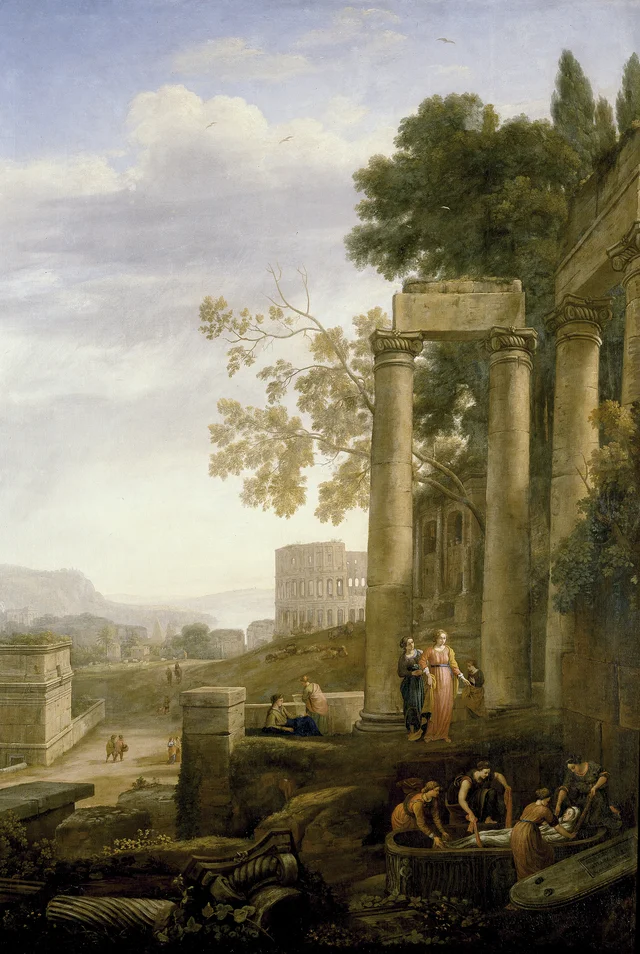 Landschaft mit der Grablegung der heiligen SerapiaClaude Lorrain, 1639
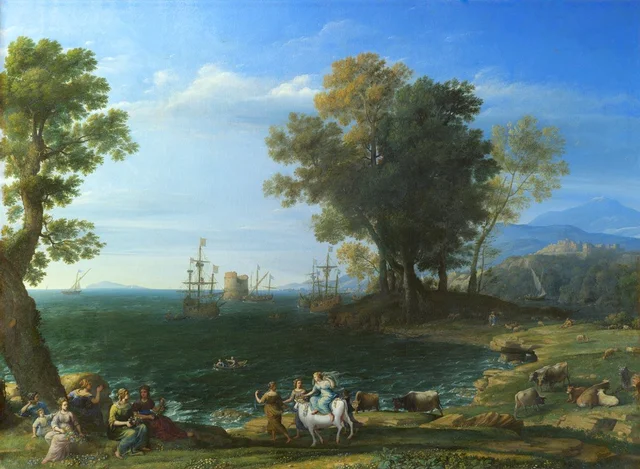 Der Raub der EuropaClaude Lorrain, 1655
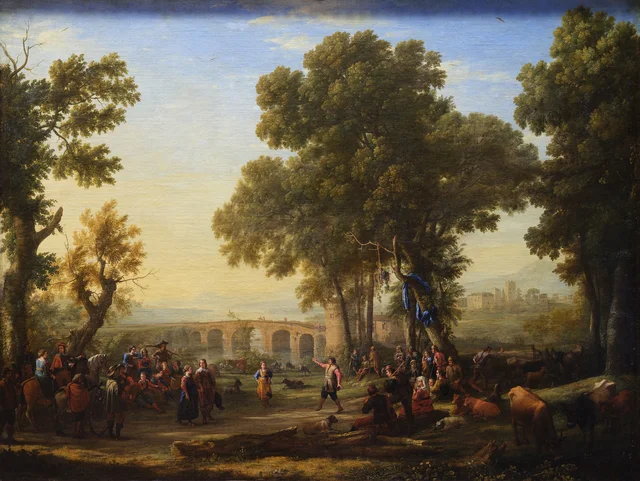 DorffestClaude Lorrain, 1639
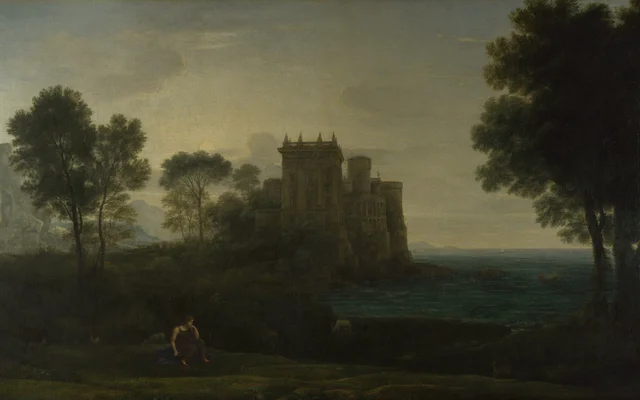 Landschaft mit Psyche vor dem Palast AmorsClaude Lorrain, 1664
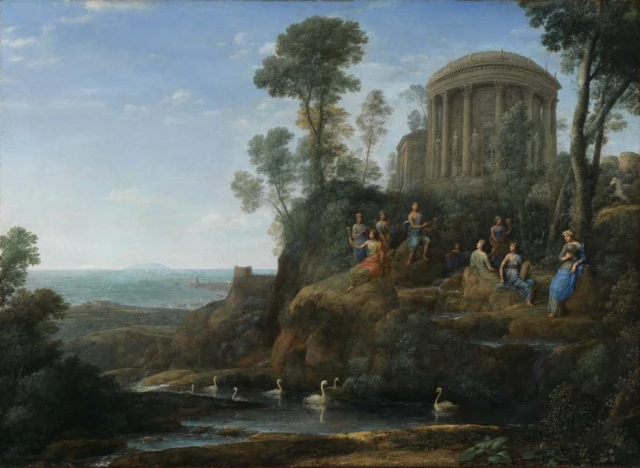 Apollo und die Musen auf dem HelikonClaude Lorrain, 1680
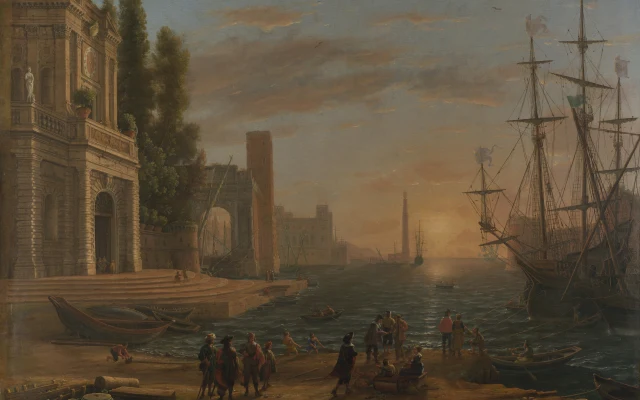 Ein SeehafenClaude Lorrain, 1644
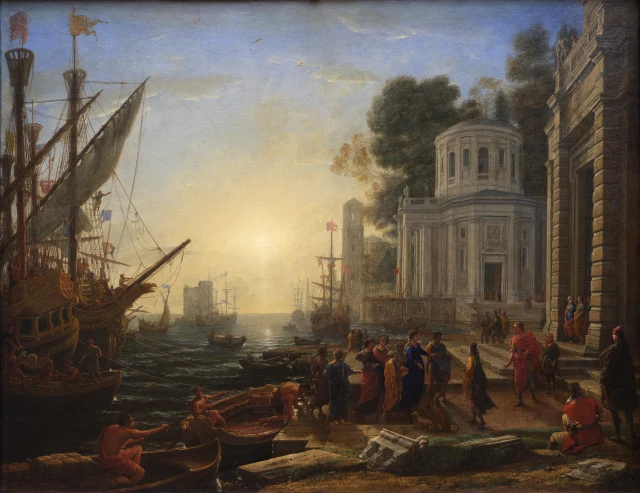 Die Landung der Kleopatra in TarsusClaude Lorrain, 1642
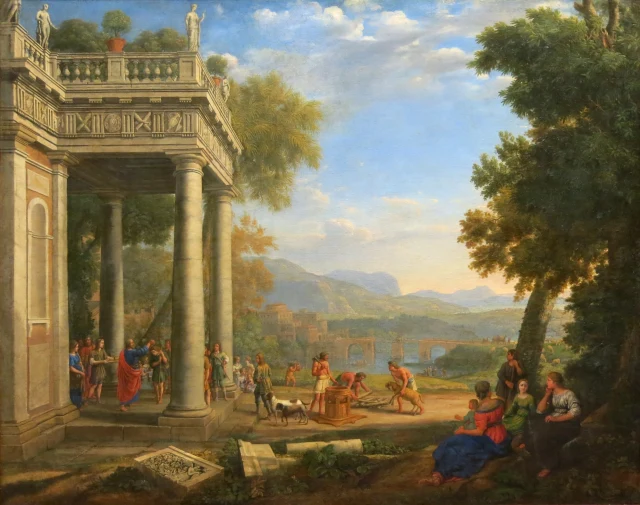 David wird von Samuel zum König gesalbtClaude Lorrain, 1647
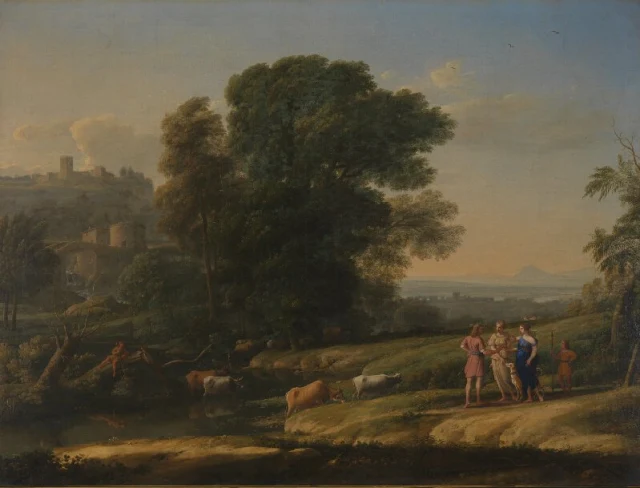 Landschaft mit Kephalos und Prokris, von Diana wiedervereintClaude Lorrain, 1645
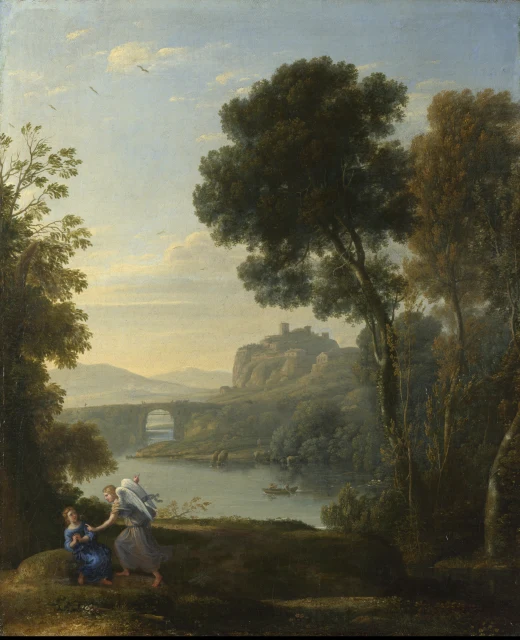 Landschaft mit Hagar und dem EngelClaude Lorrain, 1646
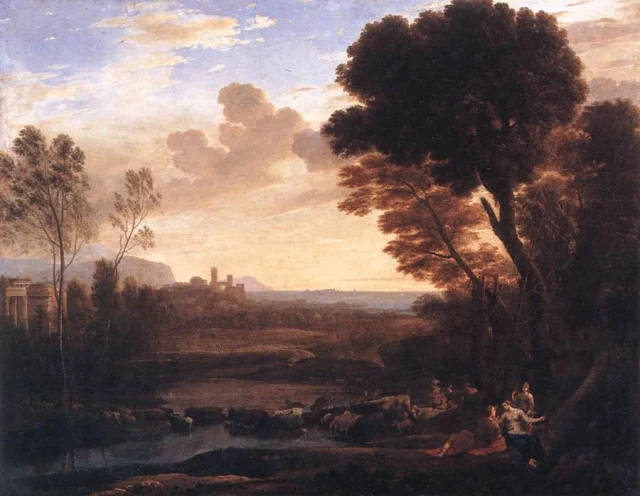 Landschaft mit Paris und Oinone („Die Furt“)Claude Lorrain, 1648
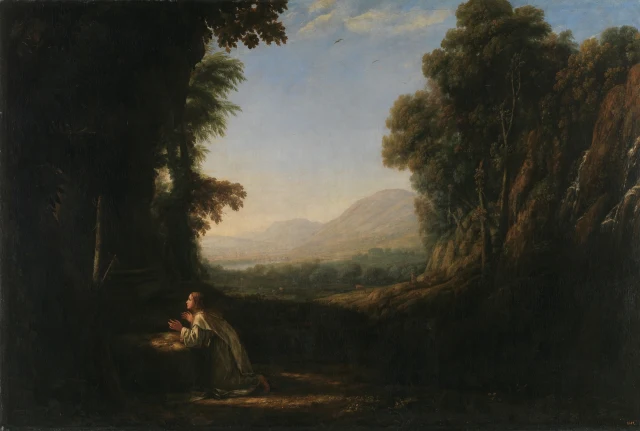 Landschaft mit der heiligen Maria von CervellóClaude Lorrain, 1637
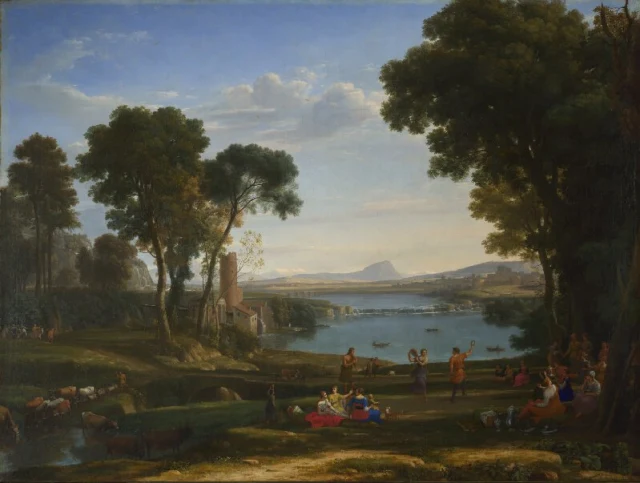 Landschaft mit der Hochzeit von Isaak und Rebekka („Die Mühle“)Claude Lorrain, 1648
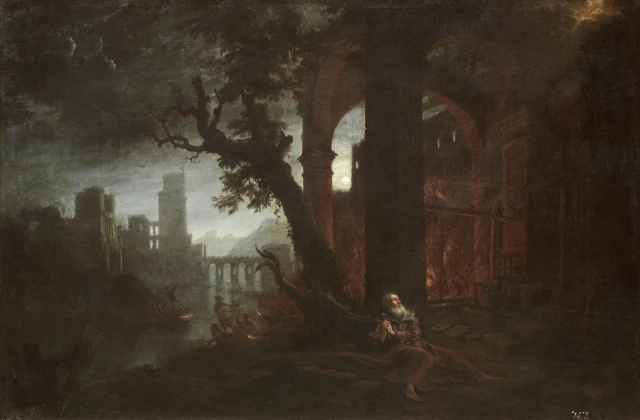 Landschaft mit der Versuchung des heiligen AntoniusClaude Lorrain, 1638
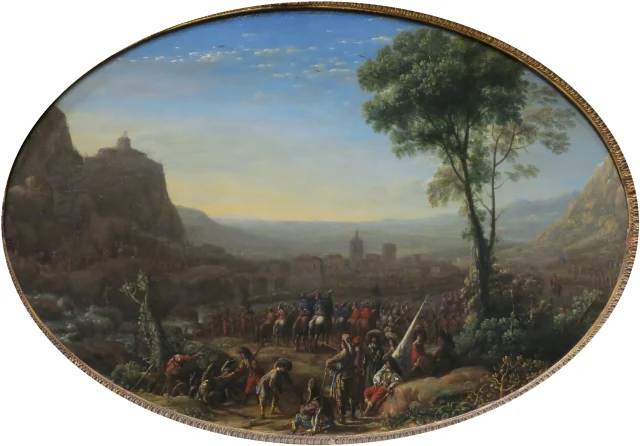 Ludwig XIII. erzwingt den Pass von SusaClaude Lorrain, 1632