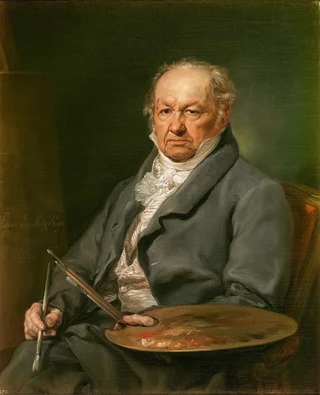
Francisco Goya
1746–1828 · Spanien · Romantik
Die Geschichte
Francisco Goya stieg im Spanien des 18. Jahrhunderts fast so hoch auf, wie es einem Maler nur möglich war. Aus einer Provinzstadt in Aragón arbeitete er sich bis zum Ersten Hofmaler des Königs in Madrid hoch und lieferte heitere Wandteppichentwürfe und schmeichelhafte königliche Porträts. Dann, im Winter 1792, warf ihn eine bis heute nicht sicher benannte Krankheit nieder – Fieber, Schwindel, Ohrensausen –, und als sie abklang, war er völlig taub und blieb es für die restlichen 35 Jahre seines Lebens. Er behielt seinen Hofposten, doch etwas im Werk wandte sich nun nach innen und ins Dunkle.
Eingeschlossen in seine eigene Stille, schuf er eine Folge von Radierungen, die Caprichos, voller Hexen, Esel und Monster, eine davon mit der Unterschrift, der Schlaf der Vernunft gebäre Ungeheuer. Dann holte die Geschichte die private Düsternis ein. 1808 fielen Napoleons Truppen in Spanien ein, setzten den Bruder des Kaisers auf den Thron, und die Madrider Bevölkerung erhob sich gegen sie; die Franzosen erschossen die Aufständischen die ganze Nacht hindurch in Gruppen. Jahre später malte Goya diese Nacht: ein Mann im weißen Hemd, die Arme weit ausgebreitet vor einem gesichtslosen Erschießungskommando, eine einzelne Laterne am Boden zwischen ihnen. Es gilt oft als das erste große moderne Bild des Krieges, ohne jeden Rest von Ruhm.
Am Ende ging er noch weiter. Alt, taub, gezeichnet vom Erlebten, bedeckte er die Wände seines Landhauses außerhalb Madrids mit Bildern für niemandes Verkauf – schwarze, private, alptraumhafte Dinge, darunter ein riesiger Gott, der eines seiner eigenen Kinder verschlingt. Er gab ihnen nie einen Titel; wir nennen sie die Schwarzen Bilder. Er nahm sie nicht mit, als er, fast 80 und der spanischen Krone entfremdet, nach Bordeaux in Frankreich ging, wo er starb. Die Wandbilder wurden Jahrzehnte später von den Wänden gelöst und hängen heute in Madrid.
Weitere Artikel
Werke
374 Werke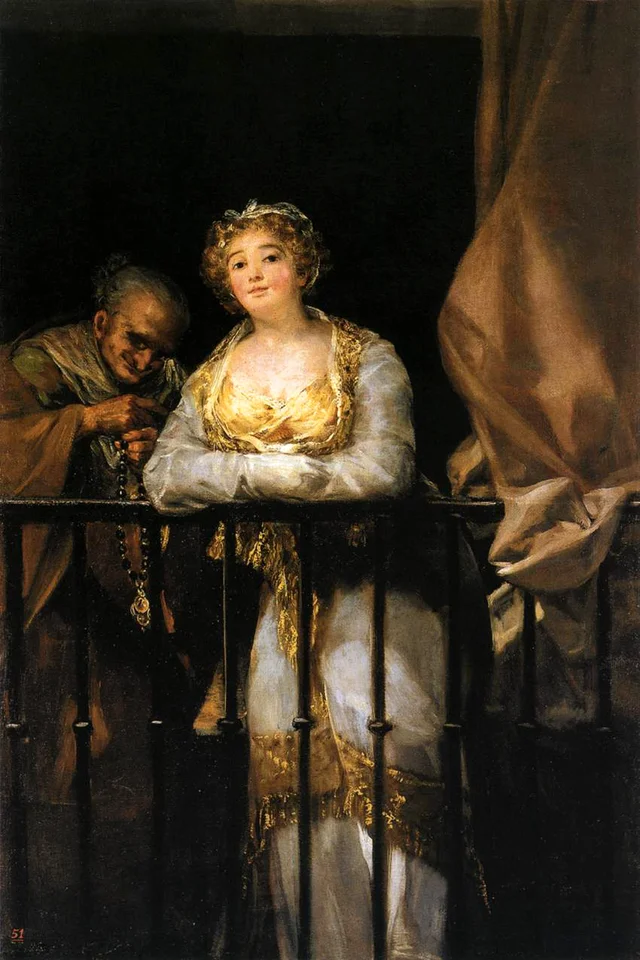 Maja und Celestina auf dem BalkonFrancisco Goya, 1808
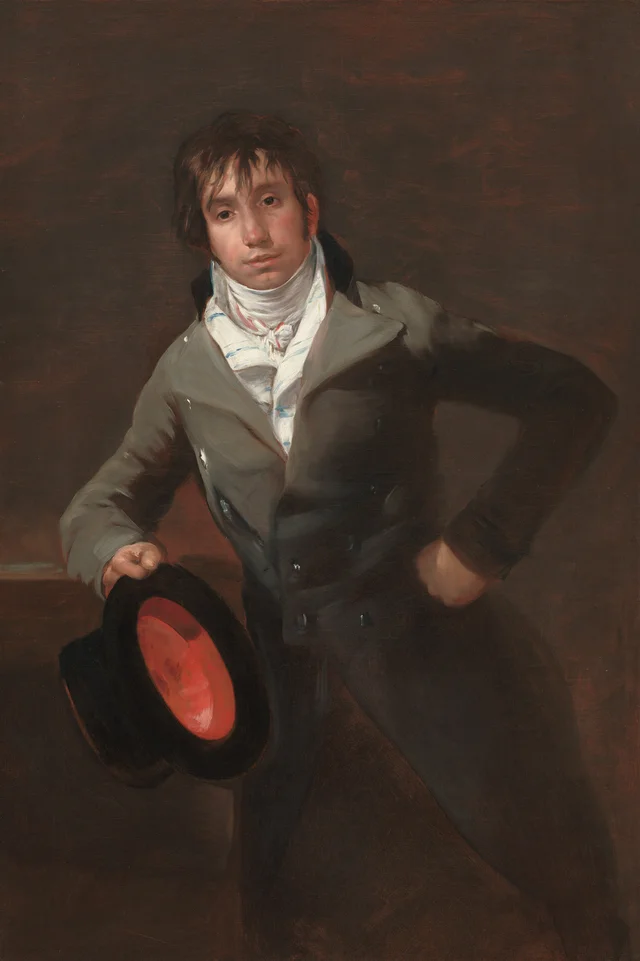 Bildnis des Bartolomé Sureda y MiserolFrancisco Goya, 1804
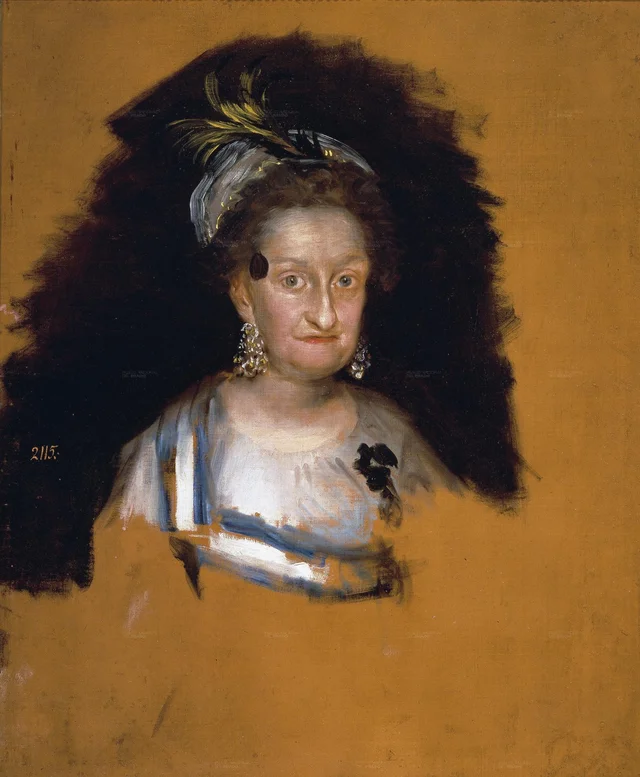 Porträt der Maria Josefa von SpanienFrancisco Goya, 1800
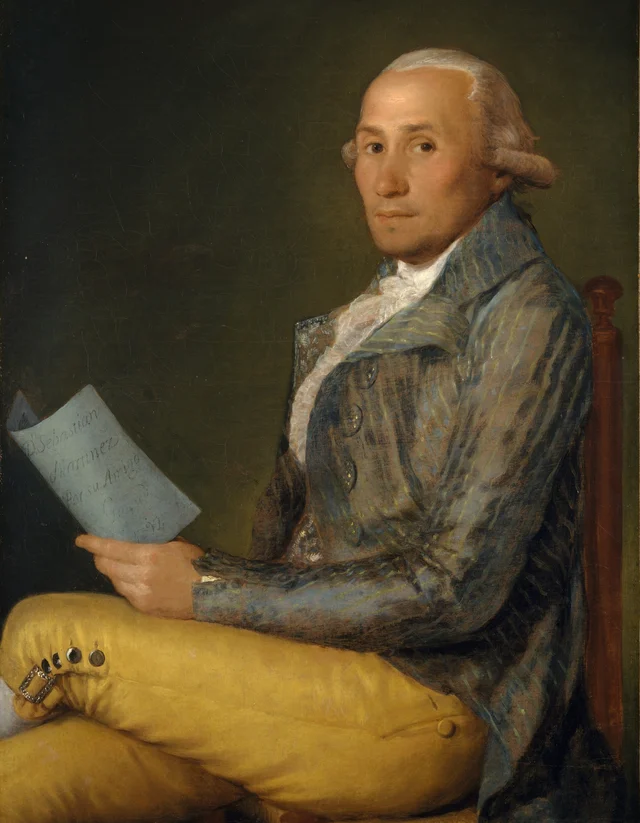 Bildnis des Sebastián Martínez y PérezFrancisco Goya, 1792
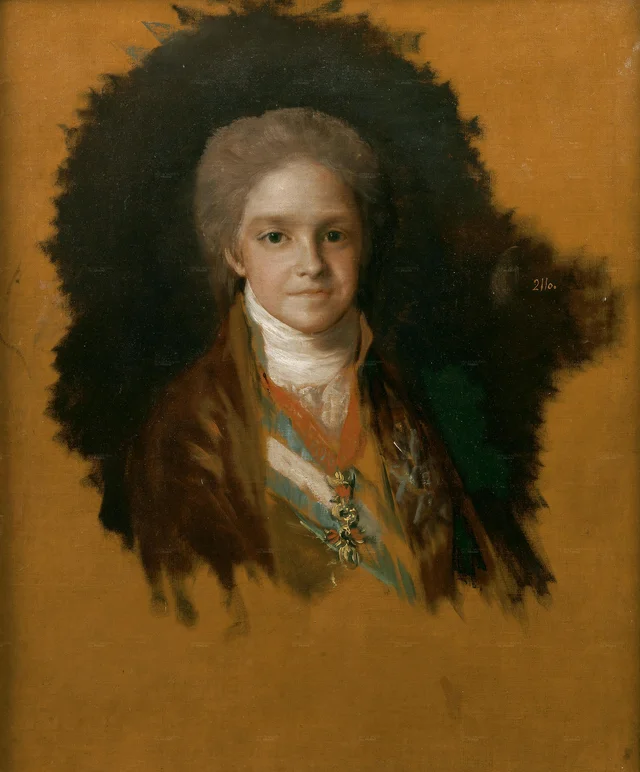 Bildnis des Infanten Carlos María Isidro von SpanienFrancisco Goya, 1800
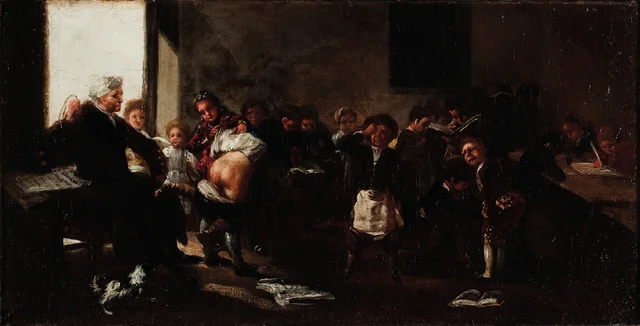 SchulszeneFrancisco Goya, 1780
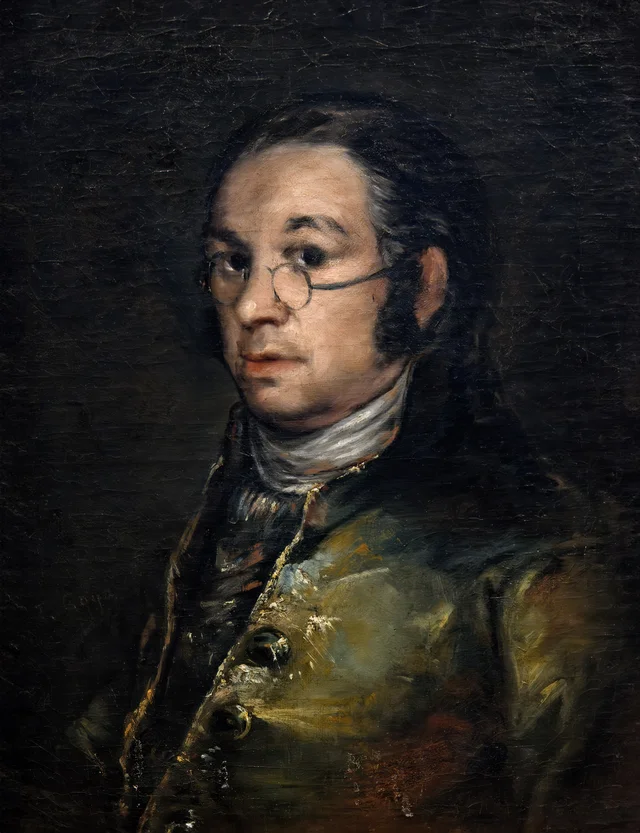 Selbstbildnis mit BrilleFrancisco Goya, 1800
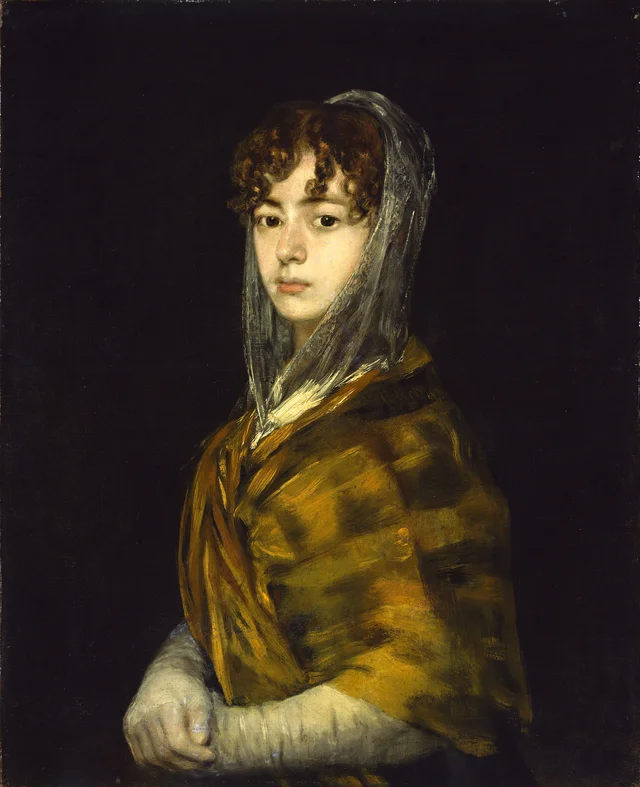 Doña Sabasa GarcíaFrancisco Goya, 1804
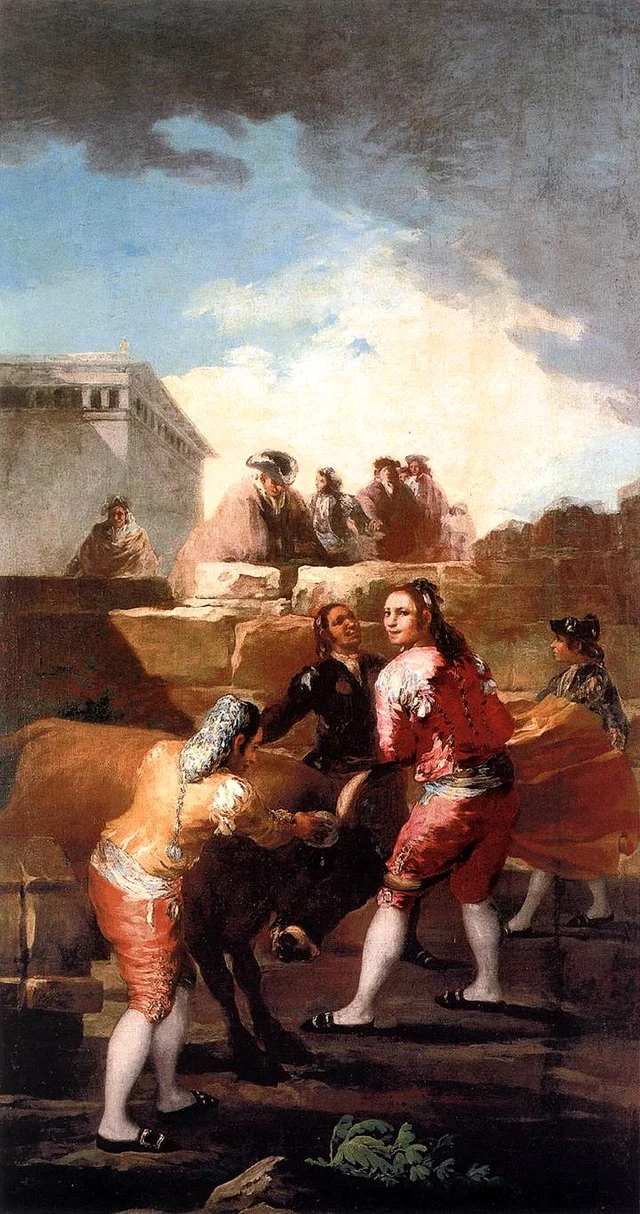 Der StierkampfFrancisco Goya, 1779
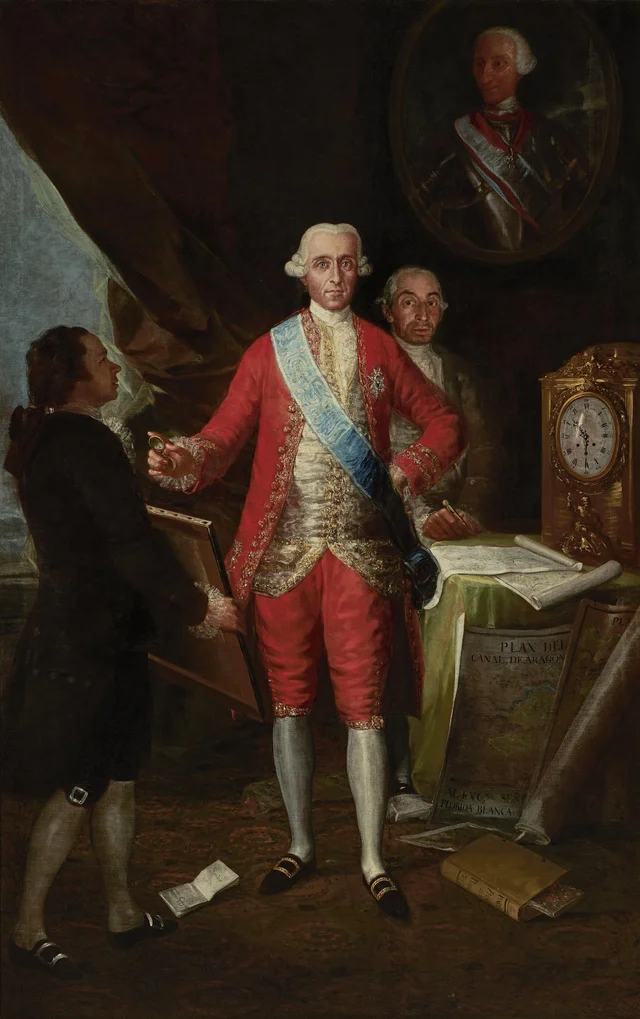 Der Graf von FloridablancaFrancisco Goya, 1783
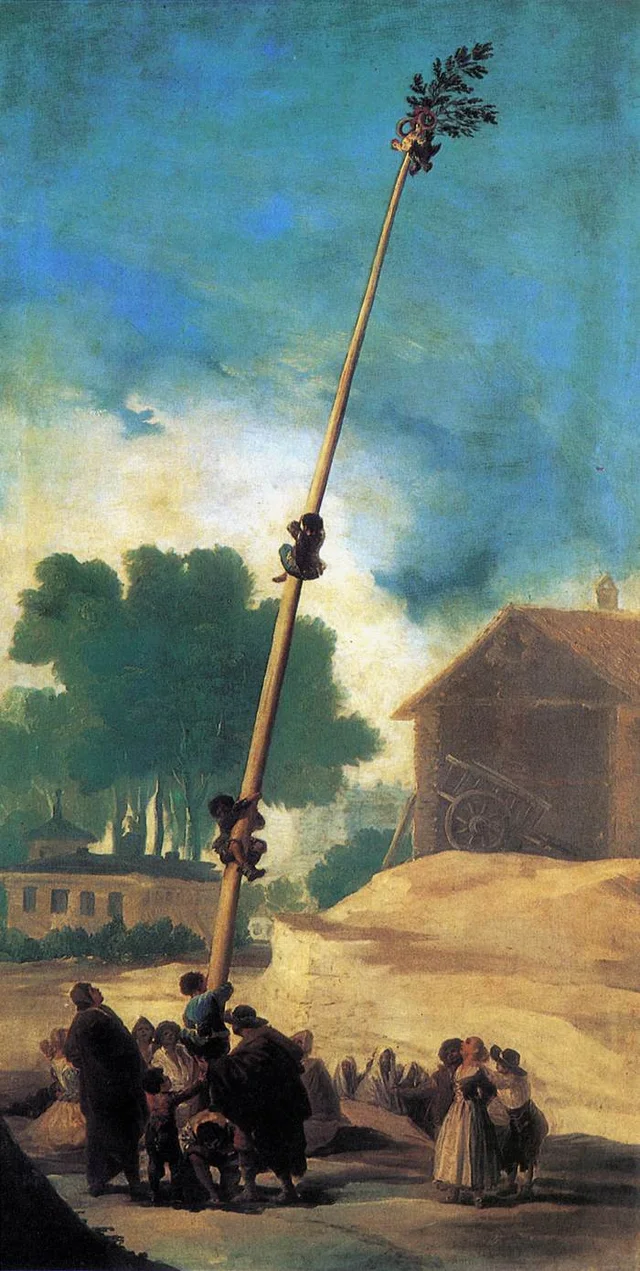 Der KlettermastFrancisco Goya, 1787
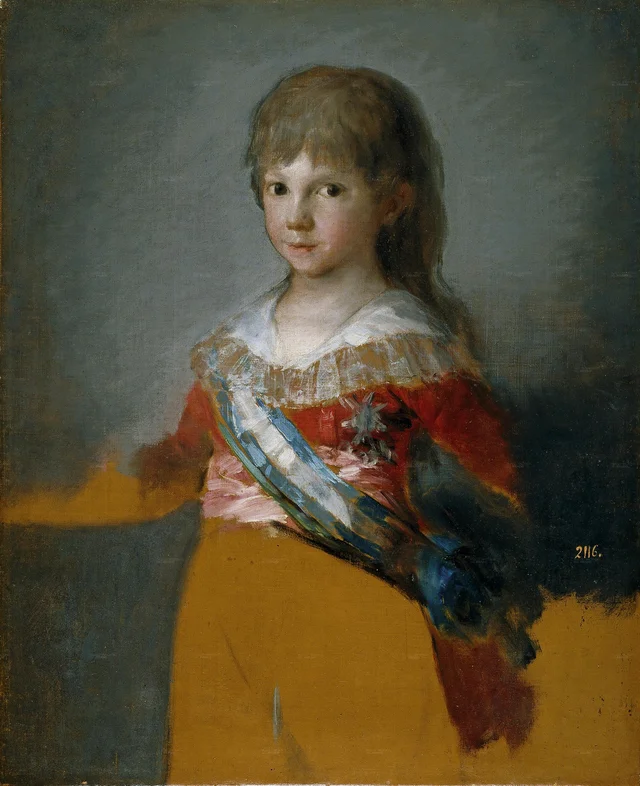 Infant Francisco de PaulaFrancisco Goya, 1800
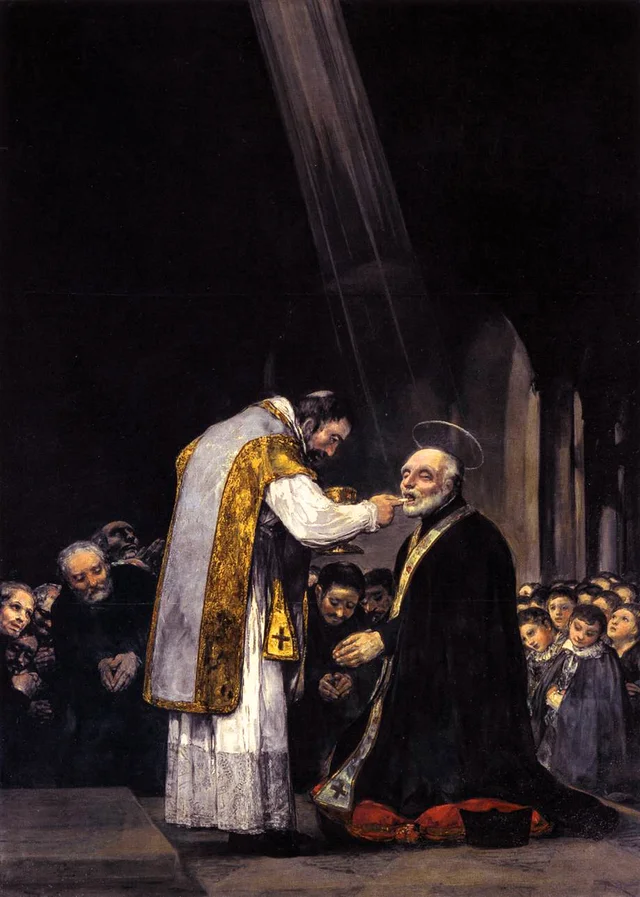 Die letzte Kommunion des heiligen Josef von CalasanzFrancisco Goya, 1819
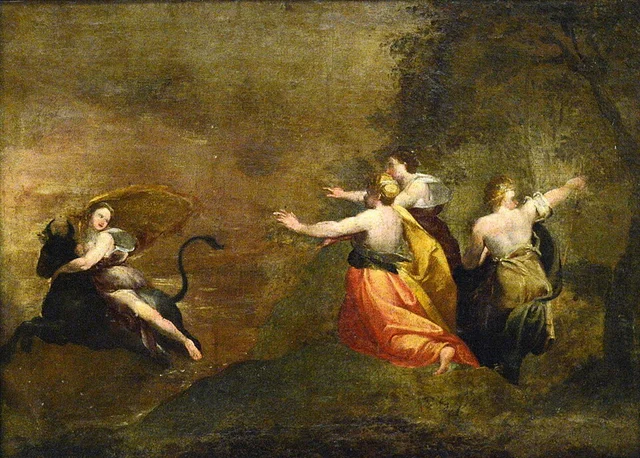 Der Raub der EuropaFrancisco Goya, 1772
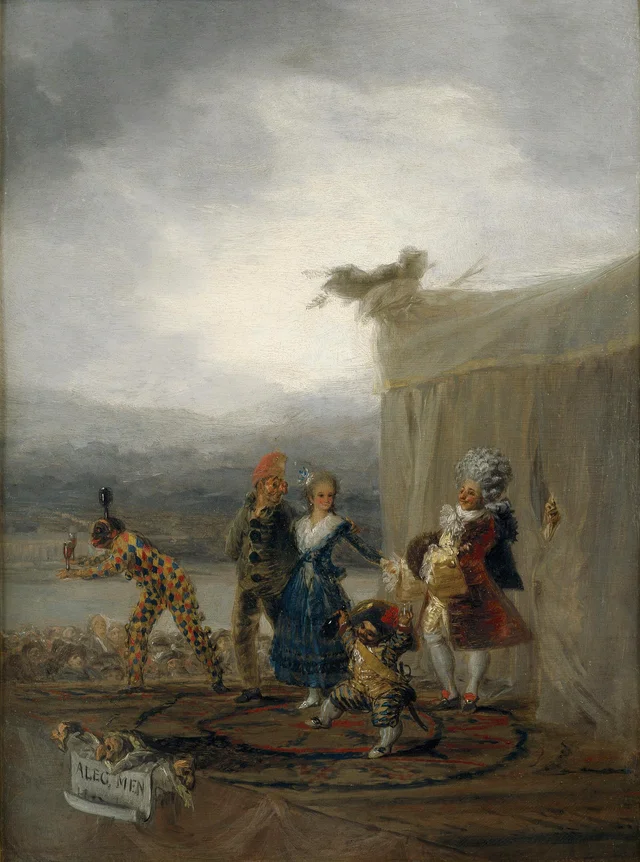 Die fahrenden KomödiantenFrancisco Goya, 1793
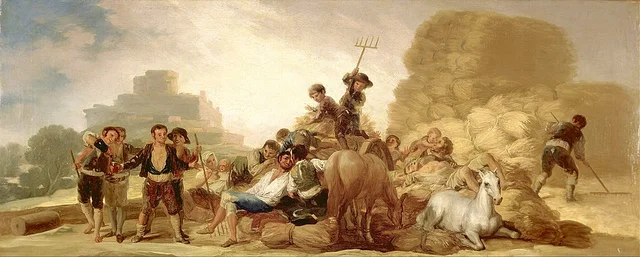 Die DreschtenneFrancisco Goya, 1786
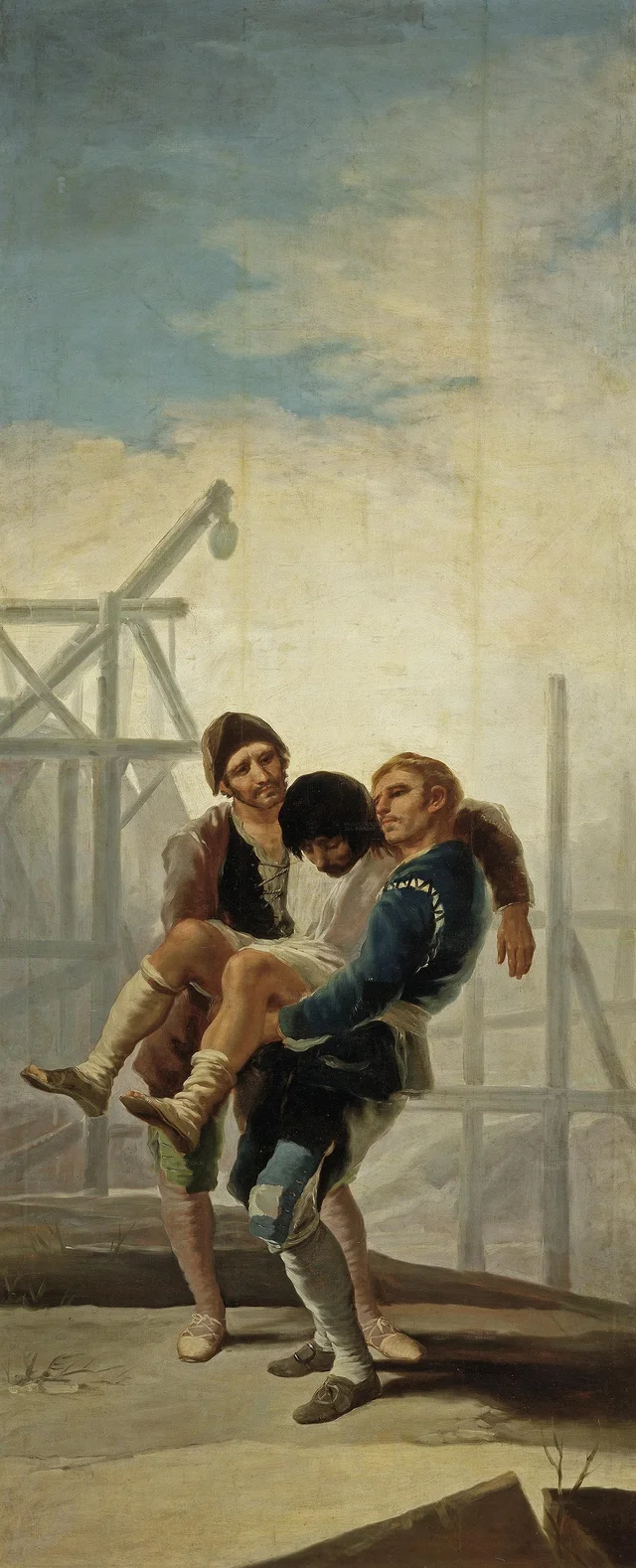 Der verletzte MaurerFrancisco Goya, 1786
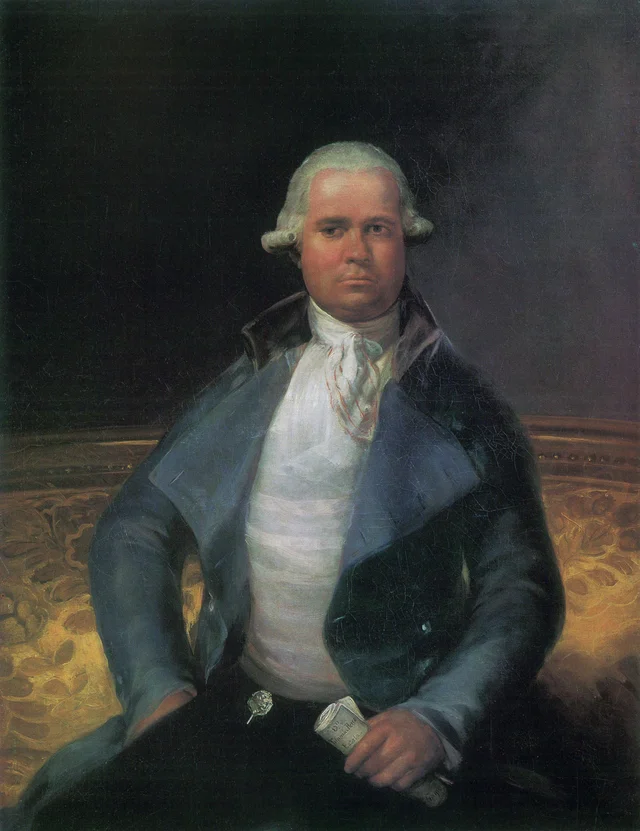 Tomás Pérez de EstalaFrancisco Goya, 1795
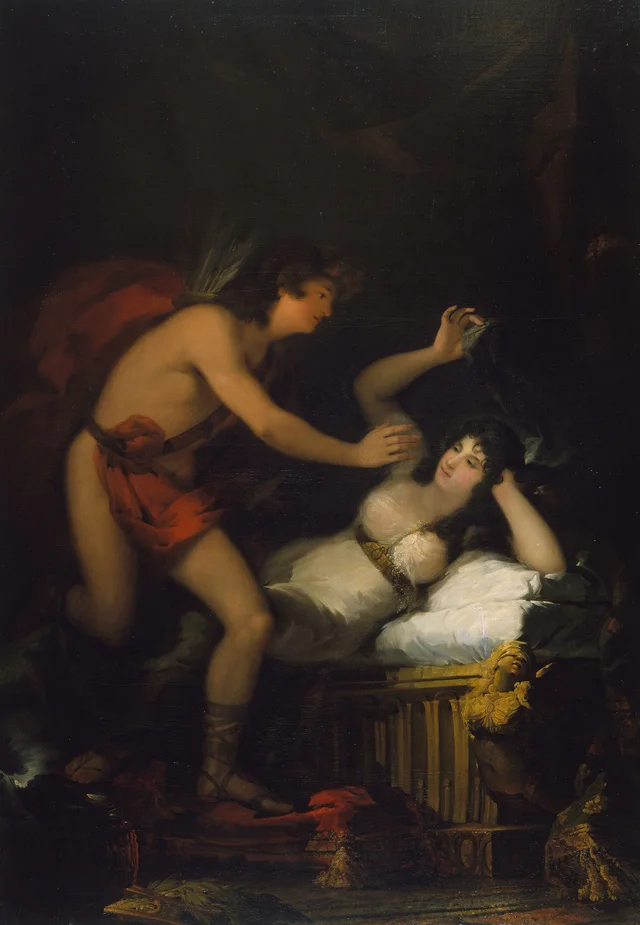 Allegorie der Liebe, Amor und PsycheFrancisco Goya, 1798
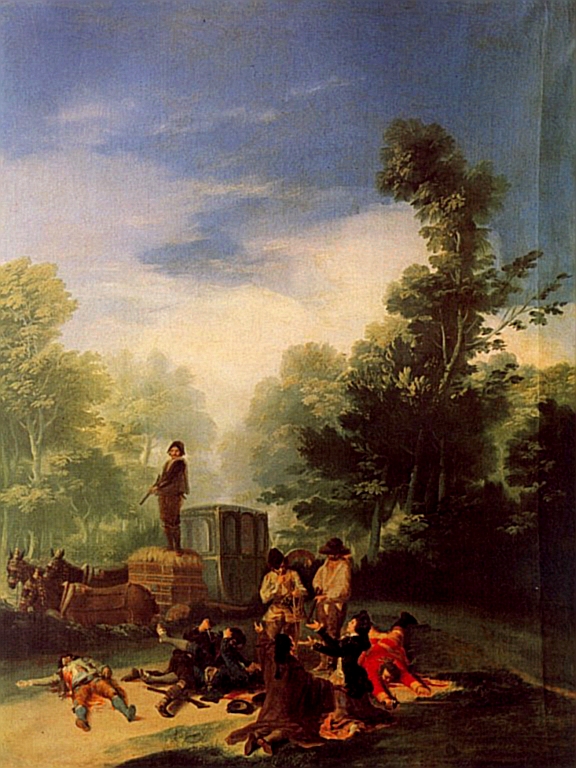 Überfall auf die PostkutscheFrancisco Goya, 1787
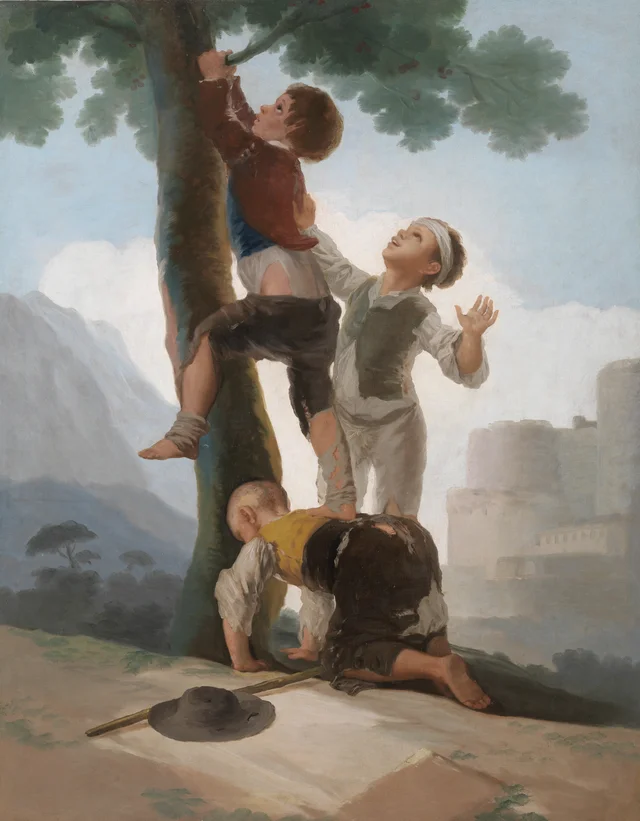 Jungen, die auf einen Baum kletternFrancisco Goya, 1791
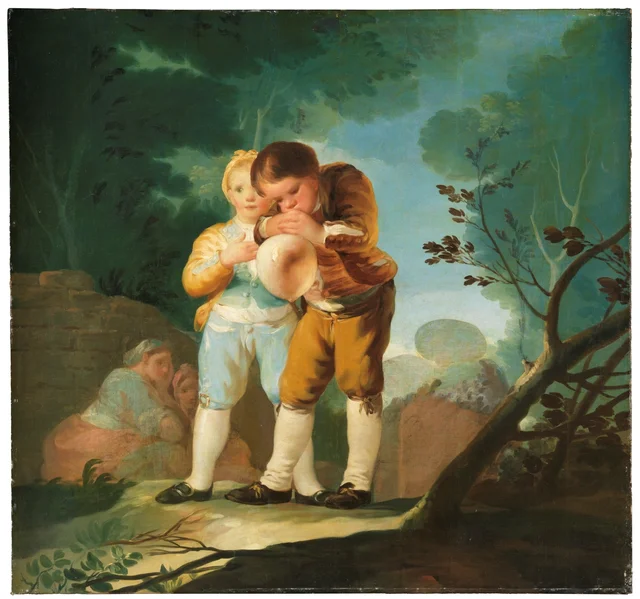 Kinder, die eine Blase aufblasenFrancisco Goya, 1778
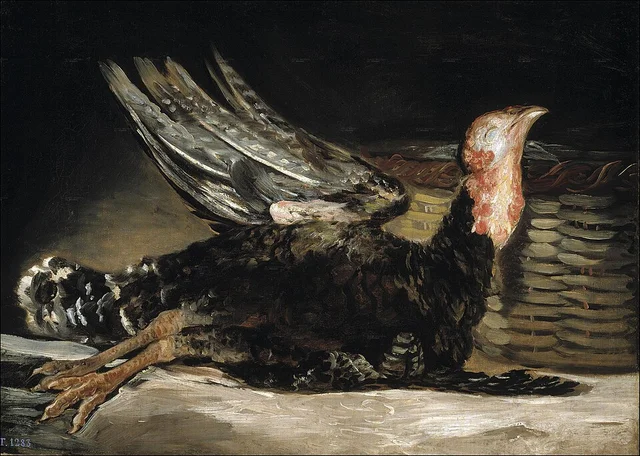 Toter TruthahnFrancisco Goya, 1808
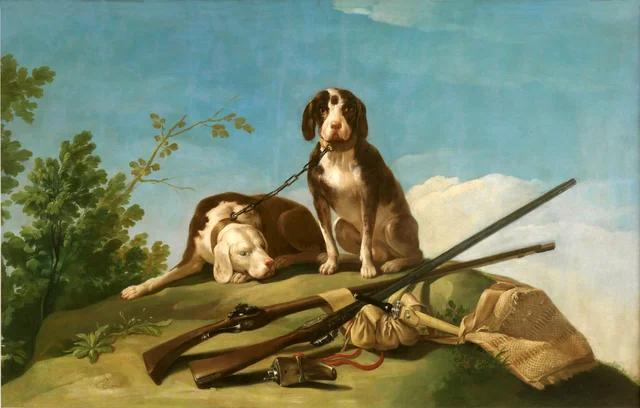 Hunde und JagdgerätFrancisco Goya, 1775
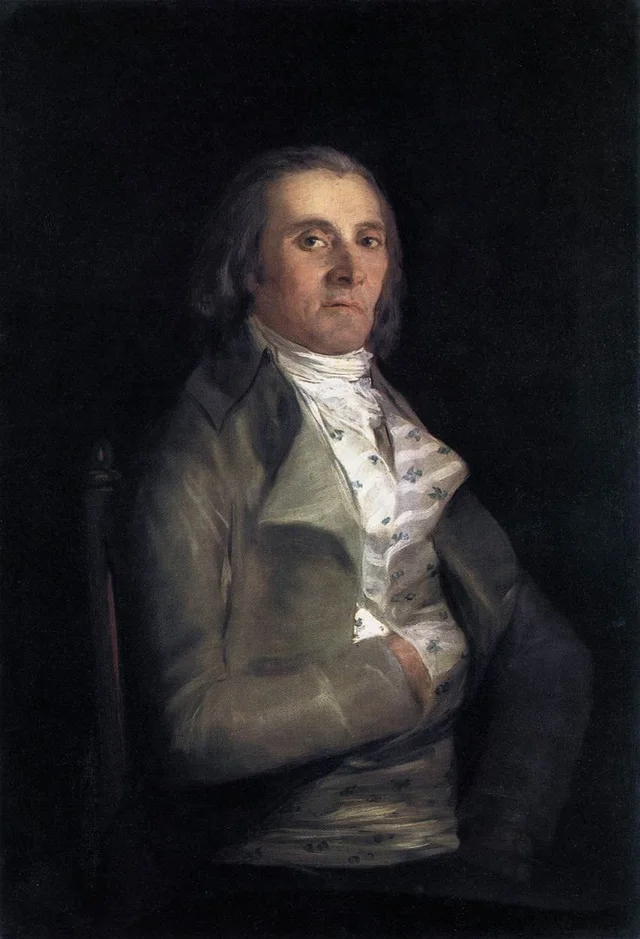 Don Andrés del PeralFrancisco Goya, 1798