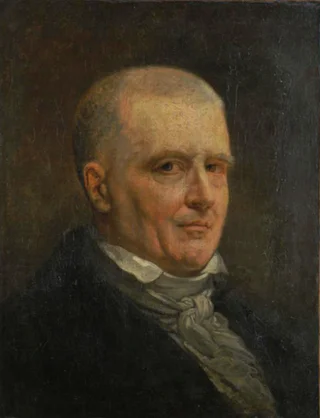
Jean-Honoré Fragonard
1732–1806 · Frankreich · Rokoko
Die Geschichte
1767 trat ein kleiner Adliger an den Maler Gabriel-François Doyen mit einem sonderbaren Auftrag heran: Er solle ihn und seine Geliebte malen, sie auf einer Schaukel, angestoßen von einem Bischof und so gestellt, dass er von einem Versteck darunter unter ihren Rock blicken konnte. Doyen lehnte ab und reichte die Arbeit an seinen jüngeren Kollegen Jean-Honoré Fragonard weiter, der sie annahm, den Bischof durch einen im Schatten verborgenen Ehemann ersetzte und daraus 'Die Schaukel' machte, heute in der Wallace Collection in London.
Fragonard hatte bei François Boucher gelernt, dem führenden Dekorationsmaler der Zeit, und gewann 1756 ein Stipendium an die Französische Akademie in Rom, wo er fünf Jahre lang die älteren Meister studierte. Nach Paris zurückgekehrt, konnte er ernste Historienbilder malen, doch berühmt machten ihn die wirbelnden Rosa- und Grüntöne von Bildern wie 'Die Schaukel' und dem für die königliche Mätresse Madame du Barry bestellten Zyklus 'Der Fortschritt der Liebe', und genau das verlangten seine Auftraggeber immer wieder. Bekannt war er auch für sein schnelles Arbeiten. Seine 'Fantasieporträts' von etwa 1769, energische Brustbilder von Freunden in erdachtem Kostüm, sollen in jeweils etwa einer Stunde entstanden sein.
Nach 1767 beschickte er die offiziellen Salon-Ausstellungen kaum noch und arbeitete stattdessen direkt für private Sammler an Szenen von Gärten, Liebenden und gestohlenen Küssen. In den 1780er Jahren wandte sich der Geschmack scharf dem strengen Klassizismus zu. Nach der Revolution, sein Vermögen dahin, verbrachte Fragonard seine letzten Jahre als kleiner Kurator am neu eröffneten Louvre, untergebracht in demselben Palast, in dem die aristokratischen Auftraggeber gelebt hatten, die einst 'Die Schaukel' bestellten.
Werke
32 Werke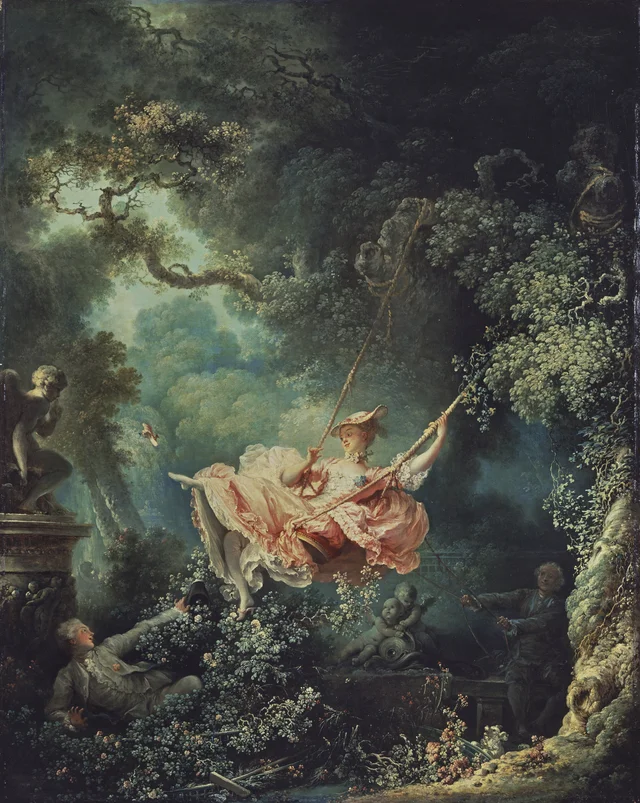 Die SchaukelJean-Honoré Fragonard, 1767
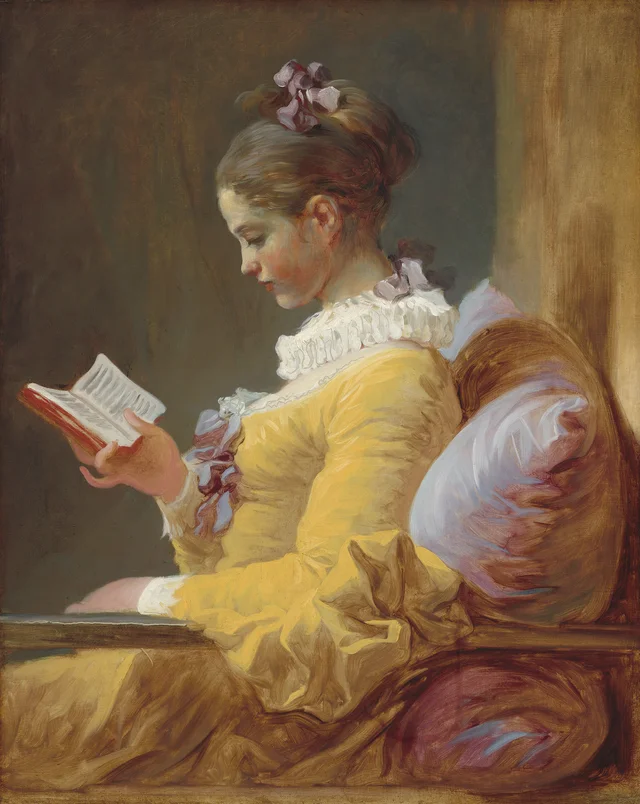 Junges Mädchen beim LesenJean-Honoré Fragonard, 1770
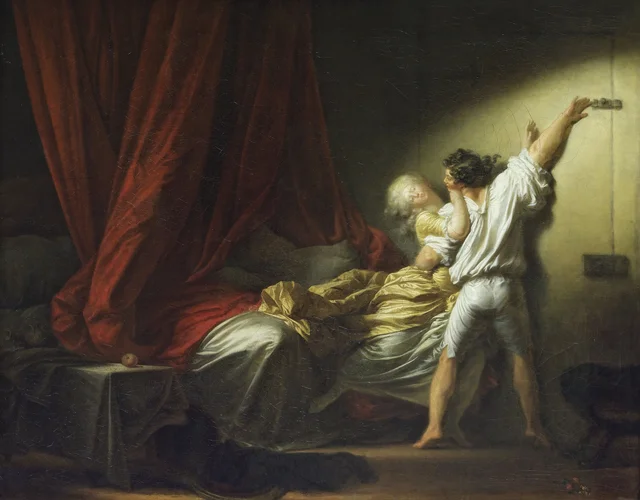 Der RiegelJean-Honoré Fragonard, 1777
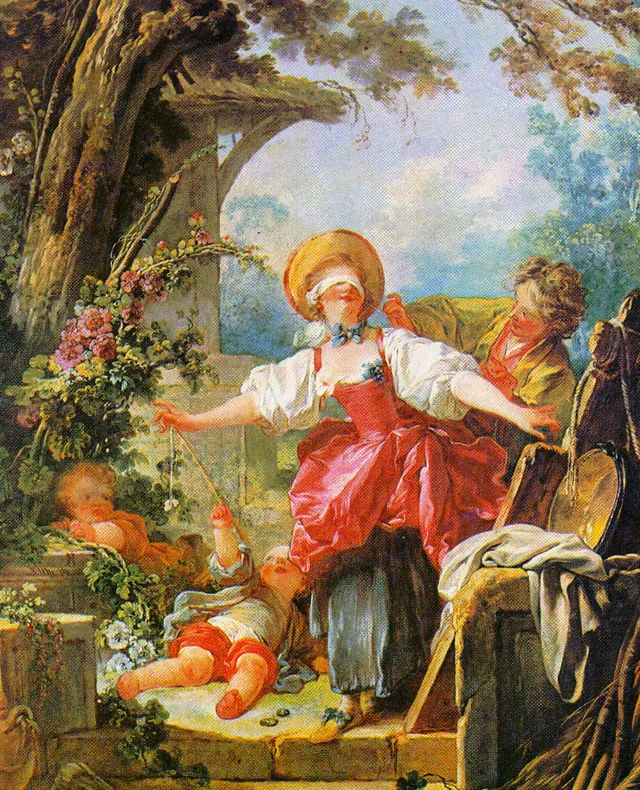 Das BlindekuhspielJean-Honoré Fragonard, 1750
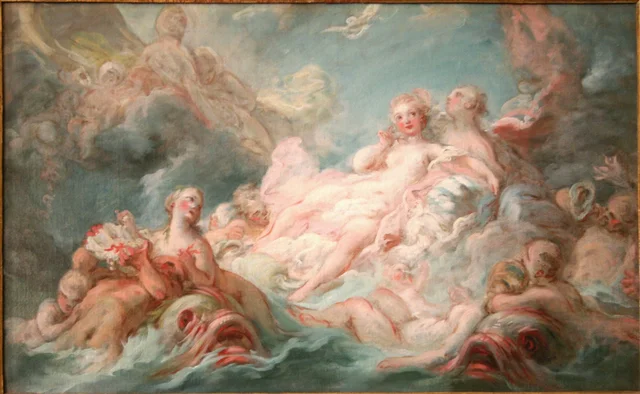 Die Geburt der VenusJean-Honoré Fragonard, 1753
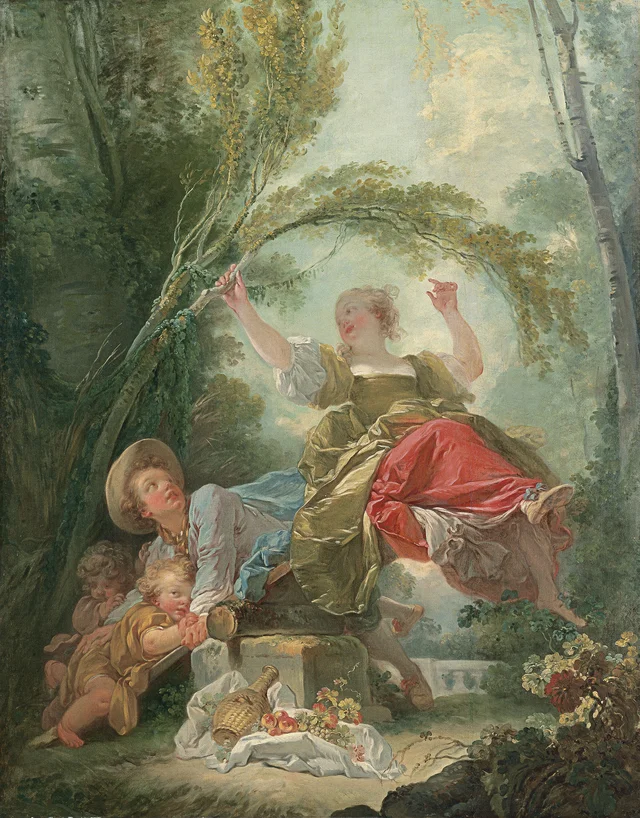 Die SchaukelJean-Honoré Fragonard, 1750
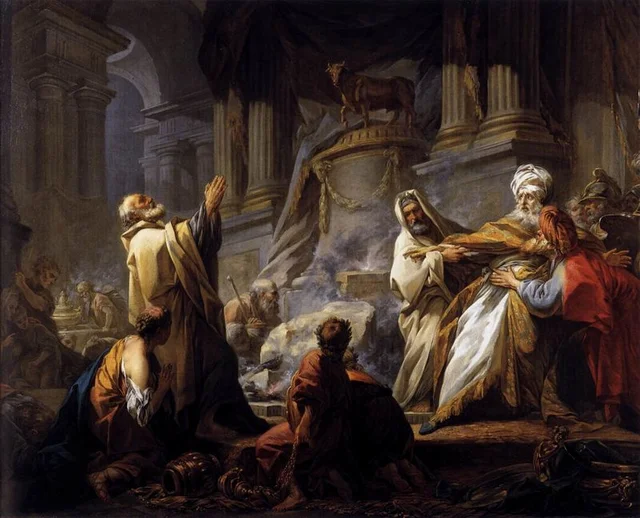 Jerobeam opfert den GötzenJean-Honoré Fragonard, 1752
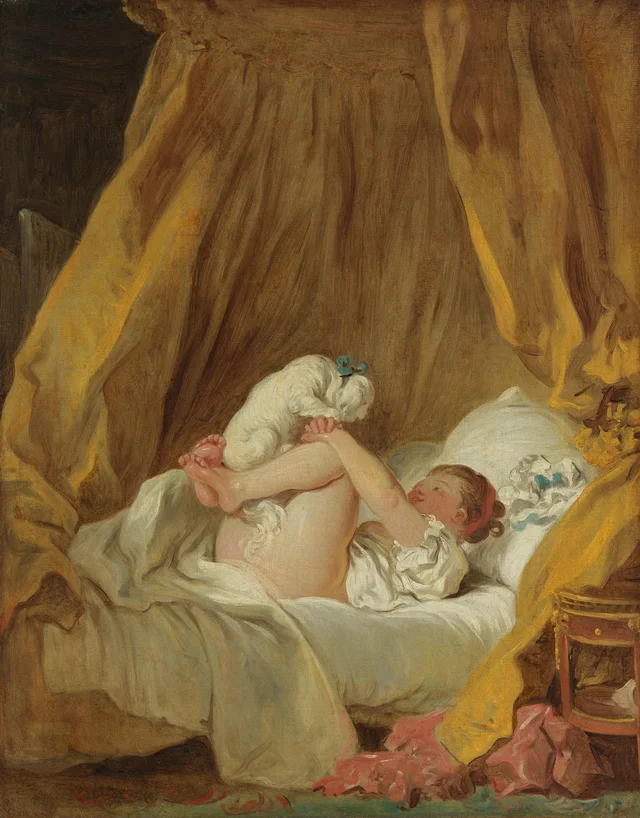 La GimbletteJean-Honoré Fragonard, 1770
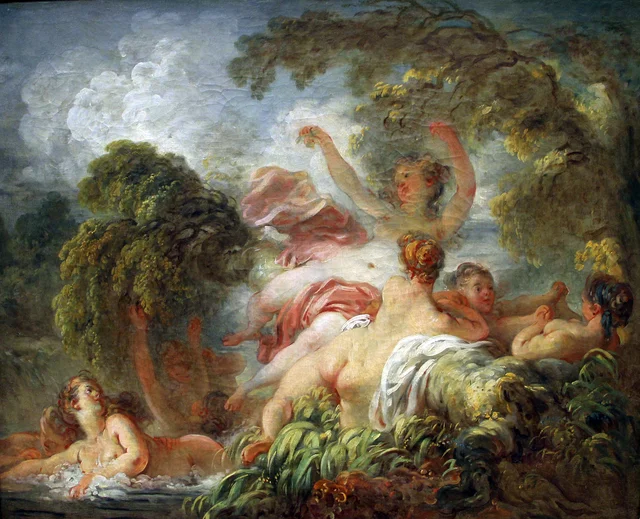 Die BadendenJean-Honoré Fragonard, 1765
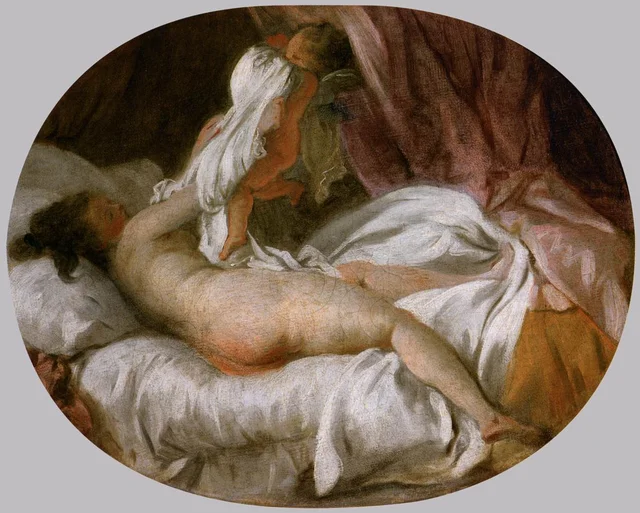 Das entfernte HemdJean-Honoré Fragonard, 1770
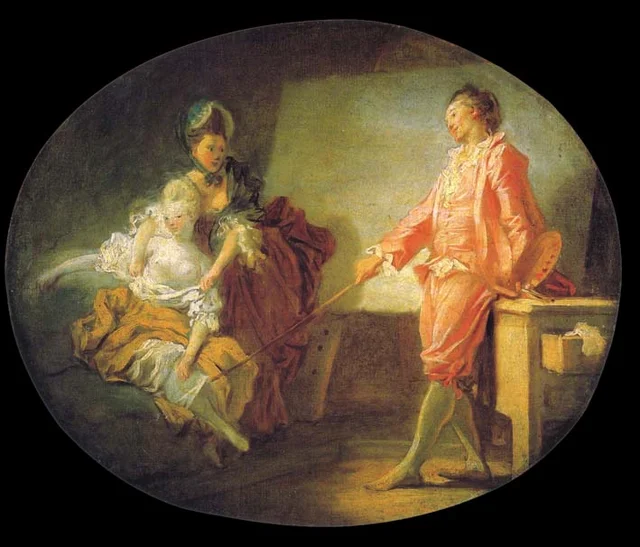 Die erste Sitzung des ModellsJean-Honoré Fragonard, 1769
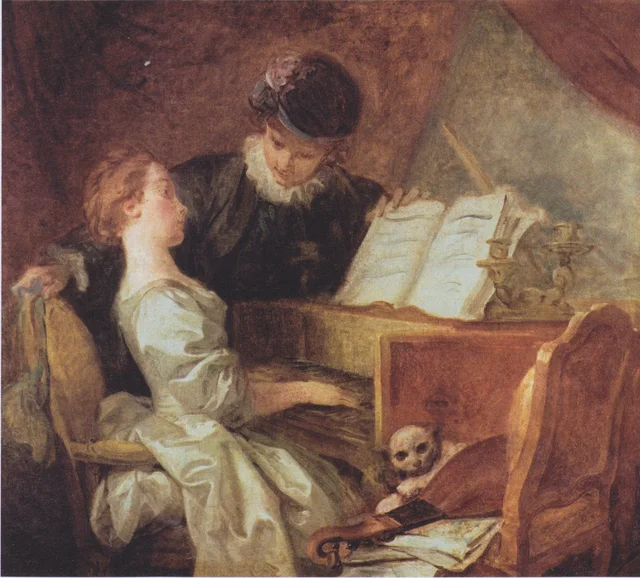 Die MusikstundeJean-Honoré Fragonard, 1770
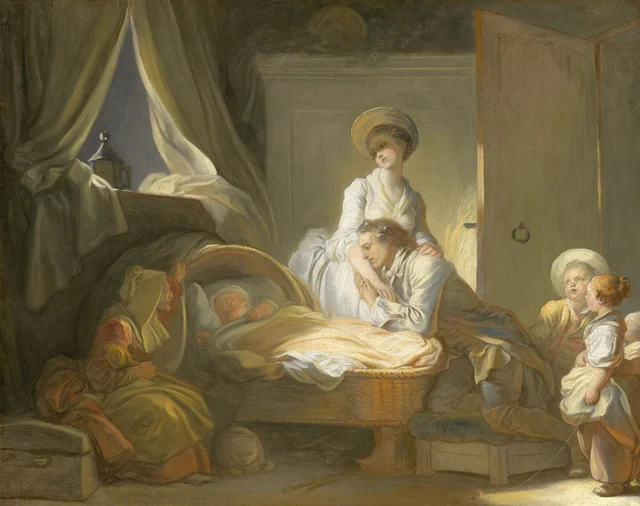 Ein Besuch im KinderzimmerJean-Honoré Fragonard, 1775
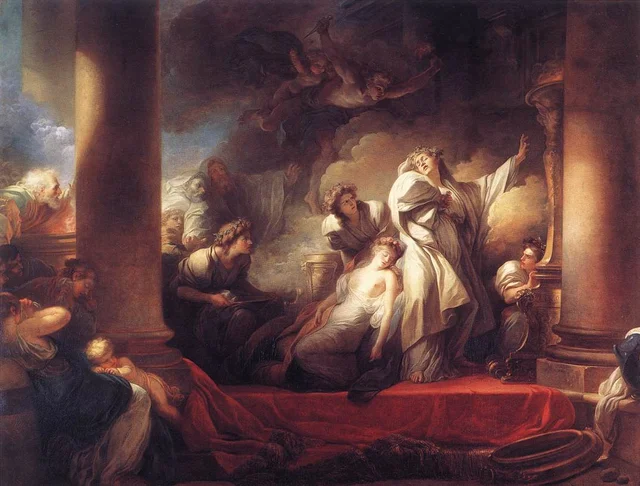 Koresos opfert sich, um Kallirhoe zu rettenJean-Honoré Fragonard, 1765
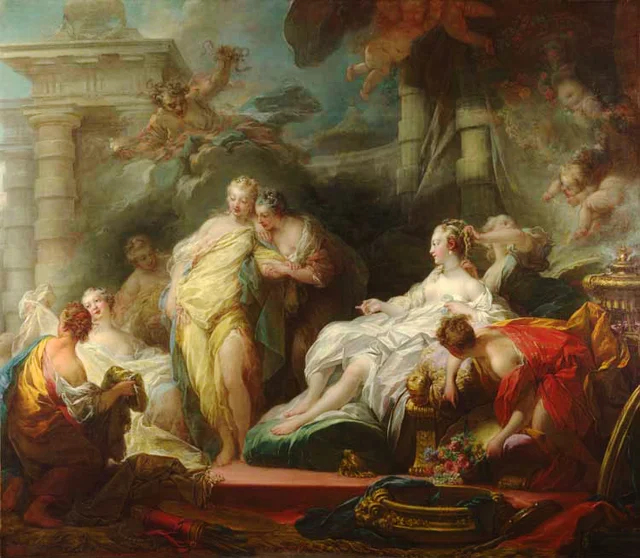 Psyche zeigt ihren Schwestern die Geschenke AmorsJean-Honoré Fragonard, 1753
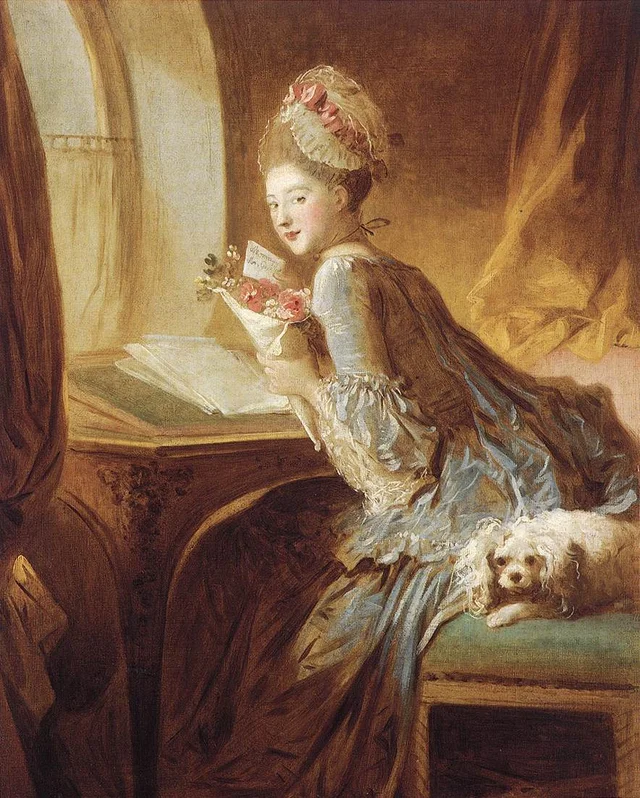 Der LiebesbriefJean-Honoré Fragonard, 1770
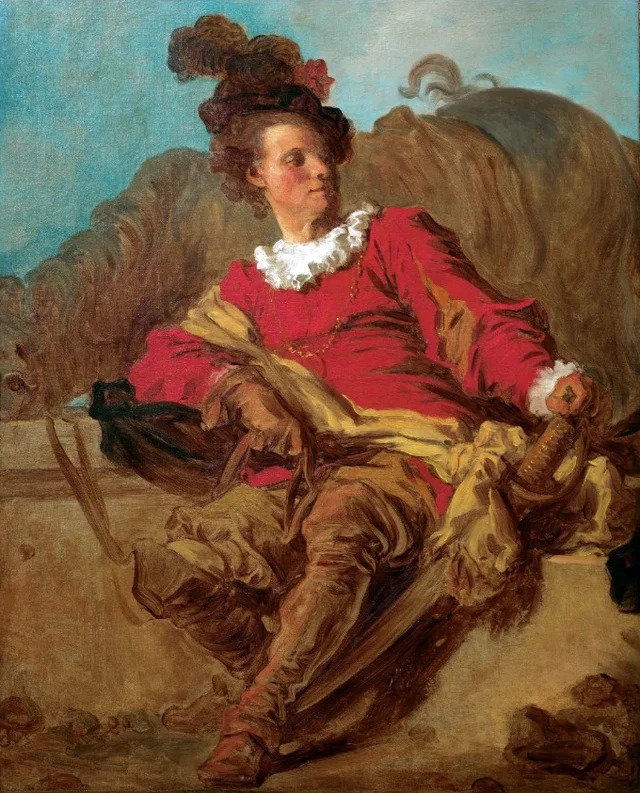 Jean-Claude Richard, Abbé von Saint-NonJean-Honoré Fragonard, 1769
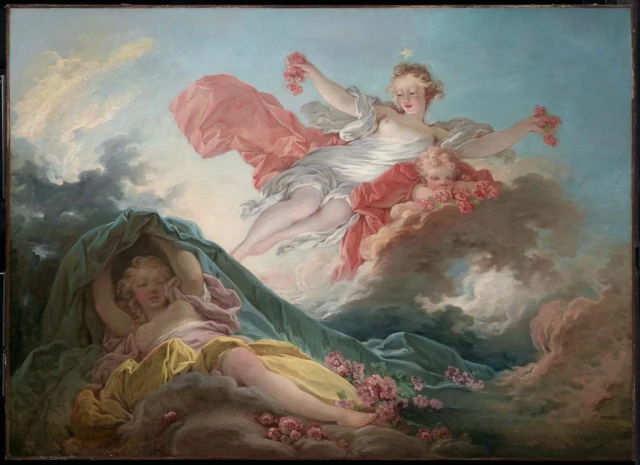 Aurora triumphiert über die NachtJean-Honoré Fragonard, 1755
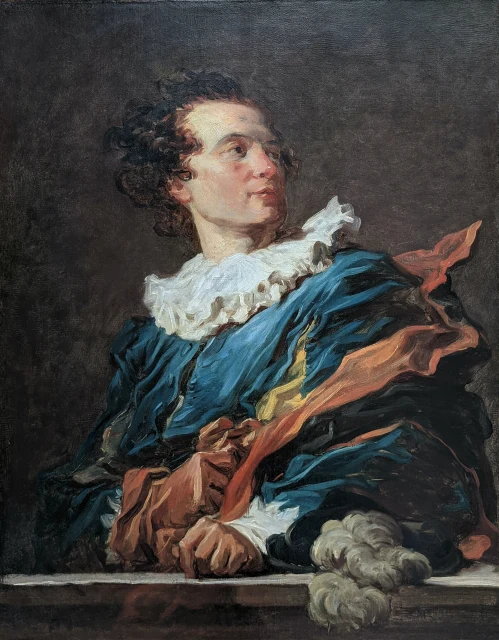 Fantasiefigur: Bildnis des Abbé de Saint-NonJean-Honoré Fragonard, 1769
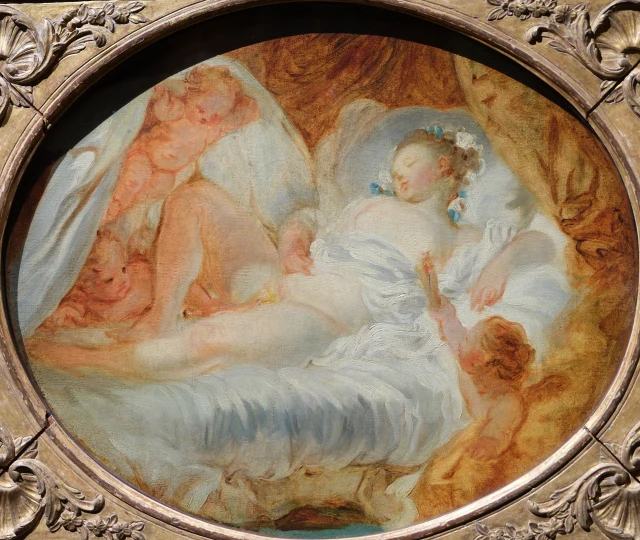 Feuer ans PulverJean-Honoré Fragonard, 1772
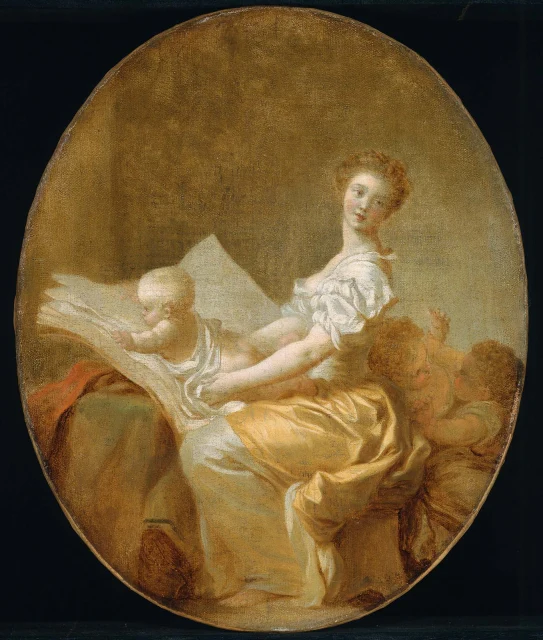 Mutter und KindJean-Honoré Fragonard, 1778
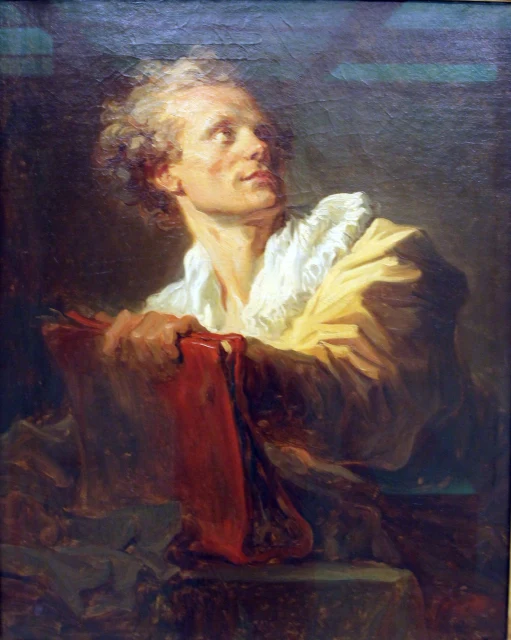 Bildnis eines jungen KünstlersJean-Honoré Fragonard, 1769
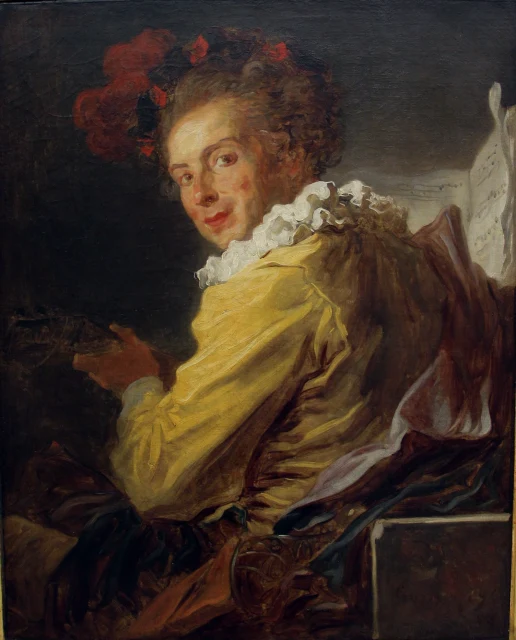 Bildnis des Louis Richard de La Bretèche im Fantasiekostüm, früher „Die Musik“ genanntJean-Honoré Fragonard, 1769
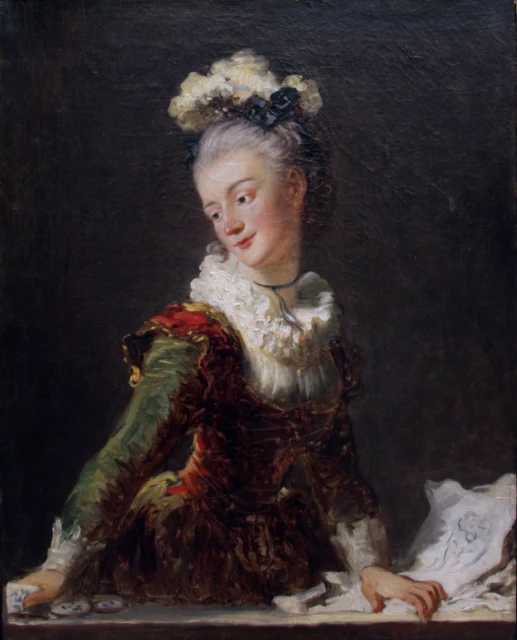 Bildnis der Marie-Anne-Éléonore, Comtesse de Grave, früher als Bildnis der Marie-Madeleine Guimard bezeichnetJean-Honoré Fragonard, 1769
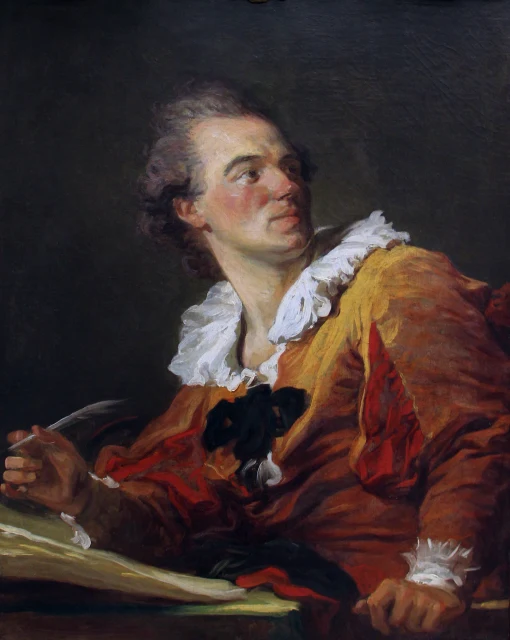 Mutmaßliches Bildnis des Louis-François Prault, früher „Die Inspiration“ genanntJean-Honoré Fragonard, 1769