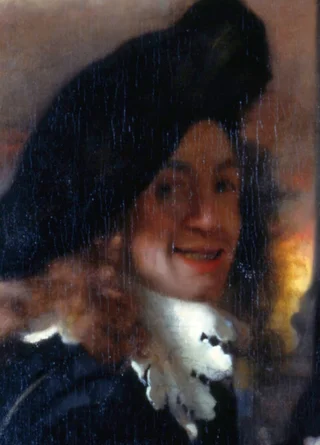
Johannes Vermeer
1632–1675 · Republik der Vereinigten Niederlande · Malerei des niederländischen Goldenen Zeitalters
Die Geschichte
Vermeer arbeitete langsam und hinterließ nur sehr wenig. Heute werden ihm mit Sicherheit nur etwa 34 Gemälde zugeschrieben, die meisten davon stille Interieurs aus Delft, der niederländischen Stadt, in der er sein ganzes Leben verbrachte — Frauen, die Briefe lesen oder Milch eingießen, in einem Streifen Fensterlicht. Er malte sie über rund 20 Jahre hinweg, während er nebenbei mit dem Handel von Gemälden anderer Künstler seinen Lebensunterhalt bestritt.
Dann brach der Markt unter ihm zusammen. 1672, in den Niederlanden als das Rampjaar, das Katastrophenjahr, in Erinnerung geblieben, fielen die Armeen Ludwigs des Vierzehnten in die Niederländische Republik ein, die Wirtschaft brach zusammen, und mit ihr der Handel mit Gemälden, von dem Vermeer lebte. Er starb drei Jahre später, 1675, plötzlich, und hinterließ seine Frau Catharina und elf überlebende Kinder tief verschuldet. Sie versuchte, dem örtlichen Bäcker zwei seiner Leinwände zu übergeben, um eine Brotrechnung zu begleichen.
Für fast 200 Jahre geriet er außerhalb Delfts nahezu in Vergessenheit. In den 1860er Jahren spürte ein französischer Kritiker, Théophile Thoré, seine verstreuten Bilder auf und schrieb die Artikel, die seinen Namen bekannt machten, und nannte ihn die "Sphinx von Delft", weil so wenig über den Mann bekannt war. Das gilt im Großen und Ganzen noch heute. Wir haben seine Gemälde und eine Handvoll Dokumente, aber fast keine Worte von Vermeer selbst.
Weitere Artikel
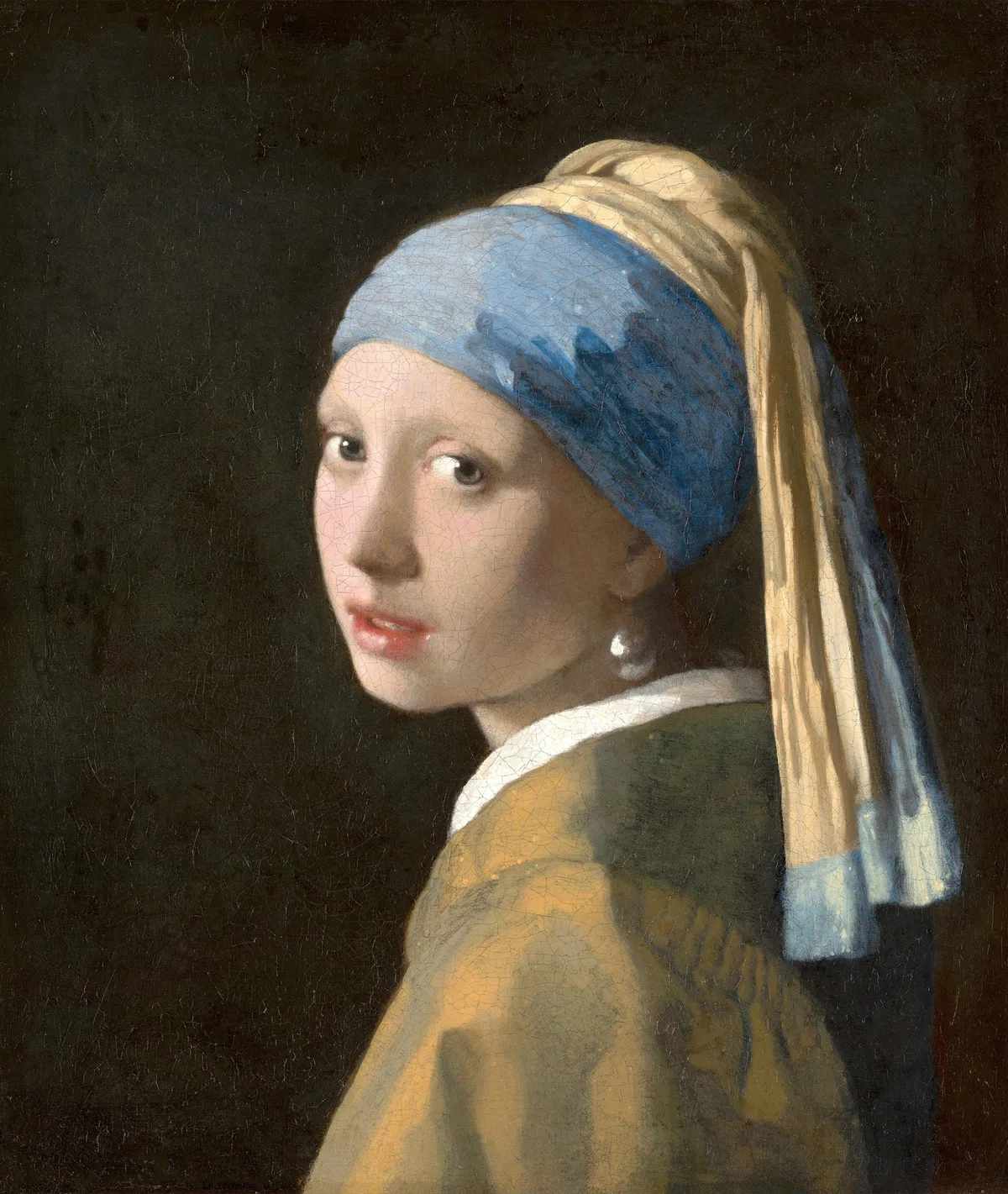 Artikel · 40 Min. LesezeitDas Mauritshuis in Den Haag: 20 Bilder und wie sie hierherkamen
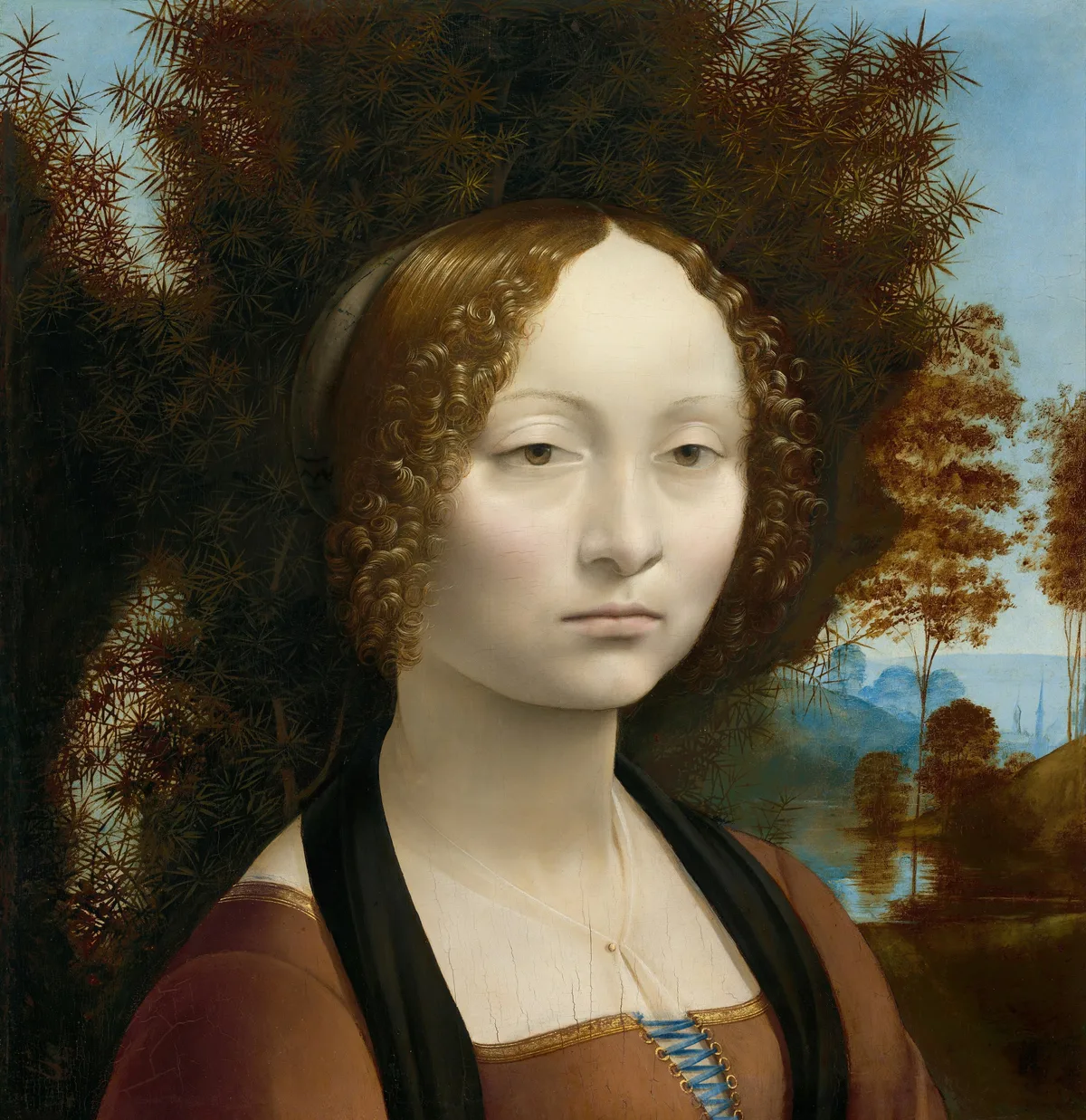 Artikel · 35 Min. LesezeitNational Gallery of Art in Washington: Zwanzig Bilder aus privater Hand
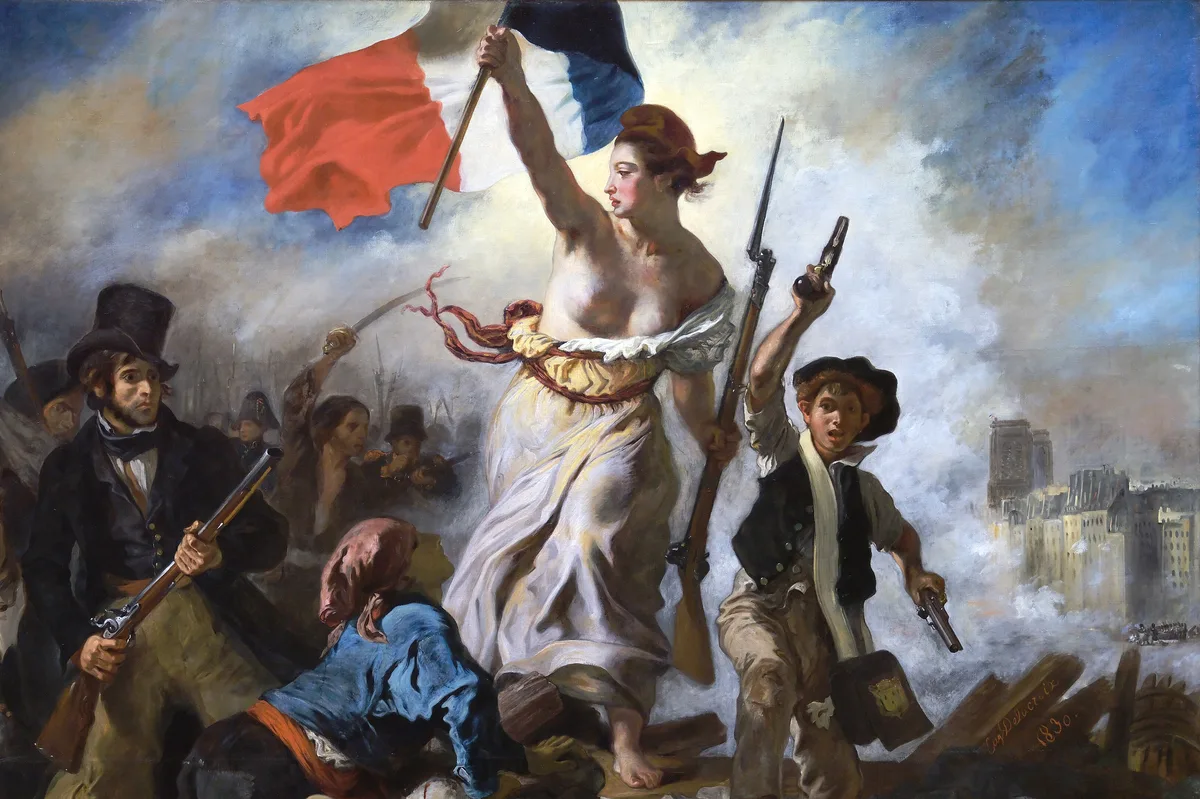 Artikel · 39 Min. LesezeitWas Sie im Louvre sehen sollten: die 25 wichtigsten Werke
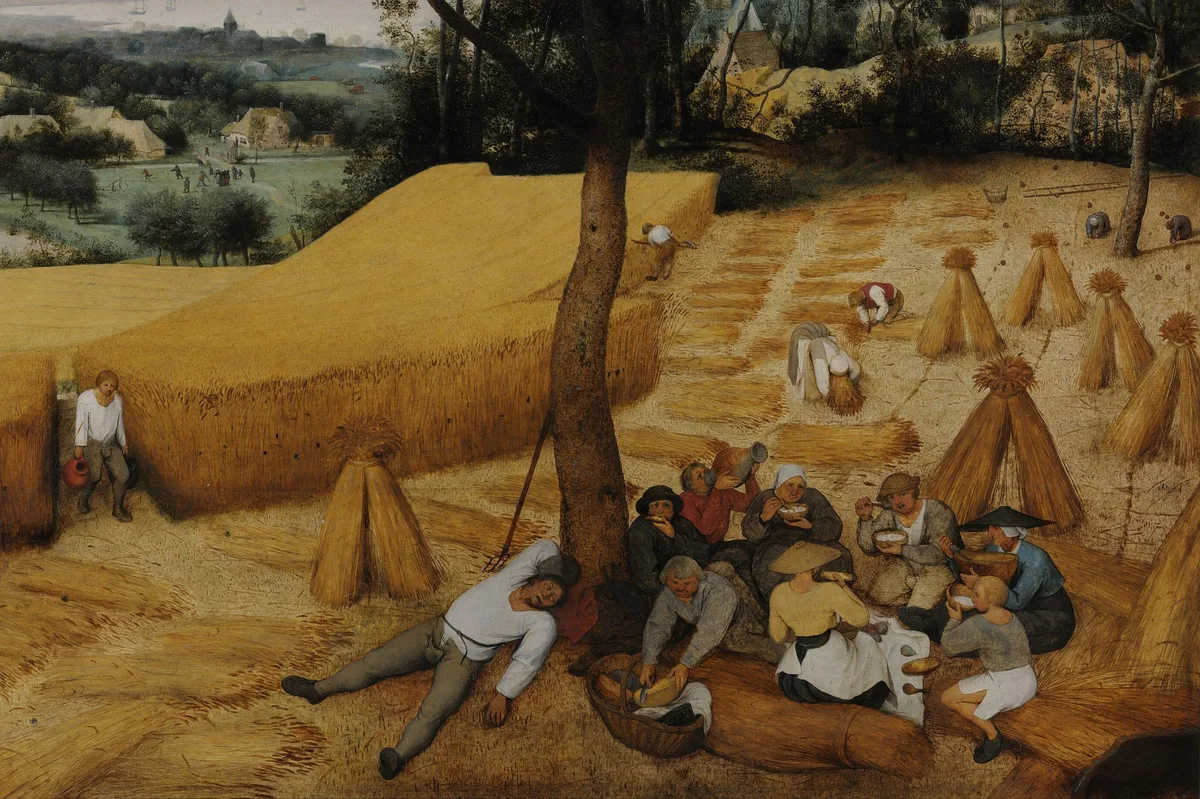 Artikel · 29 Min. LesezeitWas man im Met gesehen haben sollte: 15 Werke
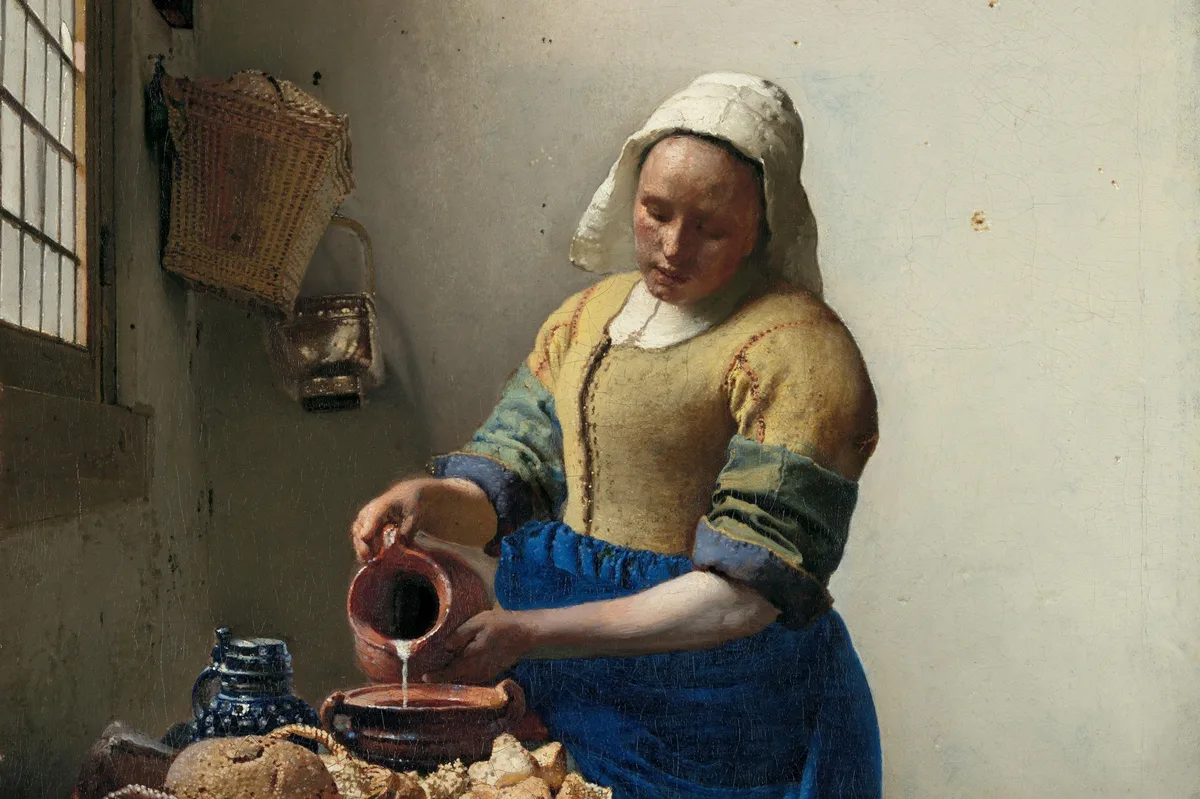 Artikel · 52 Min. LesezeitDas Rijksmuseum in Amsterdam: 25 Werke und ihre Besitzer
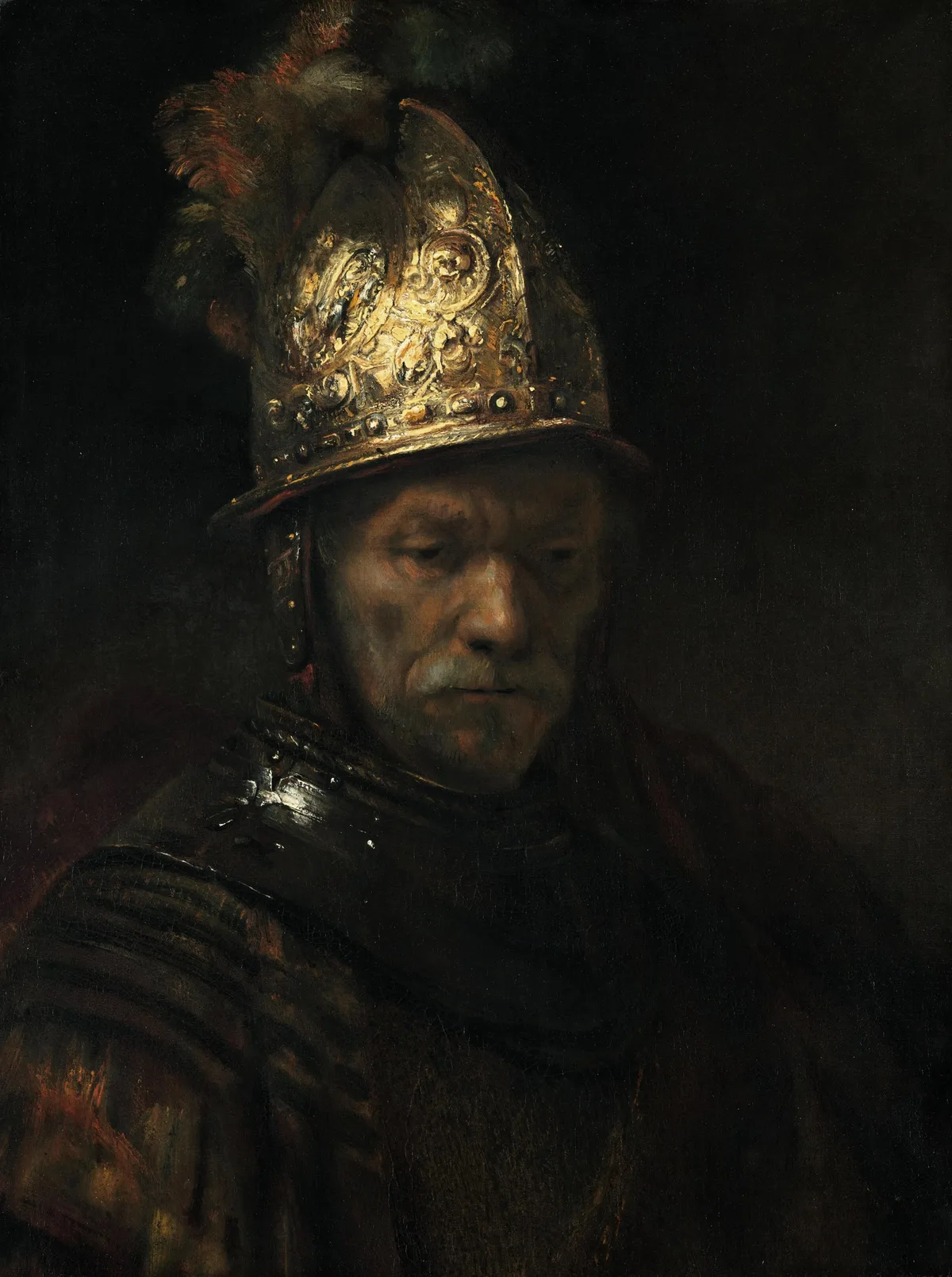 Artikel · 39 Min. LesezeitGemäldegalerie Berlin: 20 Bilder, die Berlin kaufte, verlor und teilte
Werke
36 Werke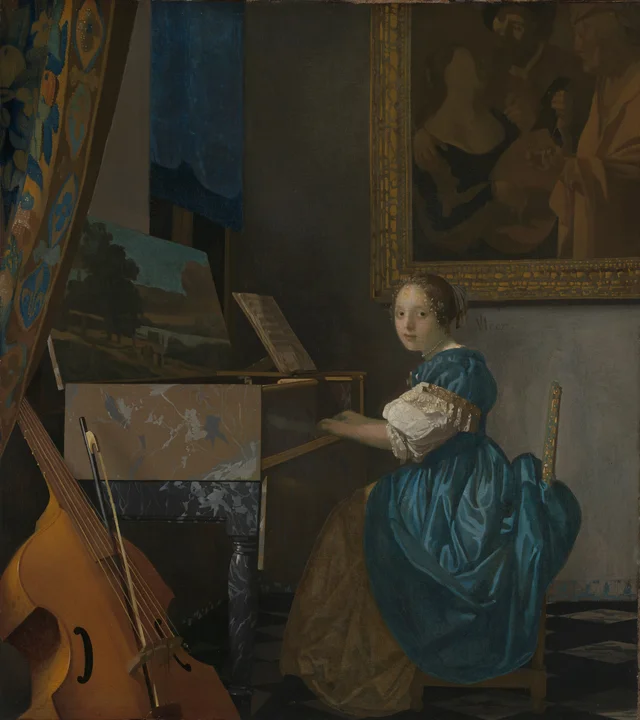 Junge Frau, sitzend am VirginalJohannes Vermeer, 1670
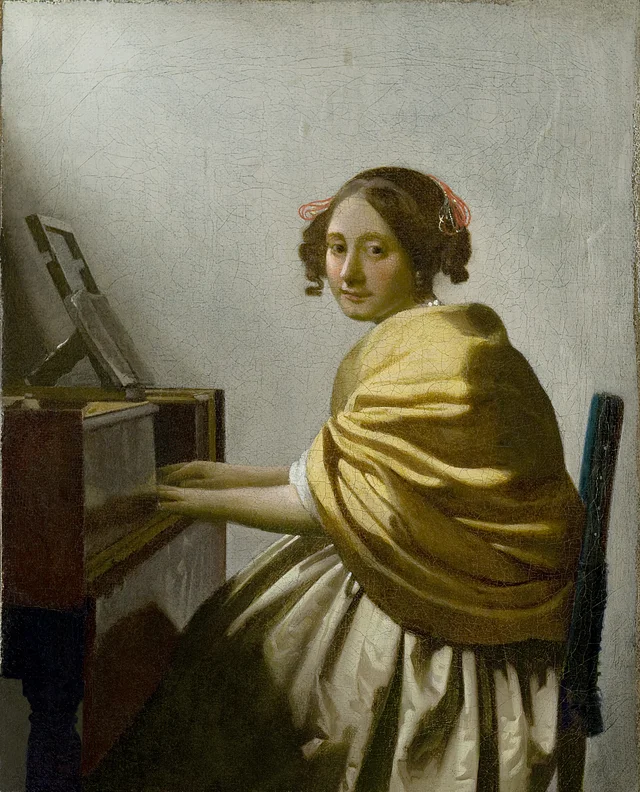 Junge Frau, sitzend am VirginalJohannes Vermeer, 1670
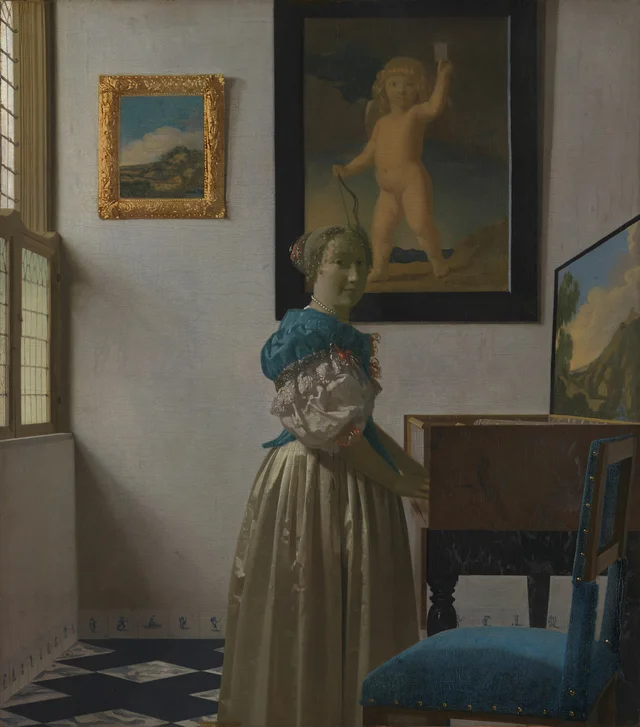 Stehende junge Frau am VirginalJohannes Vermeer, 1670
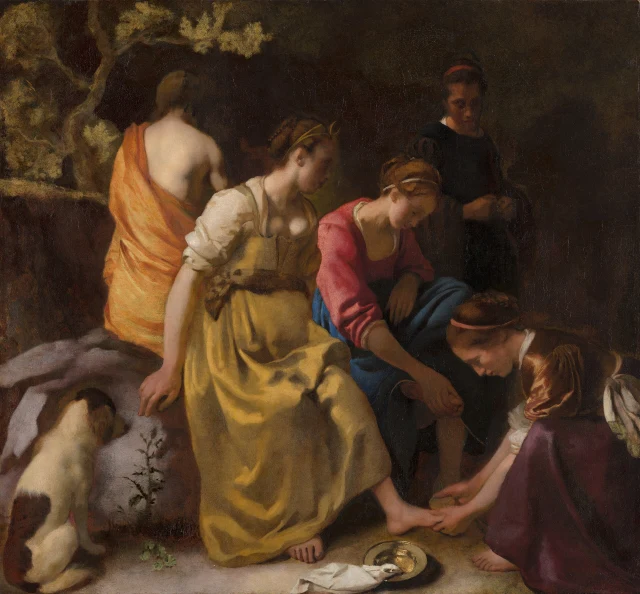 Diana und ihre NymphenJohannes Vermeer, 1653
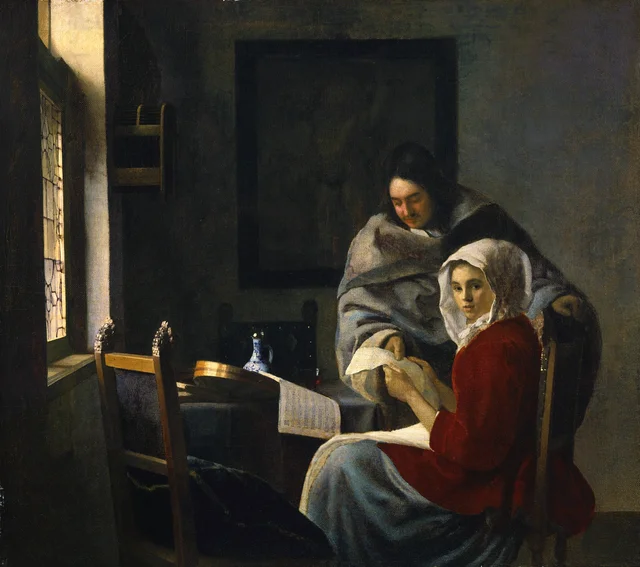 Mädchen, in seiner Musik unterbrochenJohannes Vermeer, 1660
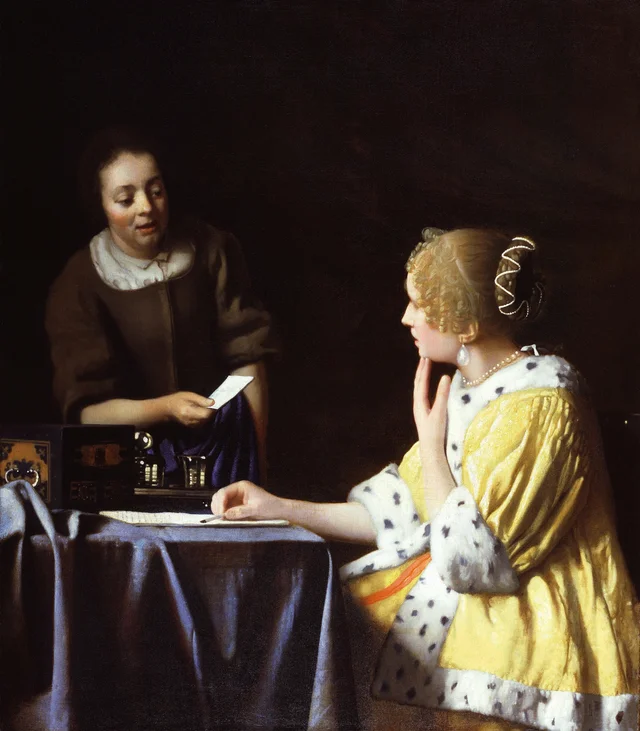 Herrin und DienerinJohannes Vermeer, 1666
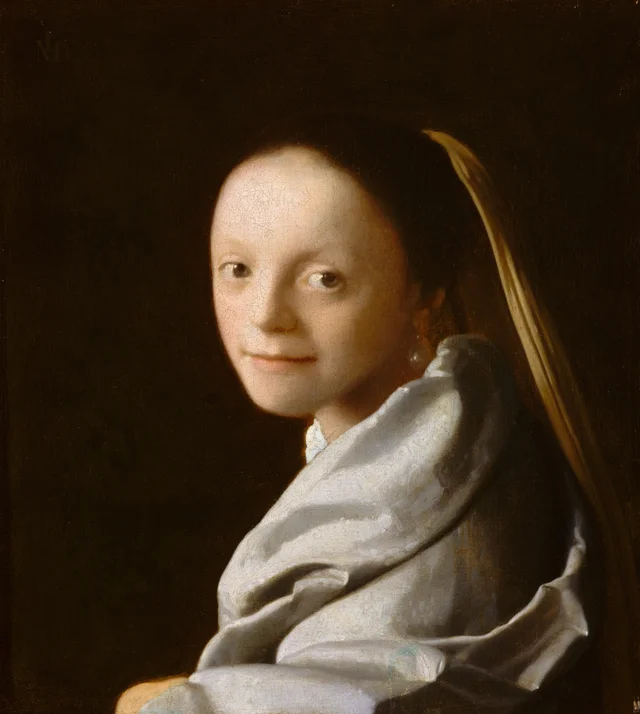 Porträt einer jungen FrauJohannes Vermeer, 1665
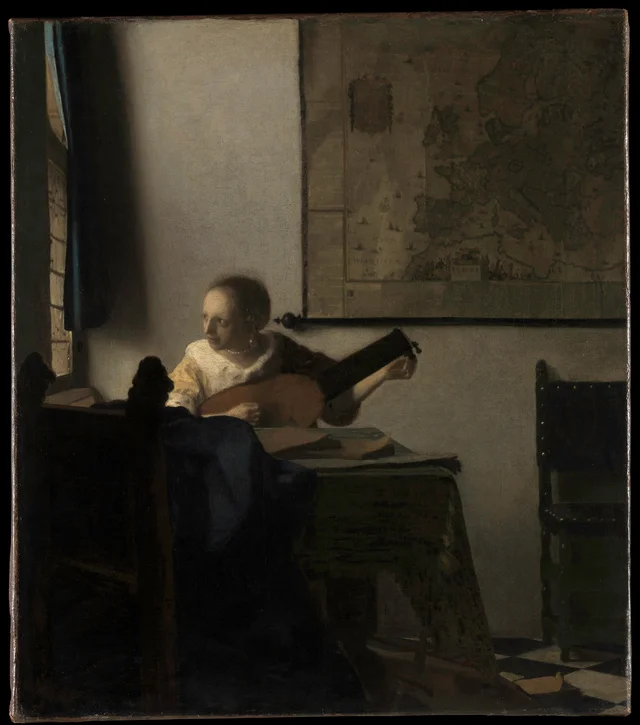 Frau mit LauteJohannes Vermeer, 1662
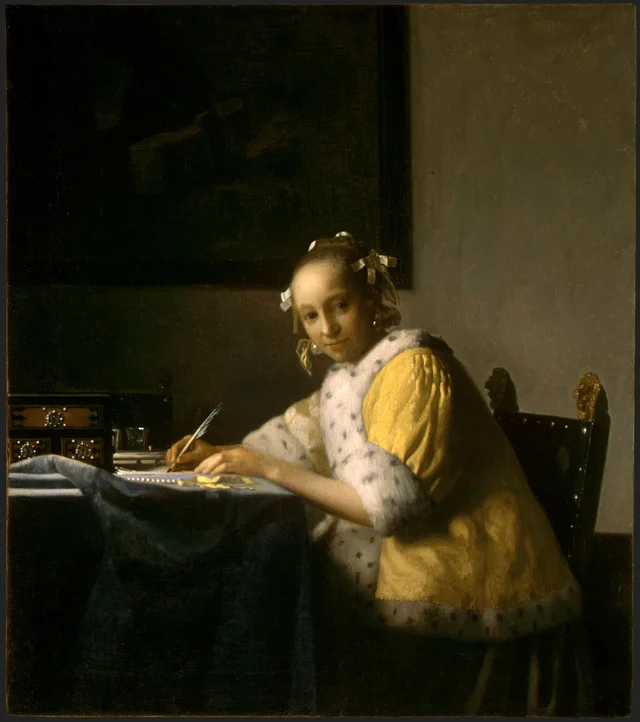 Schreibende Dame in GelbJohannes Vermeer, 1665
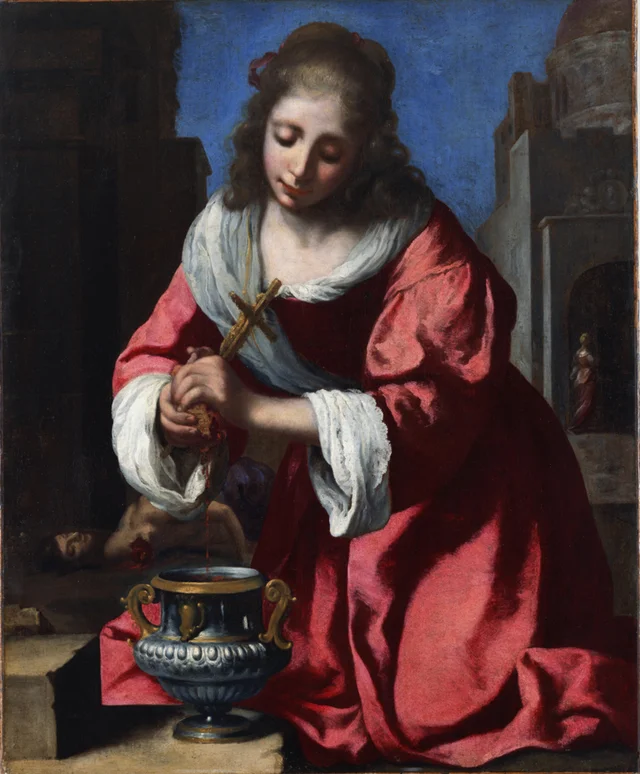 Die heilige PraxedisJohannes Vermeer, 1655
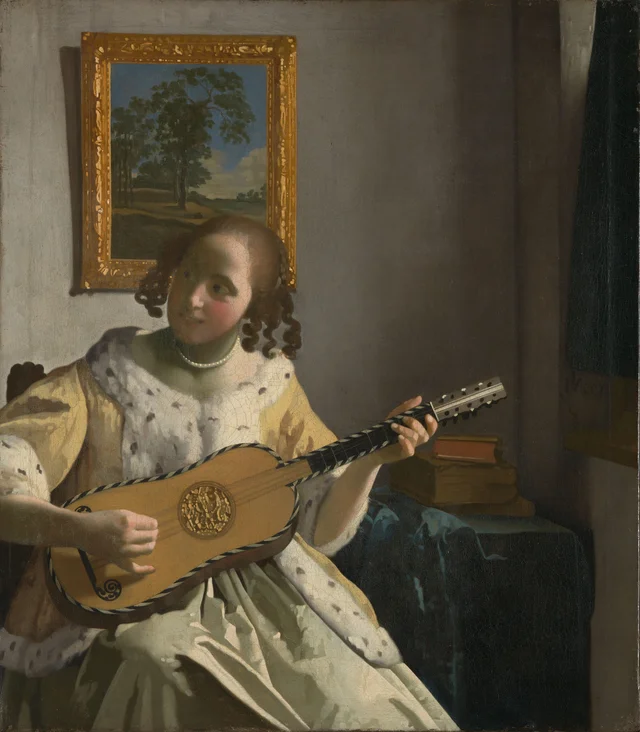 Die GitarrenspielerinJohannes Vermeer, 1672