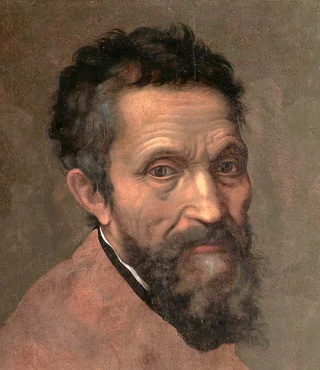
Michelangelo
1475–1564 · Republik Florenz · Hochrenaissance
Die Geschichte
1508 verstand sich Michelangelo bereits als Bildhauer, und nur als Bildhauer. Er war 33, hatte in Florenz den David geschaffen und war nach Rom gekommen, um für Papst Julius II. ein Marmorgrabmal zu errichten – der Auftrag, den er wirklich wollte. Doch Julius, ein rastloser Kriegspapst, der ebenso viel Zeit im Feld wie im Vatikan verbrachte, änderte seine Meinung und übertrug ihm stattdessen eine Decke. Michelangelo versuchte abzulehnen; er vermutete, Rivalen hätten die Idee vorangetrieben, weil Fresko nicht sein Handwerk war und er dabei scheitern könnte.
Am 8. Mai unterzeichnete er den Vertrag, über 3.000 Dukaten, und suchte Gehilfen, die wussten, wie man auf nassem Putz malt. Er konnte sie nicht halten und führte am Ende fast alles selbst aus. Die Fläche war gewaltig, etwa 500 Quadratmeter, mehr als 300 Figuren. Er arbeitete auf einem selbst entworfenen Holzgerüst, stehend und zurückgebeugt, nicht liegend, wie die Legende will, während ihm der Putz ins Gesicht tropfte. Es dauerte vier Jahre. In einem bitteren Gedicht an einen Freund klagte er, sein Bauch sei ihm bis unters Kinn geschoben, die Haut hänge ihm schlaff im Rücken, und ohnehin sei er kein Maler. Damit hatte er unrecht.
Als 1512 das Gerüst abgebaut wurde, gelang der Decke etwas, das die römische Freskomalerei zuvor nie erreicht hatte: Körper mit dem Gewicht gemeißelten Marmors, gemalt, als könne ihr Schöpfer nur in Stein denken. Die beiden sich fast berührenden Hände Gottes und Adams wurden zu einem der meistkopierten Bilder überhaupt. Julius, der ihm den Auftrag aufgezwungen hatte, war binnen eines Jahres tot, sein Grabmal noch immer unvollendet. Michelangelo kehrte über Jahrzehnte immer wieder dazu zurück. Was davon erhalten ist, in einer Kirche in Rom, ist nur ein Bruchteil des ursprünglichen Plans, und in seiner Mitte sitzt der Mose, endlich aus dem Stein gehauen, den er sich gewünscht hatte.
Weitere Artikel
Werke
62 Werke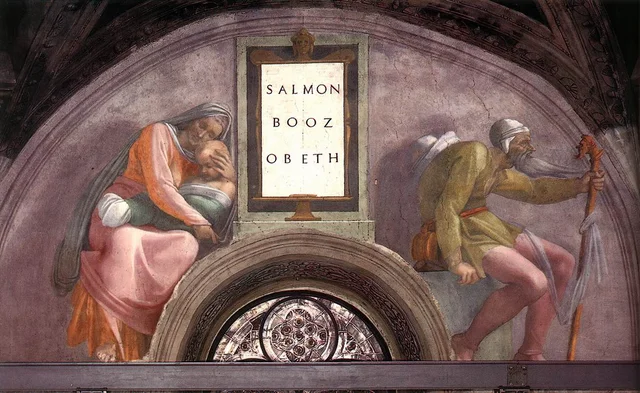 Lünette: Salmon, Boas und ObedMichelangelo, 1511
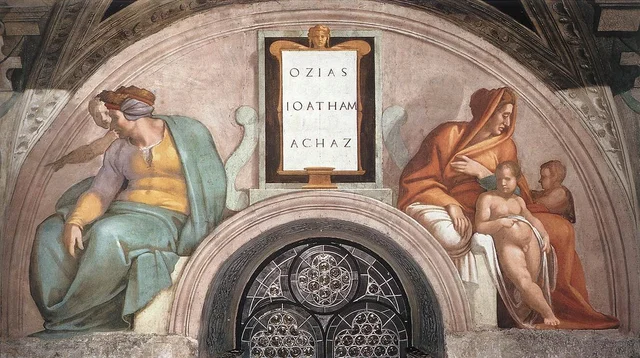 Lünette: Usija, Jotam und AhasMichelangelo, 1509
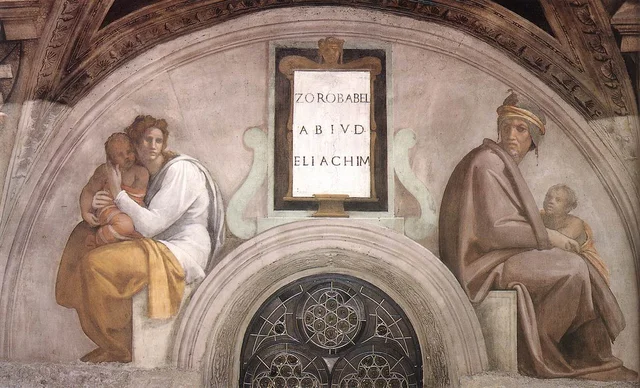 Lünette: Serubbabel, Abihud und EljakimMichelangelo, 1509
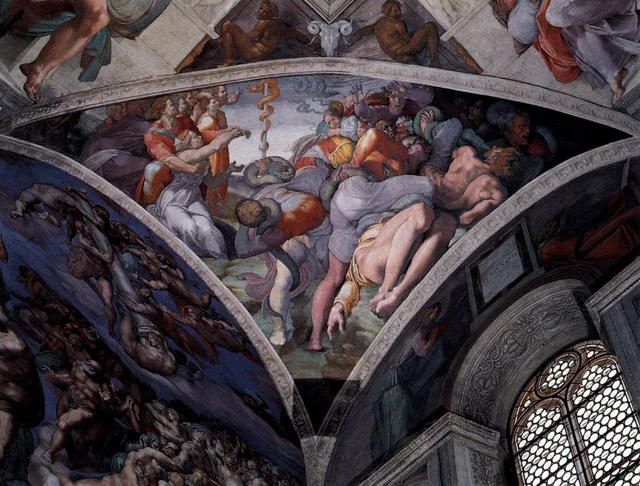 Die eherne SchlangeMichelangelo, 1511
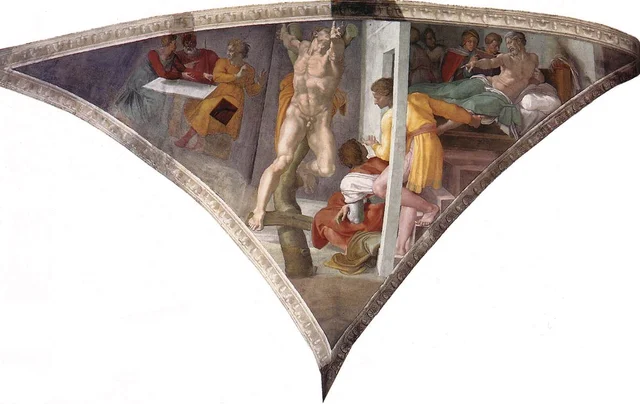 Die Bestrafung HamansMichelangelo, 1511
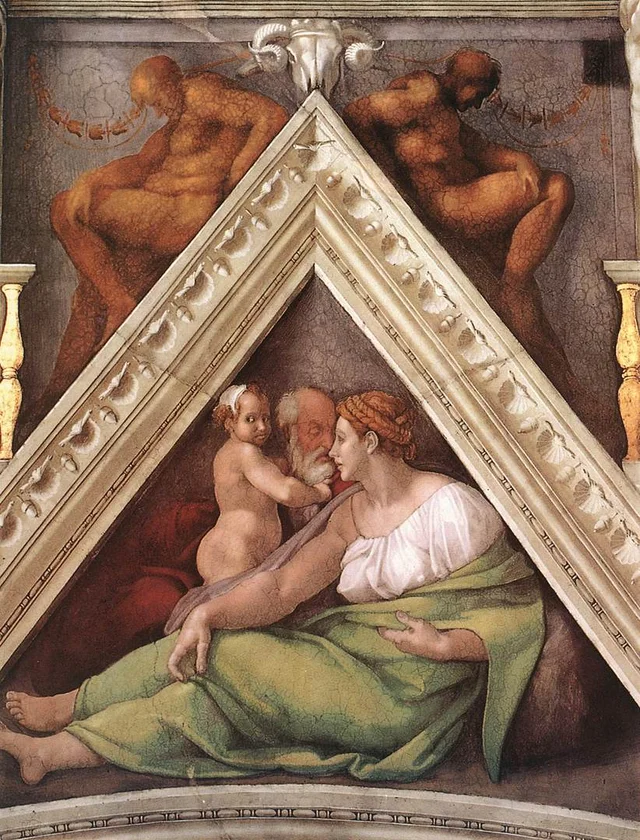 Stichkappe: Hiskia, Manasse und AmonMichelangelo, 1509
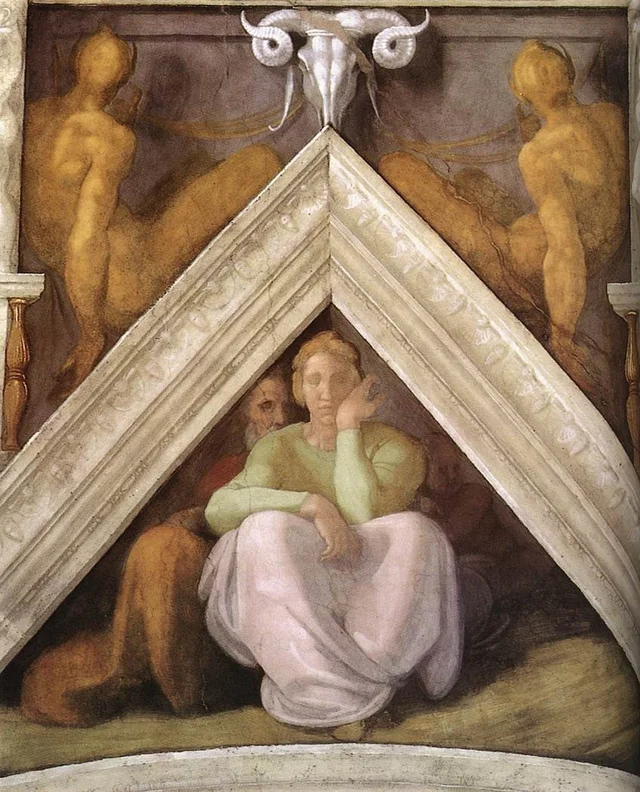 Stichkappe: Isai, David und SalomoMichelangelo, 1511
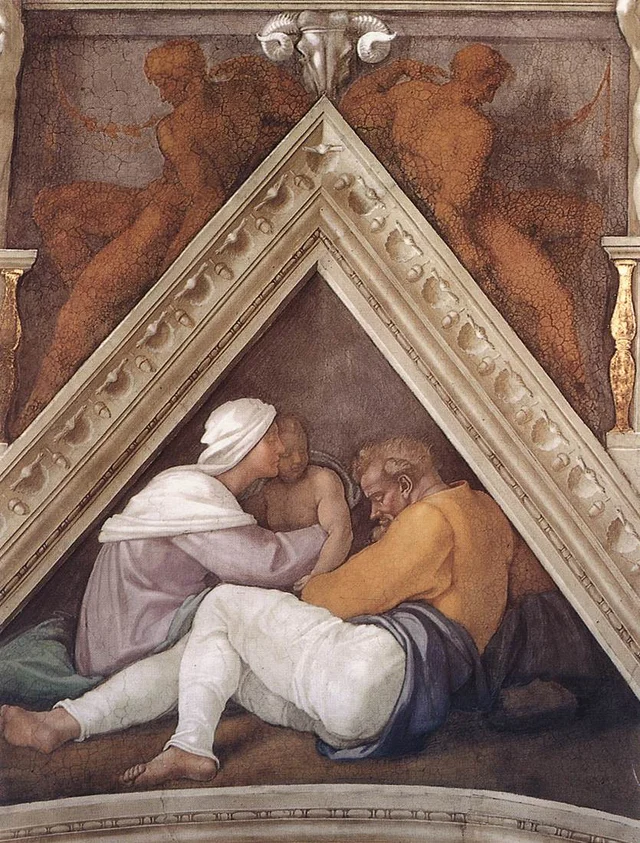 Stichkappe: Josia, Jojachin und SchealtielMichelangelo, 1509
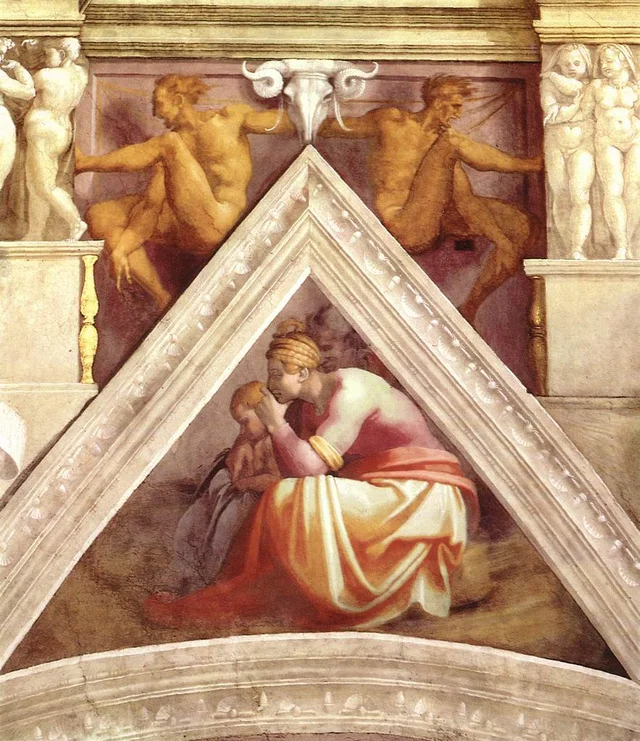 Stichkappe: Rehabeam und AbijaMichelangelo, 1511
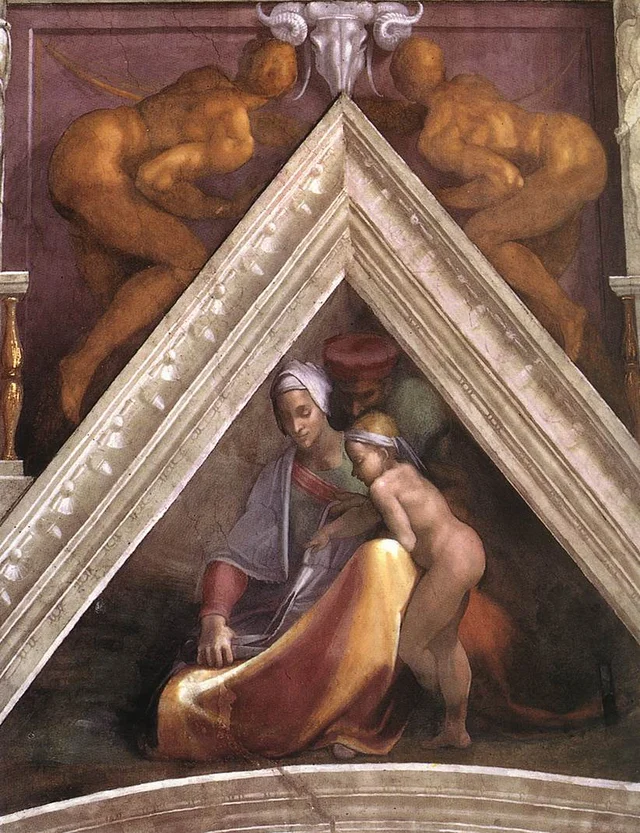 Stichkappe: Salmon, Boas und ObedMichelangelo, 1511
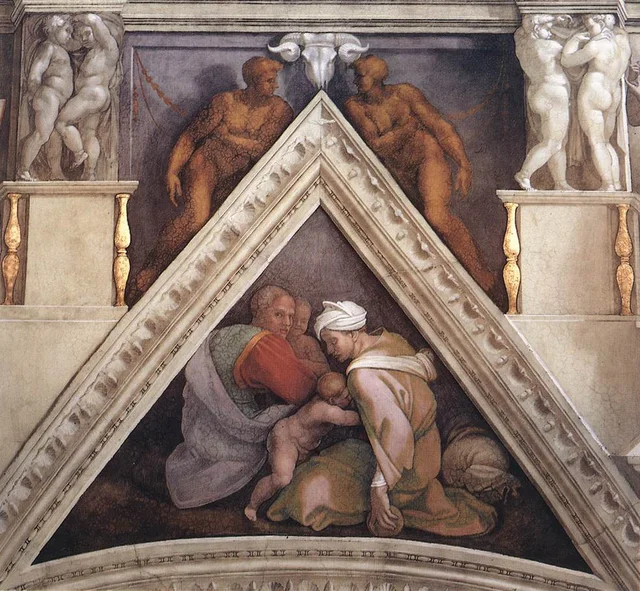 Stichkappe: Usija, Jotam und AhasMichelangelo, 1509
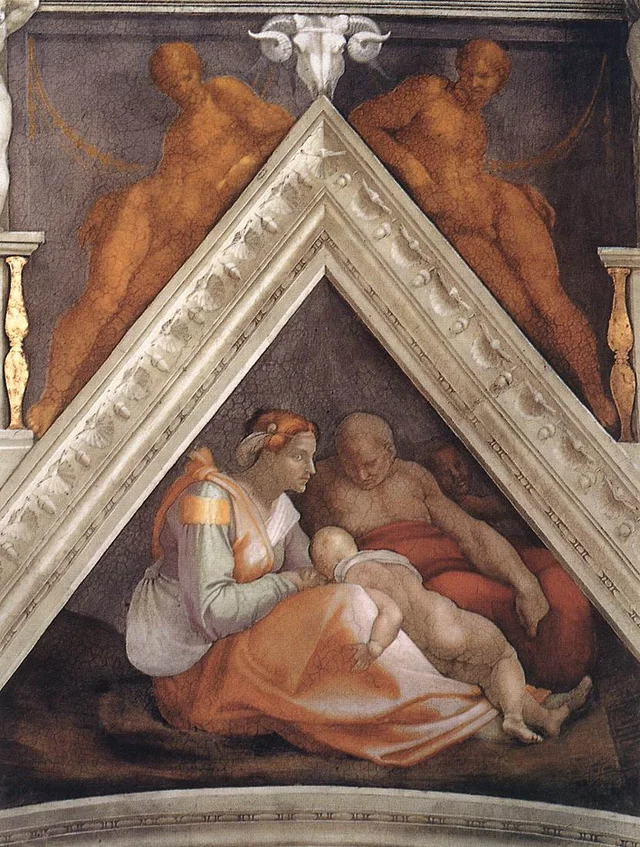 Stichkappe: Serubbabel, Abihud und EljakimMichelangelo, 1509
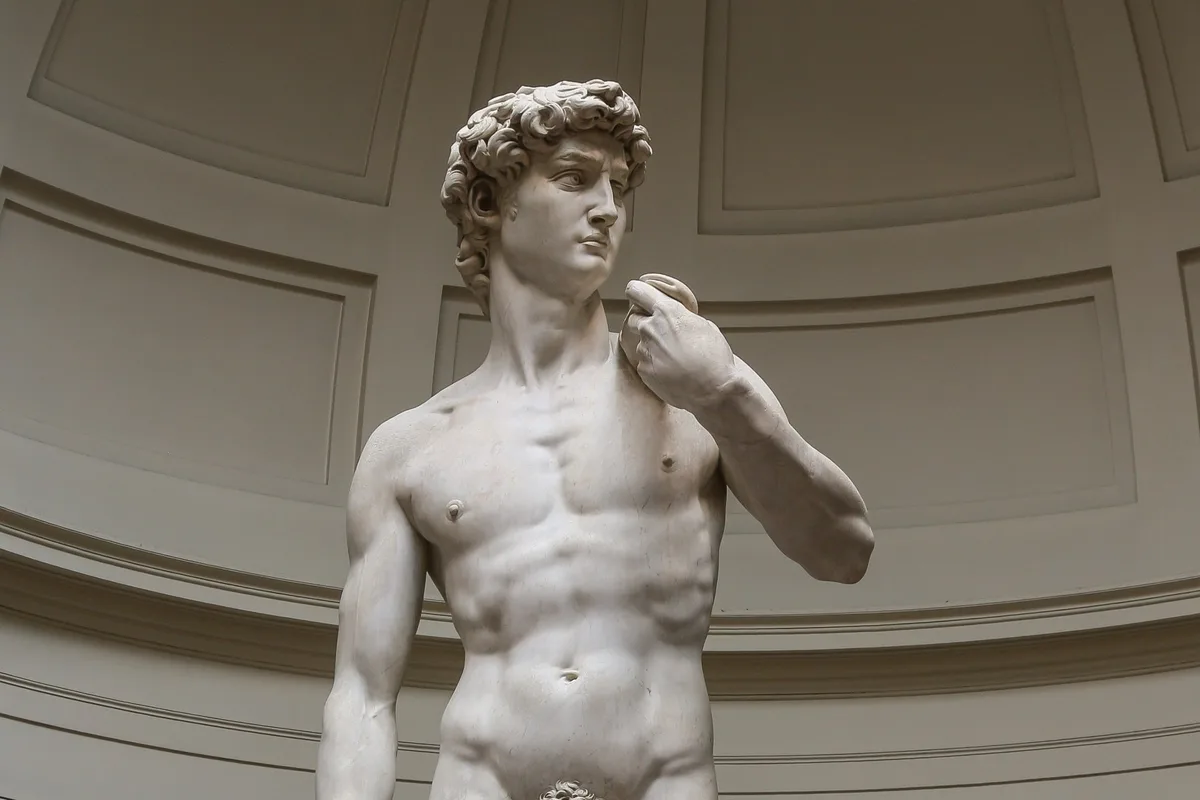
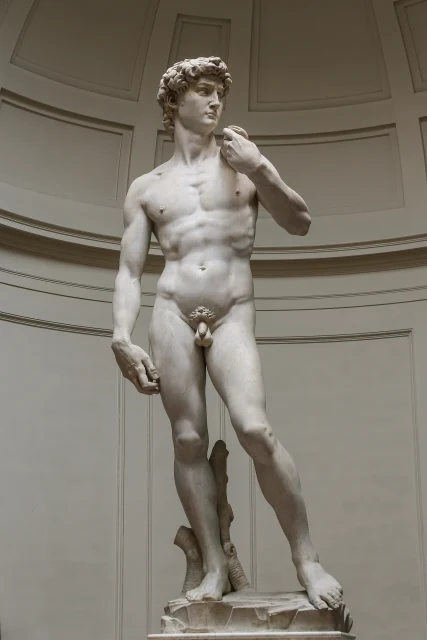 DavidMichelangelo, 1504
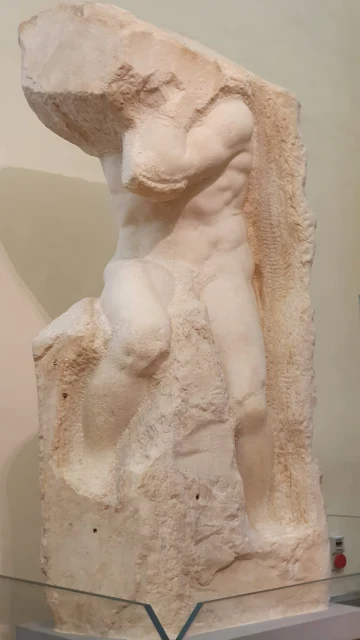 Atlas-SklaveMichelangelo, 1532
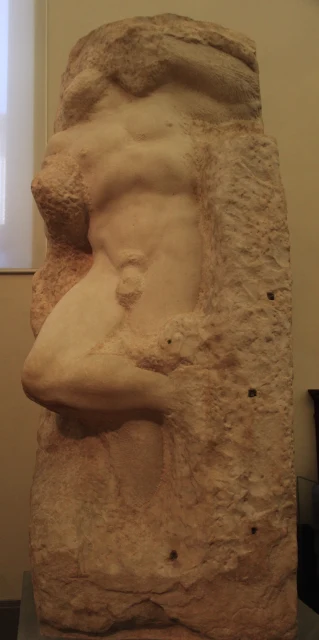 Erwachender SklaveMichelangelo, 1532
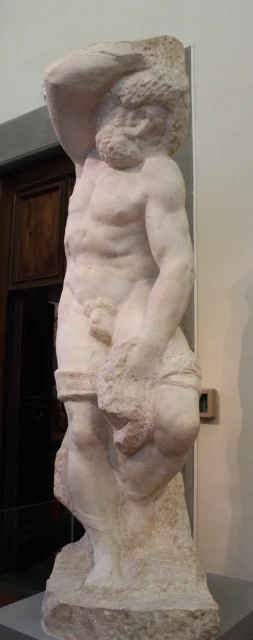 Bärtiger SklaveMichelangelo, 1532
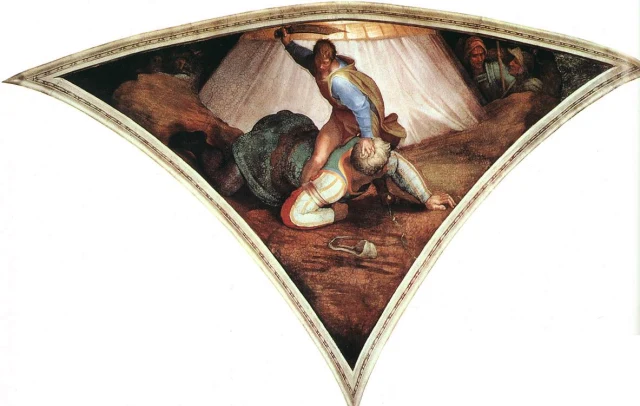 David und GoliathMichelangelo, 1509
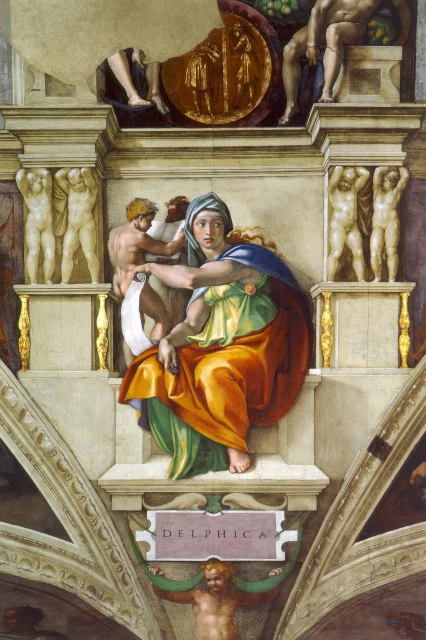 Delphische SibylleMichelangelo, 1509
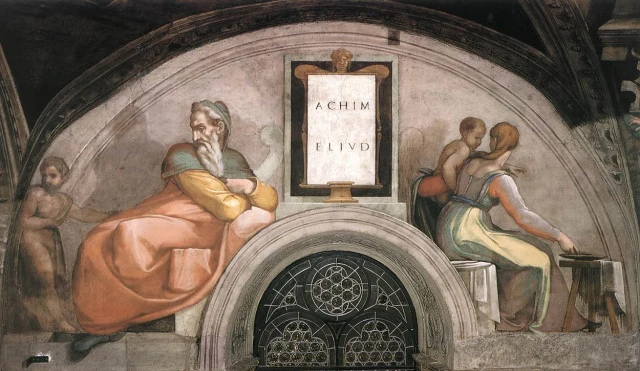 Lünette: Achim und EliudMichelangelo, 1509
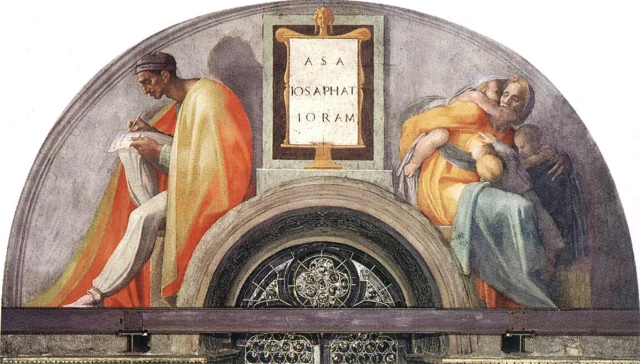 Lünette: Asa, Joschafat und JoramMichelangelo, 1511
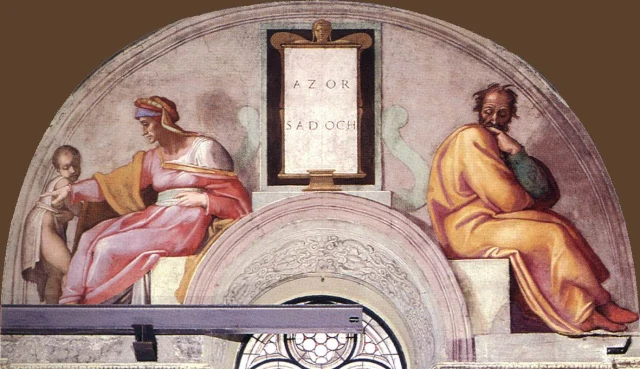 Lünette: Asor und ZadokMichelangelo, 1509
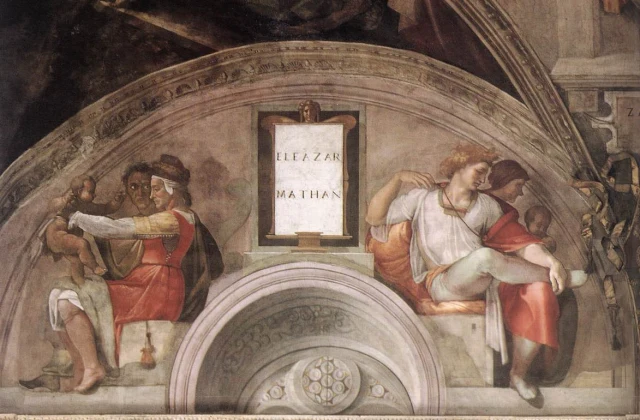 Lünette: Eleasar und MattanMichelangelo, 1509
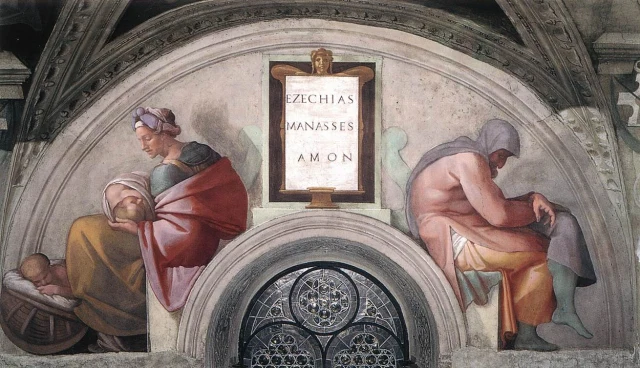 Lünette: Hiskia, Manasse und AmonMichelangelo, 1509
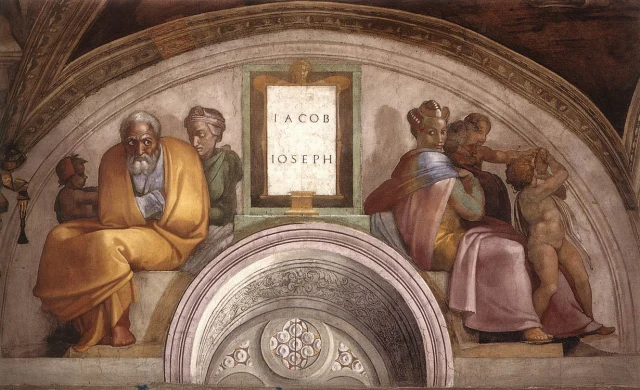 Lünette: Jakob und JosefMichelangelo, 1509
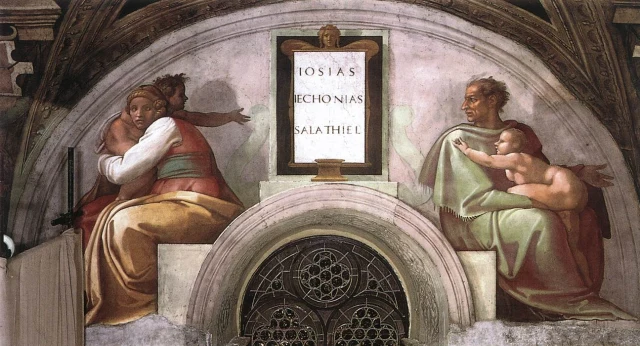 Lünette: Josia, Jojachin und SchealtielMichelangelo, 1509