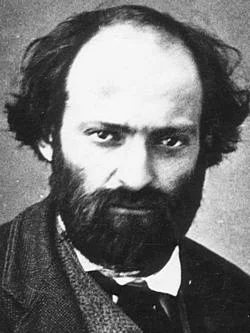
Paul Cézanne
1839–1906 · Frankreich · Postimpressionismus
Die Geschichte
Den größten Teil seines Lebens war Paul Cézanne der Maler, den niemand wollte. In den 1870er-Jahren stellte er mit den Impressionisten aus, wurde härter verspottet als jeder von ihnen, zog sich dann still in seine Heimatstadt Aix-en-Provence in Südfrankreich zurück und stellte kaum noch aus. Einen Vorteil hatte er den anderen voraus: Sein Vater war ein wohlhabender Bankier, und ein Erbe erlaubte es Cézanne, jahrzehntelang genau so zu malen, wie es ihm gefiel, unbeachtet, ohne verkaufen zu müssen.
Was ihn interessierte, war die feste Struktur unter der Oberfläche, die Art, wie ein Berg oder ein Apfel im Raum tatsächlich zusammenhält, statt des flüchtigen Lichts der Impressionisten. Ab den 1880er-Jahren malte er die Mont Sainte-Victoire, den hellen Kalksteinrücken über Aix, immer wieder, rund 80 Mal in Öl und Aquarell, jede Fassung flächiger und stärker aus Farbblöcken aufgebaut als die vorherige. Die jüngeren Maler, die ihn spät entdeckten, darunter Picasso und Matisse, nahmen diese Blöcke und zerlegten sie weiter zum Kubismus, der zersplitterten Geometrie der nächsten Generation. Picasso nannte ihn „den Vater von uns allen“.
Sein ältester Freund war der Schriftsteller Émile Zola. Sie waren gemeinsam in Aix aufgewachsen, zwei Jungen, die ihre Bande die Unzertrennlichen nannten, und zogen Seite an Seite nach Paris. 1886 veröffentlichte Zola einen Roman über einen hochbegabten Maler, der scheitert und sich das Leben nimmt. Cézanne las ihn, erkannte darin ein Porträt seiner selbst, schickte Zola eine kurze, förmliche Dankeszeile und sprach nie wieder mit ihm. Bis fast zuletzt arbeitete er im Freien; im Oktober 1906 wurde er beim Malen von einem Unwetter überrascht, brach am Straßenrand zusammen und starb wenige Tage später an einer Lungenentzündung, mit 67 Jahren.
Weitere Artikel
 Artikel · 45 Min. LesezeitMusée d’Orsay: vom Kauf des Cabanel durch Napoleon III. bis zum Caillebotte für 43 Millionen
 Artikel · 23 Min. LesezeitDie Nationalgalerie Bulgariens: 15 Werke, in denen die bulgarische Malerei entstand
 Artikel · 19 Min. LesezeitMusée de l’Orangerie: Monet, Paul Guillaume und Domenica
Werke
263 Werke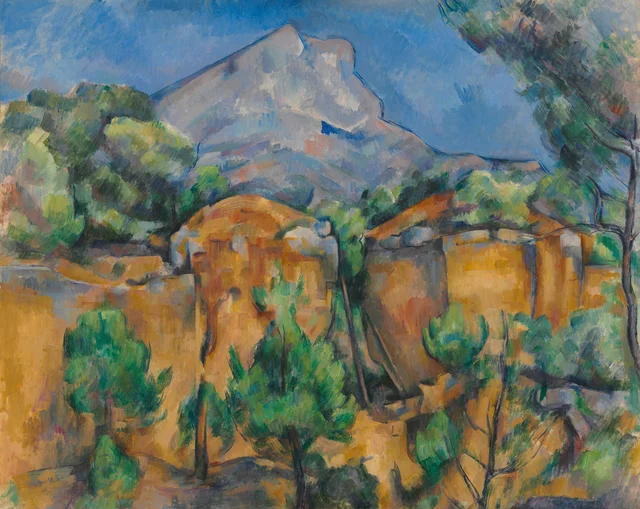 Der Berg Sainte-Victoire vom Steinbruch Bibémus aus gesehenPaul Cézanne, 1898
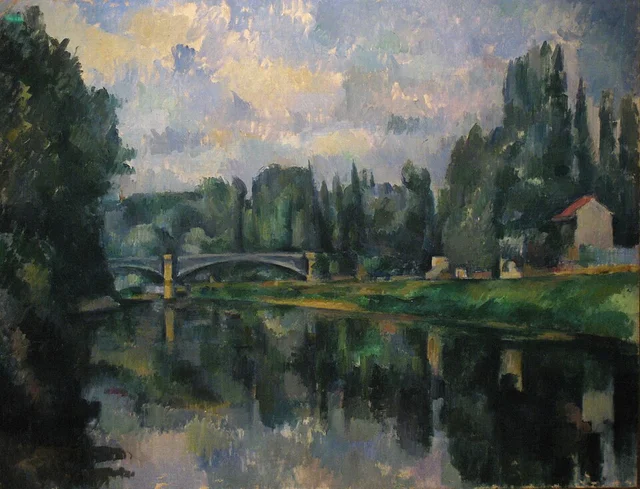 Die Brücke über die Marne bei CréteilPaul Cézanne, 1894
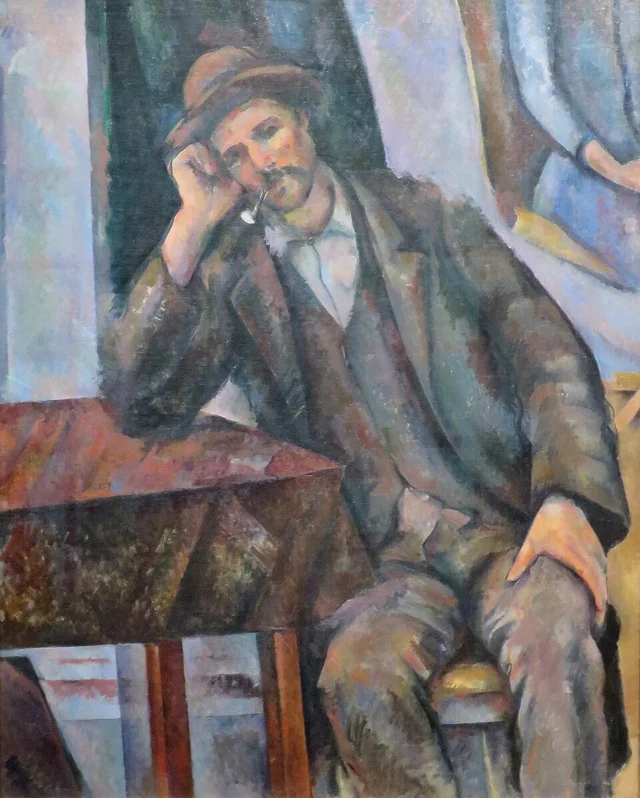 Der PfeifenraucherPaul Cézanne, 1897
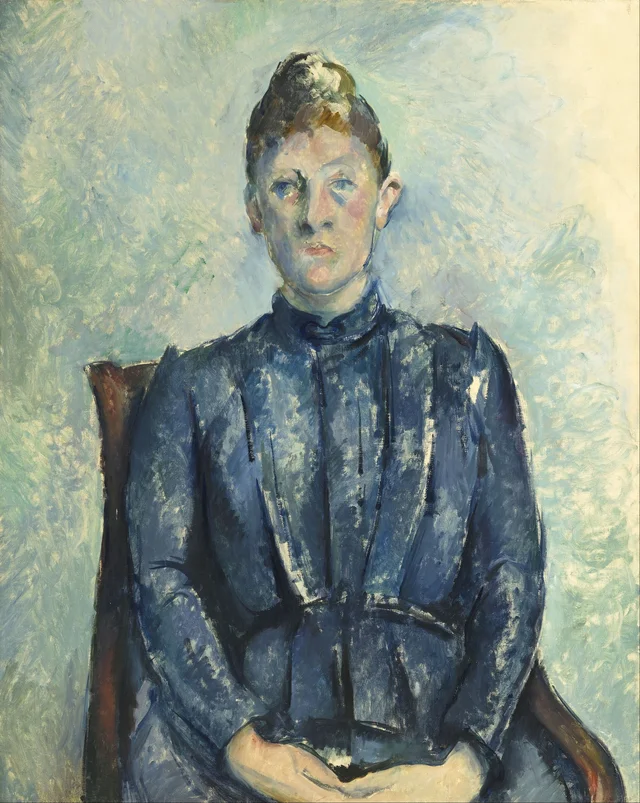 Porträt von Madame CézannePaul Cézanne, 1890
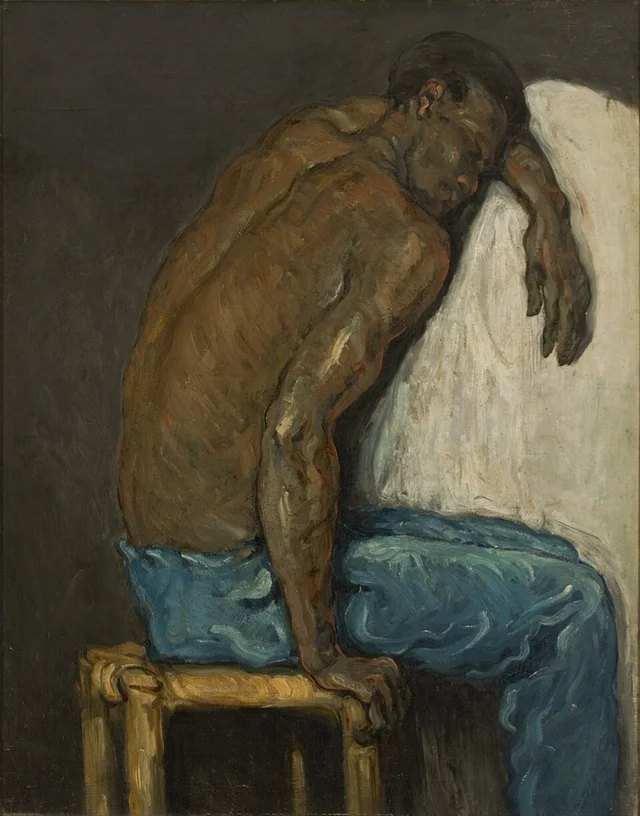 Der schwarze ScipionPaul Cézanne, 1867
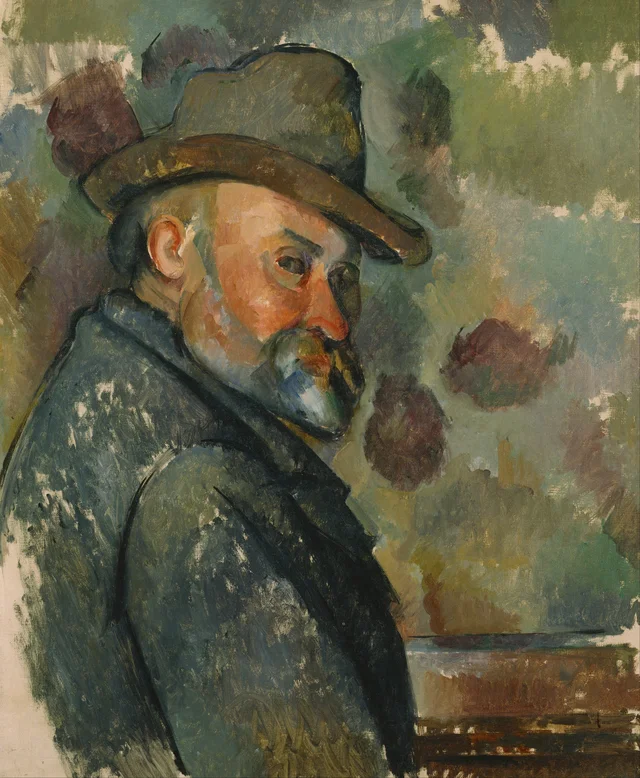 Selbstbildnis mit weichem HutPaul Cézanne, 1894
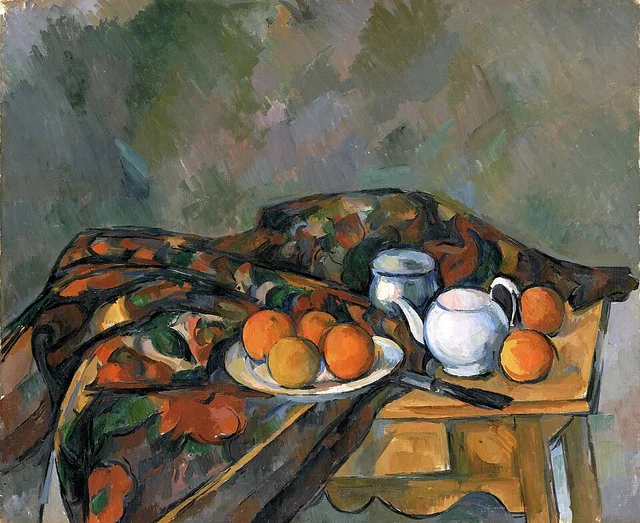 Stillleben mit TeekannePaul Cézanne, 1902
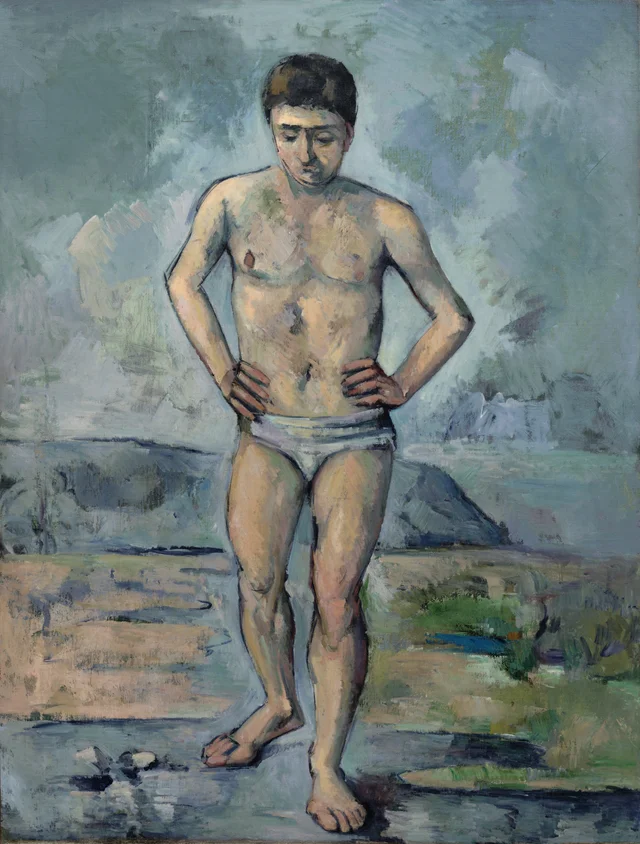 Der BadendePaul Cézanne, 1885
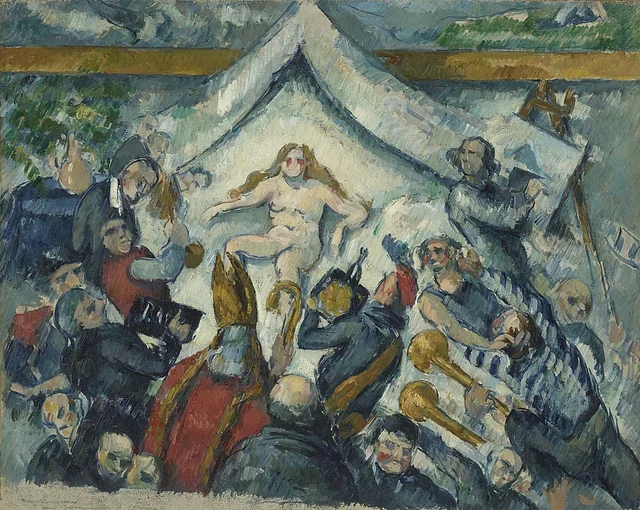 Das Ewig-WeiblichePaul Cézanne, 1877
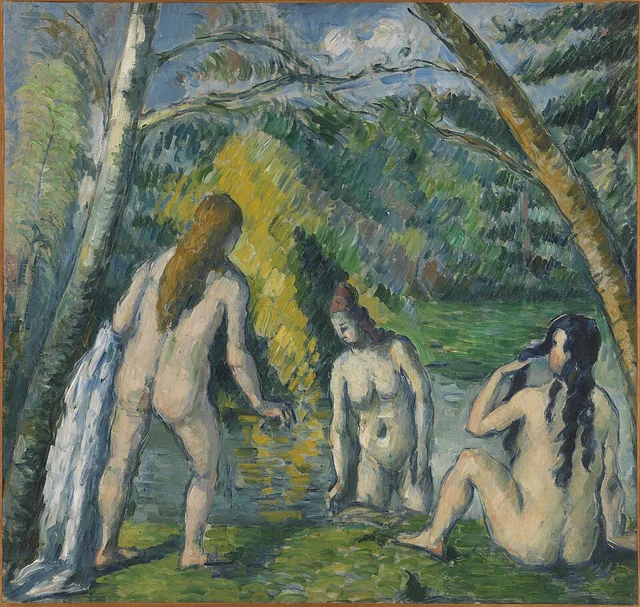 Drei BadendePaul Cézanne, 1879
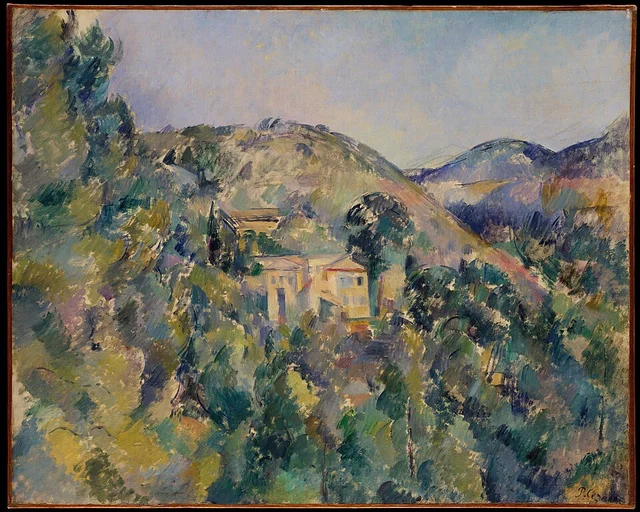 Blick auf das Domaine Saint-JosephPaul Cézanne, 1880
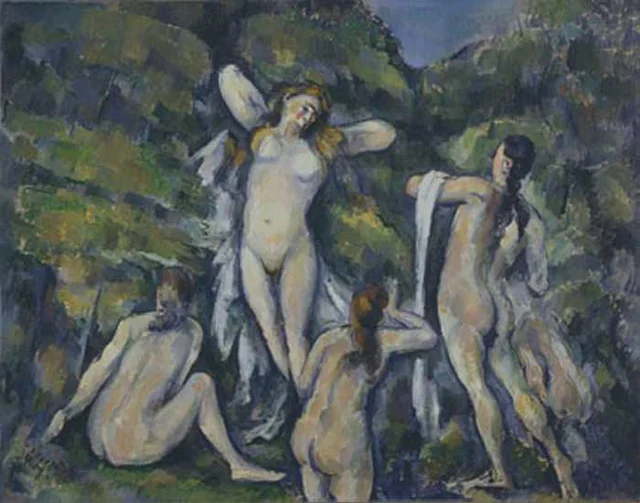 Badende FrauenPaul Cézanne, 1900
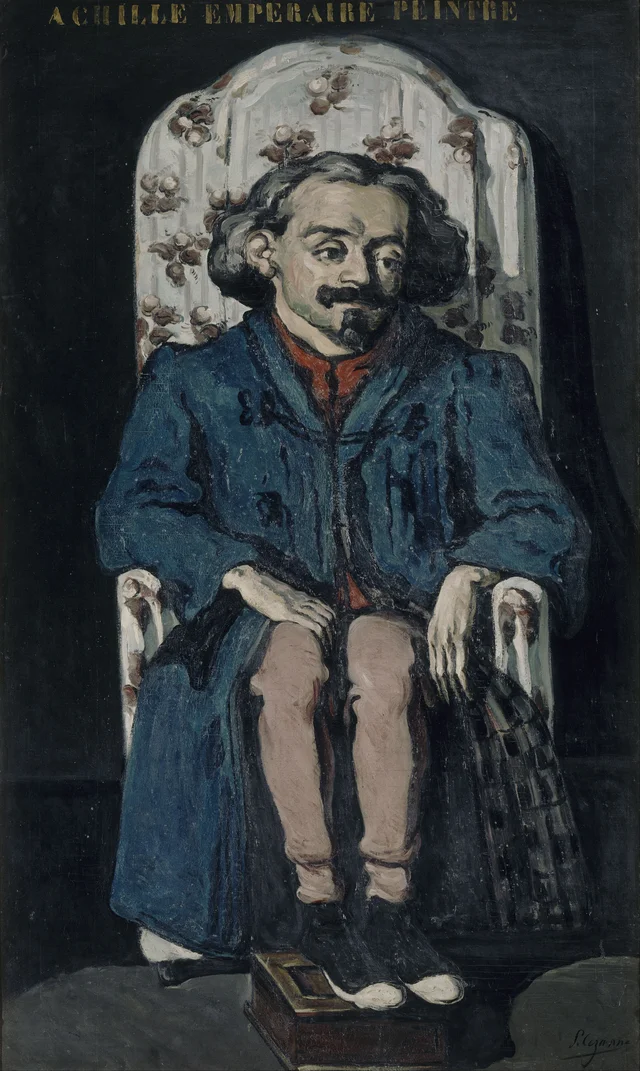 Achille EmperairePaul Cézanne, 1867
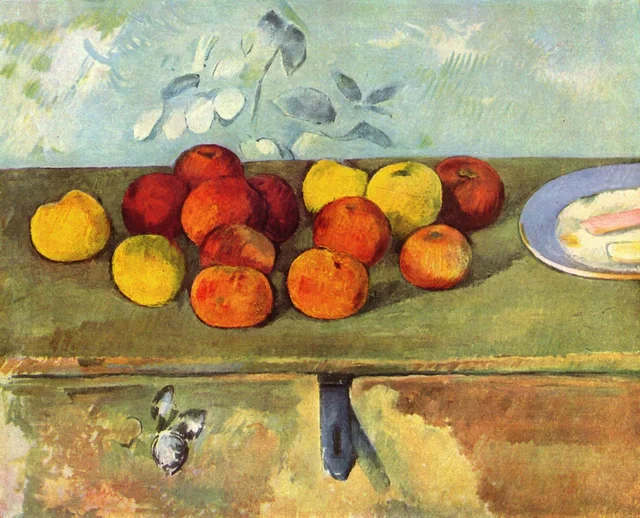 Äpfel und KeksePaul Cézanne, 1880
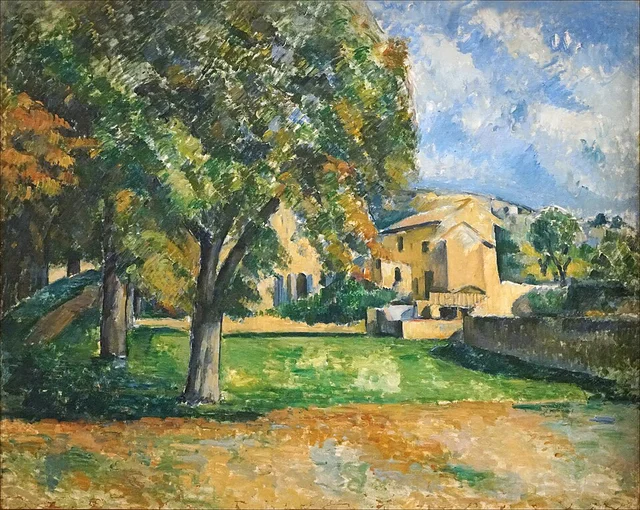 Kastanienbaum und Gehöft des Jas de BouffanPaul Cézanne, 1886
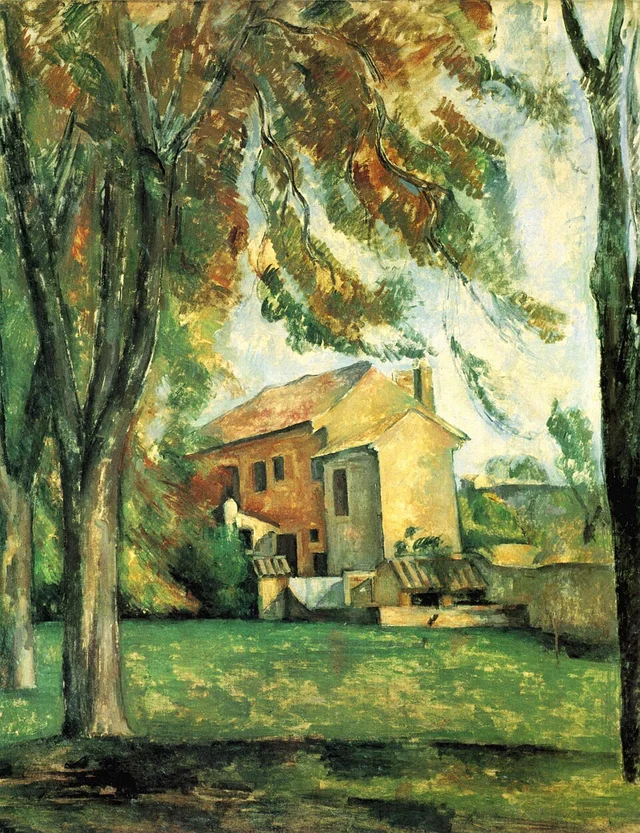 Bauernhaus und Kastanienbäume im Jas de BouffanPaul Cézanne, 1884
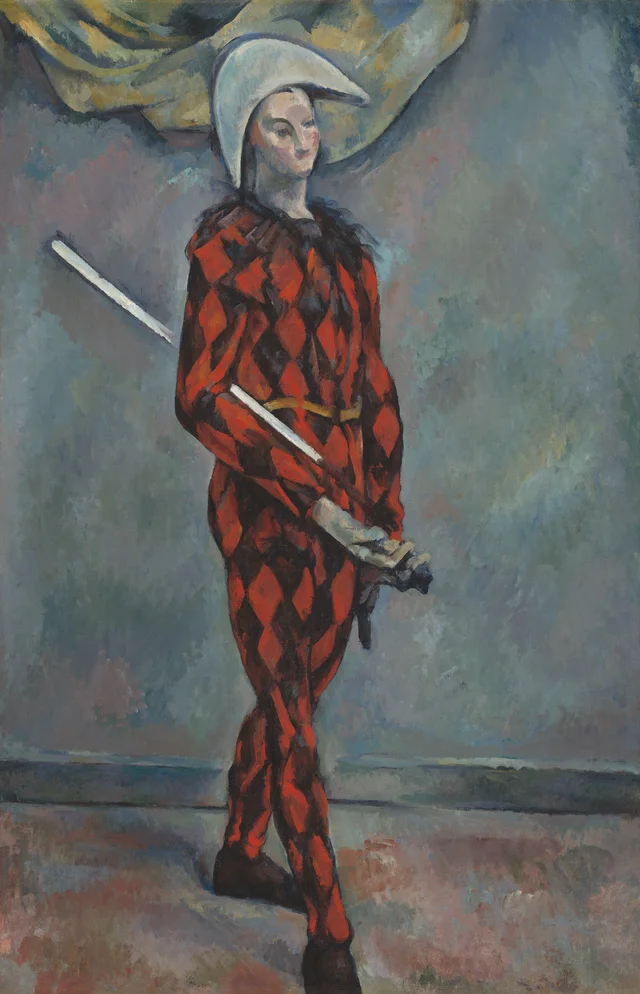 HarlekinPaul Cézanne, 1888
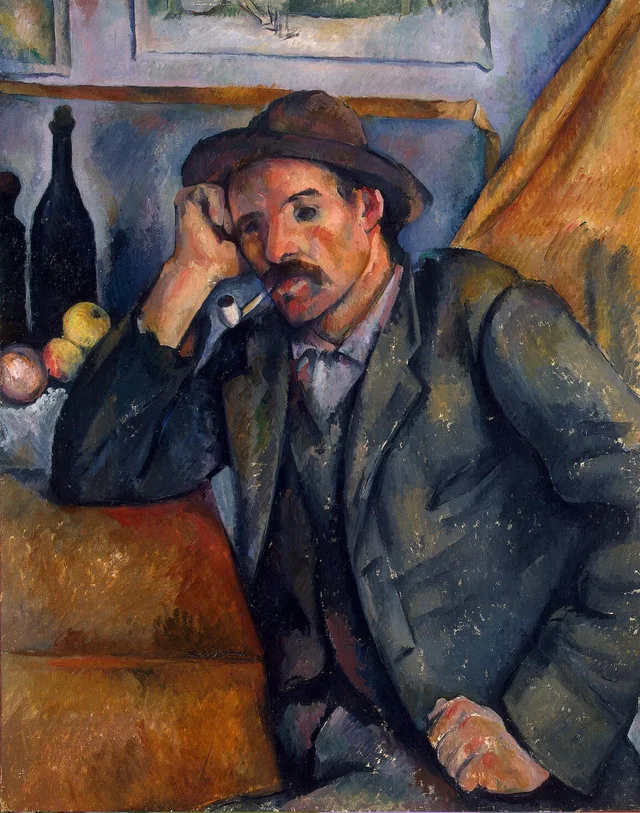 Der PfeifenraucherPaul Cézanne, 1891
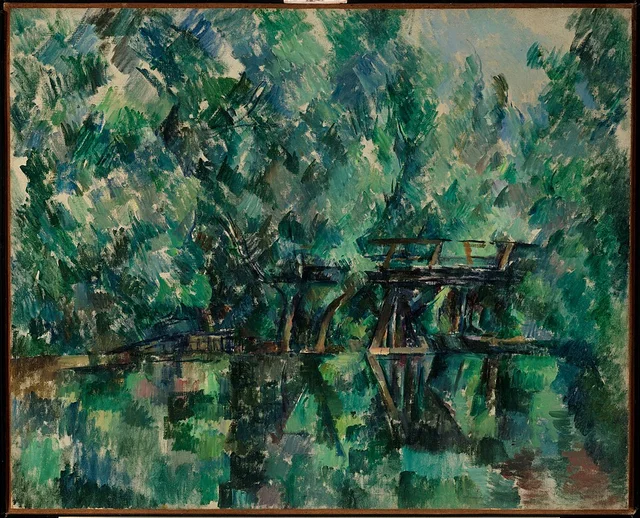 Die Brücke der Île Machefer bei Saint-Maur-des-FossésPaul Cézanne, 1895
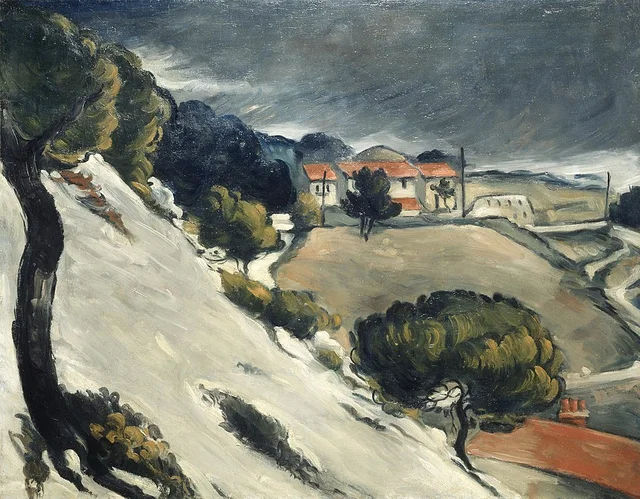 L'Estaque, schmelzender SchneePaul Cézanne, 1870
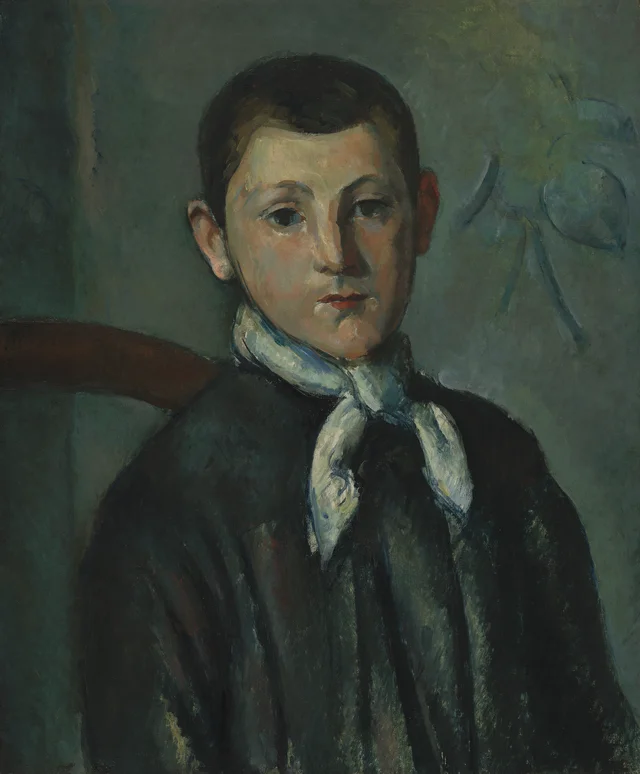 Porträt von Louis GuillaumePaul Cézanne, 1882
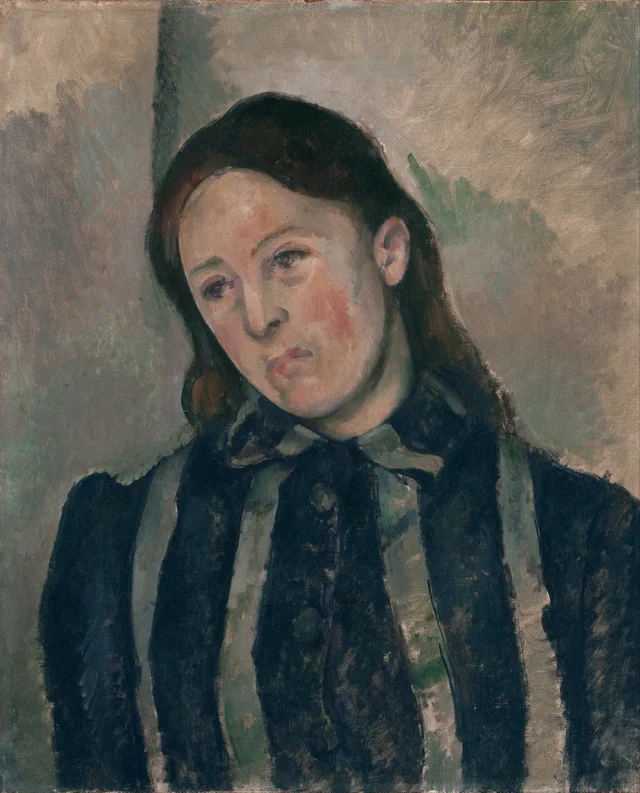 Bildnis Madame Cézanne mit gelöstem HaarPaul Cézanne, 1885
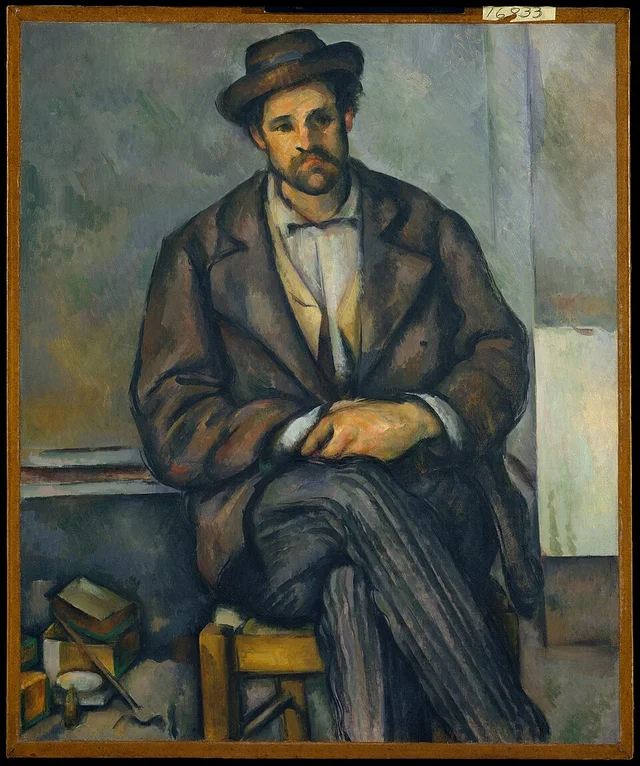 Sitzender BauerPaul Cézanne, 1892
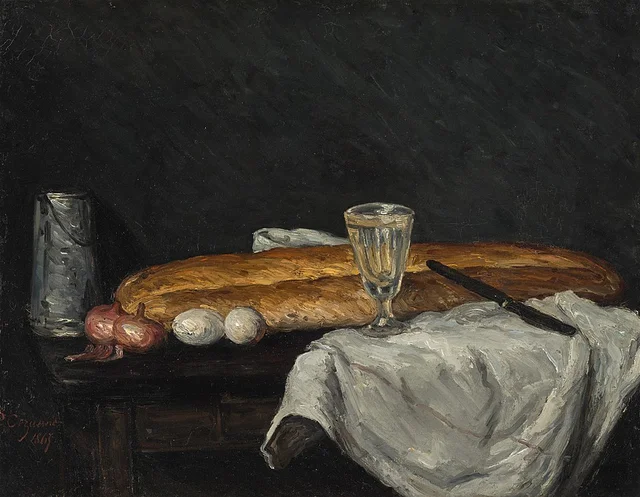 Stillleben mit Brot und EiernPaul Cézanne, 1865
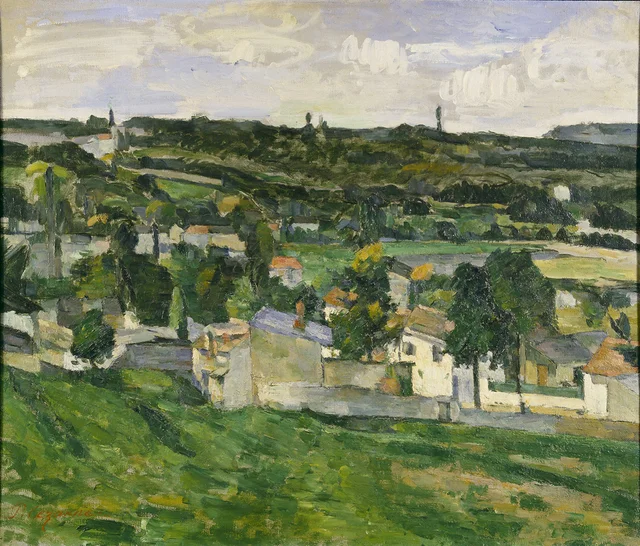 Blick auf Auvers-sur-OisePaul Cézanne, 1878