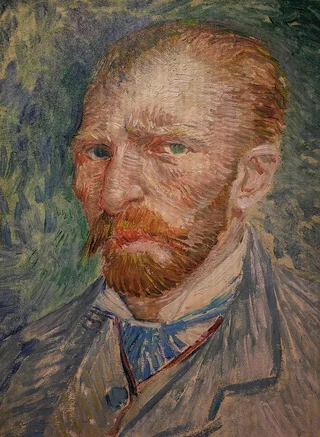
Vincent van Gogh
1853–1890 · Königreich der Niederlande · Postimpressionismus
Die Geschichte
Vincent van Gogh kam spät zur Malerei und war nur etwa zehn Jahre lang künstlerisch tätig. Davor hatte er sich als Kunsthändler, Lehrer, Buchhandlungsgehilfe und Laienprediger unter den Bergarbeitern der Borinage in Belgien versucht – und wurde überall entlassen oder ging von selbst. Erst mit etwa 27 Jahren griff er ernsthaft zum Pinsel, und alles, was wir mit Van Gogh verbinden, entstand in diesem einen Jahrzehnt.
Fast die ganze Zeit über wurde er von seinem jüngeren Bruder Theo am Leben erhalten, einem Kunsthändler in Paris. Theo schickte Geld und Farben und bekam dafür Briefe zurück, Hunderte davon, in denen Vincent jedes Bild, an dem er gerade arbeitete, ausführlich besprach. Die frühen Leinwände waren dunkel und bäuerlich, wie Die Kartoffelesser. Dann kam Paris, kamen die Impressionisten, und seine Palette entzündete sich plötzlich in Farbe.
1888 zog er in den Süden nach Arles und träumte davon, eine kleine Künstlerkolonie um sich zu versammeln. Paul Gauguin folgte dem Ruf, doch zwei schwierige Männer unter einem Dach zerstritten sich rasch, und es endete in jener Dezembernacht, in der Van Gogh sich einen Teil seines eigenen Ohrs abschnitt. Danach kam die Anstalt in Saint-Rémy, wo er Die Sternennacht malte, und der Ort Auvers-sur-Oise unter den Augen von Doktor Gachet. Im Sommer 1890, mit 37 Jahren, schoss er sich in die Brust und starb zwei Tage später.
Zu Lebzeiten kaufte kaum jemand seine Werke. In diesem einen Jahrzehnt hinterließ er mehr als 2.000 Arbeiten, rund 860 davon Ölgemälde, und verkaufte nur eine Handvoll. Theo überlebte ihn nur um sechs Monate. Berühmt wurde Van Gogh am Ende durch Theos Witwe, Johanna van Gogh-Bonger, die jahrelang Ausstellungen organisierte und als Erste seine Briefe veröffentlichte.
Weitere Artikel
 Artikel · 29 Min. LesezeitWas man im Met gesehen haben sollte: 15 Werke
 Artikel · 45 Min. LesezeitMusée d’Orsay: vom Kauf des Cabanel durch Napoleon III. bis zum Caillebotte für 43 Millionen
 Artikel · 38 Min. LesezeitMuseo Thyssen-Bornemisza: Zwanzig Bilder, die Vater und Sohn gekauft haben
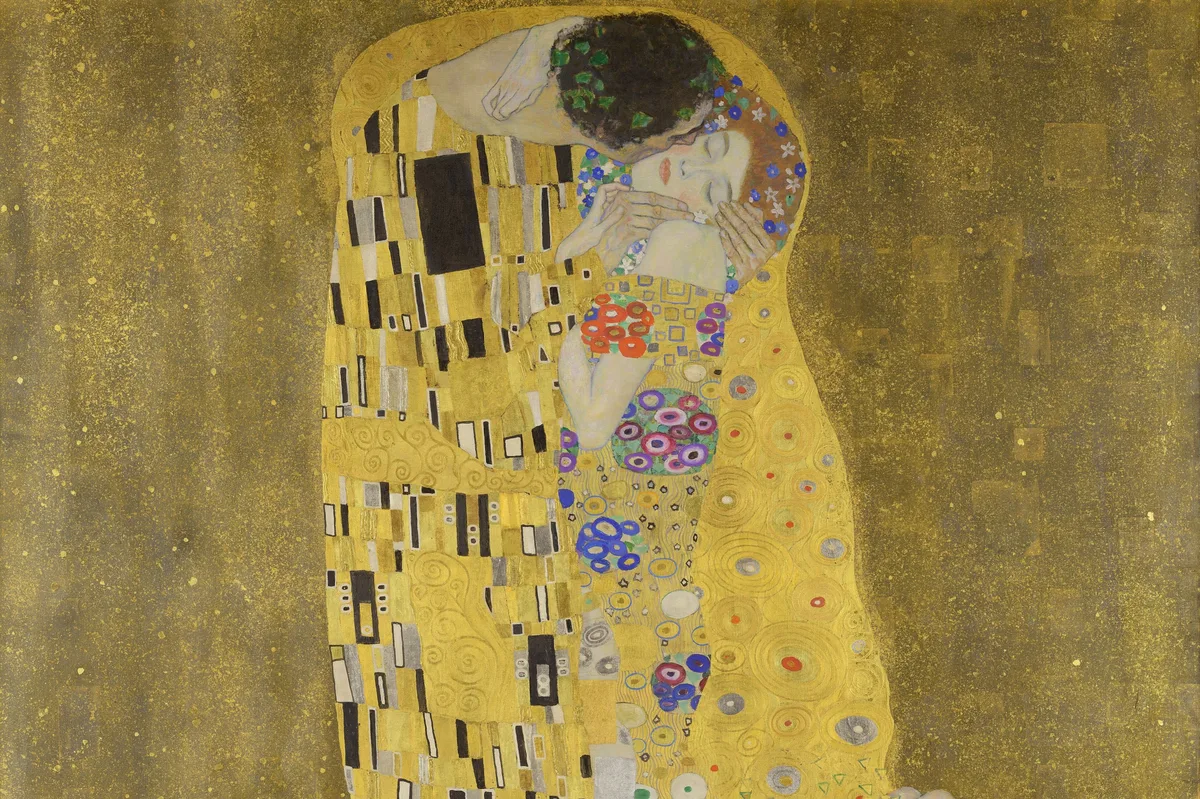 Artikel · 29 Min. LesezeitBelvedere: vom Pacher-Altar bis zum Fall Amalie Zuckerkandl
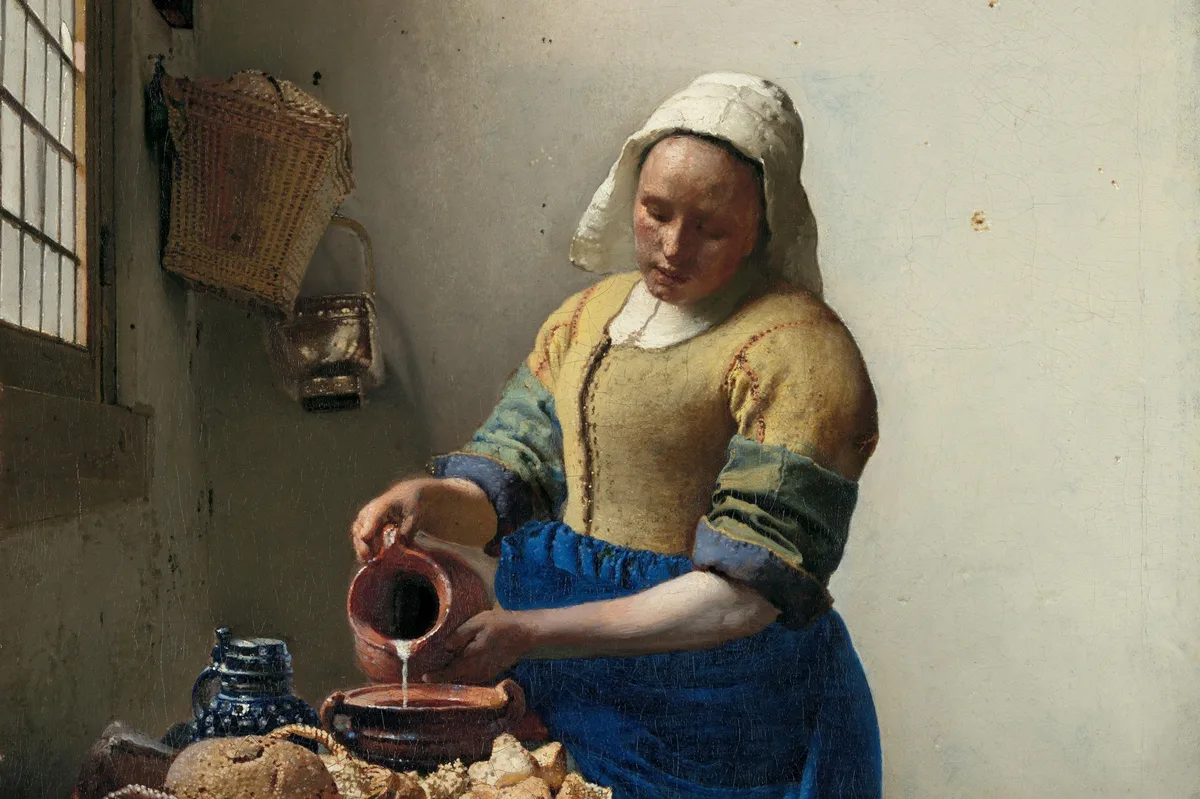 Artikel · 52 Min. LesezeitDas Rijksmuseum in Amsterdam: 25 Werke und ihre Besitzer
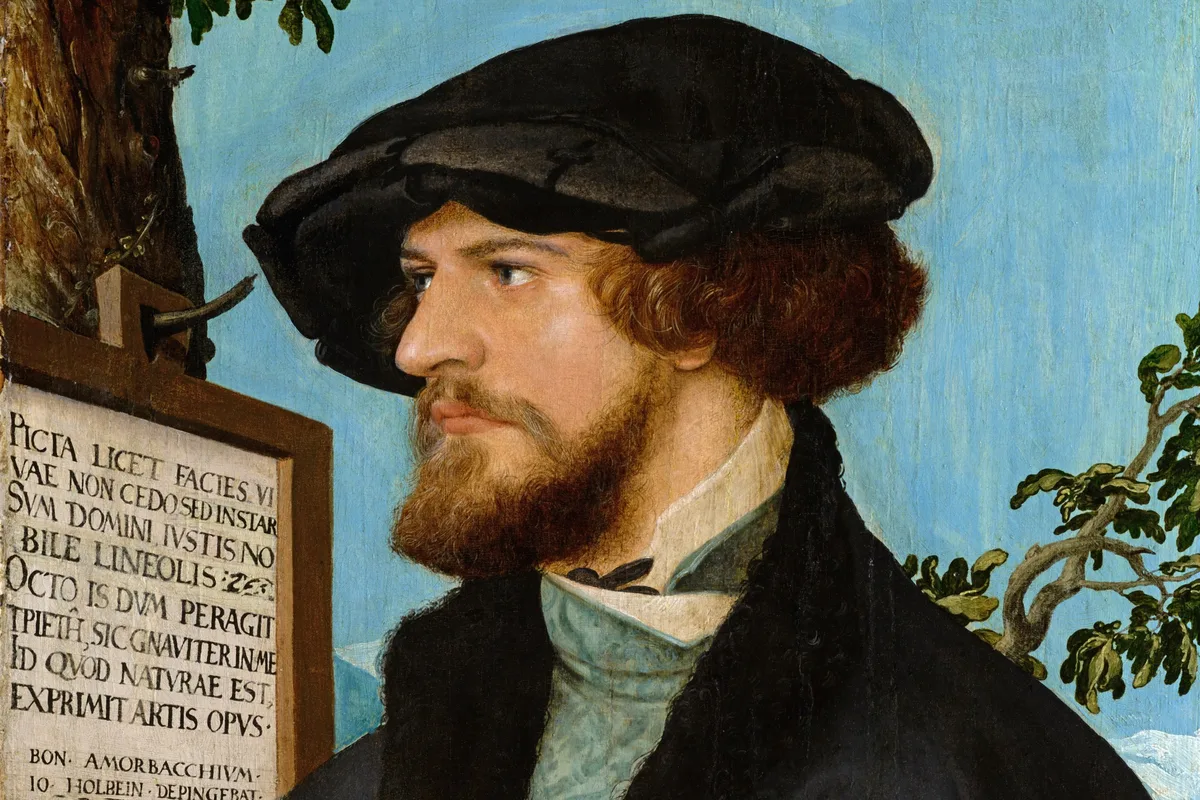 Artikel · 37 Min. LesezeitKunstmuseum Basel: Vom Kauf des Amerbach-Kabinetts bis zum Fall der „Muse“, 1661–2023
Werke
779 Werke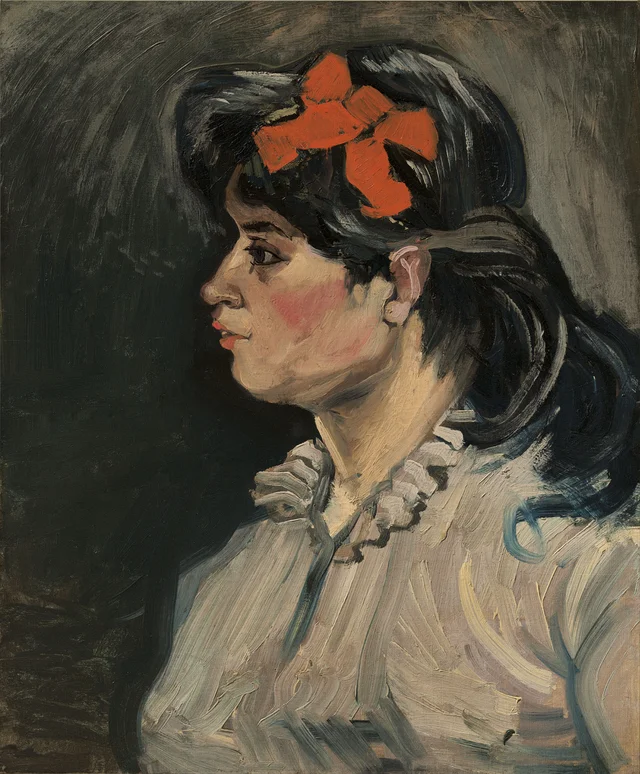 Porträt einer Dame mit rotem HaarbandVincent van Gogh, 1885
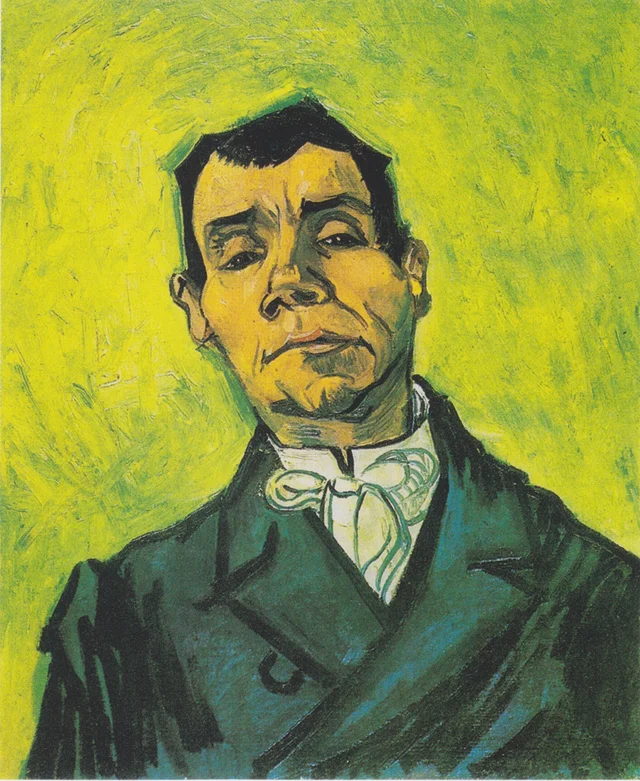 Porträt eines MannesVincent van Gogh, 1888
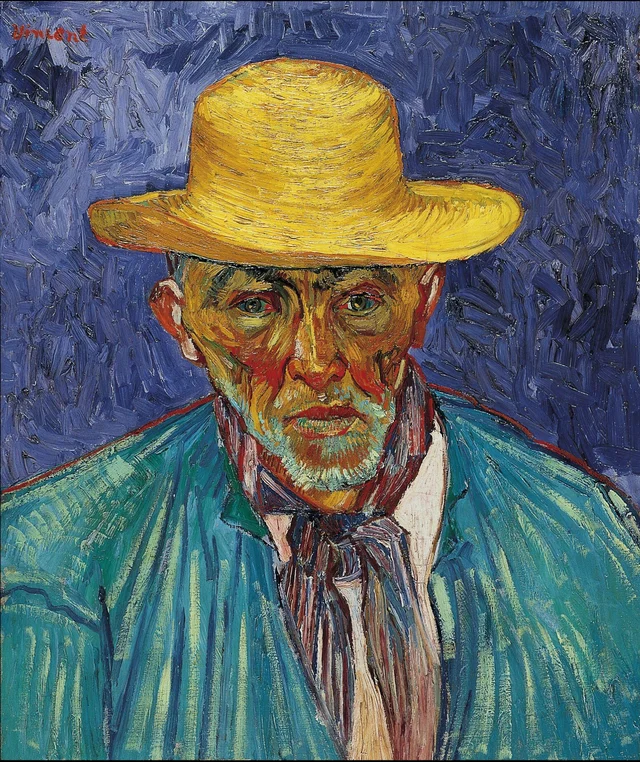 Porträt eines Bauern (Patience Escalier)Vincent van Gogh, 1888
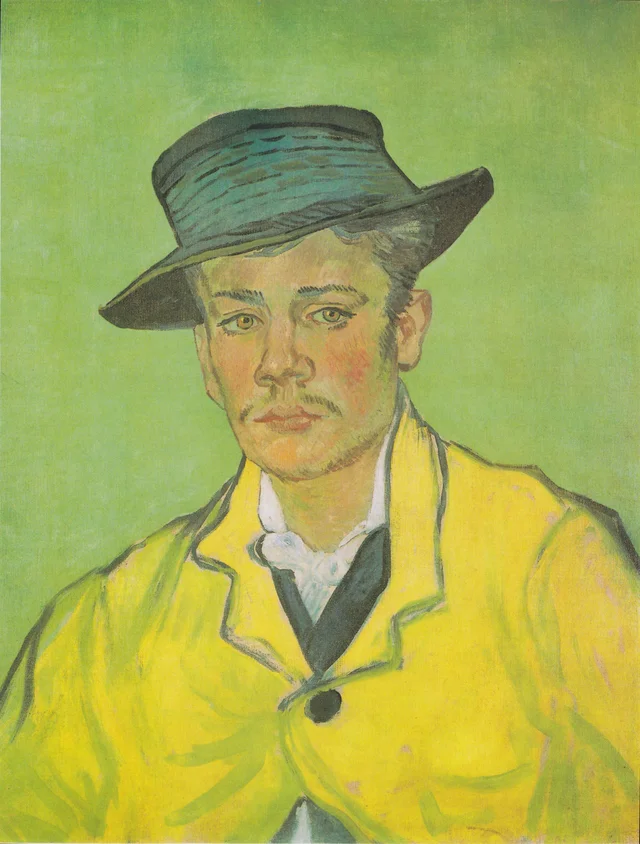 Porträt des Armand RoulinVincent van Gogh, 1888
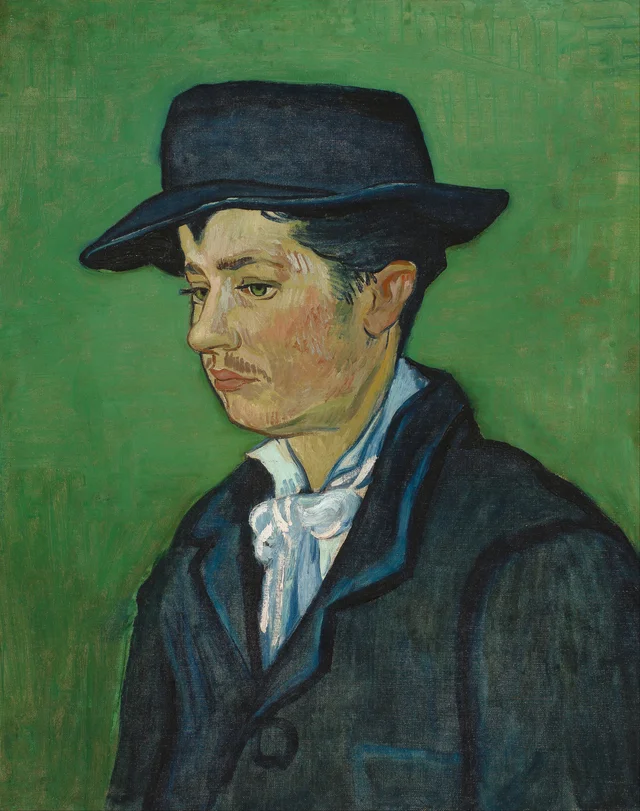 Porträt von Armand RoulinVincent van Gogh, 1888
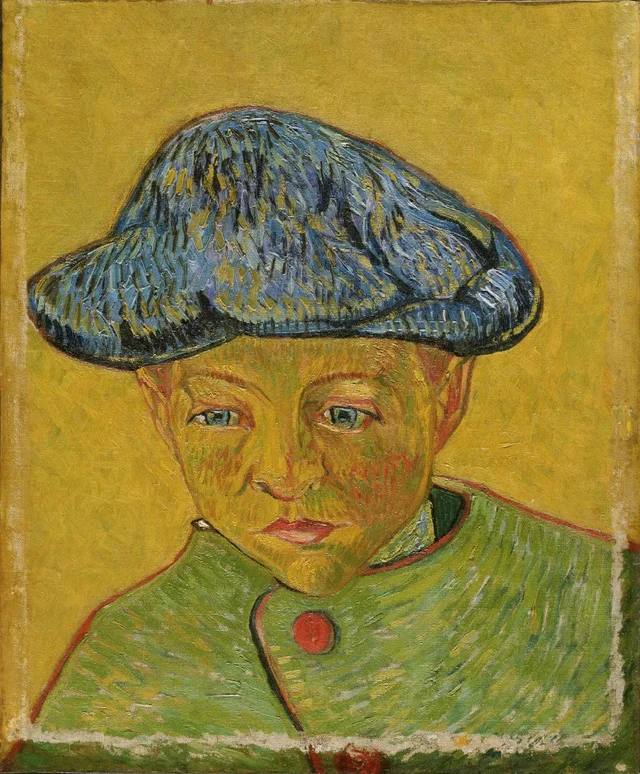 Porträt des Camille RoulinVincent van Gogh, 1888
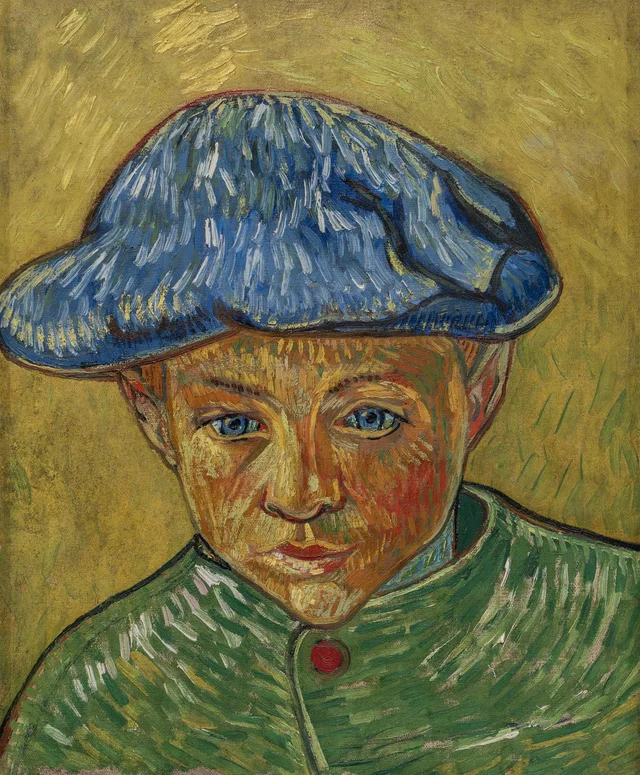 Porträt des Camille RoulinVincent van Gogh, 1888
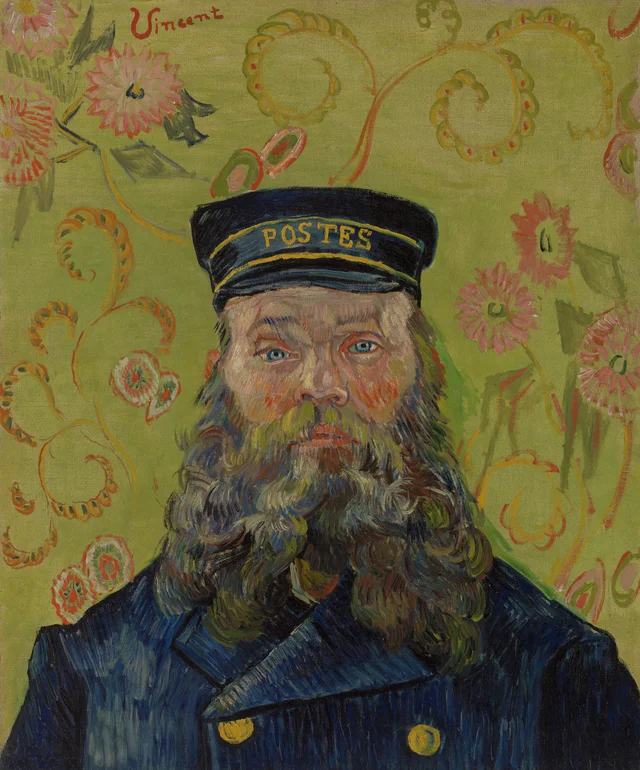 Porträt des Joseph RoulinVincent van Gogh, 1888
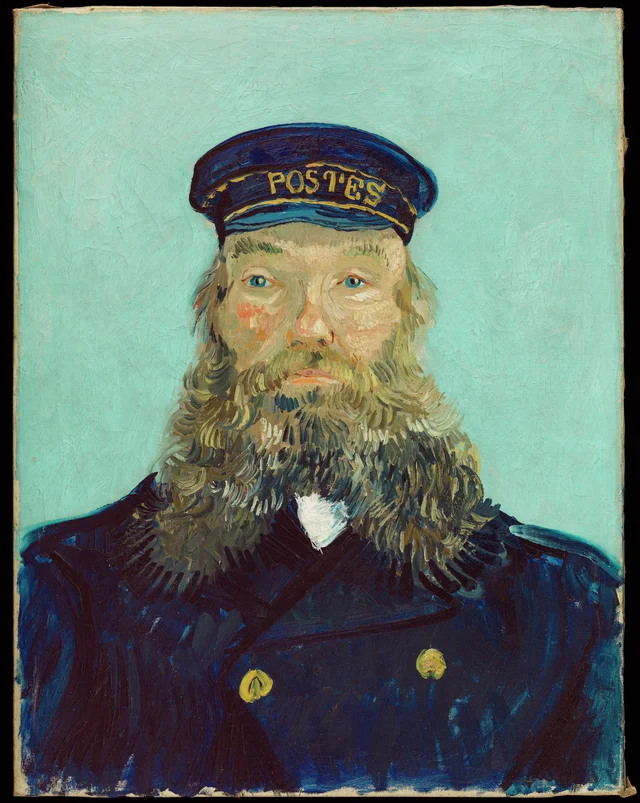 Porträt von Joseph RoulinVincent van Gogh, 1888
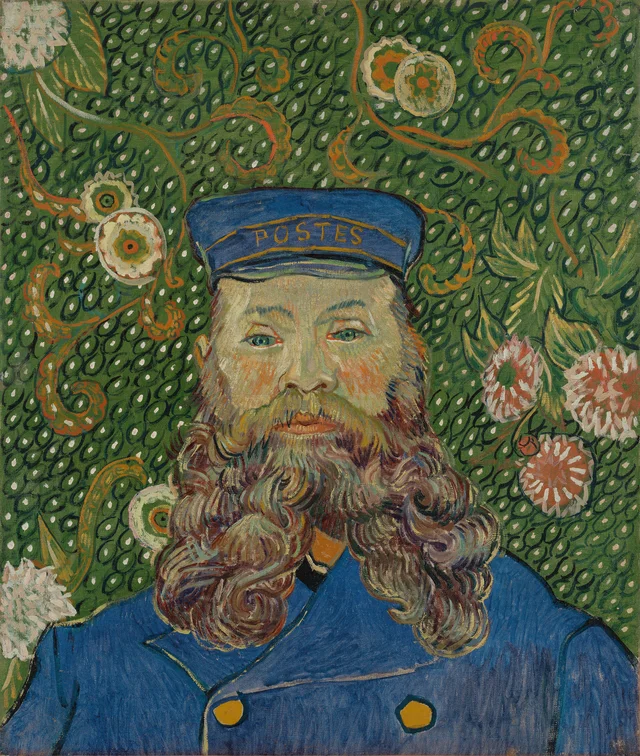 Porträt von Joseph RoulinVincent van Gogh, 1889
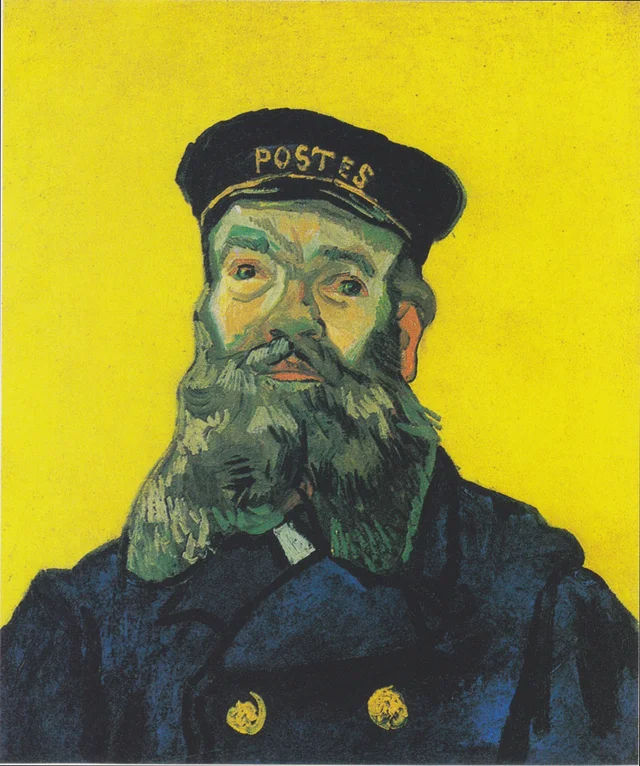 Porträt des Joseph RoulinVincent van Gogh, 1888
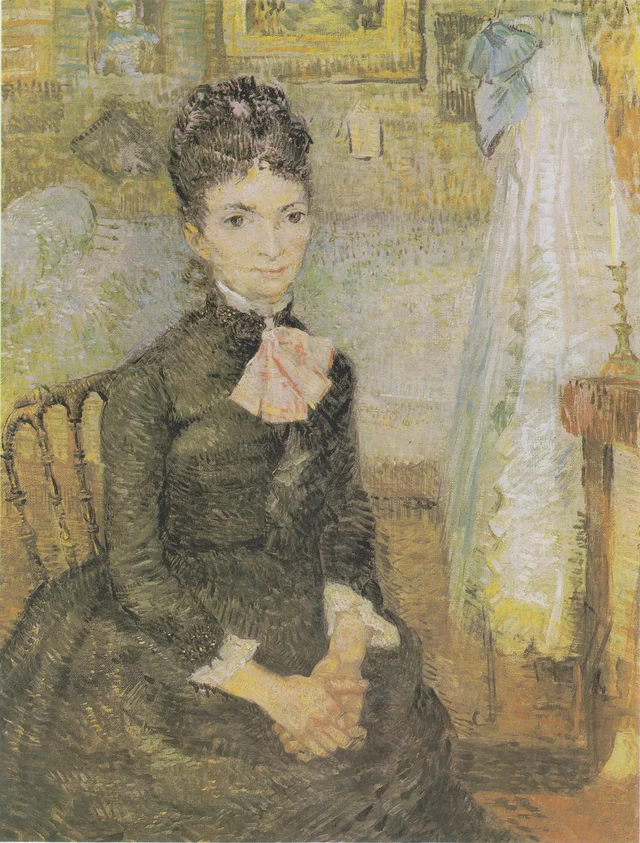 Porträt der Léonie Rose Charbuy-DavyVincent van Gogh, 1887
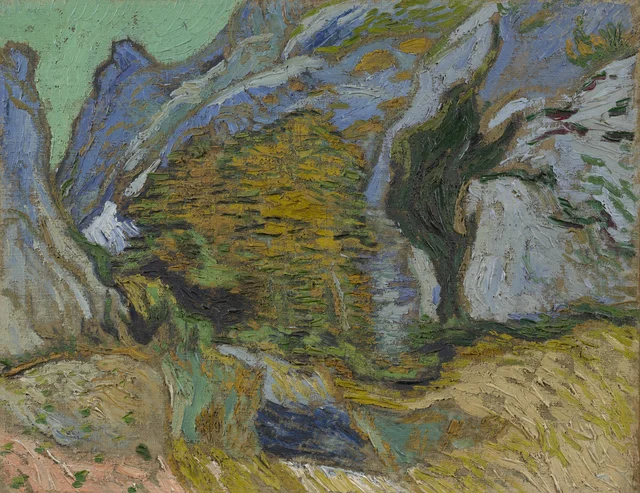 Schlucht mit kleinem BachVincent van Gogh, 1889
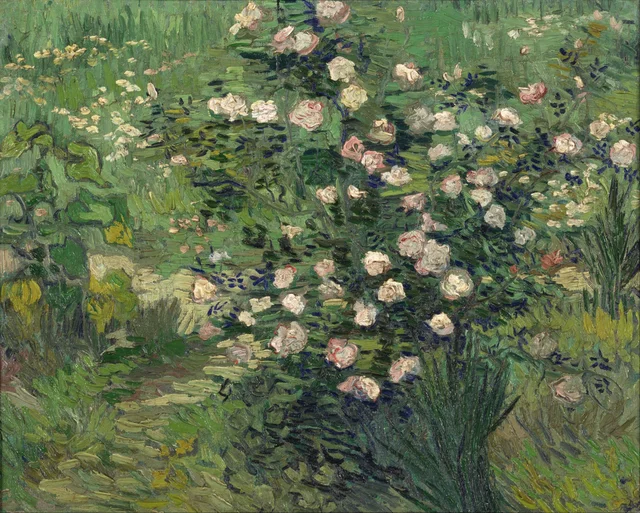 RosenVincent van Gogh, 1889
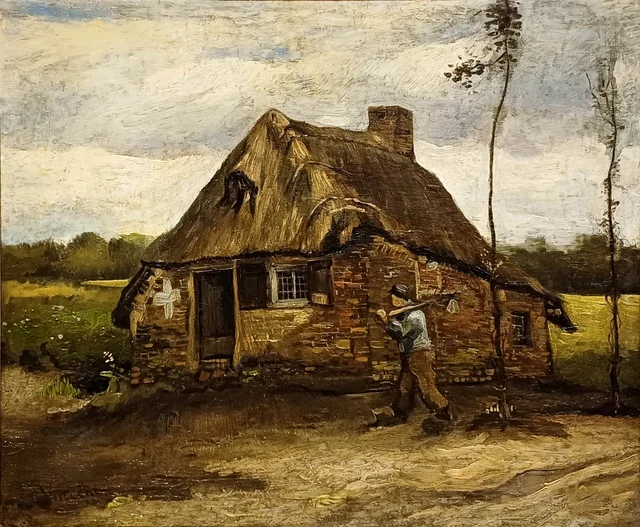 Hütte mit heimkehrendem BauernVincent van Gogh, 1885
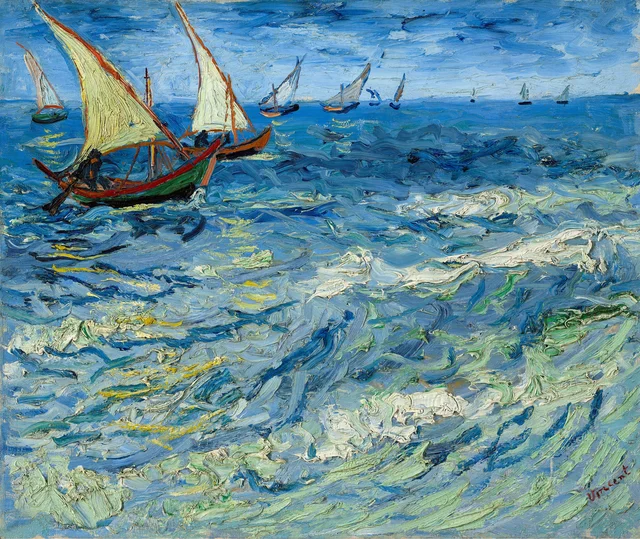 Meereslandschaft bei Saintes-MariesVincent van Gogh, 1888
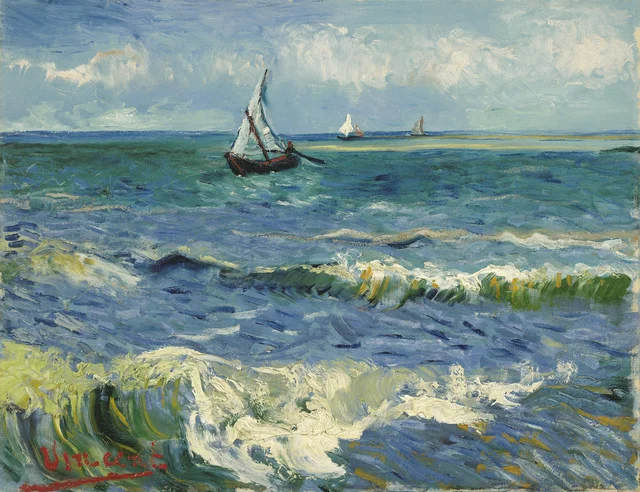 Seestück bei Les Saintes-Maries-de-la-MerVincent van Gogh, 1888
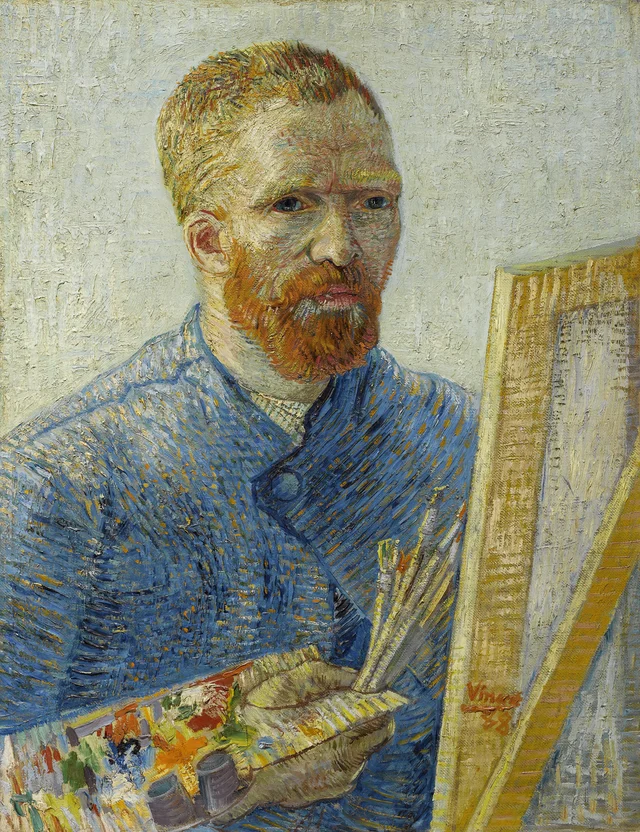 SelbstbildnisVincent van Gogh, 1888
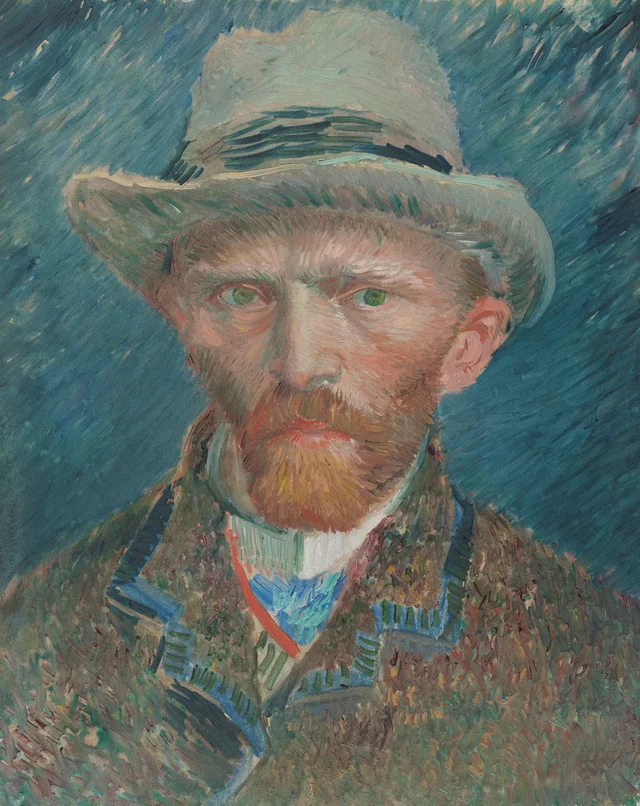 SelbstbildnisVincent van Gogh, 1887
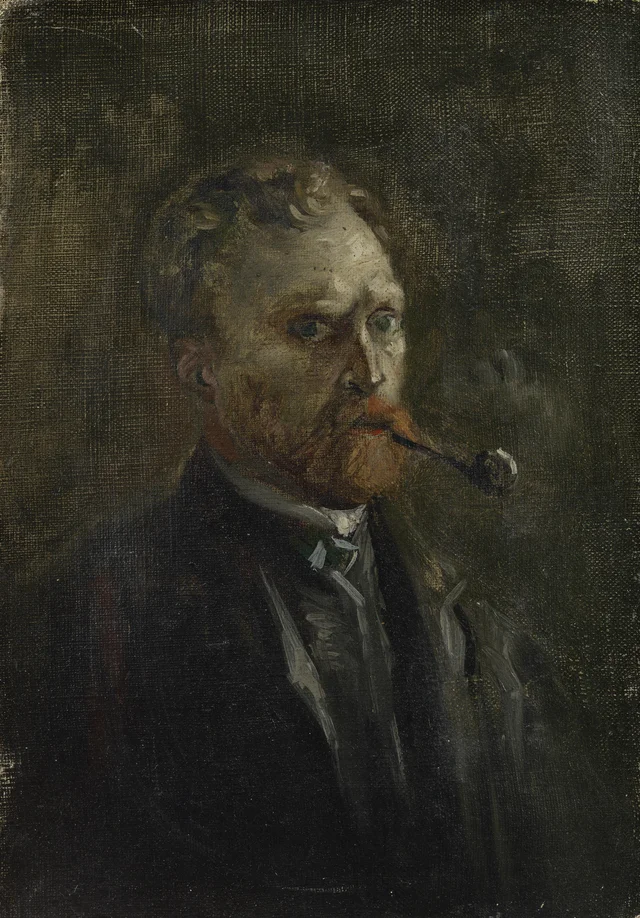 SelbstbildnisVincent van Gogh, 1886
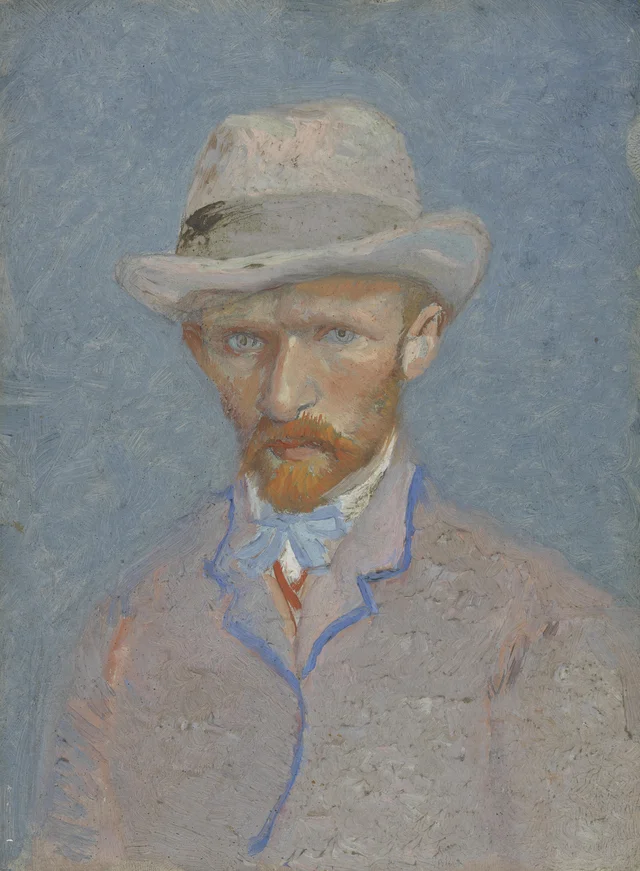 SelbstbildnisVincent van Gogh, 1887
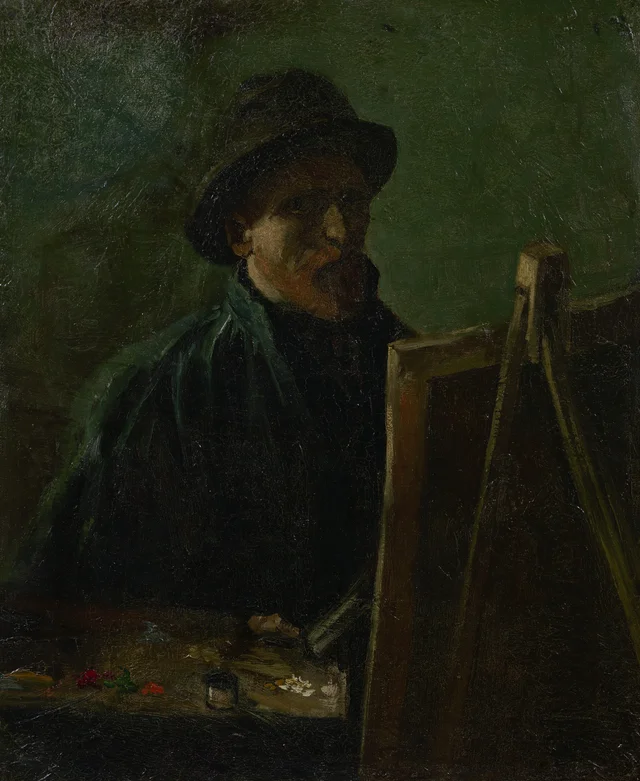 Selbstbildnis als MalerVincent van Gogh, 1887
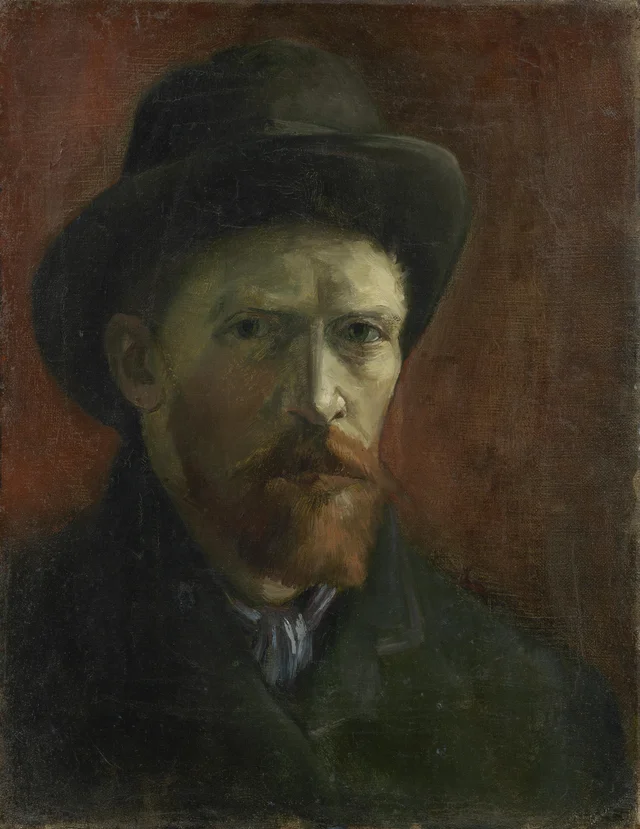 Selbstbildnis mit FilzhutVincent van Gogh, 1886
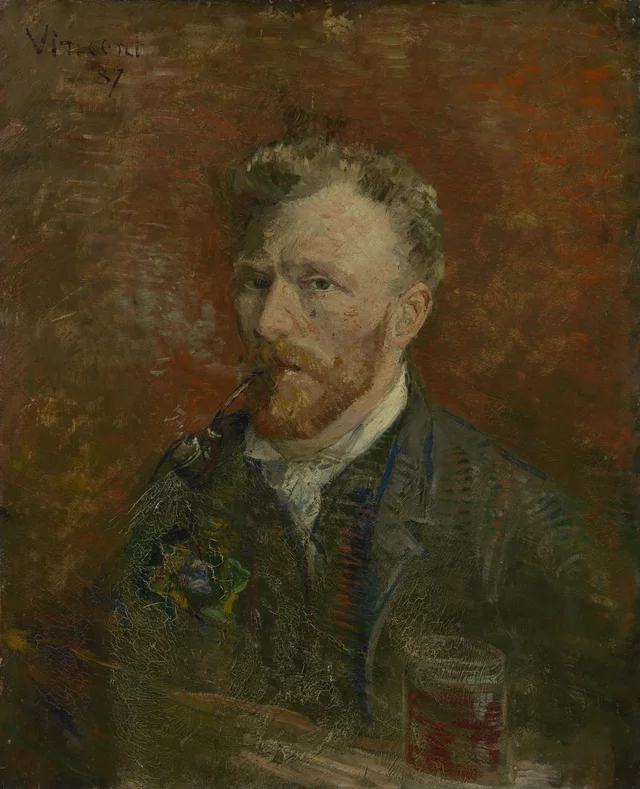 Selbstbildnis mit GlasVincent van Gogh, 1887
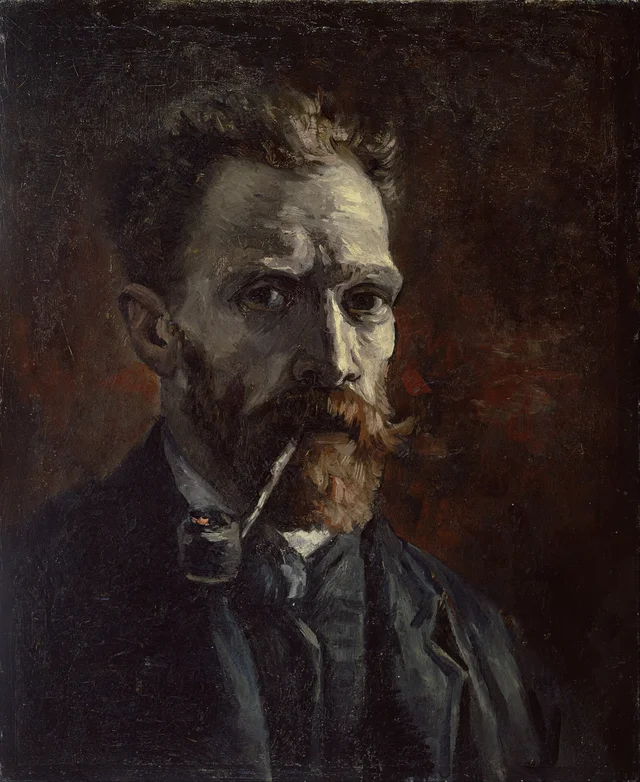 Selbstbildnis mit PfeifeVincent van Gogh, 1886