Die Geschichte
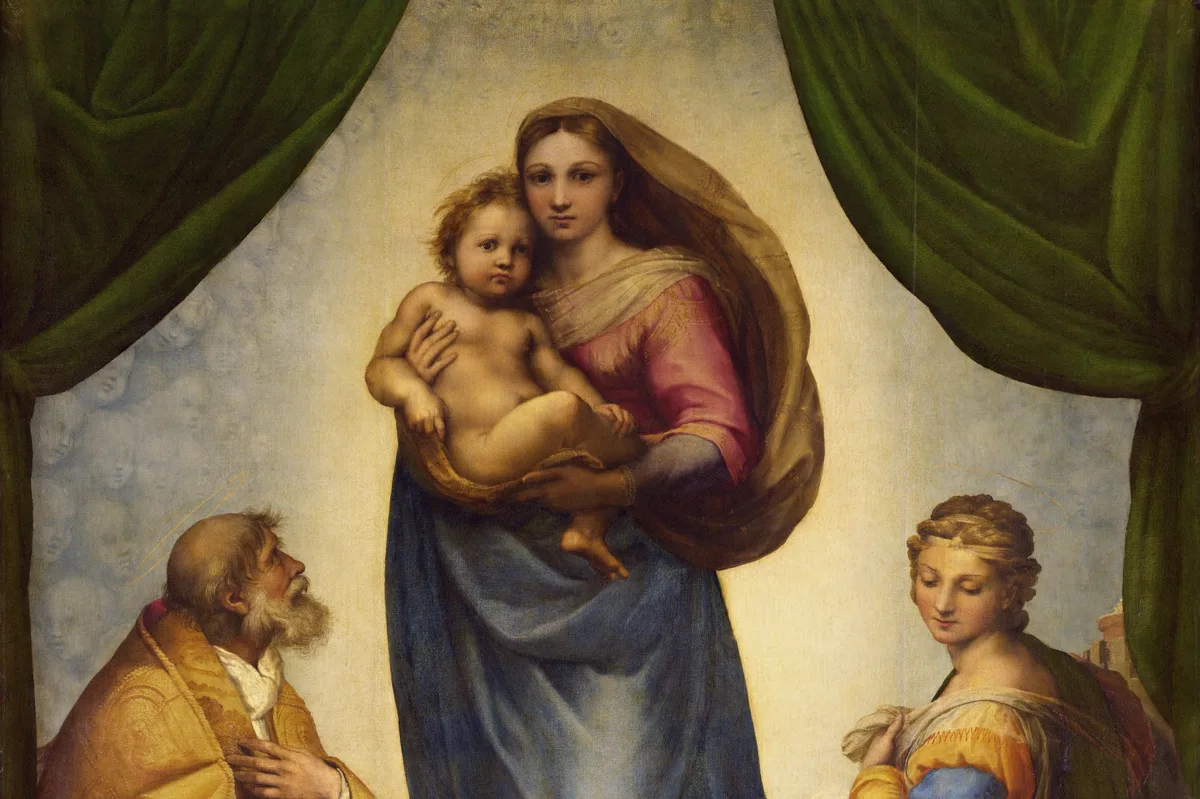
Seit mehr als zwei Jahrhunderten kommen Besucher teils wegen eines einzigen Gemäldes nach Dresden. Raffaels Sixtinische Madonna, 1754 vom sächsischen Kurfürsten August III. gekauft, zeigt die Jungfrau, die durch geteilte grüne Vorhänge nach vorn tritt, und ganz unten lehnen zwei kleine geflügelte Knaben an einer Brüstung, das Kinn in den Händen, mit gelangweiltem Blick. Diese beiden Putten sind auf mehr Tassen, Karten und Poster gedruckt worden als fast jedes andere Detail der Kunst, und die meisten begegnen ihnen, ohne zu wissen, woher sie stammen.
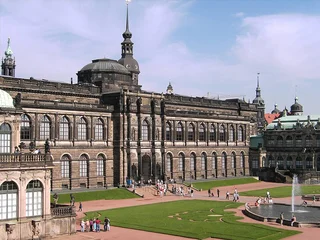
Die Galerie hält die Bildersammlung, die die sächsischen Herrscher im 17. und 18. Jahrhundert aufbauten, als Dresden einer der reichsten Höfe Europas war. Sie füllt die Sempergalerie, den Flügel im Stil der Neorenaissance, den der Architekt Gottfried Semper dem Zwinger anfügte, dem prunkvollen Festpalast am Fluss. Neben dem Raffael hängen Giorgiones Schlummernde Venus, Werke von Correggio und Tizian und eine tiefe Reihe niederländischer Malerei.
Ein kleiner Vermeer hier hat sich zu Lebzeiten heutiger Menschen verändert. Seine Briefleserin am offenen Fenster hatte über Generationen eine kahle Wand hinter sich, bis Restauratoren fanden, dass eine große Figur des Cupido nach Vermeers Tod übermalt worden war. Sie entfernten die spätere Übermalung, und seit 2021 steht der Liebesgott über ihrer Schulter enthüllt da. Die ganze Sammlung durchlief ein härteres Verschwinden, im Zweiten Weltkrieg versteckt, dann in die Sowjetunion gebracht und 1955 nach Dresden zurückgegeben.
Weitere Artikel
Sammlung
75 Werke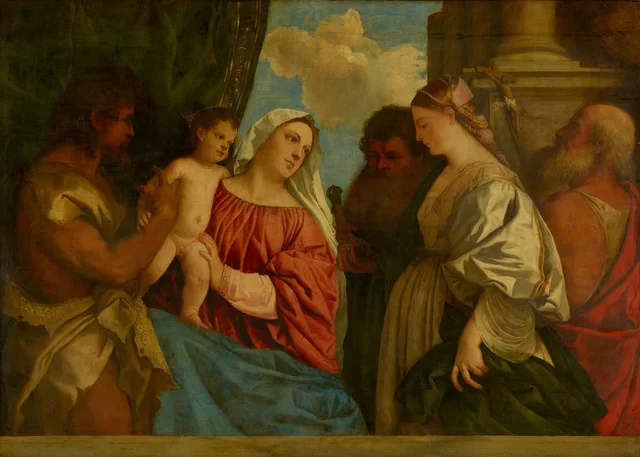 Madonna mit Kind und vier HeiligenTizian, 1518
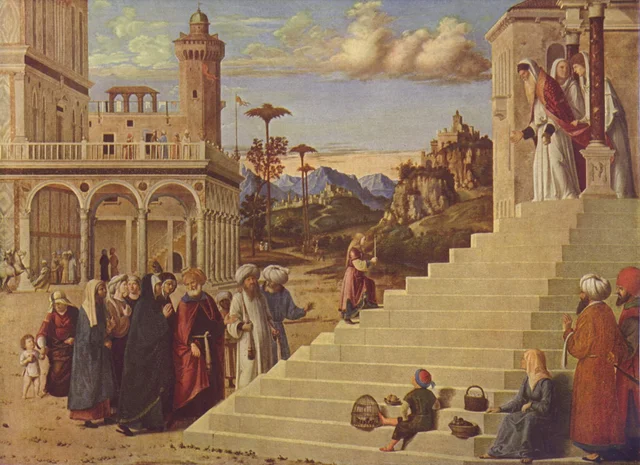 Darstellung Mariä im TempelGiovanni Battista Cima da Conegliano, 1496
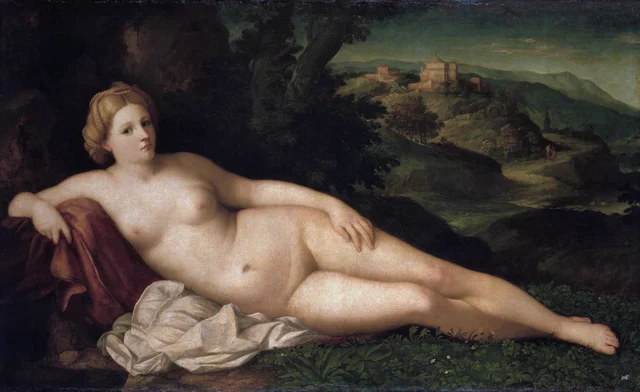 Ruhende VenusPalma il Vecchio, 1518
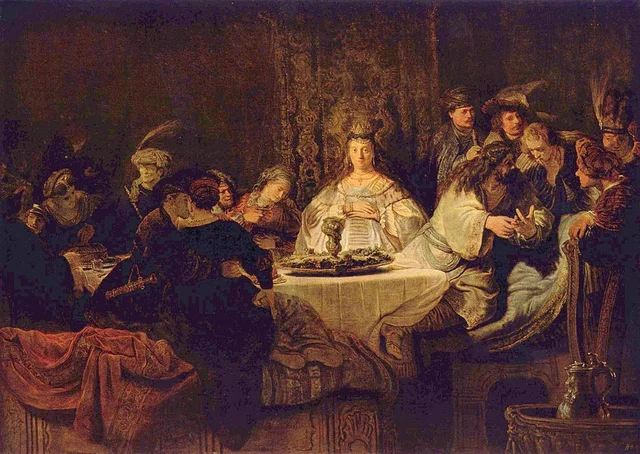 Die Hochzeit SimsonsRembrandt, 1638
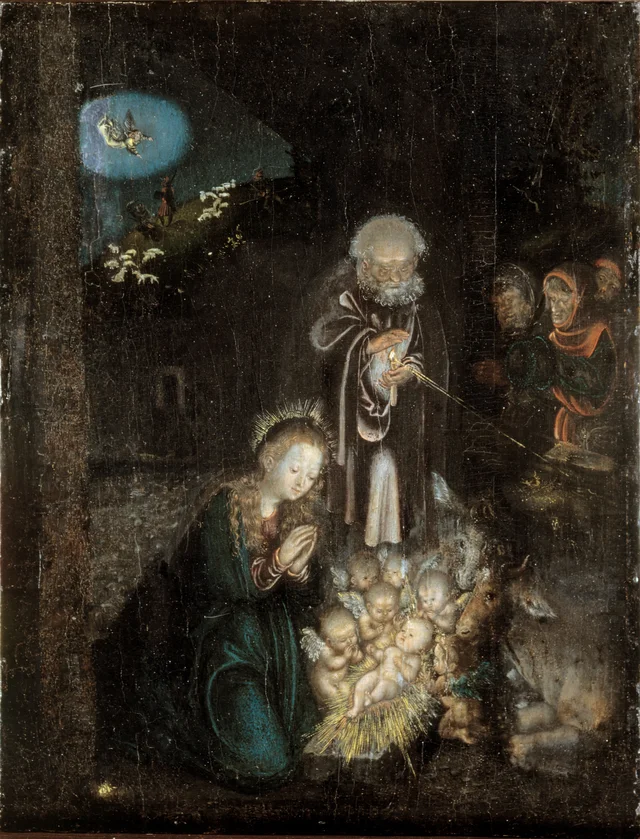 Geburt ChristiLucas Cranach der Ältere, 1510
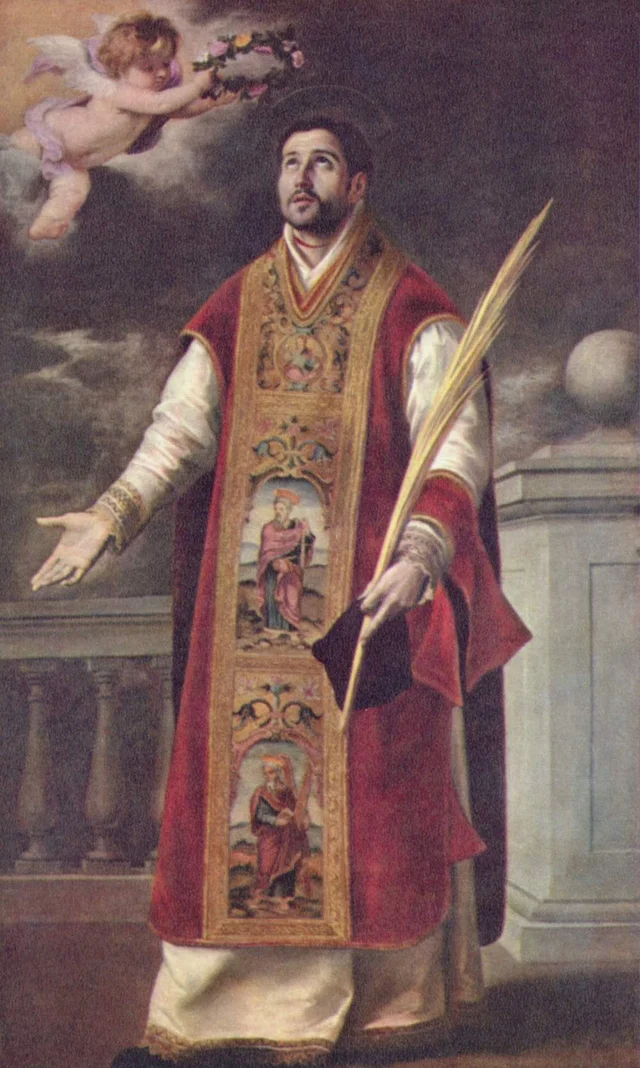 Der heilige RodrigoBartolomé Esteban Murillo, 1646
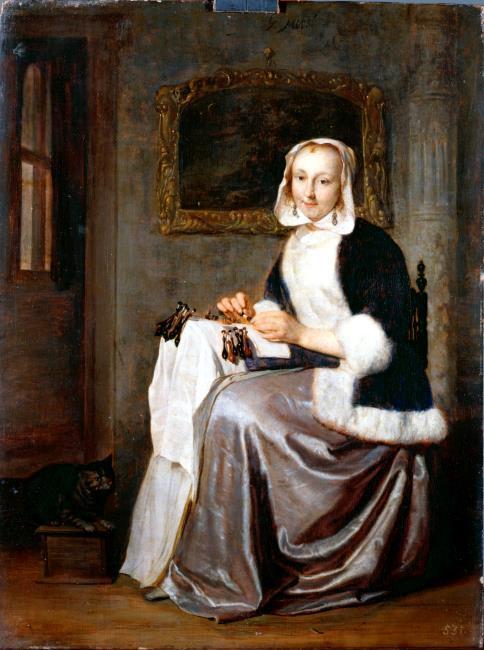 Die SpitzenklöpplerinGabriel Metsu, 1663
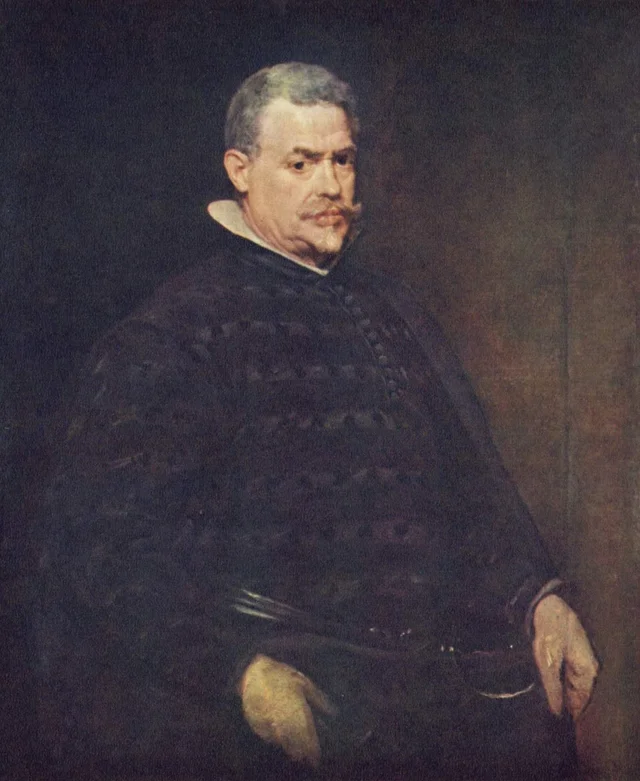 Don Juan MateosDiego Velázquez, 1634
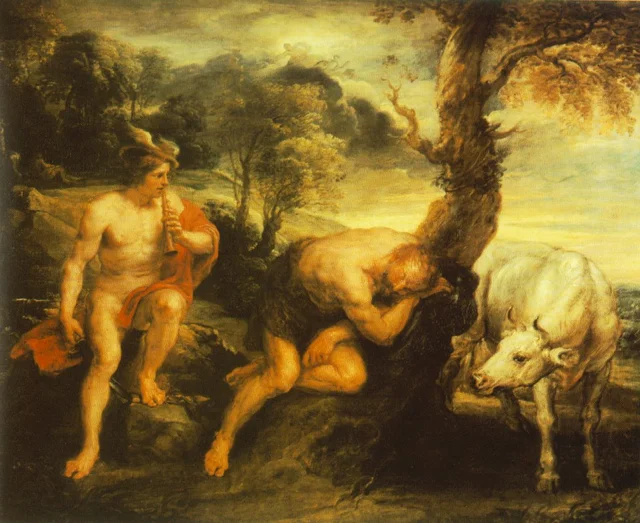 Merkur und ArgusPeter Paul Rubens, 1635
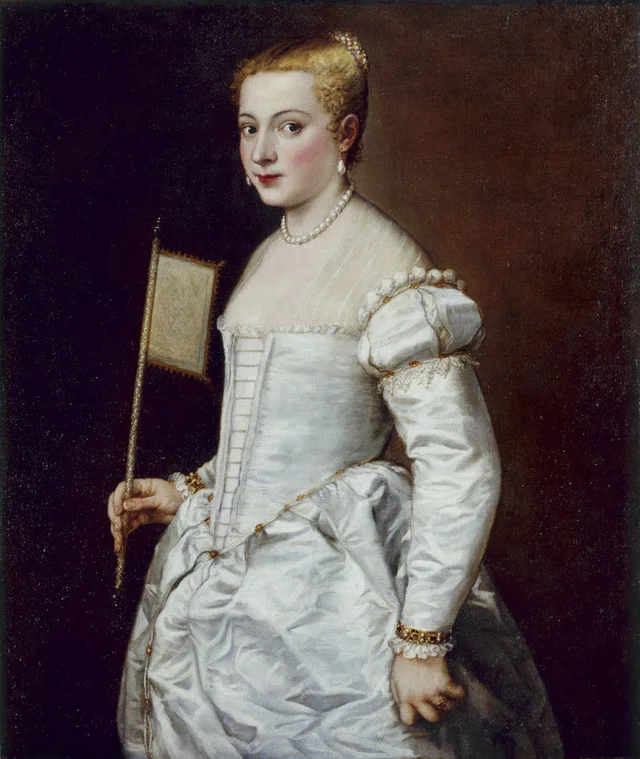 Bildnis einer Dame in WeißTizian, 1561
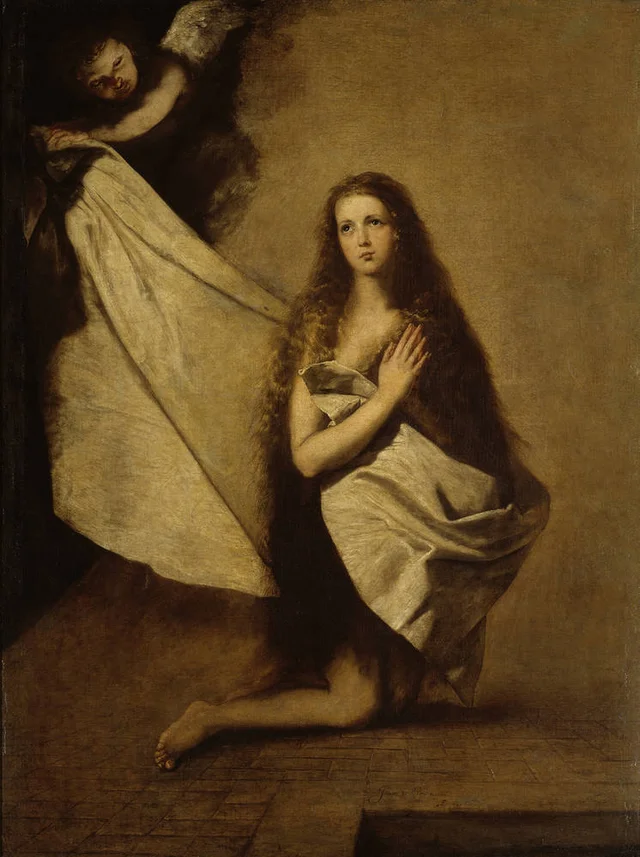 Die heilige AgnesJusepe de Ribera, 1640
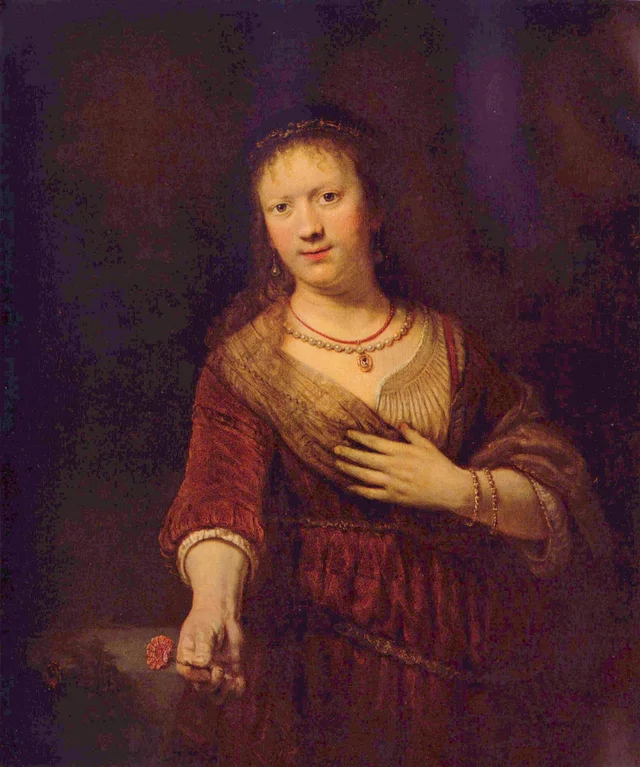 Saskia als FloraRembrandt, 1641
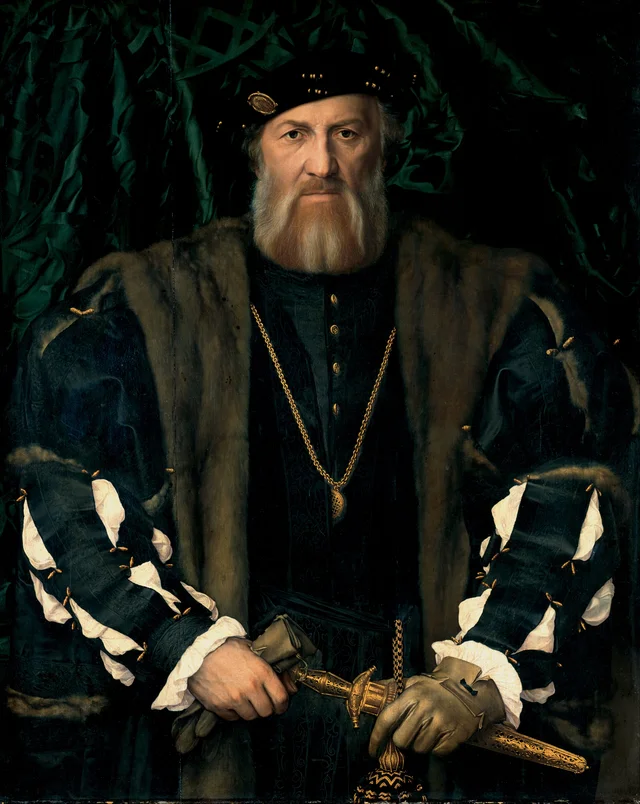 Charles de Solier, Herr von MoretteHans Holbein der Jüngere, 1534
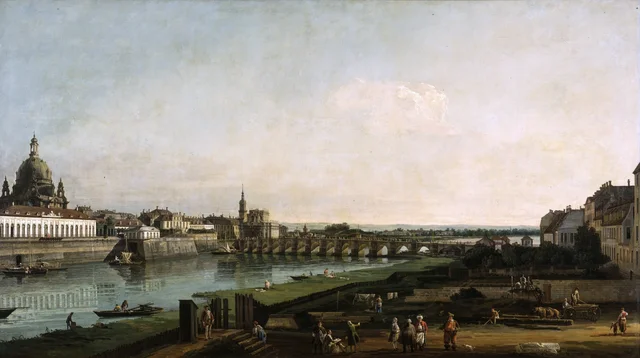 Dresden vom rechten Elbufer oberhalb der AugustusbrückeBernardo Bellotto, 1747
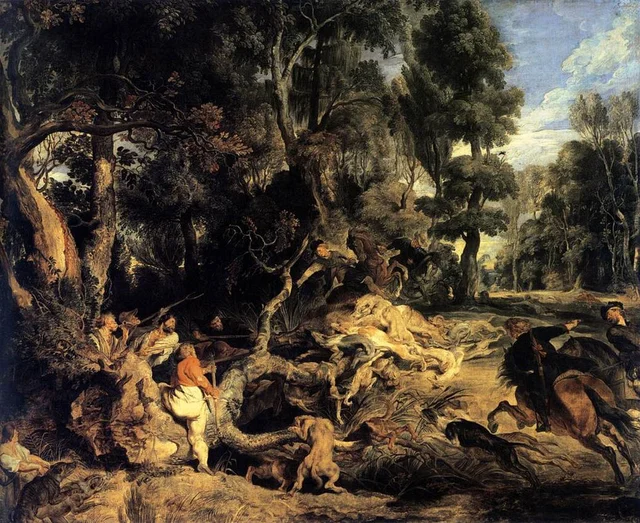 Landschaft mit EberjagdPeter Paul Rubens, 1616
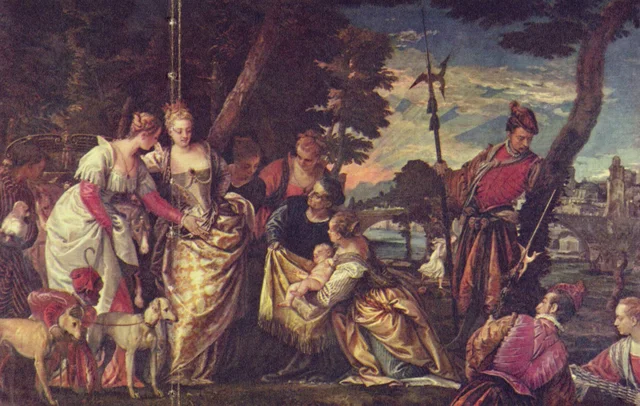 Die Auffindung des MosePaolo Veronese, 1581
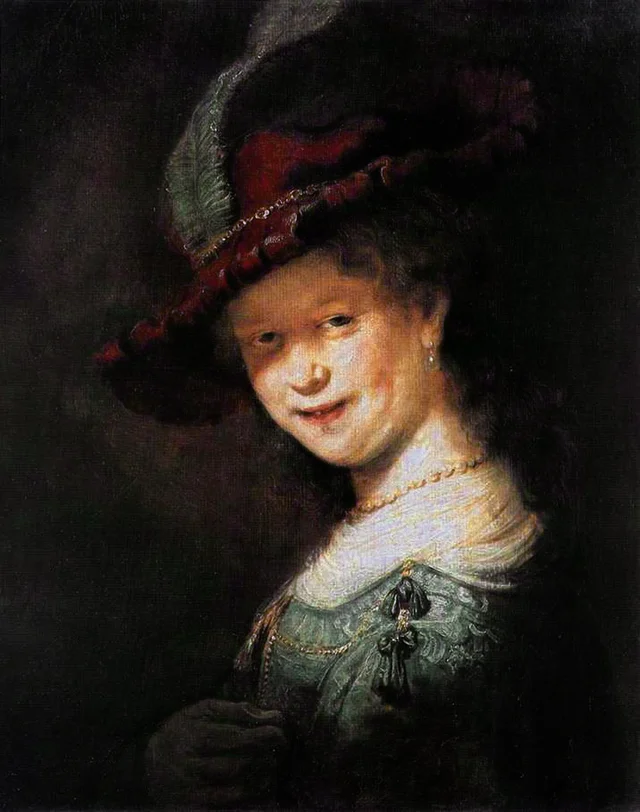 Brustbild einer lächelnden jungen Frau, möglicherweise Saskia van UylenburghRembrandt, 1633
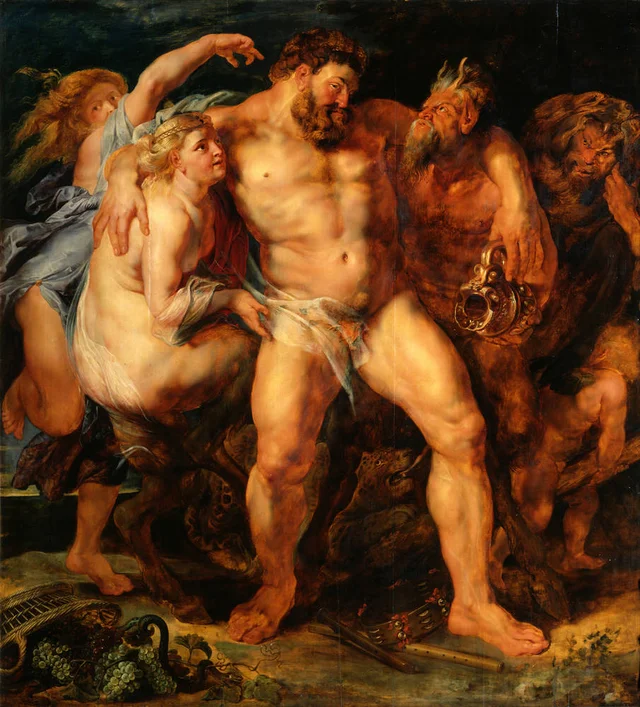 Der trunkene HerkulesPeter Paul Rubens, 1613
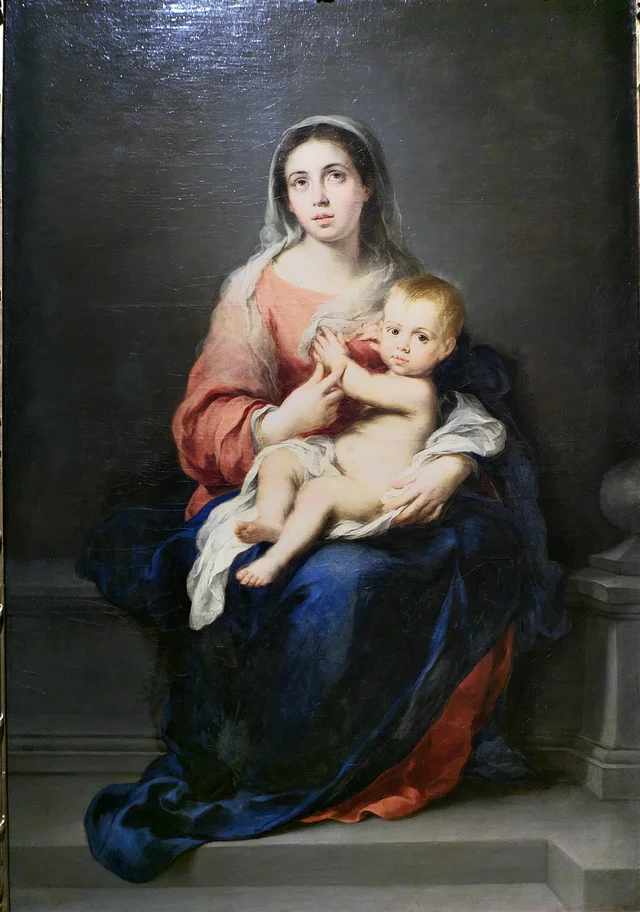 Maria mit KindBartolomé Esteban Murillo, 1675
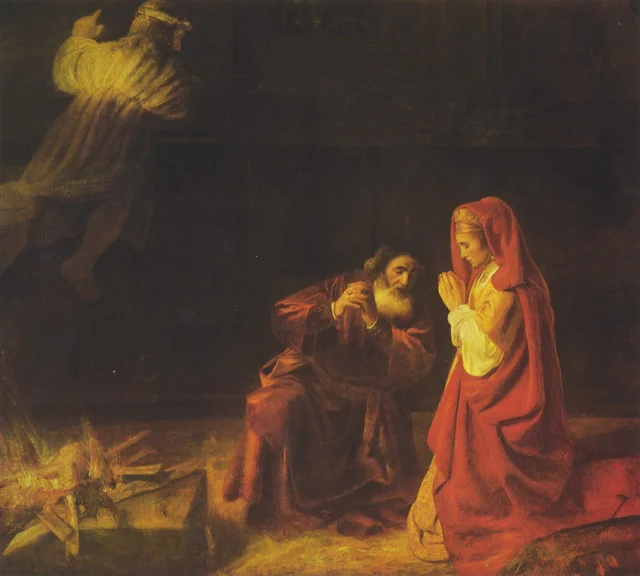 Das Opfer ManoahsRembrandt, 1641
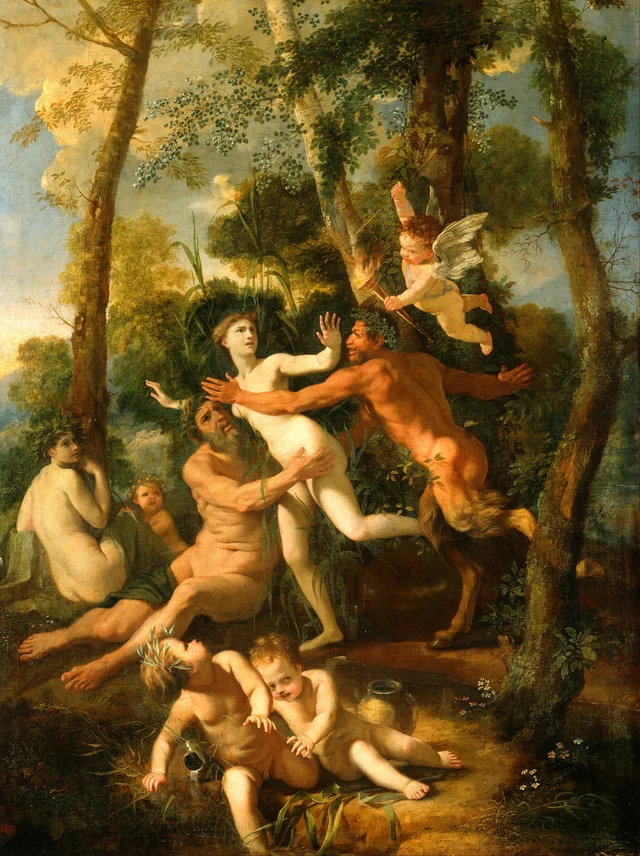 Pan und SyrinxNicolas Poussin, 1637
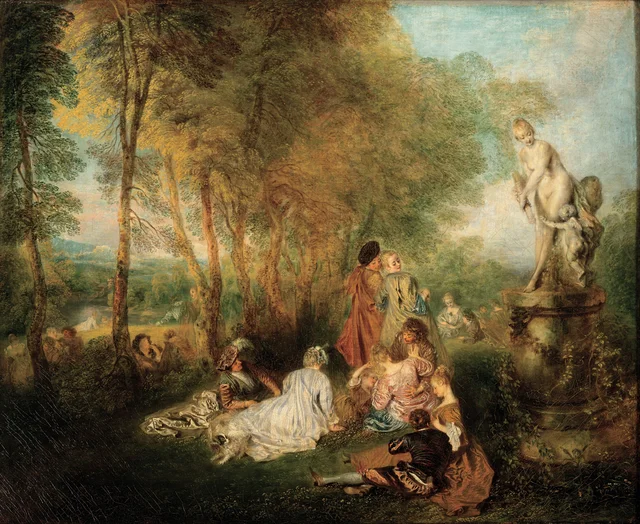 Das LiebesfestJean-Antoine Watteau, 1718
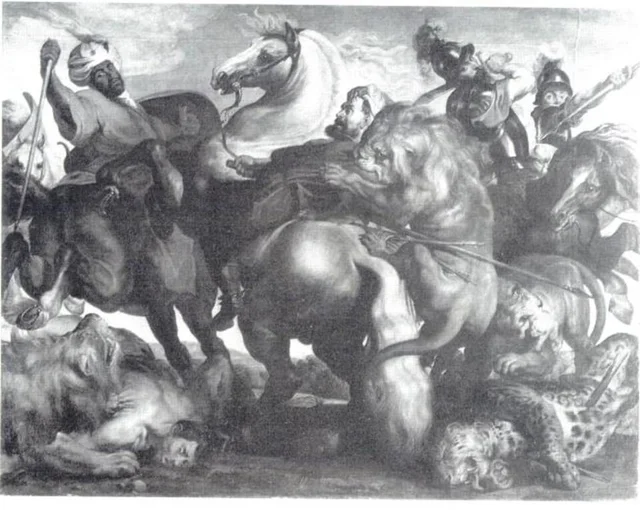 Die Löwen- und LeopardenjagdAnonym, 1617
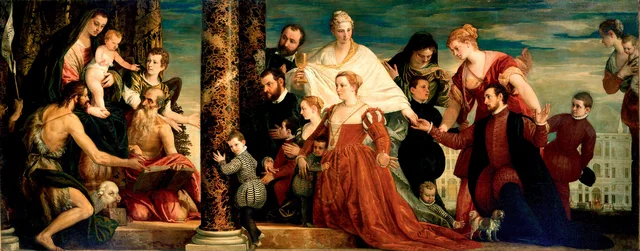 Die Madonna der Familie CuccinaPaolo Veronese, 1571
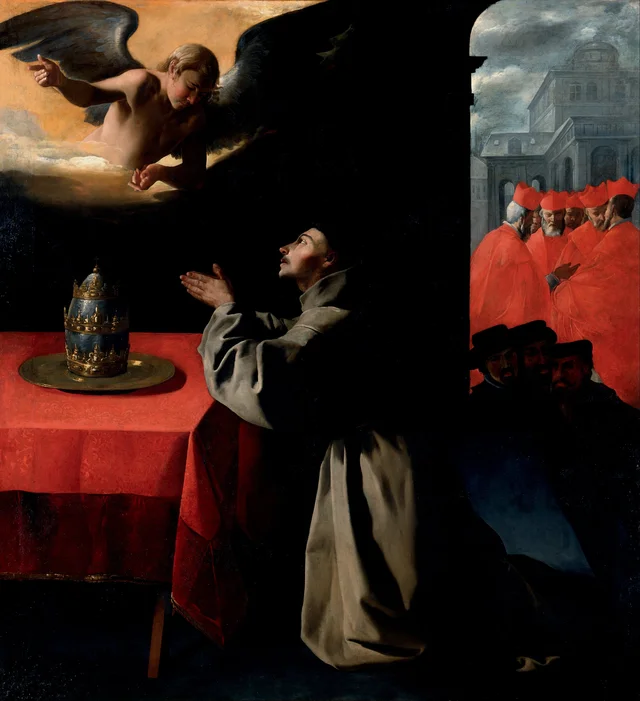 Das Gebet des heiligen Bonaventura um die Wahl des neuen PapstesFrancisco de Zurbarán, 1628