Die Geschichte
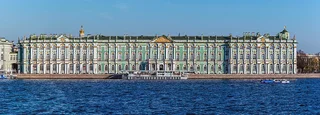
Der größte Teil der Eremitage liegt im Winterpalast, der grün-weißen barocken Residenz der russischen Zaren am Ufer der Newa in Sankt Petersburg. Die Sammlung begann dort als privates Vergnügen. 1764 übernahm Kaiserin Katharina die Große 225 niederländische und flämische Gemälde, die ein Berliner Kaufmann, Johann Gotzkowsky, für den König von Preußen zusammengetragen hatte, der nach einem langen Krieg pleite war und sie nie bezahlte. Katharina tat es und hängte sie in Räume, so privat, dass sie diese ihre Eremitage nannte, einen Rückzugsort, zu dem fast niemand Zutritt hatte.
Zweieinhalb Jahrhunderte des Ankaufs später ist sie eine der größten Kunstsammlungen der Welt. Man steigt die Jordantreppe unter Gold und Spiegeln hinauf und arbeitet sich zu den Bildern vor, für die die Menschen kommen: Rembrandts Rückkehr des verlorenen Sohnes, die Hände des alten Vaters auf dem Rücken des zerlumpten Sohnes, und zwei kleine Madonnen von Leonardo da Vinci, die Benois und die Litta, aus seiner Jugend. In einem Raum spreizt eine lebensgroße Pfauenuhr, ein englischer Automat des 18. Jahrhunderts, noch immer ihren vergoldeten Schweif, wenn man sie aufzieht.
Das Gebäude hat viel durchgemacht. Ein Brand verwüstete 1837 den Palast, die Revolution von 1917 fegte den letzten Zaren aus diesen Räumen, und als deutsche Truppen 1941 Leningrad belagerten, verpackte das Personal über eine Million Objekte und verschiffte sie ostwärts zum Ural, wobei die leeren Rahmen an den Wänden hängen blieben. Während der Belagerung führten Fremdenführer die Besucher an diesen kahlen Rahmen entlang. Die Werke kamen nach ihrem Ende zurück, und die Katzen, die in den Kellern gegen Ratten gehalten werden, eine bis in Katharinas Zeit zurückreichende Tradition, stehen noch auf der Gehaltsliste.
Sammlung
248 Werke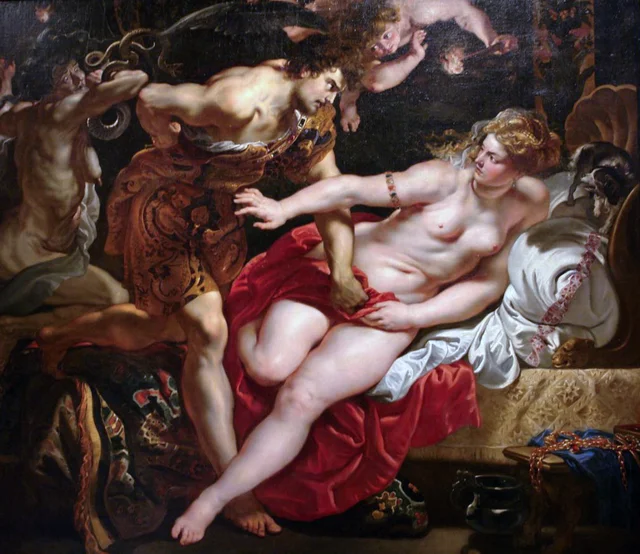 Tarquinius und LucretiaPeter Paul Rubens, 1610
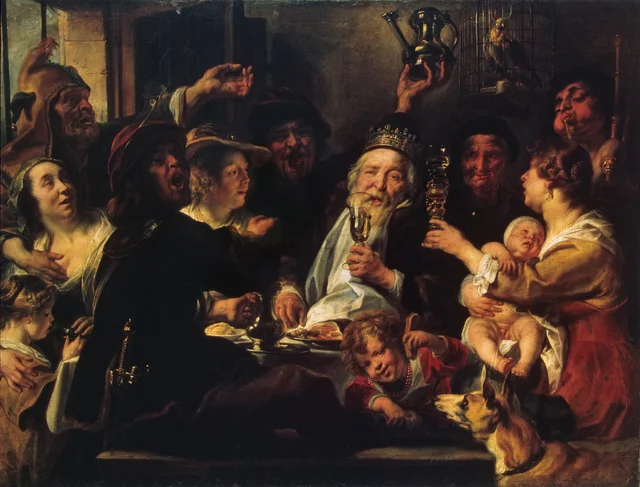 Der BohnenkönigJacob Jordaens, 1638
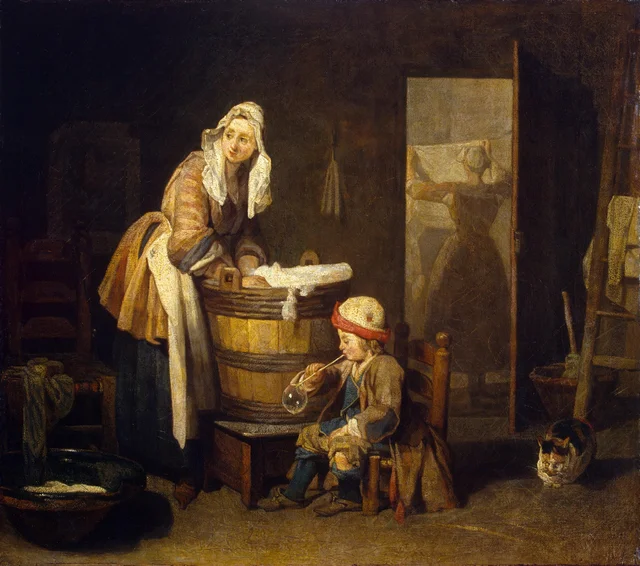 Die WäscherinJean-Baptiste-Siméon Chardin, 1730
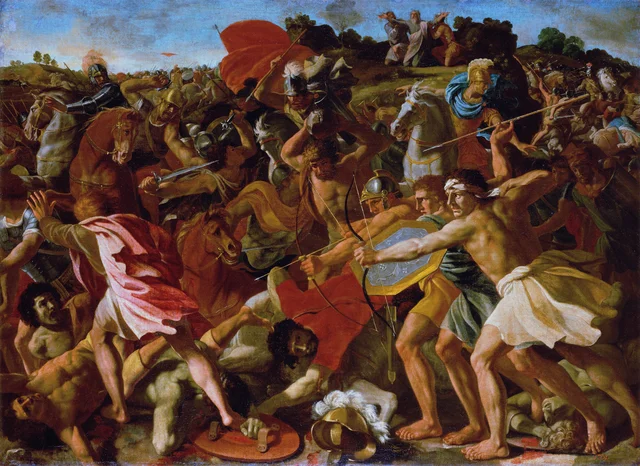 Der Sieg Josuas über die AmalekiterNicolas Poussin, 1623
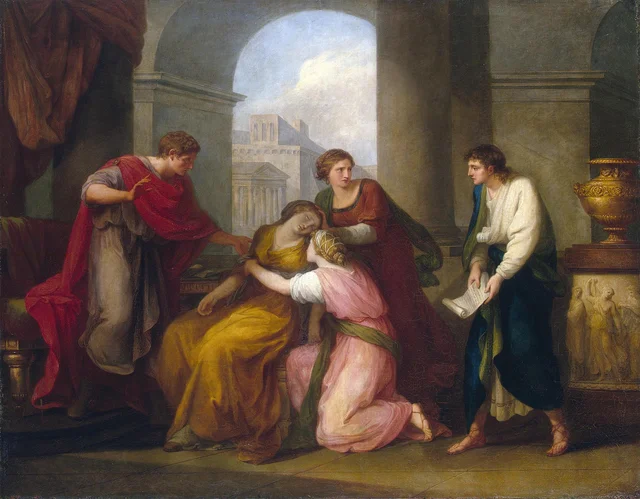 Vergil liest Augustus und Octavia aus der Aeneis vorAngelika Kauffmann, 1788
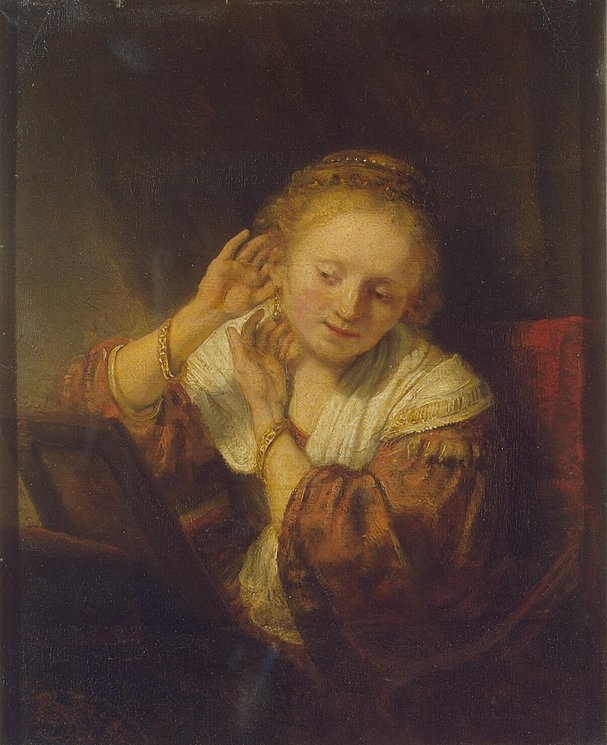 Junge Frau mit OhrringenRembrandt, 1654
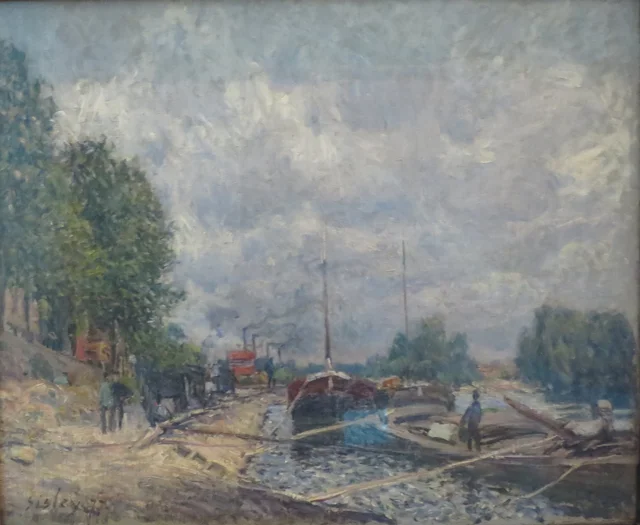 Lastkähne bei BillancourtAlfred Sisley, 1877
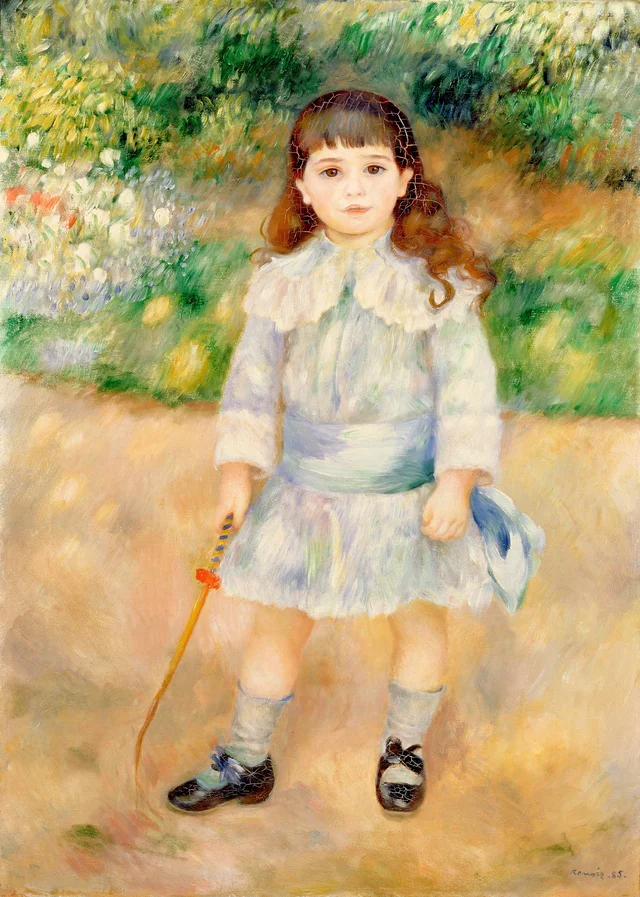 Junge mit PeitschePierre-Auguste Renoir, 1885
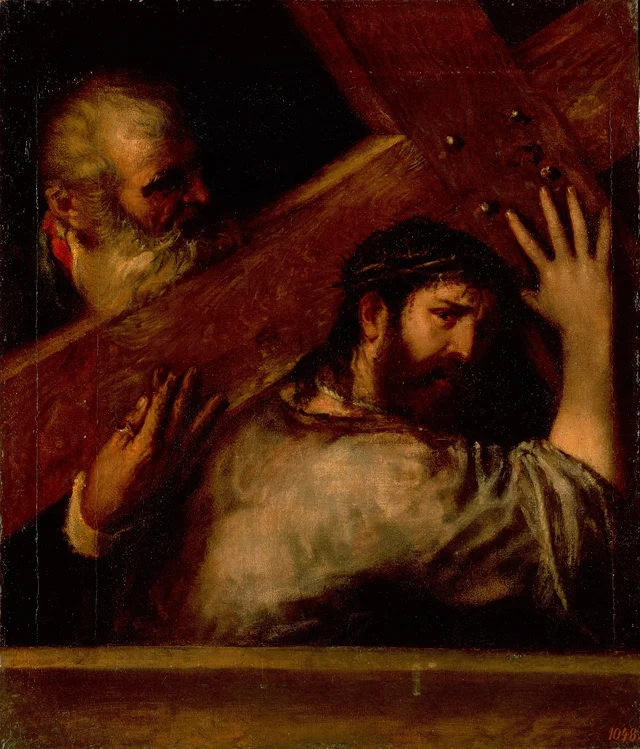 KreuztragungTizian, 1565
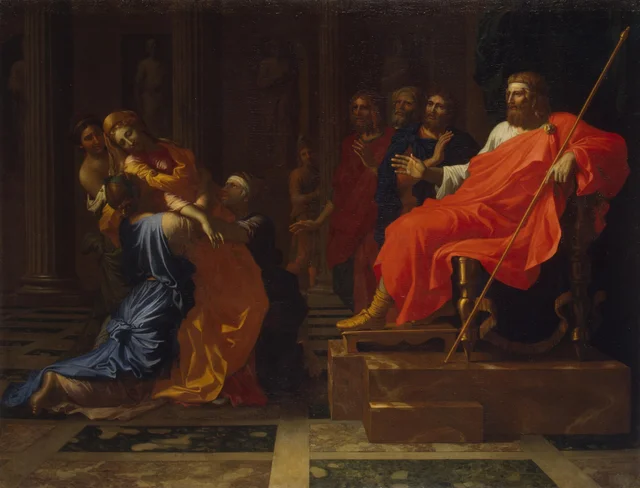 Esther vor AhasverosNicolas Poussin, 1655
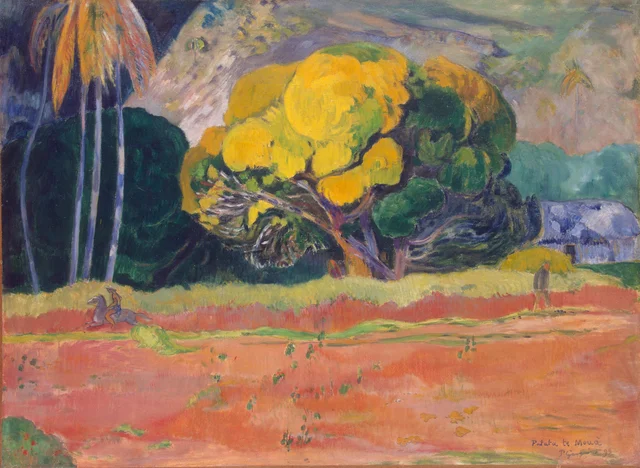 Fatata te Moua (Am Fuß des Berges)Paul Gauguin, 1892
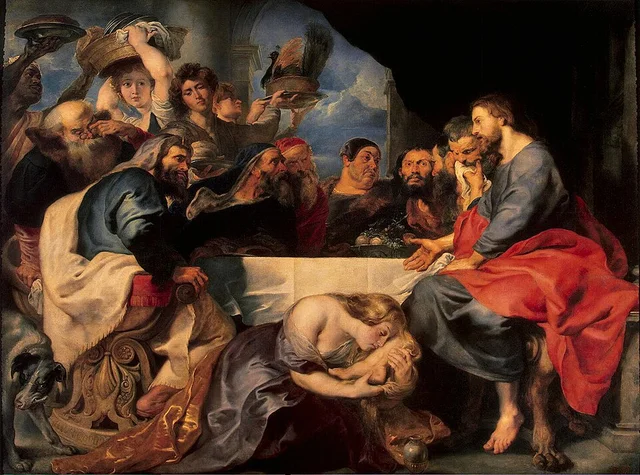 Das Mahl im Hause Simons des PharisäersPeter Paul Rubens, 1619
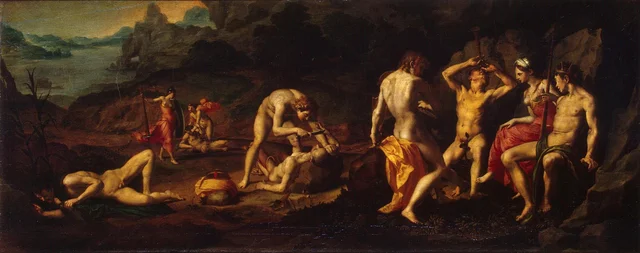 Die Schindung des MarsyasBronzino, 1531
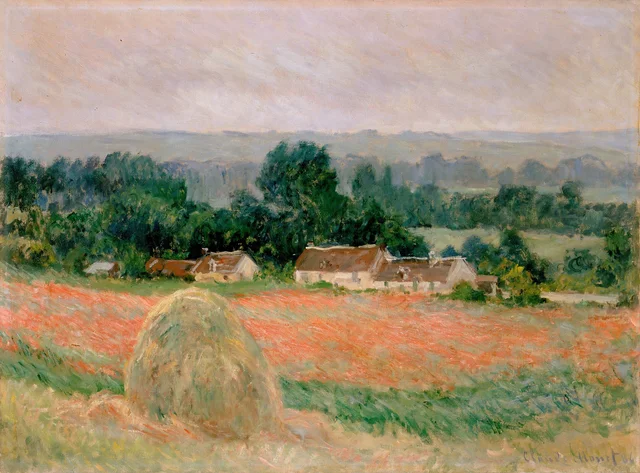 Heuschober bei GivernyClaude Monet, 1886
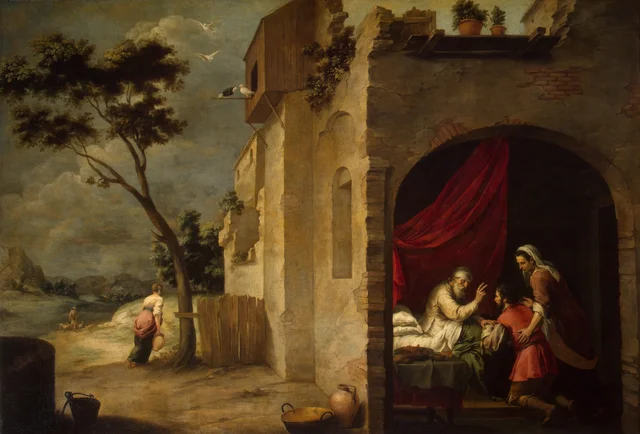 Isaak segnet JakobBartolomé Esteban Murillo, 1667
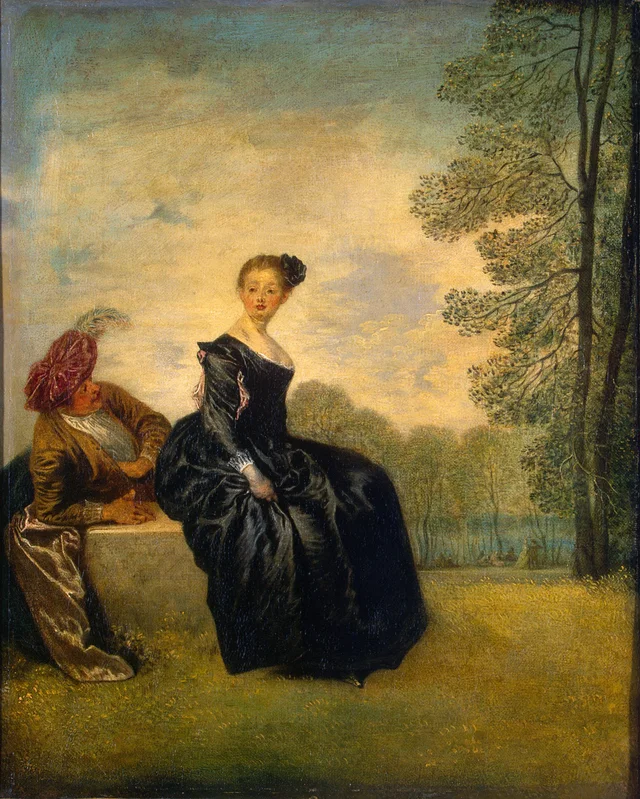 Die SchmollendeJean-Antoine Watteau, 1718
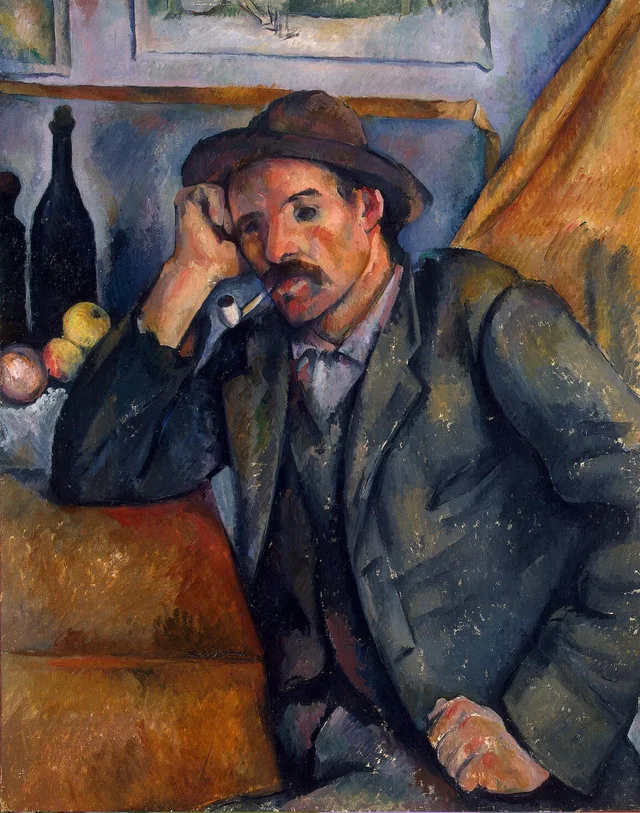 Der PfeifenraucherPaul Cézanne, 1891
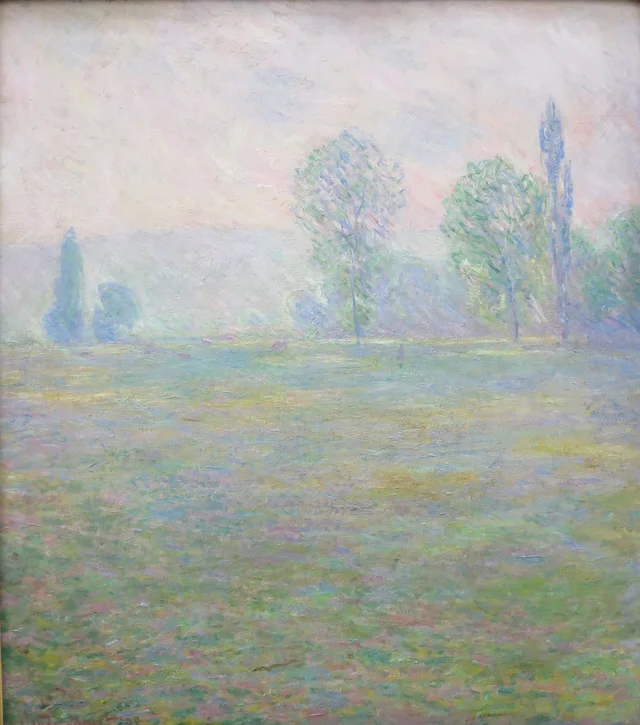 Wiesen bei GivernyClaude Monet, 1888
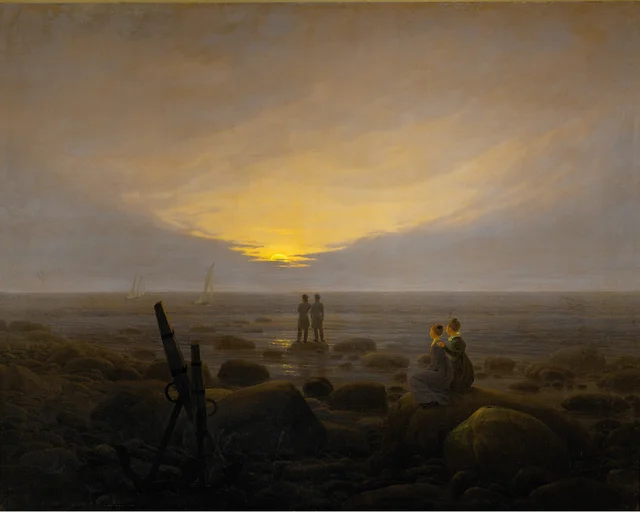 Mondaufgang am MeerCaspar David Friedrich, 1821
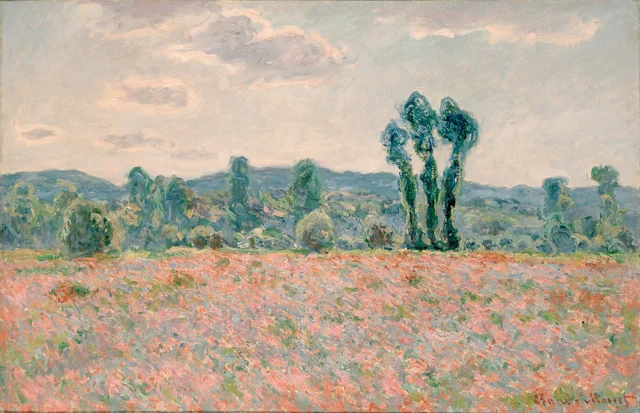 MohnfeldClaude Monet, 1890
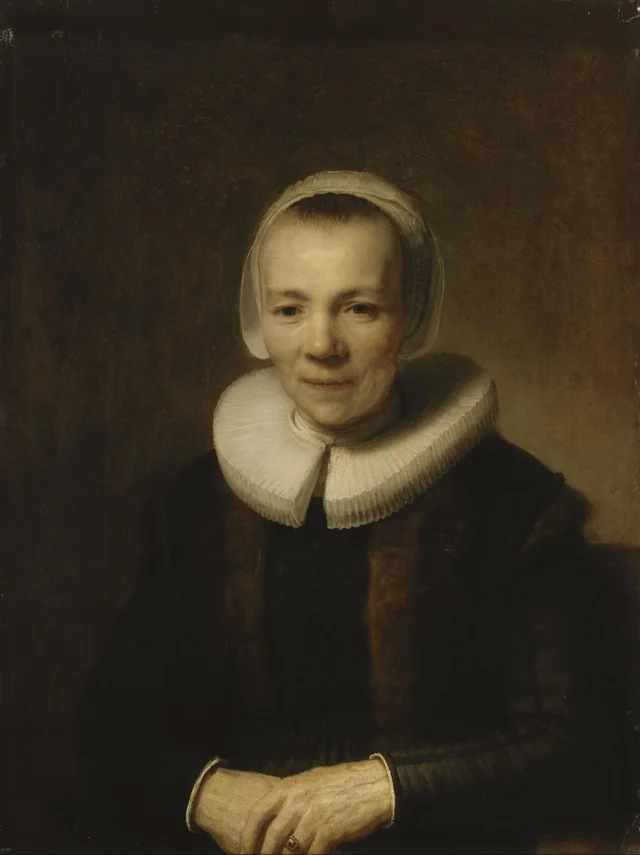 Bildnis der Baertje MartensRembrandt, 1640
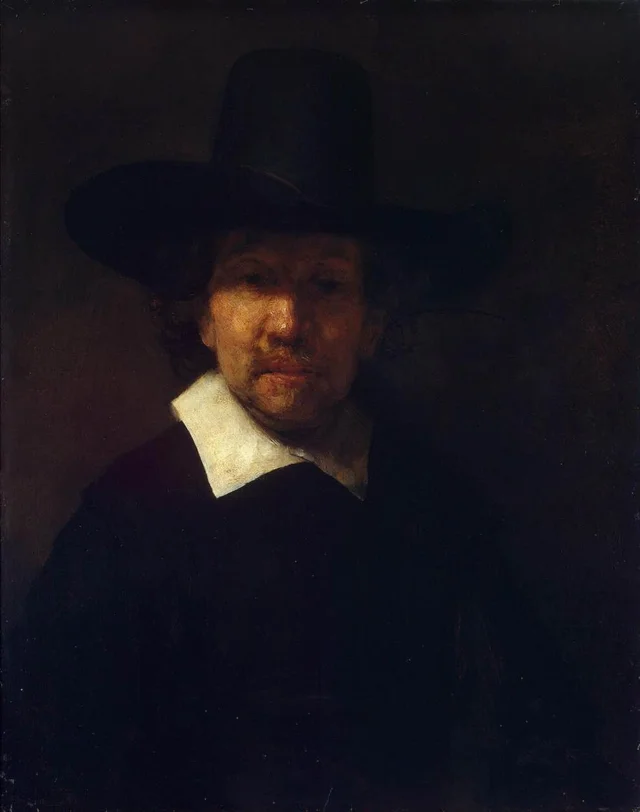 Bildnis des Jeremias de DeckerRembrandt, 1666
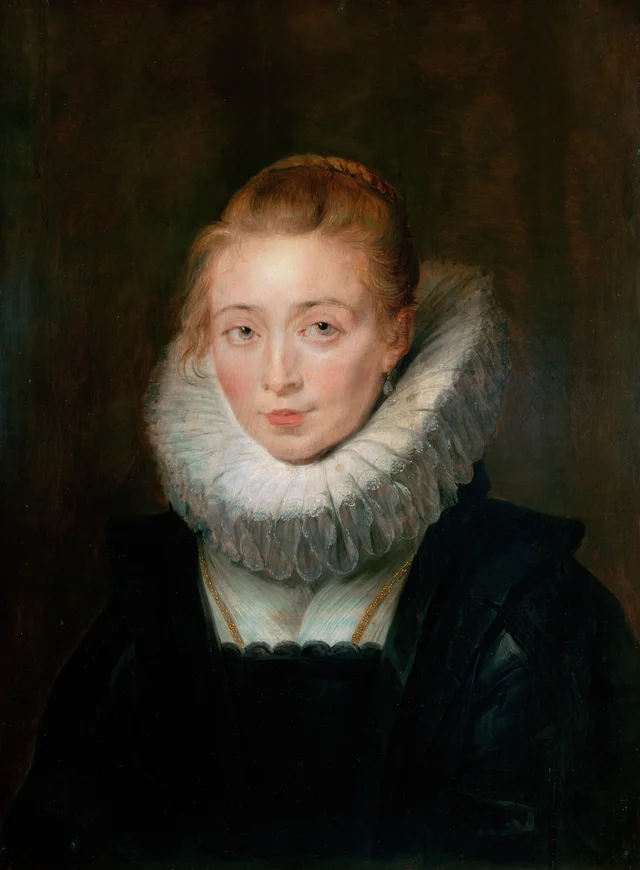 Bildnis einer Hofdame der Infantin IsabellaPeter Paul Rubens, 1625
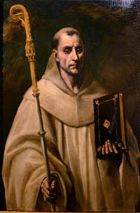 Heiliger BernhardEl Greco, 1577
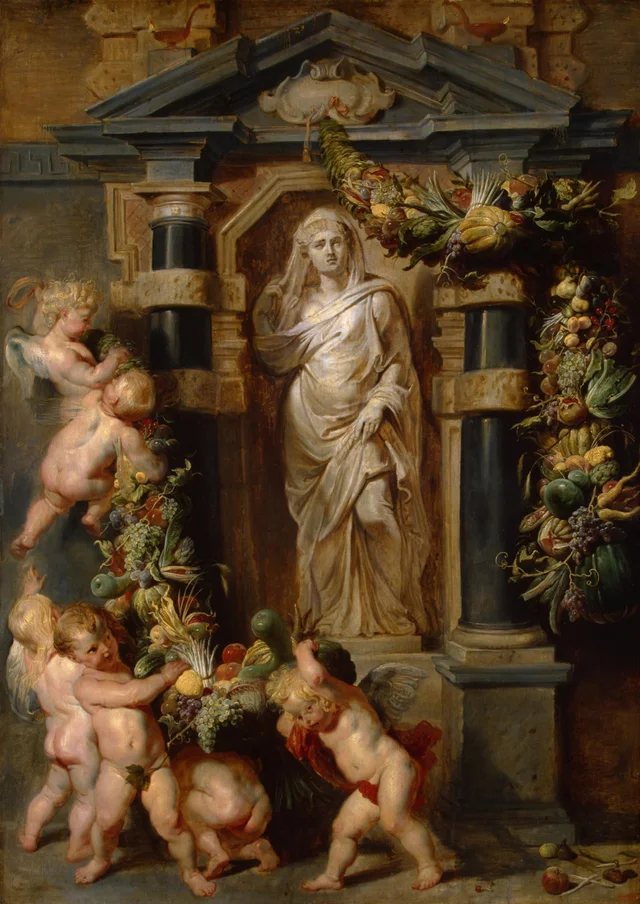 Statue der CeresPeter Paul Rubens, 1615