Adolf Hölzel
1853–1934 · Germany, Austria · Modernism, Abstractionism, Realism
The story
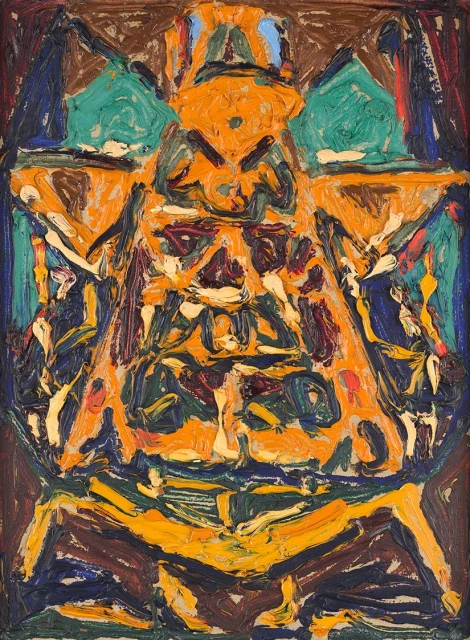
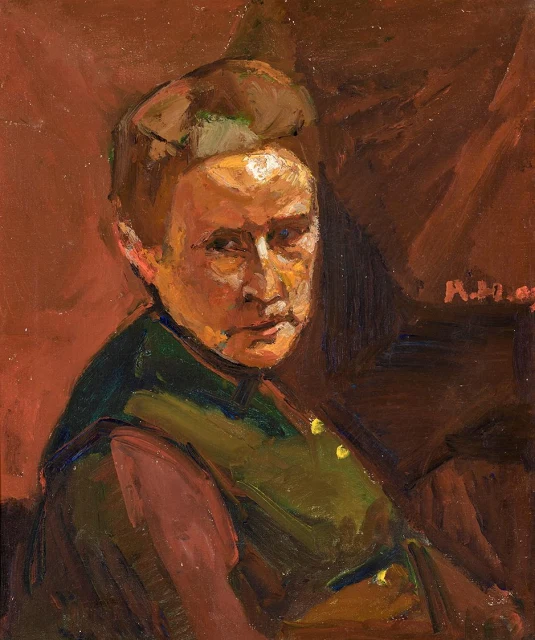
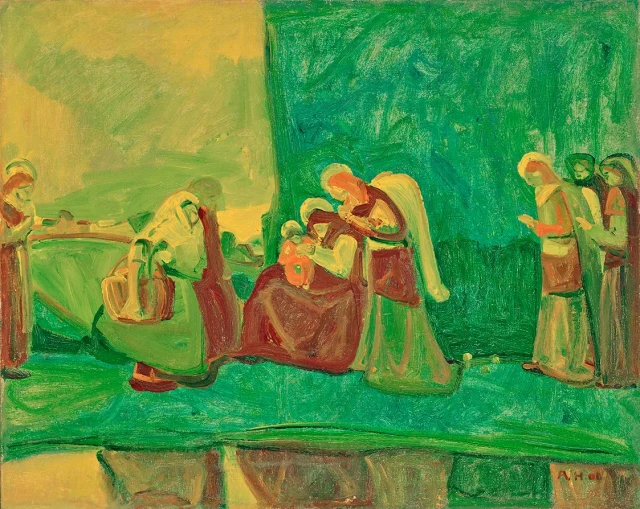
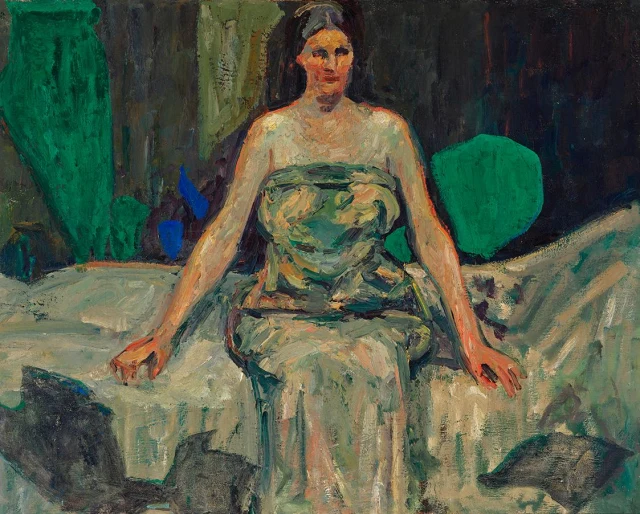
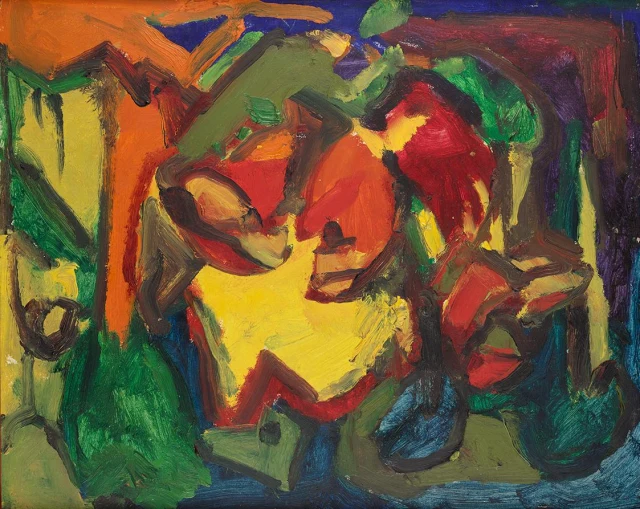
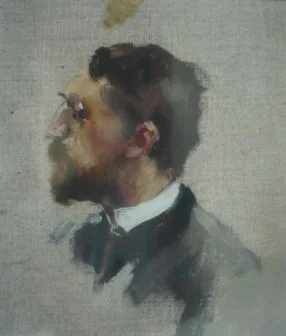
Adolf Hölzel came to abstraction slowly and by way of theory. Born in 1853 in Olomouc in Moravia, he trained as a realist, then in 1888 helped found a painting school in the Bavarian village of Dachau that grew into one of Germany's liveliest art colonies. There, studying Goethe's ideas on colour and the proportions of the golden section, he began building pictures from harmonies of colour and line until some of them came close to pure abstraction, years before the word was common currency.
In 1905 he took a professorship at the Stuttgart academy, and it is there that his influence really tells. The students who gathered around him, the so-called Hölzel circle, included Oskar Schlemmer, Willi Baumeister, Max Ackermann and Johannes Itten, who would carry his colour teaching into the Bauhaus.
Hölzel kept working toward the edge of abstraction in pastels and stained-glass designs until his death in Stuttgart in 1934.