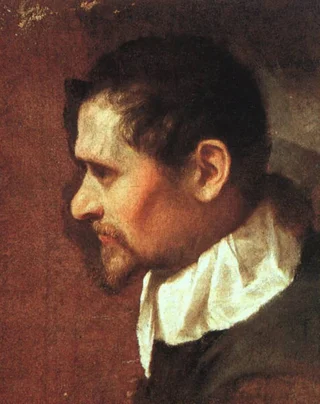
Annibale Carracci
1560–1609 · Papal States · Baroque
The story
When Annibale Carracci came to Rome in the 1590s, Cardinal Odoardo Farnese handed him a long gallery ceiling to decorate, and what he painted there set the course of the next century. Between about 1597 and 1601 he covered it with 'The Loves of the Gods', a crowd of mythological couples framed to look like gilded pictures, with living nude figures propped among them, the whole thing full of muscle, warmth and wit. Young painters came to Rome for years just to copy it.
Behind that confidence lay a program. Back home in Bologna, Annibale had helped found a teaching academy with his brother Agostino and his cousin Ludovico, built on drawing from life and the study of Raphael and the Venetians. They meant to pull Italian painting out of Mannerism, the elegant, artificial style then in fashion, and back toward solid, observed bodies.
That grounding fed the whole Baroque age that followed. Annibale's last years were bleak. He fell into a deep melancholy, all but stopped painting, and died in Rome in 1609, buried at his own wish near Raphael in the Pantheon.
More articles
Works
36 works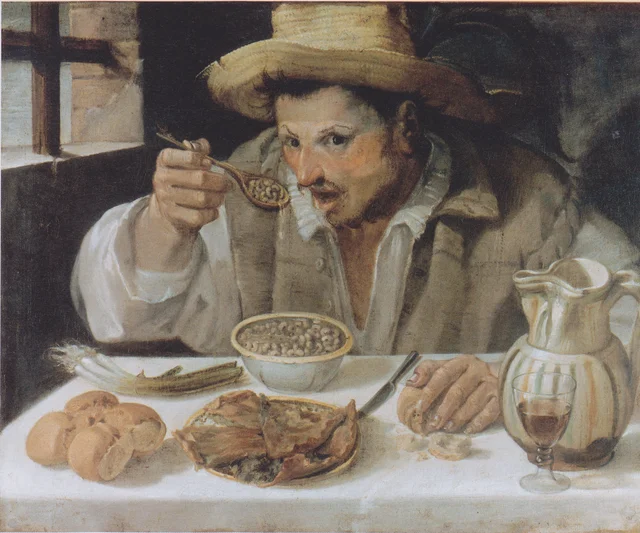 The Bean EaterAnnibale Carracci, 1580
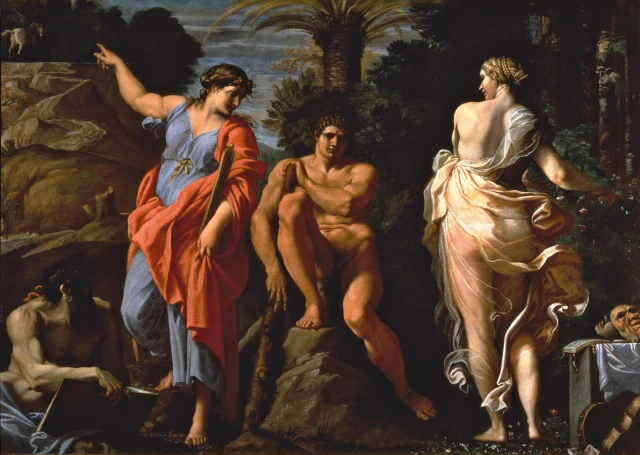 The Choice of HerculesAnnibale Carracci, 1596
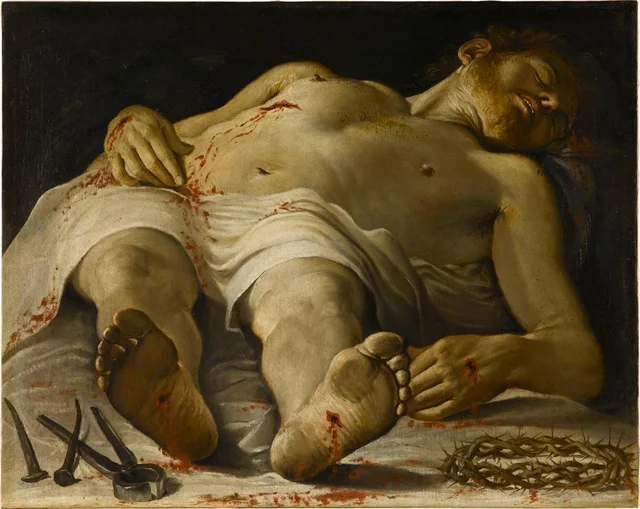 Corpse of ChristAnnibale Carracci, 1582
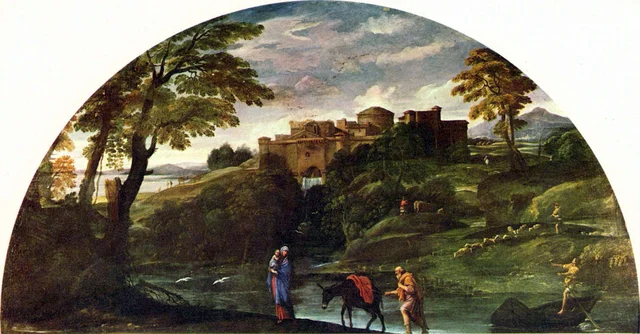 The Flight into EgyptAnnibale Carracci, 1604
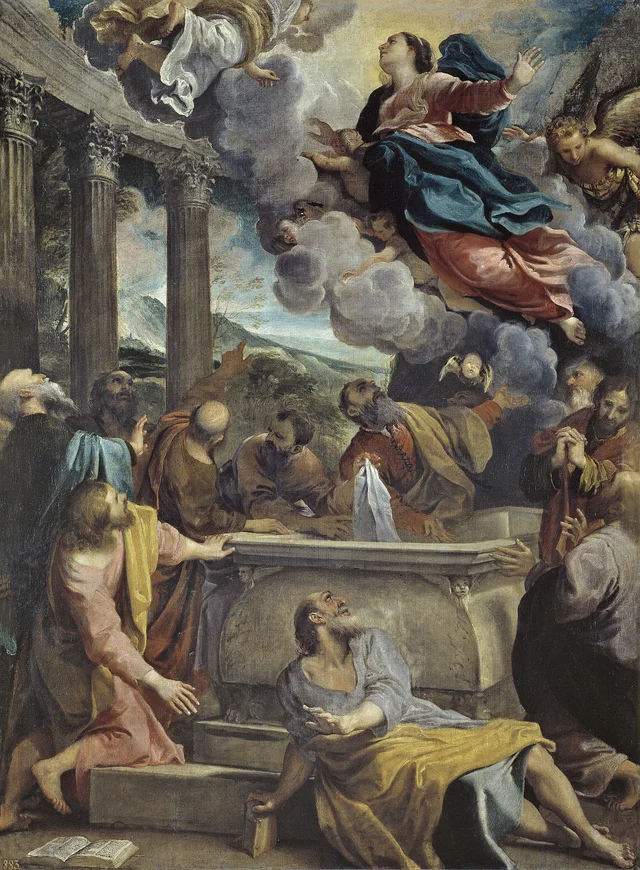 Assumption of the VirginAnnibale Carracci, 1587
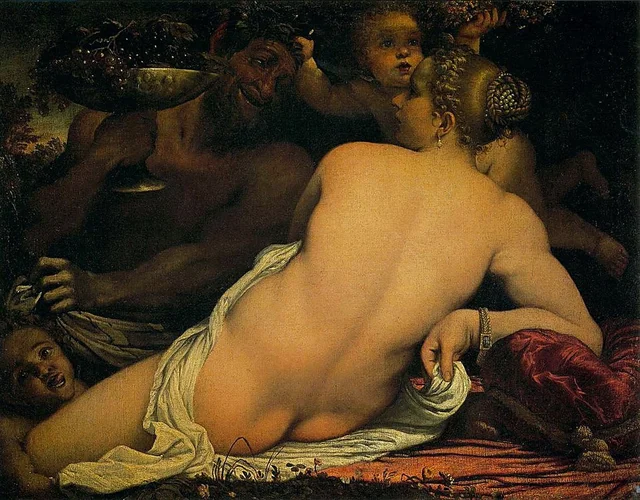 Venus with a Satyr and CupidsAnnibale Carracci, 1588
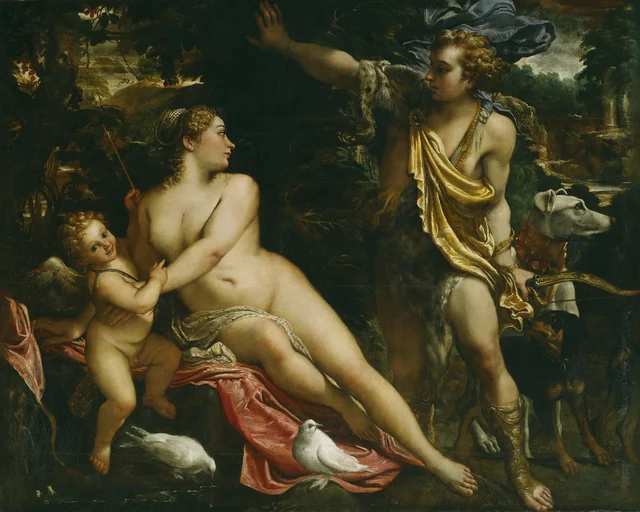 Venus, Adonis and CupidAnnibale Carracci, 1591
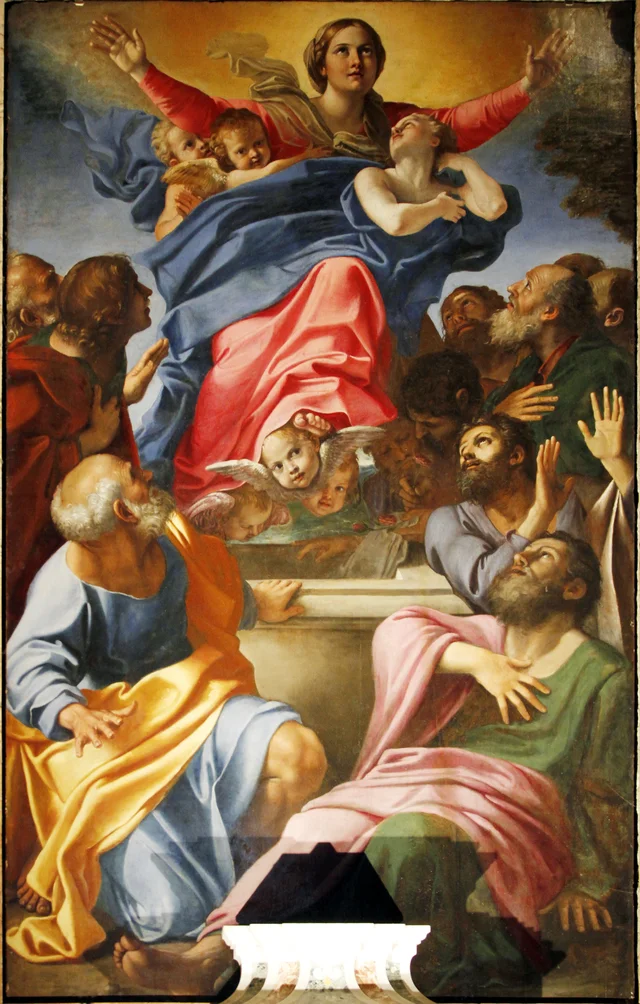 Assumption of the VirginAnnibale Carracci, 1600
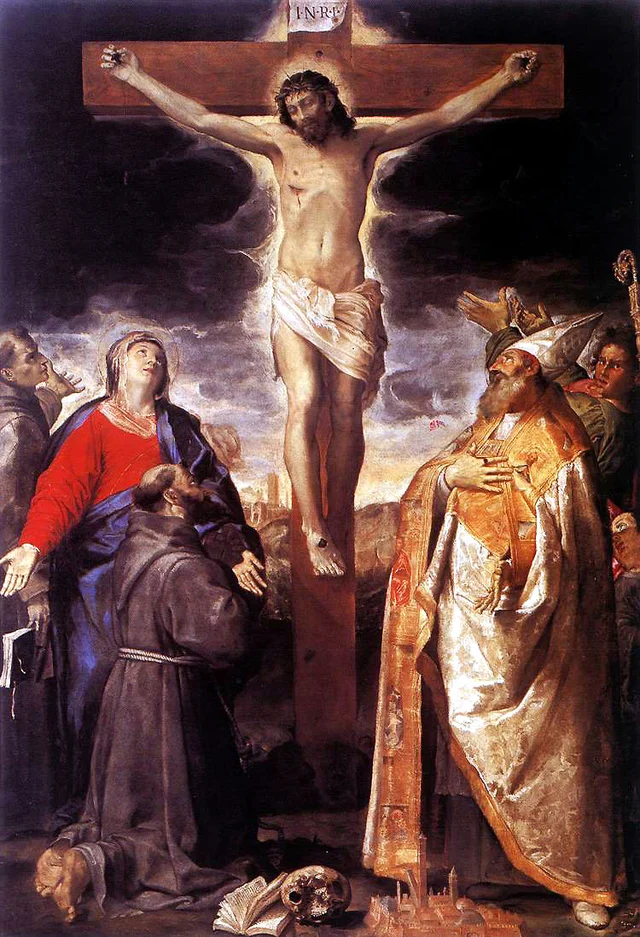 Crucifixion and SaintsAnnibale Carracci, 1583
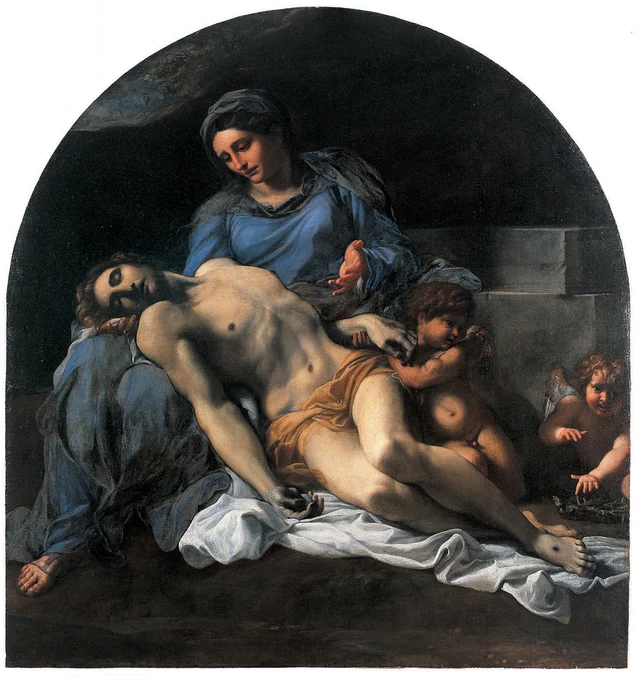 PietàAnnibale Carracci, 1599
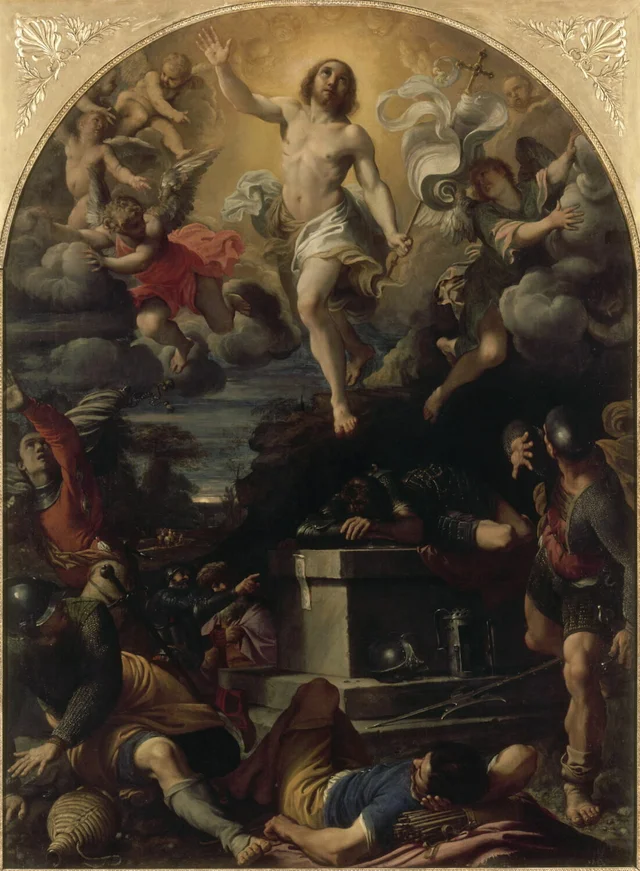 Resurrection of ChristAnnibale Carracci, 1593
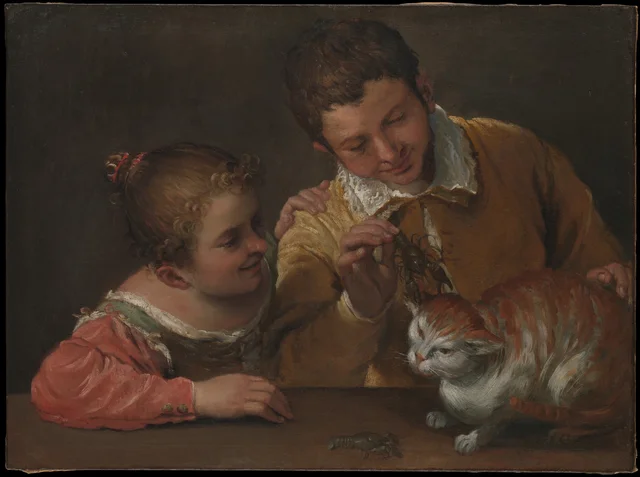 Two children teasing a catAnnibale Carracci, 1590
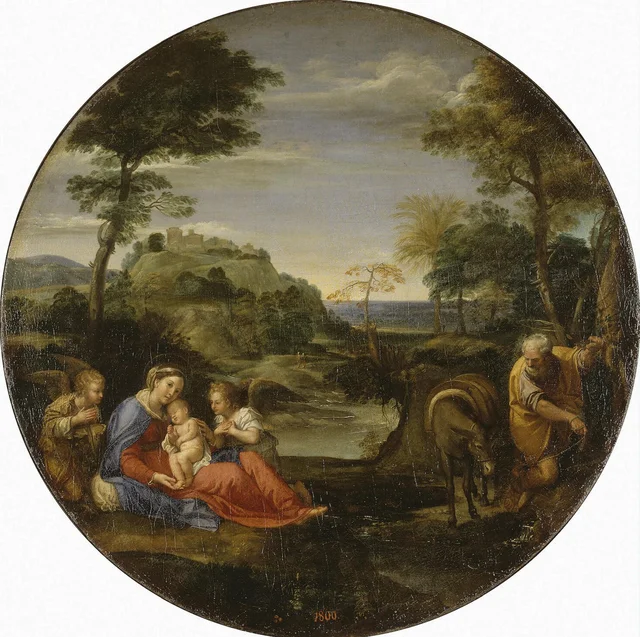 Rest on the Flight into EgyptAnnibale Carracci, 1604
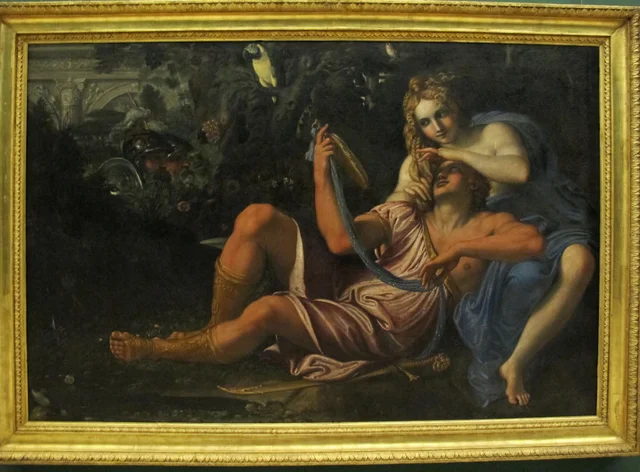 Rinaldo and ArmidaAnnibale Carracci, 1601
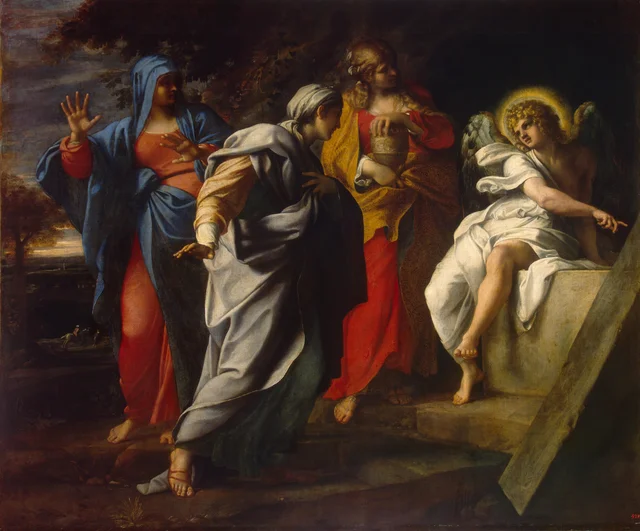 Holy Women at Christ' s TombAnnibale Carracci, 1590
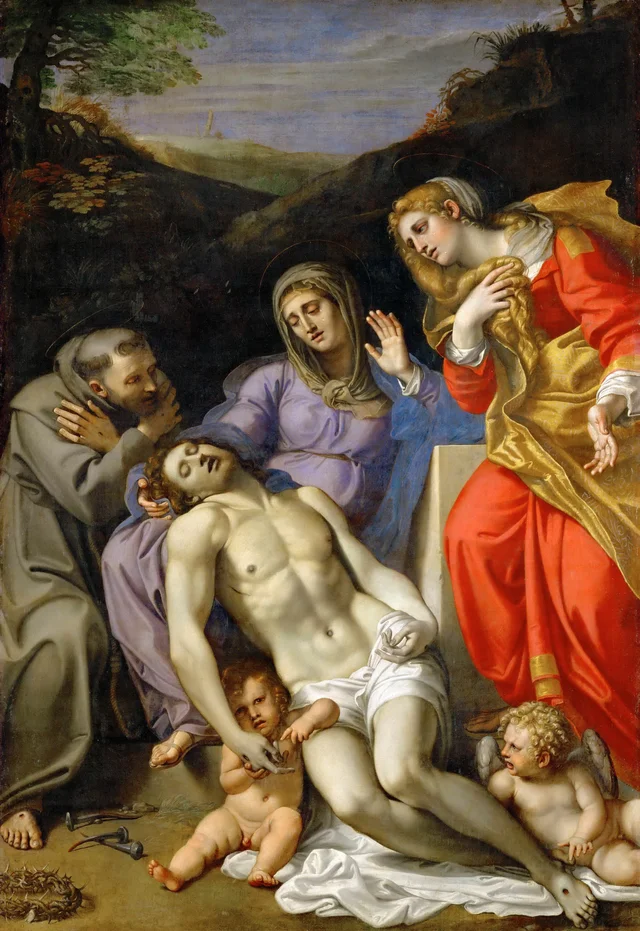 Pietà with Sts. Francis and Mary MagdalenAnnibale Carracci, 1602
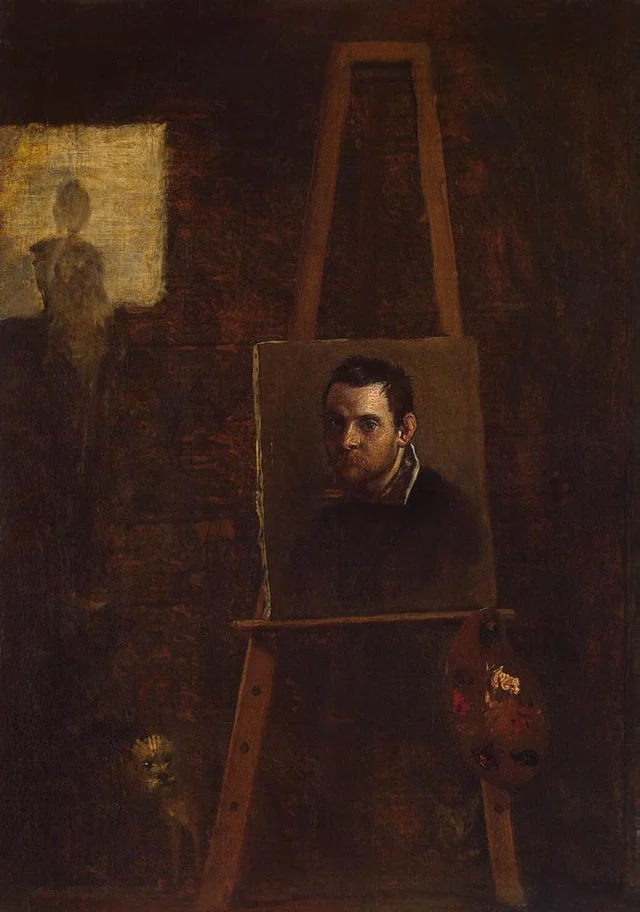 Self-portrait at the EaselAnnibale Carracci, 1604
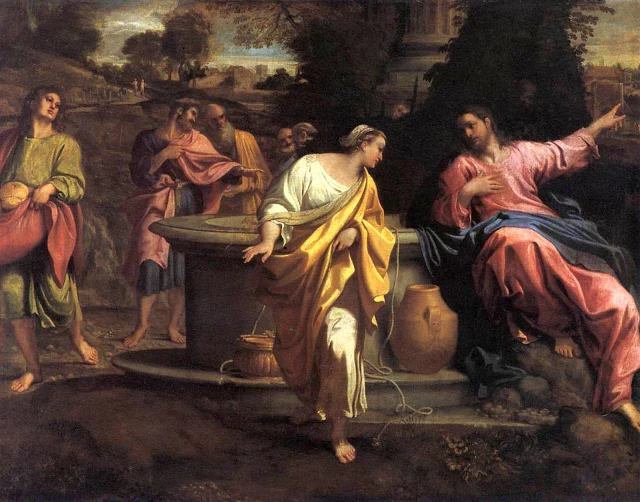 Christ and the Samaritan WomanAnnibale Carracci, 1594
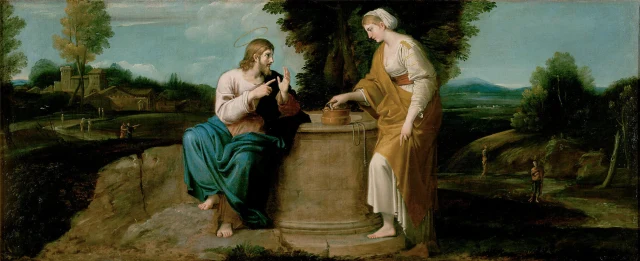 Christ and the Woman of SamariaAnnibale Carracci, 1605
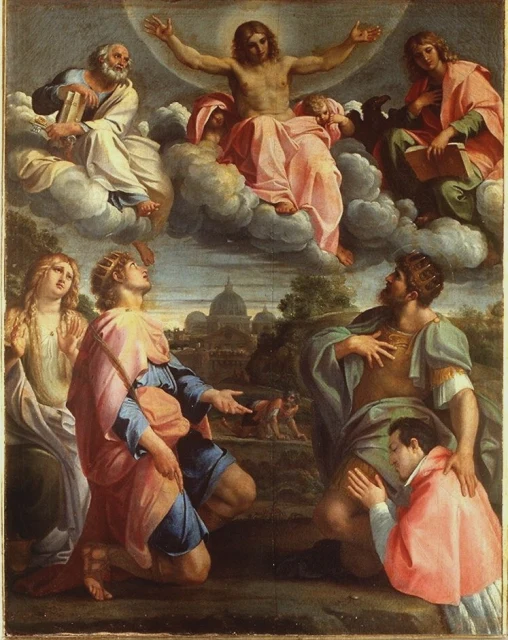 Christ in Glory with Saints and Odoardo FarneseAnnibale Carracci, 1597
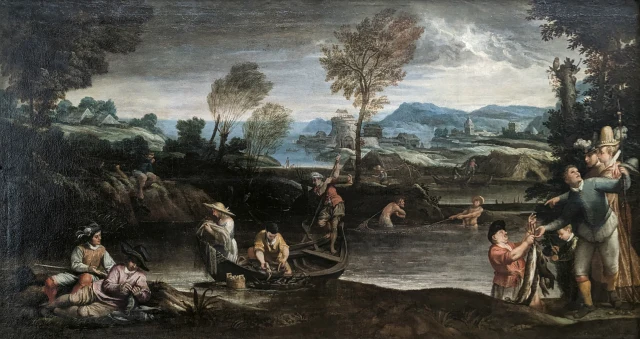 FishingAnnibale Carracci, 1586
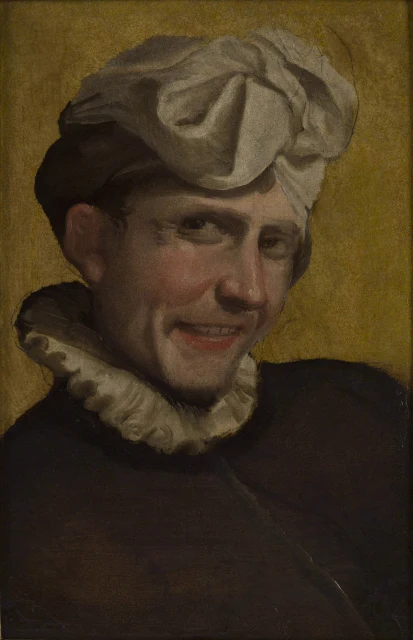 Head of a Laughing YouthAnnibale Carracci, 1585
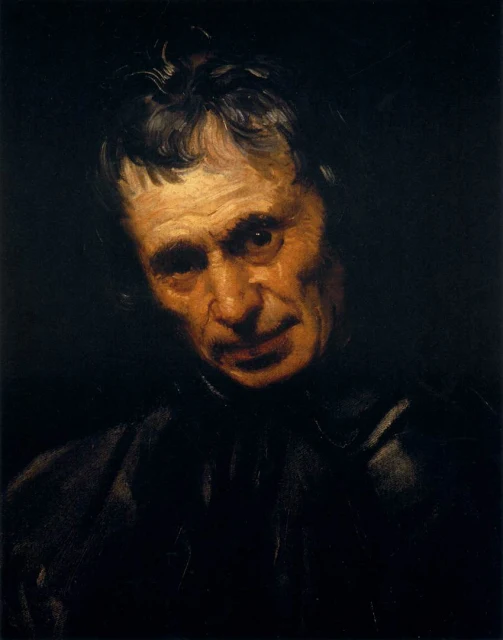 Head of a ManAnnibale Carracci, 1591
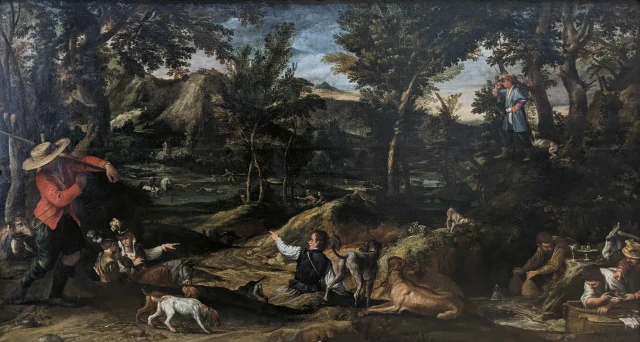 HuntingAnnibale Carracci, 1586
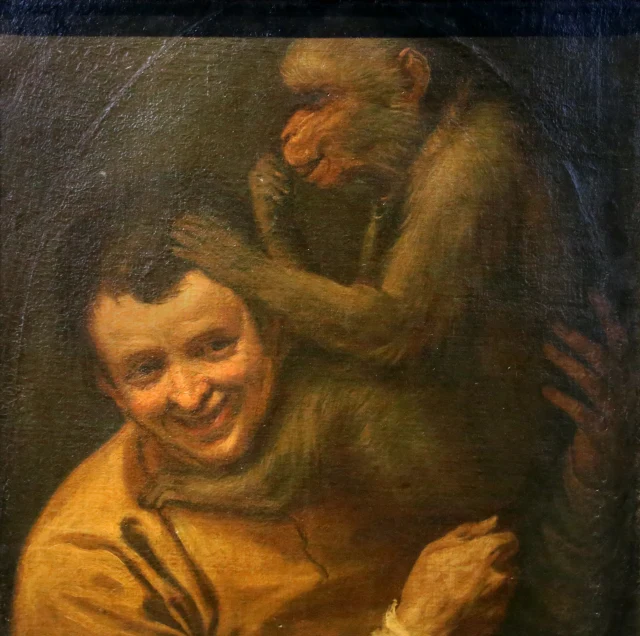 Man with a MonkeyAnnibale Carracci, 1590