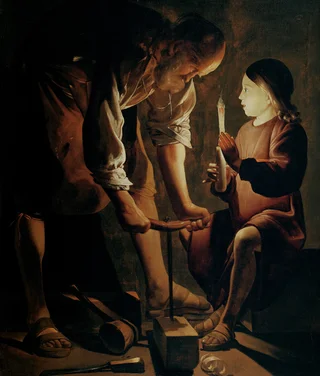
Georges de La Tour
1593–1652 · Duchy of Lorraine · Baroque
The story
For nearly 250 years almost no one knew the name Georges de La Tour. He was a successful painter in the Duchy of Lorraine, in what is now eastern France, in the early 1600s, prosperous enough to be resented by his neighbours for it. Then he died in 1652, his reputation faded, and his paintings drifted off under other artists' names, taken for Spanish or Dutch work.
He was pulled back out of the dark in 1915, when a German art historian named Hermann Voss recognised that several mysterious candlelit pictures in French museums were by a single forgotten hand and put La Tour's name back on them. Today he is prized above all for his night scenes, lit by one candle whose flame is often hidden behind a hand or a figure, so the whole image glows from a source you cannot quite see.
Those quiet religious paintings, a newborn held to the light, a penitent Magdalene gazing at a skull and a flame, feel almost modern in their stillness. His daytime work is harsher, full of card-sharps and beggars and hurdy-gurdy players painted without flattery. Roughly 40 pictures are now accepted as his, and scholars still argue over which ones are truly from his hand.
More articles
Works
16 works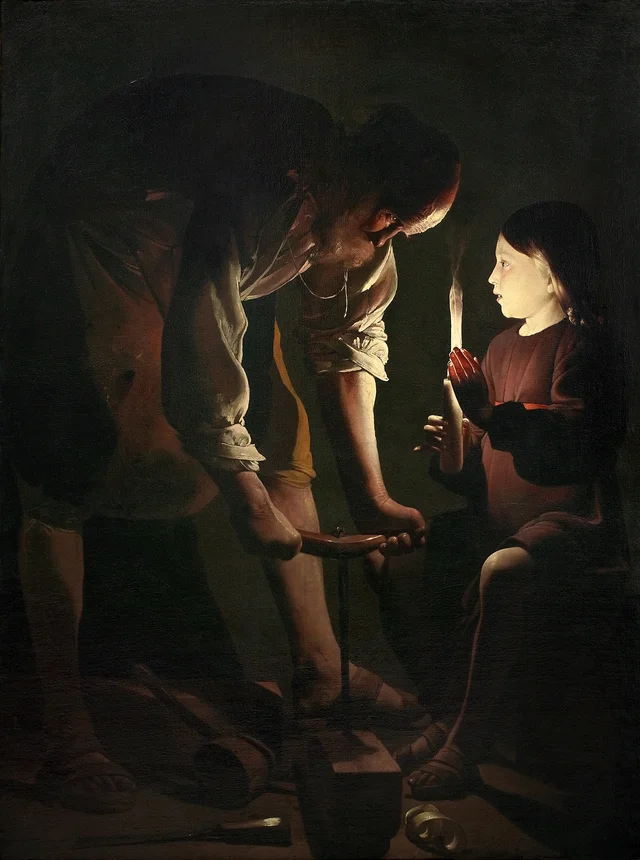 Joseph the CarpenterGeorges de La Tour, 1642
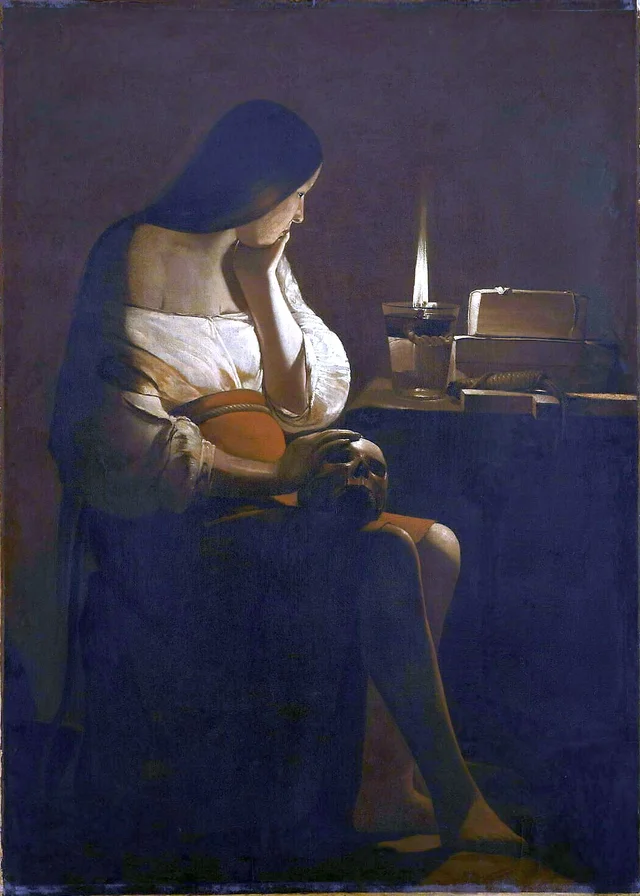 Magdalene with the Smoking FlameGeorges de La Tour, 1642
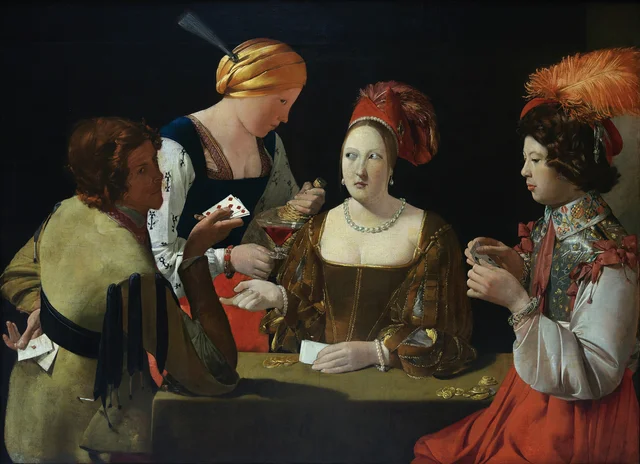 The Cheat with the Ace of DiamondsGeorges de La Tour, 1635
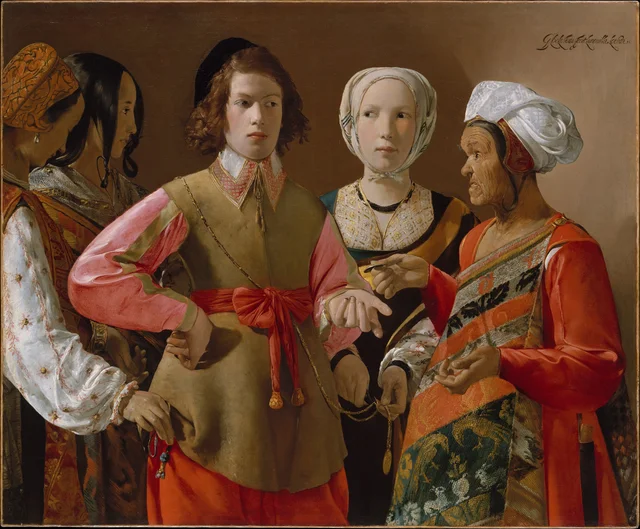 The Fortune TellerGeorges de La Tour, 1630
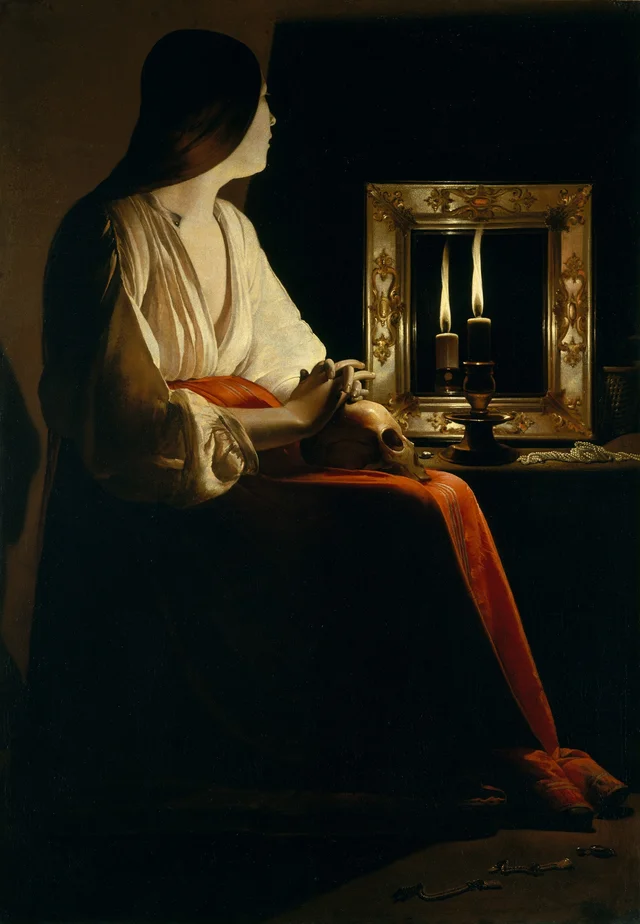 The Penitent MagdalenGeorges de La Tour, 1625
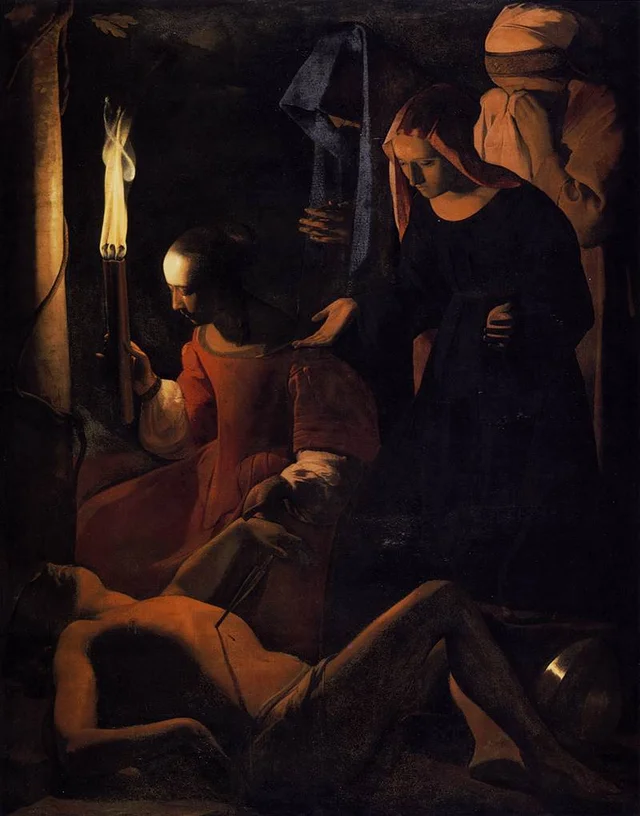 Saint Sebastian Attended by Saint IreneGeorges de La Tour, 1649
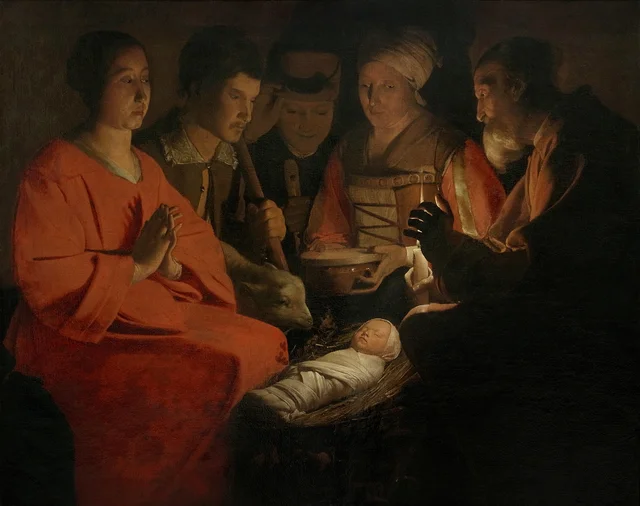 The Adoration of the ShepherdsGeorges de La Tour, 1645
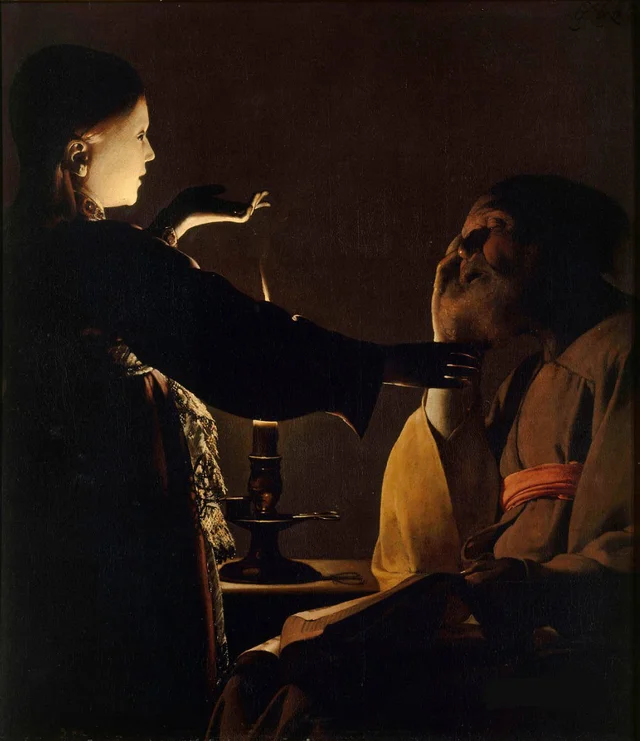 The Dream of Saint JosephGeorges de La Tour, 1640
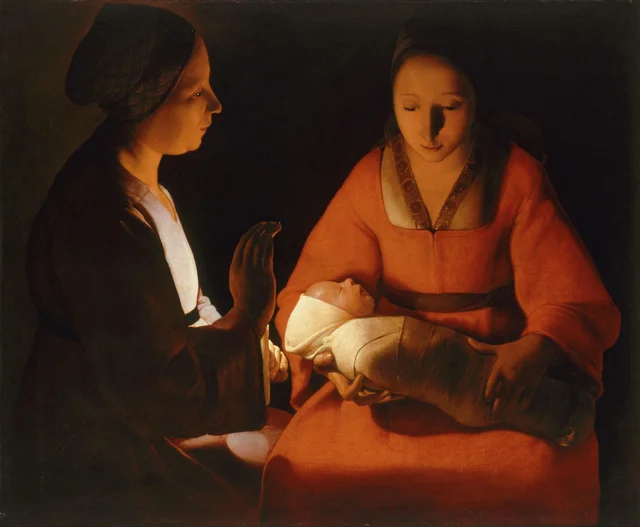 The NewbornGeorges de La Tour, 1645
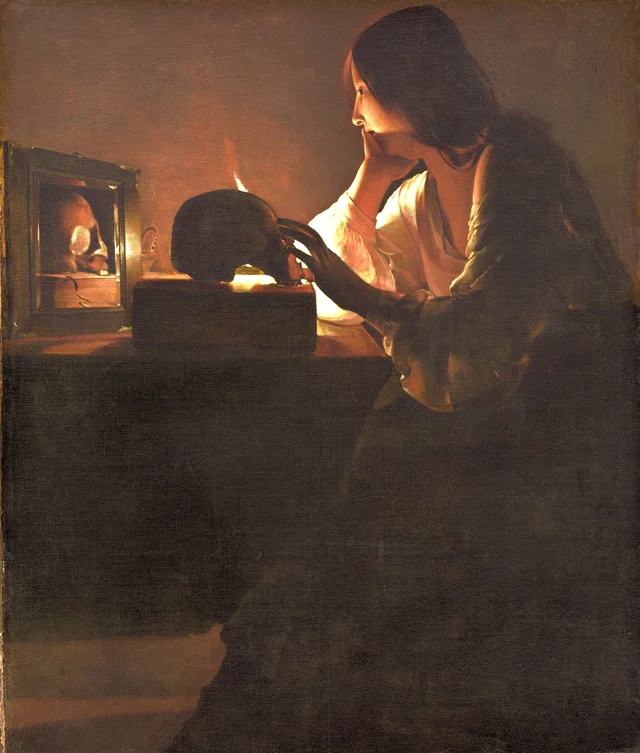 The Repentant MagdalenGeorges de La Tour, 1637
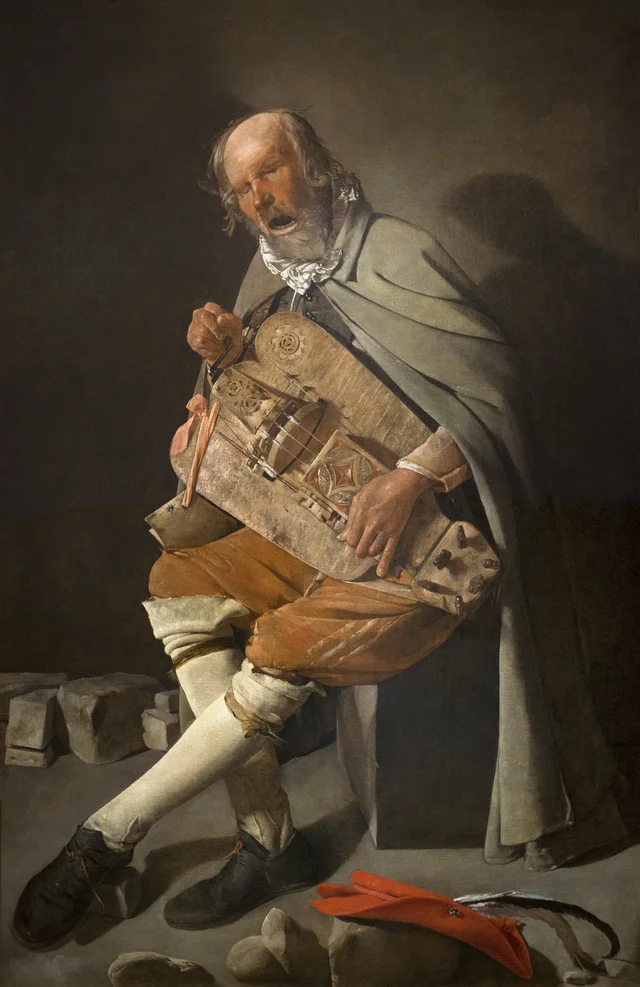 The Hurdy-gurdy Player or The Hurdy-gurdy Player With A FlyGeorges de La Tour, 1631
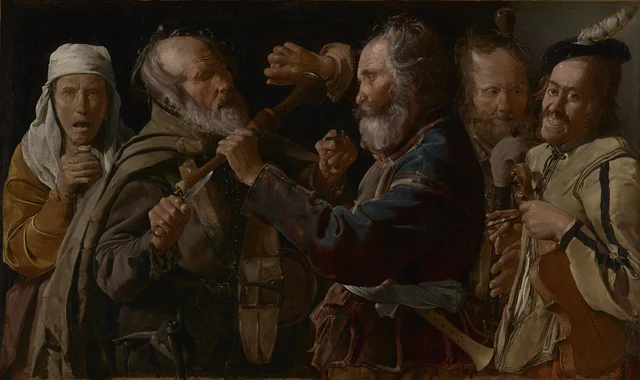 The Musicians' BrawlGeorges de La Tour, 1625
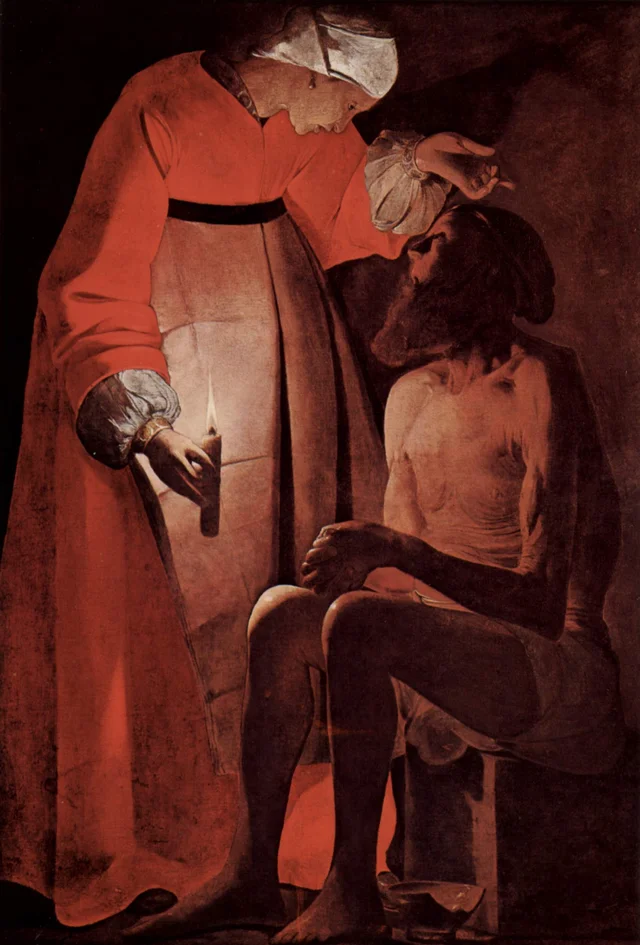 Job Mocked by his WifeGeorges de La Tour, 1620
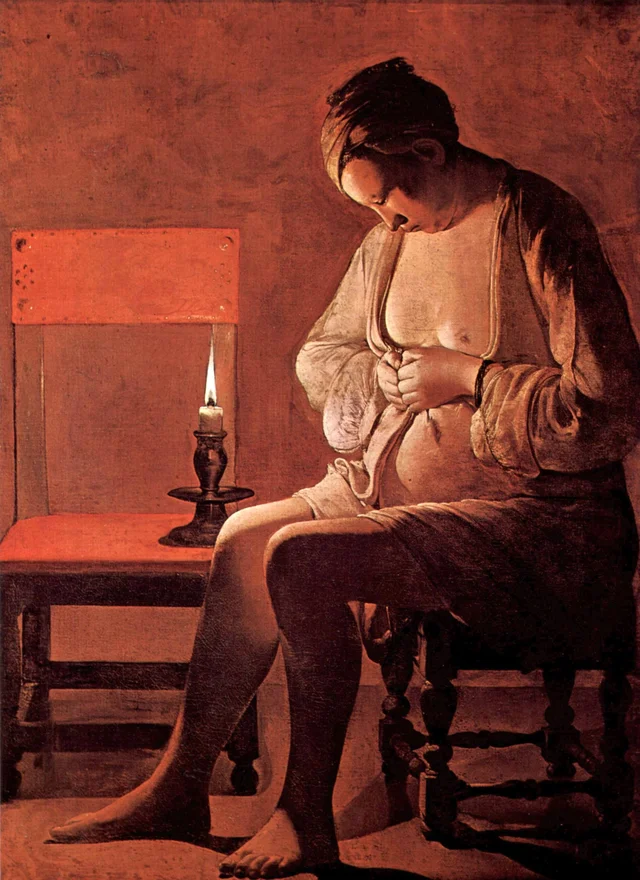 Woman Catching FleasGeorges de La Tour, 1635
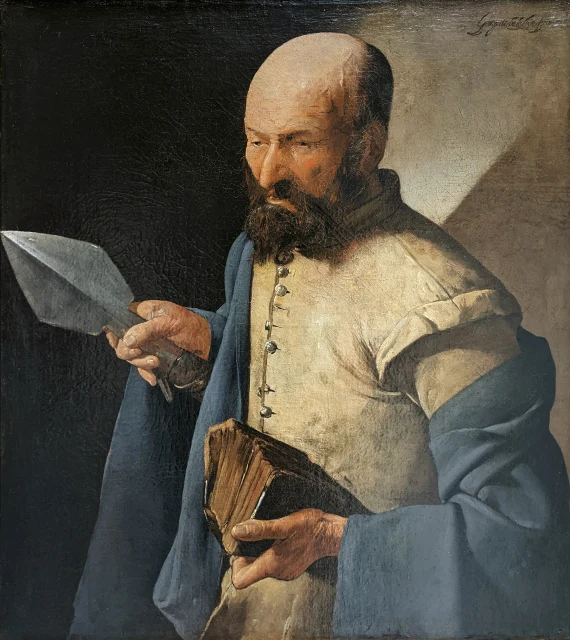 Saint ThomasGeorges de La Tour, 1636
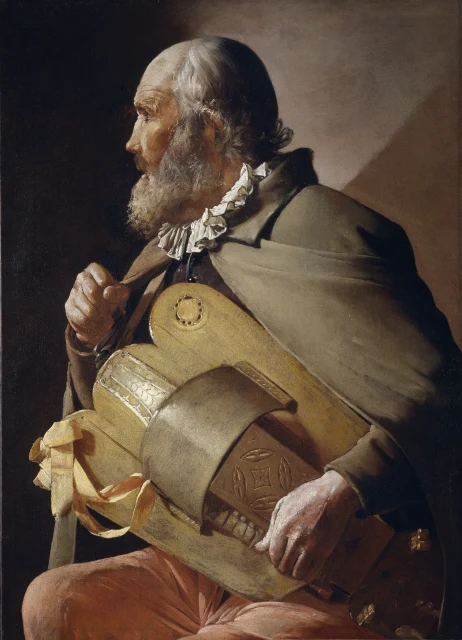 The Blind Hurdy-Gurdy PlayerGeorges de La Tour