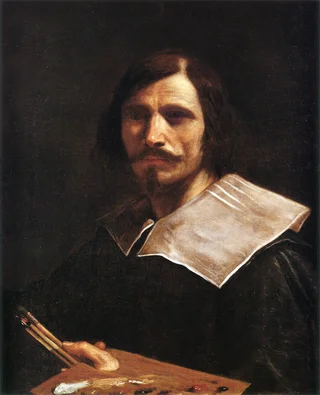
Guercino
1591–1666 · Papal States · Baroque
The story
Giovanni Francesco Barbieri had a squint, a cast in one eye, and it followed him through life as a name: everyone called him Guercino, the squinter. Largely self-taught in the small town of Cento, he arrived in Rome in 1621 as a natural talent with a gift for drama.
His moment came fast. For the new pope, Gregory XV, he painted the 'Aurora' ceiling in a garden casino, opening the sky so convincingly that the goddess of dawn seems to drive her chariot straight over the viewer's head, the painted architecture melting into real space. It is early Baroque illusion at full stretch, dark, warm, and daring.
When the pope died in 1623 Guercino went back to Cento and, over the years, cooled his style, trading the deep shadows and bold foreshortening for clearer light and calmer poses closer to his rival Guido Reni. He ran a busy, well-organised workshop and kept careful account books, which survive and still tell us what he charged for each commission.
Works
42 works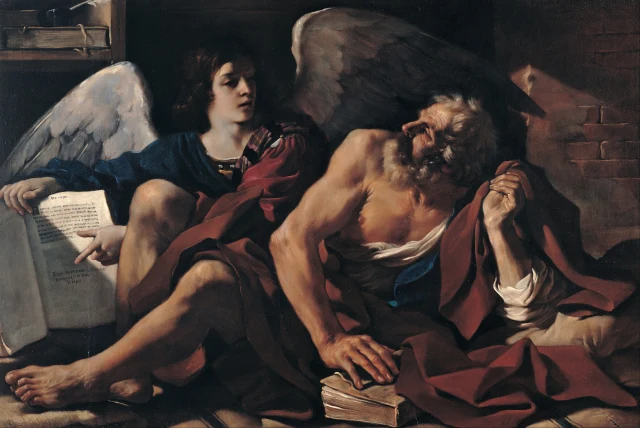 Saint Matthew and the AngelGuercino, 1622
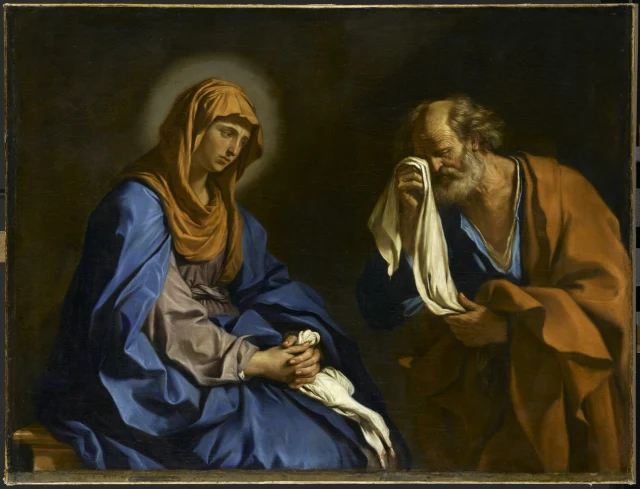 Saint Peter Weeping before the VirginGuercino, 1647
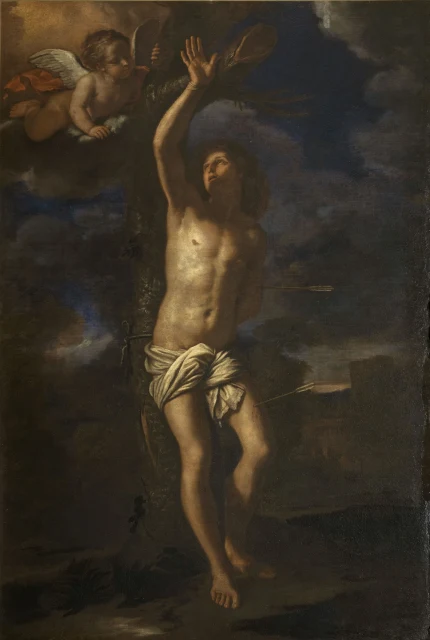 Saint SebastianGuercino, 1652
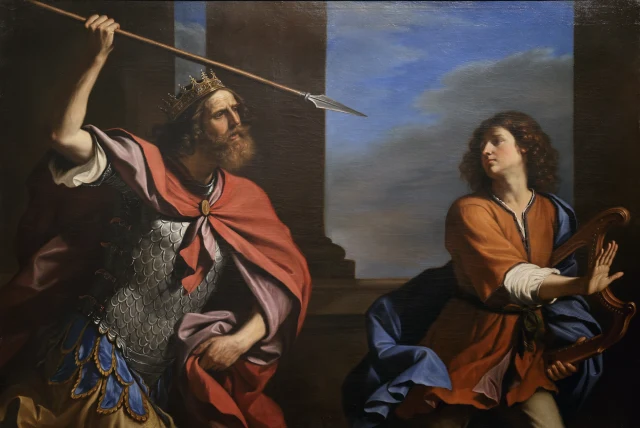 Saul Attacking DavidGuercino, 1646
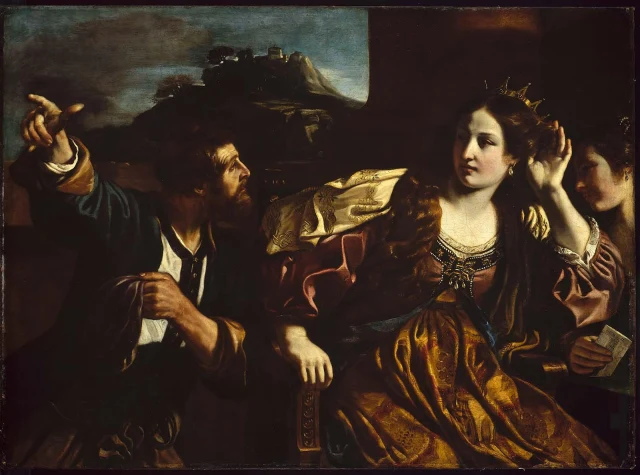 Semiramis Receiving Word of the Revolt of BabylonGuercino, 1624
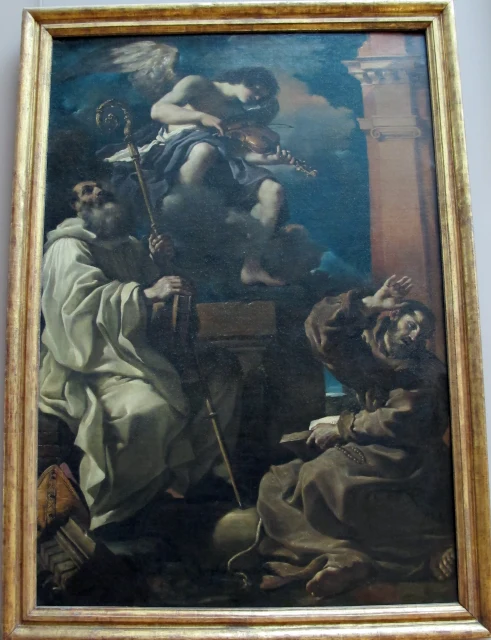 St. Francis in Ecstasy with St. Benedict and an AngelGuercino, 1620
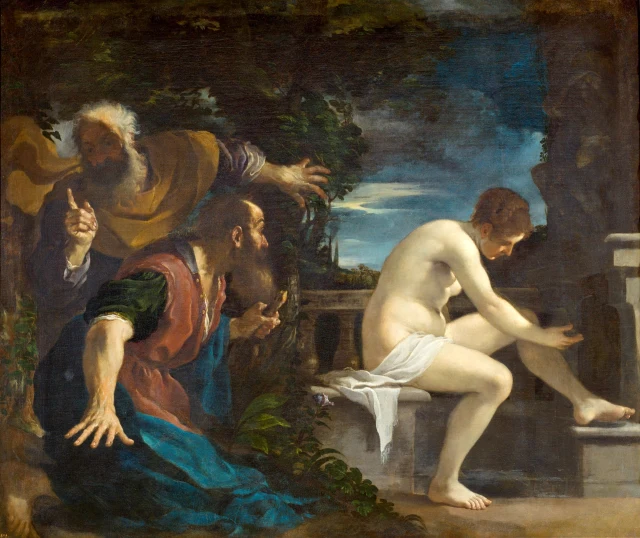 Susanna and the EldersGuercino, 1617
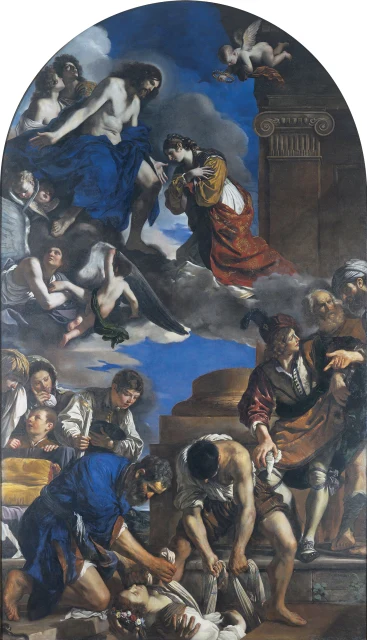 The Burial of Saint PetronillaGuercino, 1622
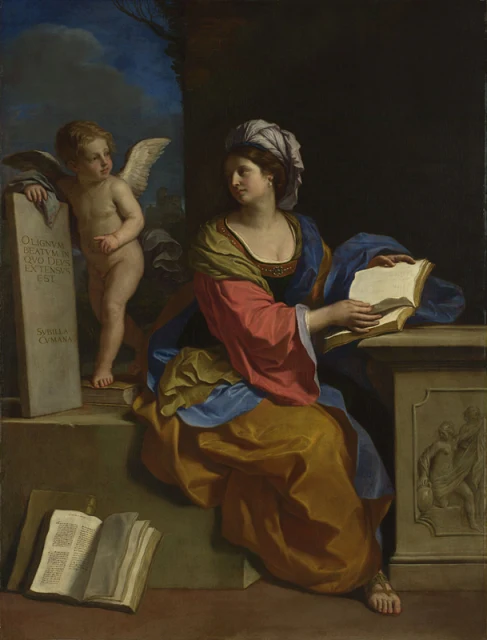 The Cumaean Sibyl with a PuttoGuercino, 1651
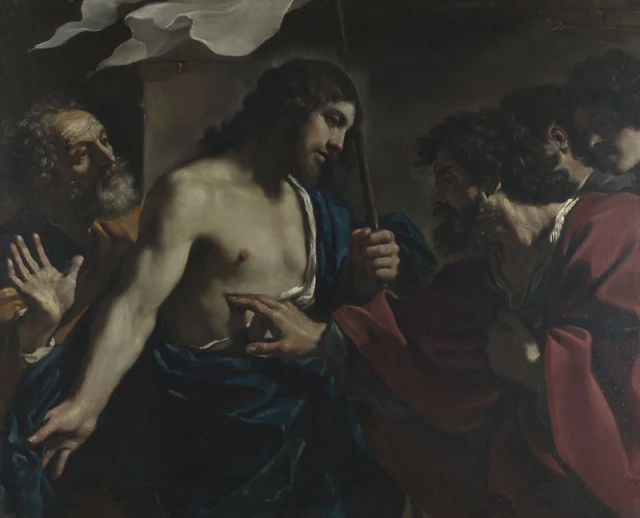 The Incredulity of Saint ThomasGuercino, 1621
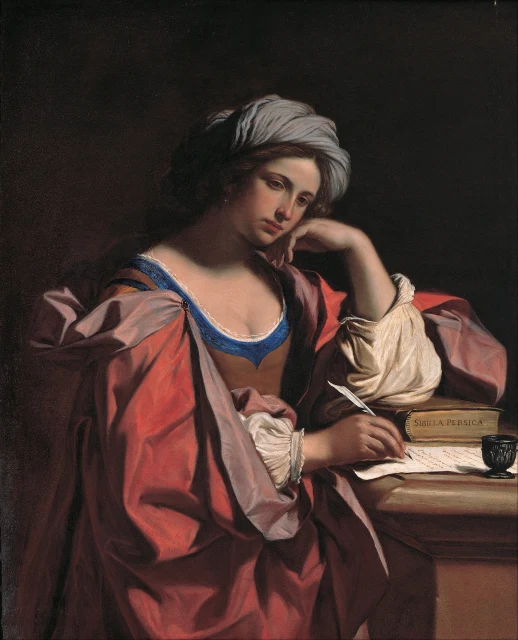 The Persian SibylGuercino, 1647
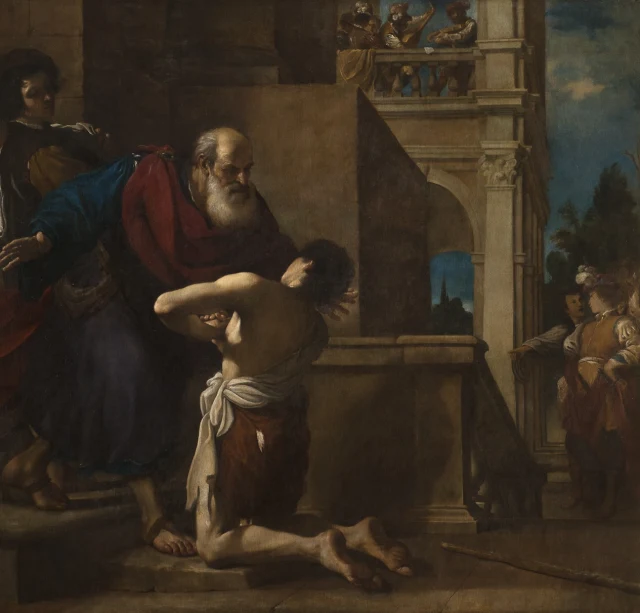 The Return of the Prodigal SonGuercino, 1617
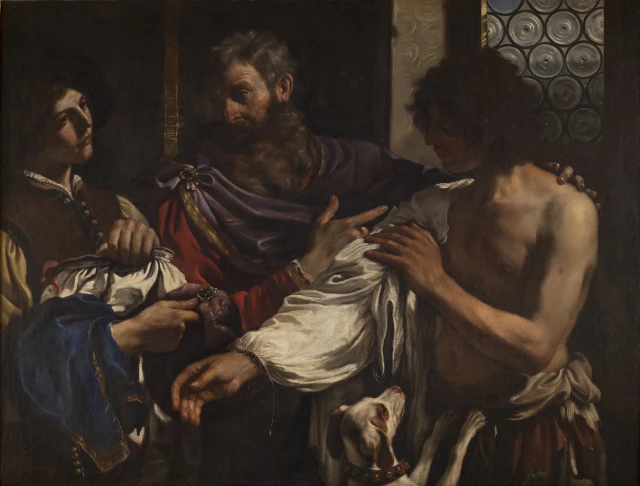 The Return of the Prodigal SonGuercino, 1627
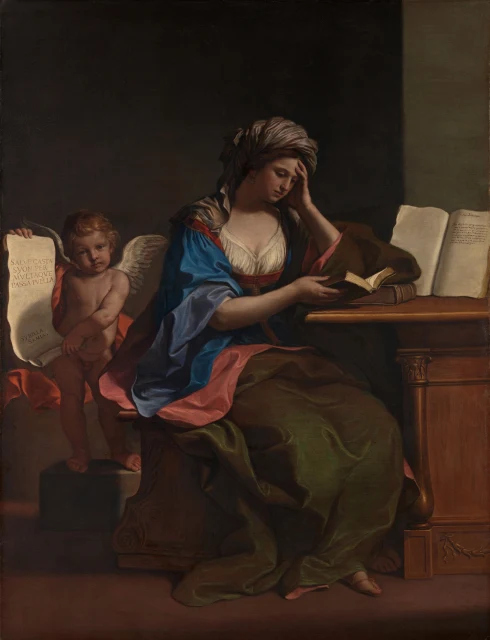 The Samian Sibyl with a PuttoGuercino, 1651
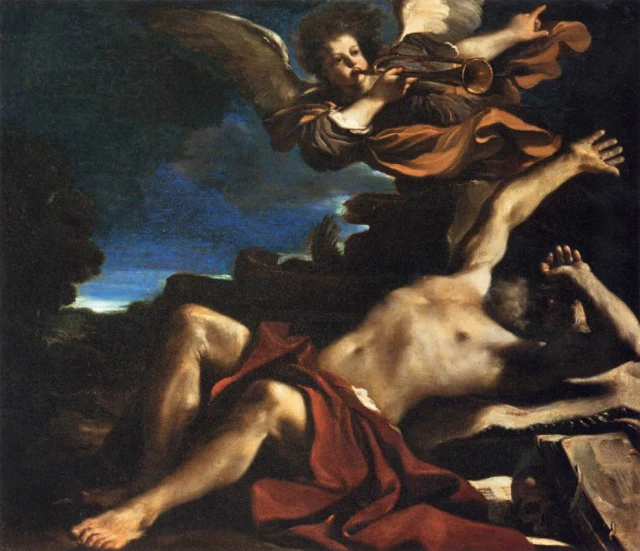 The Vision of Saint JeromeGuercino, 1619