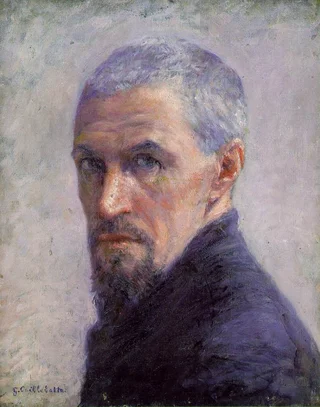
Gustave Caillebotte
1848–1894 · France · Impressionism
The story
Gustave Caillebotte could afford to paint whatever he liked. Born in 1848 into a rich Parisian family, he never needed to sell a picture, and he spent part of his fortune buying the work of friends the art establishment still dismissed, the Impressionists.
His own paintings were sharper and cooler than theirs. The Floor Scrapers of 1875 shows three shirtless workmen planing a parquet floor, one of the first serious paintings of urban labour, and Paris Street, Rainy Day of 1877 sets strolling couples under umbrellas against a wide grey intersection, built on a bold, almost photographic perspective. He also helped organise and pay for the Impressionist exhibitions.
The lasting gift came in his will. Caillebotte died in 1894, only 45, and left the French state his collection of about 68 pictures by Monet, Renoir, Pissarro, Degas, Cézanne and others, at a time when officials still sneered at them. After hard bargaining the government accepted 38, and in 1897 they went on public view in Paris, the first Impressionist works shown in a French state museum. Many now hang in the Musée d'Orsay.
More articles
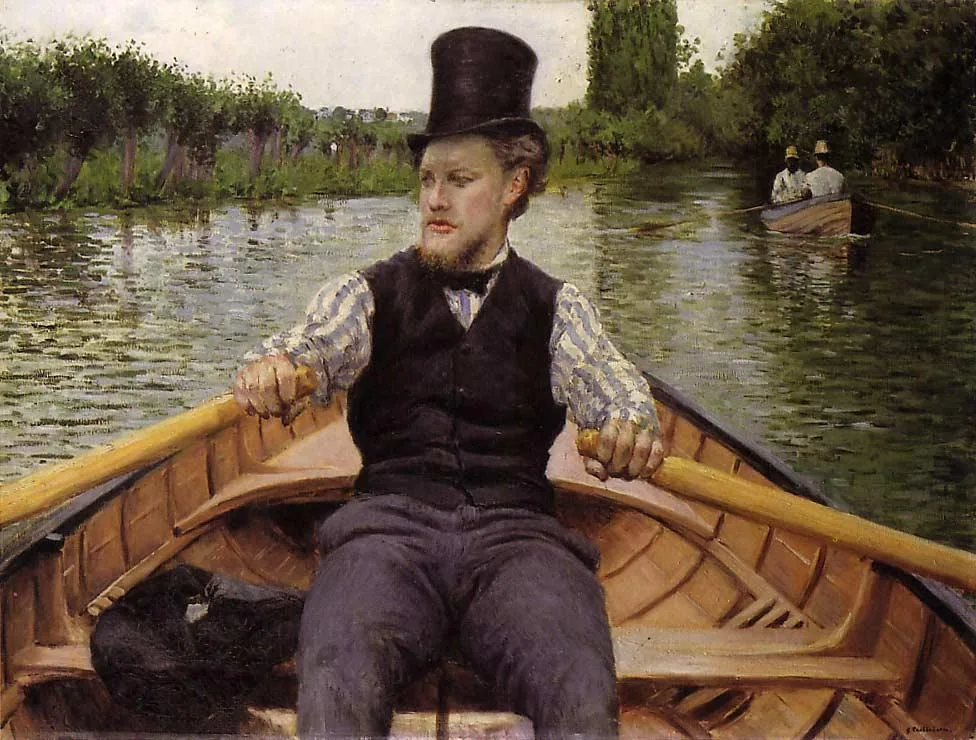
Works
111 works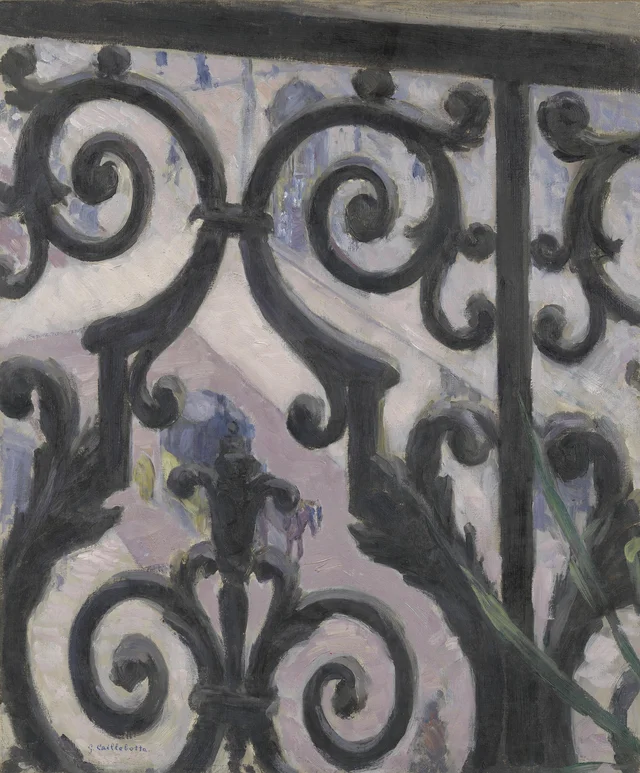 View Seen Through a BalconyGustave Caillebotte, 1880
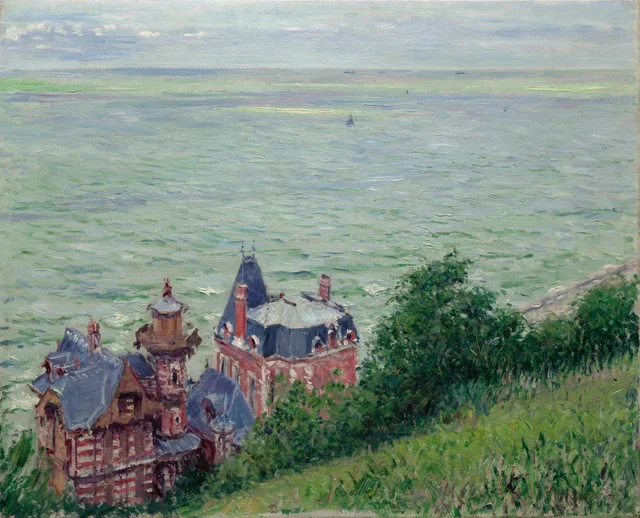 Villas at TrouvilleGustave Caillebotte, 1884
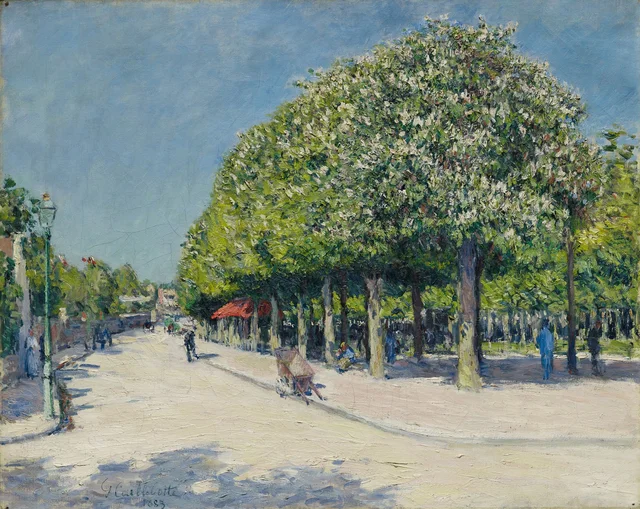 Argenteuil, the FunfairGustave Caillebotte, 1883
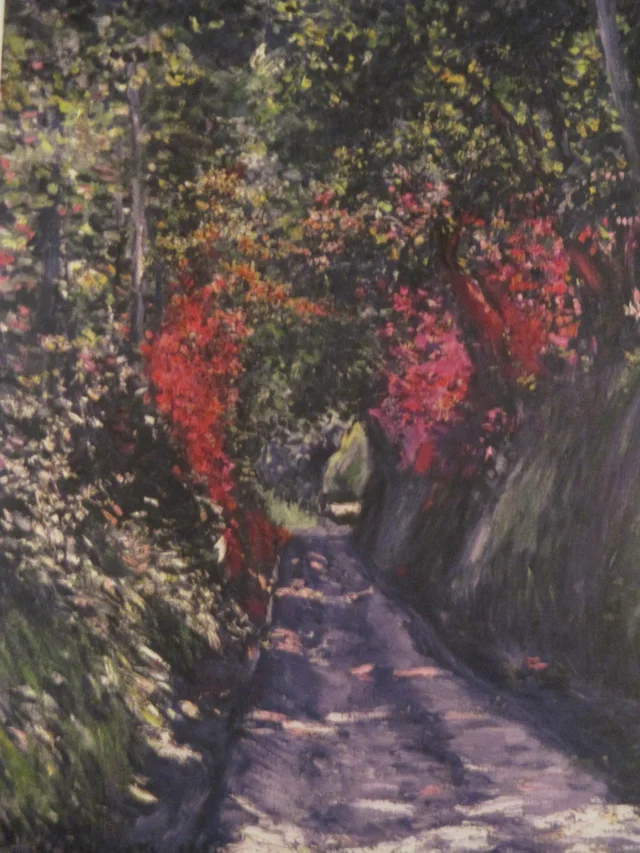 Avenue under TreesGustave Caillebotte, 1880
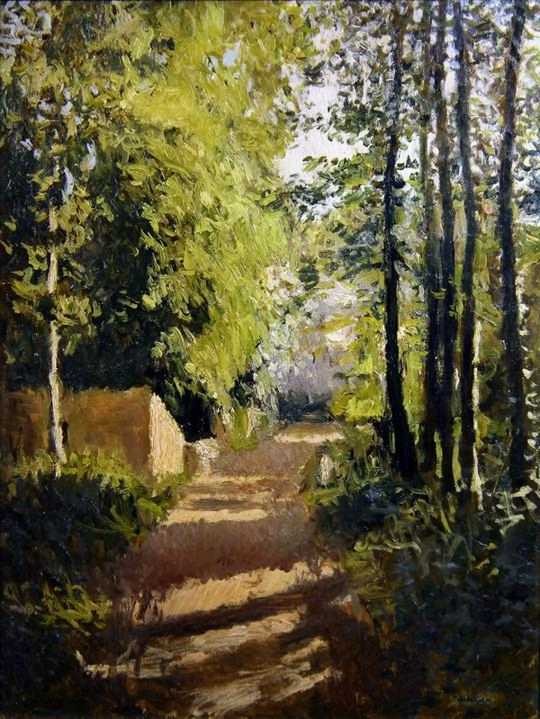 Avenue under TreesGustave Caillebotte, 1882
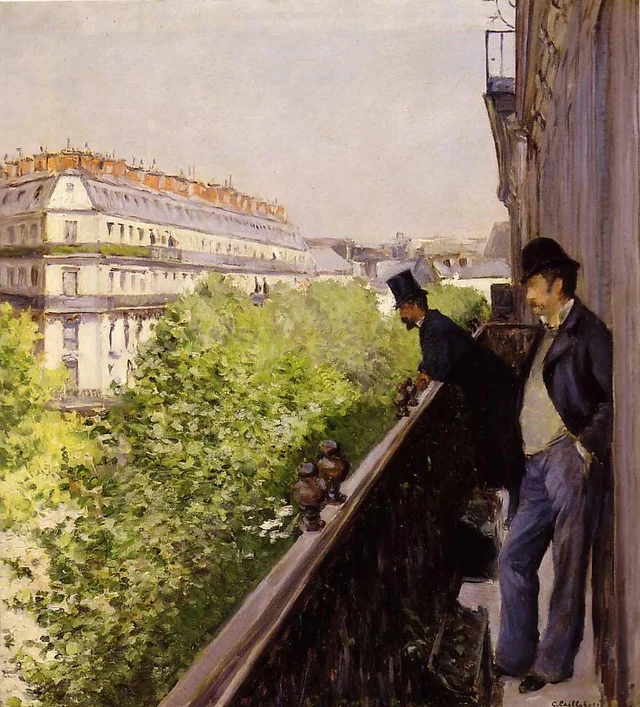 Balcony, Boulevard HaussmannGustave Caillebotte, 1880
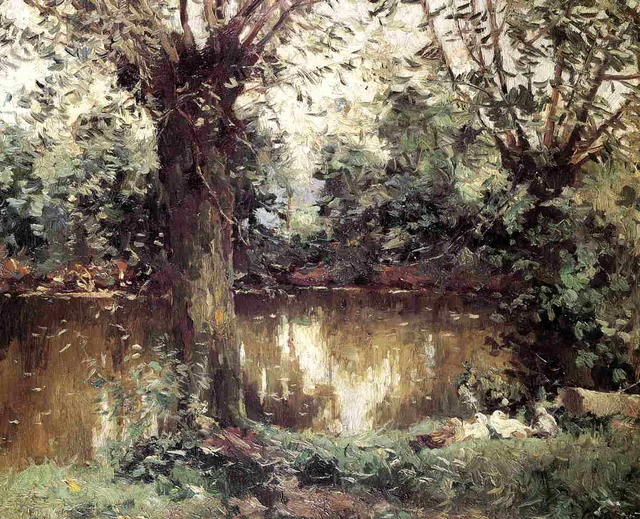 Banks of the YerresGustave Caillebotte, 1875
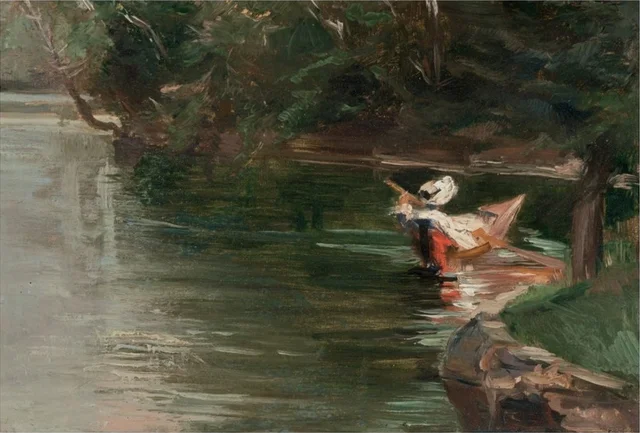 Banks of the YerresGustave Caillebotte, 1878
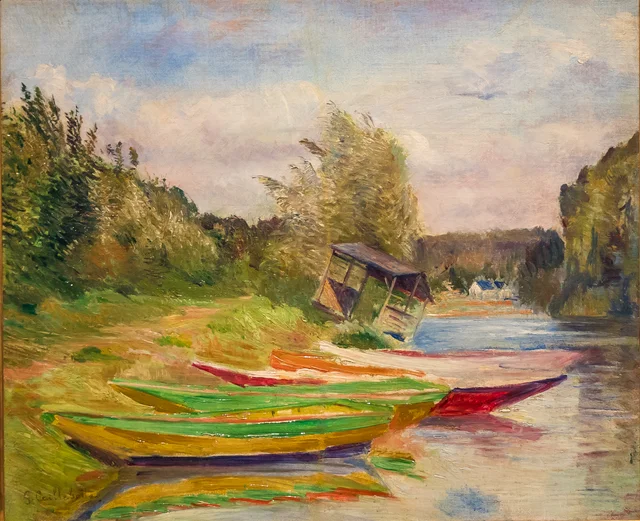 Barges and Huts, Bank of the SeineGustave Caillebotte, 1891
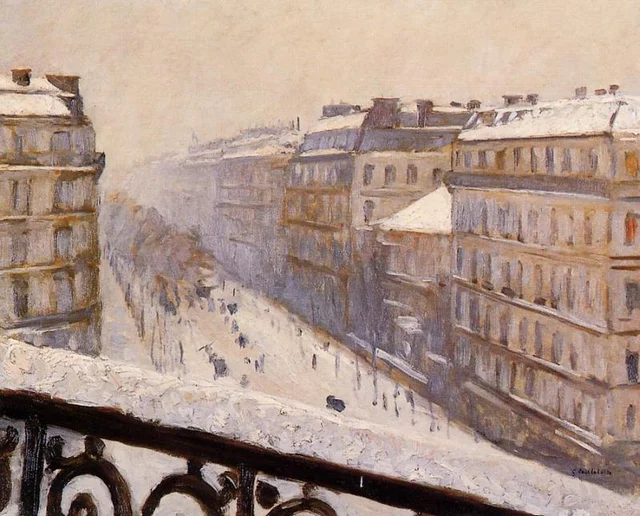 Boulevard Haussmann in the SnowGustave Caillebotte, 1879
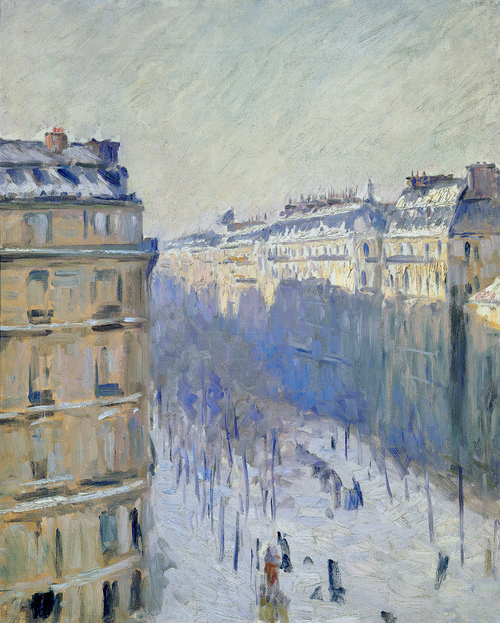 Boulevard Haussmann in the SnowGustave Caillebotte, 1880
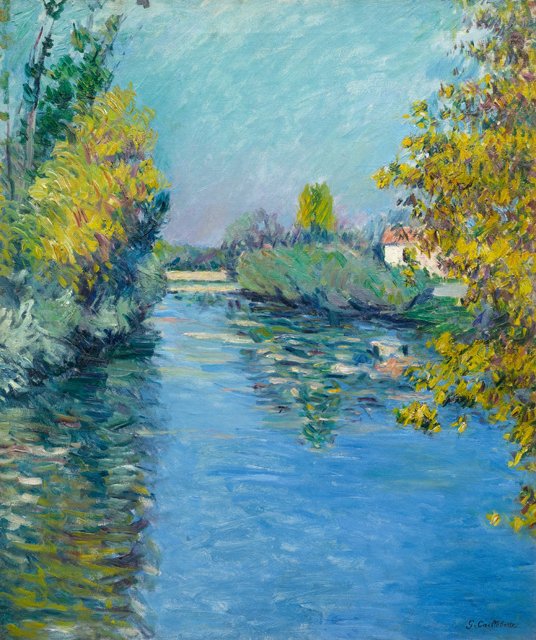 Branch of the seine, effect in autumnGustave Caillebotte, 1890
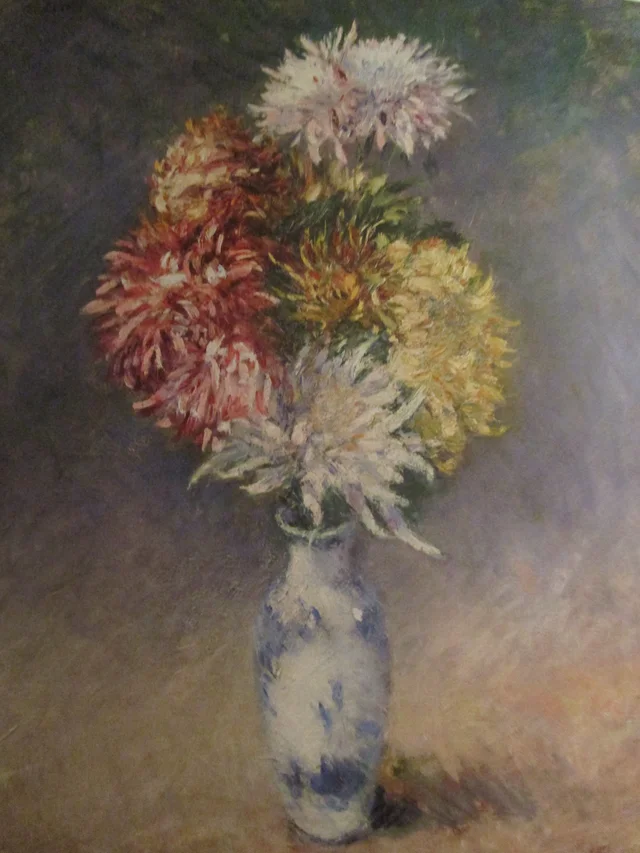 Chrysanthemums in a VaseGustave Caillebotte, 1893
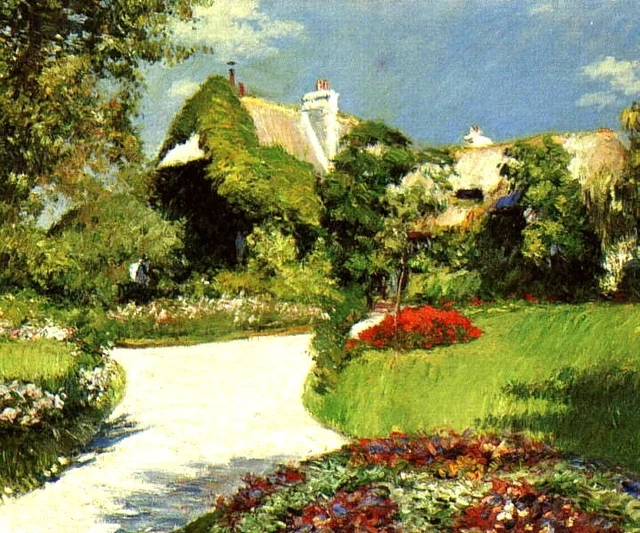 Cottage in TrouvilleGustave Caillebotte, 1882
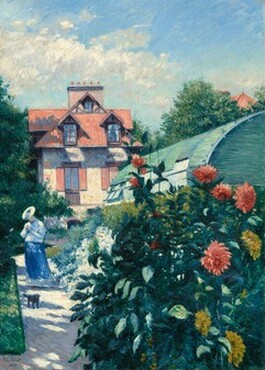 Dahlias, Garden at Petit GennevilliersGustave Caillebotte, 1893
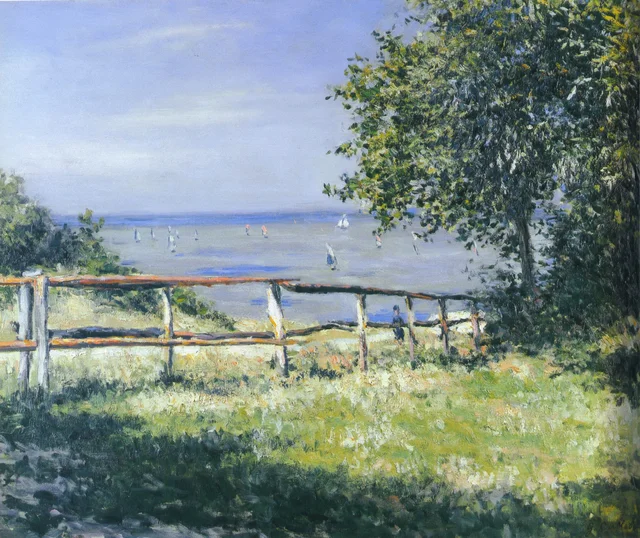 Field at the SeashoreGustave Caillebotte, 1882
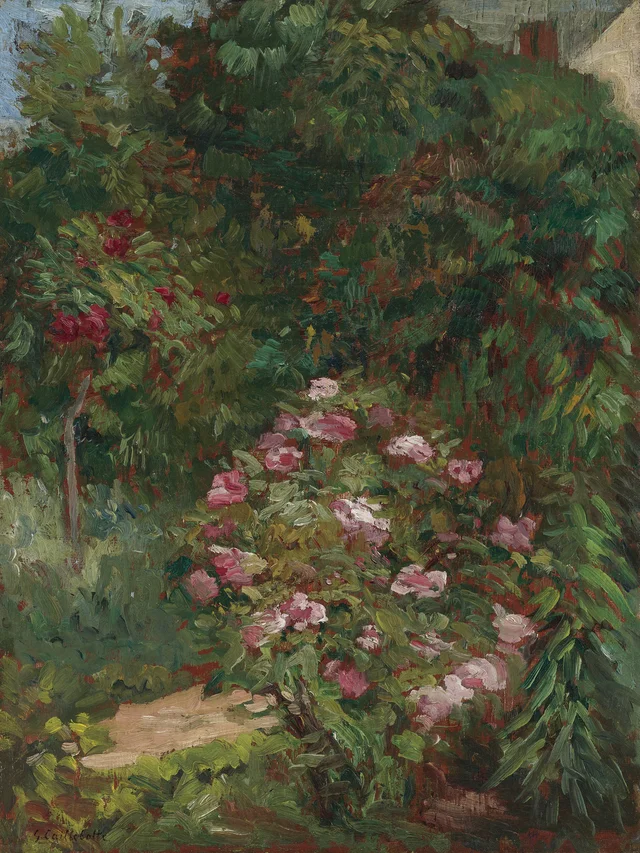 Flowerbed, Garden at Petit GennevilliersGustave Caillebotte, 1884
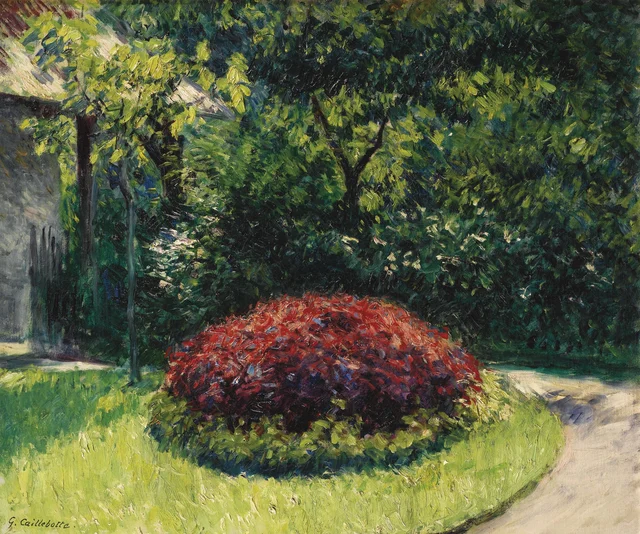 Flowerbed, Garden in Petit GennevilliersGustave Caillebotte
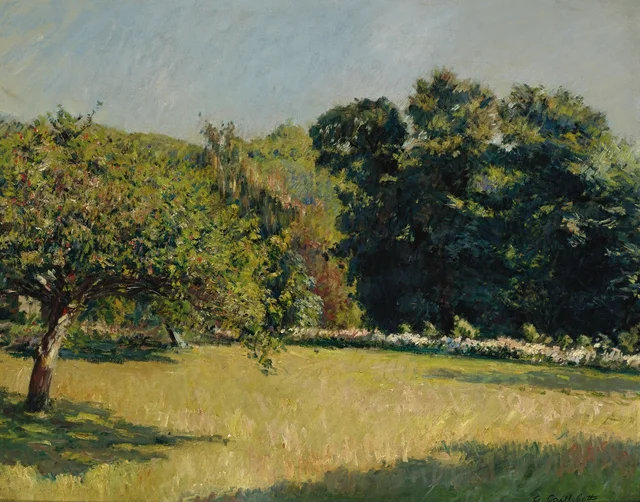 Garden at TrouvilleGustave Caillebotte, 1882
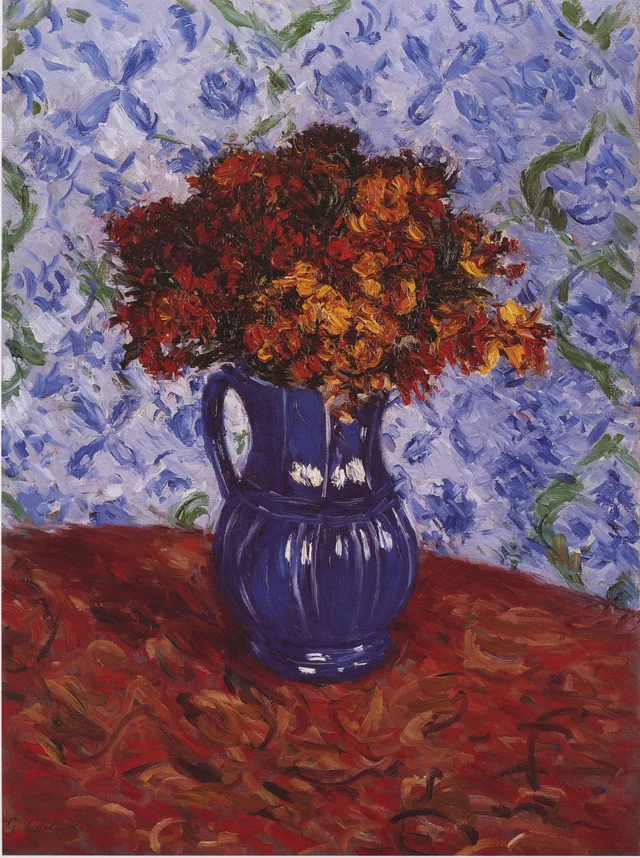 GoldlackGustave Caillebotte
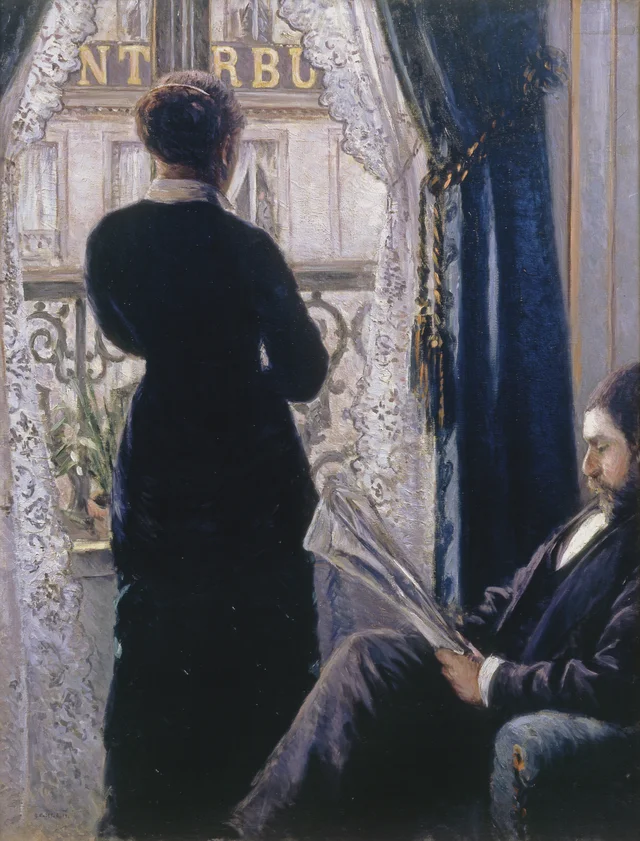 Interior, Woman at the WindowGustave Caillebotte, 1880
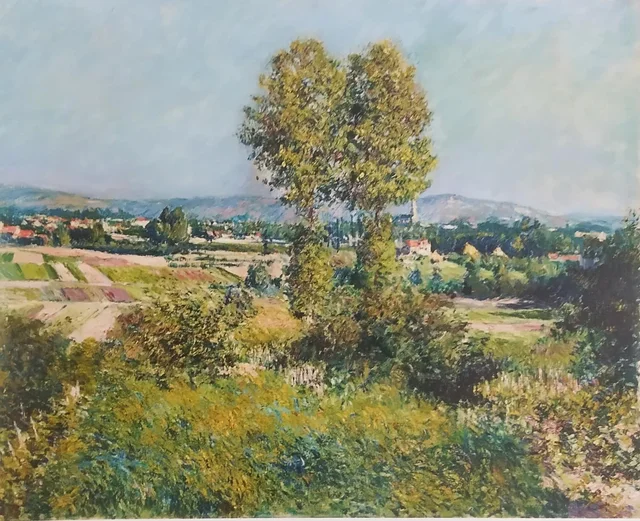 Landscape at ArgenteuilGustave Caillebotte, 1889
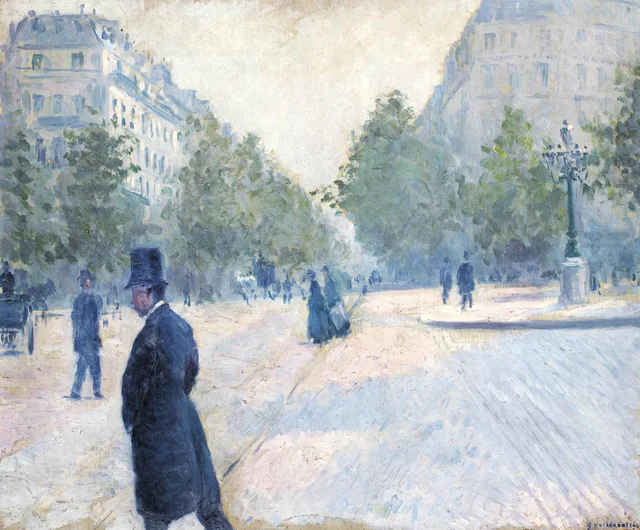 La Place Saint-Augustin in the fogGustave Caillebotte, 1878
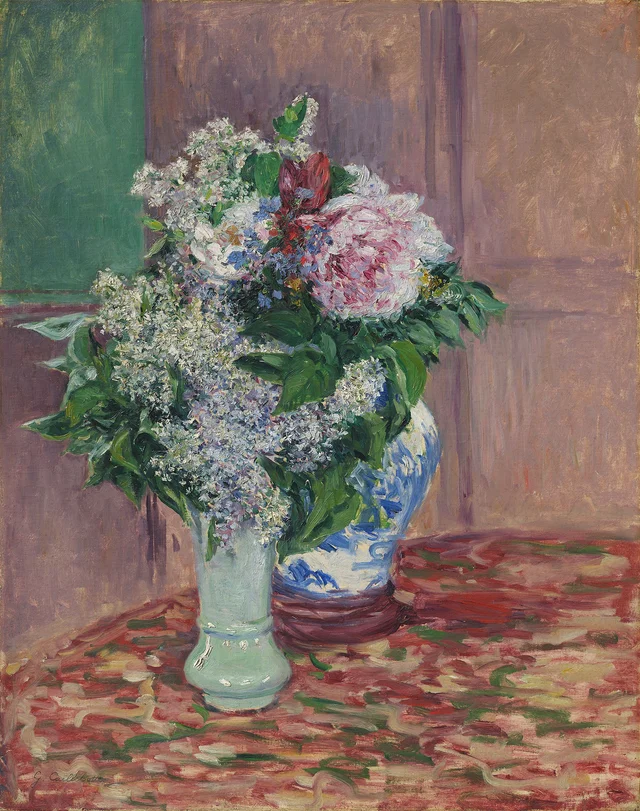 Lilacs and Peonies in Two VasesGustave Caillebotte, 1883
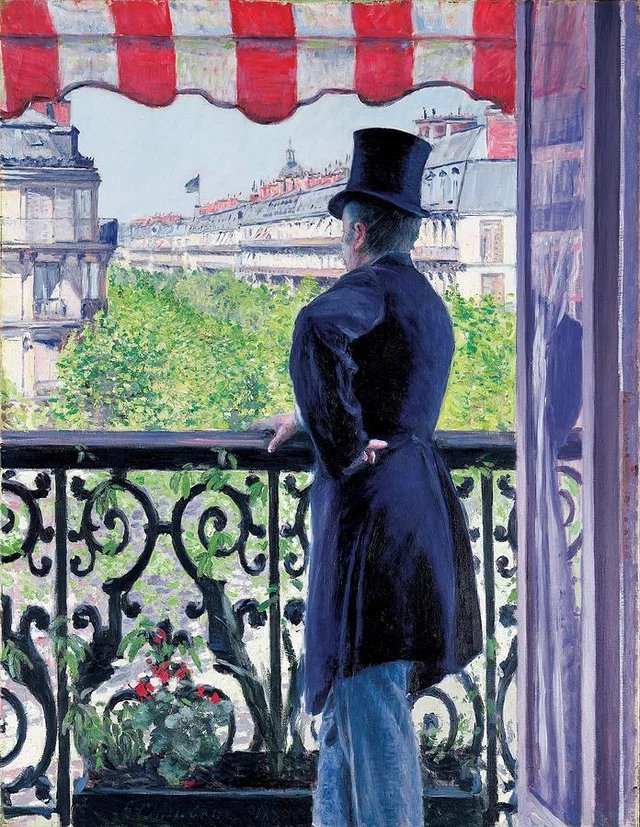 Man on a Balcony, Boulevard HaussmannGustave Caillebotte, 1880