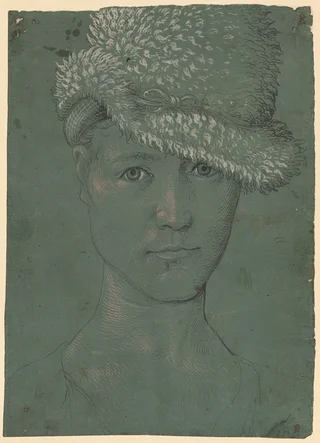
Hans Baldung Grien
1545 · Holy Roman Empire · German Renaissance
The story
Around 1503 a young painter from a family of Swabian lawyers and scholars turned up in Nuremberg and joined the busiest workshop in Germany, that of Albrecht Dürer. Hans Baldung became Dürer's best pupil, and when the master left for Italy he left Baldung to run the studio. The two stayed friends for life, and Dürer was still trading prints by him near the end.
But Baldung took his art into territory Dürer avoided. Alongside conventional commissions, his largest being the high altar of Freiburg cathedral, 11 painted panels finished in 1516, he grew obsessed with witches, death, and the female nude, often inside a single image. His recurring subject is Death and the Maiden: a young woman seized by a rotting corpse that grips her hair or her skin. He drew and printed witches' sabbaths just as the witch-hunting manuals were coming off the new printing presses.
The nickname Grien, probably from the green he favoured, was likely used to tell him apart from the other men named Hans in Dürer's crowded shop. He spent most of his working life in Strasbourg, held civic office there, and lived to see the city turn Protestant.
More articles
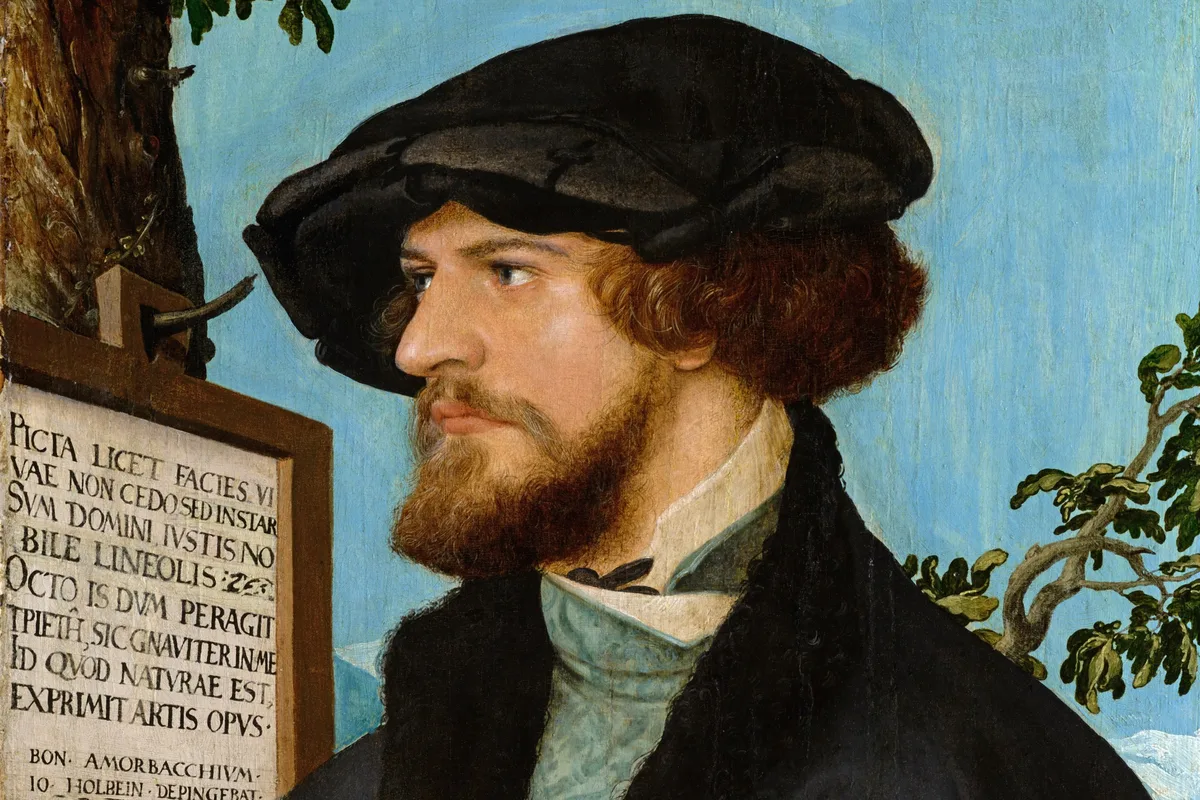
Works
19 works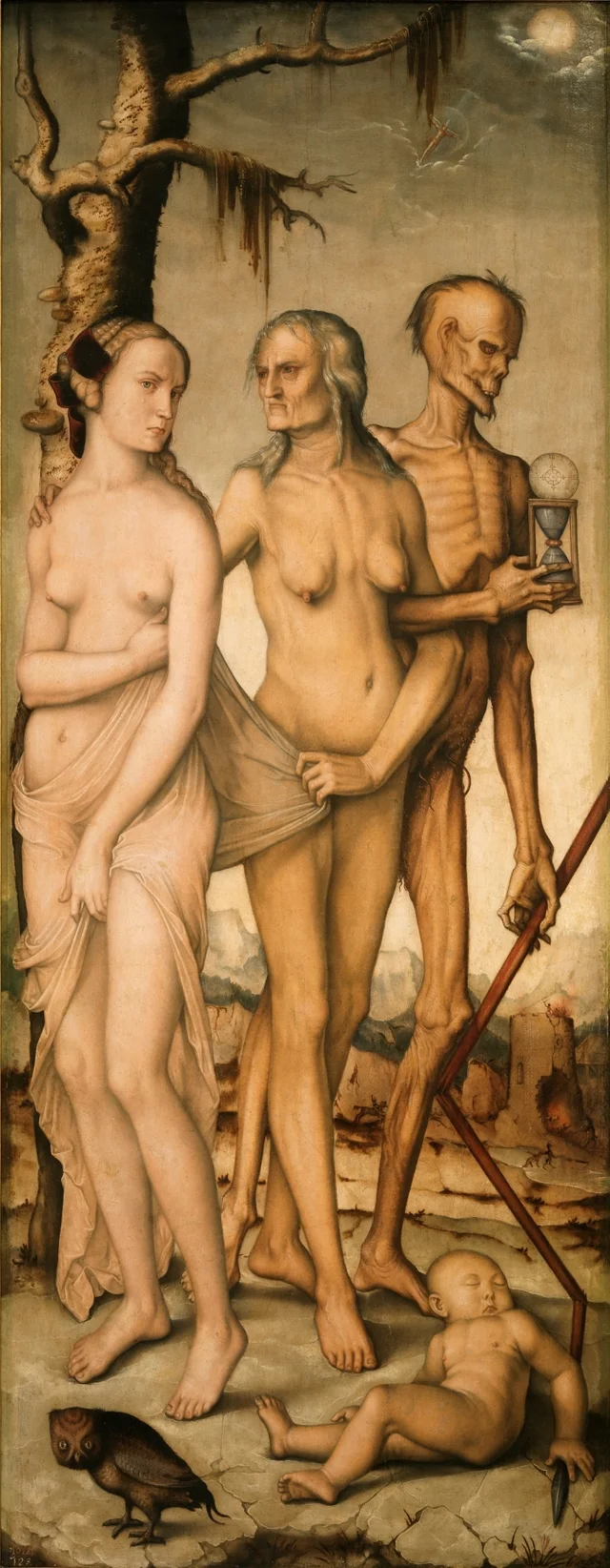 The Ages and DeathHans Baldung Grien, 1541
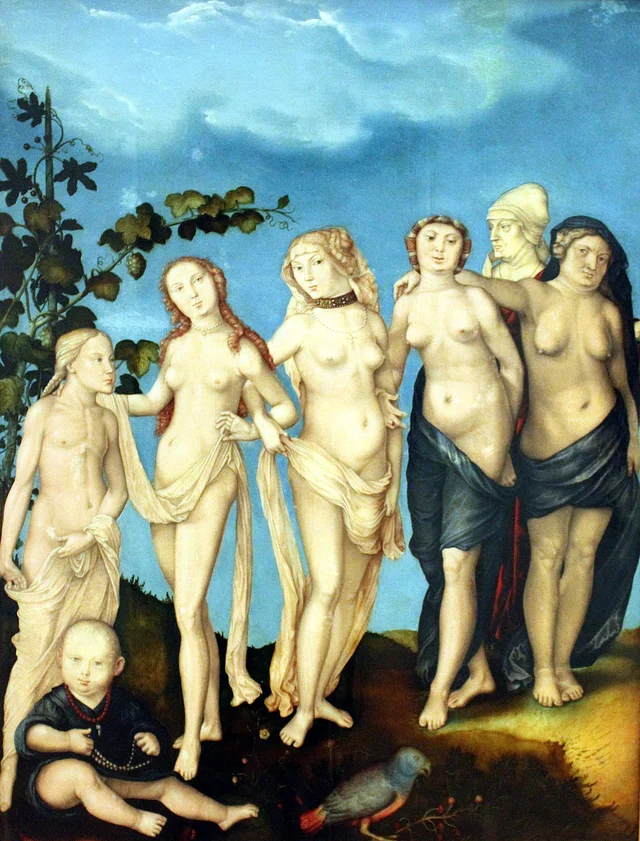 The Seven Ages of WomanHans Baldung Grien, 1544
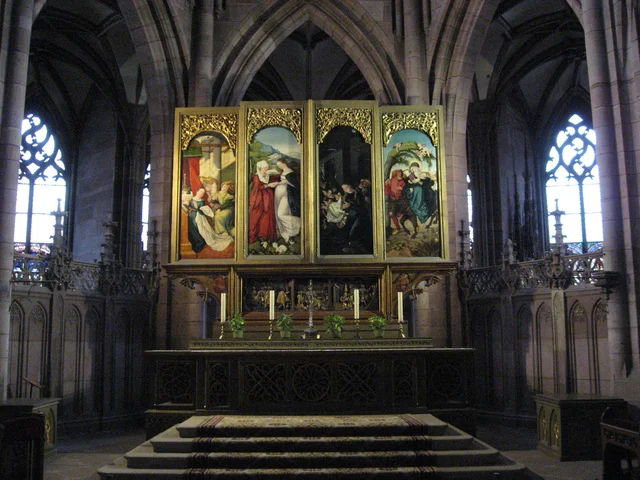 High altar of Freiburg MinsterHans Baldung Grien, 1516
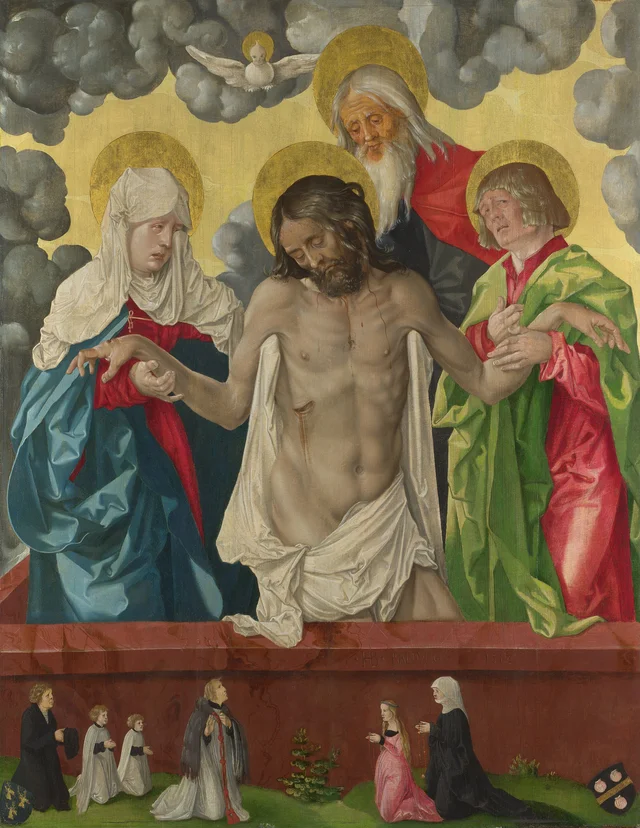 The Trinity and Mystic PietàHans Baldung Grien, 1512
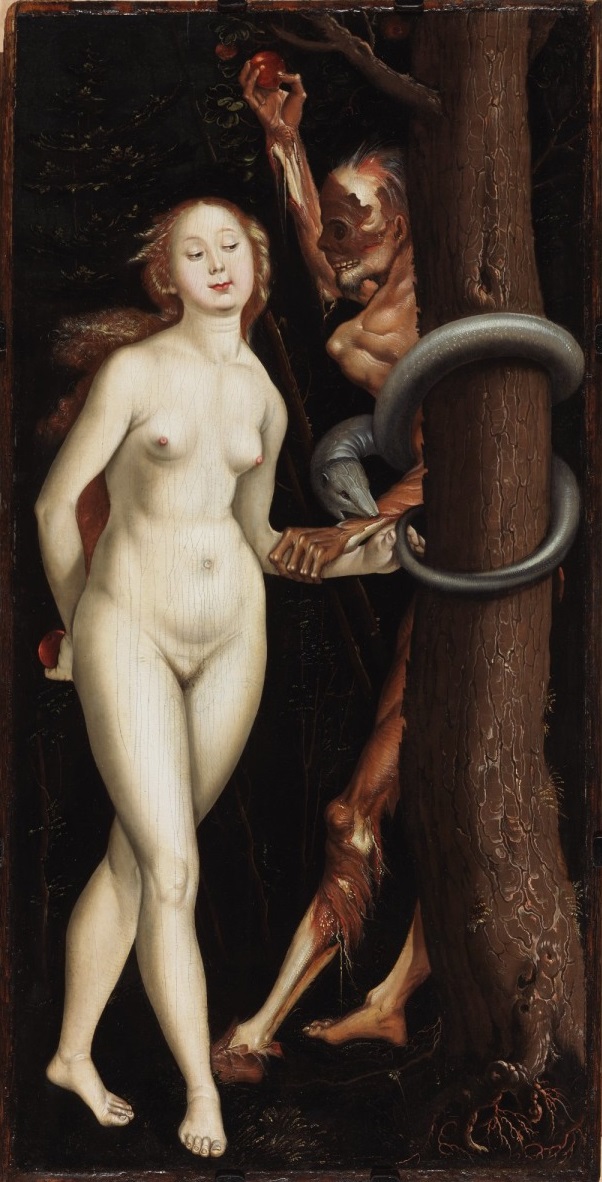 Eve, the Serpent and DeathHans Baldung Grien, 1510
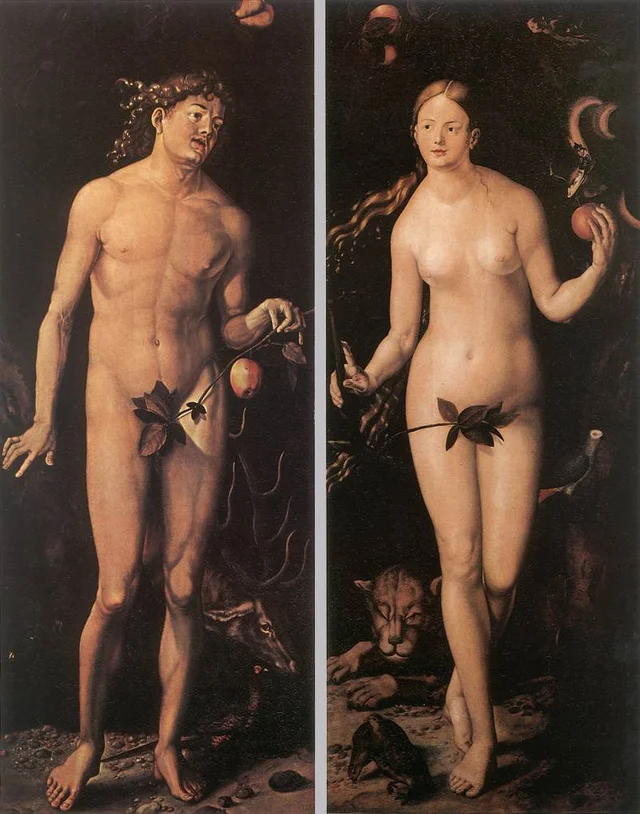 Adam and EveHans Baldung Grien, 1520
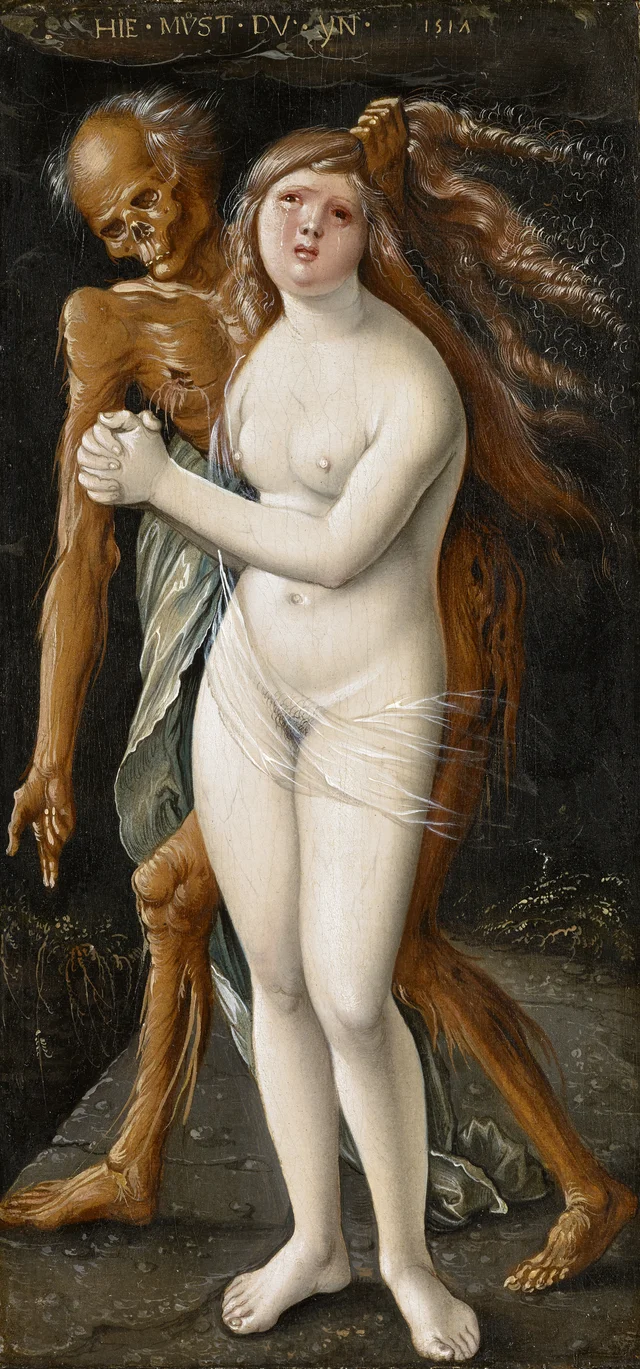 Death and the Maiden (Baldung)Hans Baldung Grien, 1517
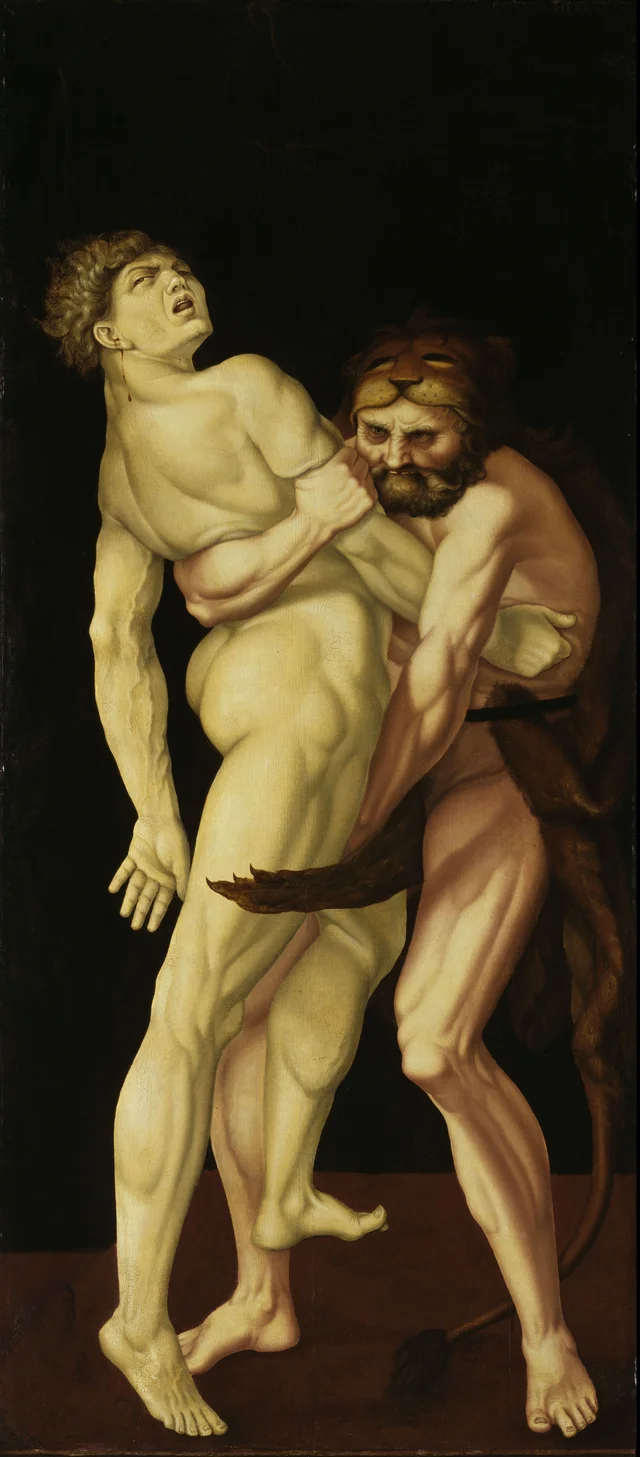 Heracles and AntaeusHans Baldung Grien, 1531
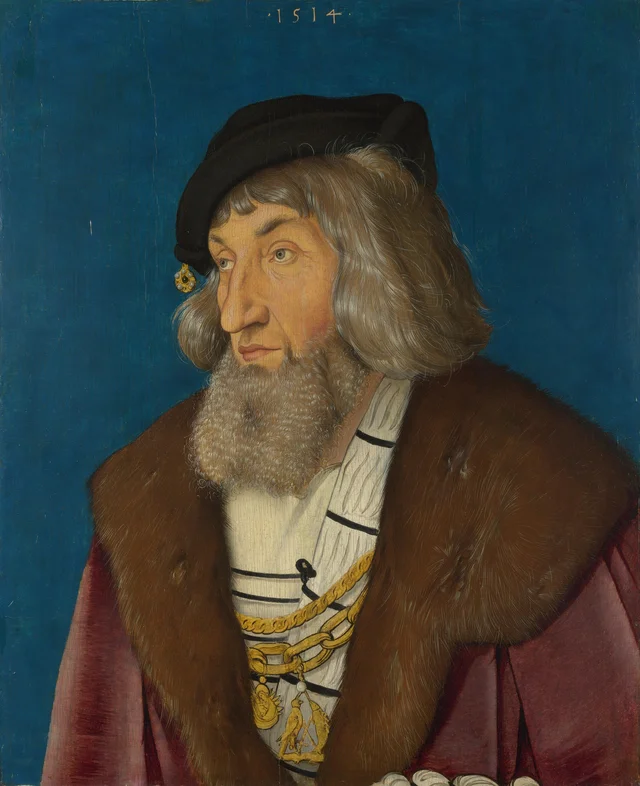 Portrait of a ManHans Baldung Grien, 1514
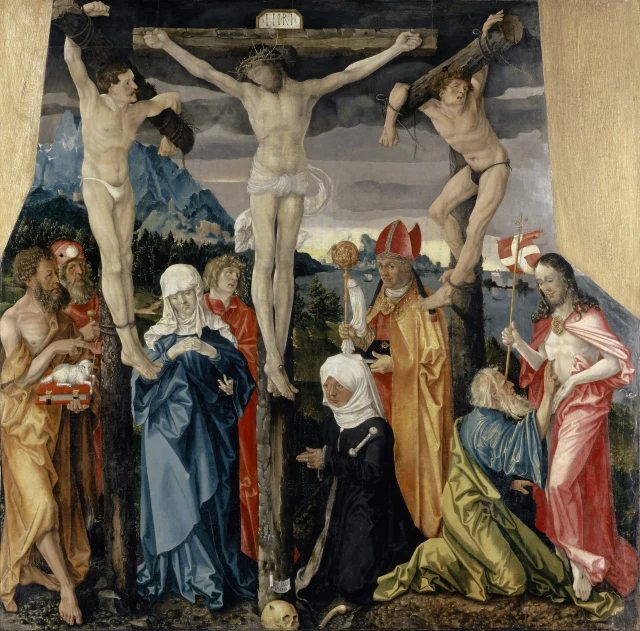 Christ Crucified with the Thieves, Saints, and a Female DonorHans Baldung Grien, 1512
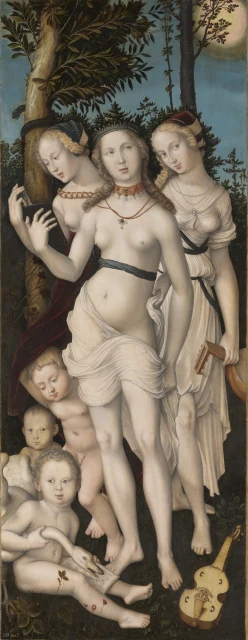 Harmony (The Three Graces?)Hans Baldung Grien
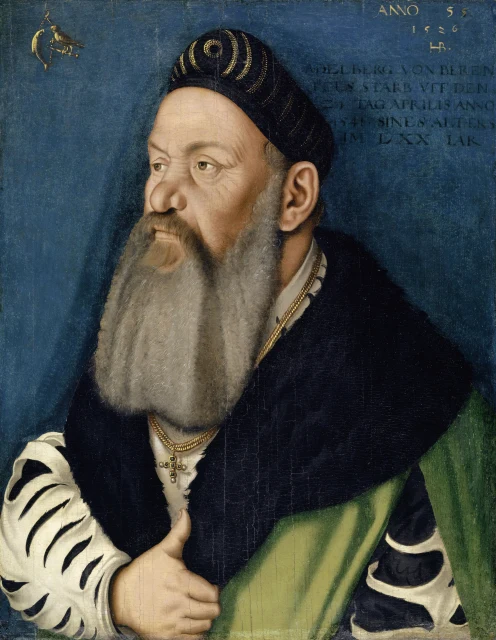 Portrait of Adelberg III of BärenfelsHans Baldung Grien, 1526
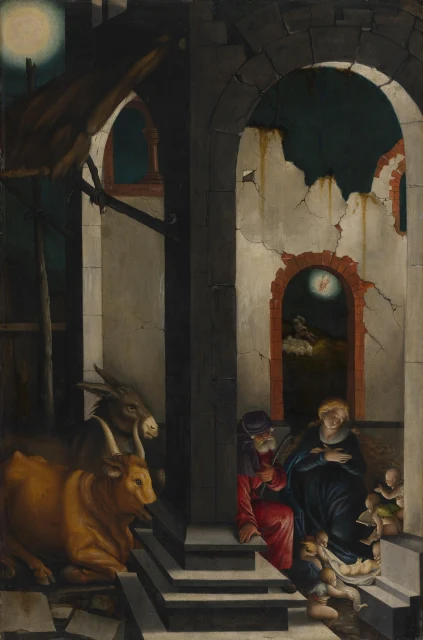 The Birth of ChristHans Baldung Grien, 1520
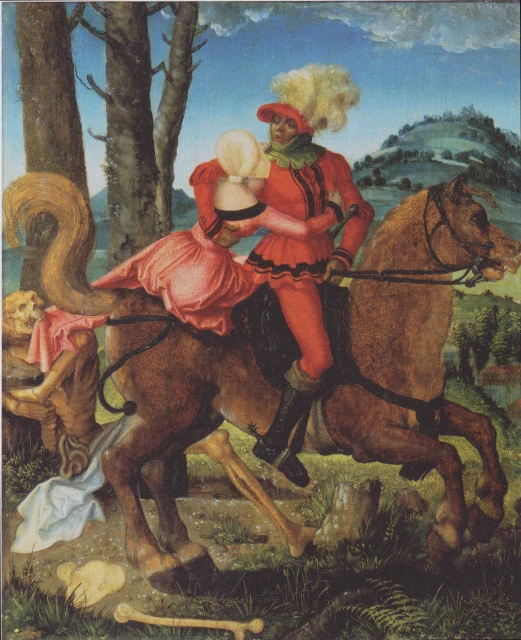 The Knight, the Young Girl, and DeathHans Baldung Grien, 1500
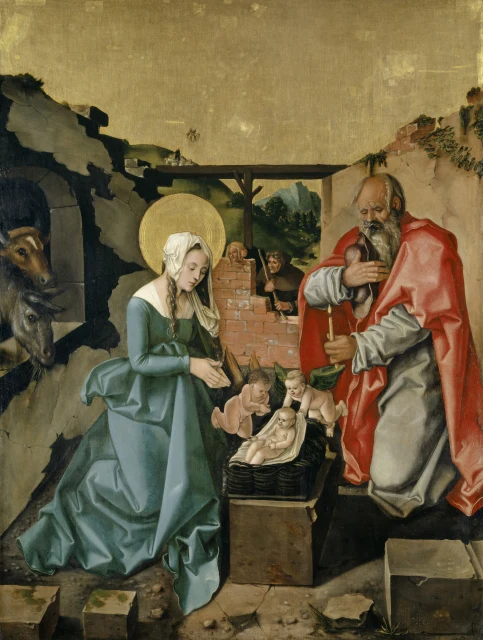 The NativityHans Baldung Grien, 1510
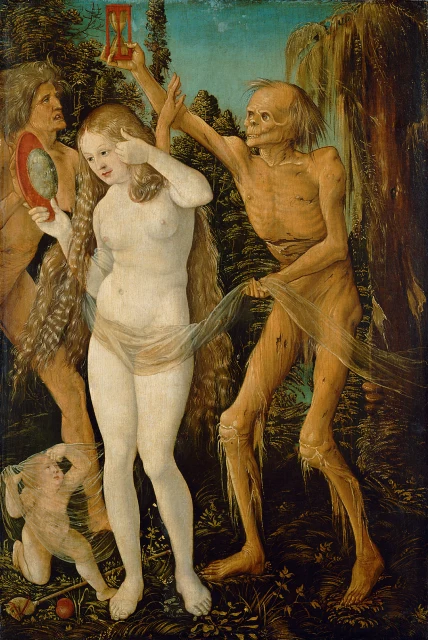 The Three Phases of Life and DeathHans Baldung Grien, 1509
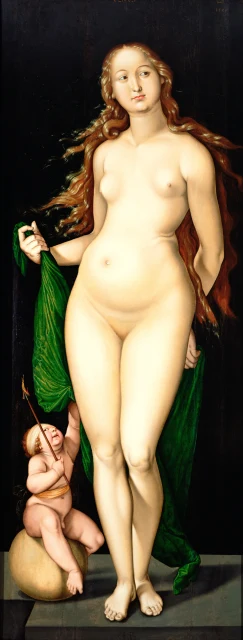 Venus and AmorHans Baldung Grien, 1524
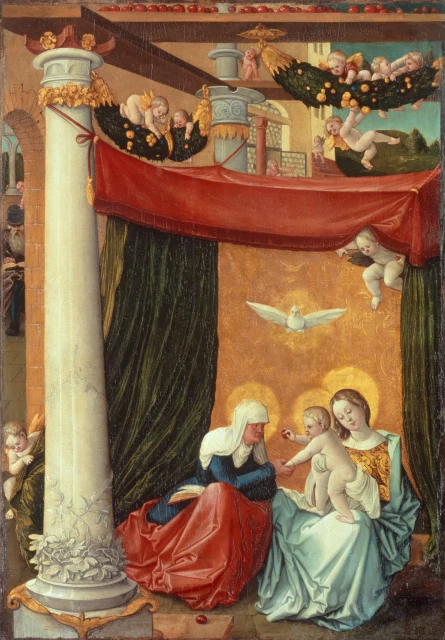 Virgin with Child and Saint AnneHans Baldung Grien, 1513