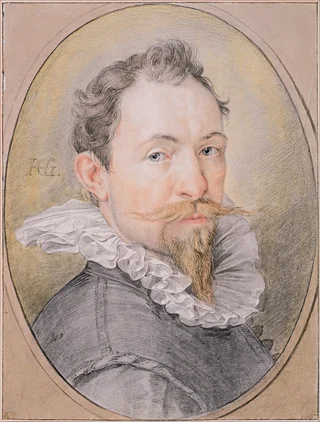
Hendrik Goltzius
1558–1617 · Dutch Republic · Mannerism
The story
As a small child Hendrik Goltzius fell into a fire and burned his right hand so badly that it healed clawed and half-closed. He became the most brilliant engraver in Europe with it. Gripping the burin in that damaged hand, he cut lines into copper that swell and taper with a control no one had matched, building tone out of pure engraved line.
Working in Haarlem, he could imitate the style of any old master so exactly that his prints fooled collectors, and he once made a set of engravings in the manner of Durer and passed them off, briefly, as genuine. His figures twist in the elegant, muscular Mannerist fashion of the late 16th century. Only around 1600, already over 40, did Goltzius largely put down the burin and take up painting in oils. He kept a busy Haarlem workshop until his death in 1617.
Works
9 works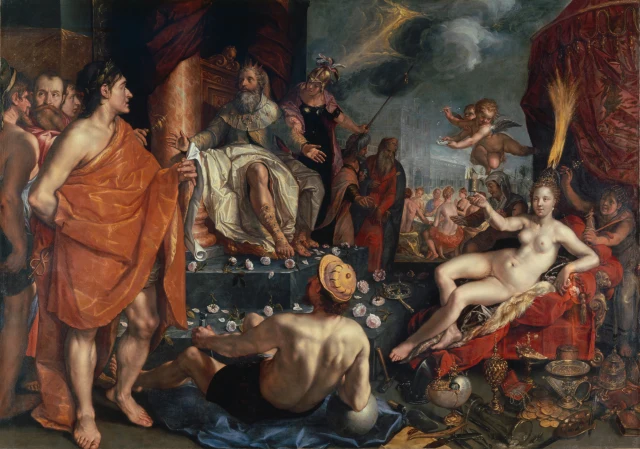 Allegory of the brevity of lifeHendrik Goltzius, 1611
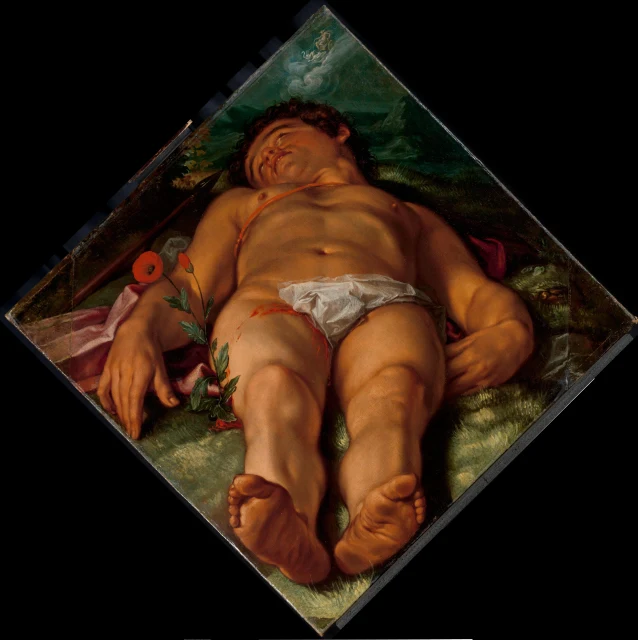 Dying AdonisHendrik Goltzius, 1609
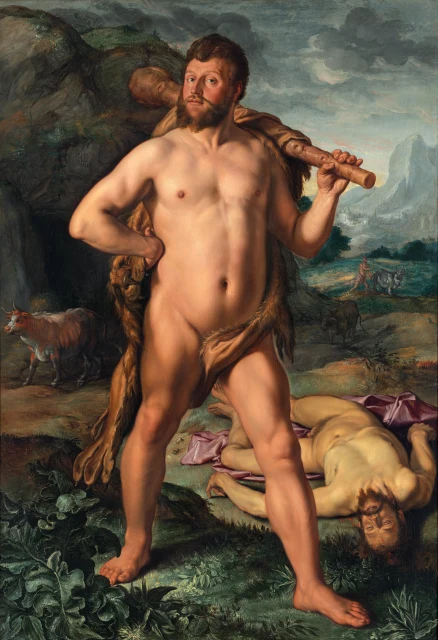 Hercules and CacusHendrik Goltzius, 1613
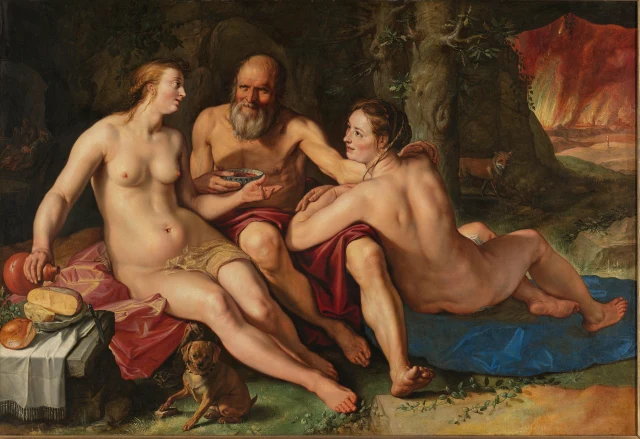 Lot and his DaughtersHendrik Goltzius, 1616
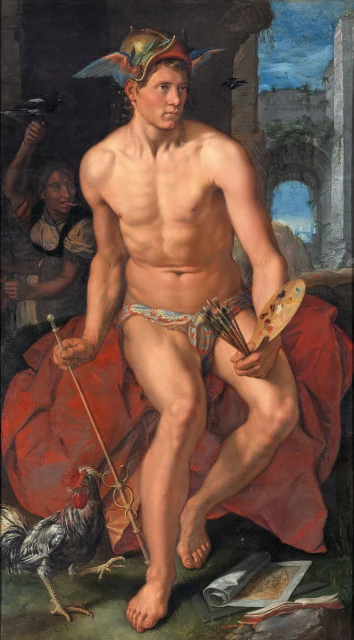 MercuryHendrik Goltzius, 1611
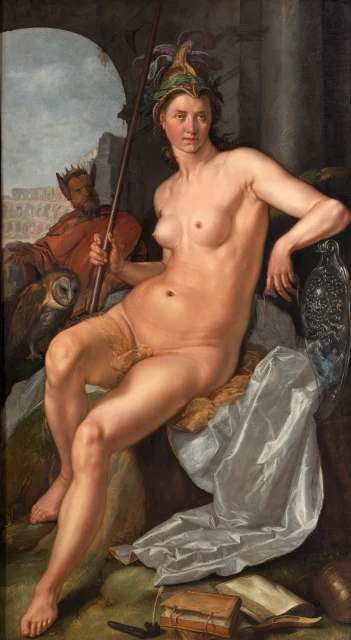 MinervaHendrik Goltzius, 1611
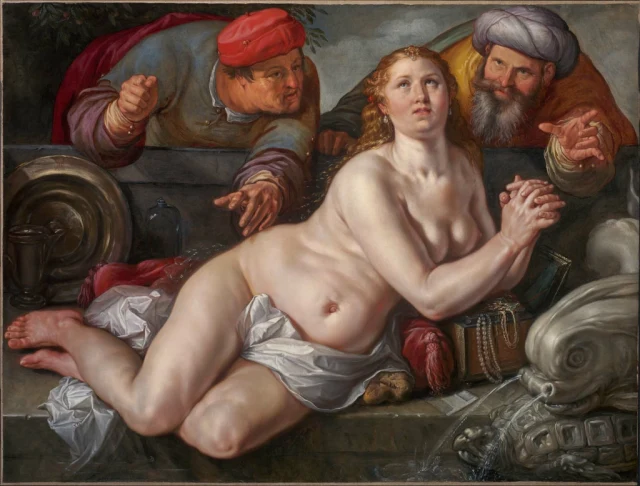 Susanna and the EldersHendrik Goltzius, 1615
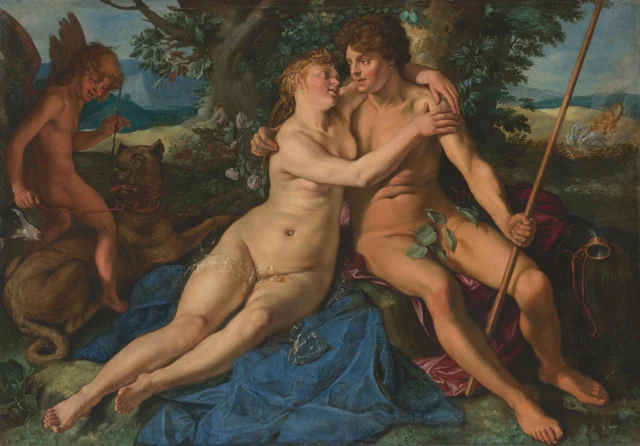 Venus and AdonisHendrik Goltzius, 1614
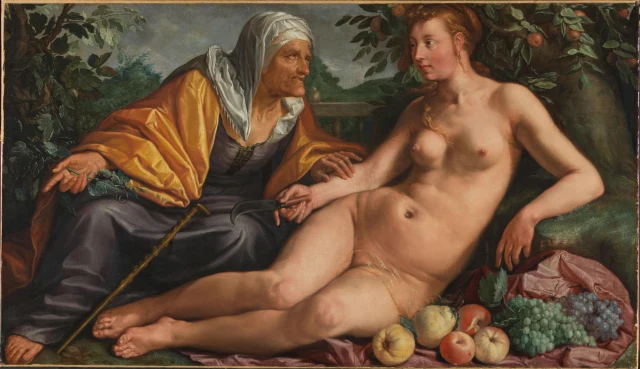 Vertumnus and PomonaHendrik Goltzius, 1613