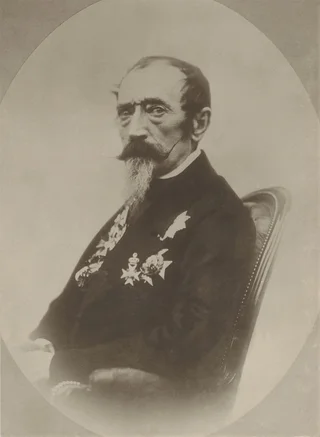
Horace Vernet
1789–1863 · France · Romanticism
The story
Horace Vernet was born in 1789, inside the Louvre. His family had lodgings in the palace among the artists, and he arrived in the world there during the summer the Revolution began. He came from a whole line of painters, his father Carle and his grandfather Claude-Joseph Vernet, the great marine painter, so a brush was more or less handed to him at birth.
He became the most popular battle painter of his age, fast, fluent, and enormously productive, turning out huge canvases of French victories in Algeria and elsewhere with a reporter's eye for uniform, horse, and smoke. He was close to King Louis-Philippe and the July Monarchy, which set him to work filling the galleries of Versailles with military scenes, and he travelled to North Africa and the Middle East for authentic detail, coming back with Orientalist subjects as well.
From 1829 he ran the French Academy in Rome, at the Villa Medici, directing the training of young French artists abroad. He worked at astonishing speed his whole life, boasting that he could finish a large picture in days, and he died in Paris in 1863 having produced far more than most painters ever attempt.
Works
12 works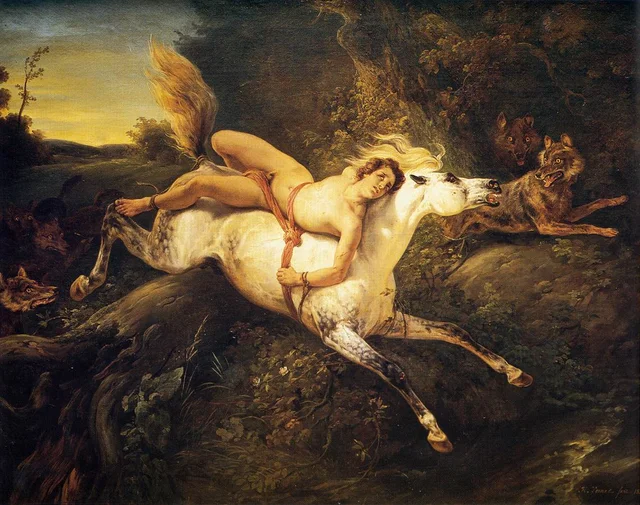 Mazeppa and the WolvesHorace Vernet, 1826
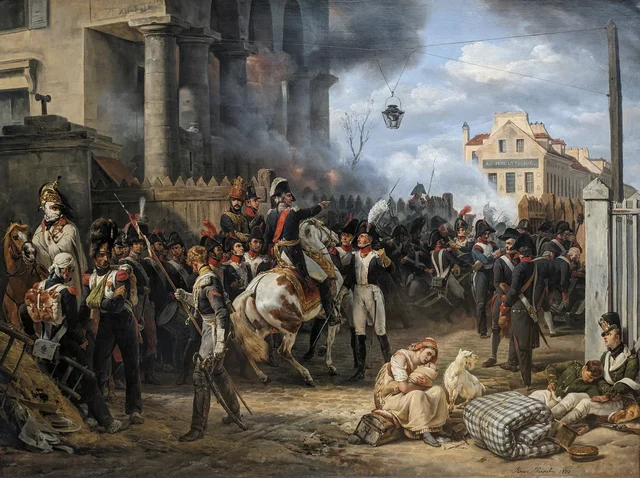 The barrier of ClichyHorace Vernet, 1820
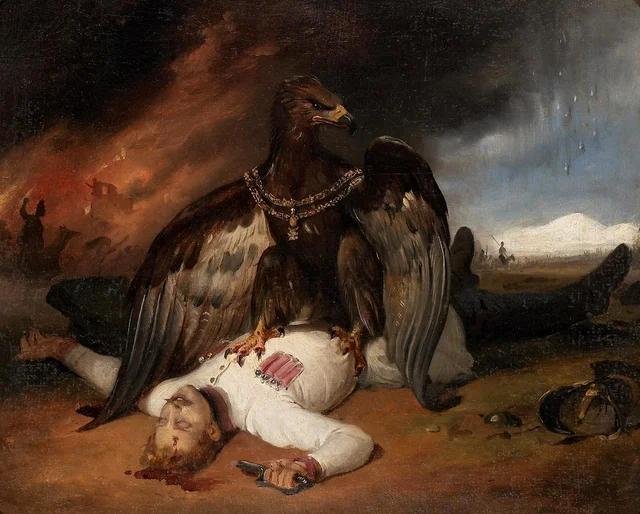 Polish PrometheusHorace Vernet, 1831
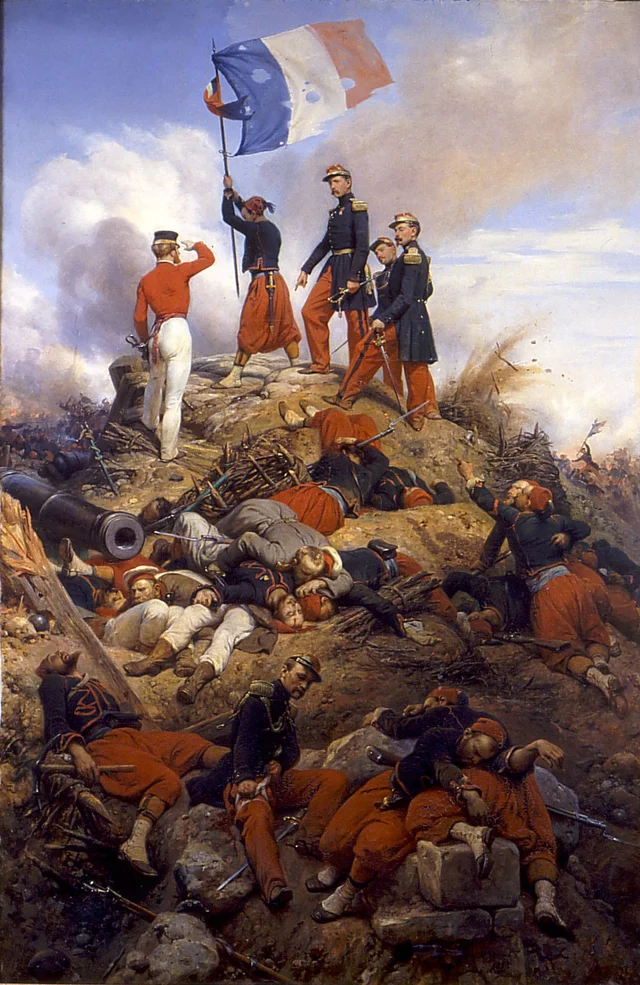 The Taking of the Malakoff RedoubtHorace Vernet, 1858
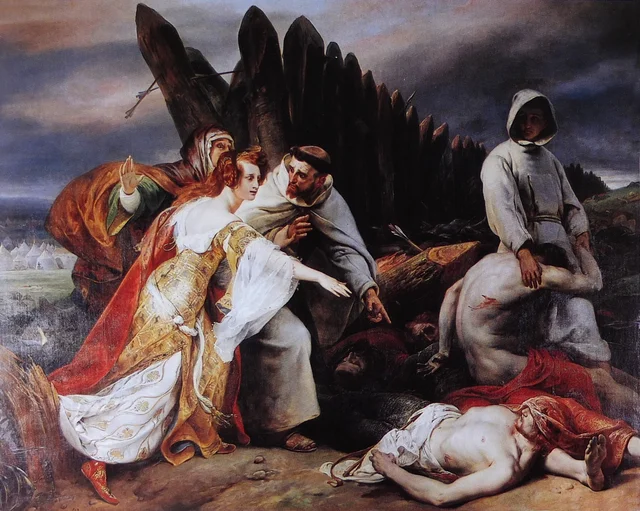 Edith Recovering Harold's Body after the Battle of HastingsHorace Vernet, 1828
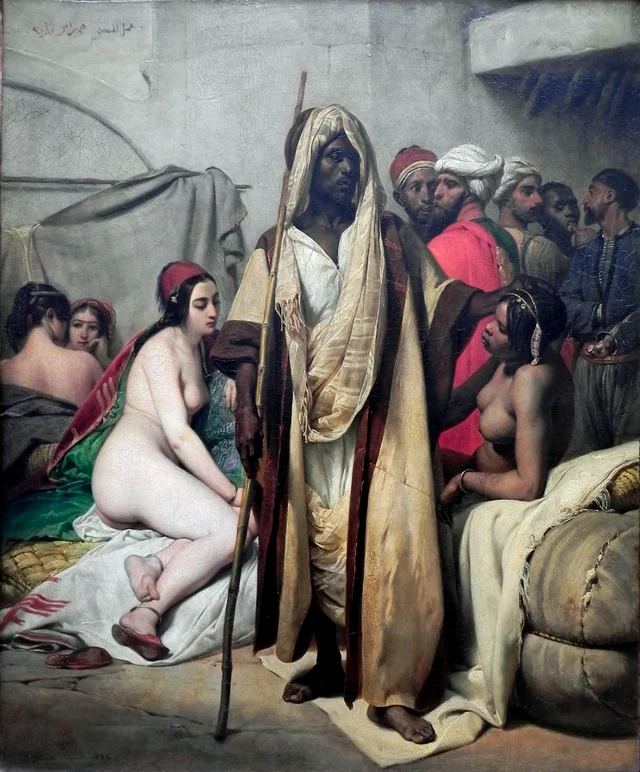 Slave marketHorace Vernet, 1836
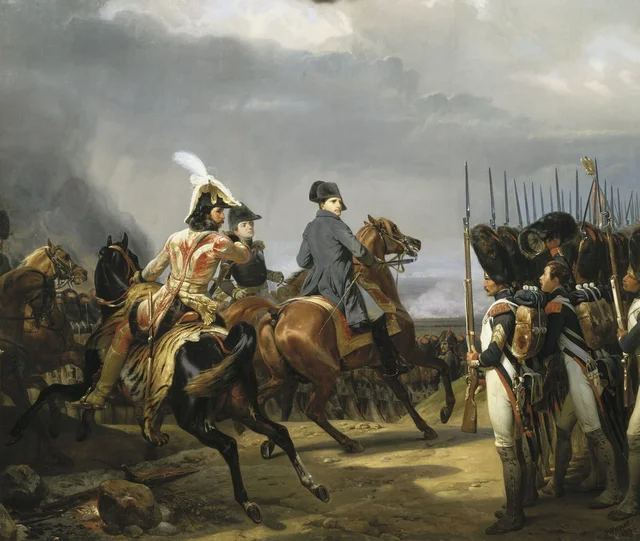 The battle of Jena, October 14, 1806Horace Vernet, 1836
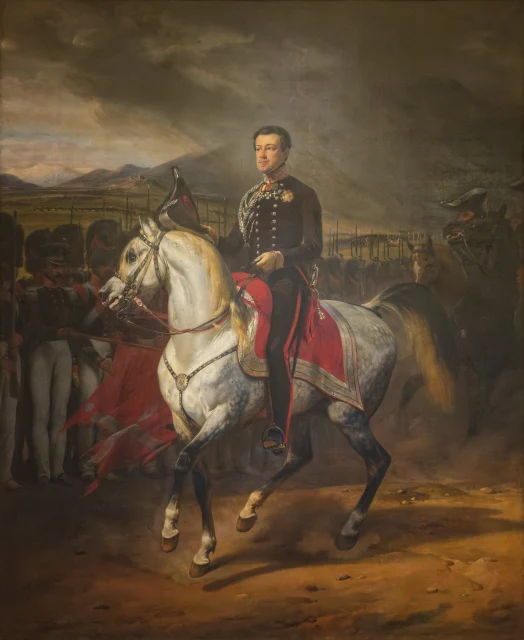 Equestrian Portrait of Charles Albert, King of SardiniaHorace Vernet, 1834
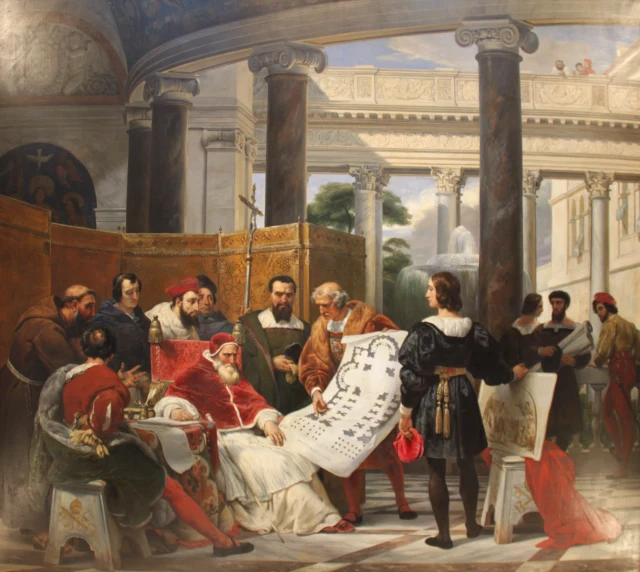 Pope Julius II Ordering Bramante, Michelangelo and Raphael to Build the Vatican and Saint Peter'sHorace Vernet, 1827
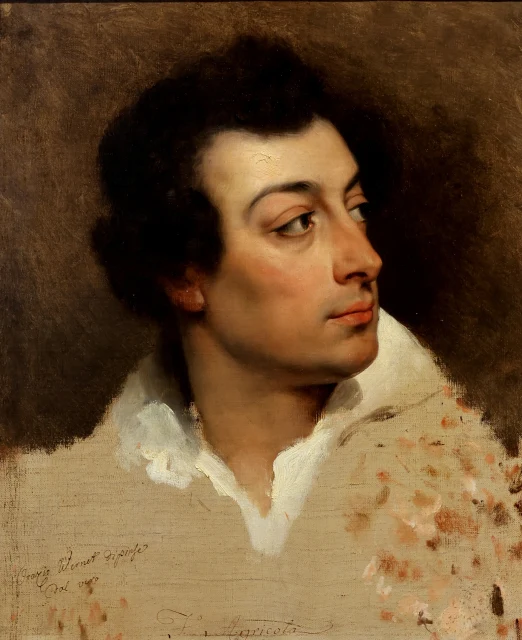 Portrait of Filippo AgricolaHorace Vernet, 1820
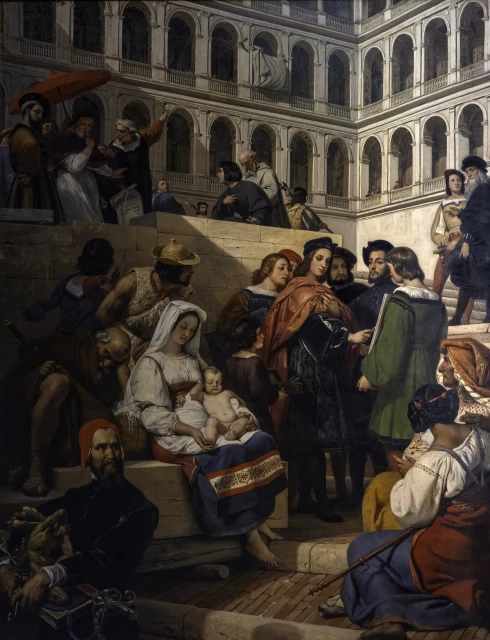 Raphael at the VaticanHorace Vernet, 1832
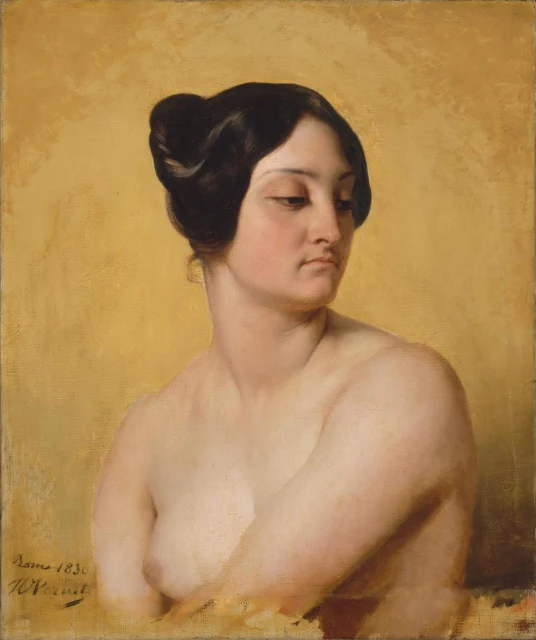 Study of Olympe Pelissier as JudithHorace Vernet, 1830