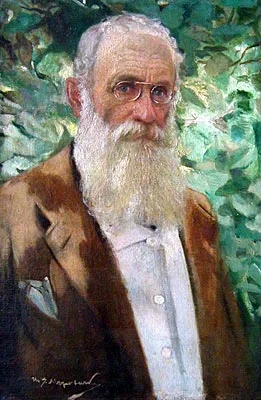
Ivan Mrkvička
1856–1938 · Czechoslovakia · Academic art, Realism, Modern art
The story
In 1881 a young Czech painter named Jan Václav Mrkvička accepted an invitation from the government of Eastern Rumelia, the short-lived autonomous province in the south of today's Bulgaria, and came to teach drawing in Plovdiv. He never really left. Bulgarians came to know him as Ivan Mrkvička, and he became one of the founders of their modern national painting.
Plovdiv gave him his subjects. He painted its crowded marketplace and its street traders in canvases like Plovdiv Marketplace and Gypsy Revelry that fixed the everyday life of the town in the 1880s. He moved in the circle of the writer Ivan Vazov, the man often called the patriarch of Bulgarian literature, and other leading figures of the new nation's culture.
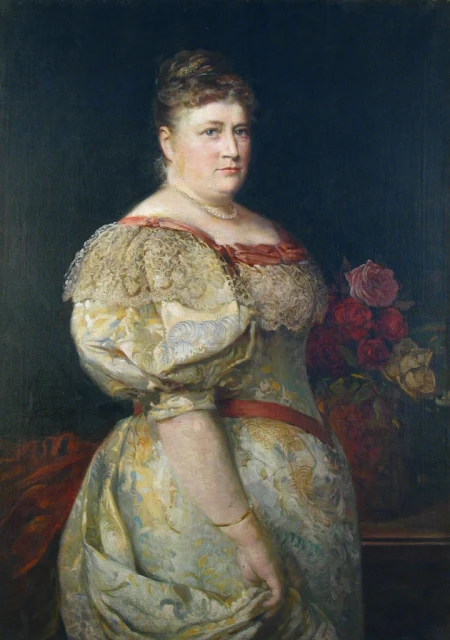
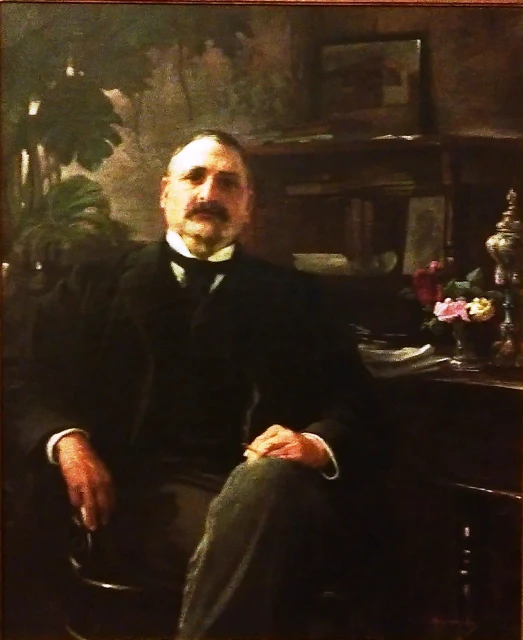
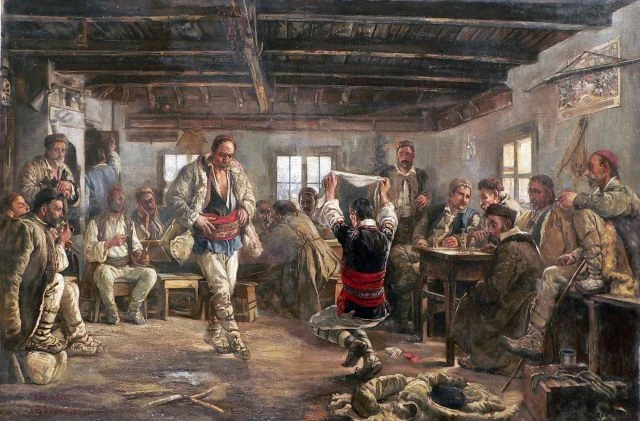
In 1889 Mrkvička settled in Sofia, and in 1896 he was among the founders of the National Academy of Arts, which he then directed for more than 20 years. His large ethnographic scenes of rituals and village festivals, among them the whirling folk dance of the Ratchenitsa, became some of the best-known images of Bulgarian custom. In 1921 he went back to Czechoslovakia and spent his last years painting portraits, dying in 1938.