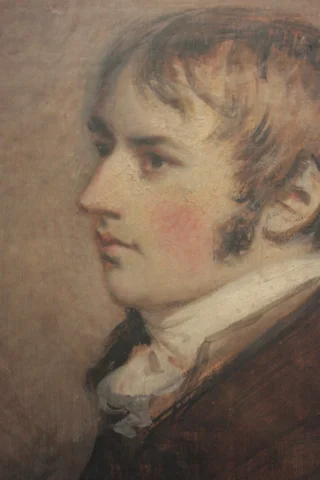
John Constable
1776–1837 · Kingdom of Great Britain · Romanticism
The story
In 1824, three years after The Hay Wain hung almost unnoticed at London's Royal Academy, the same painting went on show at the Paris Salon and won a gold medal awarded by King Charles X. French painters already knew Constable's name. The painter Théodore Géricault had seen the picture on a visit to London and came home praising it to friends in Paris, and once it reached the Salon, Eugène Delacroix is said to have reworked the sky in one of his own canvases after studying Constable's clouds. In England the recognition was slower. Constable was elected a full member of the Royal Academy only in 1829, at 52, by a single vote.
He earned that late honour by painting almost nothing but the same few miles of the Stour valley in Suffolk, around his family's mills at Flatford and Dedham, for most of his working life. He made small oil sketches outdoors, directly in front of the weather, capturing a particular sky or a particular hour rather than composing an ideal view, and worked these up into the large exhibition canvases back in his London studio. That habit of watching real cloud and real light, unusual for a Royal Academy painter of his day, is what the French had recognised before his own countrymen did.
Flatford Mill, the watermill his father owned and the setting of both The Hay Wain and several other Stour paintings, still stands on the river today, kept by the National Trust.
More articles
Works
66 works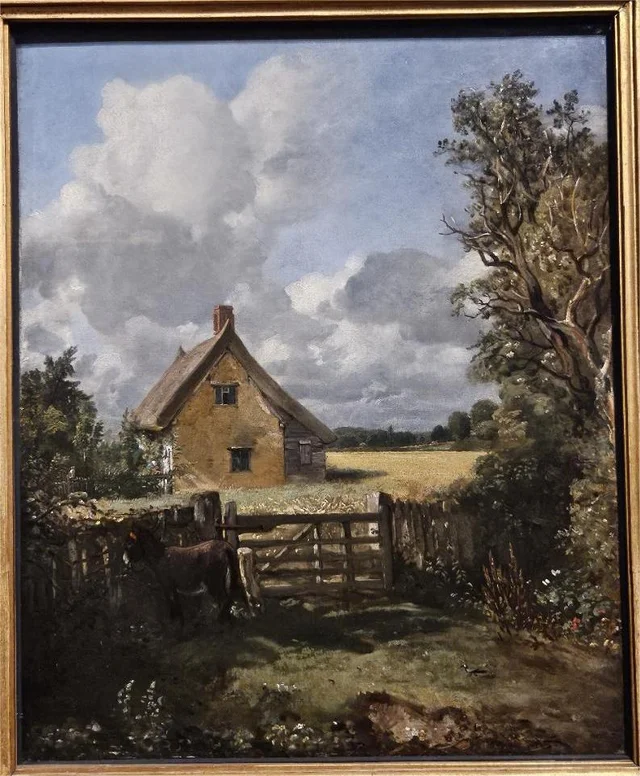 The Cottage in a CornfieldJohn Constable, 1833
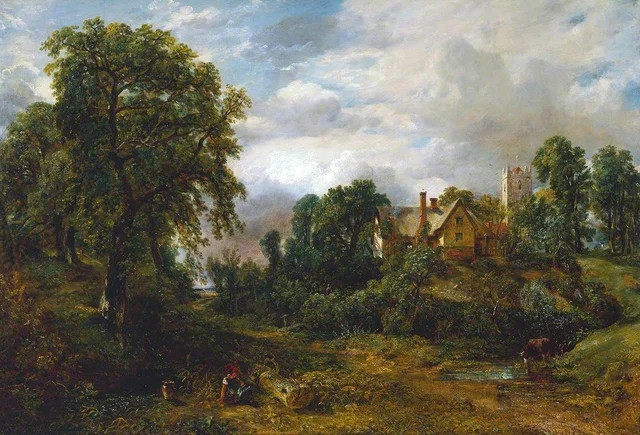 The Glebe FarmJohn Constable, 1830
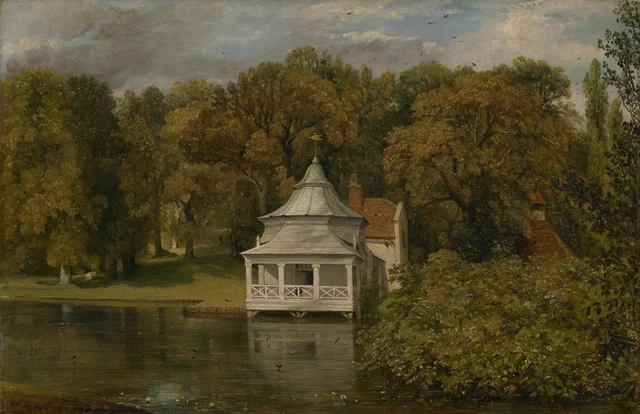 The Quarters behind Alresford HallJohn Constable, 1816
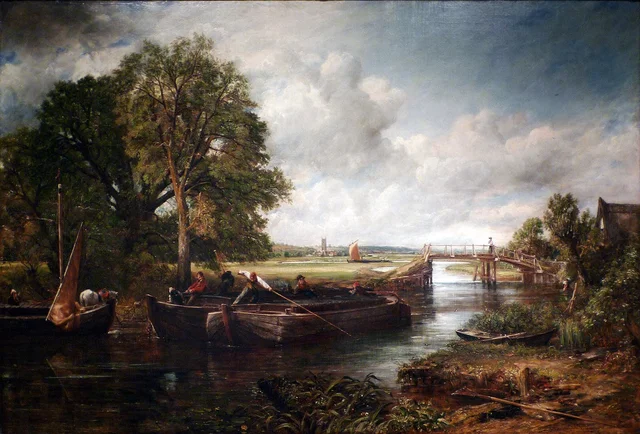 View on the Stour near DedhamJohn Constable, 1822
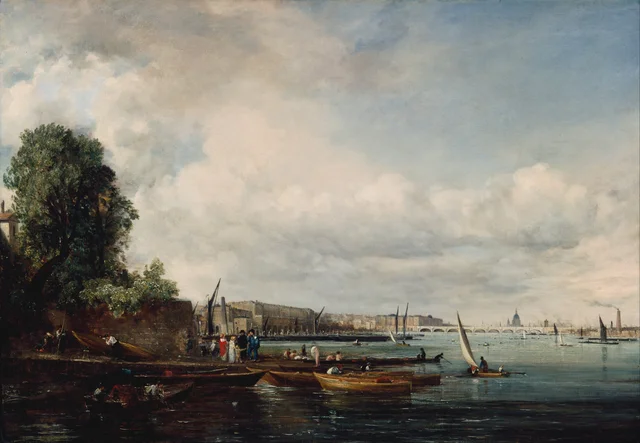 Waterloo BridgeJohn Constable, 1820
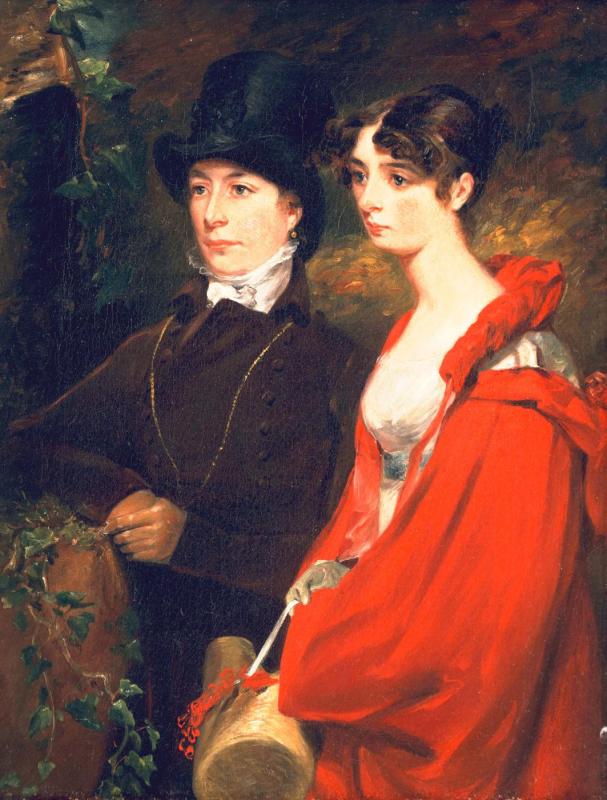 Anne and Mary Constable The Artist's SistersJohn Constable, 1818
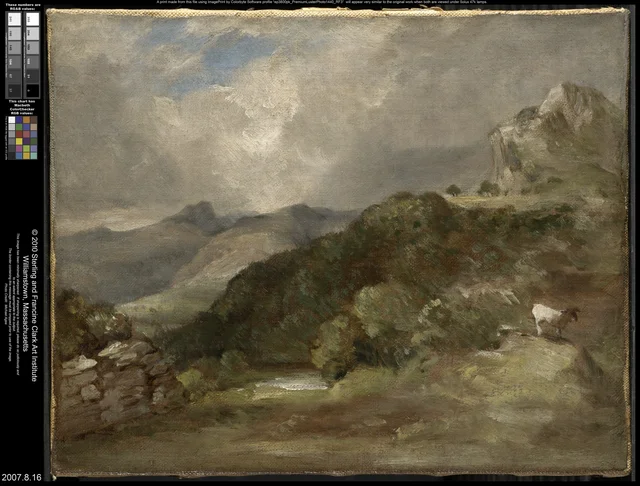 Bow Fell, CumberlandJohn Constable, 1807
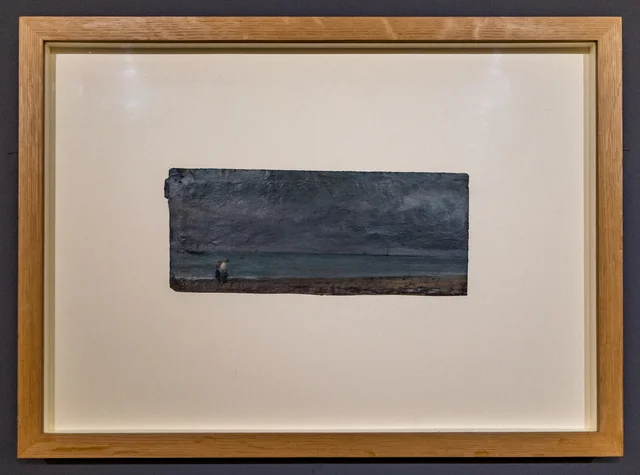 Brighton BeachJohn Constable, 1824
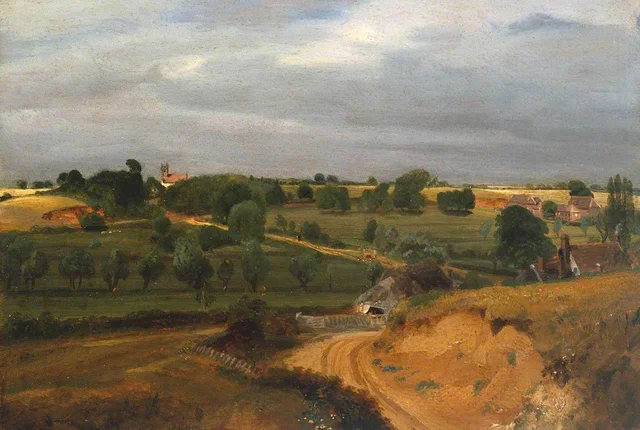 Brightwell Church and VillageJohn Constable, 1815
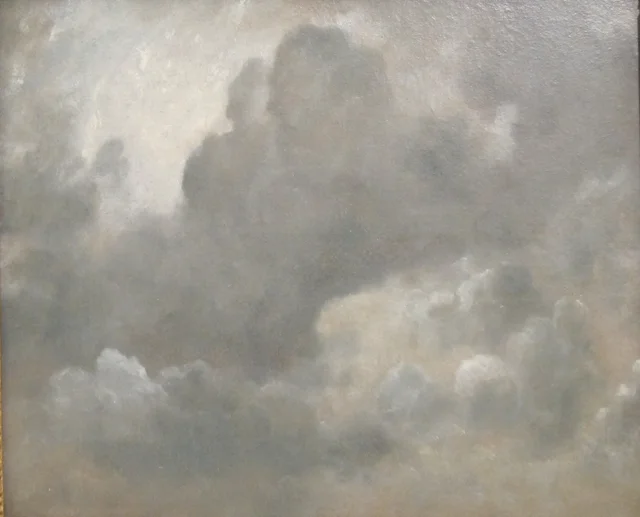 Cloud studyJohn Constable, 1822
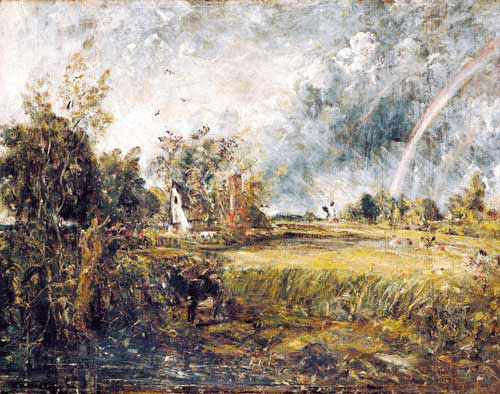 Cottage at East BergholtJohn Constable, 1833
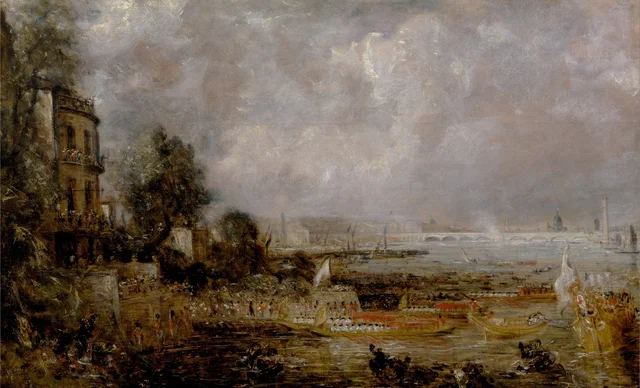 Half-size Sketch for The Opening of Waterloo Bridge (“Whitehall Stairs, June 18, 1817”)John Constable, 1830
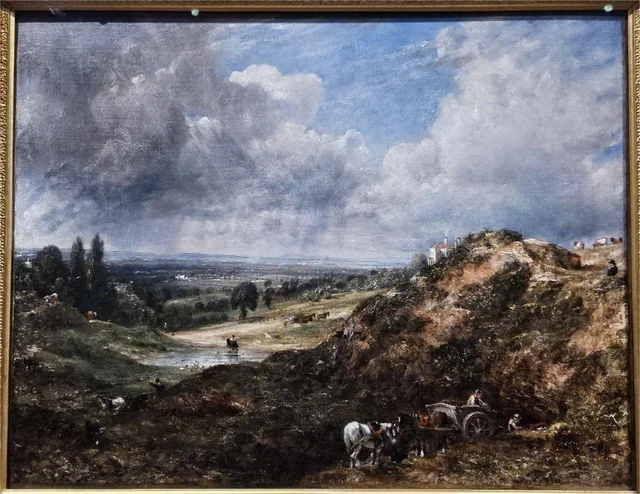 Hampstead Heath, Branch Hill PondJohn Constable, 1828
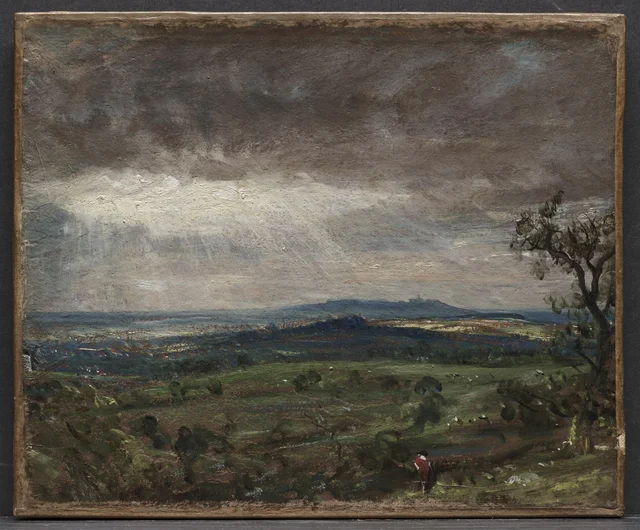 Hampstead Heath, Looking Toward HarrowJohn Constable, 1821
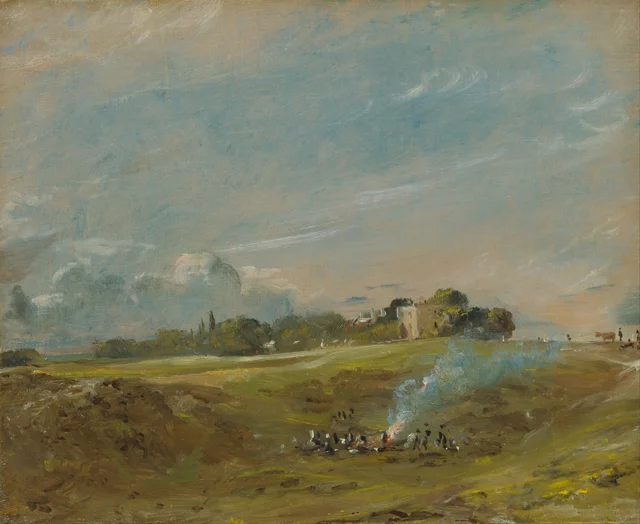 Hampstead Heath, with a BonfireJohn Constable, 1822
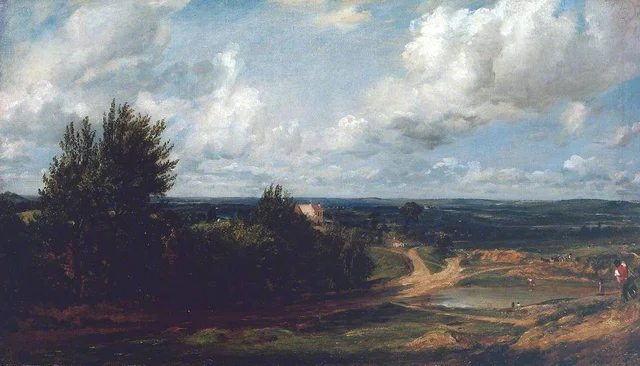 Hampstead Heath, with the House Called ‘The Salt Box’John Constable, 1819
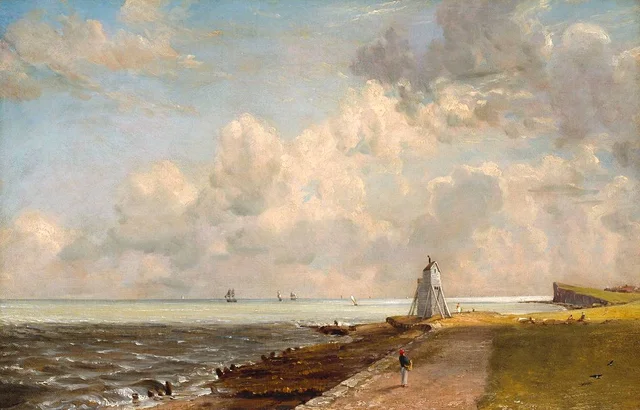 Harwich LighthouseJohn Constable, 1820
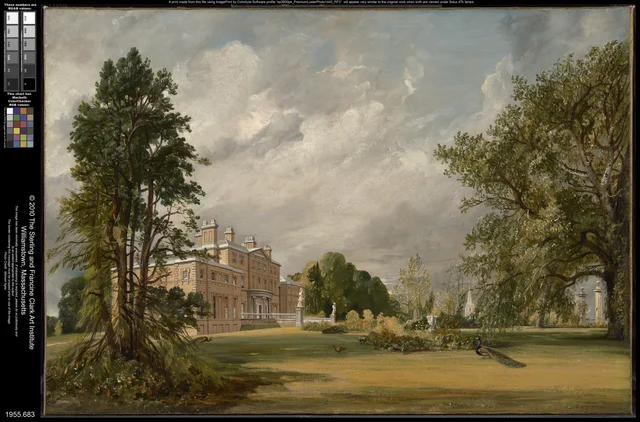 Malvern HallJohn Constable, 1821
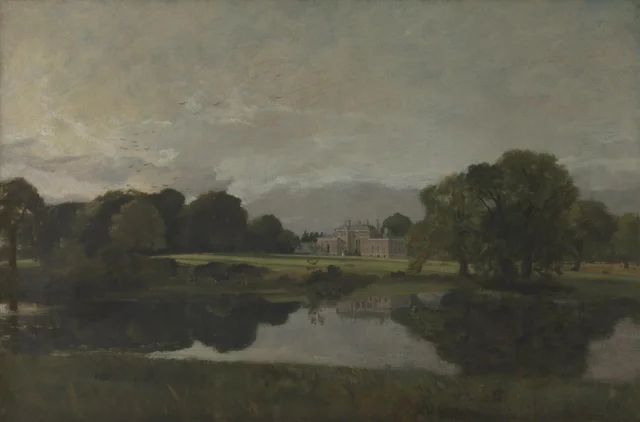 Malvern Hall, WarwickshireJohn Constable, 1809
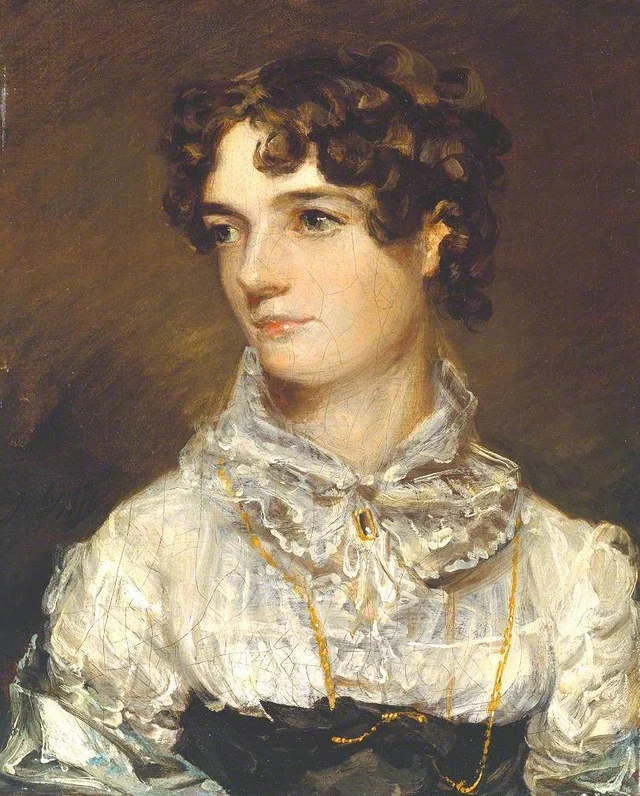 Maria Bicknell, Mrs John ConstableJohn Constable, 1816
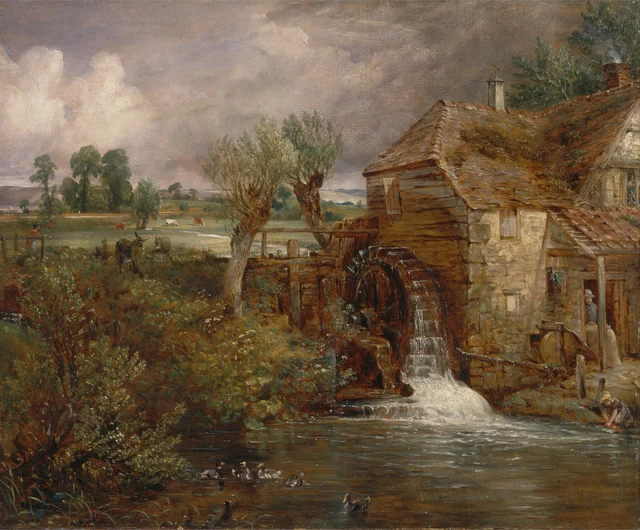 Parham Mill, GillinghamJohn Constable, 1826
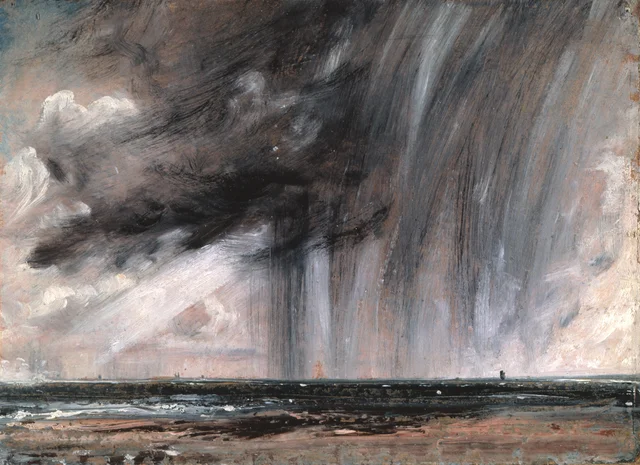 Rainstorm over the SeaJohn Constable, 1824
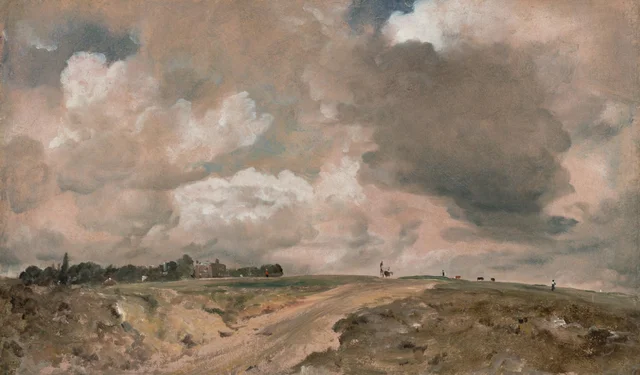 Road to the Spaniards, HampsteadJohn Constable, 1822
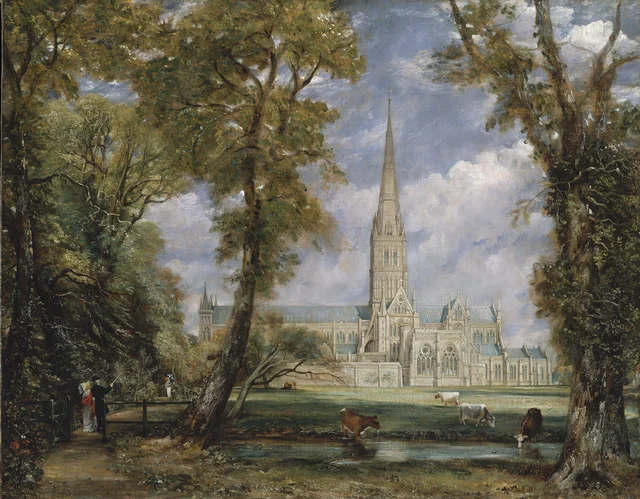 Salisbury Cathedral from the Bishop's GardenJohn Constable, 1825
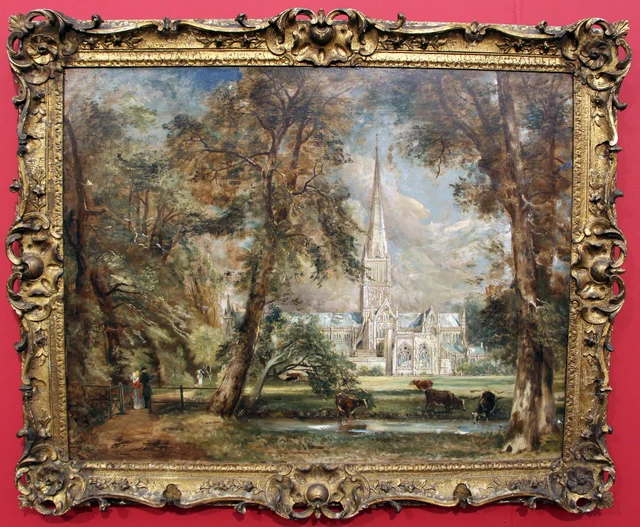 Salisbury Cathedral from the Bishop's GardenJohn Constable, 1821