Juan Bautista Maíno
1581–1649 · Spain · Baroque
The story
In 1620, the king of Spain sent for a Dominican friar to teach his teenage son to draw. The friar was Juan Bautista Maíno, and the boy was the future Philip IV. Maíno had taken his vows seven years earlier at San Pedro Mártir, a Dominican house in Toledo, but the habit never pulled him away from painting.
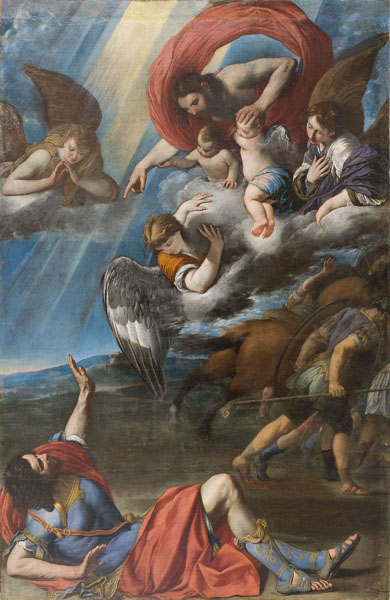
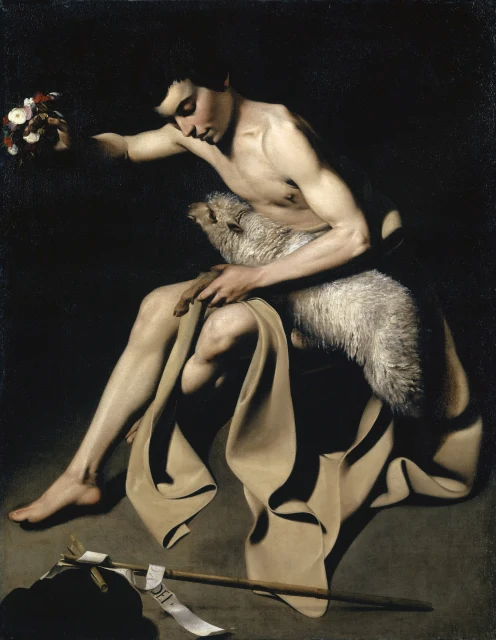
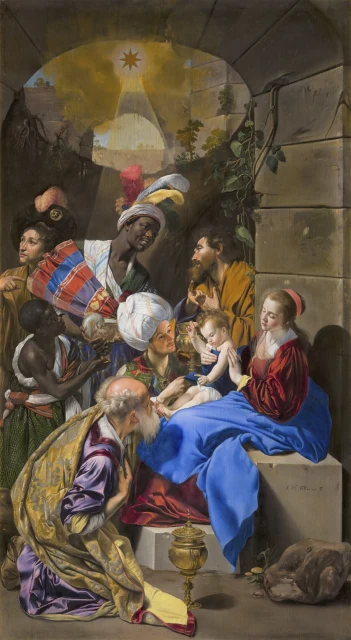
He had learned the craft in Italy, where he spent his twenties in the years around 1600. There he absorbed Caravaggio's raking light and the clear, bright colour of Roman masters like Guido Reni and Annibale Carracci, and he carried that clarity home to Spain. His altarpiece for the Toledo friars, the four Easter scenes now in the Prado, has a daylight naturalism that set it apart from the darker Spanish taste of the moment.
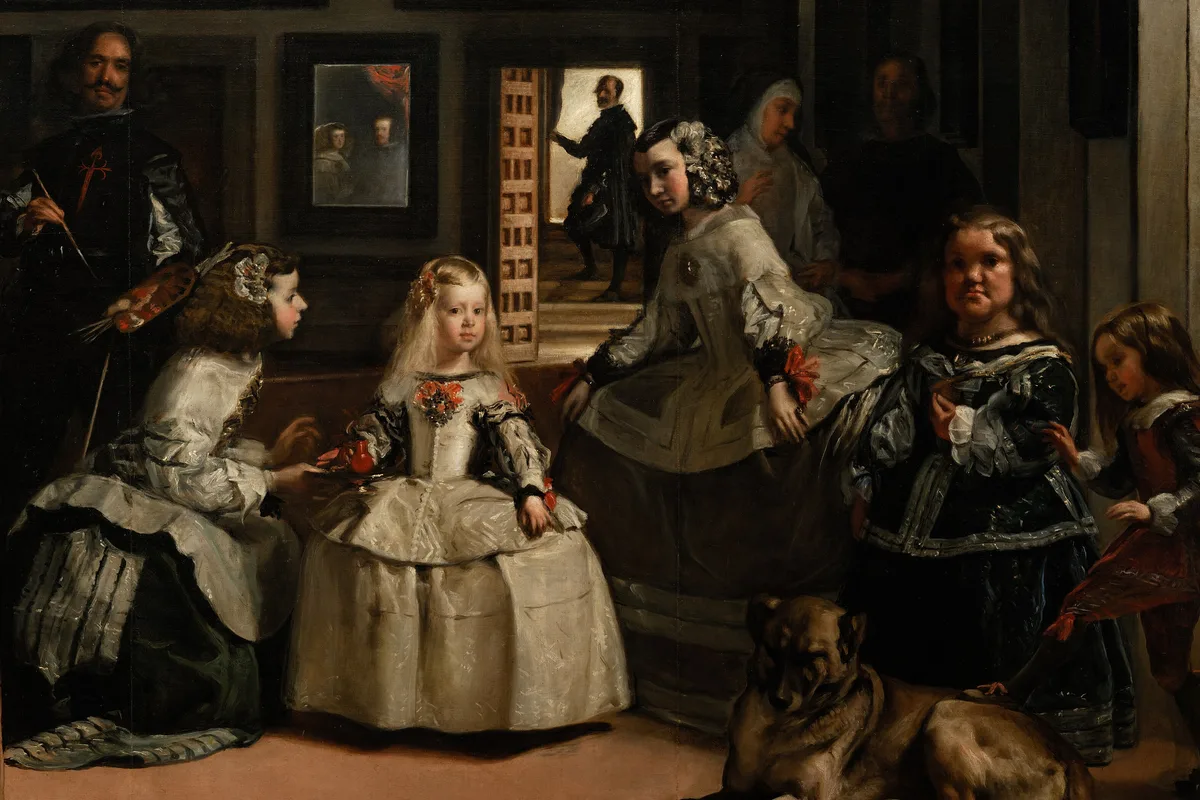
His place at court gave him a quiet kind of power. When a competition was held in 1627 to choose a painter for a royal commission, Maíno sat on the panel and backed a young outsider from Seville named Diego Velázquez, who won. The winning canvas later burned in a palace fire, but the decision helped launch the greatest Spanish painter of the century.
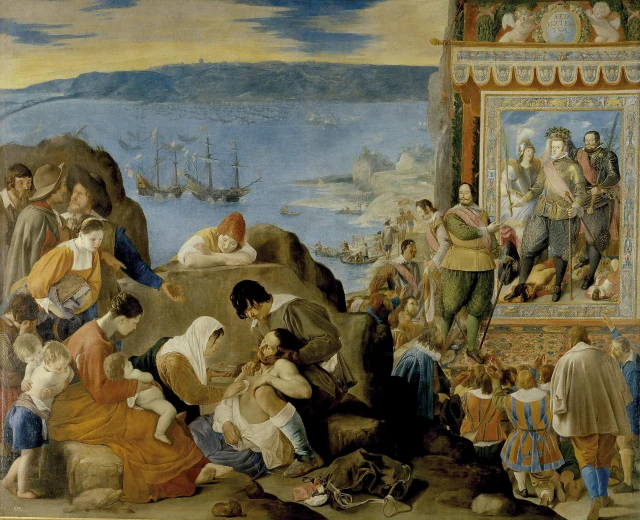
Maíno's own best-known work hangs in the Prado: the Recapture of Bahía, painted around 1634 for the Hall of Realms in the Buen Retiro palace. It marks a Spanish victory in Brazil, and in the foreground a wounded soldier is tended by a woman while the victorious general points to a tapestry showing Philip IV crowned with laurel.