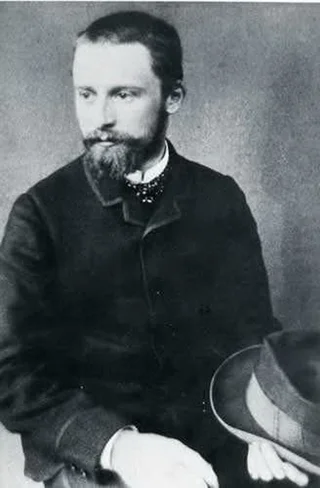
Paul Sérusier
1864–1927 · France · Pont-Aven School
The story
In October 1888, in the woods at Pont-Aven in Brittany, Paul Gauguin gave the young painter Paul Sérusier a lesson that turned into a manifesto. How do you see that tree, Gauguin asked, and if it looks green, use the greenest green on your palette, and that shadow, paint it pure blue. Sérusier painted the little landscape almost blind to the real scene, in flat patches of unmixed colour on a cigar-box lid.
He carried the small panel back to his friends at the Académie Julian in Paris, who were electrified by it. They nicknamed it The Talisman and took the Hebrew word Nabis, meaning prophets, for their group. Sérusier, Bonnard, Vuillard, Denis, and the others spent the 1890s pursuing the idea that a painting is first of all a flat surface covered with colours in a certain order, a thought that runs straight toward modern abstraction.
Sérusier himself drifted away from the Paris avant-garde. He settled in Brittany, grew absorbed in theories of sacred proportion and colour, and taught for years, writing a treatise on painting late in life. The panel that started it all is barely bigger than a hand and now hangs in the Musée d'Orsay, still called The Talisman.
Works
11 works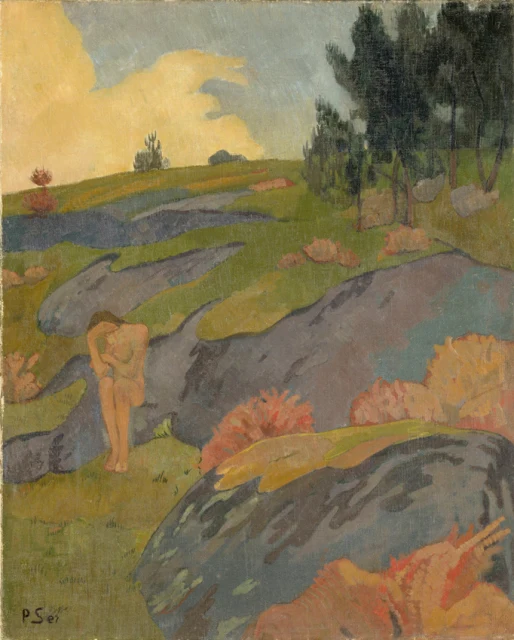 Breton EvePaul Sérusier, 1890
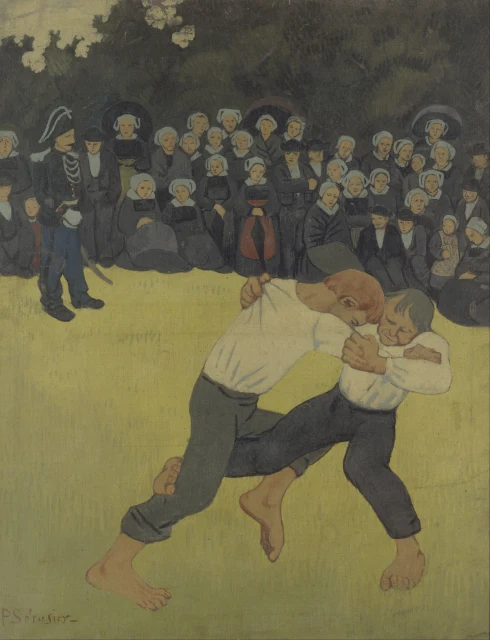 Breton WrestlingPaul Sérusier, 1890
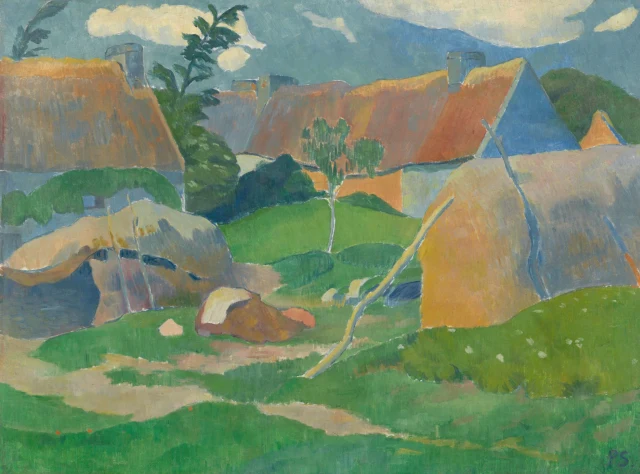 Farm in BrittanyPaul Sérusier, 1890
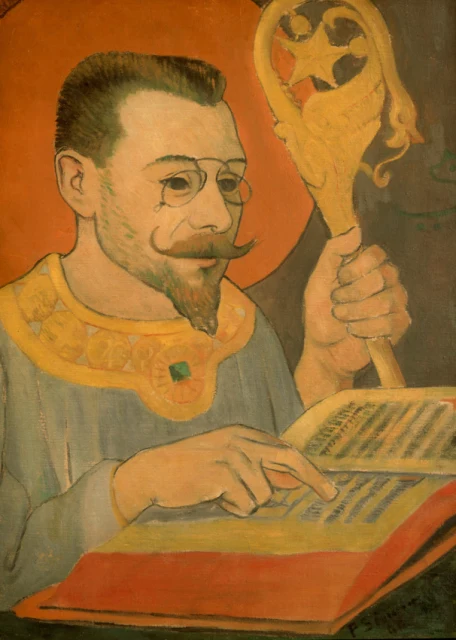 Portrait of Paul Ranson in Nabi CostumePaul Sérusier, 1890
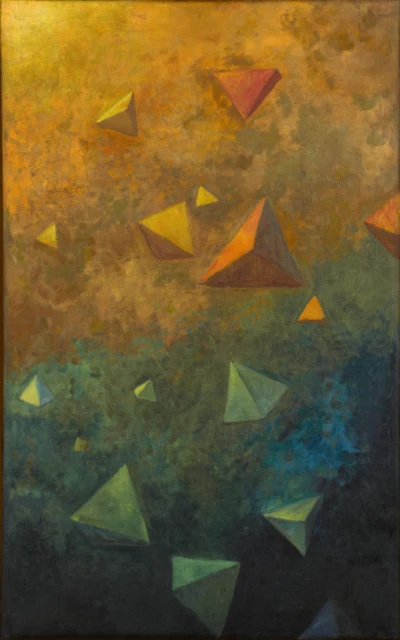 TetrahedraPaul Sérusier, 1910
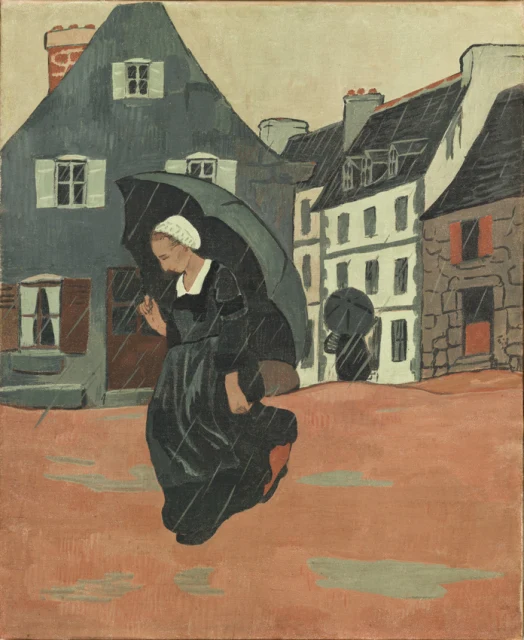 The DownpourPaul Sérusier, 1893
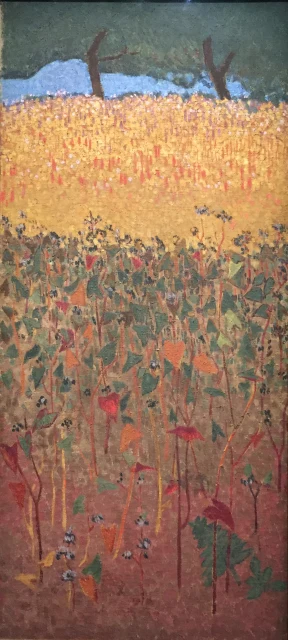 The Field of Golden Wheat and BuckwheatPaul Sérusier, 1900
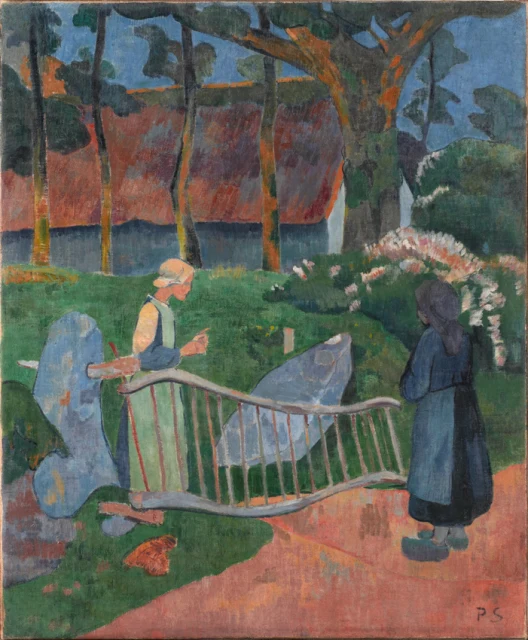 The Flowered Barrier, Le PoulduPaul Sérusier, 1889
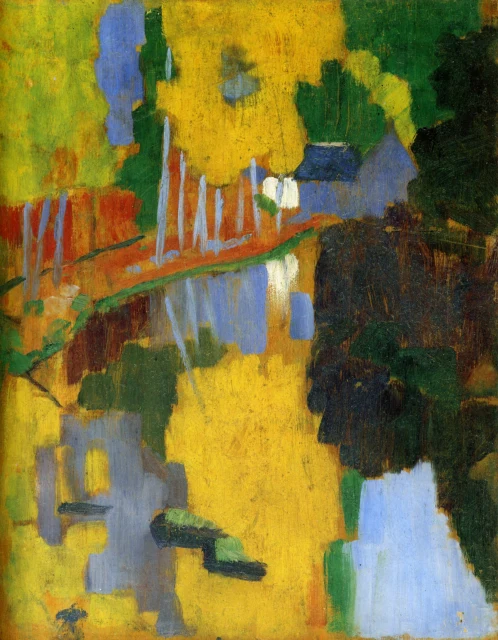 The Talisman (The Aven at the Bois d'Amour)Paul Sérusier, 1888
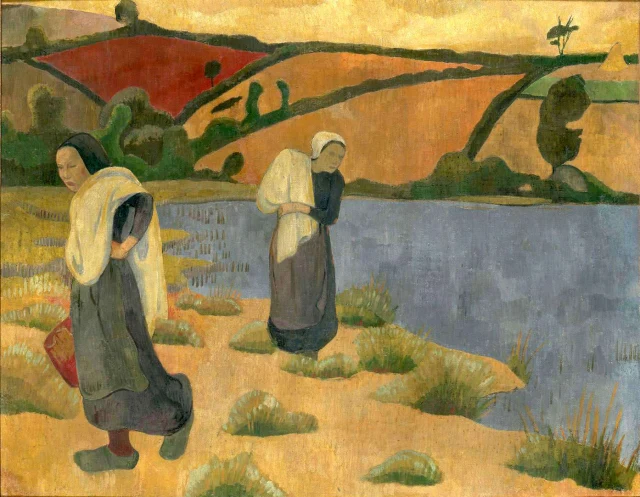 Washerwomen at the LaïtaPaul Sérusier, 1892
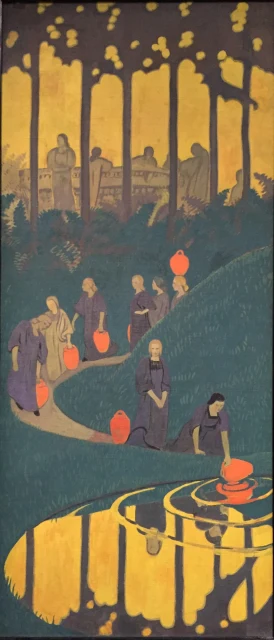 Women at the Spring (The Danaids)Paul Sérusier, 1899