Sarcophagus of Prince Duaenre
Details
The story
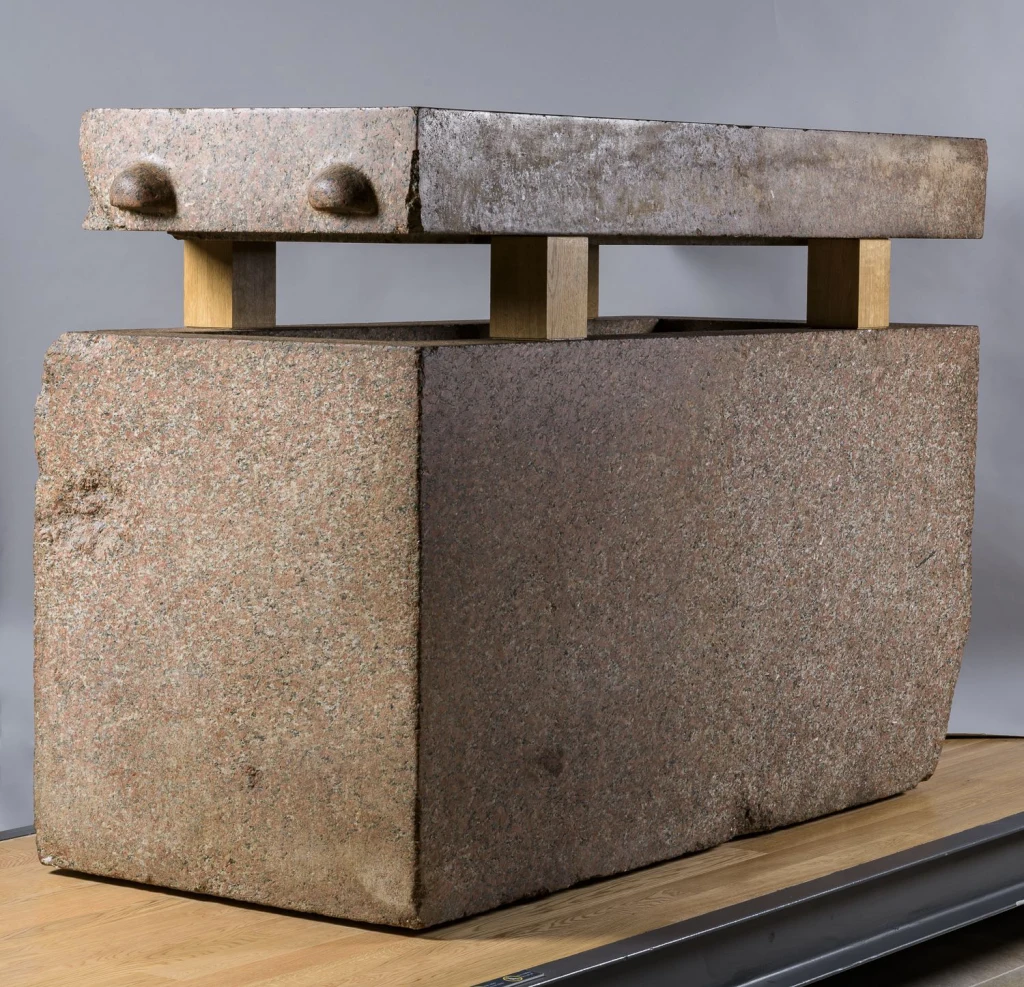
When Egypt's antiquities service opened the western cemetery at Giza to foreign missions at the start of the 20th century, the ground beside the pyramids was split into three strips and handed out by lot. The Germans got the north, the Americans under George Reisner the middle, and the Italians led by Ernesto Schiaparelli, director of the Turin museum, the south. In 1903 Schiaparelli's Egyptian workmen and his colleague Francesco Ballerini found this granite sarcophagus near the pyramid of Khufu, in a mastaba, the flat-topped tomb of the Old Kingdom elite.
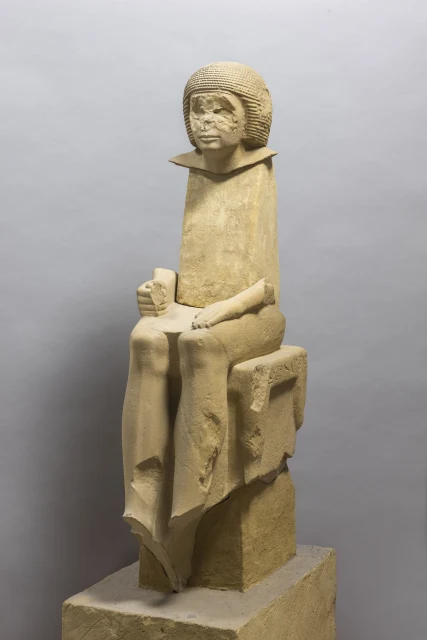
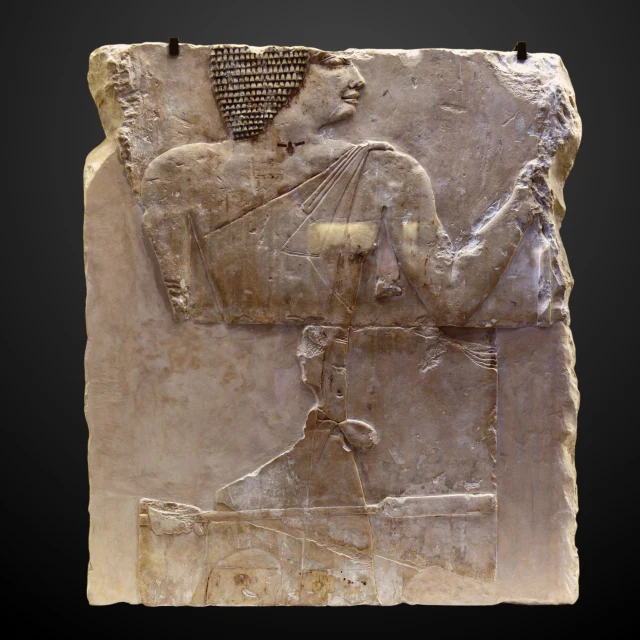
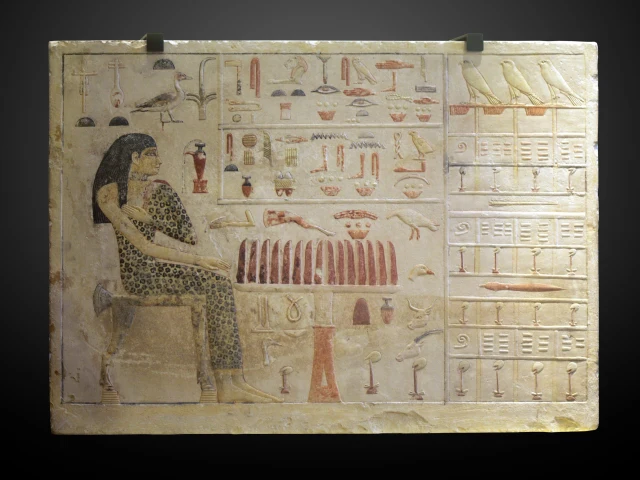
The tomb belonged to Duaenre. Reliefs from its chapel, and a block taken from it that is now in Boston, tell the museum that he was a prince, a son of King Khafre and Queen Meresankh, and that he held the offices of vizier and scribe of the sacred books. The Italians did not stay long at Giza. In 1905 they handed their concession to Reisner's Harvard and Boston expedition.
The sarcophagus shows how it was handled. One short side is cut at a slant at its base, perhaps to make it easier to drag, and the knobs on the lid helped to lift it. The space inside is small, and the museum concludes that the prince was laid in it on his side, his legs half drawn up.