The story
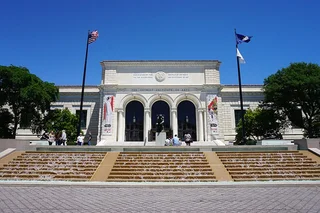
Walk into the marble courtyard at the heart of the Detroit Institute of Arts and you are surrounded on four walls by Diego Rivera's Detroit Industry, twenty-seven fresco panels he painted in 1932 and 1933. Edsel Ford, son of Henry, paid for them, and Rivera, a committed communist, filled the walls with the assembly lines of the Ford Rouge plant, workers and machines pressed together into something between a factory and a cathedral. Local clergy called them sacrilegious when they were unveiled. They are now the emblem of the city.
Which is why what nearly happened in 2013 was so raw. When Detroit went bankrupt, creditors eyed the museum's art, city-owned property that might be sold off to cover pensions. A rescue that became known as the Grand Bargain pulled together foundations, carmakers and the State of Michigan to raise more than 800 million dollars, cushioning pensions and moving the collection into a trust so it could never be cashed in again.
Beyond the murals the galleries are genuinely encyclopedic, from Bruegel and Van Eyck to a strong African American collection, but it is Rivera's workers people come to stand among.
Collection
41 works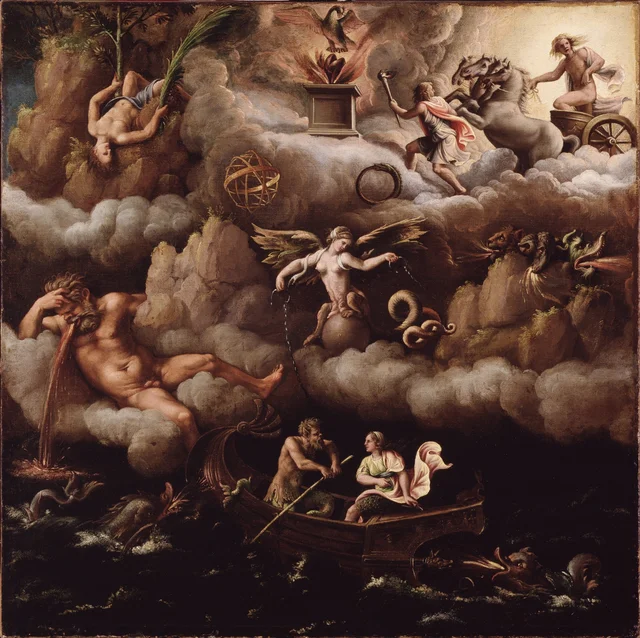 An Allegory of ImmortalityGiulio Romano, 1540
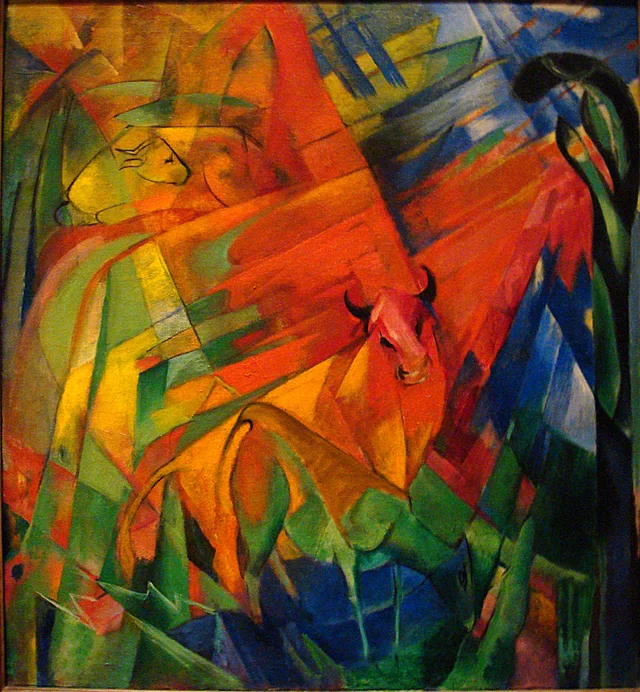 Animals in a LandscapeFranz Marc, 1914
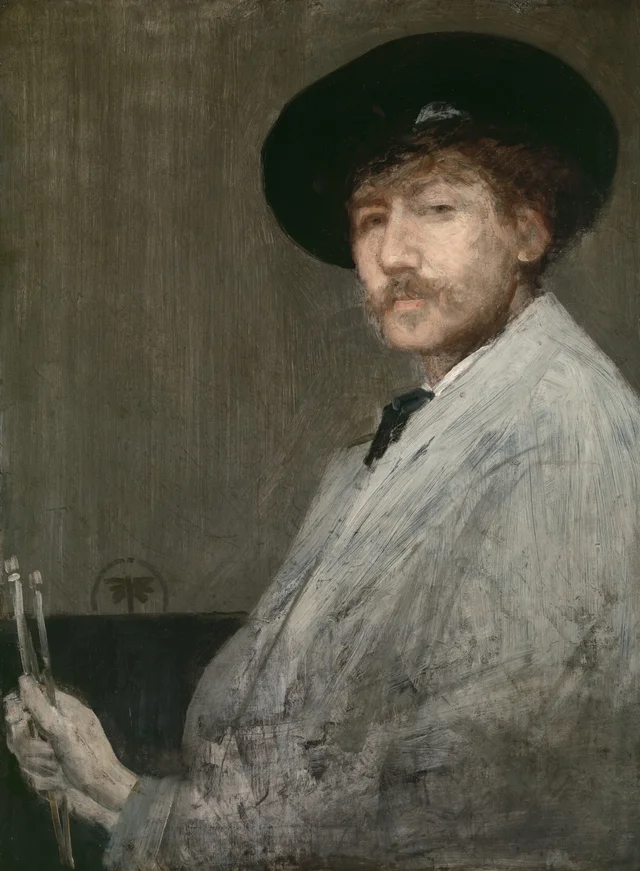 Arrangement in Gray: Portrait of the PainterJames McNeill Whistler, 1872
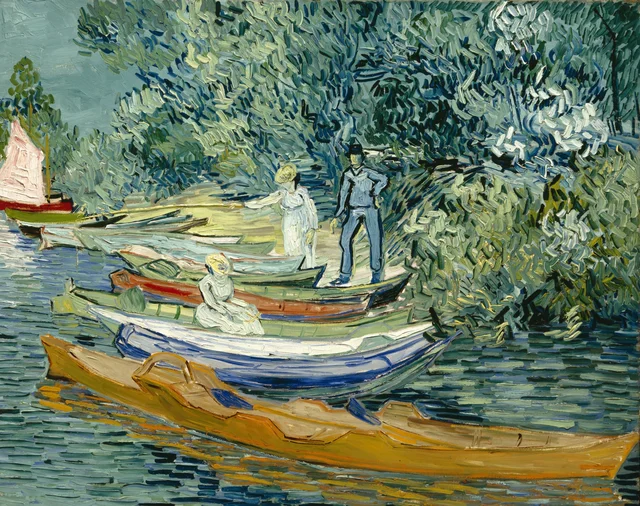 Bank of the Oise at AuversVincent van Gogh, 1890
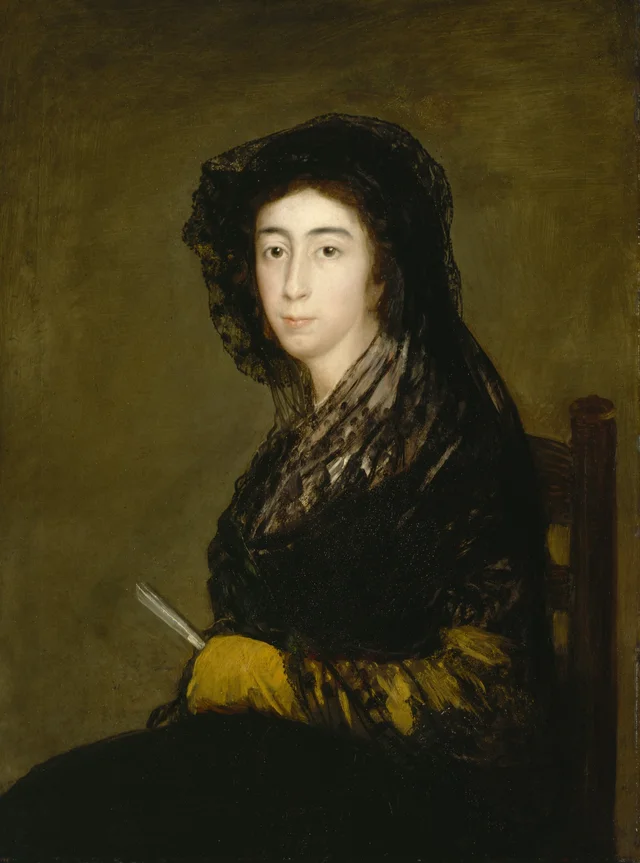 Dona Amalia Bonells de CostaFrancisco Goya, 1805
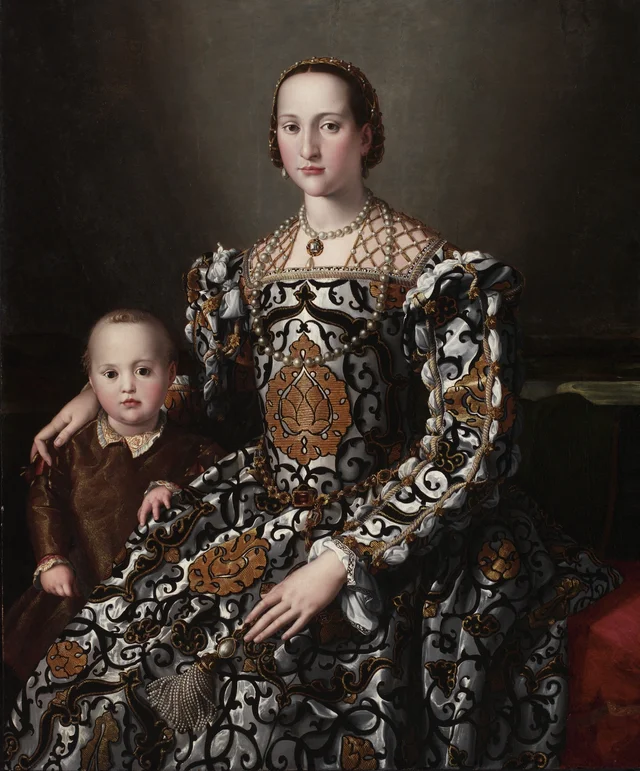 Eleonora of Toledo and Her SonBronzino, 1545
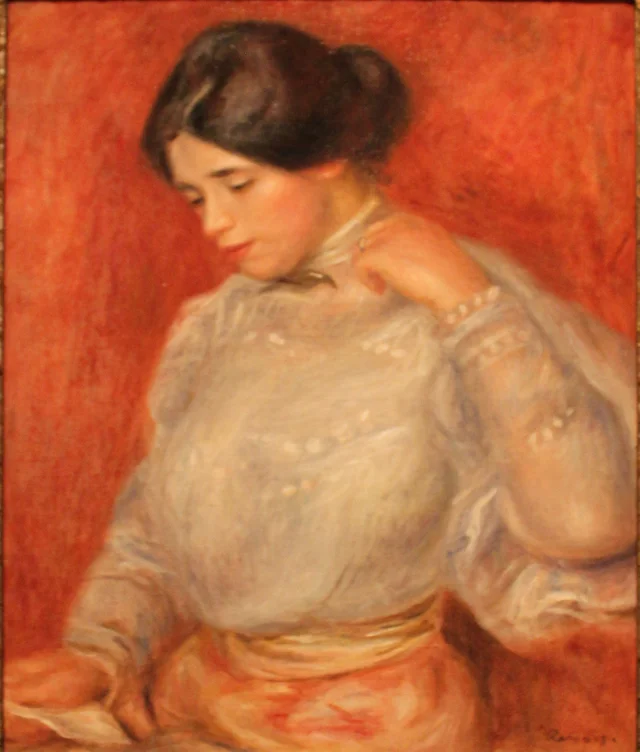 GraziellaPierre-Auguste Renoir, 1896
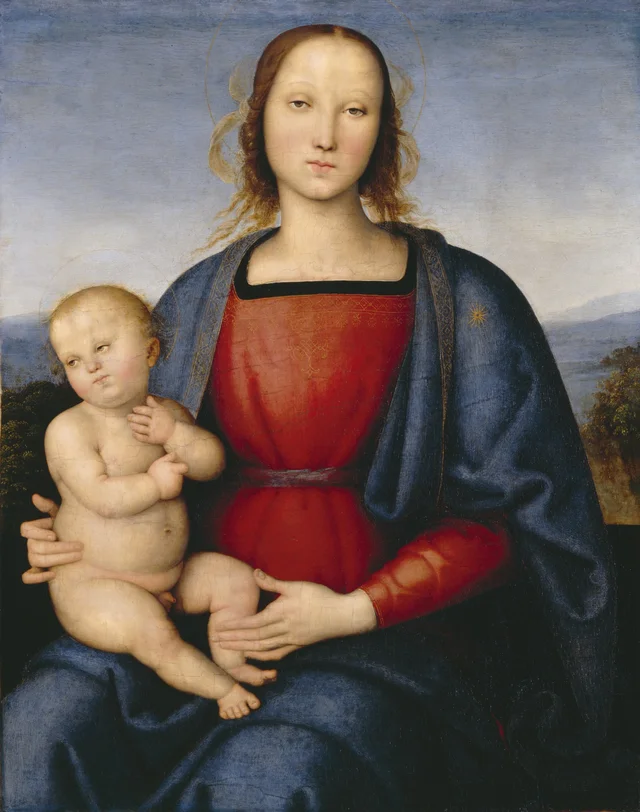 Madonna and ChildPietro Perugino, 1500
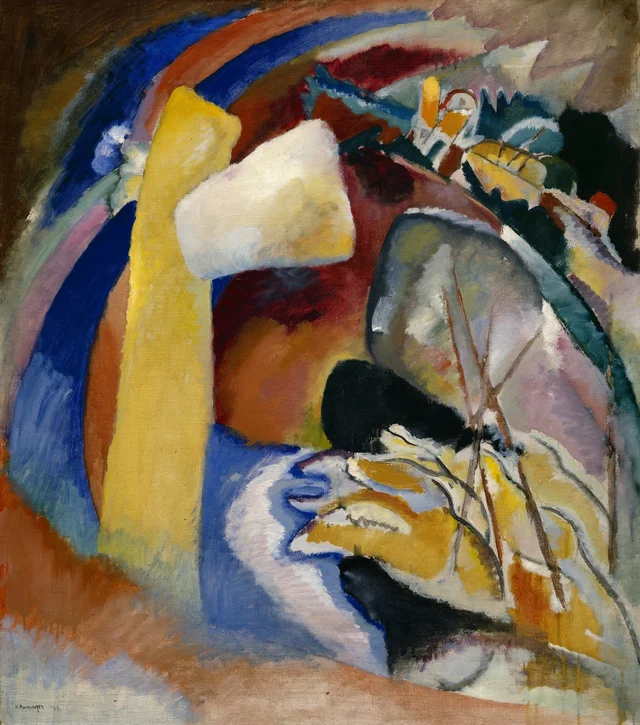 Painting with White Form (study)Wassily Kandinsky, 1913
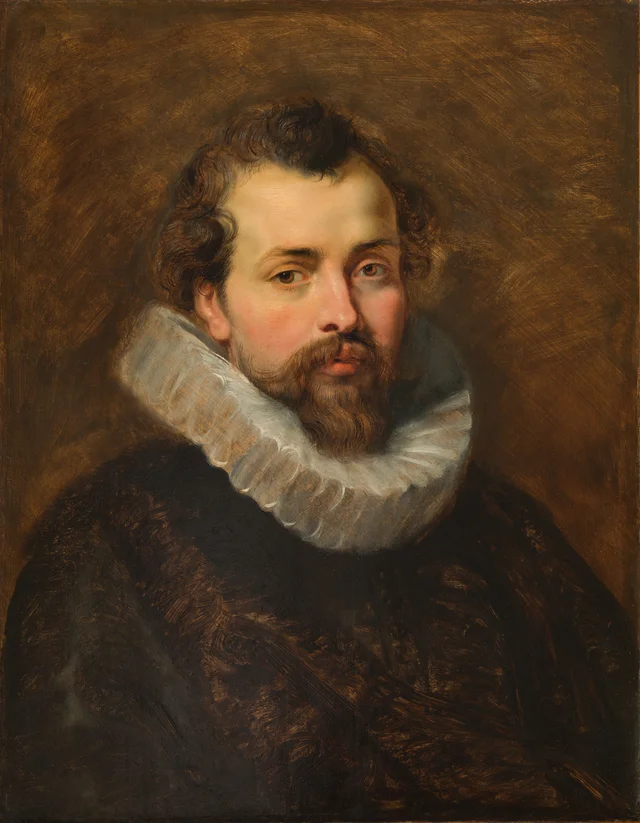 Philippe Rubens, the Artist's BrotherPeter Paul Rubens, 1610
 Still Life with SunflowerPiet Mondrian, 1907
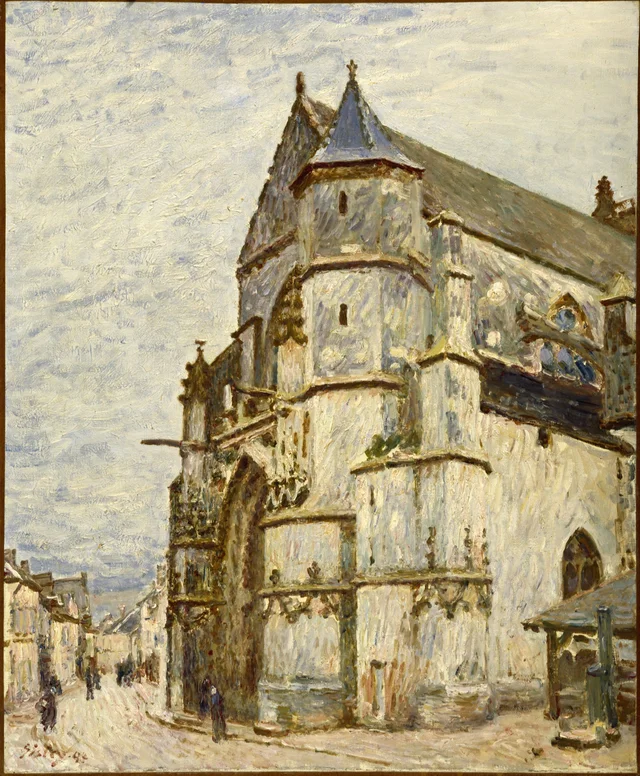 The Church in Moret after the RainAlfred Sisley, 1894
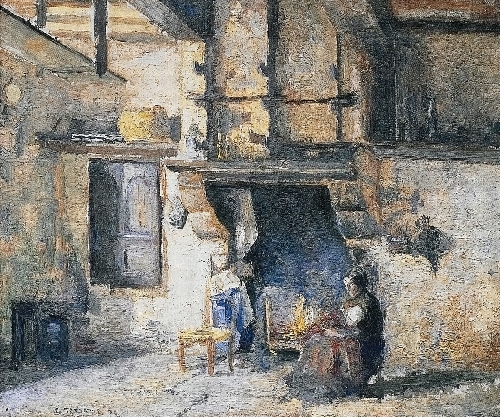 The Kitchen in Piette's House, MontfoucaultCamille Pissarro, 1874
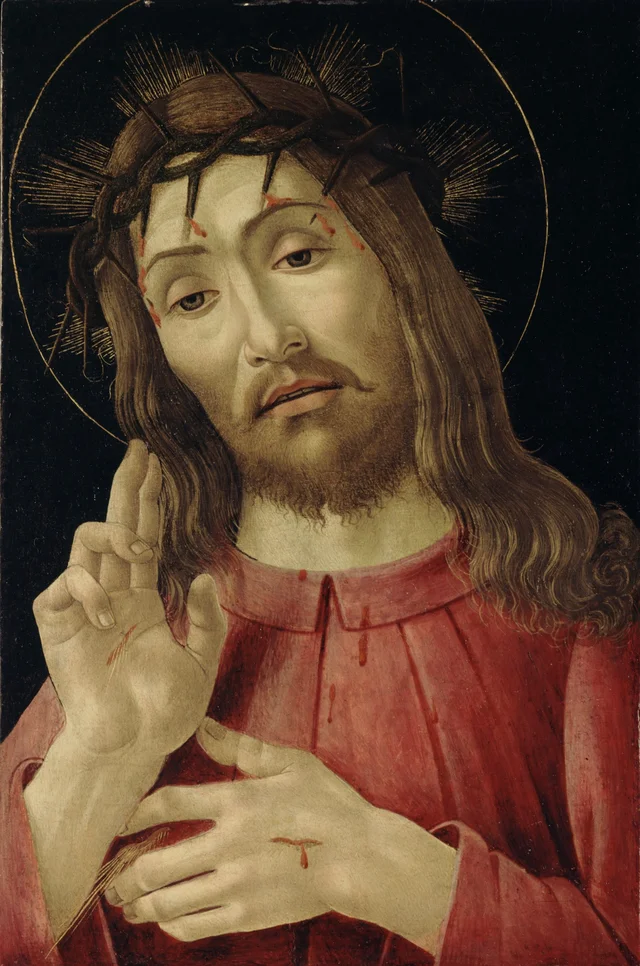 The Resurrected ChristSandro Botticelli, 1480
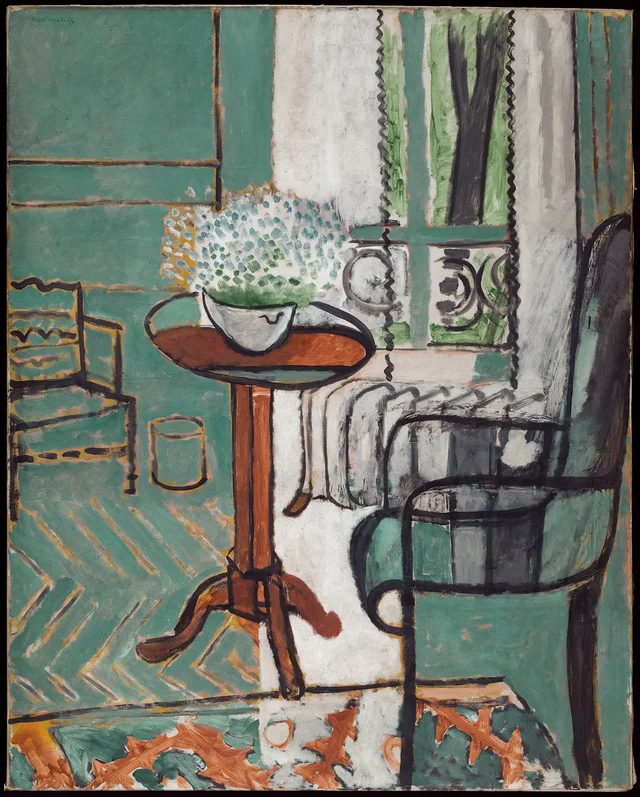 The WindowHenri Matisse, 1916
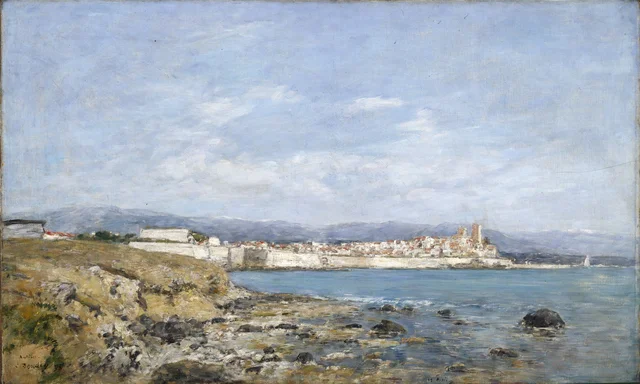 View of AntibesEugène Louis Boudin, 1893