The story
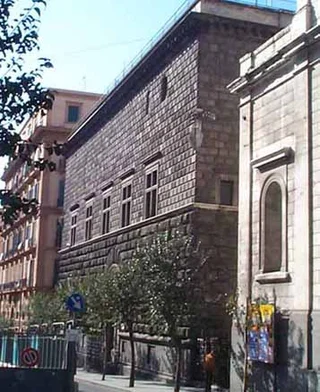
On Via Duomo in Naples stands a palace that has moved. Palazzo Como was built in the late 1400s for a merchant, Angelo Como, in the Florentine Renaissance style. When the street was widened in the 1880s, it was taken apart and rebuilt about 20 metres further back, and locals still call it the walking palace.
The man who filled it was Gaetano Filangieri, prince of Satriano, a collector and historian of Neapolitan art. He paid for the restoration and opened his museum here in 1888, with arms and armour, majolica, porcelain, a large library and a gallery of paintings.
Most of that first collection is gone. In 1943 the finest pieces were sent for safety to Villa Montesano at San Paolo Bel Sito, outside the city, along with treasured documents from the State Archives of Naples. On 30 September a squad of German soldiers set the villa on fire. About forty paintings and a single chest of weapons survived. Two portraits of men attributed to Botticelli were among the losses.
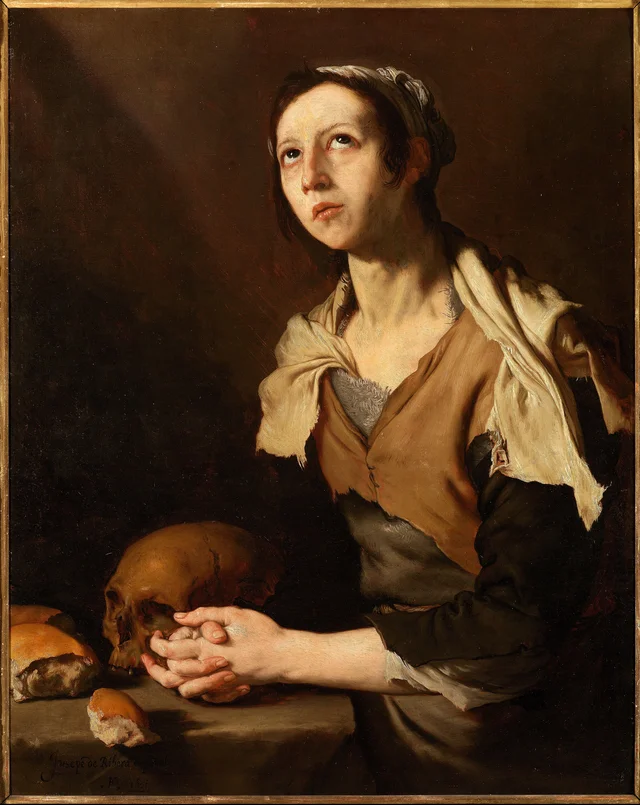
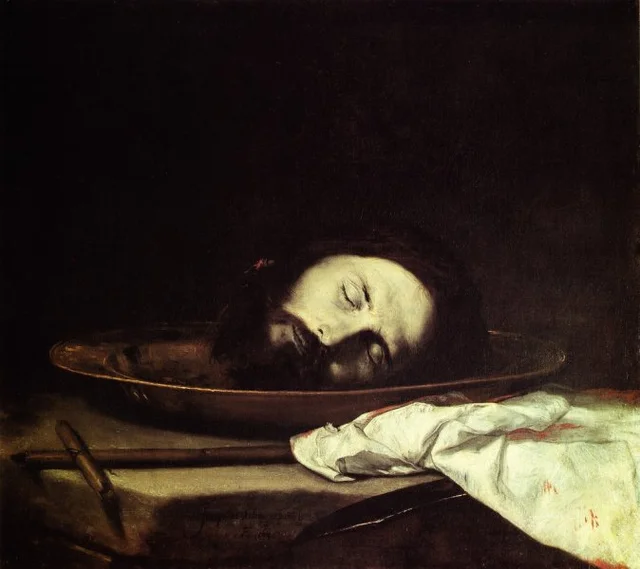
The museum reopened in 1948, restocked with gifts from private collectors and loans from Capodimonte, the city's great picture gallery. Its paintings now lean towards 17th-century Naples, with Luca Giordano, Mattia Preti and Battistello Caracciolo. The one most visitors look for is Saint Mary of Egypt by Jusepe de Ribera, the Spanish painter who made his career in Naples, signed and dated 1651.