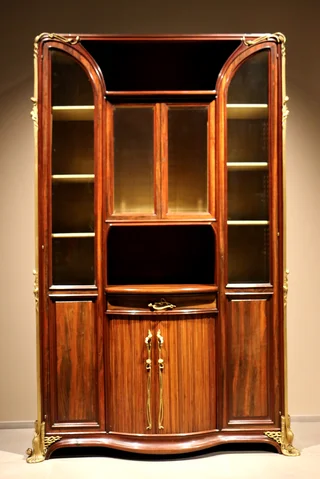
The story
The Fin-de-Siecle Museum in Brussels, opened in 2013 as part of the city's Royal Museums of Fine Arts, does one thing and does it deeply: it covers the roughly 40 years around 1900 when Brussels was one of Europe's most inventive art cities. Belgium was small, rich and open, and avant-garde painters, architects and musicians converged on it.
The rooms move through Belgian Symbolism and beyond, from the dreamlike figures of Fernand Khnopff to the masks and skeletons of James Ensor and the still, pale seascapes of Leon Spilliaert, out into the Art Nouveau of the architect Victor Horta, whose furniture and designs sit among the paintings. It reaches into the music and literature of the moment too.
The galleries descend underground below the older museums on the Kunstberg, so you work through the whole period on levels sinking down from the street.
Collection
12 works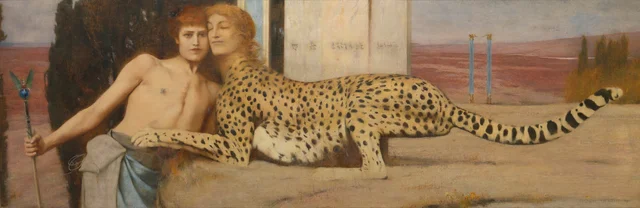 The Sphinx, or, The CaressesFernand Khnopff, 1896
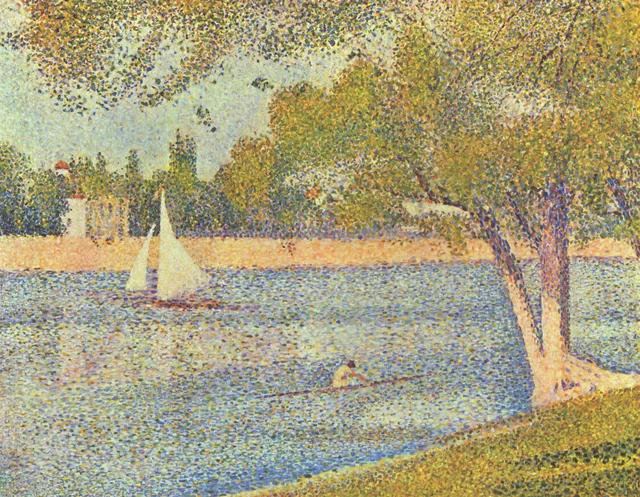 The Seine at La Grande JatteGeorges Seurat, 1888
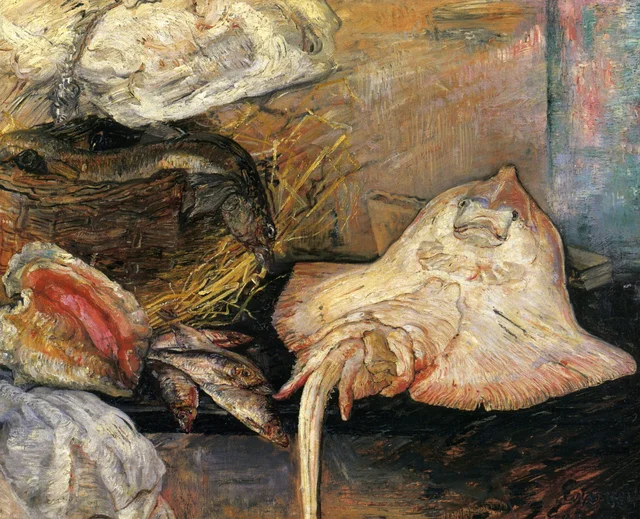 The RayJames Ensor, 1892
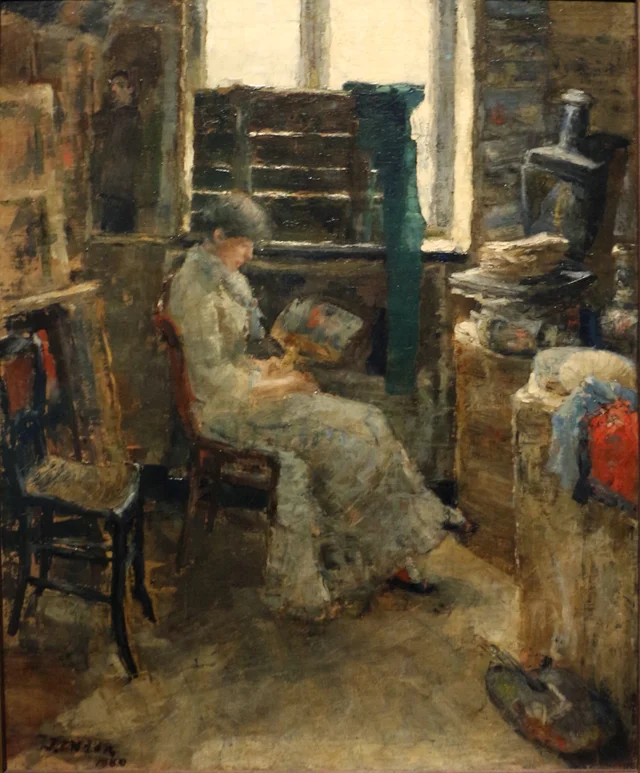 A ColouristJames Ensor, 1880
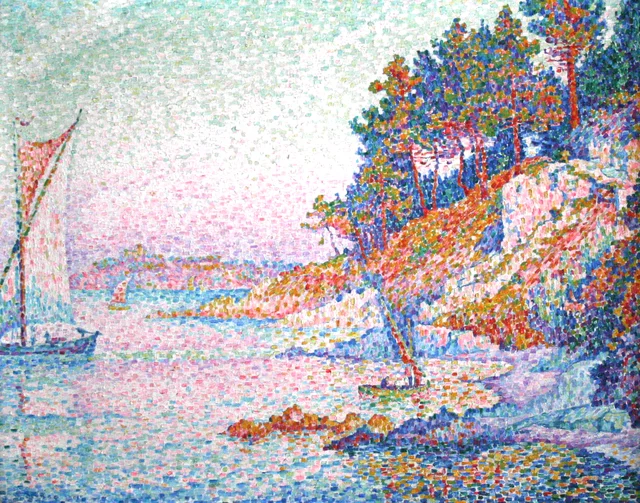 CalanquePaul Signac, 1906
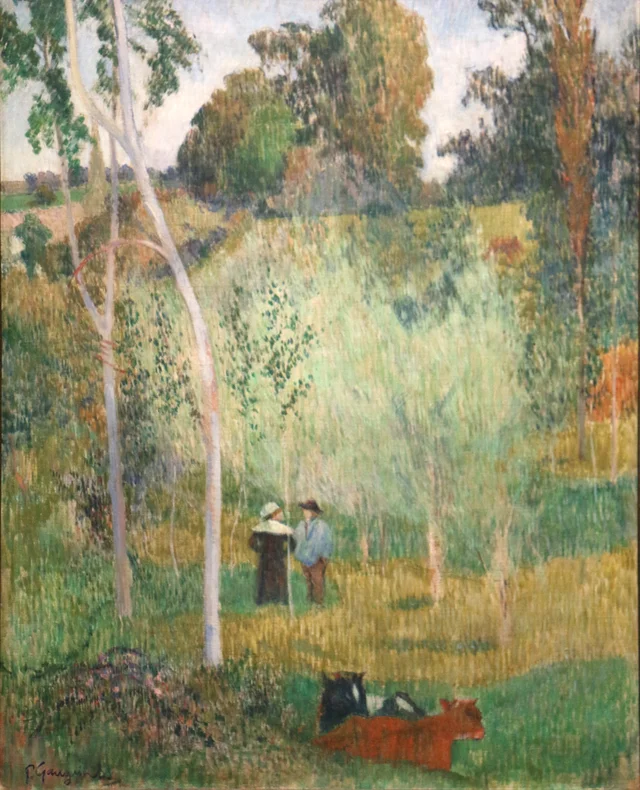 Conversation in the fields. Pont-AvenPaul Gauguin, 1888
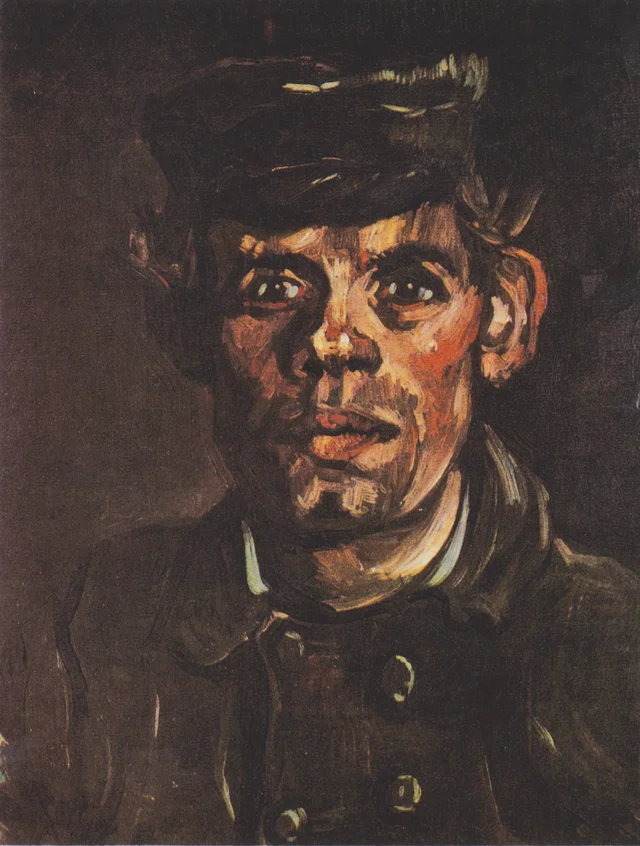 Head of a Young Peasant in a Peaked CapVincent van Gogh, 1885
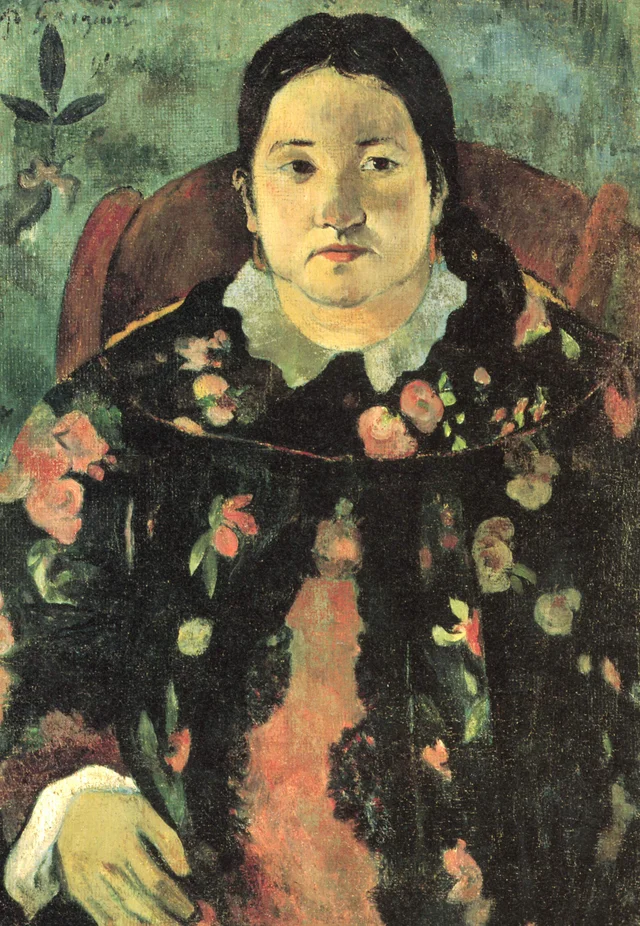 Portrait of Suzanne BambridgePaul Gauguin, 1891
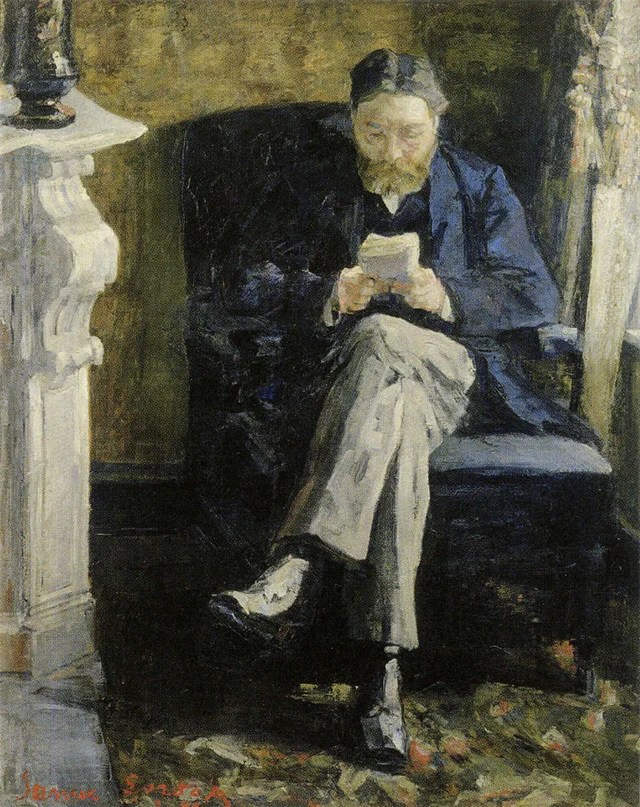 Portrait of the Artist's FatherJames Ensor, 1881
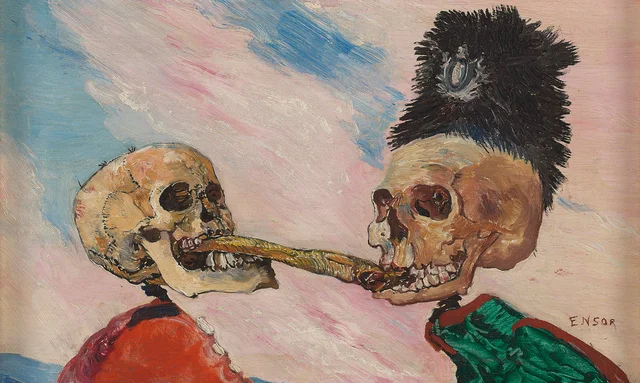 Skeletons Fighting over a Smoked HerringJames Ensor, 1891
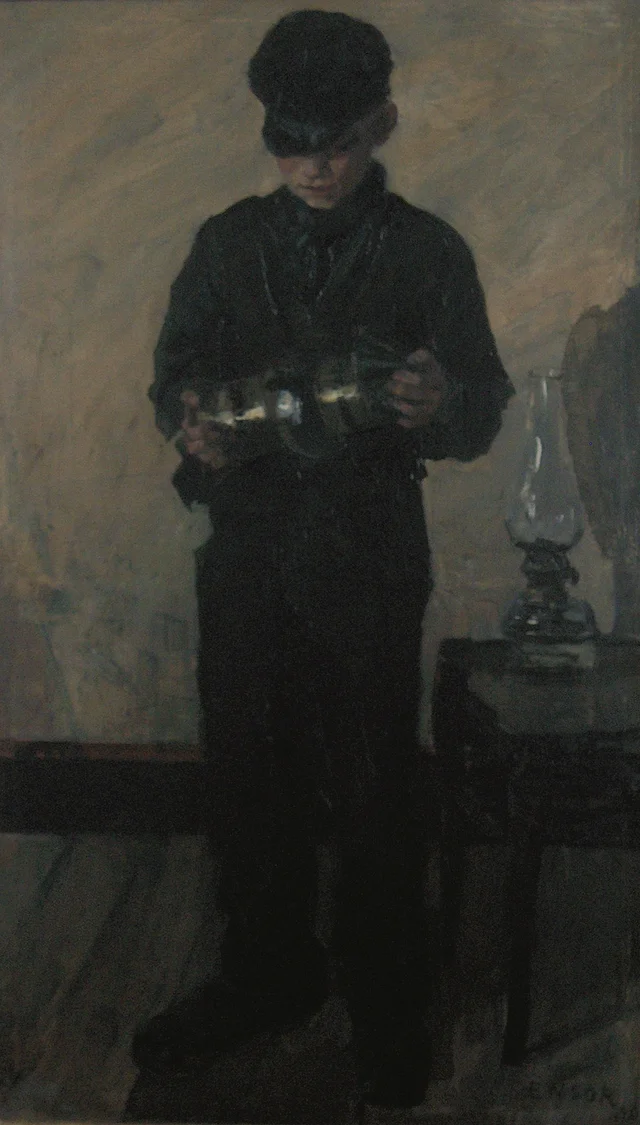 The LamplighterJames Ensor, 1880
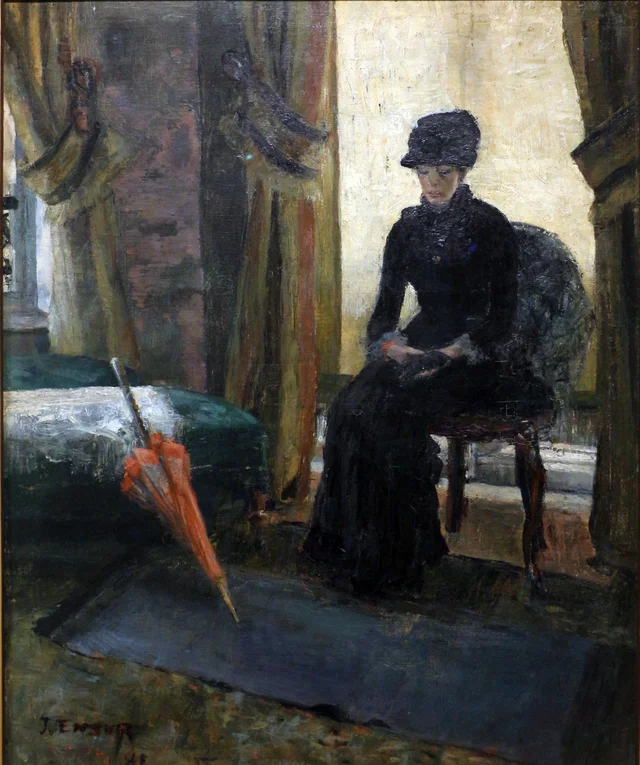 The Sombre LadyJames Ensor, 1881