The story
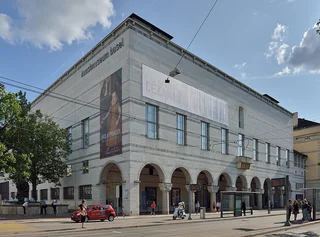
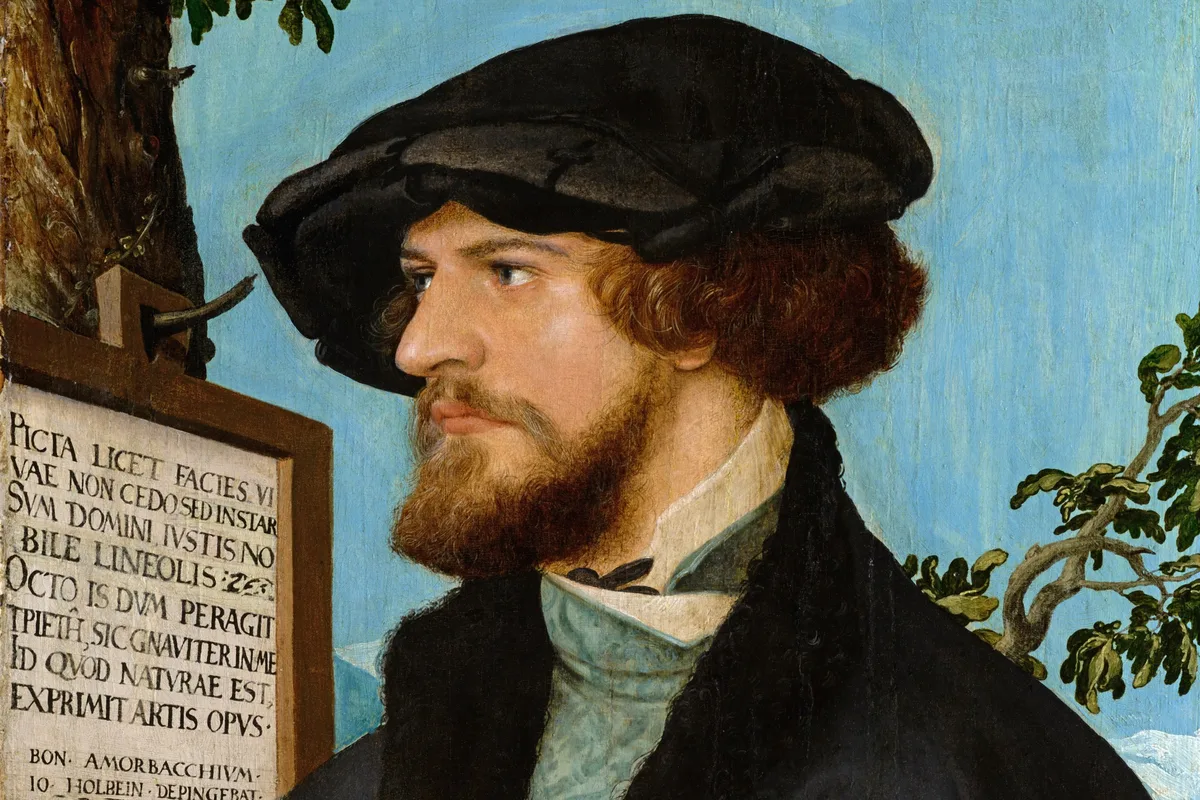
Basel can claim the oldest public art collection in the world, and it began as a rescue. In 1661 the collection assembled by the Amerbach family, rich in works by Hans Holbein the Younger, was about to be sold to Amsterdam. The city and its university bought it instead, and a few years later they put it on show, which made it a museum open to ordinary citizens more than a century before the Louvre.
That Holbein group is still the heart of the place. Holbein lived and worked in Basel before he left for the English court, and the museum holds his portraits, designs and the unsettling Dead Christ in the Tomb, a narrow, coffin-shaped panel of a corpse so bleakly real that Dostoevsky, who saw it here, said it could make a believer lose their faith.
The building of 1936 carries the story onward through Böcklin, a deep run of Cubism and a floor of postwar and contemporary art, all of it added over the centuries to the cabinet the Amerbachs sold in 1661.
More articles
Collection
430 works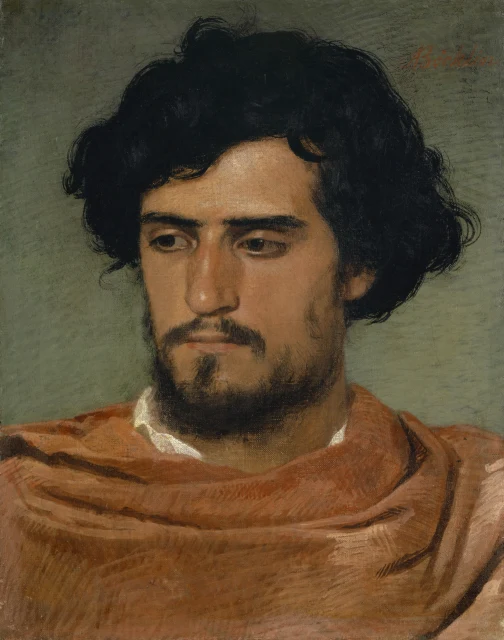 Head of a RomanArnold Böcklin, 1863
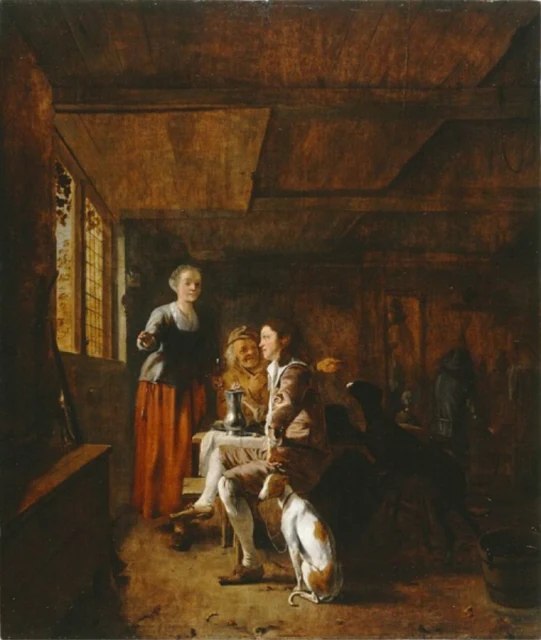 Hunters and a Landlady in an InnLudolf de Jongh, 1650
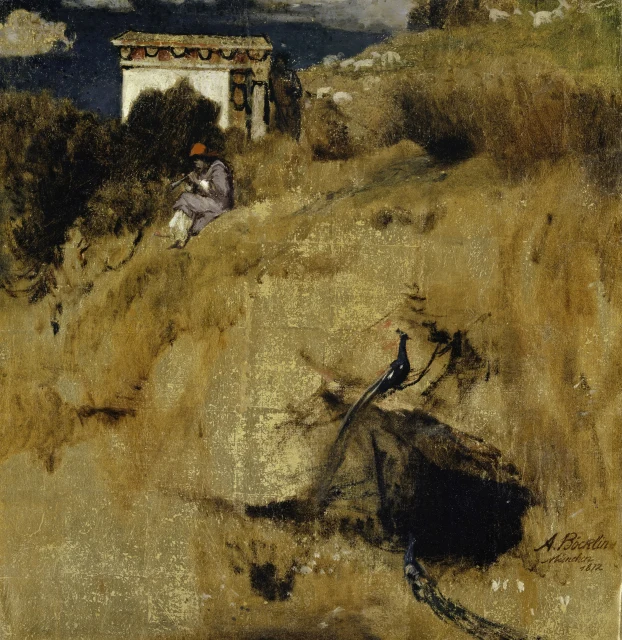 Idyll (Fragment of a Screen)Arnold Böcklin, 1872
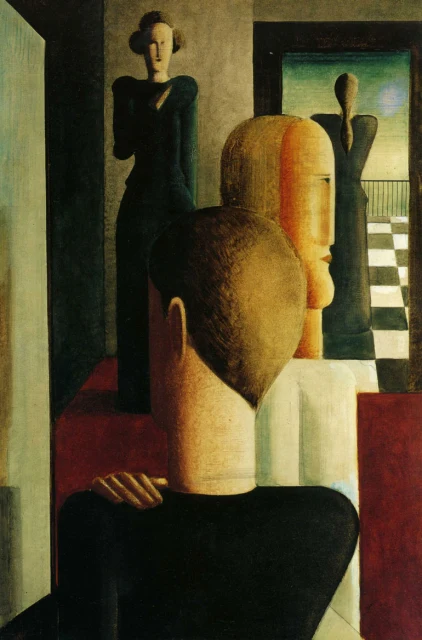 Interior with Four Figures, RomanOskar Schlemmer, 1925
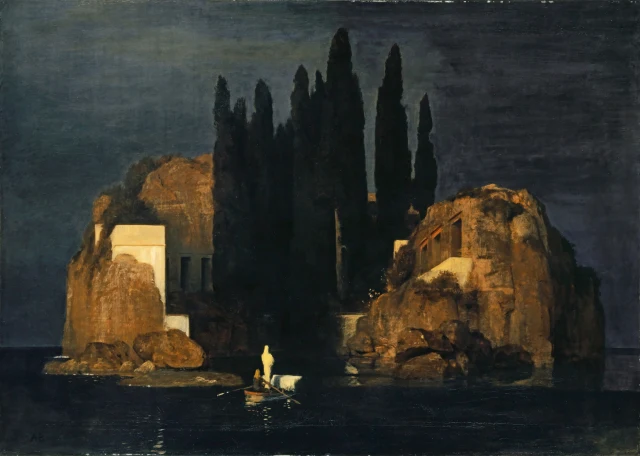 Isle of the DeadArnold Böcklin, 1880
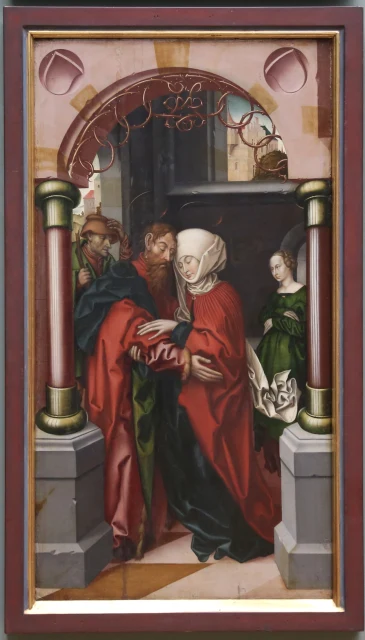 Joachim and Anne at the Golden GateHans Fries, 1512
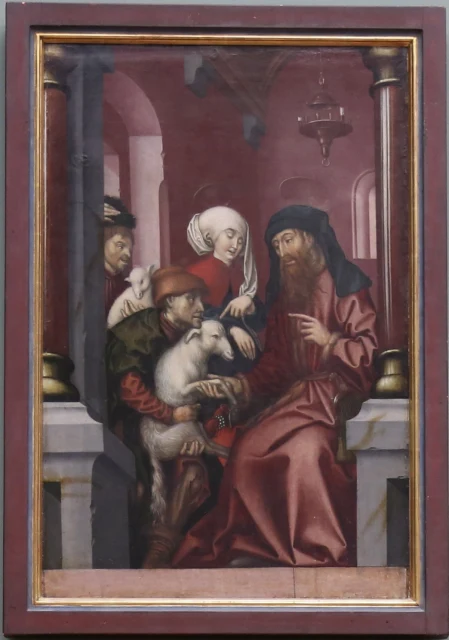 Joachim and Anne choosing a Lamb for SacrificeHans Fries, 1512
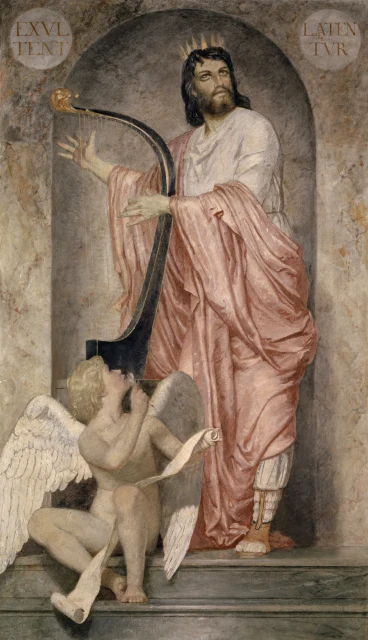 King DavidArnold Böcklin, 1868
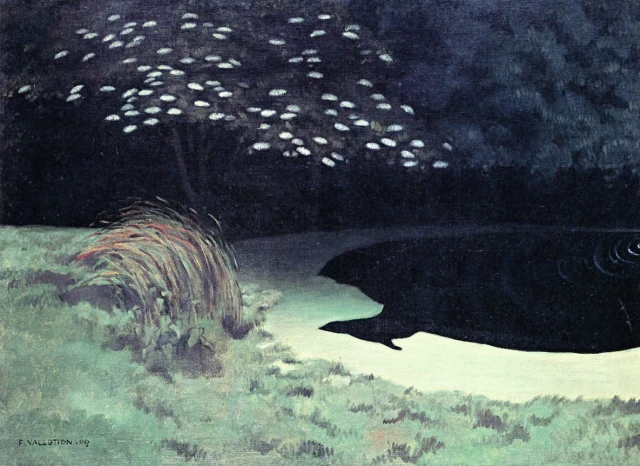 La MareFélix Vallotton, 1909
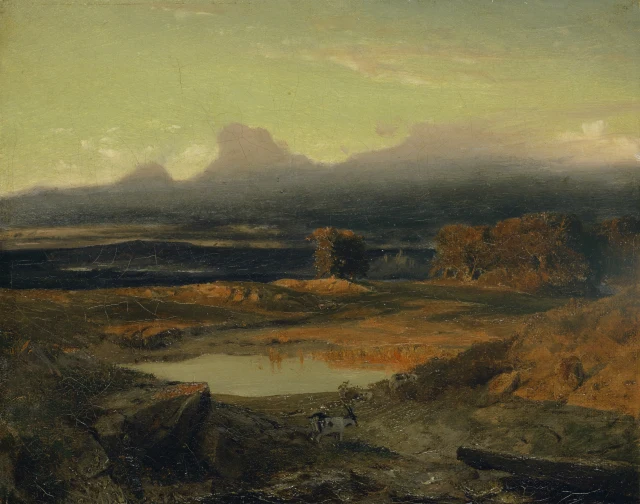 Landscape at SunsetArnold Böcklin, 1849
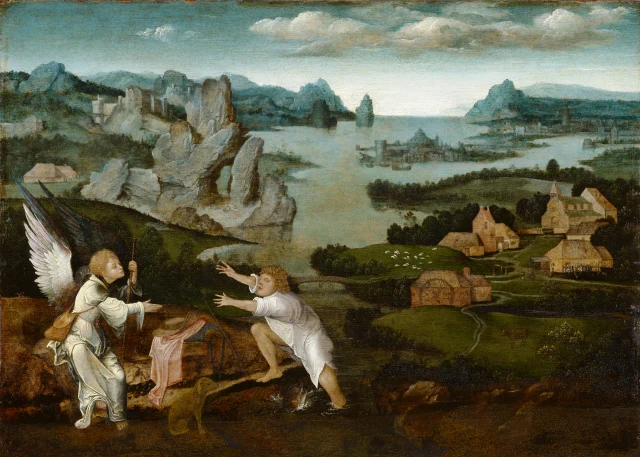 Landscape with Tobias and the AngelAnonymous, 1512
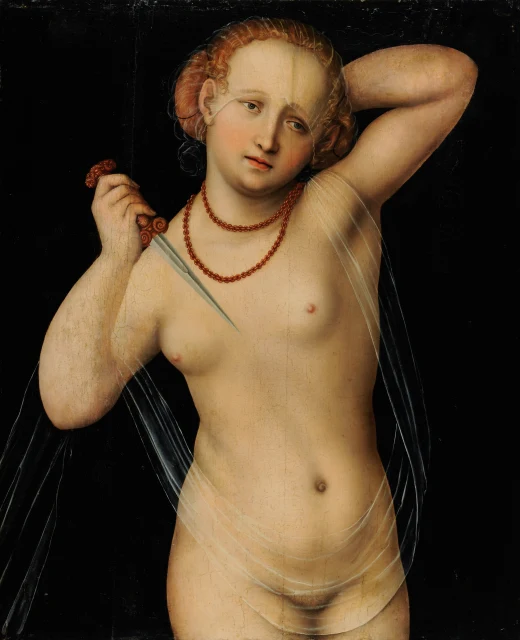 LucretiaLucas Cranach the Elder, 1525
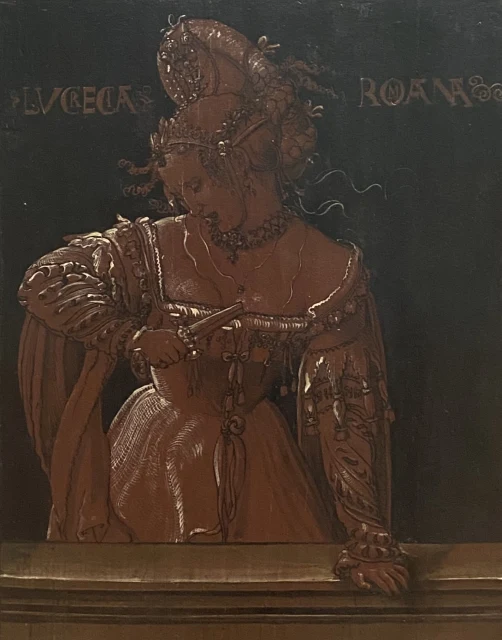 LucretiaNiklaus Manuel, 1517
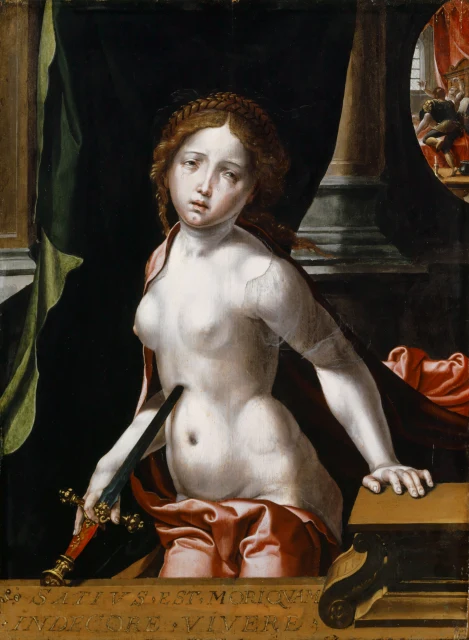 LucretiaPieter Coecke van Aelst, 1533
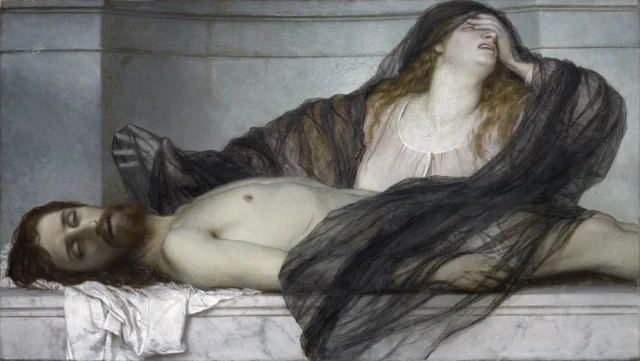 Magdalene Grieving over the Body of ChristArnold Böcklin, 1867
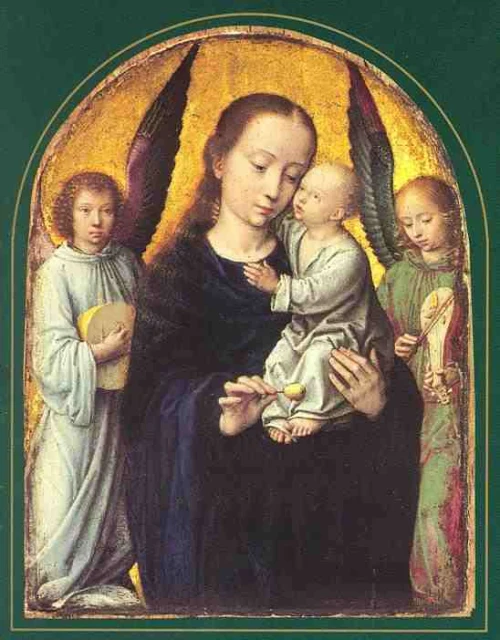 Mary and Child with two Angels Making MusicGerard David
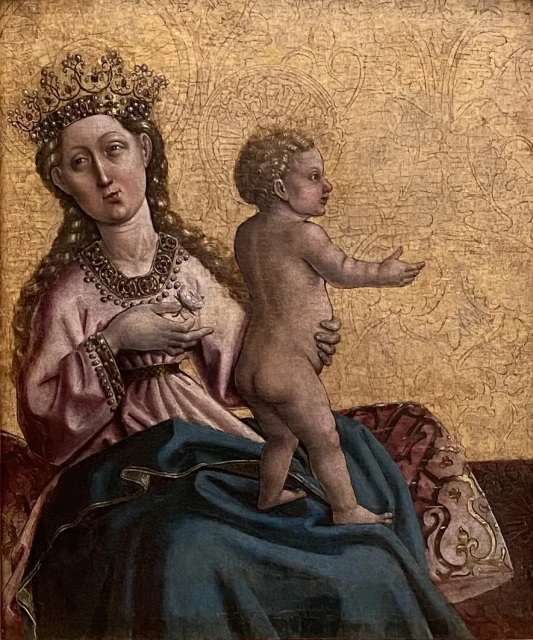 Mary with ChildKonrad Witz, 1430
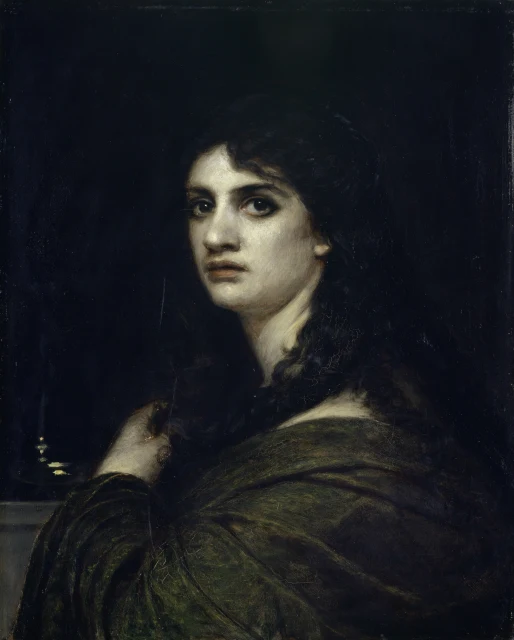 MelancholyArnold Böcklin, 1871
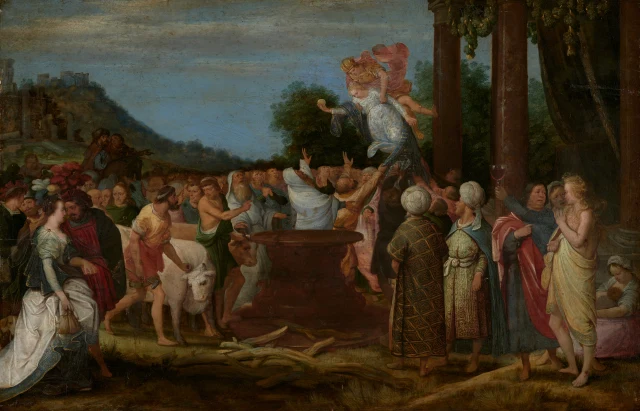 Mercury Abducting the Goddess ContentoAdriaen van Stalbemt