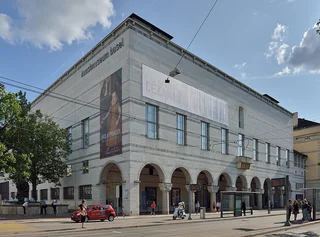
The story
Basel can claim the oldest public art collection in the world, and it began as a rescue. In 1661 the collection assembled by the Amerbach family, rich in works by Hans Holbein the Younger, was about to be sold to Amsterdam. The city and its university bought it instead, and a few years later they put it on show, which made it a museum open to ordinary citizens more than a century before the Louvre.
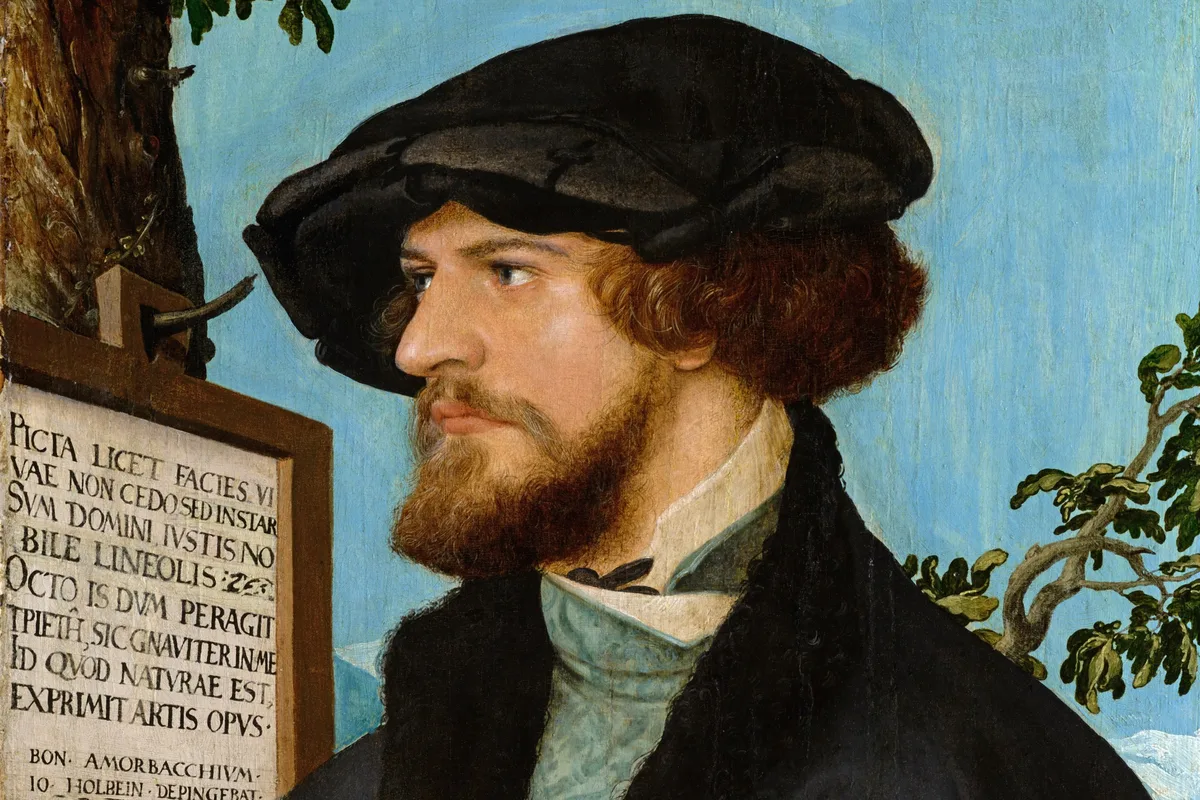
That Holbein group is still the heart of the place. Holbein lived and worked in Basel before he left for the English court, and the museum holds his portraits, designs and the unsettling Dead Christ in the Tomb, a narrow, coffin-shaped panel of a corpse so bleakly real that Dostoevsky, who saw it here, said it could make a believer lose their faith.
The building of 1936 carries the story onward through Böcklin, a deep run of Cubism and a floor of postwar and contemporary art, all of it added over the centuries to the cabinet the Amerbachs sold in 1661.
More articles
Collection
430 works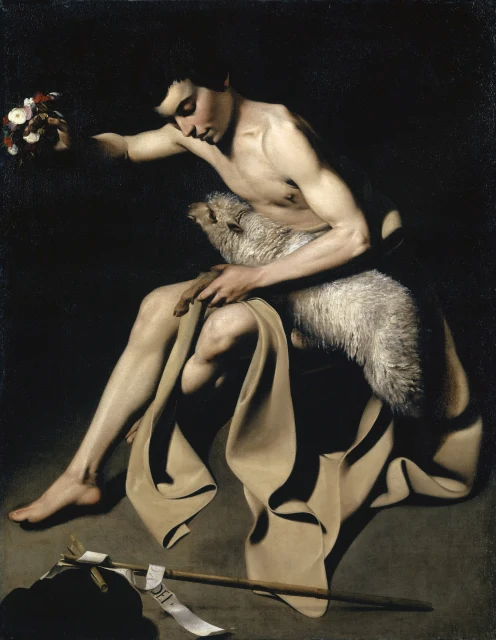 Saint John the BaptistJuan Bautista Maíno, 1609
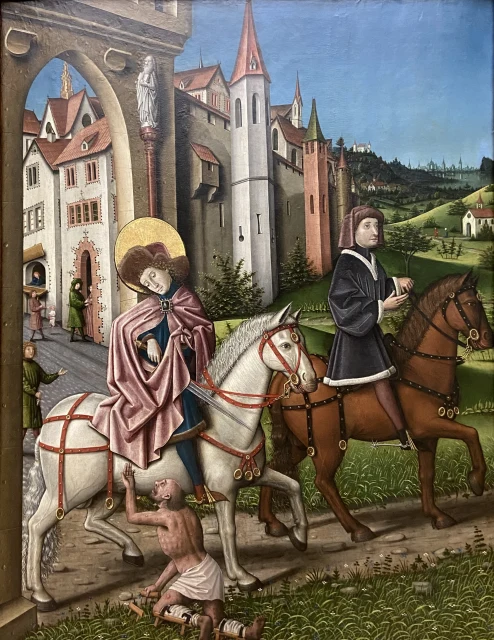 Saint Martin Cutting his CloakMaster of Sierentz
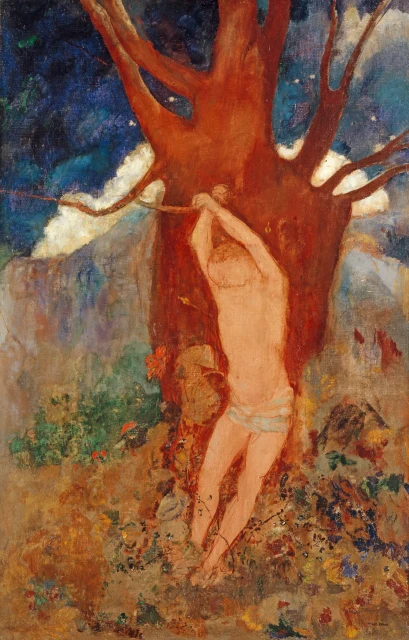 Saint SebastianOdilon Redon, 1910
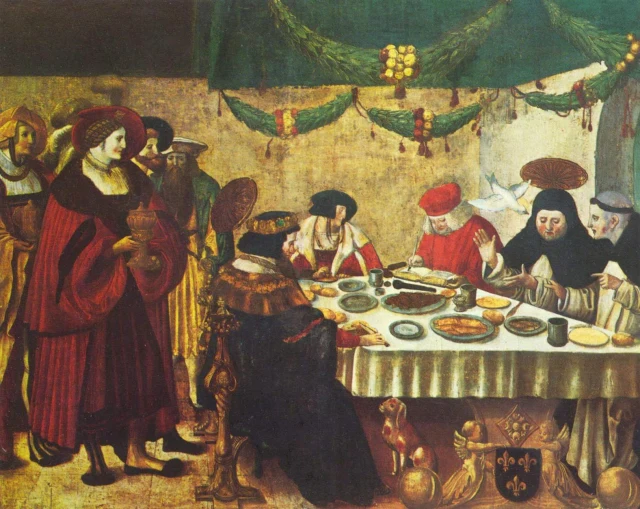 Saint Thomas Aquinas at the Table of King Louis the SaintNiklaus Manuel, 1517
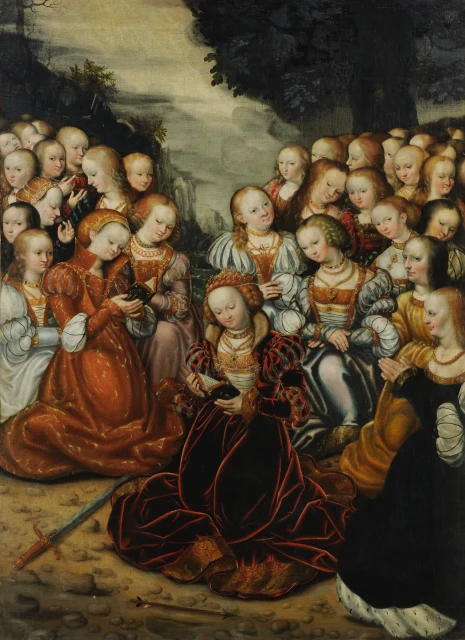 Saint Ursula and the VirginsAnonymous, 1625
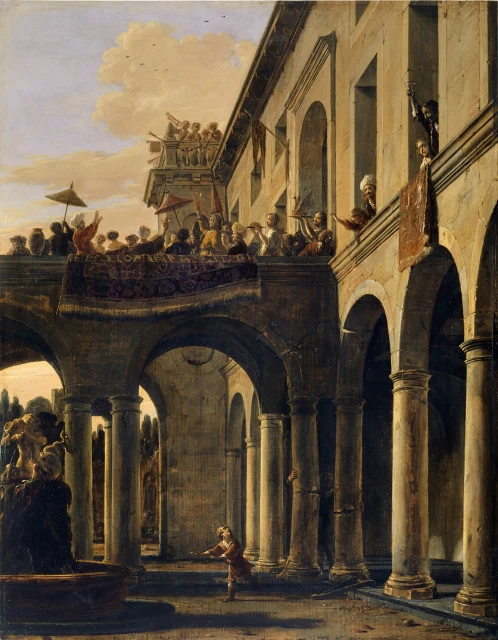 Samson Destroying the Temple of DagonSalomon de Bray, 1659
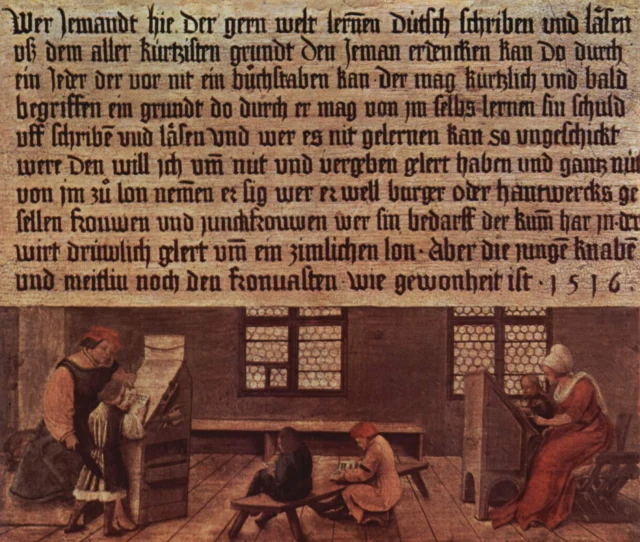 School with school master and childrenAmbrosius Holbein, 1516
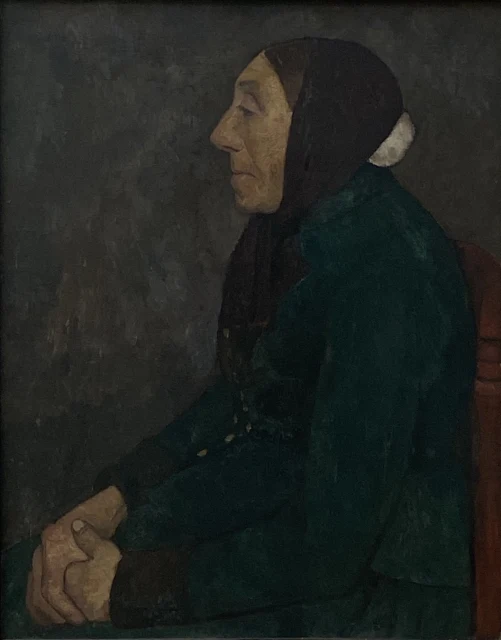 Seated Old Peasant WomanPaula Modersohn-Becker, 1903
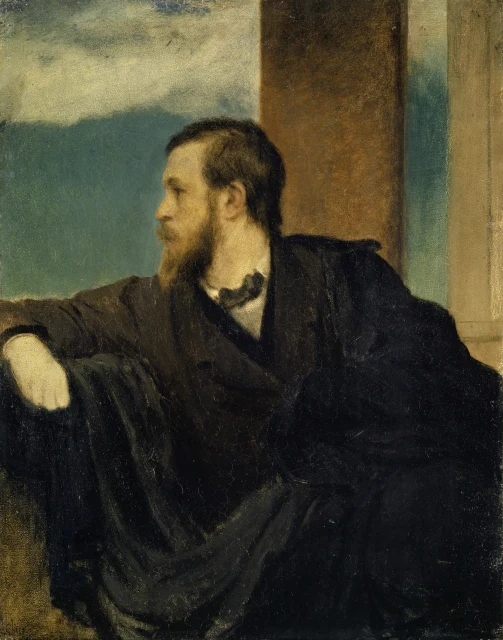 Self-PortraitArnold Böcklin, 1862
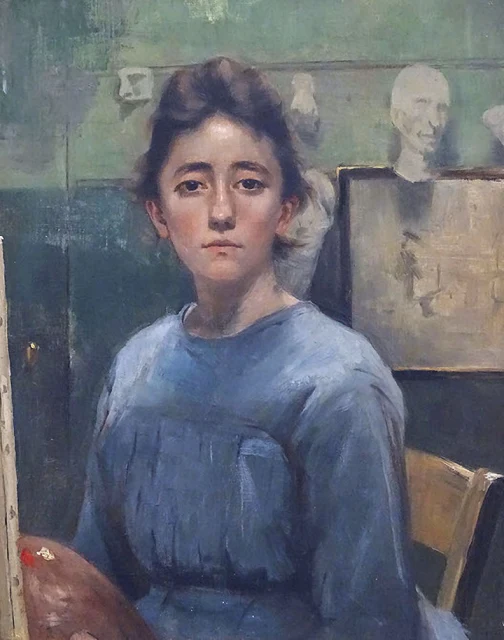 Self-Portrait in front of the EaselAugusta Roszmann, 1887
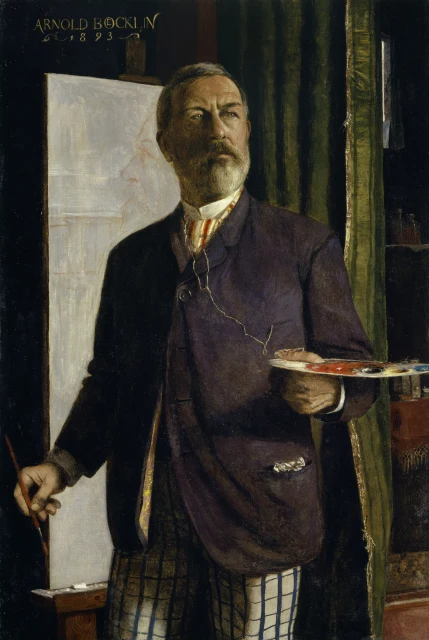 Self-Portrait in the StudioArnold Böcklin, 1893
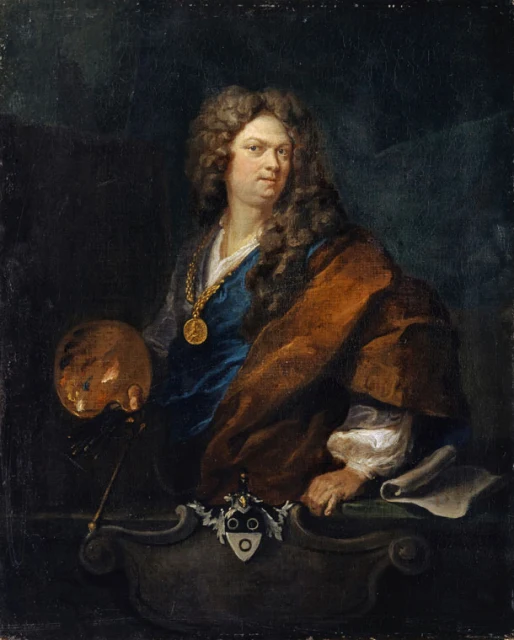 Self-Portrait with Family Coat of ArmsJohann Rudolf Huber, 1710
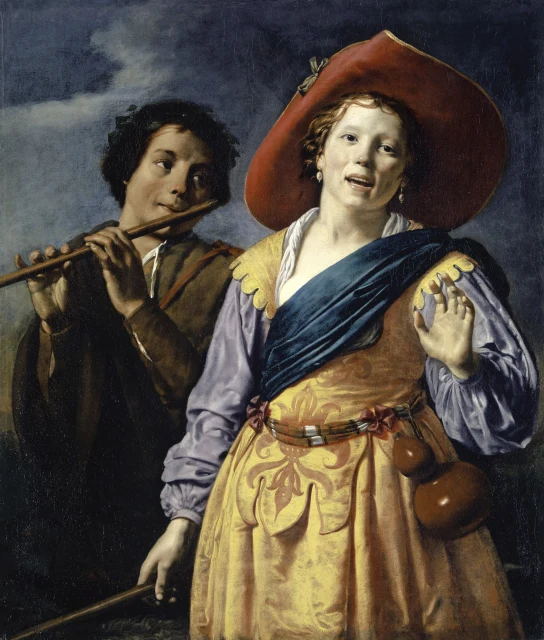 Shepherdess singing with ShepherdJohannes Moreelse, 1630
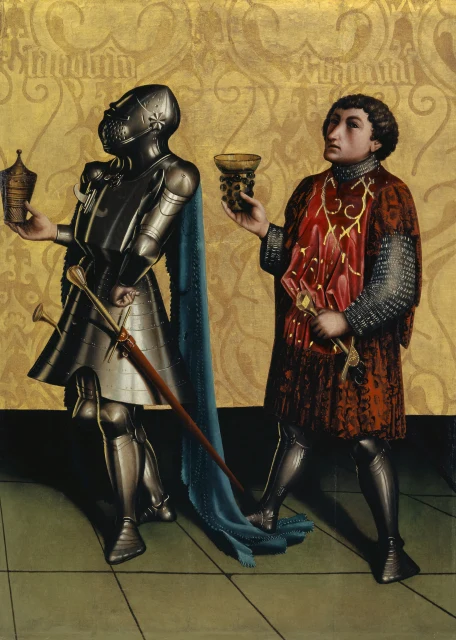 Sibbecai and BenaiahKonrad Witz, 1435
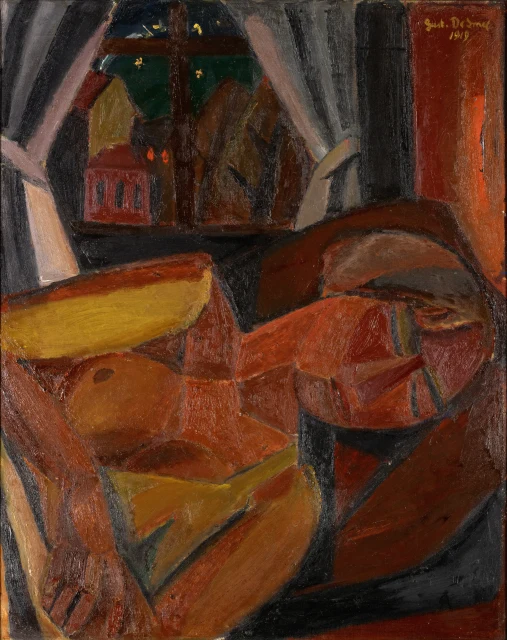 Sleeping WomanGustave De Smet, 1919
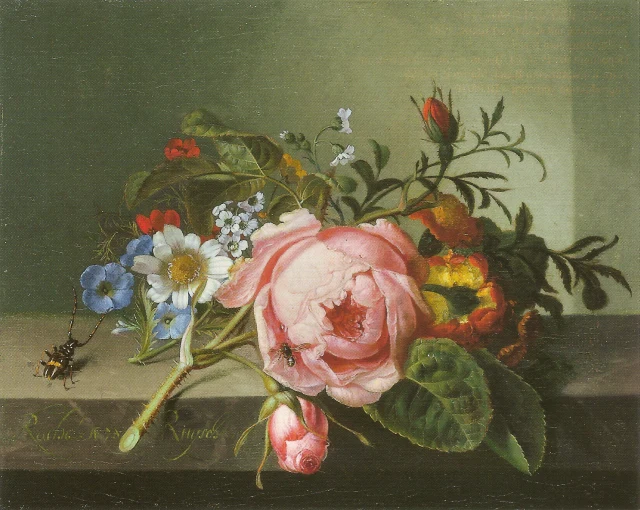 Spray of Flowers, with a Beetle on a Stone BalustradeRachel Ruysch, 1741
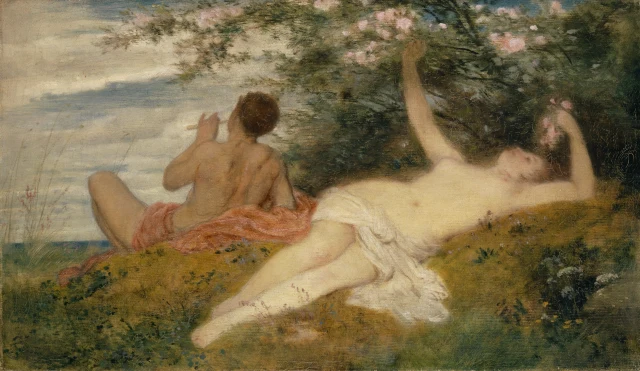 Spring (sketch)Arnold Böcklin, 1862
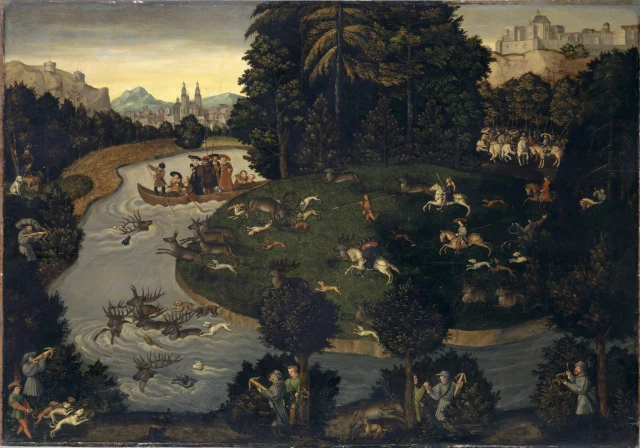 Stag HuntLucas Cranach the Elder
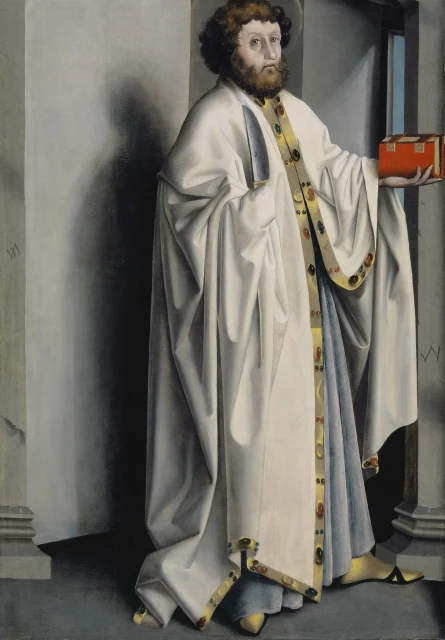 St BartholomewKonrad Witz, 1435
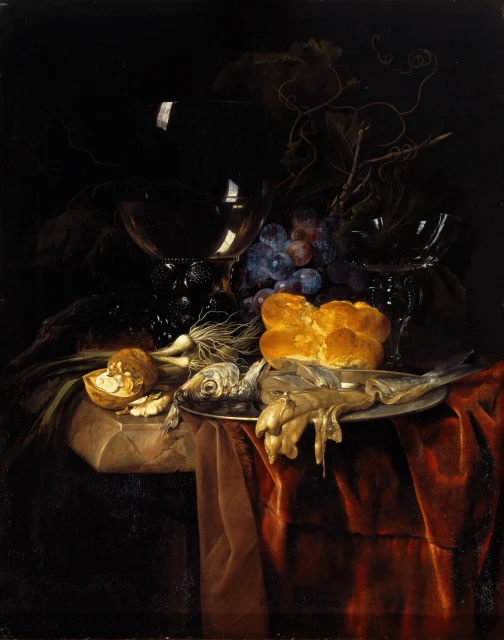 Still life with a roemer, fish, bread, walnuts, onions and grapes on a dark clothWillem van Aelst, 1679