
The story
The Louvre began as a fortress. Philip II raised it on the right bank of the Seine around 1190 to guard medieval Paris, and over the following centuries French kings rebuilt it into a royal palace, until Louis XIV moved his court to Versailles in 1682 and left the half-finished halls to the royal collection and the artists lodged inside.
The Revolution turned it into a public museum. On 10 August 1793 the Muséum central des arts opened its doors, showing the confiscated art of the crown and the church to any citizen who wished to walk in. Napoleon filled it with the spoils of his campaigns and briefly renamed it after himself. Much was returned after Waterloo, but the idea held, a national collection arranged for study and free to the public.
Today the Louvre holds more than 35,000 works, from the Venus de Milo to Géricault's Raft of the Medusa. The crowds, though, press toward one small portrait. In August 1911 it vanished: Vincenzo Peruggia, an Italian handyman who had worked in the museum, lifted Leonardo's Mona Lisa off the wall and carried it out under his coat. For two years the frame hung empty while visitors came to stare at the gap, and the painting returned only in 1913, after Peruggia tried to sell it to a dealer in Florence. I. M. Pei's glass pyramid, set in the courtyard in 1989, now marks the entrance.
More articles

Collection
1,174 works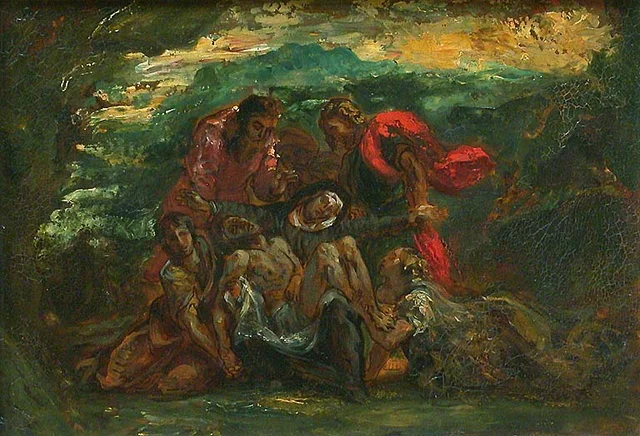 Pieta, first sketchEugène Delacroix, 1843
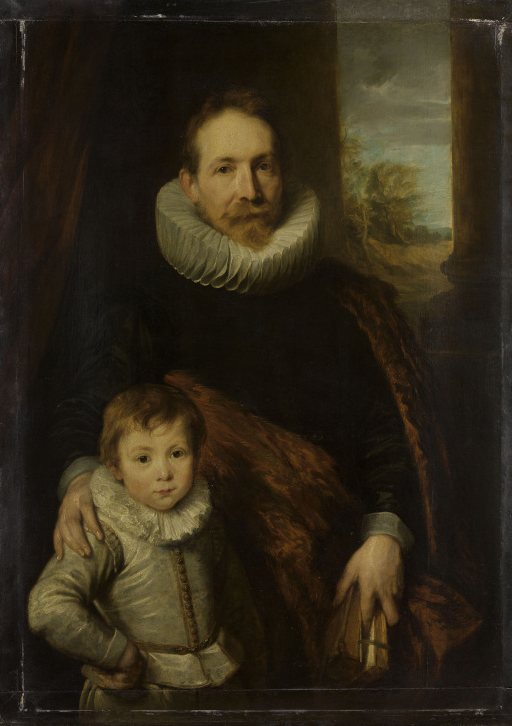 Portrait of a Father and His SonAnthony van Dyck, 1620
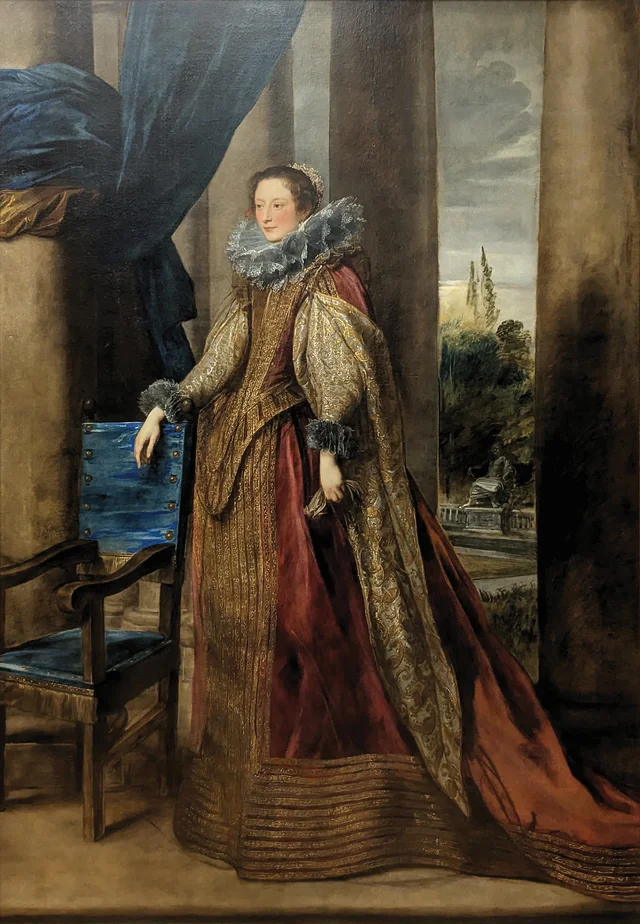 Portrait of a Genoese LadyAnthony van Dyck, 1626
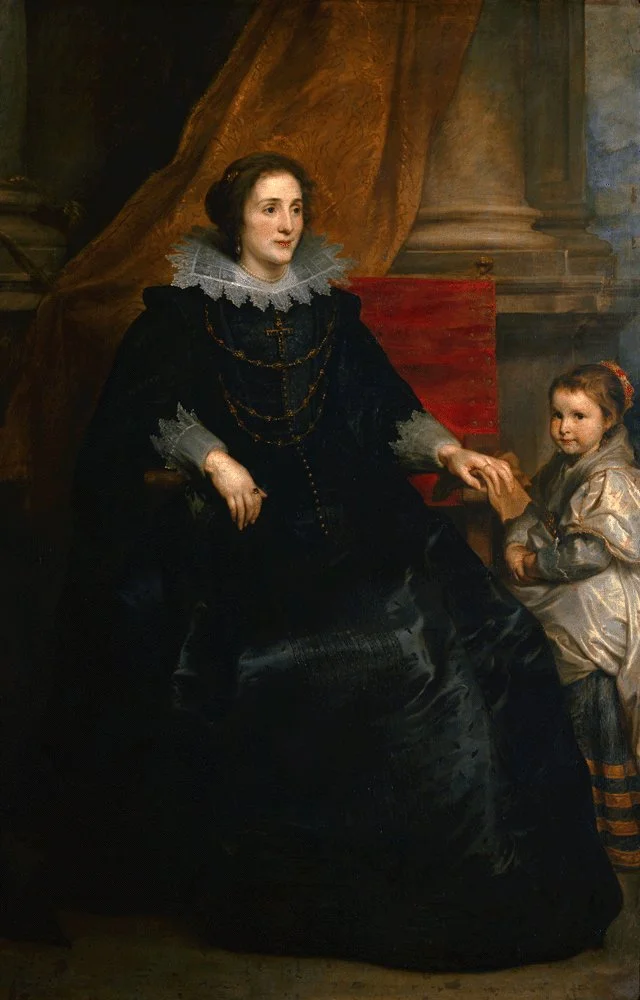 Portrait of a Lady with her DaughterAnthony van Dyck, 1628
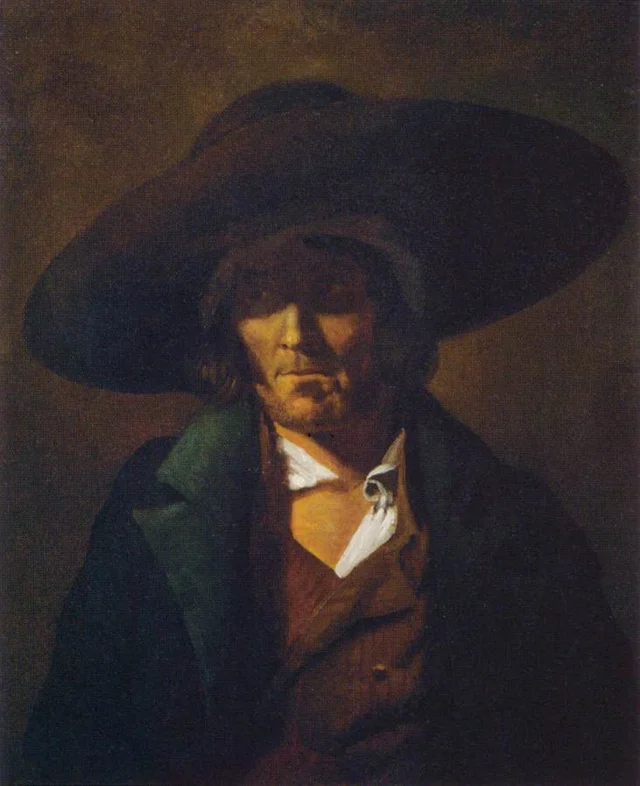 Portrait of a ManThéodore Géricault, 1822
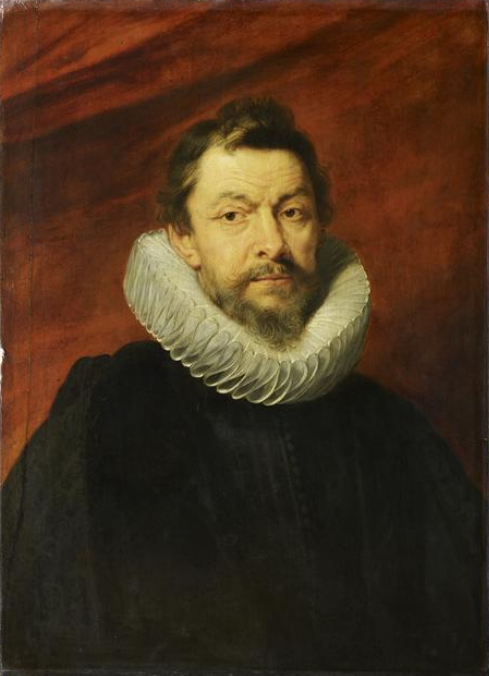 Portrait of Baron Henri de VicqPeter Paul Rubens, 1625
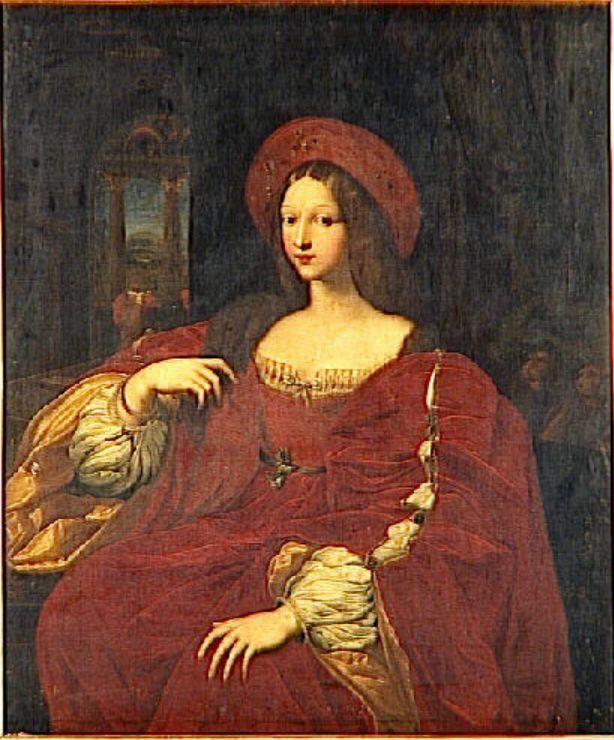 Portrait of Dona Isabel de RequesensGiulio Romano, 1518
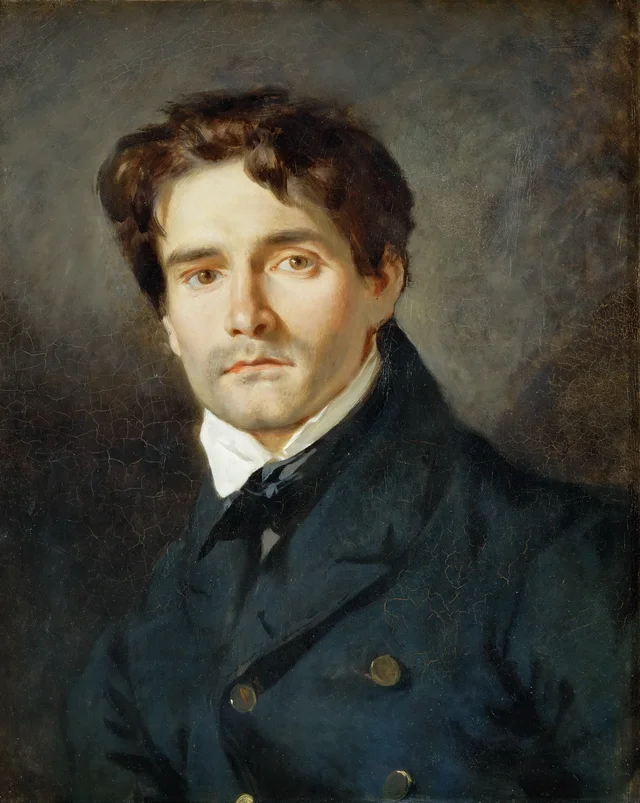 Portrait of Leon RiesenerEugène Delacroix, 1835
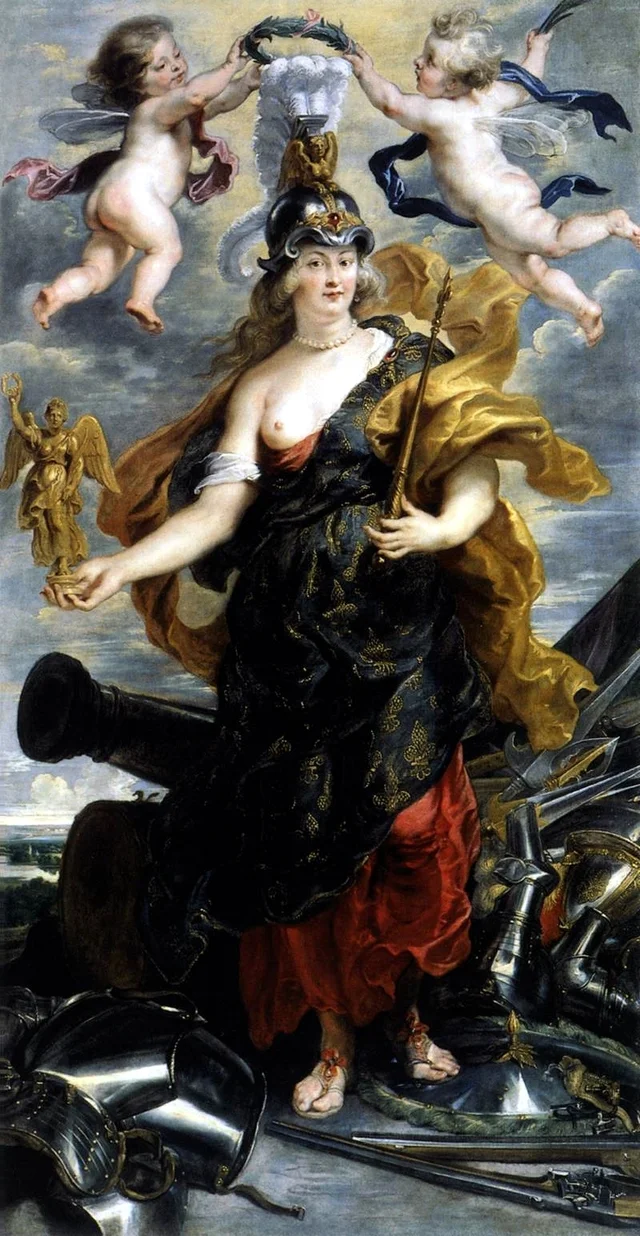 Portrait of Marie de' MediciPeter Paul Rubens, 1623
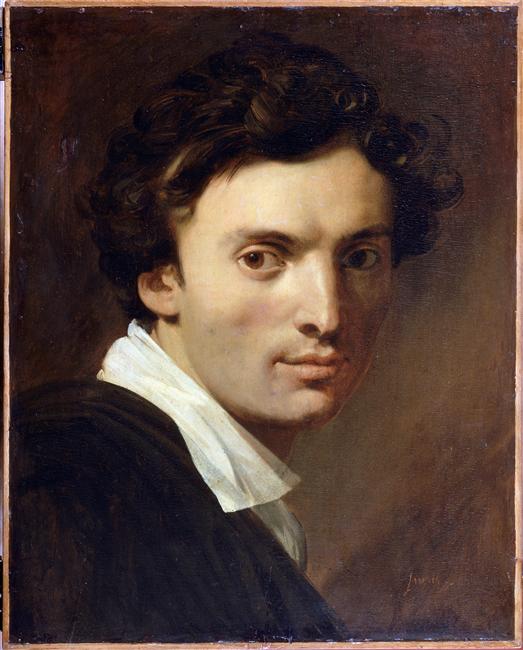 Portrait of the Sculptor Jean-Pierre CortotJean-Auguste-Dominique Ingres, 1815
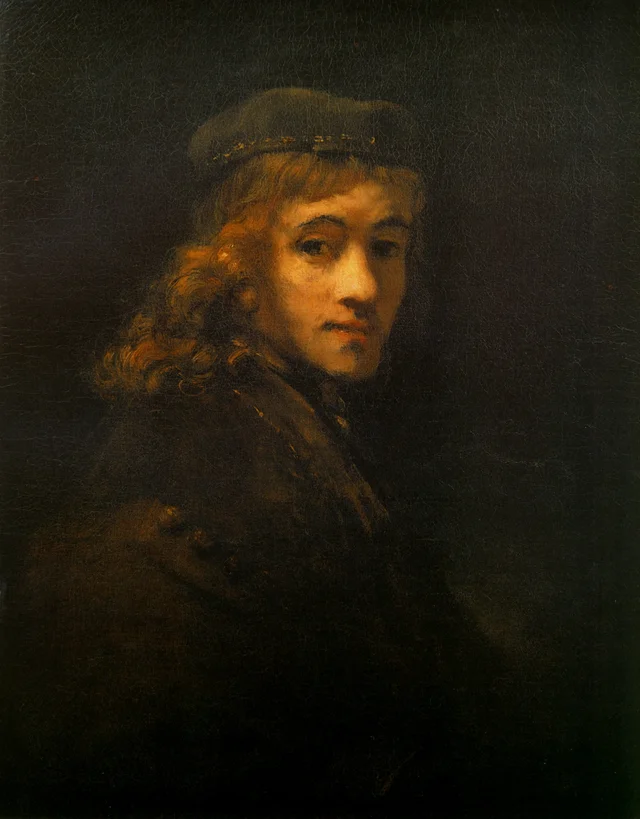 Portrait of Titus van RijnRembrandt, 1668
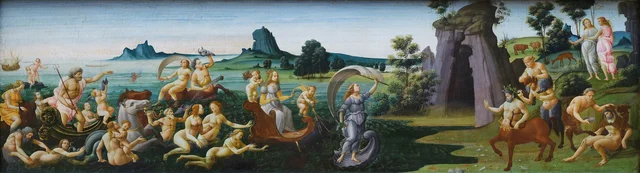 Procession of ThetisBartolomeo di Giovanni, 1490
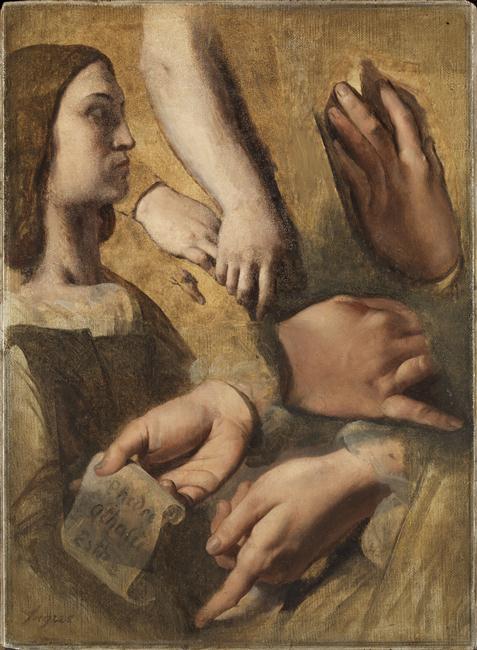 Profile of Raphael and Hands of Apelles, Raphael and Racine, Studies for The Apotheosis of HomerJean-Auguste-Dominique Ingres, 1826
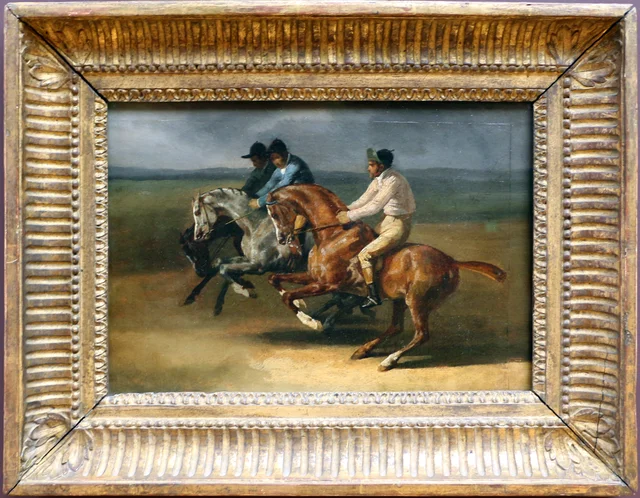 Race of Mounted Horses at the StartThéodore Géricault, 1822
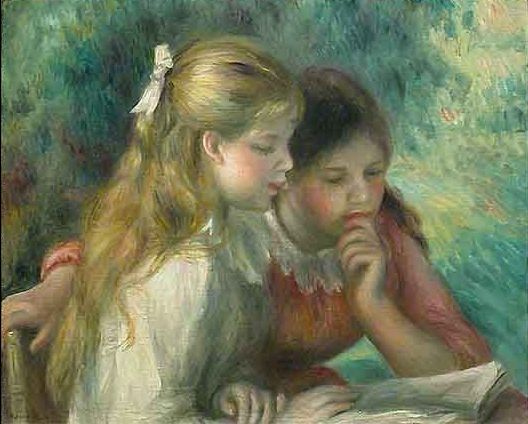 ReadingPierre-Auguste Renoir, 1892
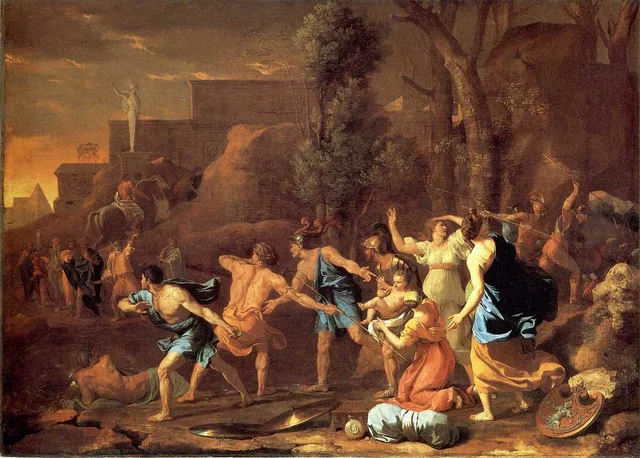 Rescue of Young King PyrrhusNicolas Poussin, 1634
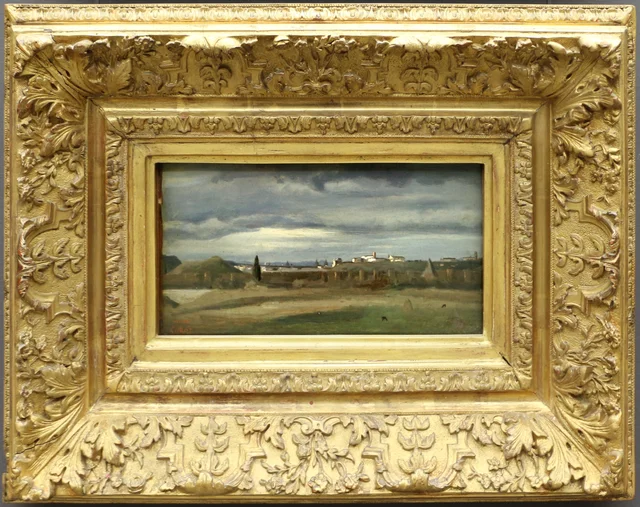 Roman countryside. The Monte TestaccioJean-Baptiste Camille Corot, 1825
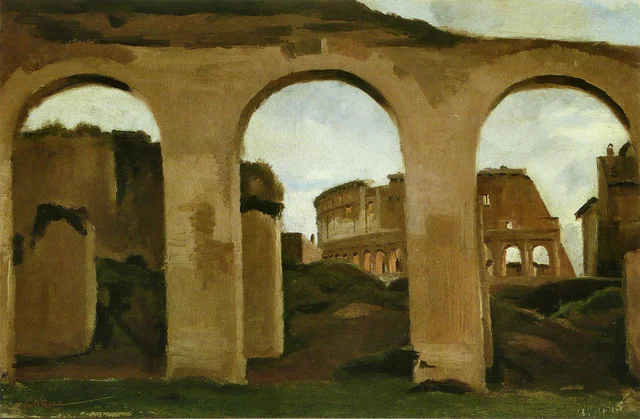 Rome. The Colosseum Seen through the Arcades of the Basilica of ConstantineJean-Baptiste Camille Corot, 1825
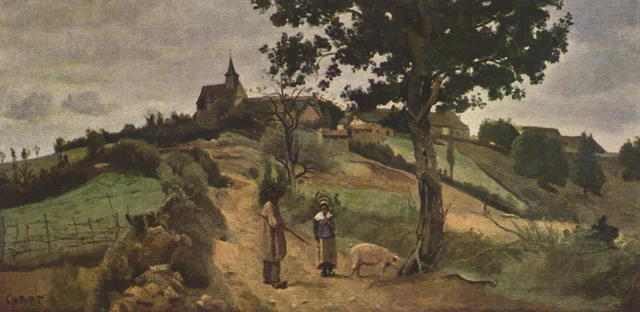 Saint-André-en-MorvanJean-Baptiste Camille Corot, 1842
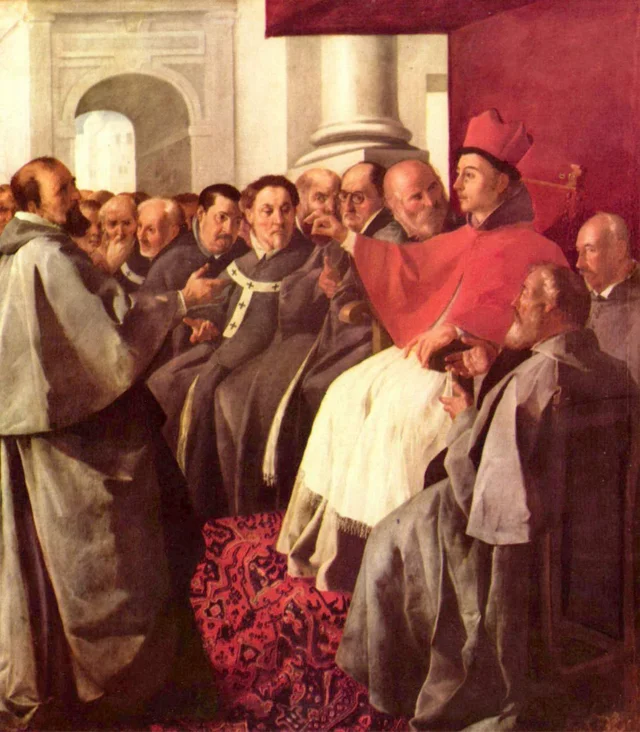 Saint Bonaventure at the Council of LyonFrancisco de Zurbarán, 1629
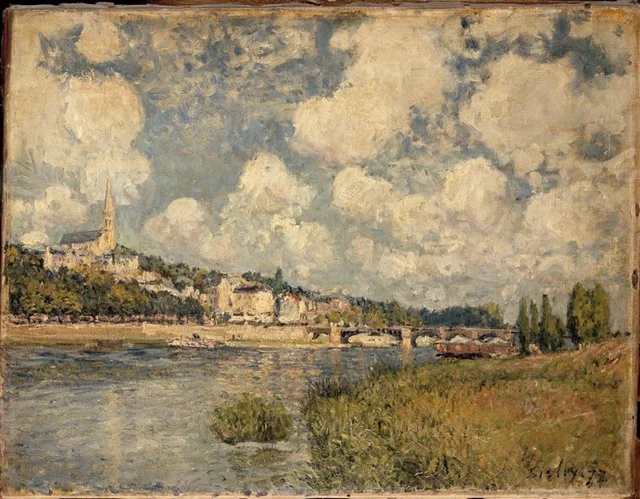 Saint-CloudAlfred Sisley, 1877
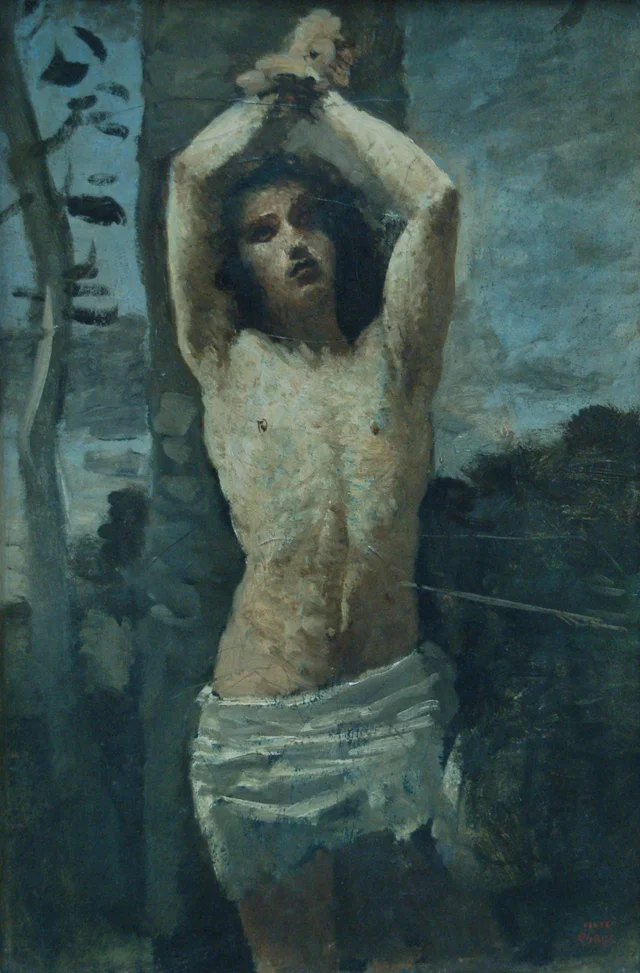 Saint SebastianJean-Baptiste Camille Corot, 1850
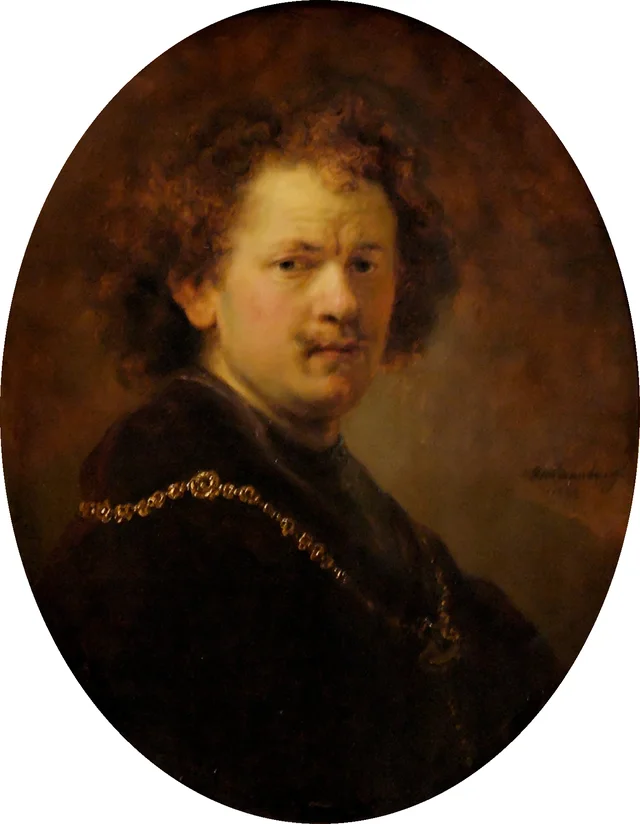 Self-portrait Bare-headed with Gold ChainRembrandt, 1633
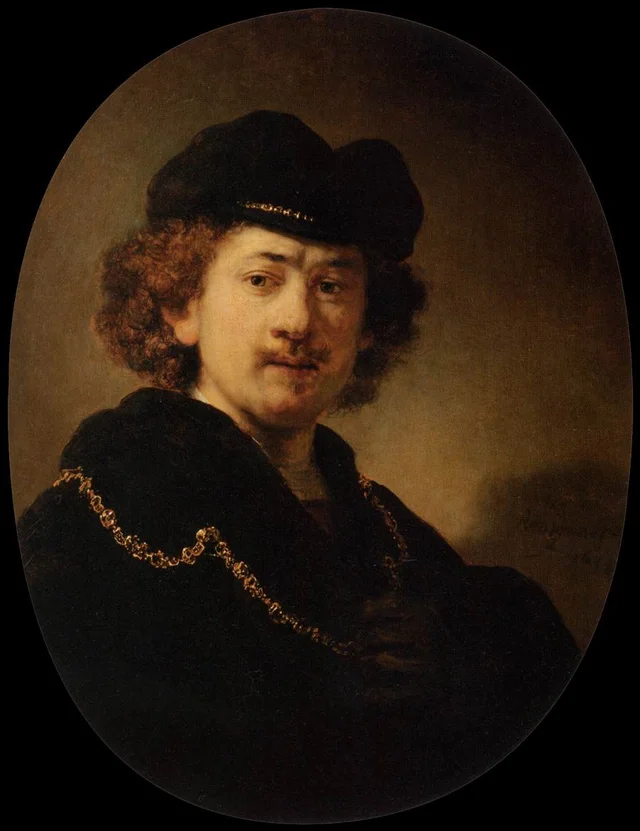 Self-portrait Wearing a Toque and a Gold ChainRembrandt, 1633
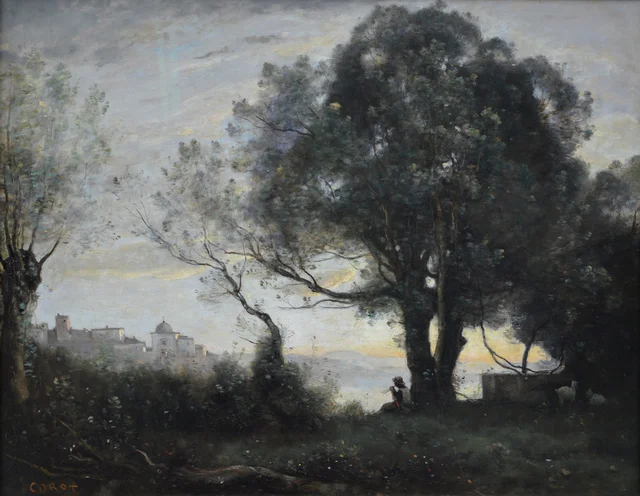 Souvenir of Castel GandolfoJean-Baptiste Camille Corot, 1865