The story
The Louvre began as a fortress. Philip II raised it on the right bank of the Seine around 1190 to guard medieval Paris, and over the following centuries French kings rebuilt it into a royal palace, until Louis XIV moved his court to Versailles in 1682 and left the half-finished halls to the royal collection and the artists lodged inside.
The Revolution turned it into a public museum. On 10 August 1793 the Muséum central des arts opened its doors, showing the confiscated art of the crown and the church to any citizen who wished to walk in. Napoleon filled it with the spoils of his campaigns and briefly renamed it after himself. Much was returned after Waterloo, but the idea held, a national collection arranged for study and free to the public.
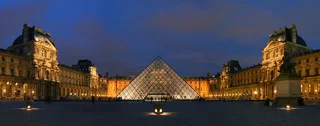
Today the Louvre holds more than 35,000 works, from the Venus de Milo to Géricault's Raft of the Medusa. The crowds, though, press toward one small portrait. In August 1911 it vanished: Vincenzo Peruggia, an Italian handyman who had worked in the museum, lifted Leonardo's Mona Lisa off the wall and carried it out under his coat. For two years the frame hung empty while visitors came to stare at the gap, and the painting returned only in 1913, after Peruggia tried to sell it to a dealer in Florence. I. M. Pei's glass pyramid, set in the courtyard in 1989, now marks the entrance.
More articles
Collection
1,174 works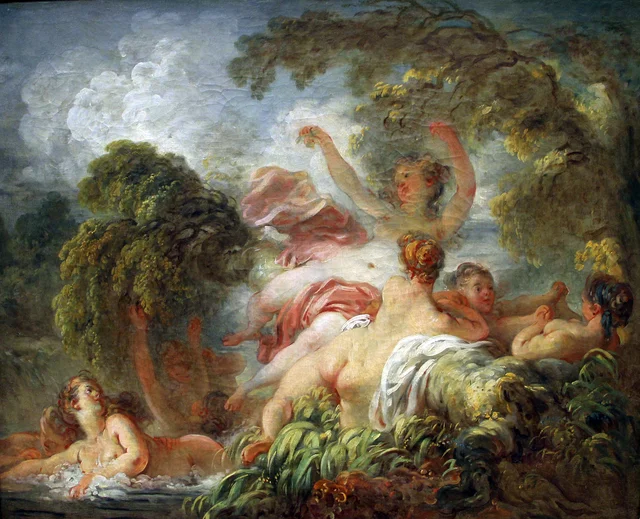 The BathersJean-Honoré Fragonard, 1765
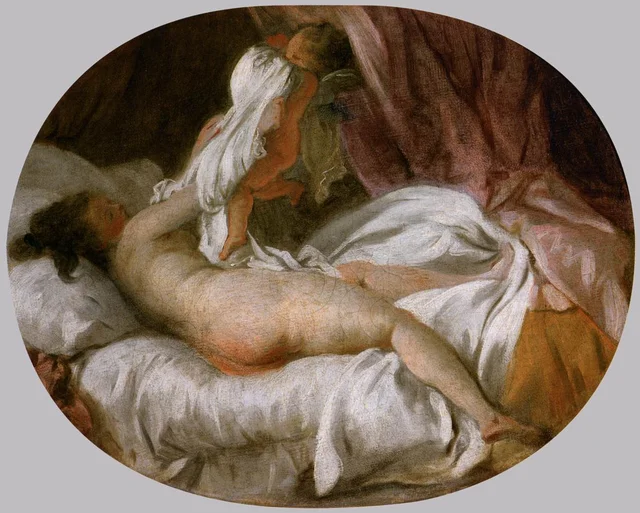 The Chemise WithdrawnJean-Honoré Fragonard, 1770
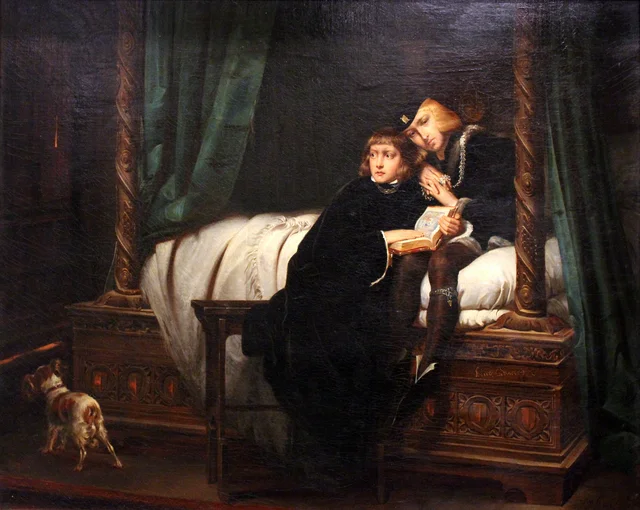 The Children of EdwardPaul Delaroche, 1830
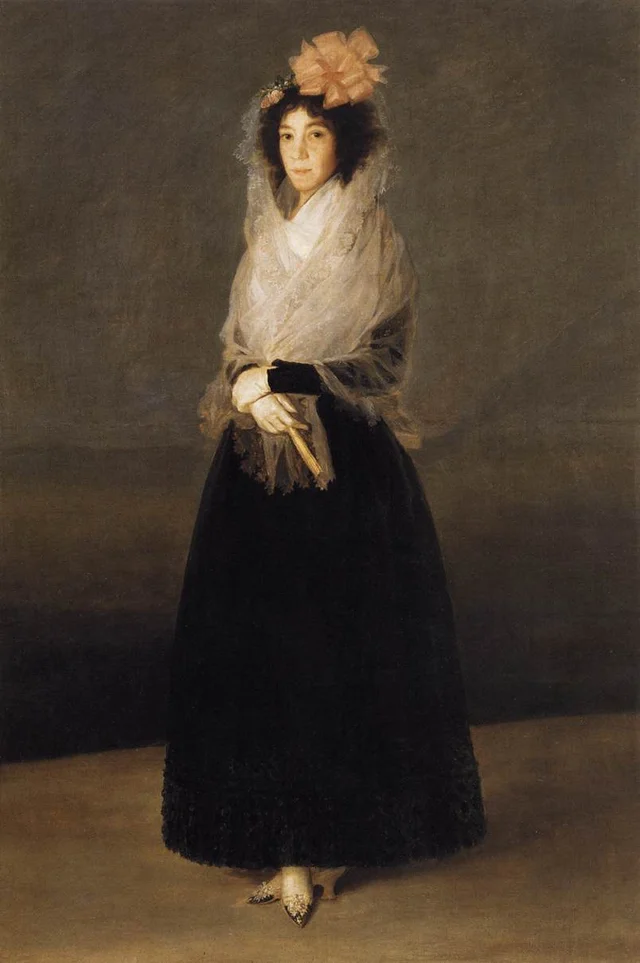 The Countess del Carpio, Marquesa de La SolanaFrancisco Goya, 1793
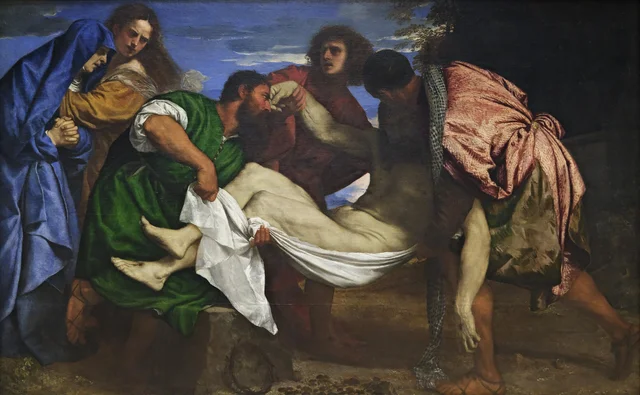 The Entombment of ChristTitian, 1524
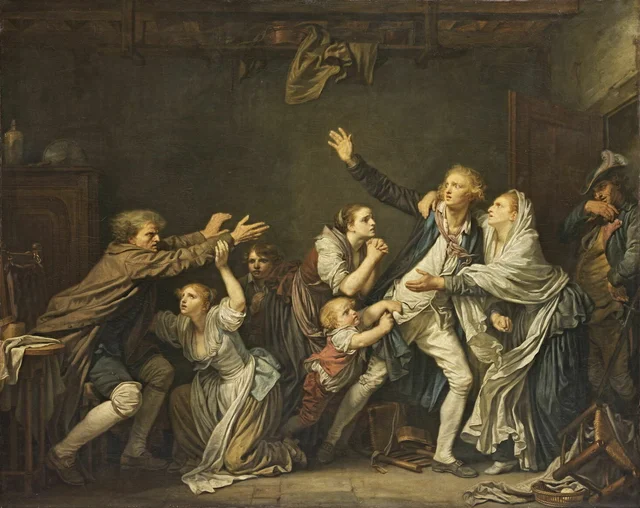 The Father's Curse - The Ungrateful SonJean-Baptiste Greuze, 1777
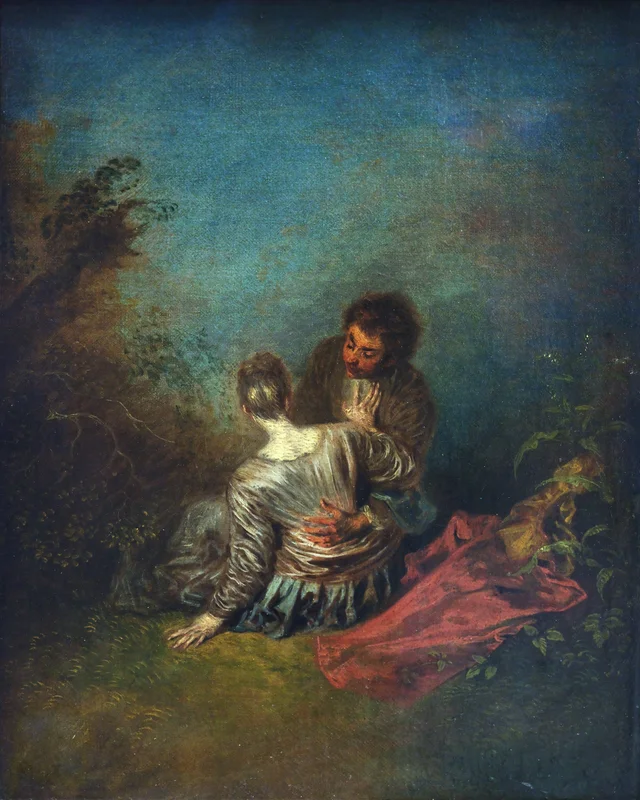 The Faux PasJean-Antoine Watteau, 1717
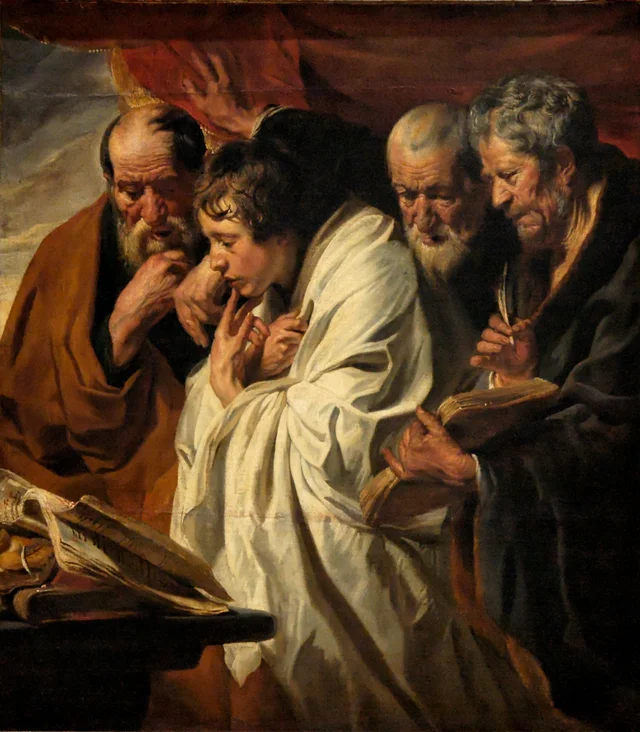 The Four EvangelistsJacob Jordaens, 1625
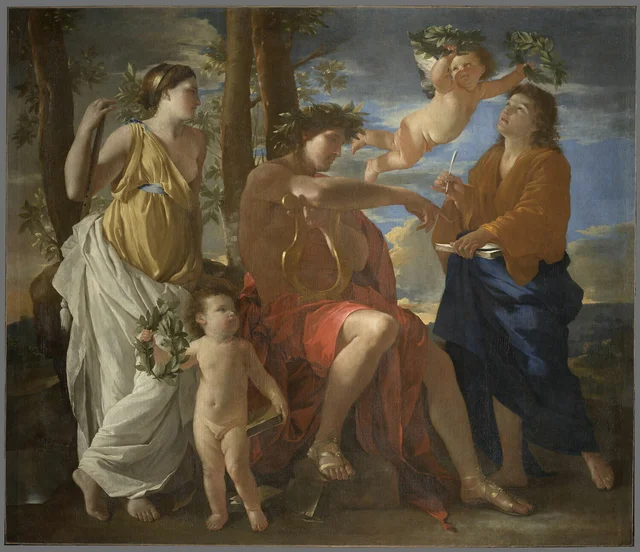 The Inspiration of the PoetNicolas Poussin, 1629
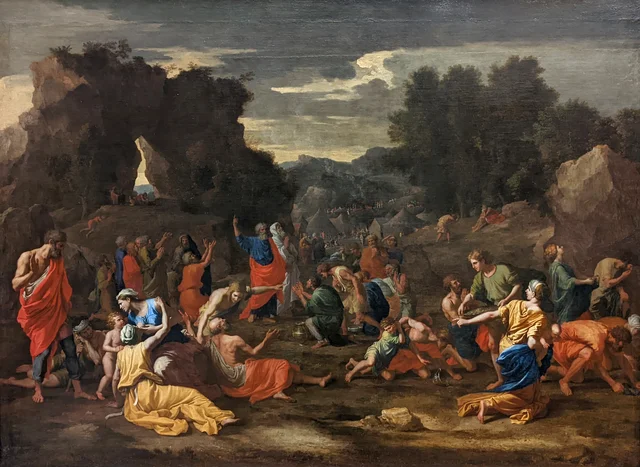 The Israelites gathering Manna in the DesertNicolas Poussin, 1638
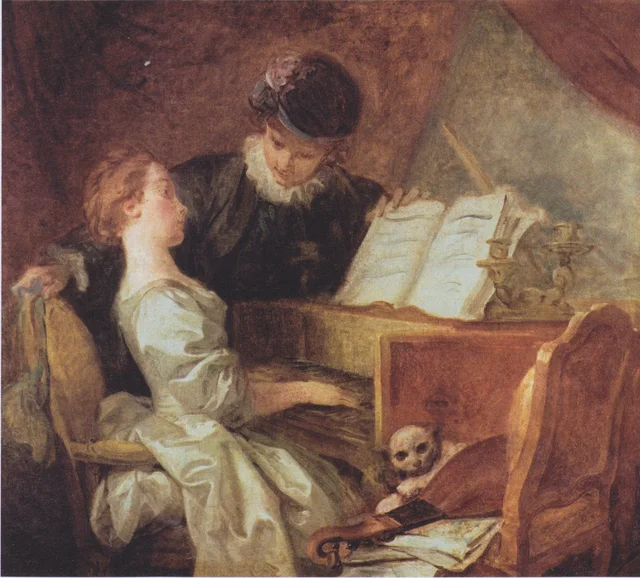 The Music LessonJean-Honoré Fragonard, 1770
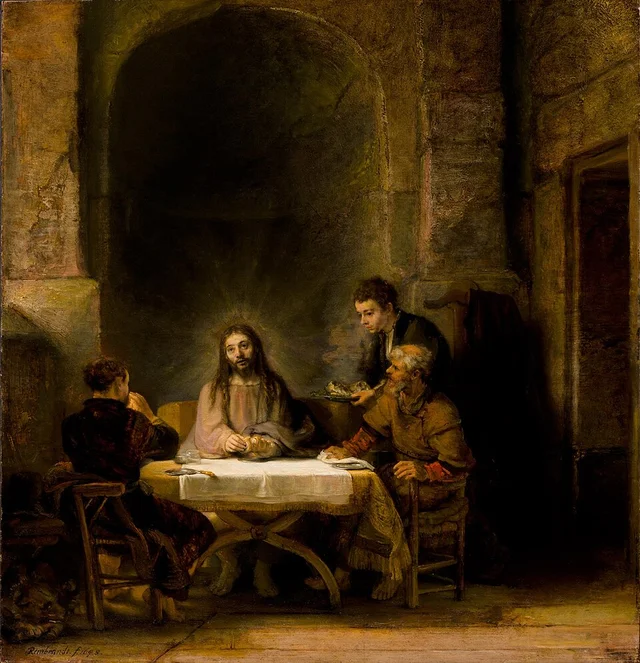 The Pilgrims of EmmausRembrandt, 1648
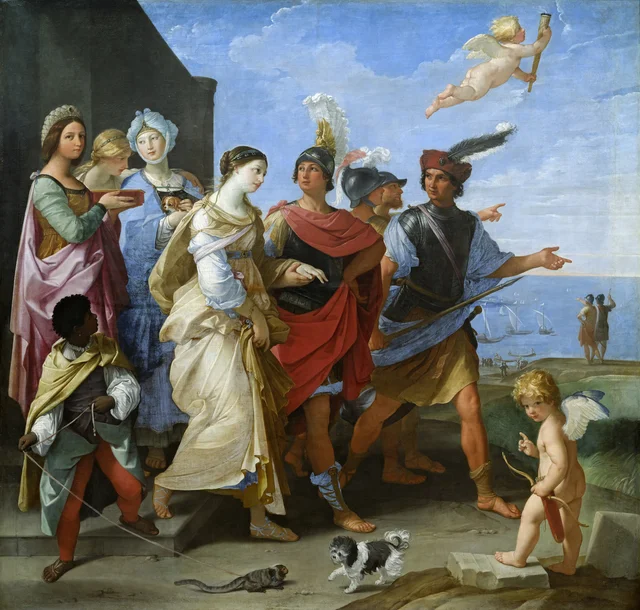 The Rape of HelenGuido Reni, 1631
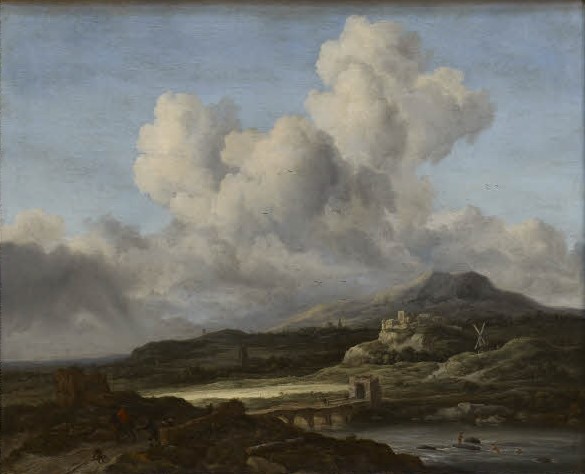 The Ray of LightJacob van Ruisdael, 1665
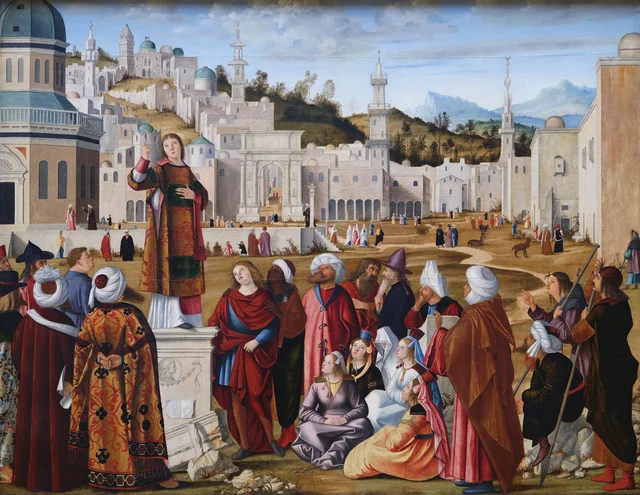 The Sermon of St. StephenVittore Carpaccio, 1514
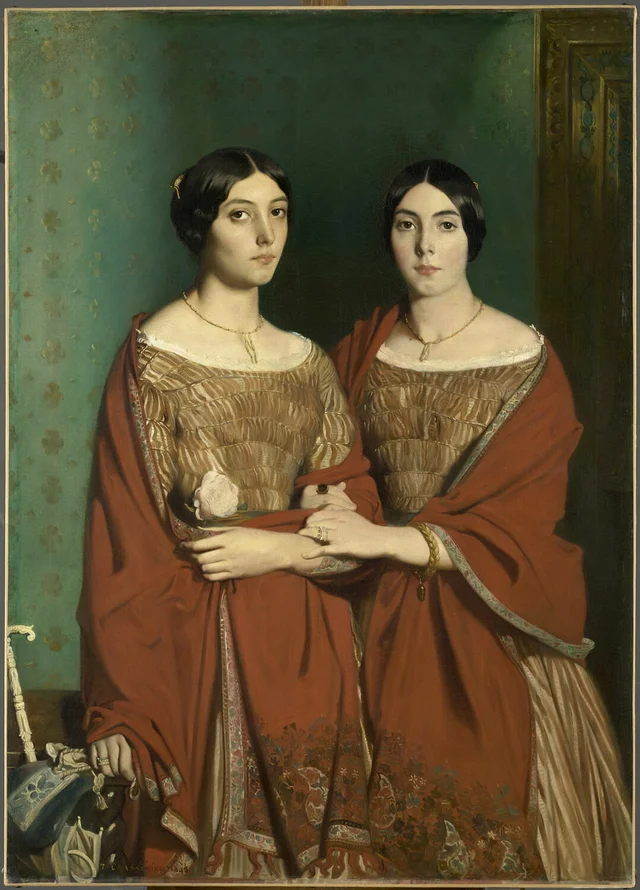 The Two SistersThéodore Chassériau, 1843
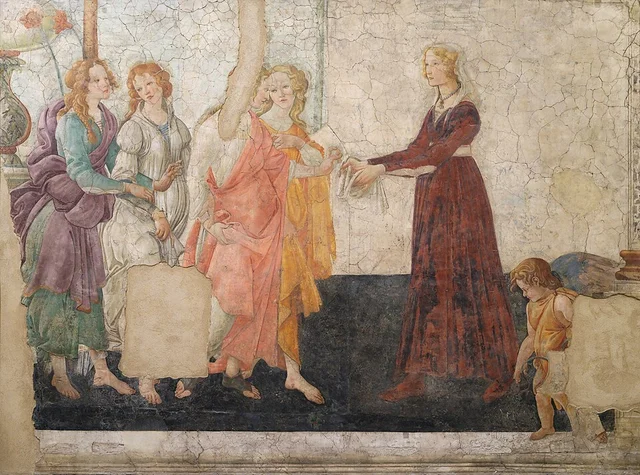 Venus and the Three Graces Presenting Gifts to Giovanna degli AlbizziSandro Botticelli, 1484
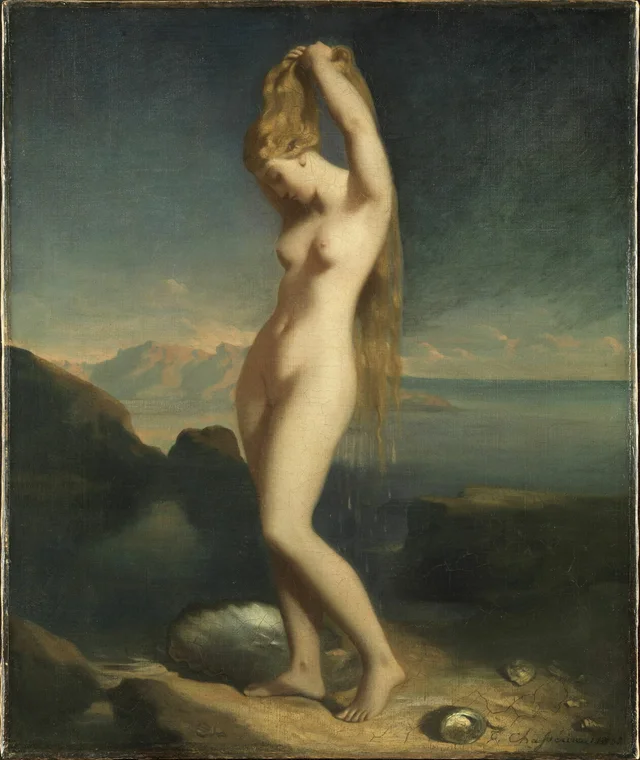 Venus of the seaThéodore Chassériau, 1838
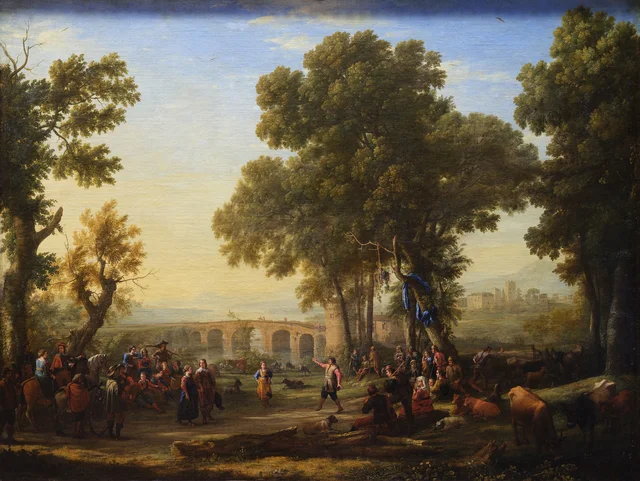 Village FêteClaude Lorrain, 1639
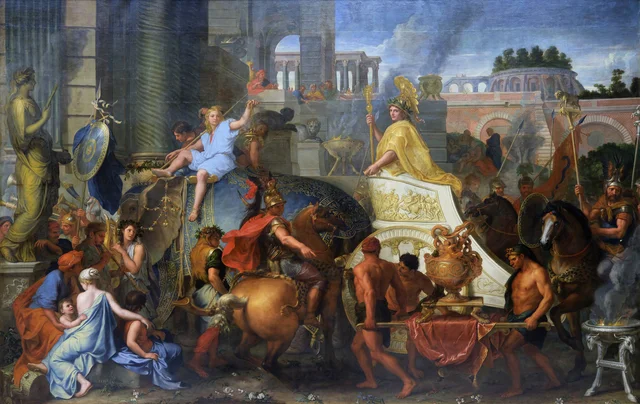 Alexander Entering BabylonCharles Le Brun, 1664
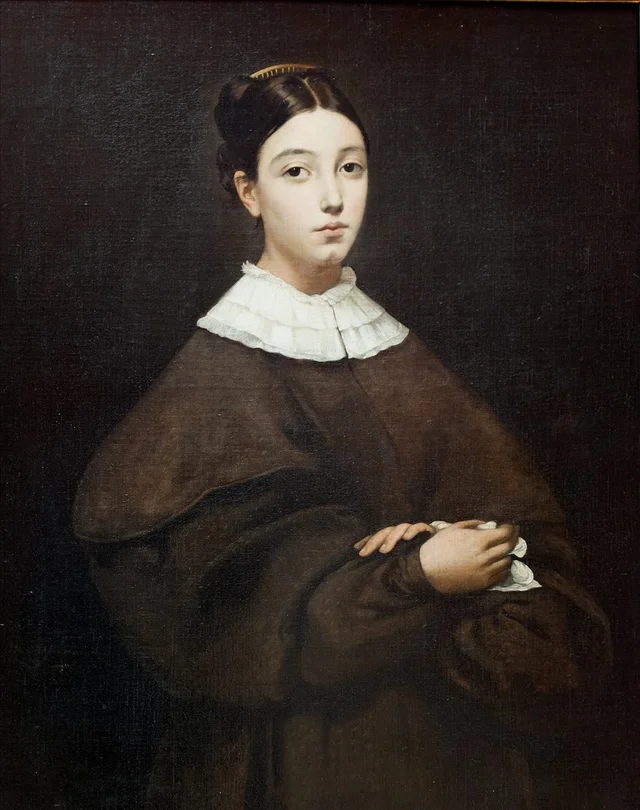 Aline ChassériauThéodore Chassériau, 1835
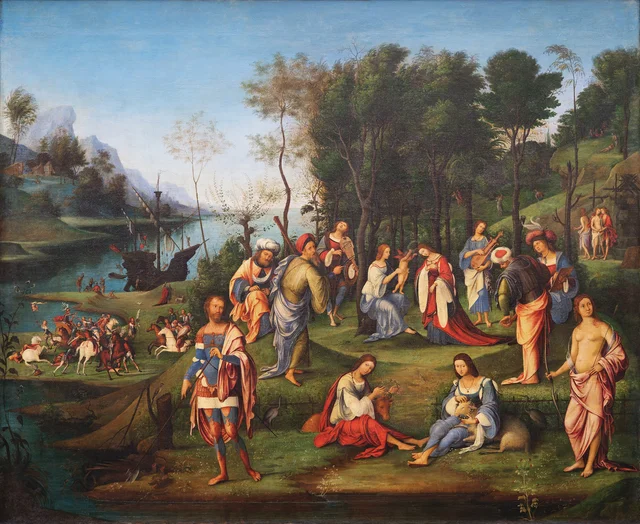 Allegory of Isabella d'Este's CoronationLorenzo Costa, 1506
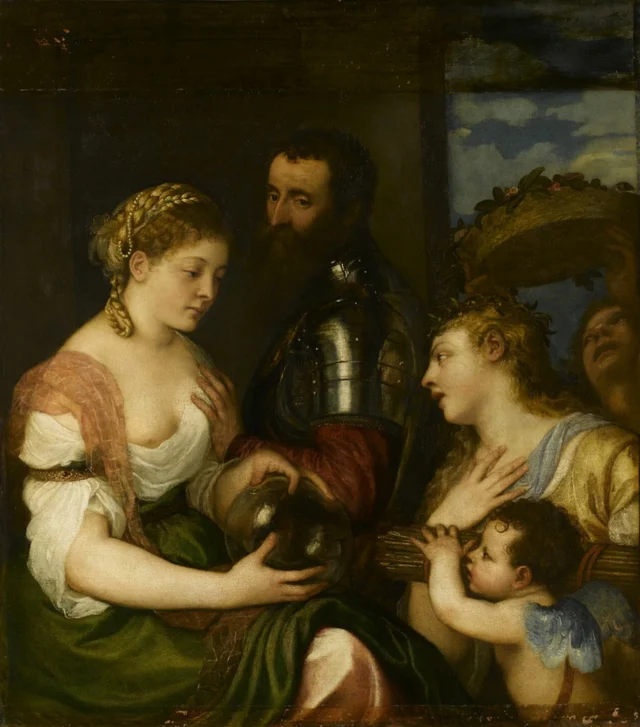 Allegory of MarriageTitian, 1532
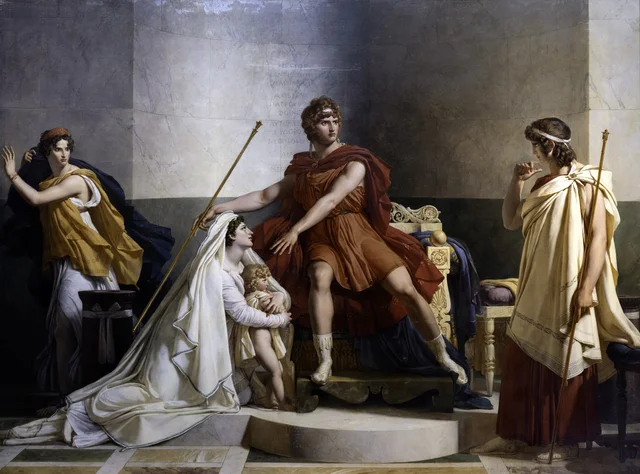 Andromache and PyrrhusPierre-Narcisse Guérin, 1810
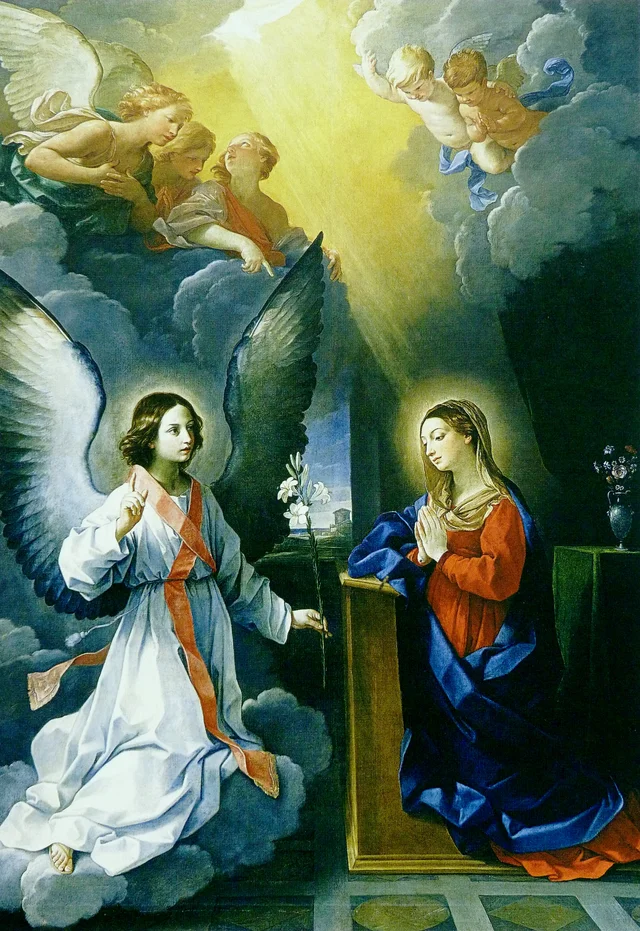 AnnunciationGuido Reni, 1629