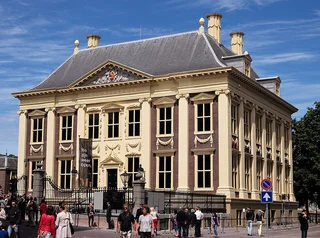
The story
The house was built in the 1640s for Johan Maurits van Nassau-Siegen, a cousin of the Dutch ruling family who had spent seven years governing the Dutch colony in Brazil and came home rich enough to raise a small classical palace beside the government pond in The Hague. His architects, Jacob van Campen and Pieter Post, gave it the calm symmetry that would shape Dutch grand building for a century.
Some of that wealth came from the sugar plantations and the trade in enslaved people that the colony ran, a history the museum now states openly on its walls.
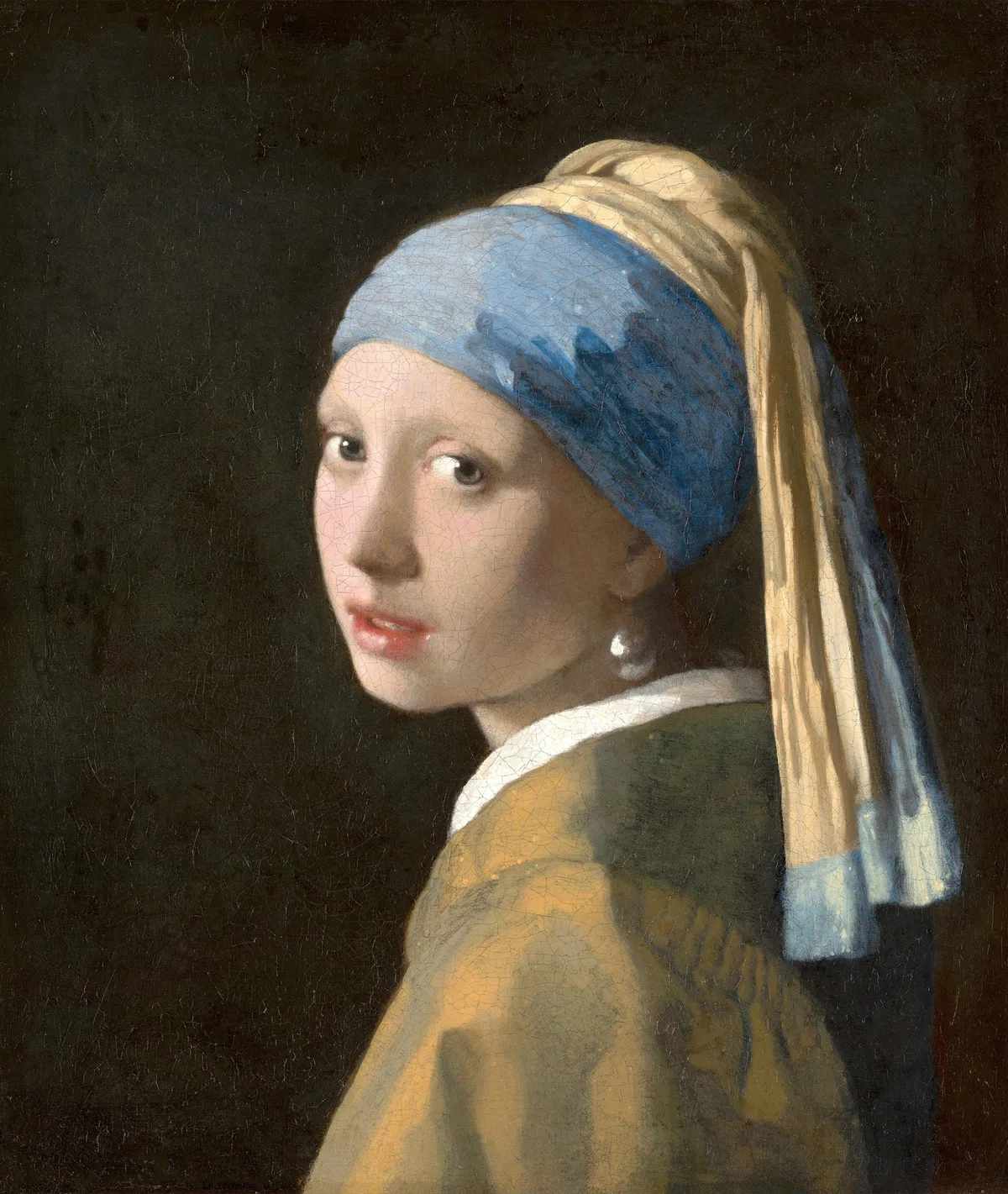
Today the rooms hold one of the finest small collections of the Dutch Golden Age. This is where you stand before Vermeer's Girl with a Pearl Earring, her turned head and single earring caught against the dark, and a few rooms away his cool View of Delft. Rembrandt's Anatomy Lesson of Dr Nicolaes Tulp lays a dissected arm open before a ring of surgeons, and Carel Fabritius's tiny Goldfinch sits chained to its perch, a picture that survived the Delft gunpowder explosion that killed its painter in 1654.
More articles
Collection
241 works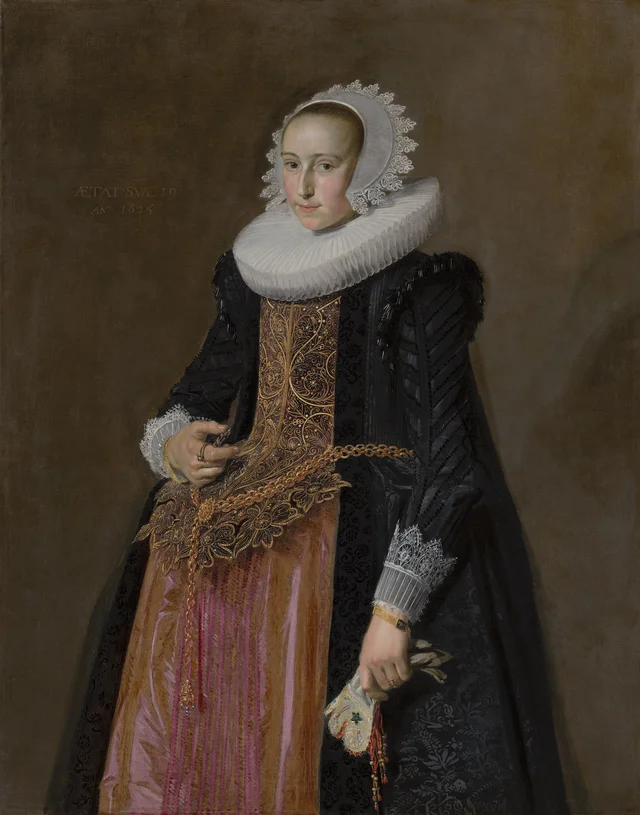 Portrait of Aletta Hanemans (1606–1653)Frans Hals, 1625
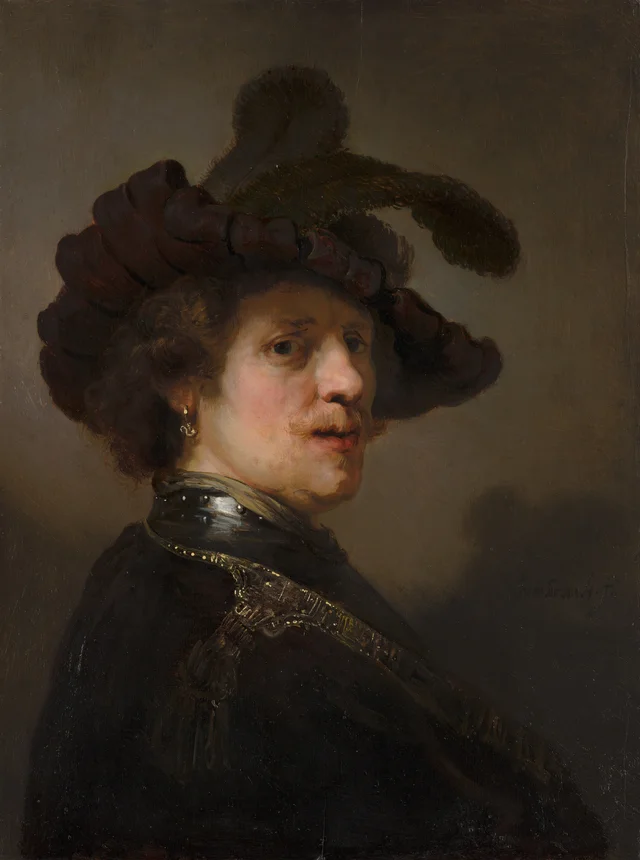 Portrait of a man in a plumed hatRembrandt, 1635
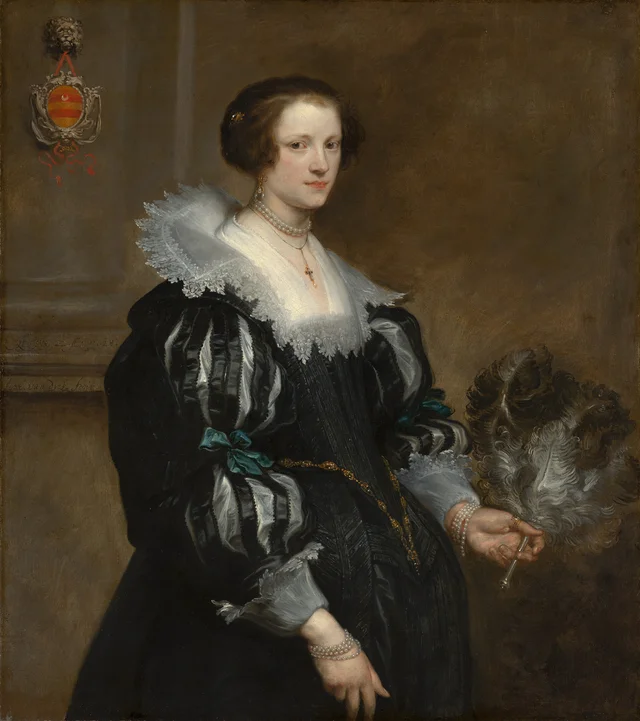 Portrait of Anna WakeAnthony van Dyck, 1628
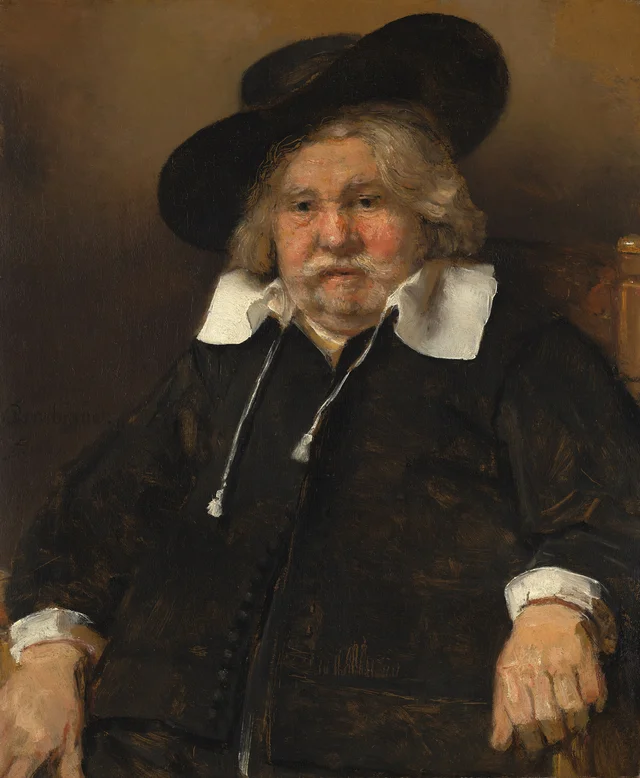 Portrait of an old manRembrandt, 1667
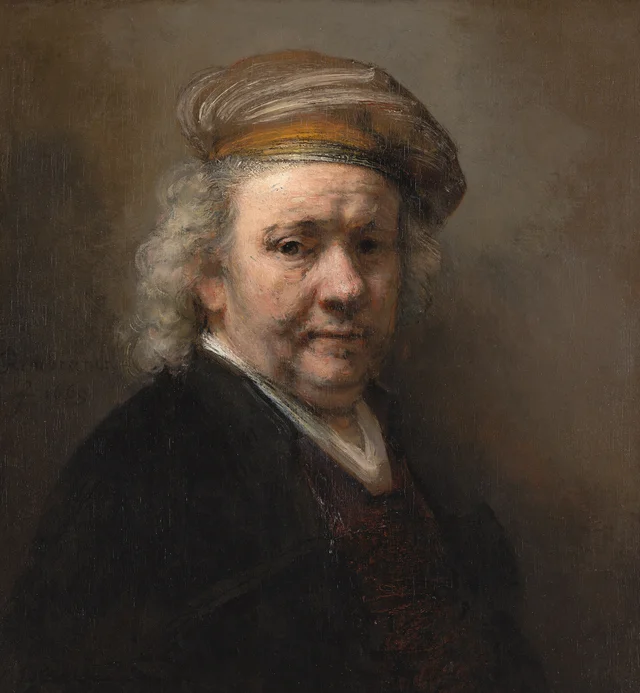 Self-portraitRembrandt, 1669
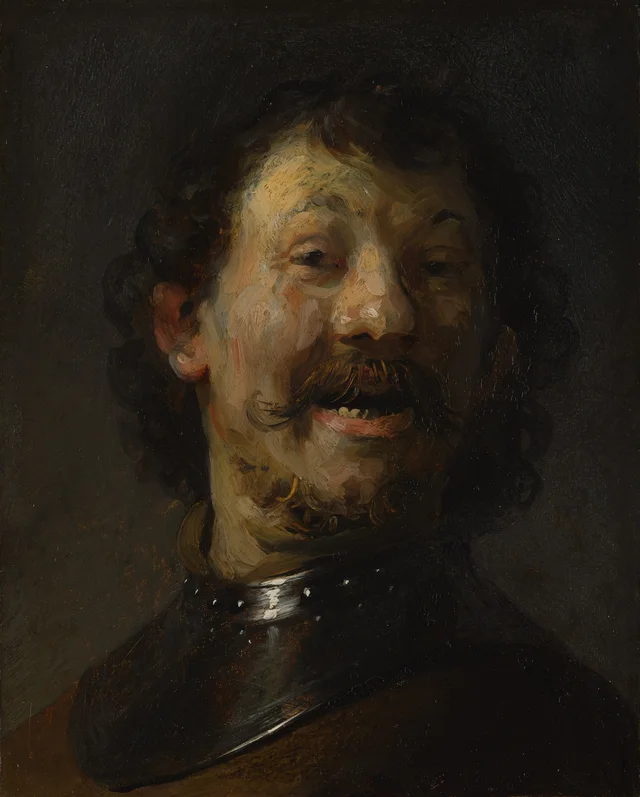 The Laughing ManRembrandt, 1629
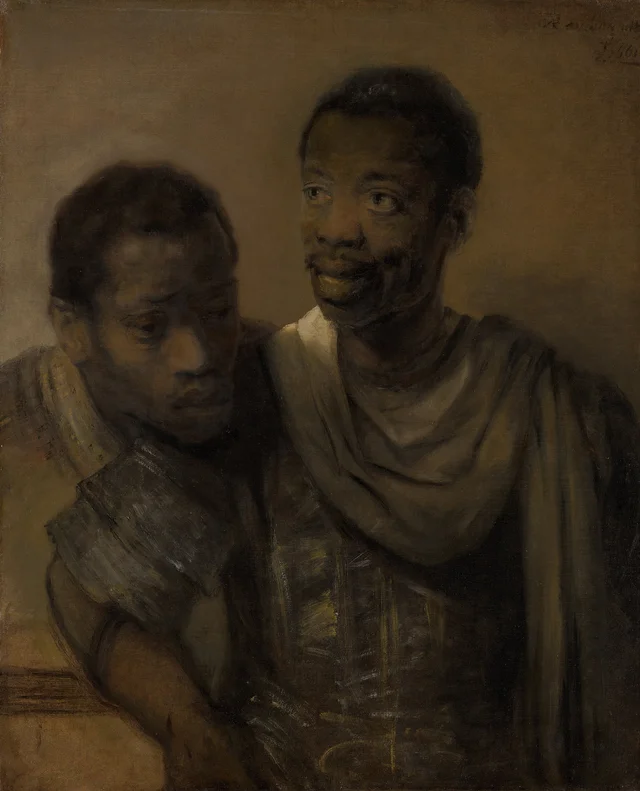 Two African menRembrandt, 1661
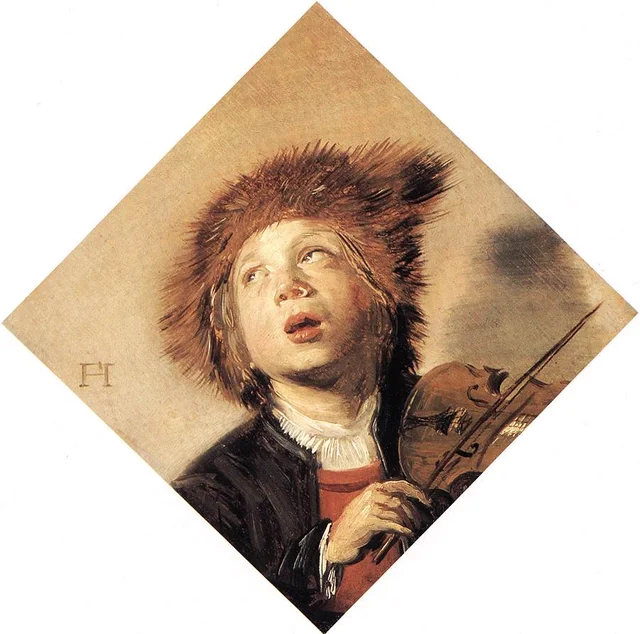 Boy Playing the ViolinFrans Hals, 1628
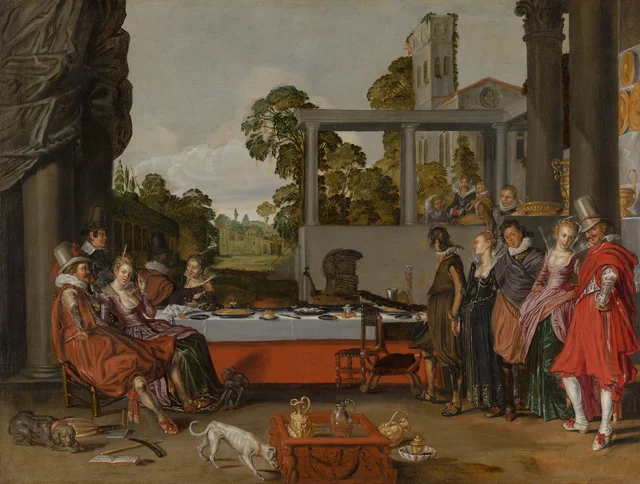 Merry Company on a TerraceWillem Pieterszoon Buytewech, 1616
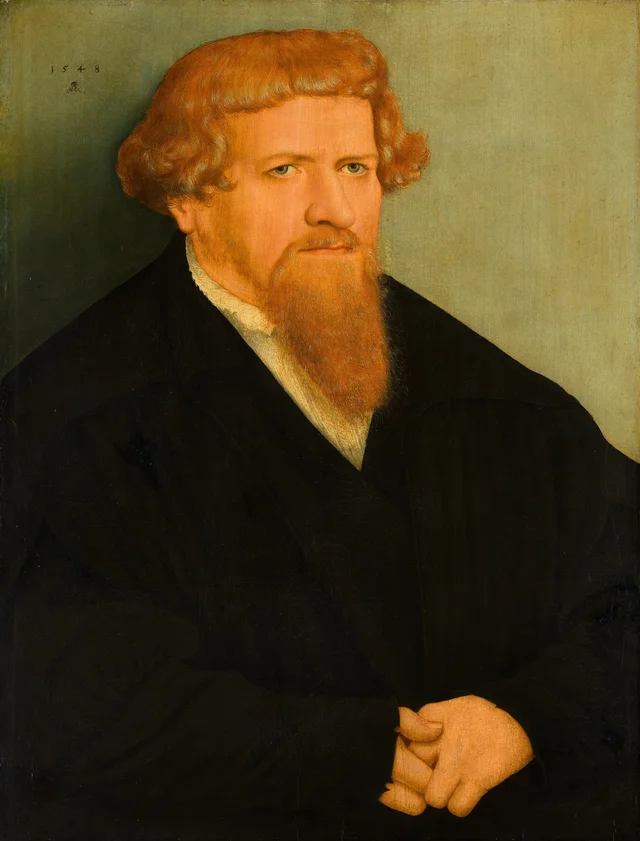 Portrait of a Man with a Red BeardLucas Cranach the Younger, 1548
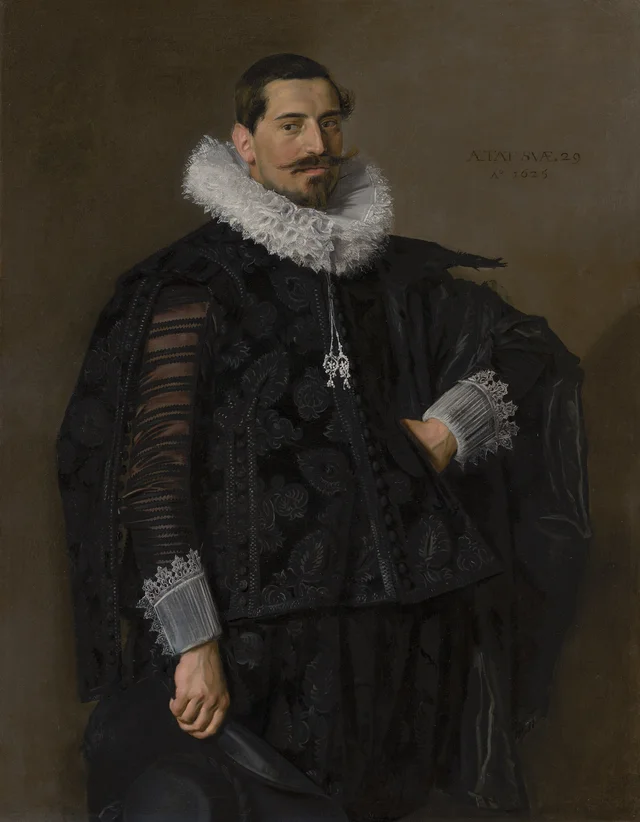 Portrait of Jacob Pietersz Olycan (1596-1638)Frans Hals, 1625
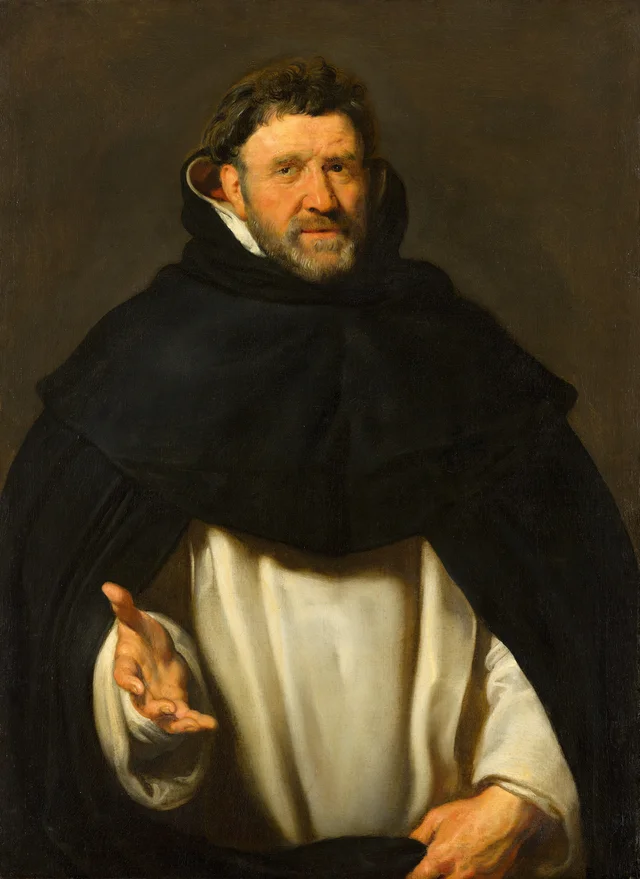 Portrait of Michiel Ophovius (1570-1637), bishop of 's-HertogenboschPeter Paul Rubens, 1616
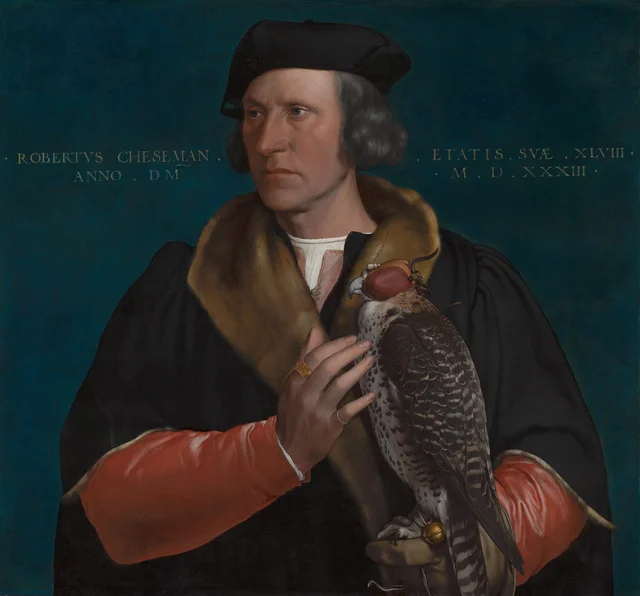 Portrait of Robert Cheseman (1485-1547)Hans Holbein the Younger, 1533
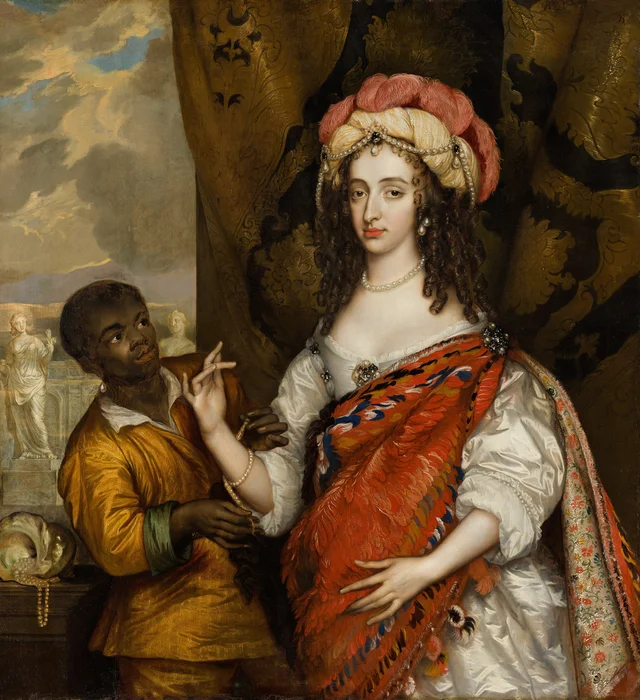 Posthumous Portrait of Mary I Stuart (1631- 1660) with a ServantAdriaen Hanneman, 1664
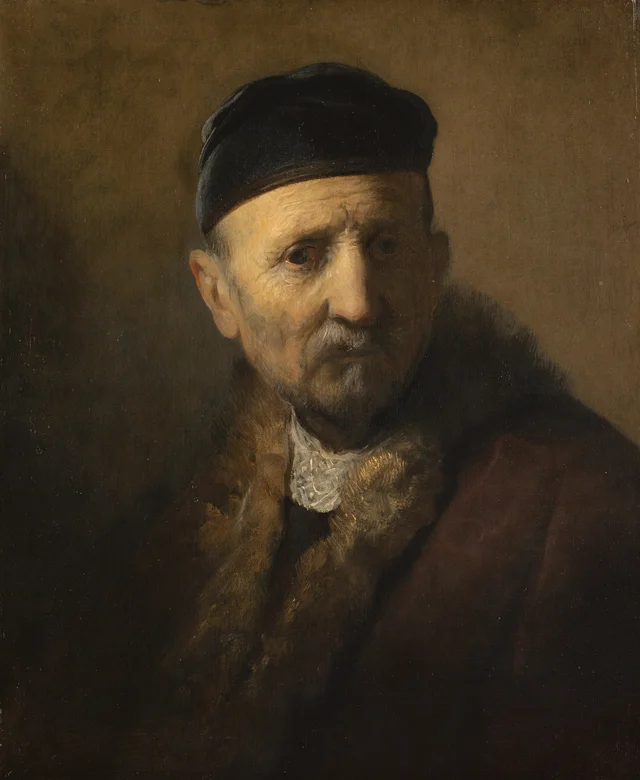 Study of an old man (Rembrandt's father)Rembrandt, 1630
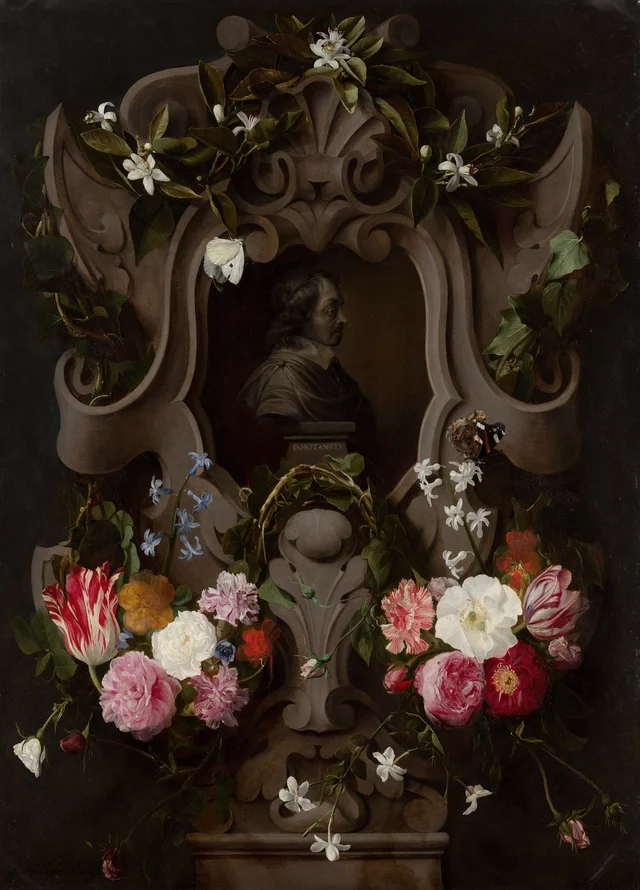 Bust of Constantijn Huygens Surrounded by a Garland of Flowers (1596–1687)Daniel Seghers, 1644
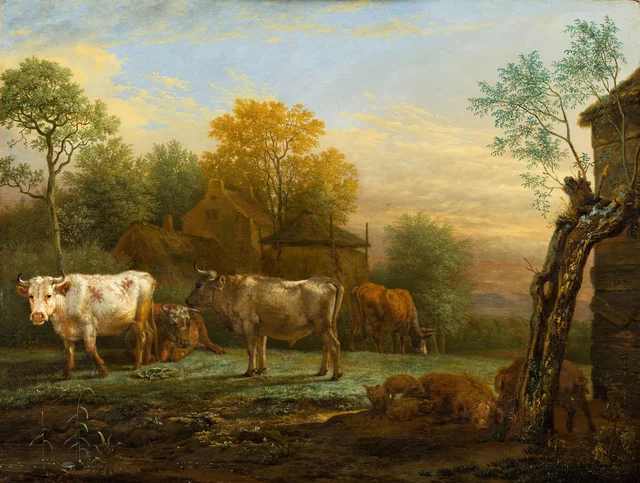 Cattle in a MeadowPaulus Potter, 1652
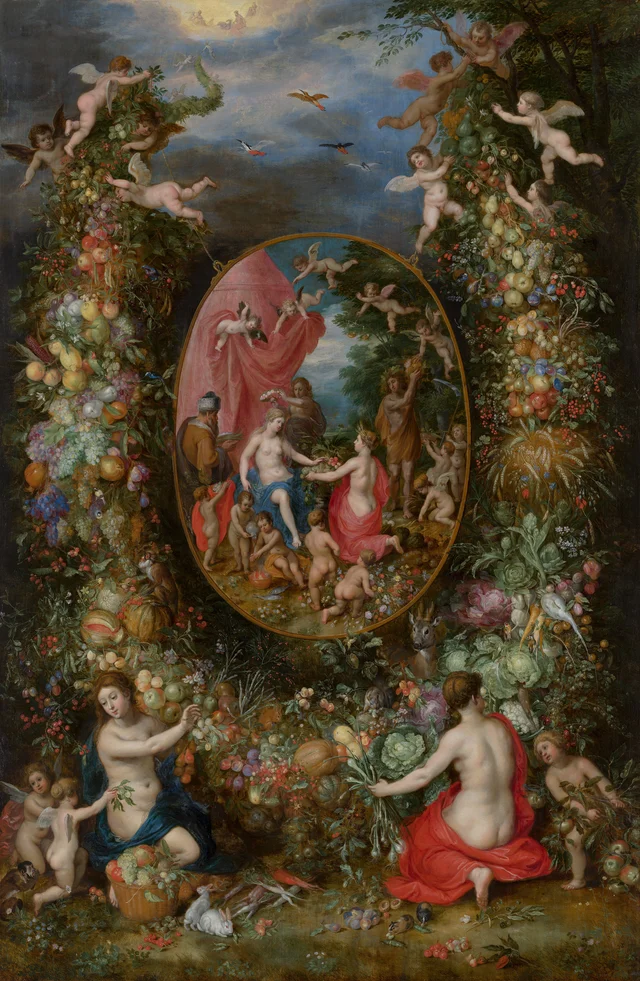 Garland of Flowers around an Allegory of FarmingJan Brueghel the Elder, 1621
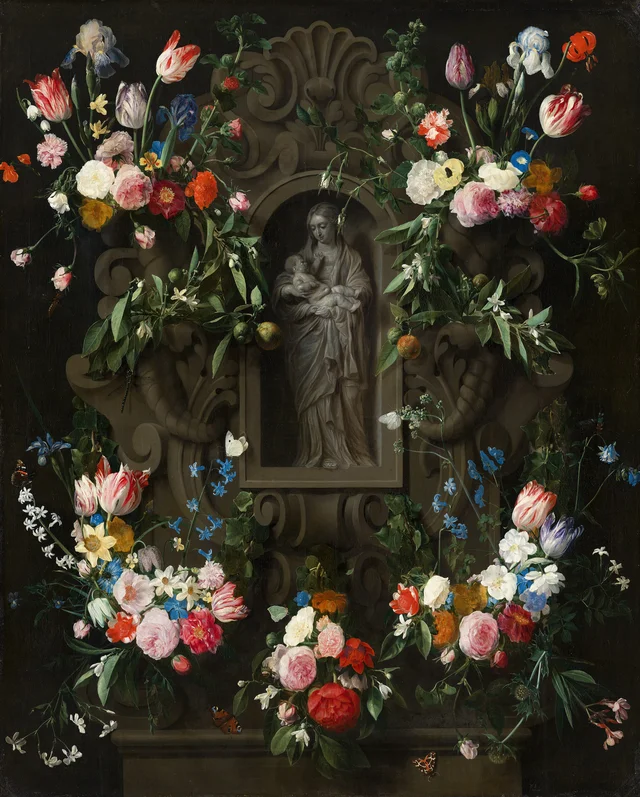 Garland of Flowers surrounding a Sculpture of the Virgin MaryDaniel Seghers, 1645
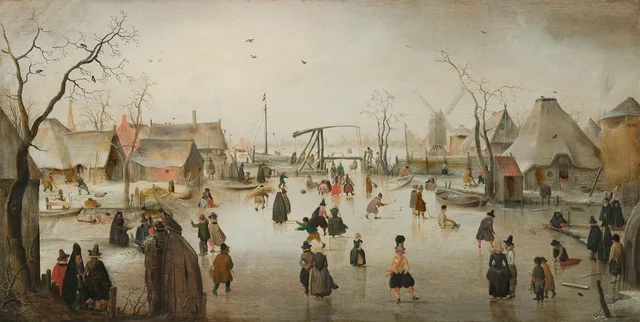 Ice SceneHendrick Avercamp, 1610
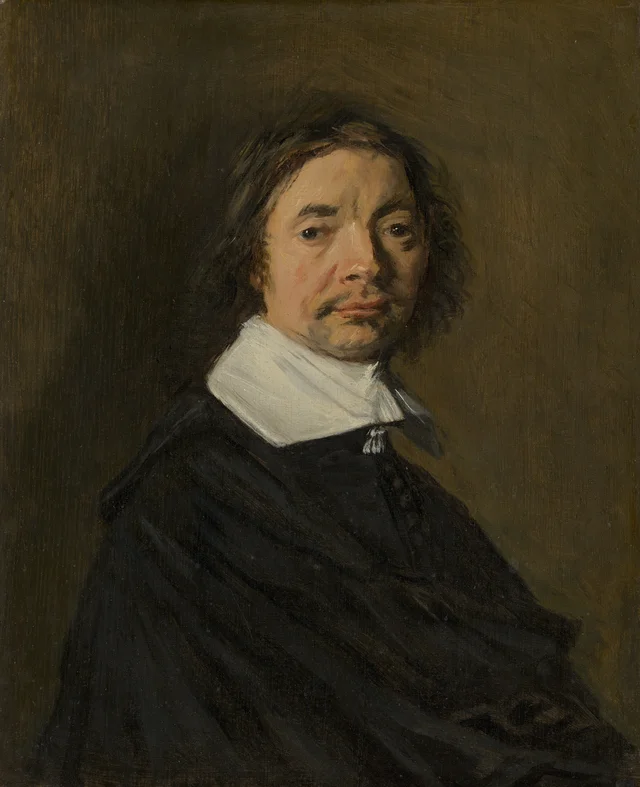 Portrait of a manFrans Hals, 1660
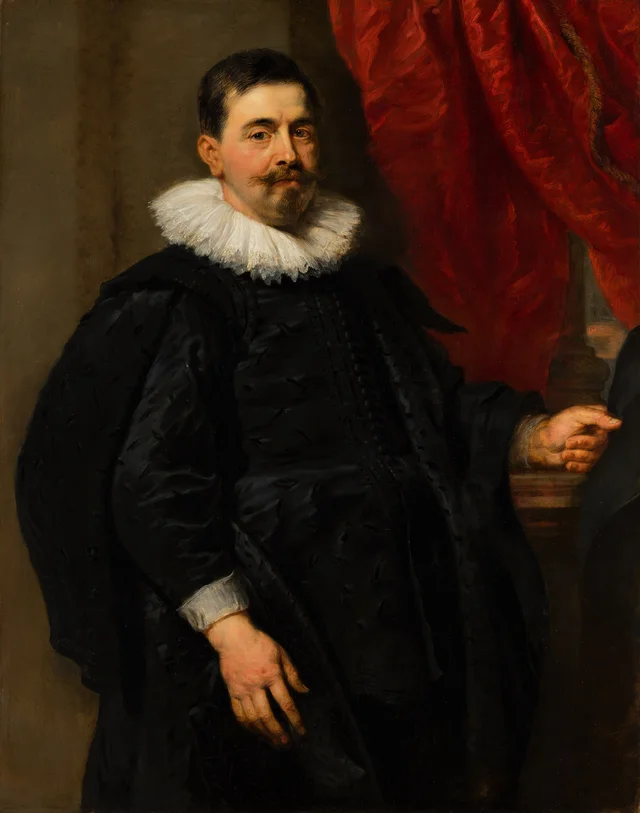 Portrait of a Man, possibly Peter van Hecke (1591-1645)Peter Paul Rubens, 1630
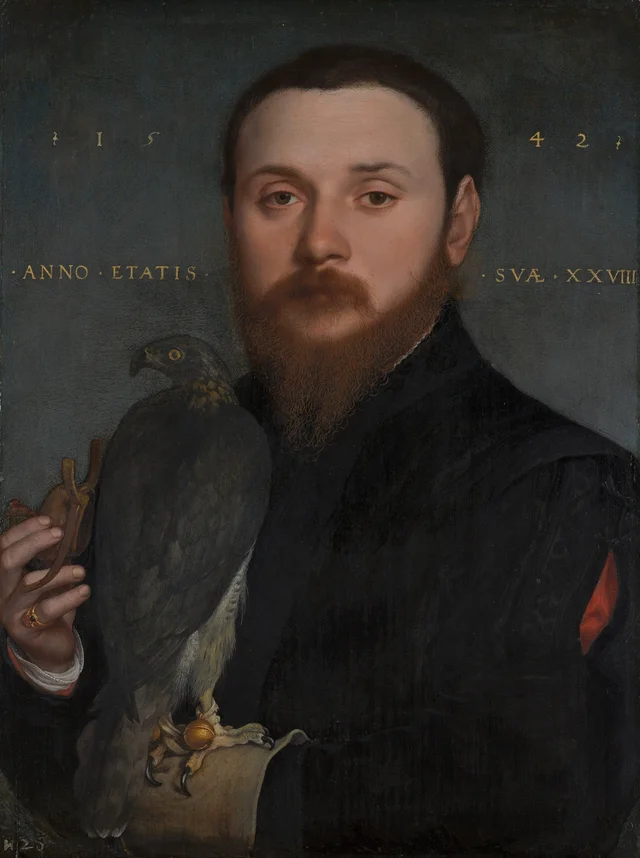 Portrait of a Nobleman with a HawkHans Holbein the Younger, 1542
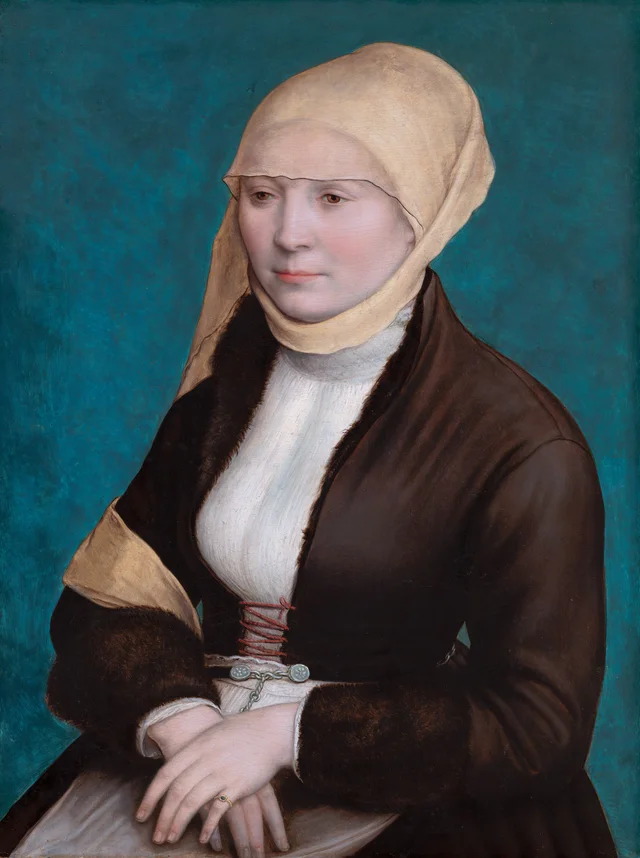 Portrait of a Woman from Southern GermanyAnonymous, 1522
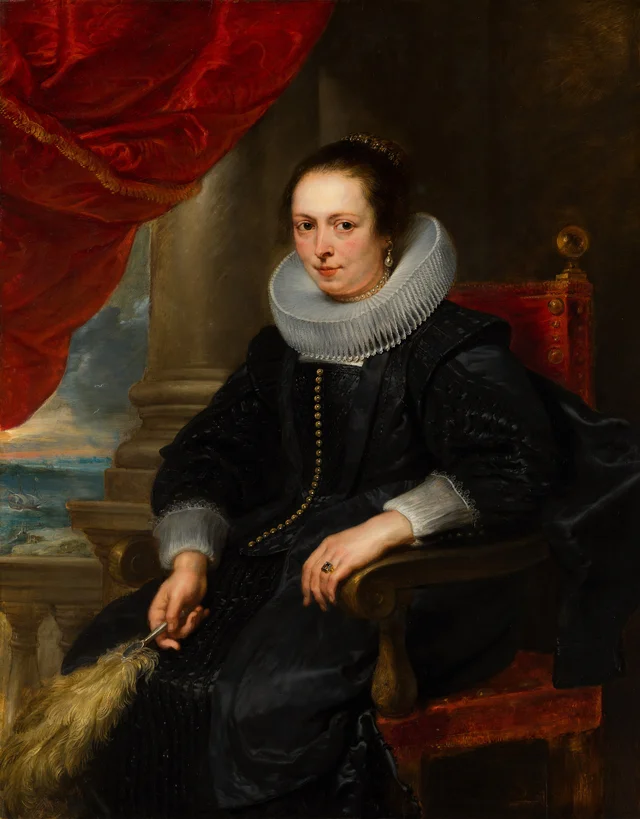 Portrait of a Woman, possibly Clara FourmentPeter Paul Rubens, 1630